




Coffee Built on Responsibility and Trust
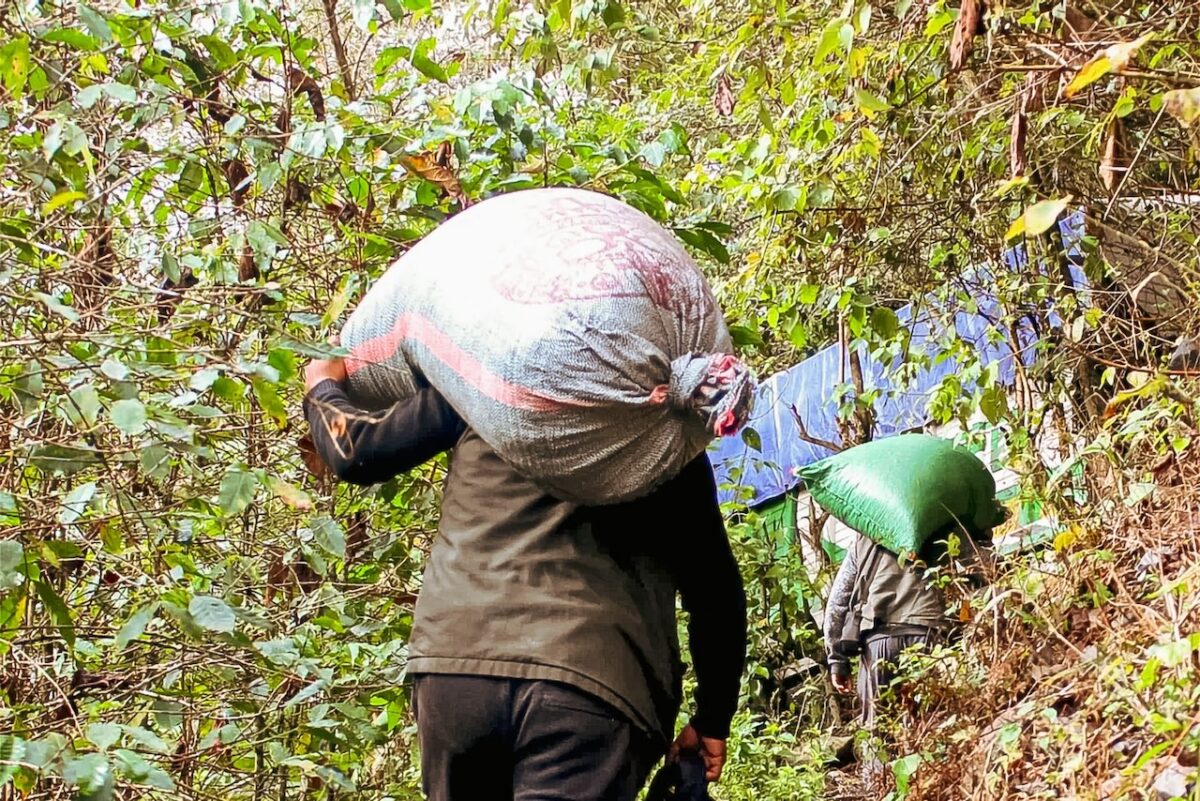
In today’s economic system, where scale and capital often dictate the rules, small-scale coffee producers owning only a few hectares of land have long been the ones forced to bear the burden. No matter how much care they devote to cultivation or how far they refine quality, their efforts rarely translate into better prices. Their coffee is gathered, blended with countless other lots, stripped of its story and identity before reaching consuming countries. With little to no traceability, the coffee disappears into the market without producers ever knowing who drank it or where it ended up—while they continue striving simply to sustain their daily lives.
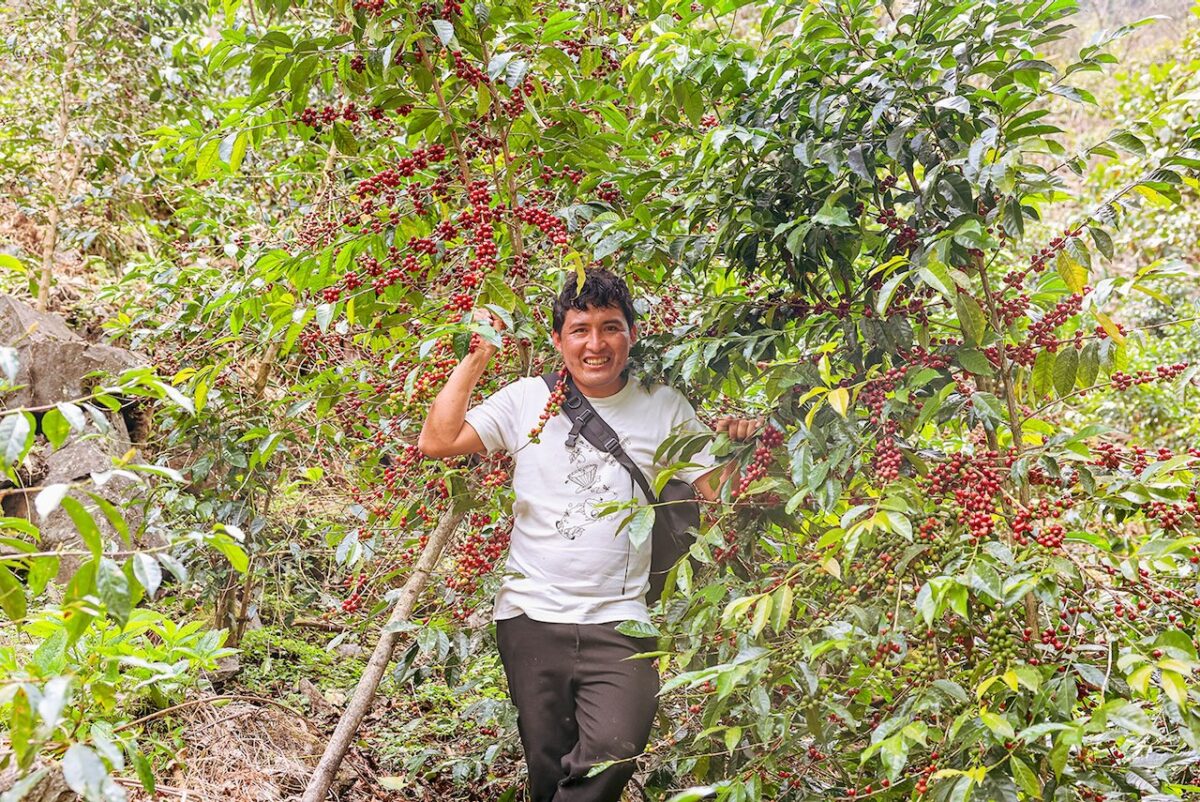
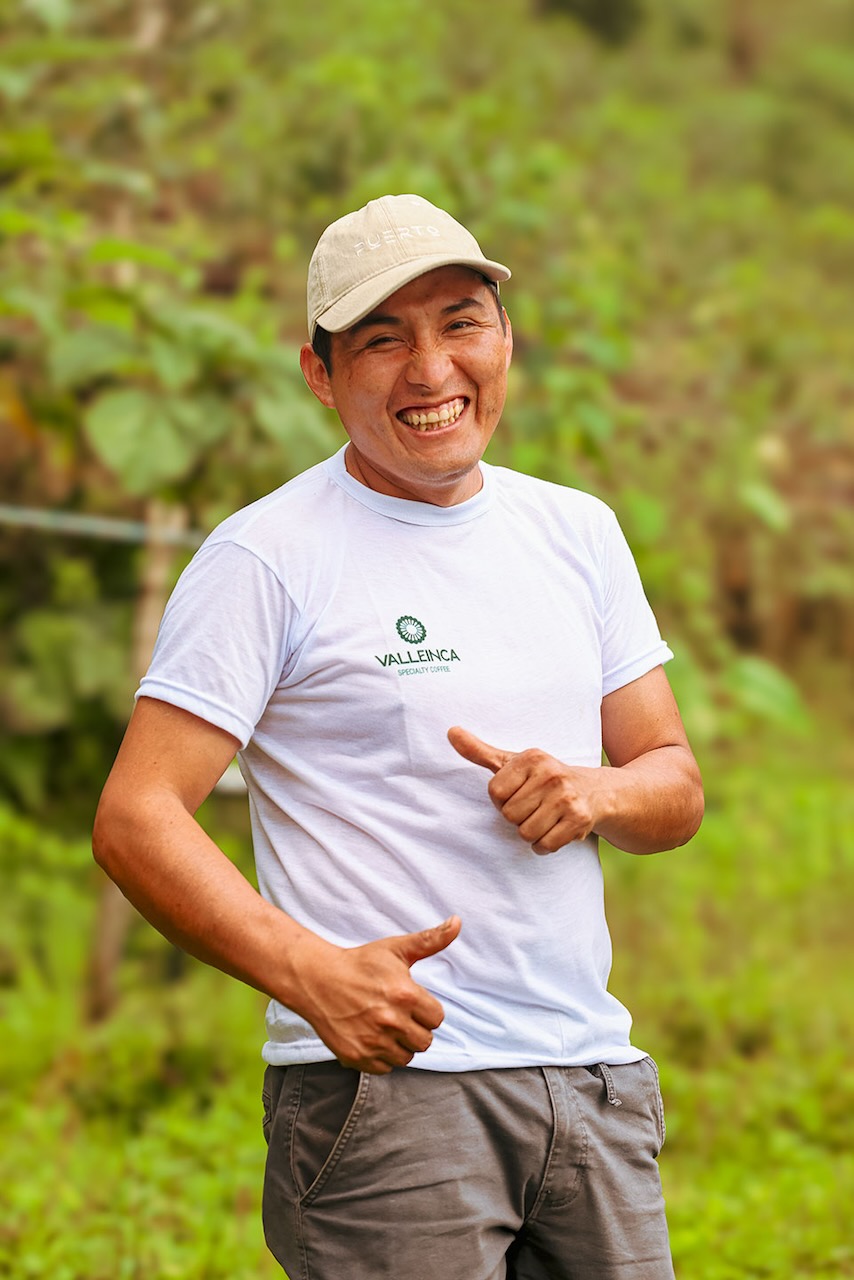
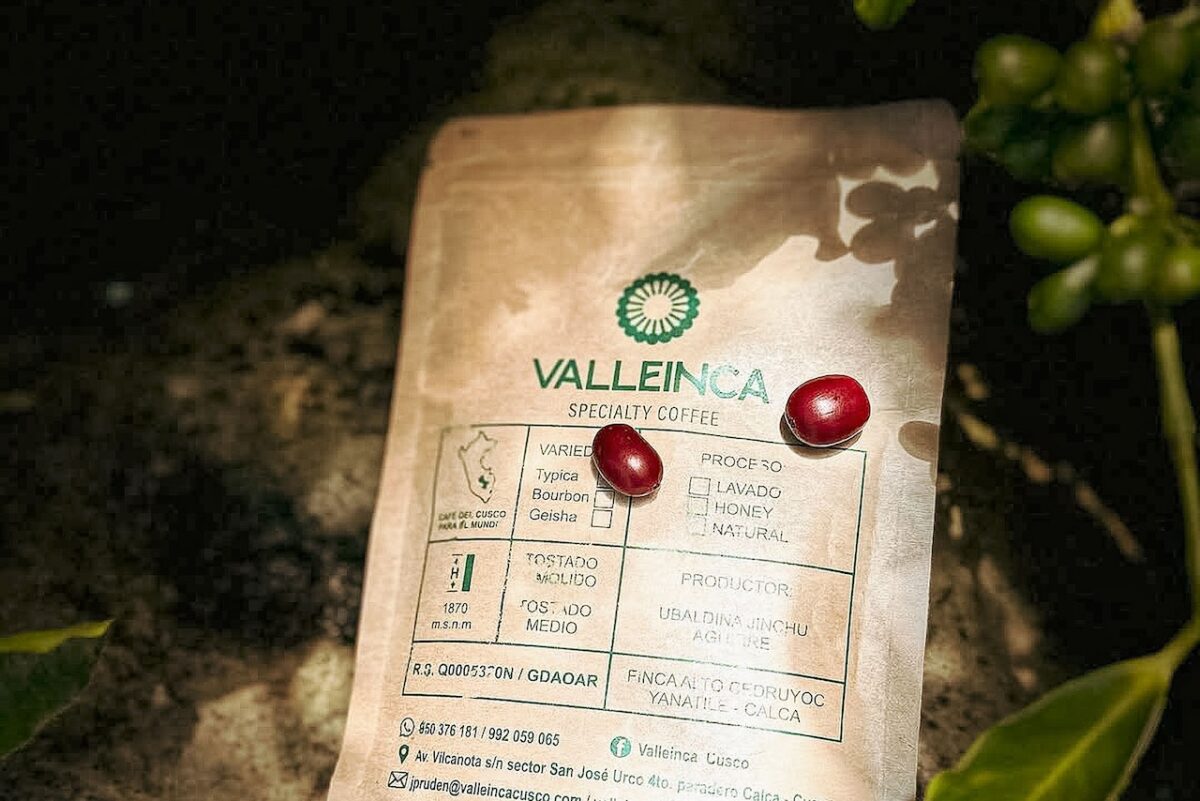
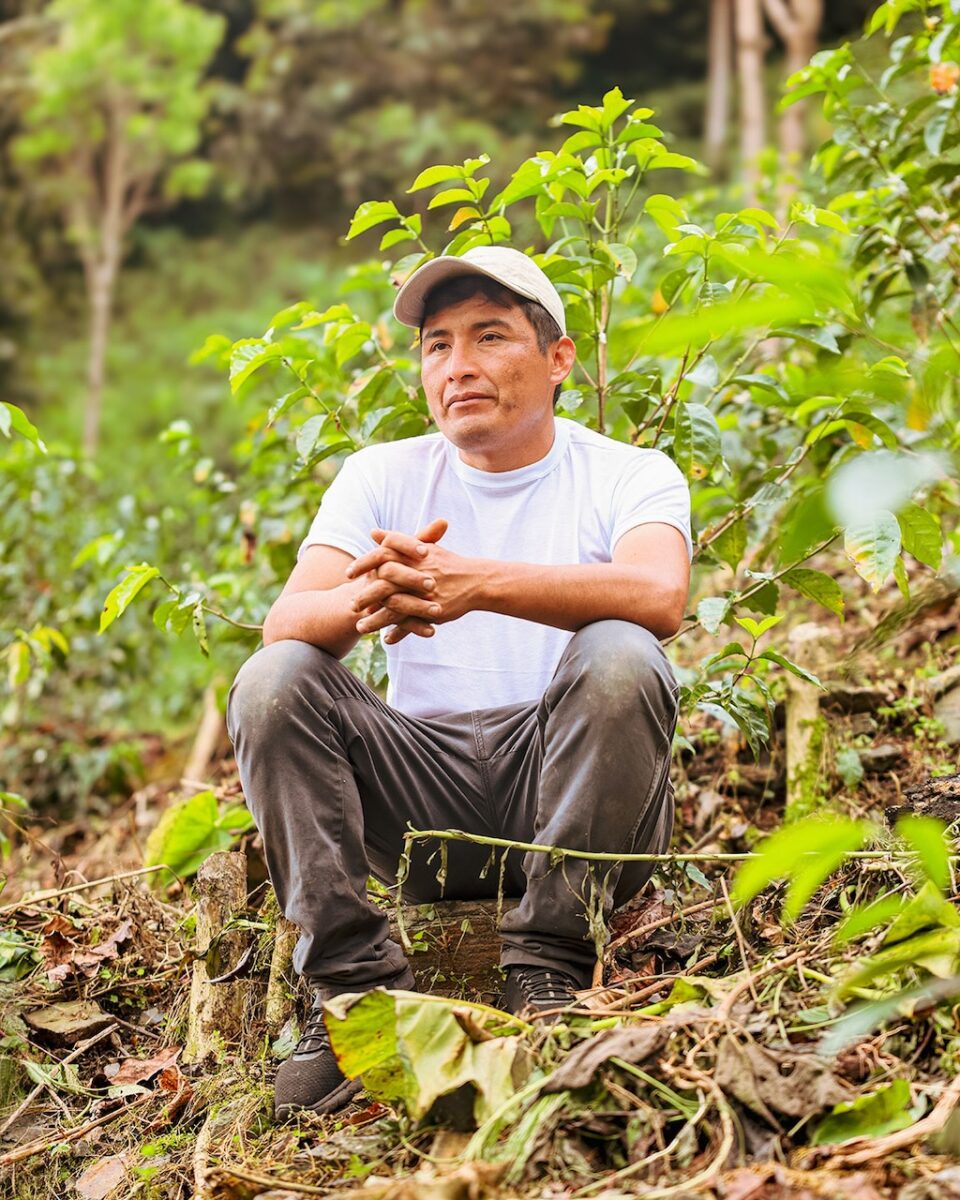
Determined to change that reality, one man rose from the remote mountains of Peru. His name is José Prudencio Vargas Sáez, born and raised in Calca, Cusco, in a family of third-generation coffee and cacao producers. In 2017, he founded Valleinca with the vision of opening markets on his own terms and bringing high-quality specialty coffee from Peru to the world.
Nearly eight years later, Valleinca now works alongside more than 400 smallholder producers across the southern Peruvian regions of Cusco and Puno, exporting 15 to 20 containers of high-quality coffee each year. Alongside traditional varieties such as Bourbon, Caturra, and Geisha, the organization has also actively introduced highly competitive cultivars like Sidra. Today, specialty coffees scoring between 84 and 90 points account for roughly 70% of its total sales.
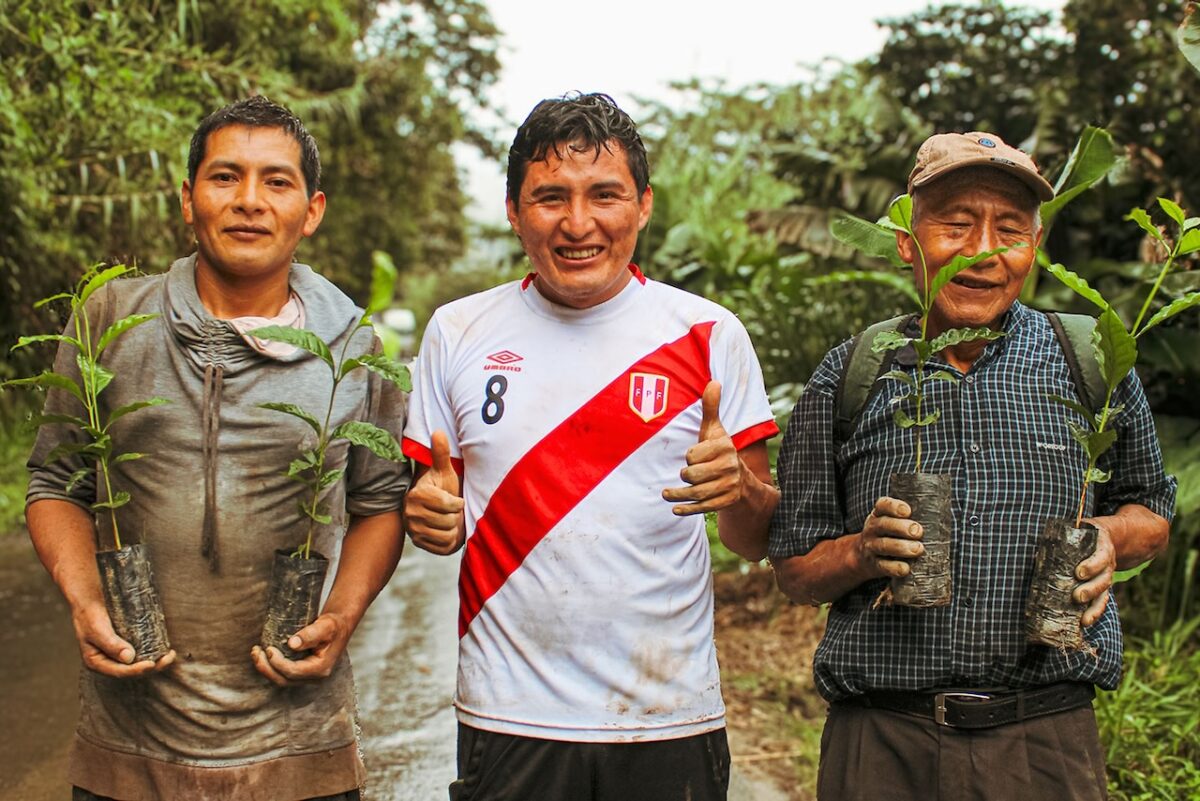
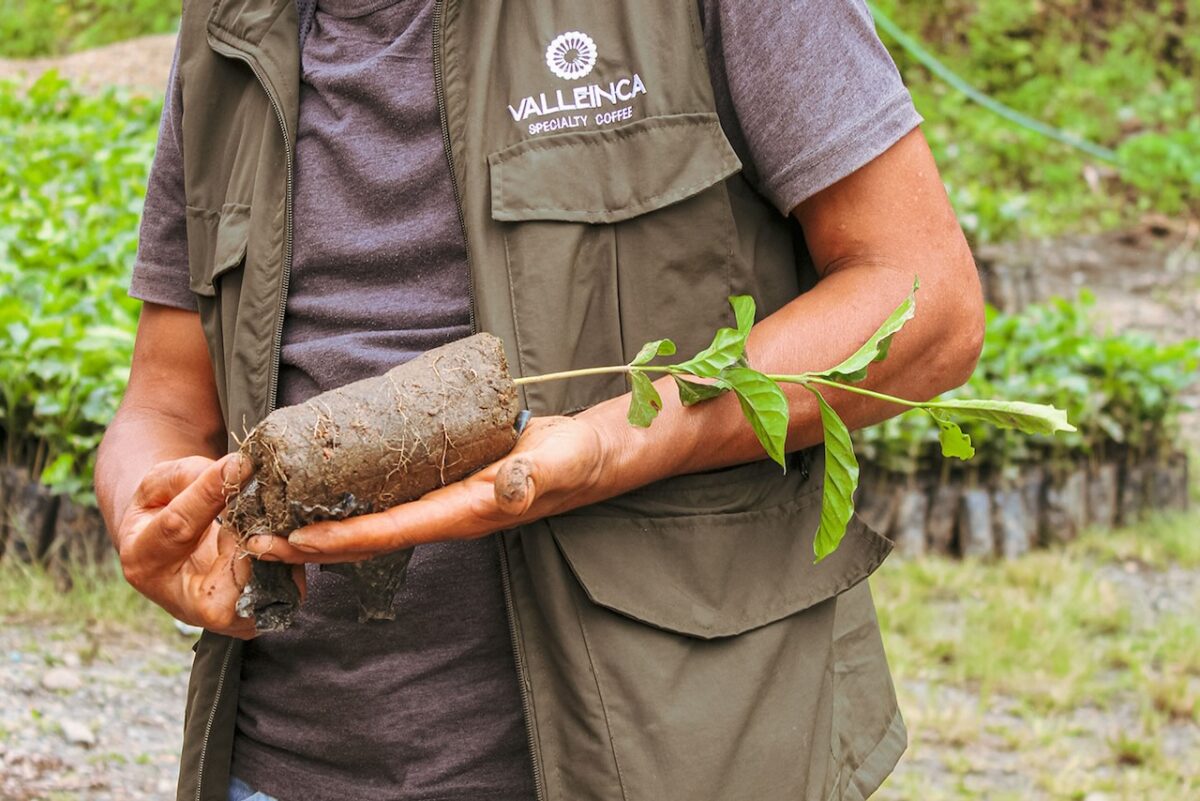
But Valleinca’s mission extends far beyond simply promoting and selling coffee. Its goal is to improve producers’ incomes and quality of life while creating harmony between coffee production and environmental conservation—in other words, achieving truly sustainable development. To realize that vision, Valleinca has pursued a comprehensive approach that goes well beyond producer training programs and the free distribution of seedlings. Its initiatives include expanding the cultivation of genetically pure varieties, supporting reforestation efforts, and even providing mental health support for producers and their families.
As a coffee producer himself, what is the driving force behind José Prudencio Vargas Sáez—the man who has continued leading transformation across the region?

Expanding Possibilities Through Access to Capital
Before founding Valleinca, José worked as a loan officer at Agrobanco, Peru’s government-backed agricultural bank. Driven by a desire to build closer relationships with producers and contribute to their livelihoods in a meaningful way, he spent four years working directly alongside farming communities. During that time, he witnessed firsthand the financial hardships many coffee producers faced. At the same time, he also came to understand how access to appropriate financial services could dramatically expand a producer’s options and future opportunities.
José reflects: “What made Agrobanco unique was its repayment structure. Producers were allowed to repay their loans once a year, after harvest. Even producers with very limited cash flow could therefore secure the funds they needed for essential investments such as fertilization. Compared to ordinary private-sector loans, the interest rates were also relatively low.
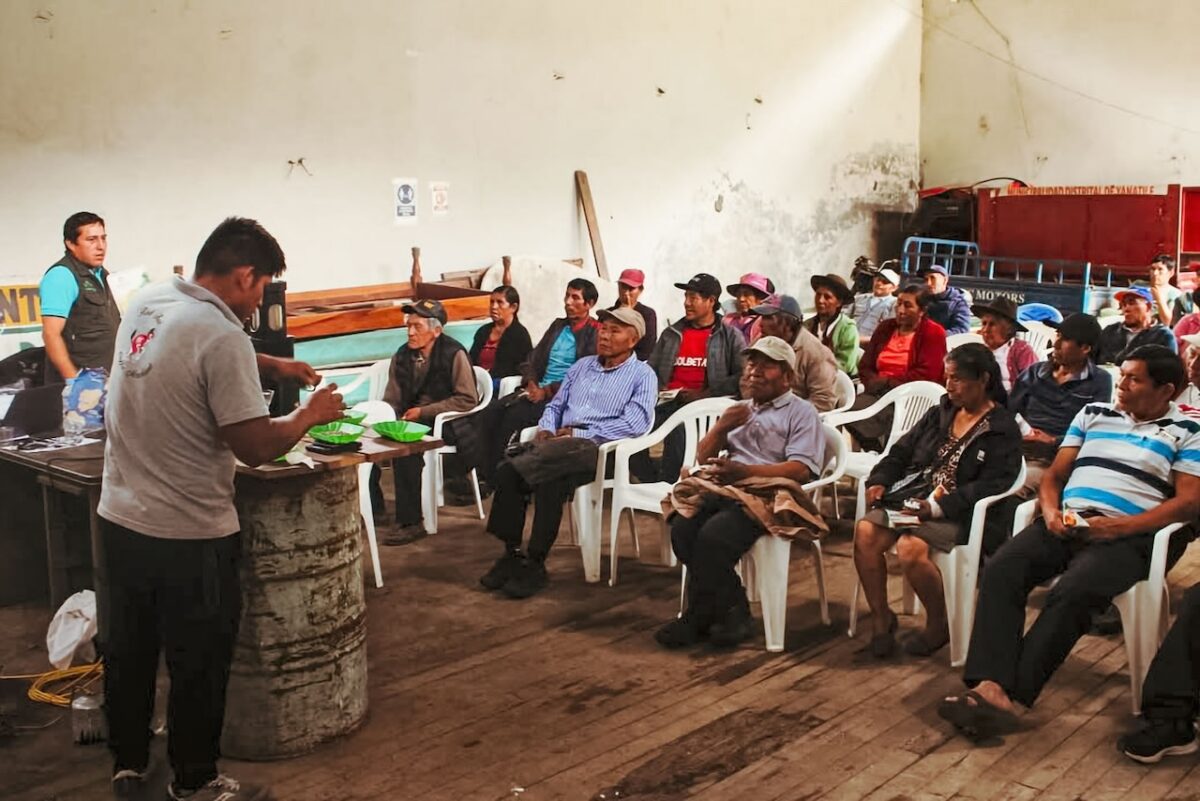
Part of our role was helping producers—many of whom either did not have bank accounts or had very limited access to financial services—understand how finance works. We wanted them to see loans not simply as debt, but as investments that could generate greater income and create new opportunities for the future.”
Building on that experience, José has actively incorporated financing mechanisms into Valleinca’s operations as well. Producers are evaluated based on factors such as their production volumes over the past three years and the reliability of their supply, and are then provided with advance payments equivalent to roughly 10–20% of their expected annual harvest.
“One of the positive aspects of this system is that it fosters a sense of constructive responsibility among producers. We explain the importance of financial management verbally as well, but I believe that when people are placed in a situation where they have commitments they must fulfill, they naturally begin to approach their work more seriously and responsibly.”
No matter how strong someone’s ideals or ambitions for growth may be, without the necessary resources, those aspirations remain little more than wishful thinking. In Valleinca’s early days, the company itself lacked the creditworthiness and capital needed to grow. At one point, they did not even own a vehicle to visit producers in remote communities. What ultimately accelerated Valleinca’s development was access to financing from banks. Drawing on the knowledge and experience he gained in his previous career, José strategically reinvested those funds into coffee purchasing and market development.
“Within the next two to three years, we aim to establish our own warehouse, processing facilities, and quality-control laboratory. One of our goals is to become globally recognized as a team capable of producing exceptional specialty coffee.”
Success Creates Ripple Effects
Today, Valleinca exports coffee from roughly 700 smallholder producers in Cusco—around 400 of whom are active partners—as well as about 30 producers in Puno. Yet in its very first year, the organization sold only two tons of coffee purchased from just five producers, all of whom were personal acquaintances.
“Looking back, I think that reaction was completely understandable. Many producers had spent years being pressured by middlemen and cooperatives, or becoming trapped in transactions that were close to fraudulent. Whenever we spoke with them, you could see the distrust on their faces.”
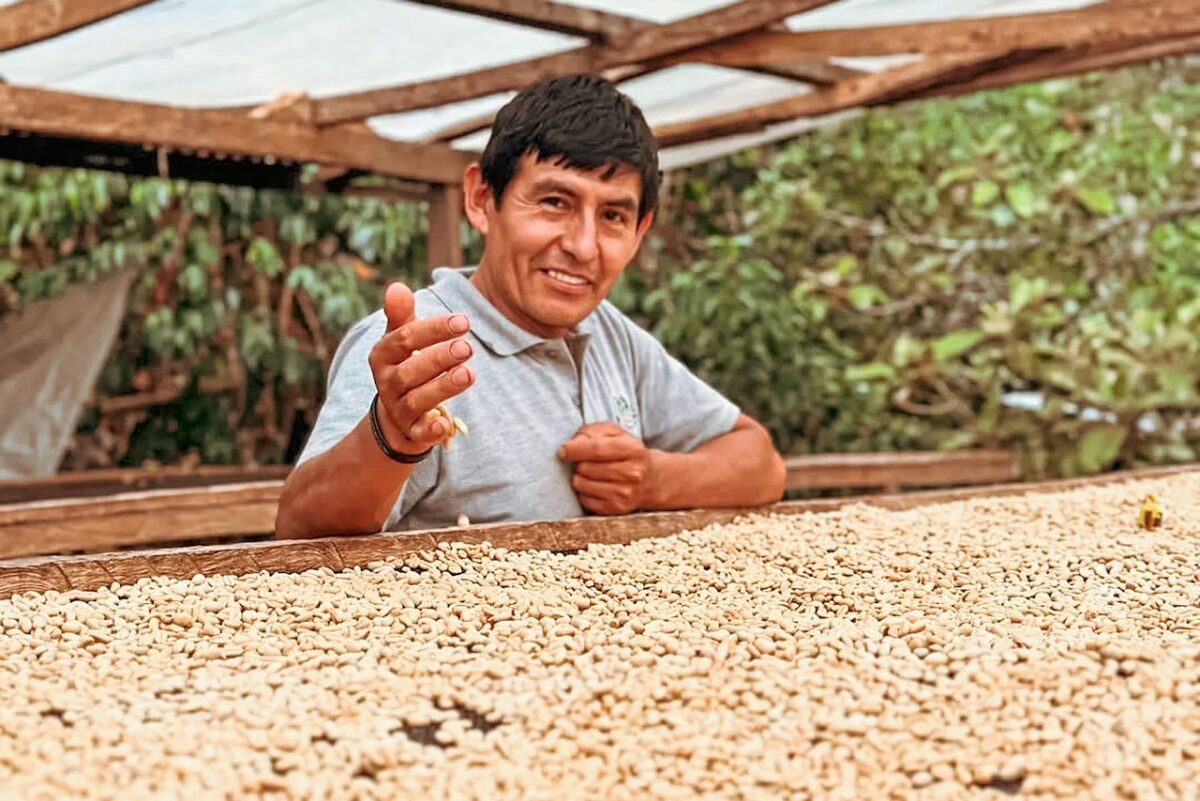
At that time, Valleinca did not even officially exist as a company. The work was simply an extension of José’s personal relationships and local connections. Even so, the fact that he fulfilled every payment exactly as promised became the strongest source of reassurance for producers. It likely also mattered that José himself was from the region and, like them, was a coffee producer. The following year, around 100 producers entrusted their coffee to José and his team, and the company’s trading volume expanded to nearly thirty times its original scale.
Although Valle Inca continued expanding at a rapid pace thereafter, almost multiplying year after year, José never intended for that growth to become mere expansion for its own sake. Determined to develop the organization in a more conscious and responsible manner, he began pursuing certifications such as organic and Fair Trade, seeking to build a business grounded not only in scale, but also in accountability and long-term sustainability.
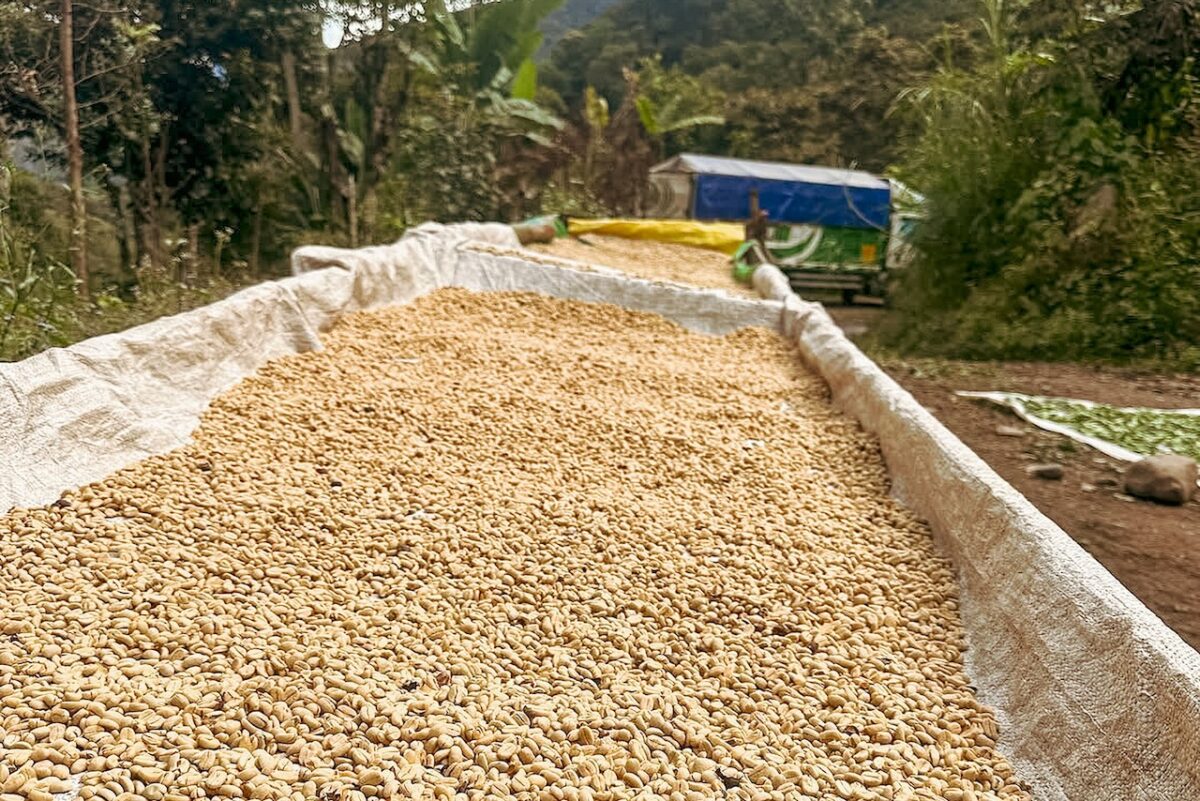
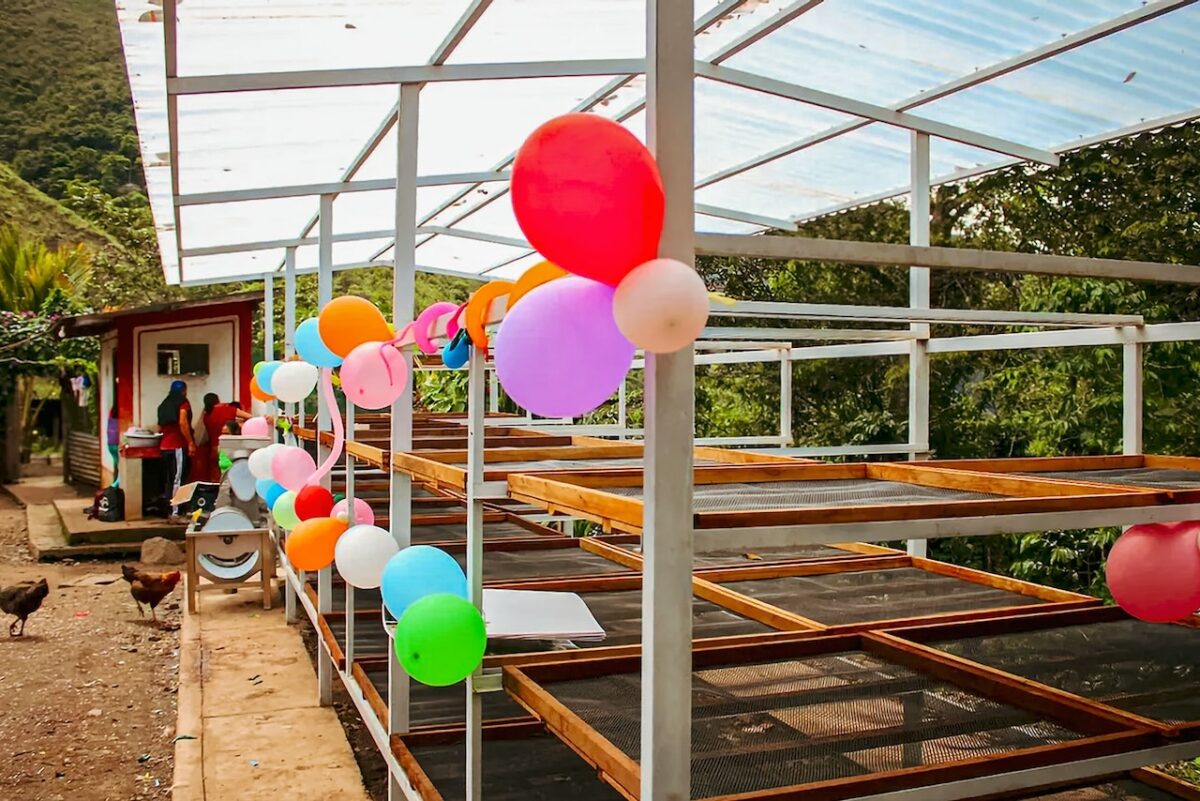
By leveraging financing mechanisms, Valleinca has also supported producers in introducing raised drying beds and dark-room drying systems—a method that uses fans and dehumidifiers to carefully control the drying process and improve consistency in cup quality.
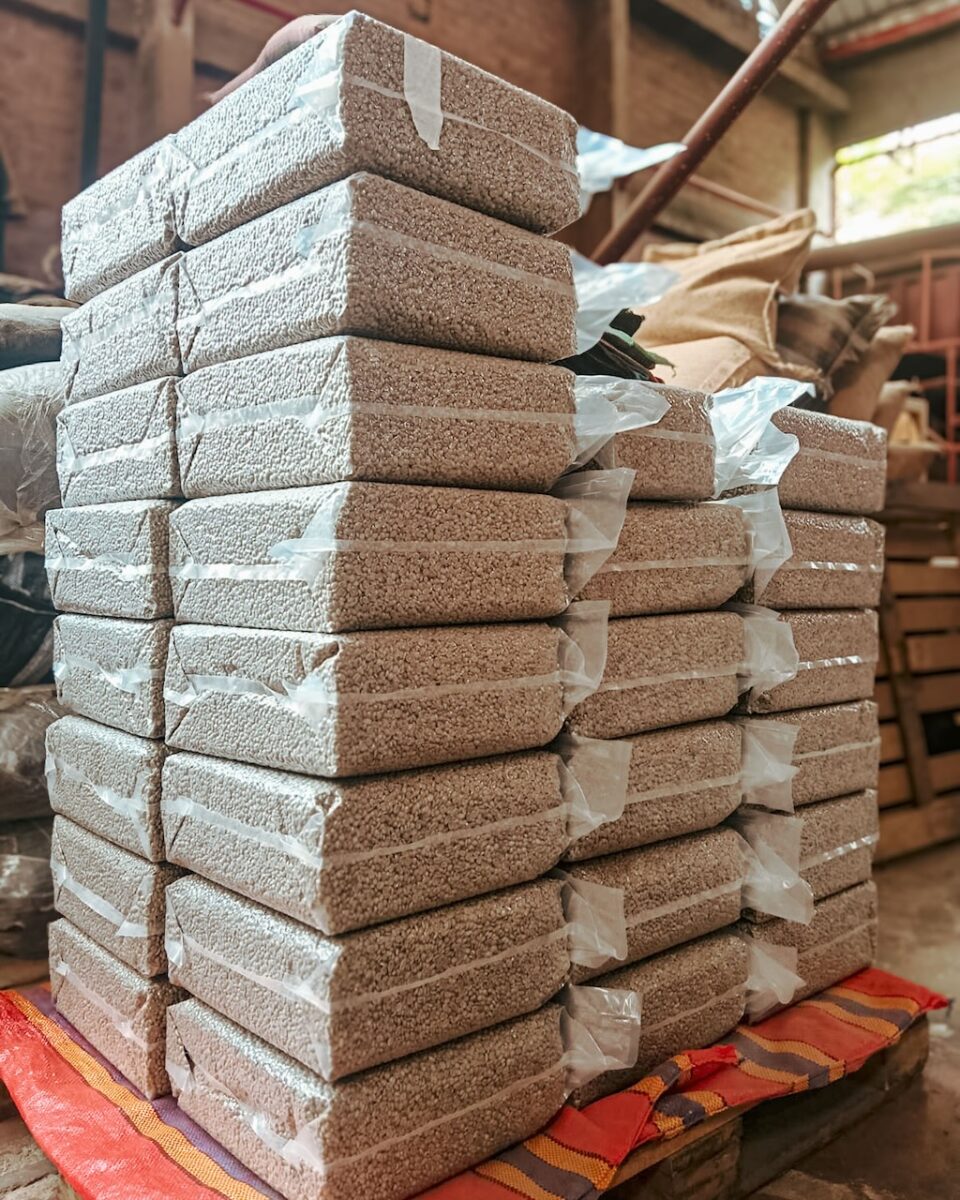
The organization was also among the first in the region to adopt hermetically sealed GrainPro bags for parchment storage. In addition, Valleinca has continuously promoted quality improvement by distributing seedlings free of charge, selecting varieties best suited to each producer’s goals and the climatic conditions of their farms. Rather than pursuing profit alone, the organization encourages producers to continue farming in ways that remain environmentally responsible and sustainable over the long term.
Still, no matter how advanced the equipment or techniques may be, none of it functions without trust. That is precisely why Valleinca’s staff never hesitate to visit producers living in remote regions. Some communities require journeys of up to twelve hours each way by car. Even so, the team visits every producer at least once a year, and during harvest season, sometimes two or three times.
As a result of years of fair trade practices built upon mutual trust, clear improvements have begun to emerge in producers’ economic conditions and overall quality of life. One producer family that has worked alongside Valleinca for the past seven years stands as a symbolic example of that transformation.
Before, the family lived in a deteriorating house without even basic living conditions. However, after earning recognition in the Cup of Excellence, the selling price of their coffee increased nearly fourfold. With that additional income, they renovated their home, installing proper toilets and bedrooms, while also investing in infrastructure such as new drying facilities.
As producers become more motivated in their work, both productivity and quality begin to improve, leading to even greater increases in income. Some families have reached the point where they can purchase land or homes in urban areas and invest in their children’s education. A tangible sense of stability and opportunity has entered their lives, and these success stories, in turn, inspire other producers to push themselves further.
“Of course, not every producer follows the exact same path. But regardless of the scale, I’ve personally witnessed the quality of coffee improve and living standards rise across groups of 100 or even 200 producers at a time. When hard work is properly rewarded and income increases, the positive effects spread into every aspect of life—family relationships, children’s education, health, and overall well-being. There’s nothing more rewarding than being able to witness those kinds of transformations.
At the same time, there are still many producers who lack adequate support and have not yet been given meaningful opportunities. This challenge has no finish line. We want to continue exploring ways to further improve coffee quality and strengthen producers’ economic conditions so that everyone can live with dignity.
Especially now, as migration from rural communities to cities continues to accelerate among younger generations, I strongly believe it is important to demonstrate—through real examples—that coffee can offer a meaningful and attractive future.”