




The Infinite World of Coffee: Revealing New Value in Unlocked Gems
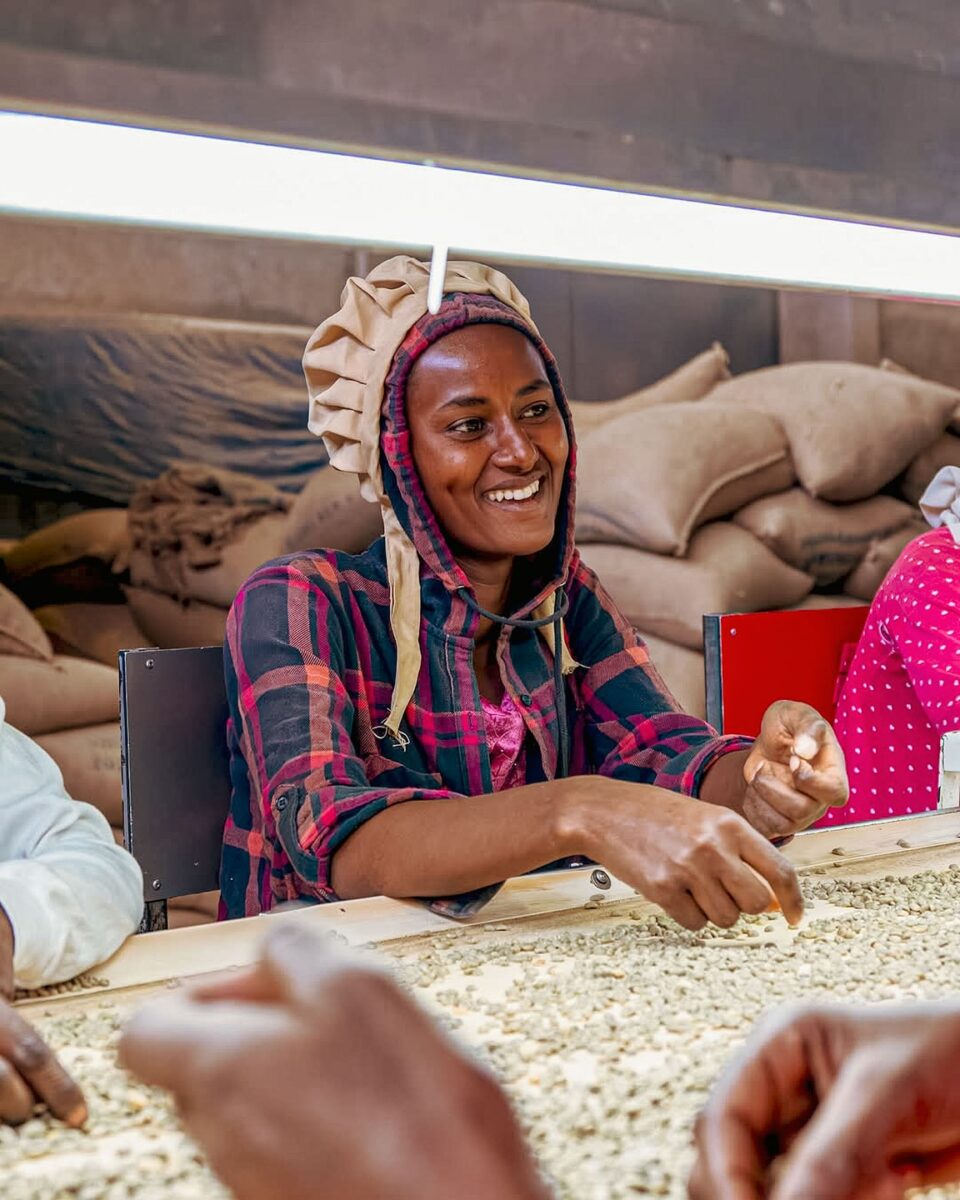
In recent years, Ethiopia’s coffee industry has reached a major turning point. The government-led, highly regulated supply system that had long constrained the sector was liberalized in 2017, allowing smallholder farmers, cooperatives, private exporters, and washing stations to process and export coffee on their own.
The Cup of Excellence (COE), held in Ethiopia since 2020, has further accelerated this momentum. Production of specialty coffee and microlots has surged, driven by a wave of young producers and bold experimentation in fermentation. As a result, the industry is more vibrant than ever, strengthening Ethiopia’s presence in the global market.
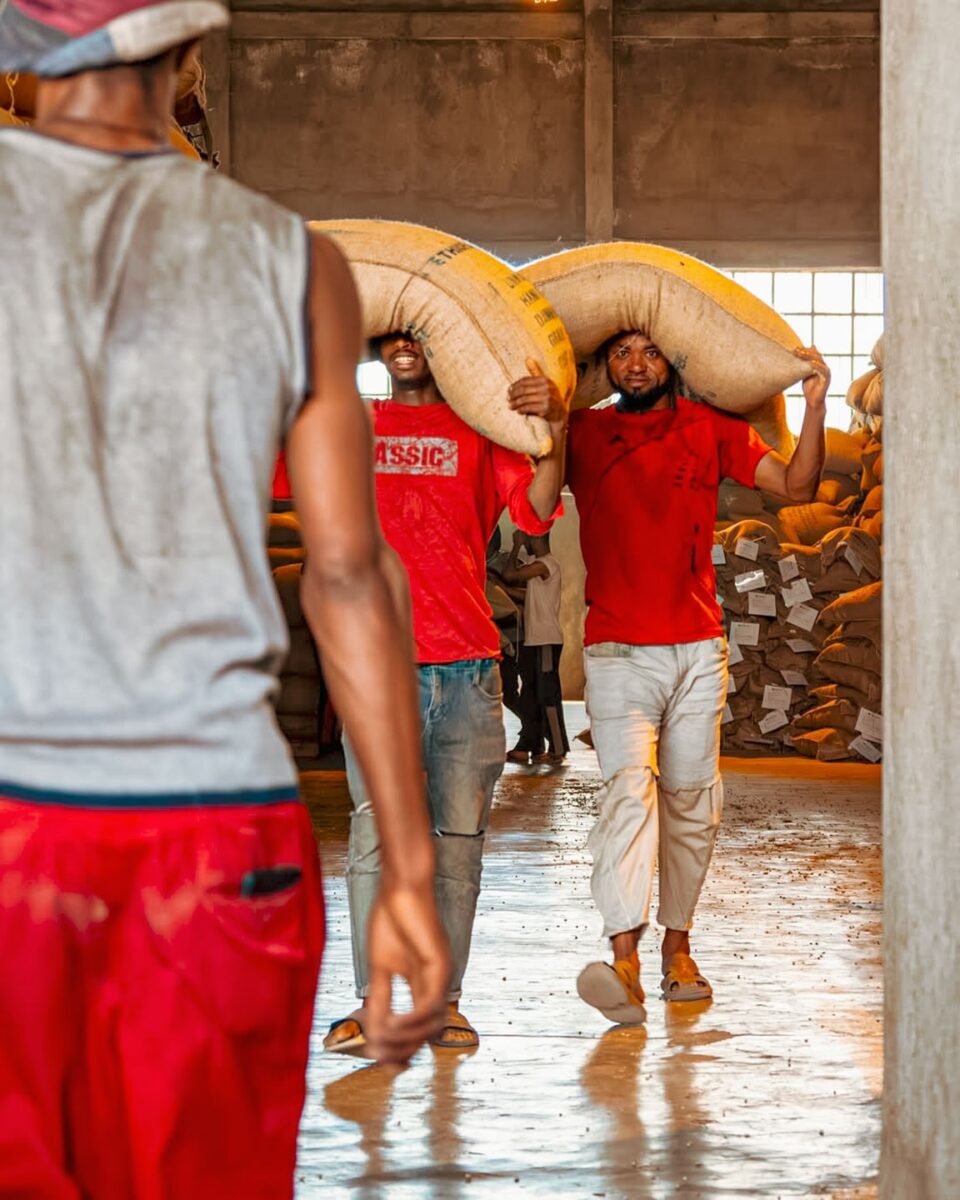
Among the companies making the most of this shift is Tracon Trading, which launched its coffee export business in 1995. Today, the company operates as a diversified conglomerate engaged not only in coffee, but also in aluminum assembly, real estate development, and more. With over 2,000 employees, Tracon consistently ranks among Ethiopia’s highest-tax-paying companies—placing first among private companies in 2019.
Even within its coffee division alone, the company employs 400 full-time staff and more than 3,000 seasonal workers. In 2024, it exported roughly 23,000 tons of coffee, making it one of the largest operations of its kind in Ethiopia. Leveraging its financial strength, Tracon now operates more than 70 washing stations across 11 regions—including Yirgacheffe, Guji, and Sidama—purchasing coffee cherries from over 20,000 farmers.
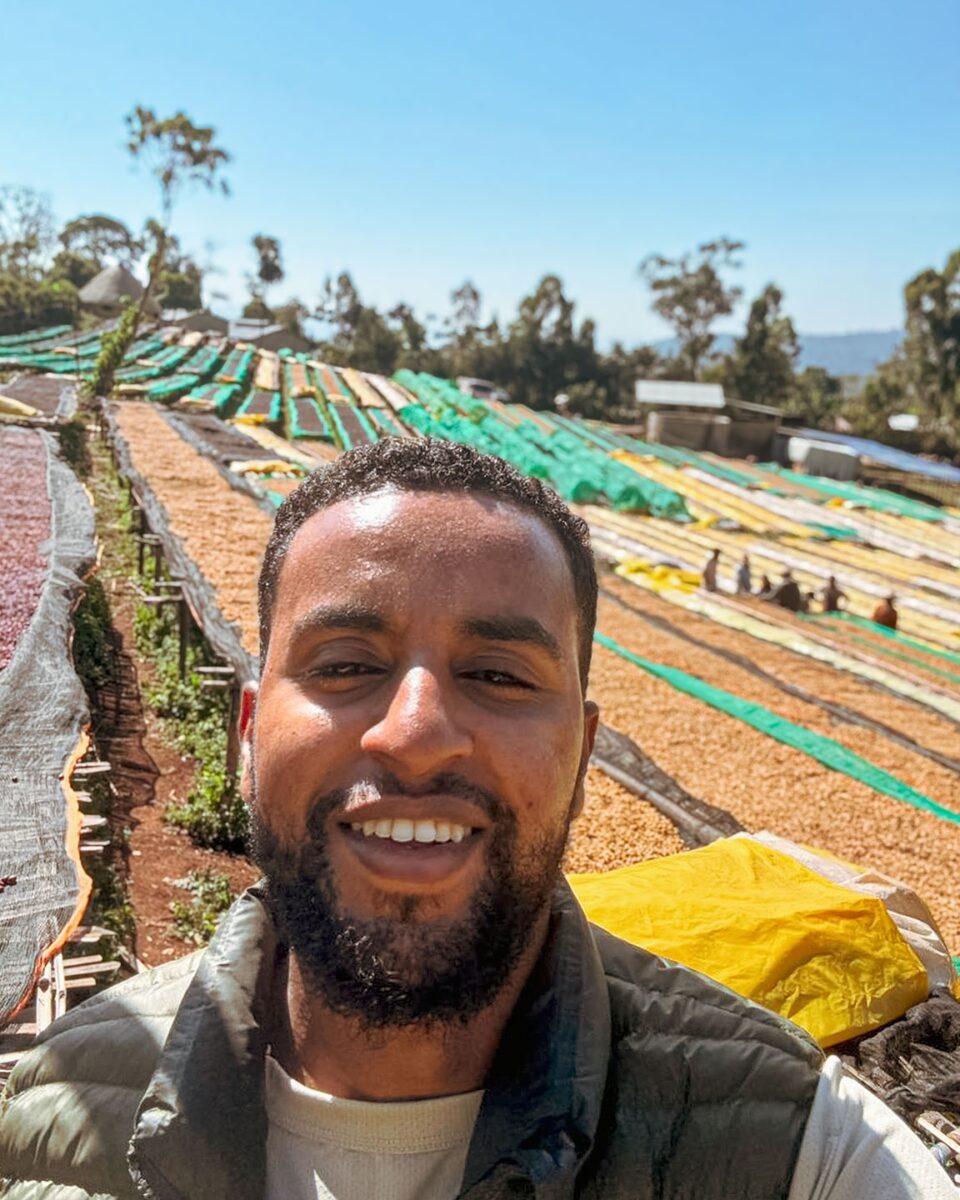
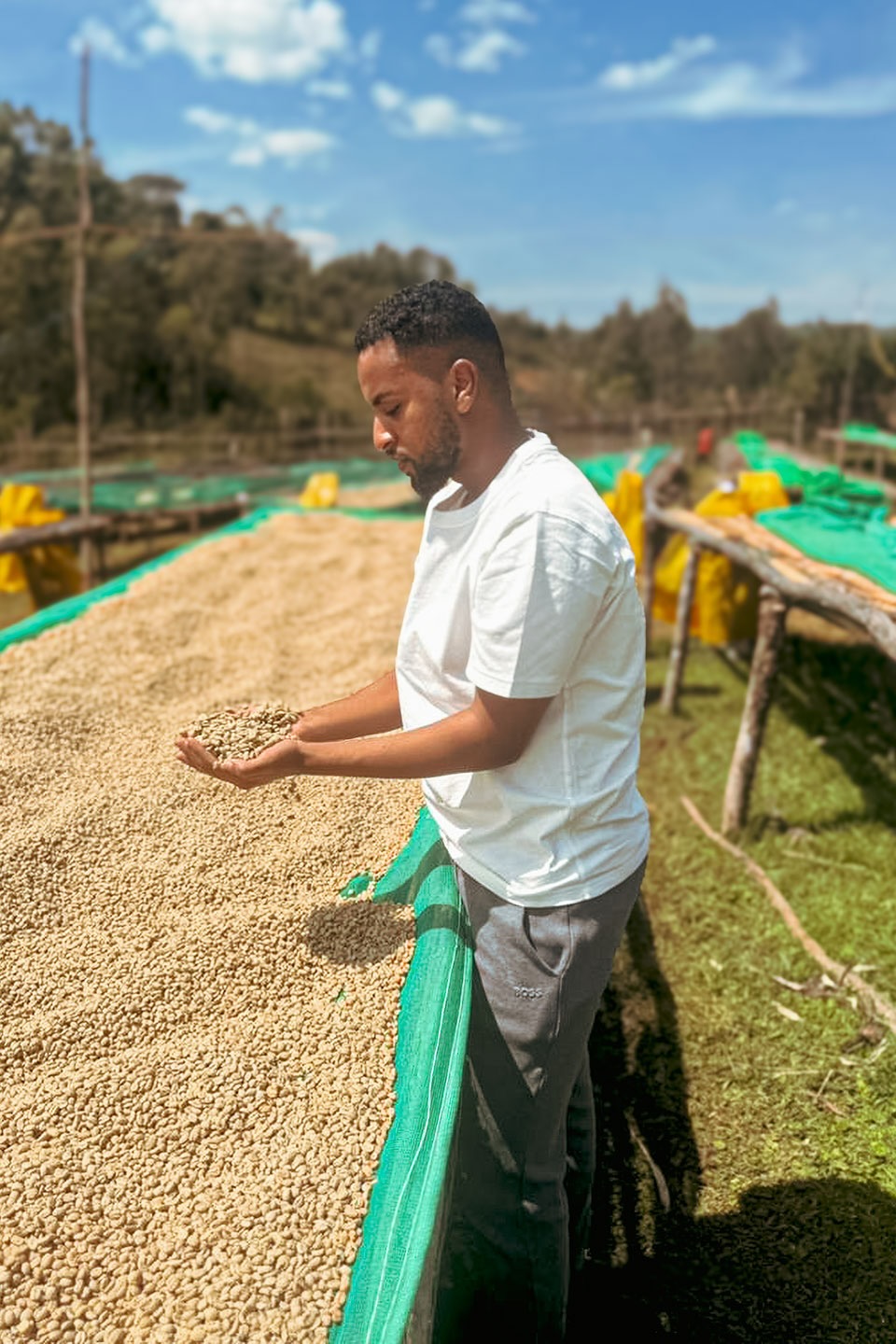
In recent years, the company has expanded its portfolio of experimental lots aimed at bringing out coffee’s most natural flavors, including double anaerobic fermentations and co-fermentations. Each year, Tracon produces and exports around 30 tons of microlots. Leading this wave of innovation is 25-year-old Samih Oumer, the company’s third-generation coffee steward.
What drives Samih—who returned to Ethiopia immediately after graduating from a U.S. university with a degree in Business Information Technology to join Tracon’s coffee division?

A System of Rewards That Motivates People
Tracon Trading’s entry into the coffee business dates back to the era of Samih’s grandfather, Oumer Ali Shifaw, whose company originally dealt in spices and automotive parts. Looking for a product that could deepen international connections and expand the company’s global reach, he set his sights on coffee.
“Back then there was no specialty market yet—everything was mostly washed or commercial grade,” Samih explains. “But my grandfather told me he felt certain it would succeed. He was genuinely excited about the opportunity.”
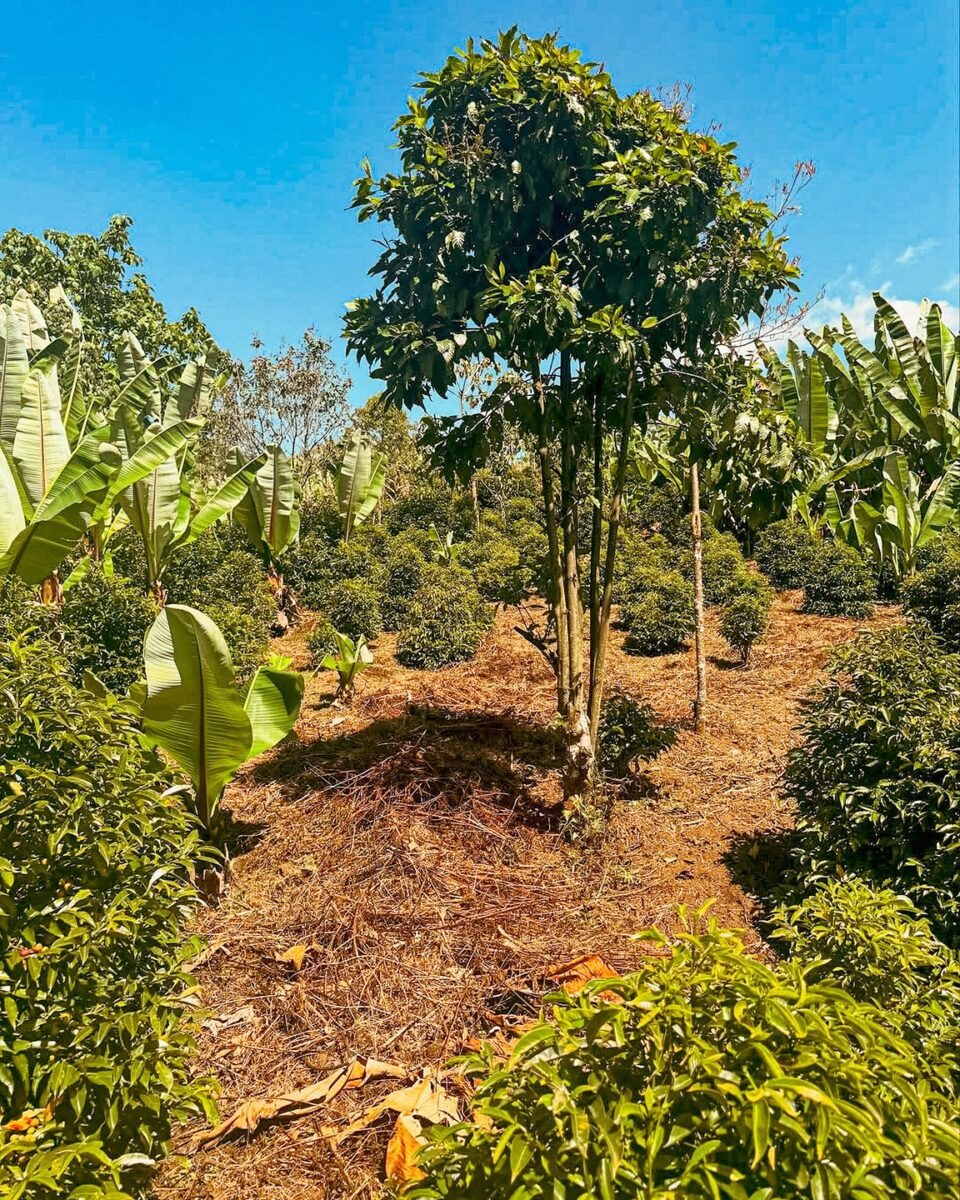
In 2008, Tracon established its first farm in Gera, located at an elevation of about 1,950–2,250 meters. In Ethiopia, where more than 90 percent of producers are smallholders, developing a single-estate farm had strong strategic value in meeting the needs of buyers seeking traceable, single-estate coffee.
By partnering with local research institutions to identify the heirloom varieties best suited to the land, and by investing in sustainable stock renewal through stamping, the farm now produces coffee that largely meets Grade 1 standards. What began as a 100-hectare farm has expanded to more than 500 hectares, and in recent years the farm has been harvesting over 500 tons of cherries annually.
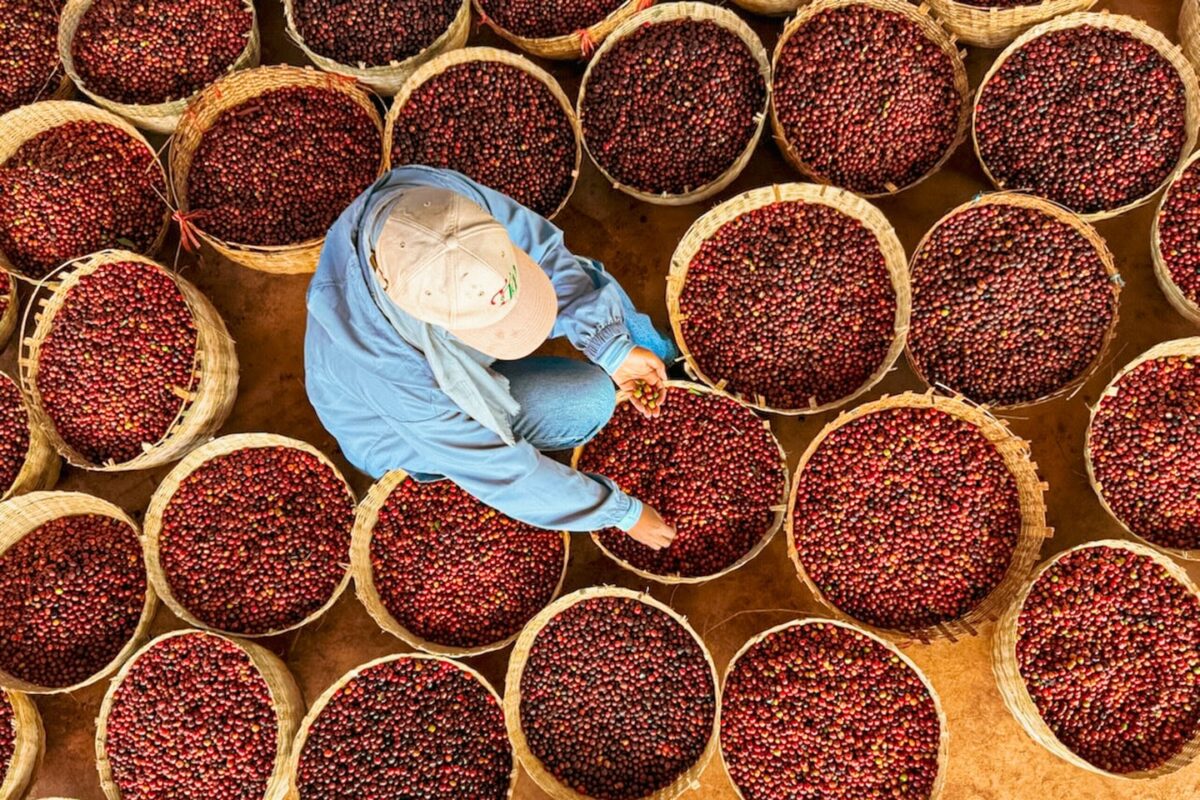
As demand for single-estate and single-origin coffees continued to rise, Tracon introduced the Farmers Direct Traceability (FDT) program in 2021. The initiative enables the company to purchase fully ripe cherries directly from farmers—primarily those with more than five hectares of land—and process each lot separately. By assigning a unique code to every lot, Tracon ensures full traceability while also providing technical support so farmers can sell their coffee under their own names.
“Some washing and drying stations share a portion of their profits with farmers,” Samih explains. “When they hold organic or Rainforest Alliance certifications, the selling price tends to be higher, and so does the amount redistributed. It’s essentially a bonus—an incentive that really motivates farmers.”
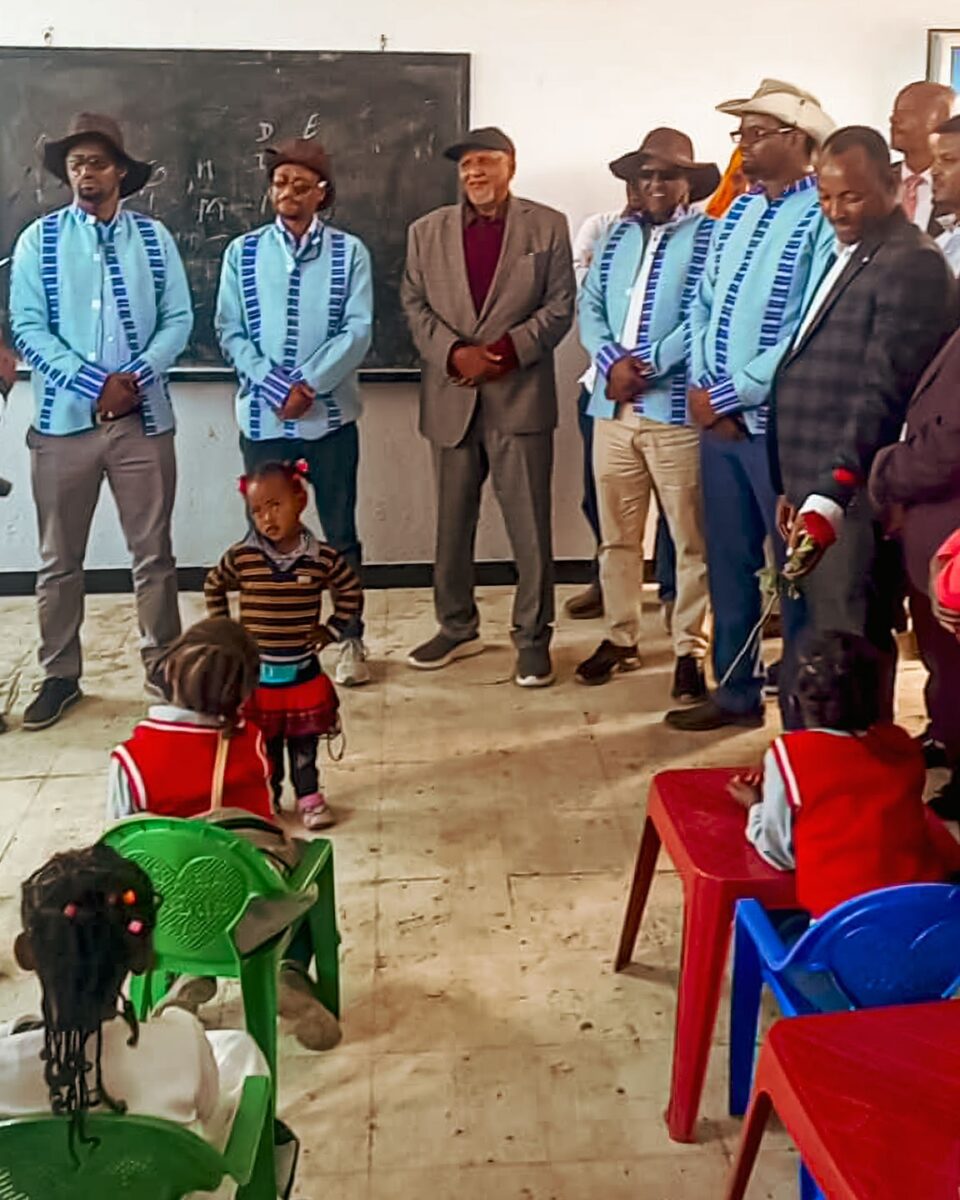
Beyond its commercial efforts, TRACON COFFEE EXPORT also invests heavily in community development, building schools, drilling wells, and providing clean drinking water for local residents.
“When farmers feel their lives are genuinely improving, they naturally become more collaborative,” Samih says. “They start paying more attention to picking better cherries and become more receptive to our guidance.
“Of course, there are challenges too. The toughest part is keeping the quality consistent year after year. It’s an issue every producing region faces, I think. Weather and climate have a huge influence, so we maintain uniformity by fine-tuning our processing—for example, adjusting fermentation times. What’s essential is cupping the harvested coffee and understanding what’s happening. If you don’t have an accurate grasp of the current situation, you can’t determine the right adjustments to make.”
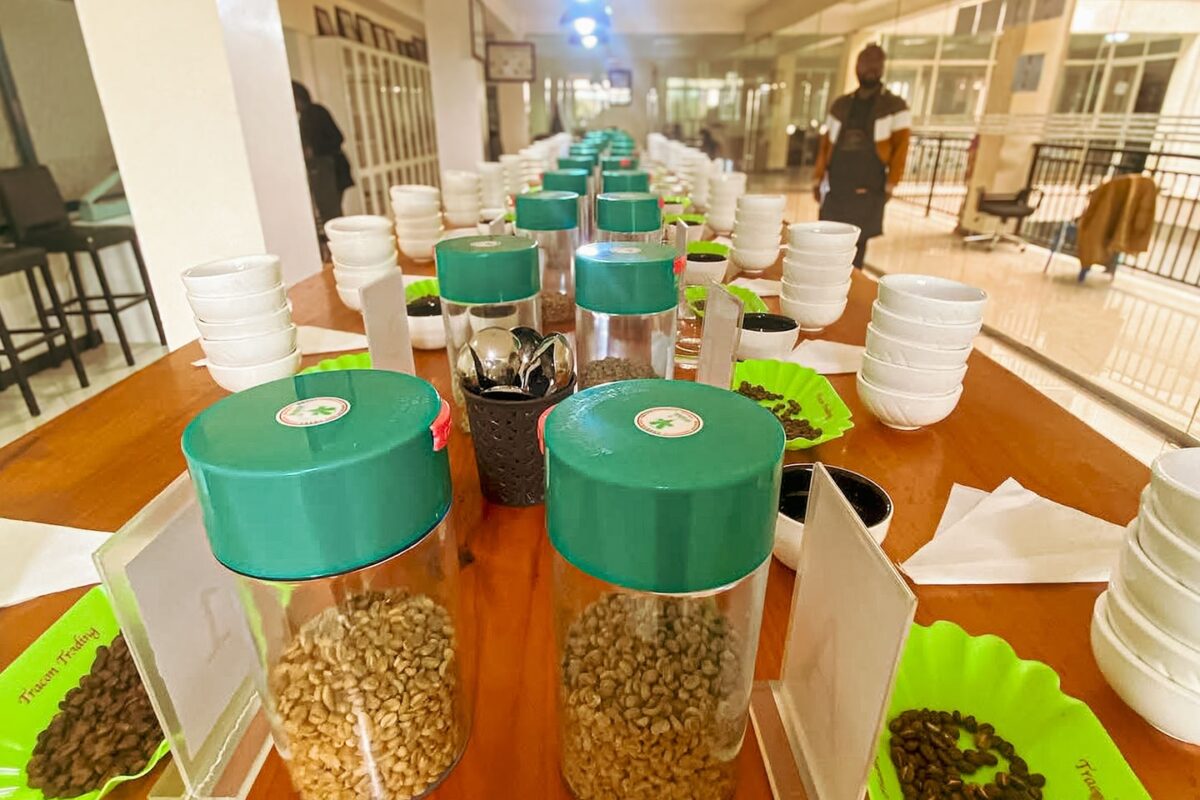
“Our cupping lab is staffed with highly experienced cuppers—many with over 15 years in the field and SCA certifications. But the thing is, cupping skills don’t necessarily correlate with years of experience. What really matters is how much practice you’ve had and how many coffees you’ve cupped. In that sense, because we handle such a large volume, a wide range of varieties, and multiple grades, even our younger cuppers develop exceptional skills.”
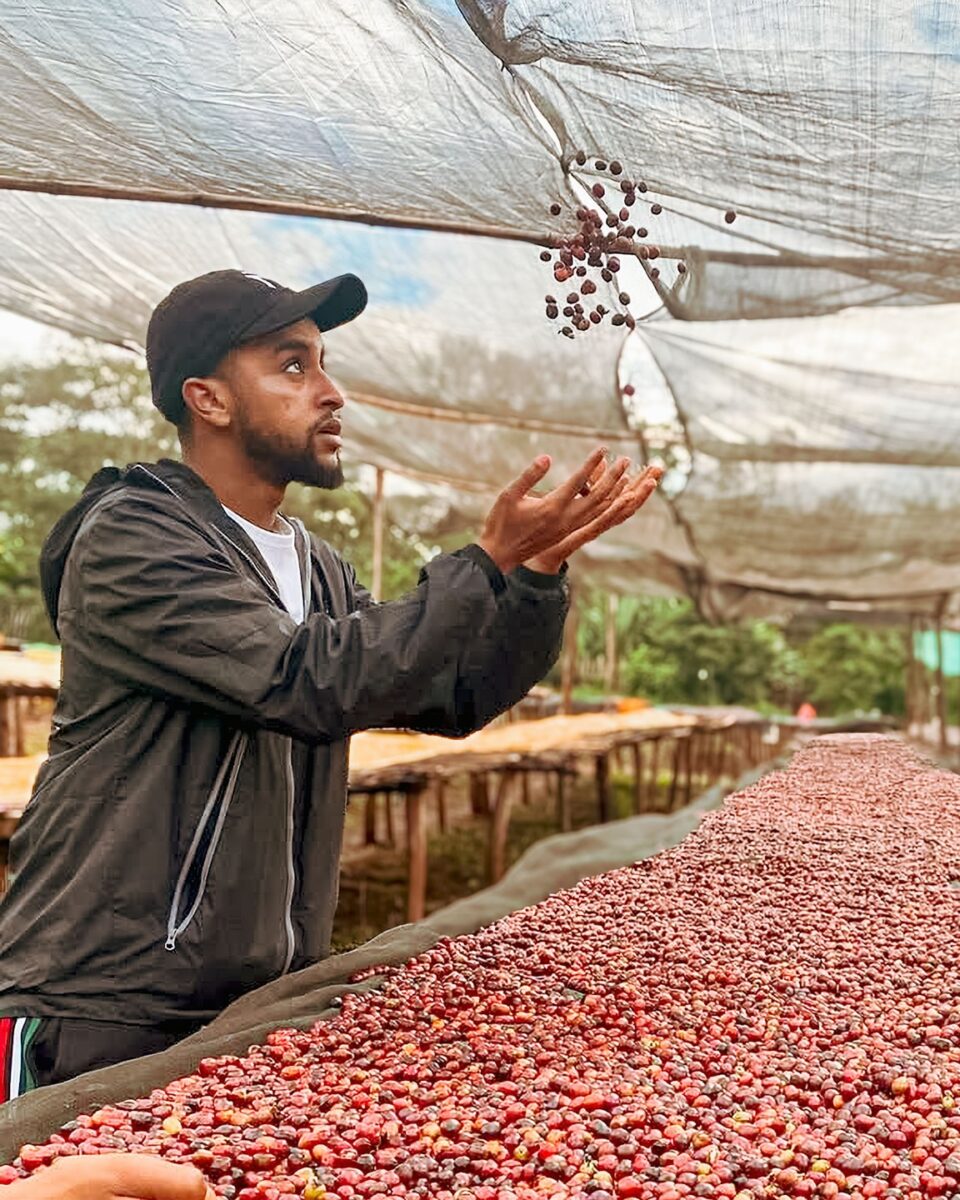
Excited for New Encounters
For Samih, who often visited coffee farms during harvest season as a child, coffee was always something close to everyday life. It wasn’t hard for him to imagine a future where he would work in coffee. Among his memories, the most vivid ones are tied to Tracon’s farm in Gera—about 500 kilometers from his home in Addis Ababa.
“I think it was around 2011, when I was 11 years old. I still clearly remember the first harvest we ever had. Seeing a tree that I had planted grow for about three years and produce its first cherries—that moment is indescribable. If it had been someone else’s tree, I don’t think I would have felt that same sense of magic.”
The rise of specialty coffee during his teenage years also played a big role in shaping his passion. “In the specialty world, new processing methods emerge every year, and more coffees are being produced from new regions and at new elevations. There’s always something to learn, so you never get bored. The more creativity and effort you put in, the more it comes back to you in different forms—and that’s incredibly motivating.”
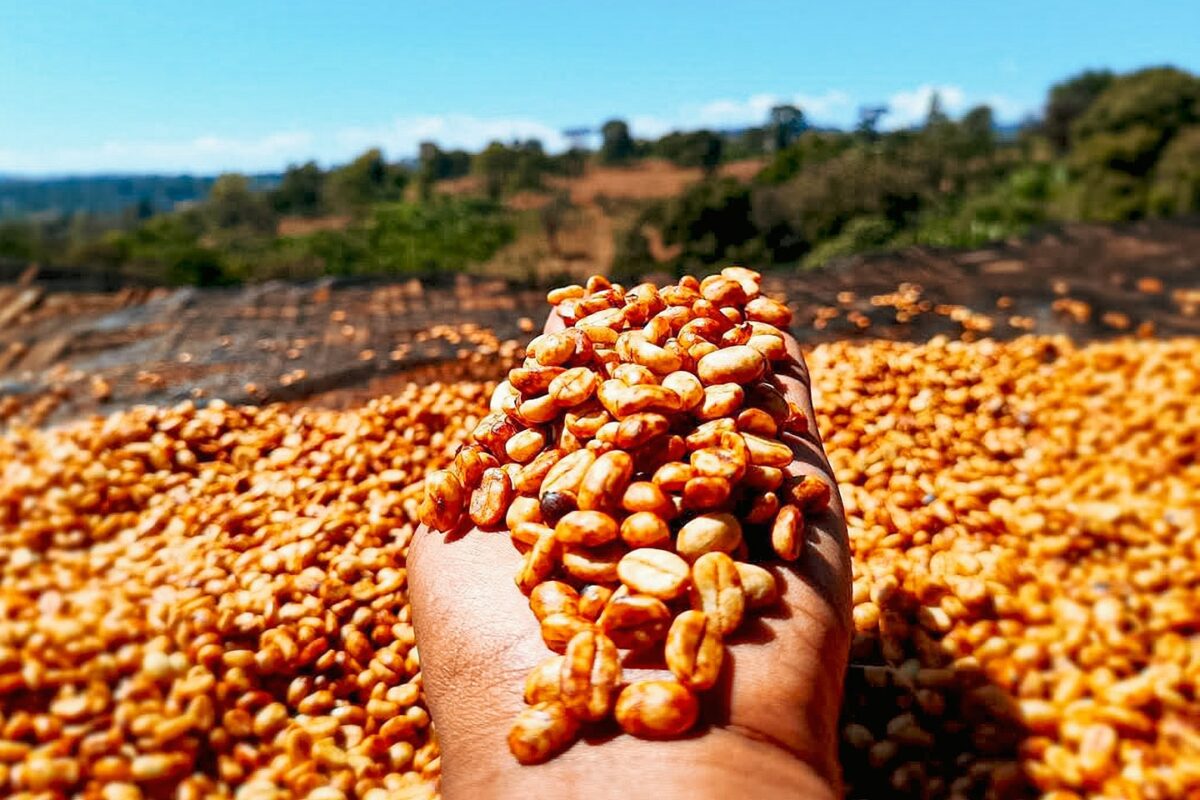
“What excites me most is stepping into the unknown. Ethiopian coffee is already incredible, but with the right processing, you can unlock even more of its potential—you can show it in an entirely new light. Take the ‘Honey Funky’ process we developed last year, for example. We ferment the cherries whole, then pulp them and dry them on African beds. It was a huge hit. We sold six tons to clients, and it sold out in a single day—so this year, we’ve already received orders for nearly three times that amount.”
“In the future, I want to build a washing station dedicated exclusively to unique, high-quality microlots—a place that produces coffees capable of winning at auctions. I want coffee lovers to look forward every year and wonder, What will Tracon come up with next? Being able to share that excitement together—that’s the best feeling in the world.”