




Crafted at Scale, Driven by Unwavering Dedication
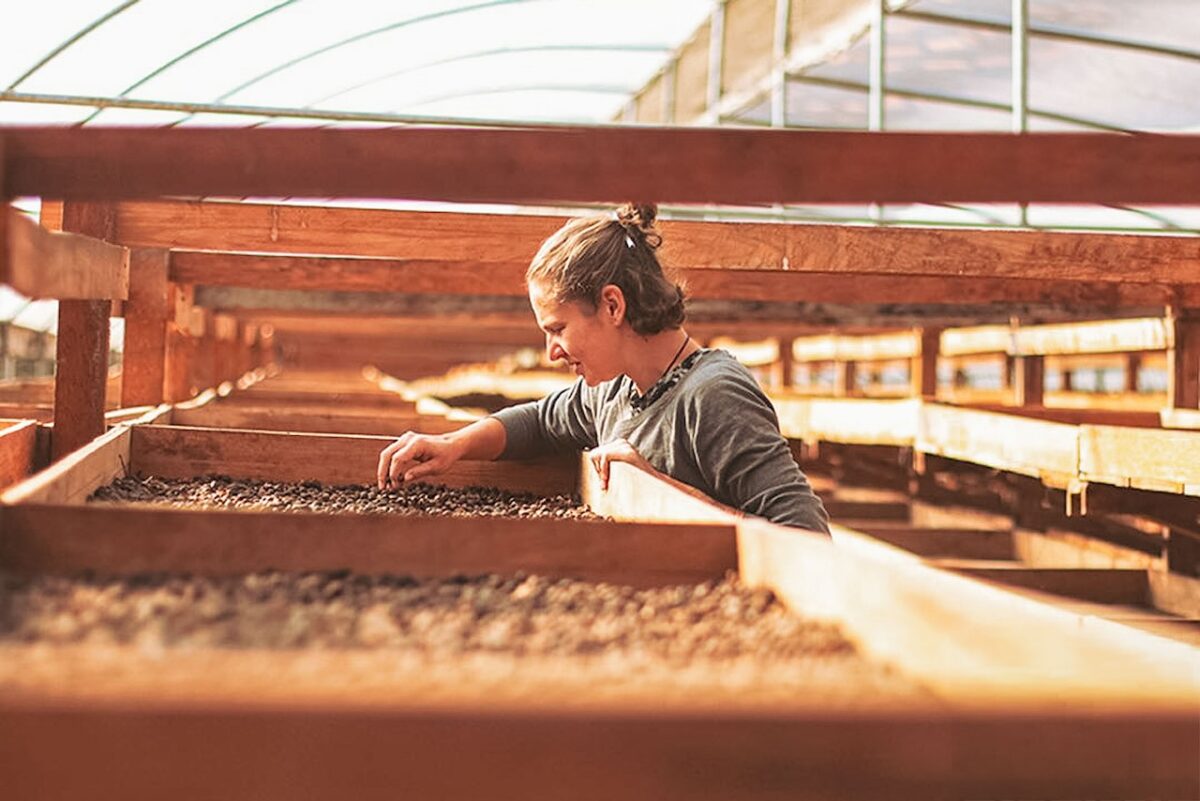
In coffee production, overlooking even a single step can significantly compromise quality. This is why the “vertically integrated model”—where everything from cultivation and processing to drying, cupping, and export is managed in-house—has proven to be an effective way to ensure consistency and excellence. However, implementing such a model is far from easy. It requires substantial investment, sharp business acumen, and highly skilled professionals.
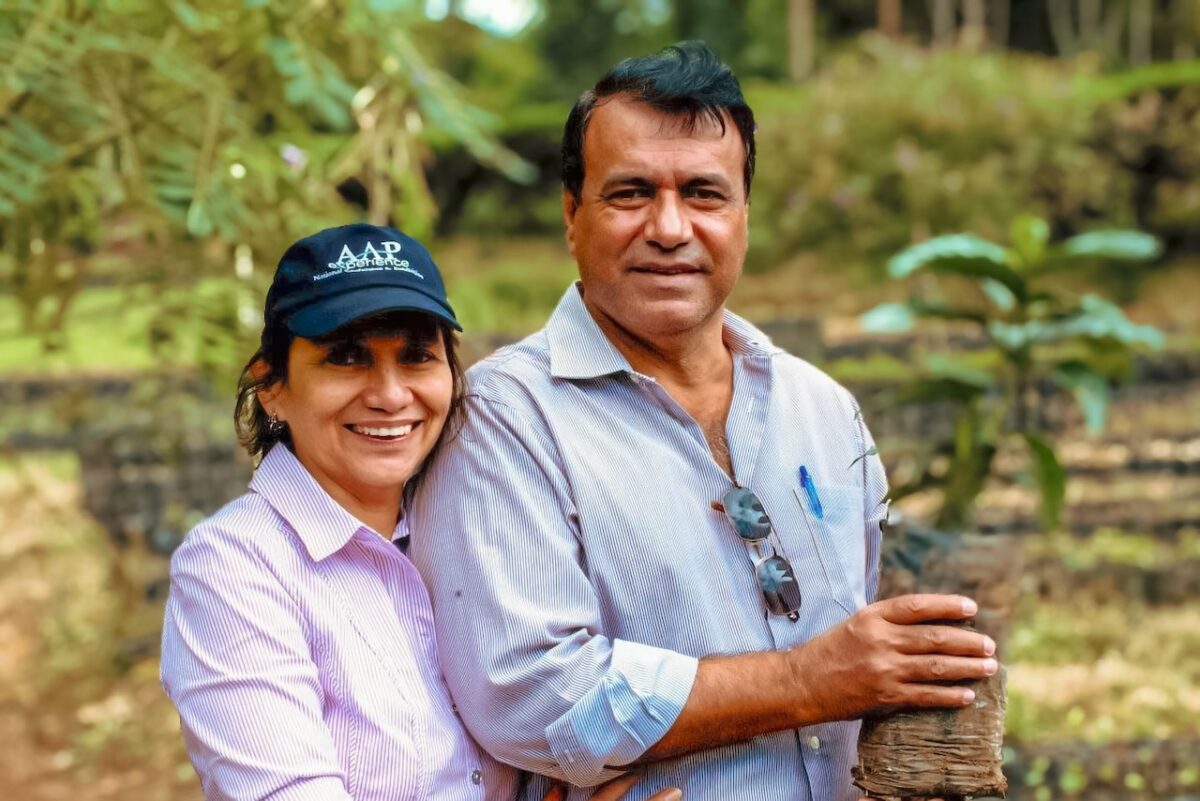
In Central America, Nicaragua, one company that has successfully embraced this approach is Sabio Coffee. Founded in 2004 by Enrique Ferrufino, a medical doctor, together with Silvia Norori, the company began with the acquisition of 200 hectares farm. Today, it has expanded to 450 hectares (around 50% of which is preserved as a natural reserve). With an annual export volume of 45 to 55 containers and a full-time workforce of approximately 150 employees, Sabio Coffee has grown into a major player in the region. At the forefront of its portfolio are premium lines such as Alquimia, Néctar, and Bonanza, all of which deliver exceptional quality to markets around the world.
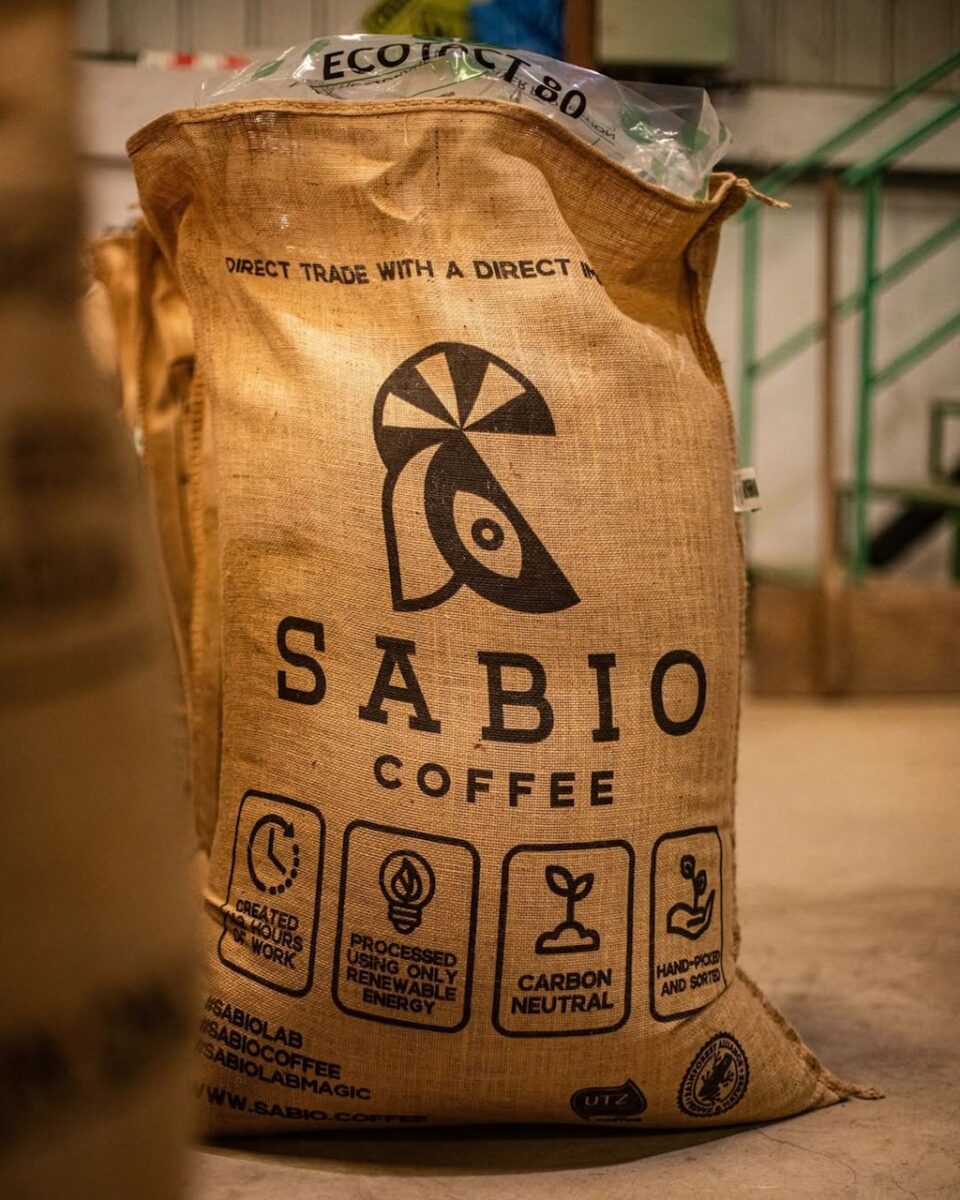
Yet Sabio’s strength lies in more than just vertical integration. At its core is a meticulously designed 12-step quality control process, engineered to craft the perfect cup. Complementing this is a flexible, client-oriented approach: just-in-time shipment aligned with customers’ annual schedules, as well as the option to pre-book lots tailored to specific needs. These capabilities have earned the company trust and loyalty from its partners.
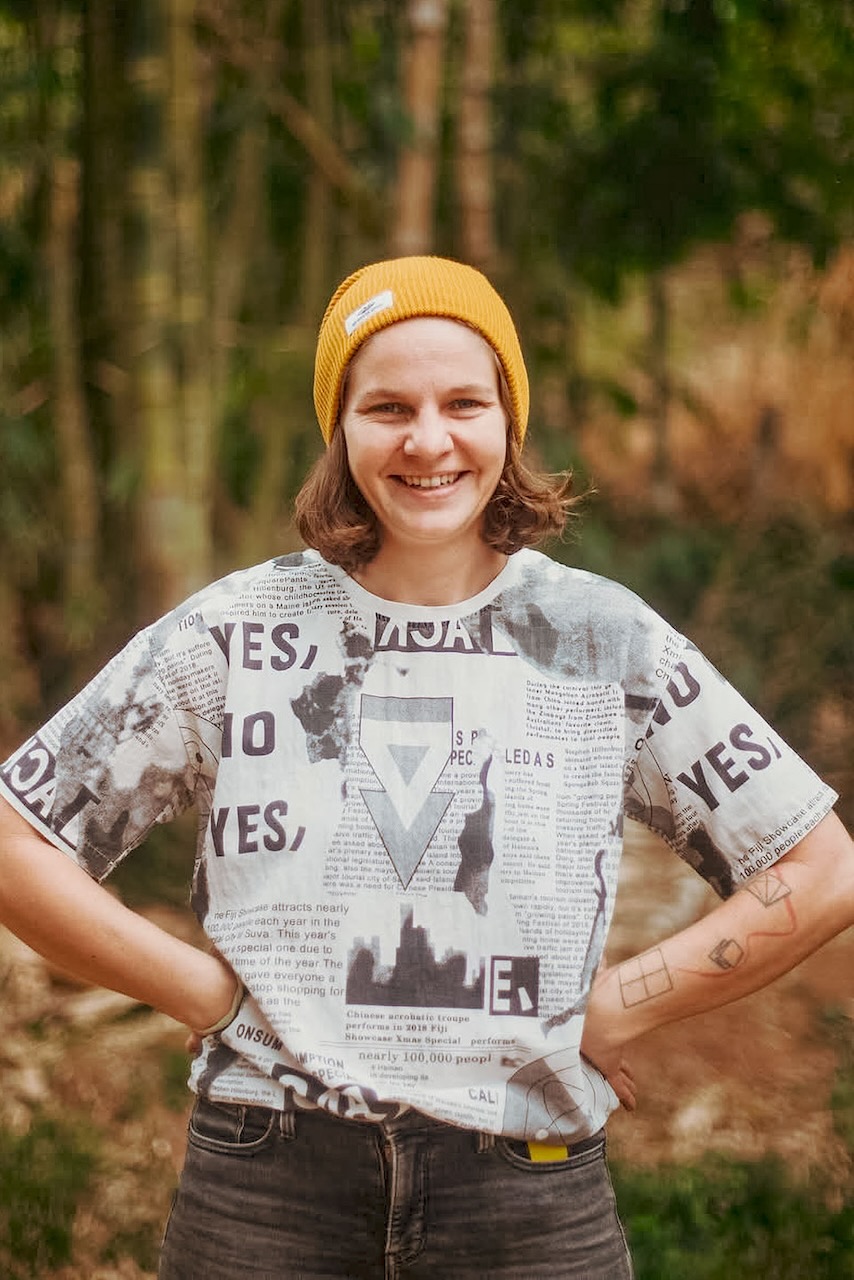
Since 2018, Zuzana Černá has served as Quality Control Manager at Sabio Coffee. Born and raised in the Czech Republic, she has dedicated nearly 18 years to the world of coffee, having entered the industry at just 17. “I’ve never even considered doing anything else,” she says. We spoke with her about what makes Sabio Coffee compelling.

Quality is Something You Build
Sabio Coffee’s farms are located in Matagalpa, one of Nicaragua’s most renowned coffee-producing regions. Situated at elevations of 1,200 to 1,400 meters, the area benefits from the wide temperature fluctuations typical of mountainous terrain, allowing coffee cherries to mature slowly and develop complex flavor profiles. The clearly defined wet and dry seasons also make it easier to plan and control harvest and drying processes with precision.
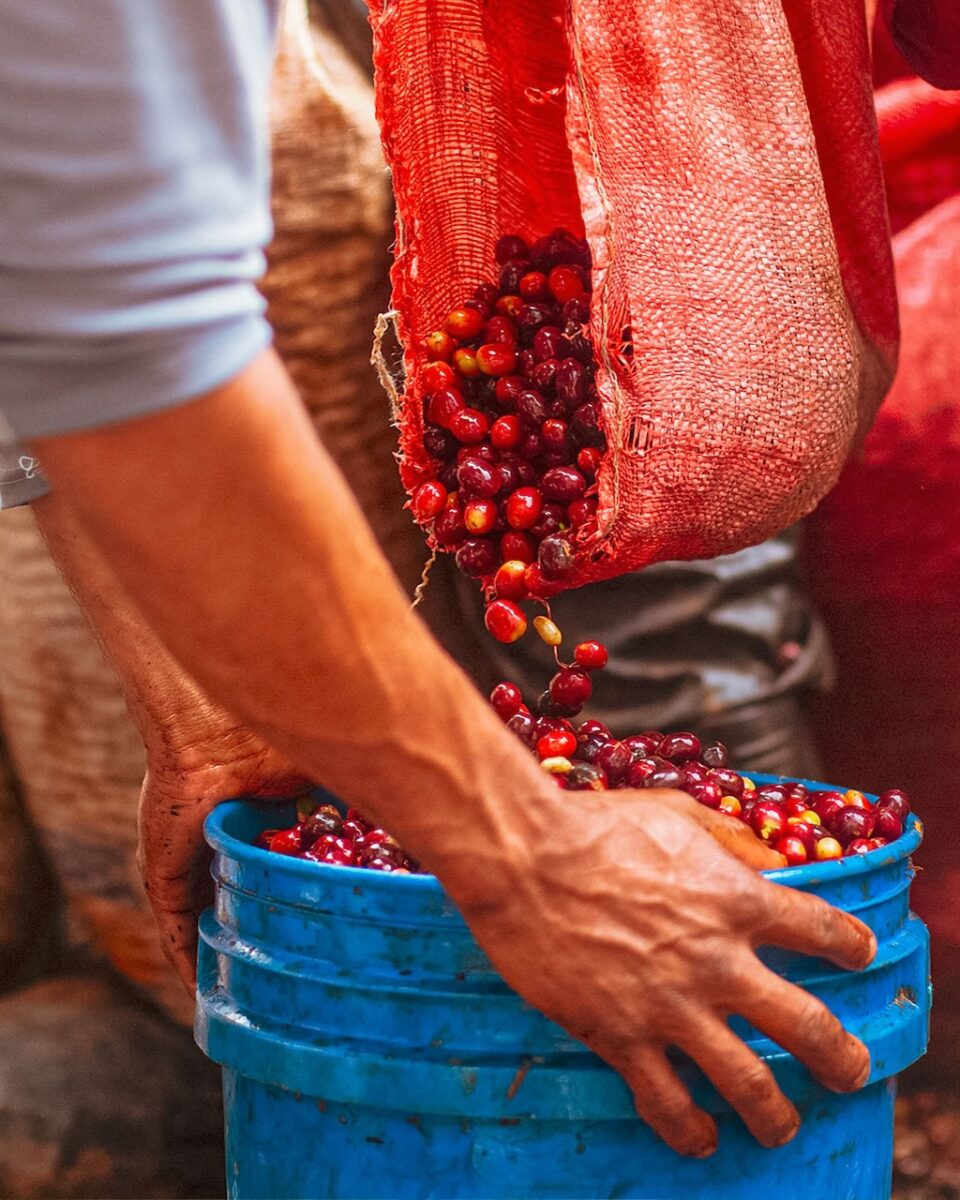
“About 99% of the coffee we produce qualifies as specialty. We’re working in an environment that’s ideal for coffee cultivation, selecting the right varieties, and applying processes based on objective indicators—so in a way, it would actually be harder for us to produce coffee that isn’t specialty. For me, great coffee is clean, well-balanced, and consistently high in quality year after year. There may be slight nuances from one harvest to the next, but we aim to maintain a stable, recognizable profile.”
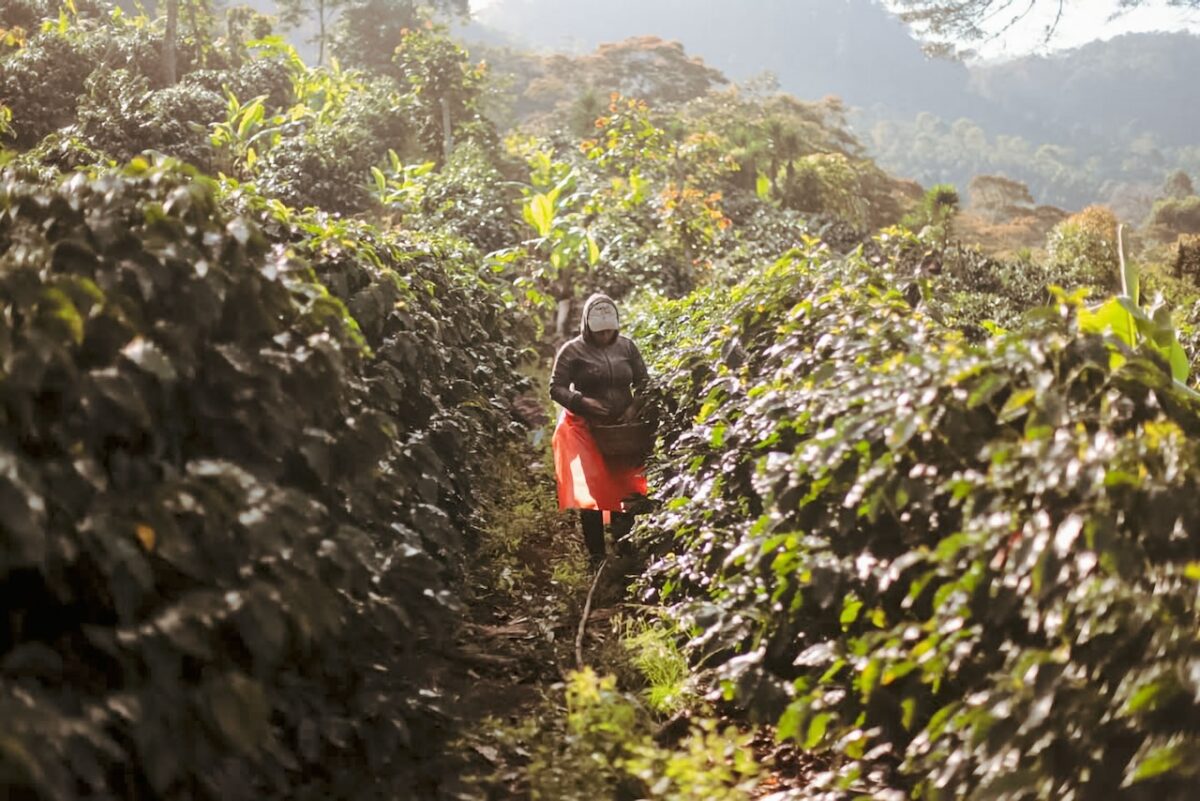
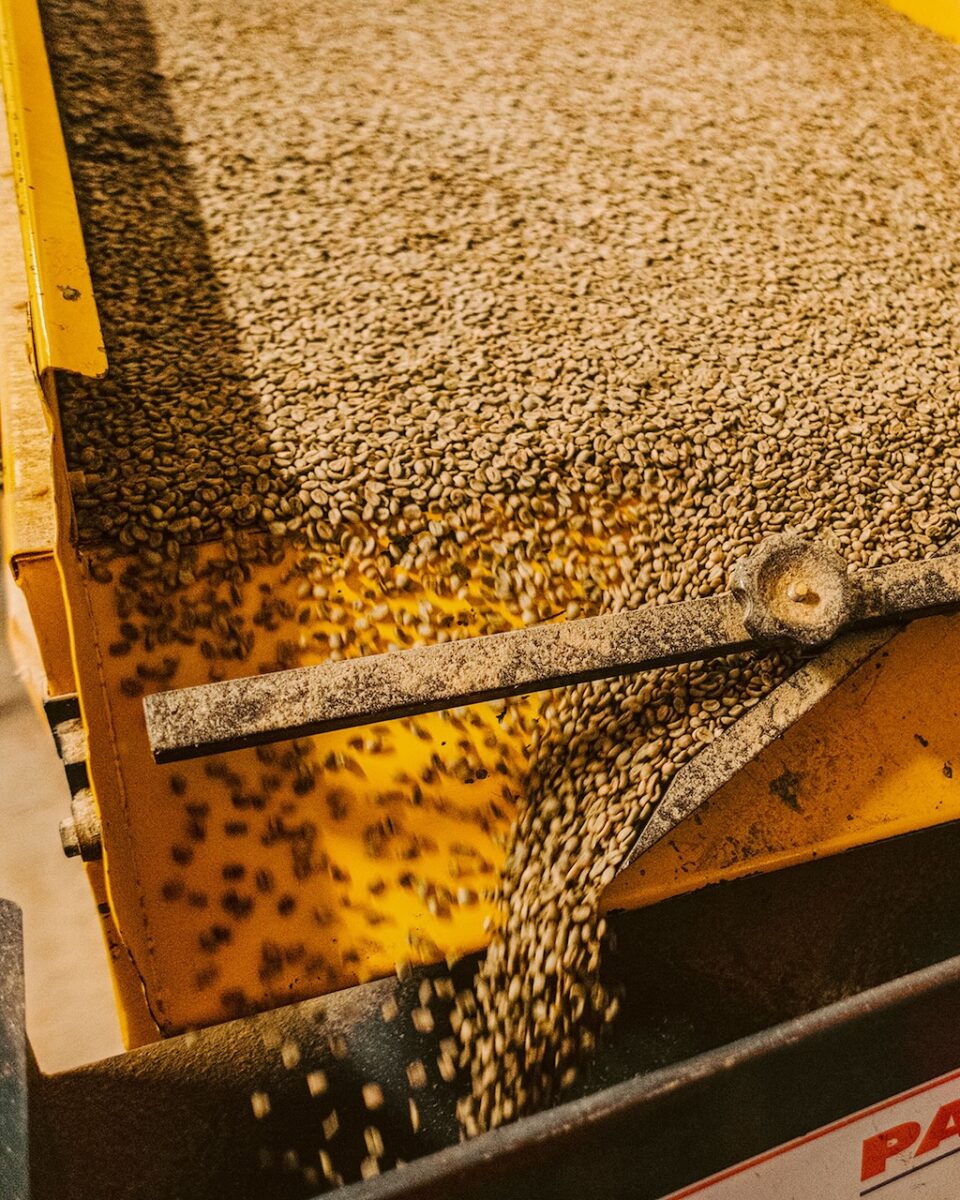
This consistency and reliability are supported by “SABIO 12,” a 12-step process that spans from the farm all the way to the cupping lab. For example, only fully ripe cherries are harvested, and for certain product lines, only cherries picked early in the morning are used to prevent unwanted fermentation. Key metrics such as pH, temperature, and Brix (sugar content) are continuously monitored to bring out the intended flavor characteristics. Defects are eliminated through four stages of sorting—by size, density, color, and finally by hand—each step carefully designed with a clear purpose.
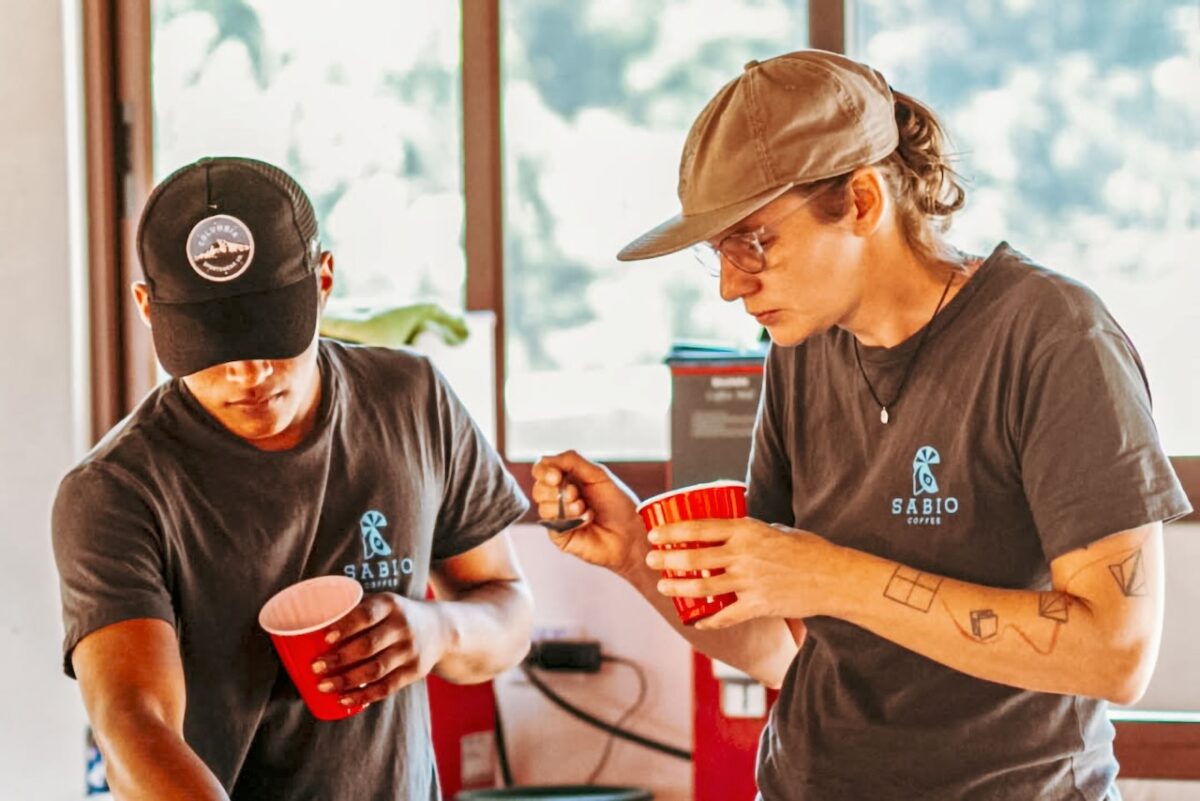
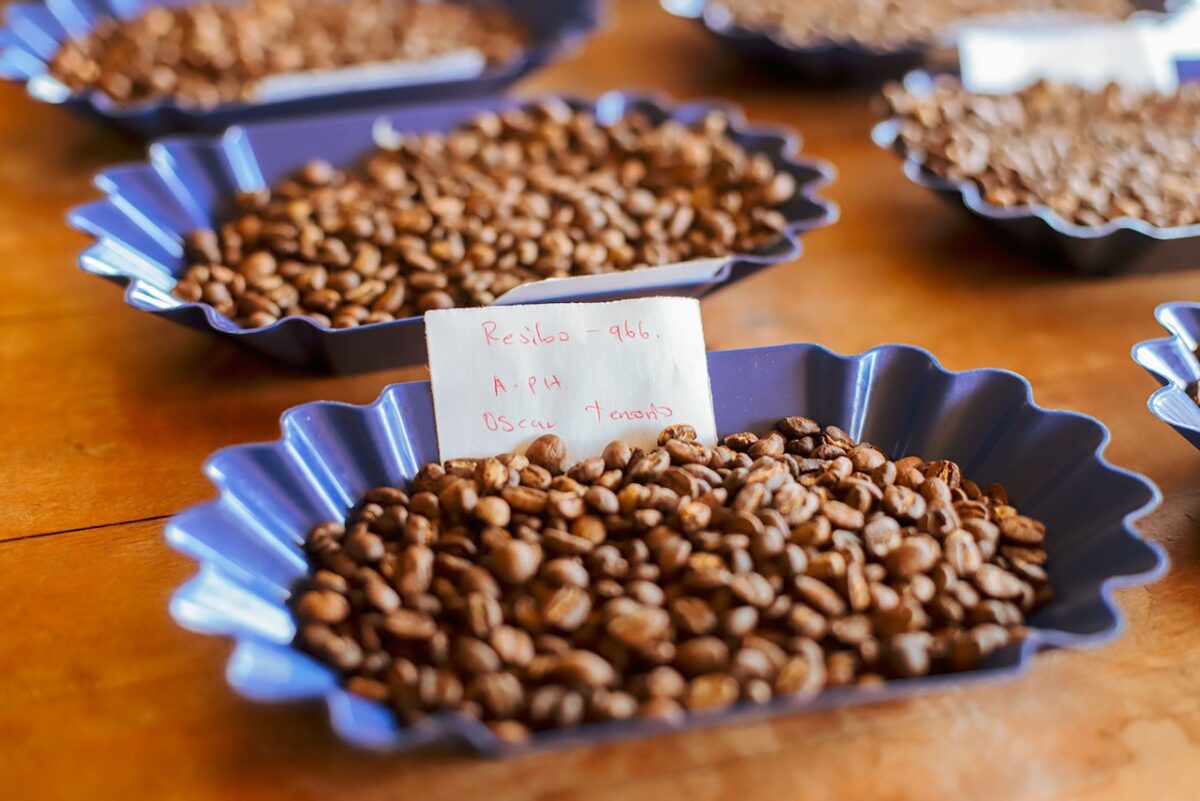
Zuzana explains: “As a quality control manager, cupping is what I value most. Of course, you can’t improve the coffee’s quality through cupping itself, but the results directly inform how we store the coffee, where it should go, and when it should be shipped—so accuracy is absolutely critical.
At the same time, I think I can truly appreciate that because I’m working upstream in the supply chain. When I was working as a roaster in the Czech Republic, I had no idea how many steps were involved in producing coffee at this level.”
Quality is Determined Upstream
Zuzana first stepped into the world of coffee at the age of 17, while she was still in high school. What began as an after-school part-time job quickly grew into something that took center stage in her life. Although she enrolled in university, she soon found herself questioning its purpose and ultimately decided to leave. She went on to build a diverse career in the Czech Republic, working with several roasters and export companies as a barista, in quality control, and later as a brand and sales manager—before eventually finding her way to Sabio Coffee.
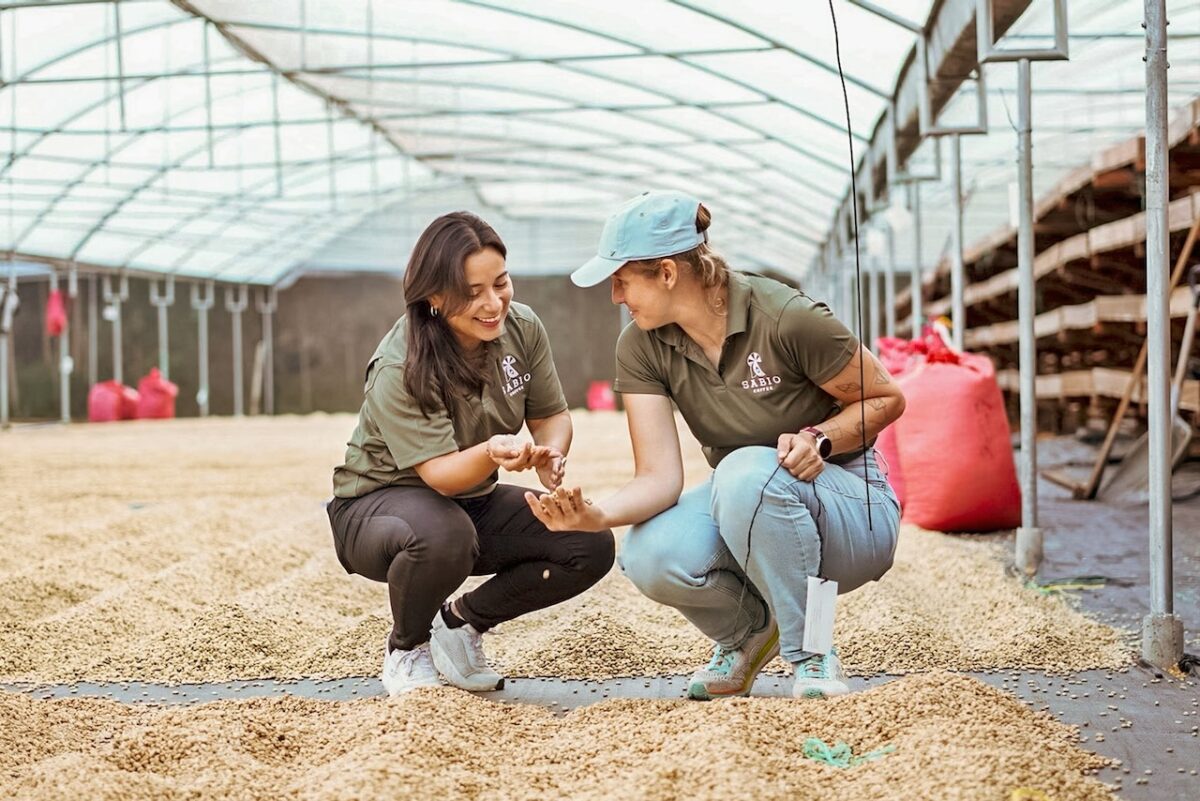
“The scope of how much you can influence quality is completely different between a roastery and a farm. If the coffee doesn’t meet expectations, a roaster can only do so much—source a different green coffee or adjust the roasting profile. At Sabio, on the other hand, where we manage everything from harvest to export in-house, we can design the optimal process and profile for each variety. That allows us to engage much more deeply in improving quality. That’s exactly why I decided to move to Nicaragua.
Fortunately, in our region, we haven’t yet seen significant impacts from climate change. Over the past seven years I’ve been here, the harvest timing has remained almost the same, and we haven’t had to alter our fermentation processes. Even if external factors like temperature or rainfall fluctuate, I believe that maintaining consistent fermentation protocols allows us to preserve quality stability.”
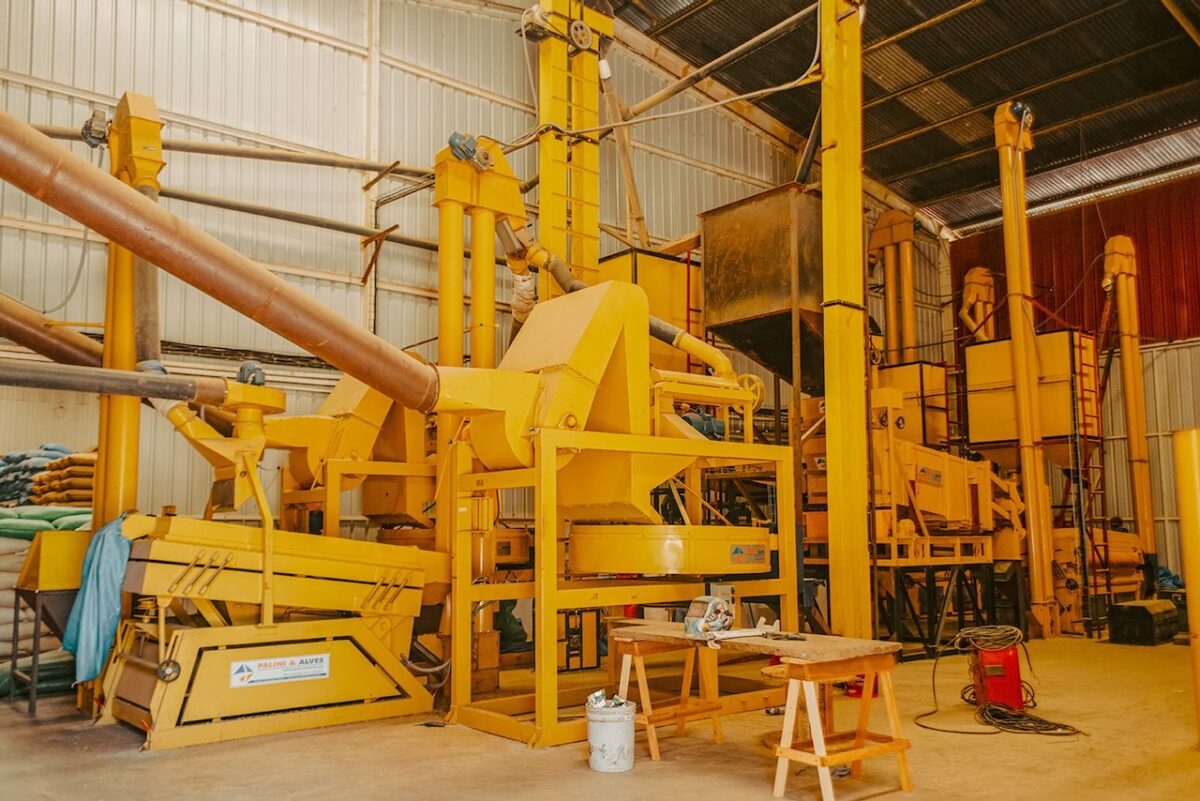
Today, Sabio operates two production lines at its own dry mill and is equipped with 13 mechanical dryers (guardiolas). However, until 2014, the company outsourced key processes such as hulling and sorting, selling its coffee on the domestic market. Frustrated by the inability to fully control quality within their own oversight, owner Enrique made the decision to build a dry mill to ensure consistently high standards. Later, Enrique Jr., who joined the company, began traveling to consuming countries to develop new clients. Since launching exports in 2014, Sabio has steadily expanded its scale and strengthened its presence in the global market.
“Enrique Jr. believes that ‘the bigger the company, the better.’ Of course, scaling up expands what you can do—but in order to maintain facilities and staff and recover the investment, you also need to secure a level of production that matches that scale.
There’s a school of thought that says you shouldn’t expand if you want to preserve quality. But I believe that’s something you can solve through systems. At Sabio, for example, our production has grown from 10 containers to 50 over the past eight years, and we’ve still maintained quality. What matters is establishing robust processes—and continuously verifying that they’re being executed properly.
While we actively invest in mechanization, there are still many parts of our operation that rely on manpower. For instance, pesticide application and fertilization are carried out entirely by hand three to four times a year. At the same time, we aim to minimize the use of agrochemicals overall, so we’re gradually replacing older trees with more disease-resistant varieties.”
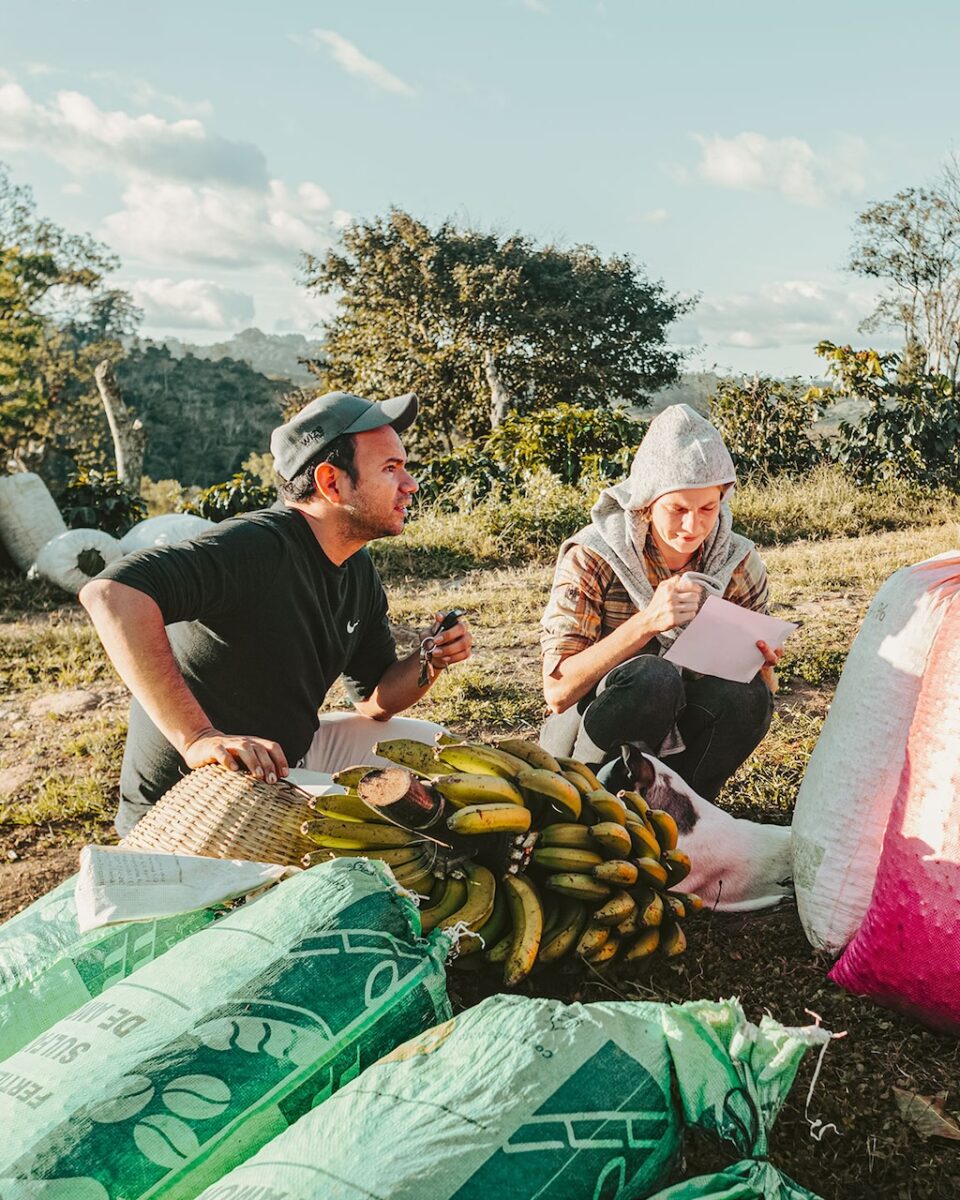
Having established a strong operational foundation, Sabio Coffee launched a new initiative in 2024: the “Crop Project.” Through this program, the company purchases wet parchment directly from smallholder farmers—many with farms of around one hectare—via collection centers set up across 5 different regions, enabling more equitable pricing.
For example, farmers who do not own trucks often cannot transport their harvested cherries to market, forcing them to sell at low prices to local intermediaries. This structural constraint is one of the reasons many remain trapped in poverty. In contrast, selling to Sabio offers a clear economic incentive. In 2025, more than 900 farmers participated in the project, contributing approximately 20 containers of coffee, most of which were sold as regional blends.
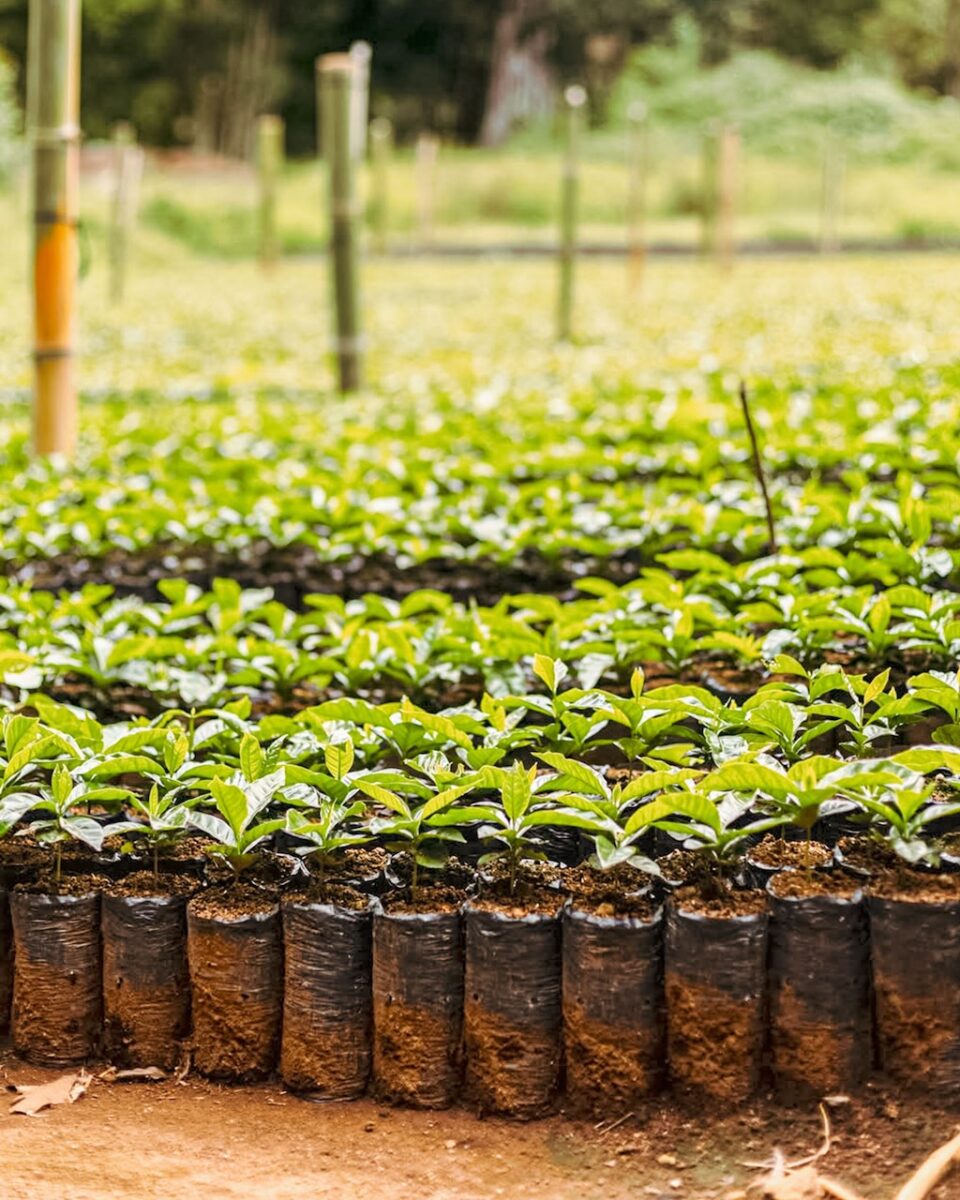
“During the off-season, we send our agronomists to work directly with farmers, providing technical support on pruning and farm management. We also supply seedlings to those who want to renovate their plots. This initiative is positioned as a kind of second line for us, but it’s steadily growing, and we’re excited about its future potential.”
I Can’t Imagine Another Life
Zuzana had long dreamed of working at the production level of coffee, even back when she was working at a roastery in the Czech Republic. That opportunity finally came in 2018, when she was working for Coffee Embassy EU. As part of her role sourcing green coffee and learning about production, she was sent to a partner farm in Nicaragua for three months.
“The farm I worked with at the time wasn’t Sabio Coffee, but that experience made me realize this was exactly what I wanted to do. So instead of going back home, I decided to stay and build my life in Nicaragua.”
It was during that stay that she first encountered Sabio Coffee—through a visit to a café owned by Enrique Jr. In a country where most high-quality coffee is exported, she was struck by the rare experience of tasting coffee on par with what she had known in the Czech Republic. Around the same time, she was looking for her next opportunity. Taking a chance, she asked Enrique Jr., “Are you looking for a cupper?” That moment led her to join the company.
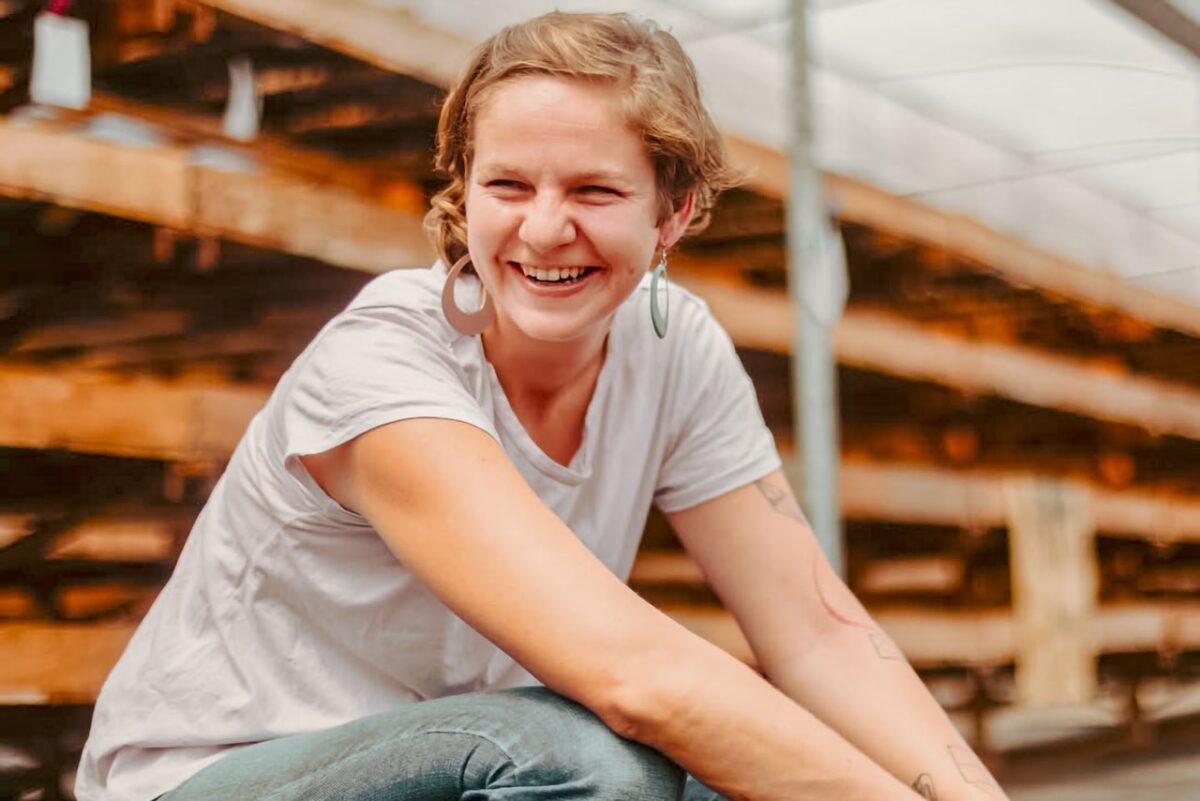
“I’ve never been interested in doing anything else, and I can’t even imagine myself in another job. Even now, I look forward to going to the farm every morning, and I’ve never experienced a slump or burnout. I’m sure that even after 20 more years, I still won’t get tired of this work.”
“I’m not entirely sure why I’ve been able to sustain this level of passion, but I think it’s because there’s no end to the world of coffee. New varieties, new processes, new machines, new roasteries—there’s always something new emerging, so there’s never a shortage of things to learn. At the same time, I understand why many people leave the industry. In many ways, it can be an exhausting line of work.
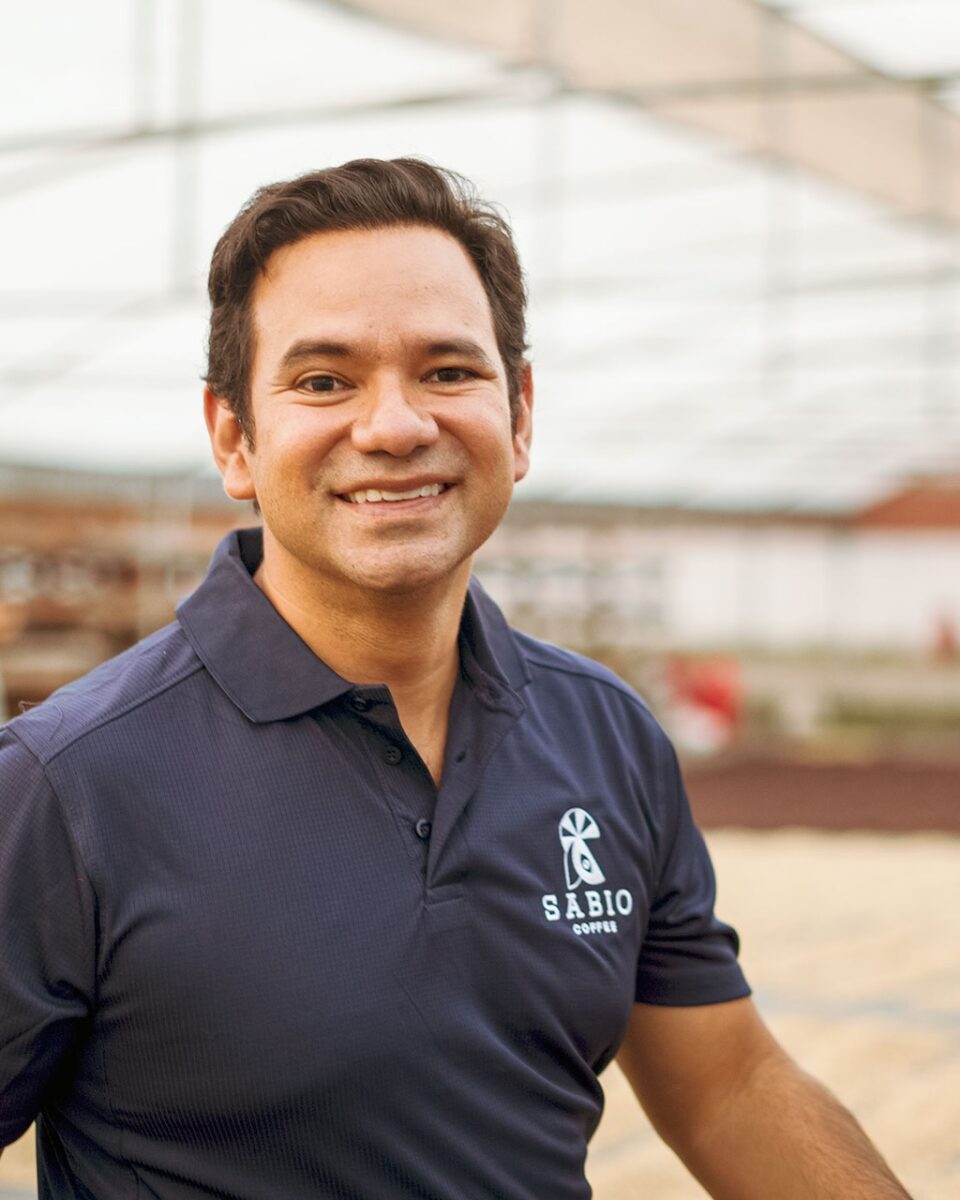
Another major reason, I think, is the environment I’m in. Enrique Jr. is someone I respect, both as a person and as a leader. In Nicaragua, it’s more common to see highly controlled, top-down management styles, but he’s different—he trusts his team, respects them, and gives them autonomy. When each person in charge of their area works with passion and a strong sense of ownership, that mindset naturally spreads to others. I think that’s what creates a positive cycle within the organization.
There’s also a culture of celebrating milestones together—birthdays, Christmas, and so on—which really makes you feel accepted and part of the family. Of course, competitive salaries may also play a role, but I think what truly speaks to the strength of the environment is the fact that the managers of the dry mill, farm, and wet mill have each been with Sabio for over 14 years.”