




The Coffee That Carries Gratitude Forward
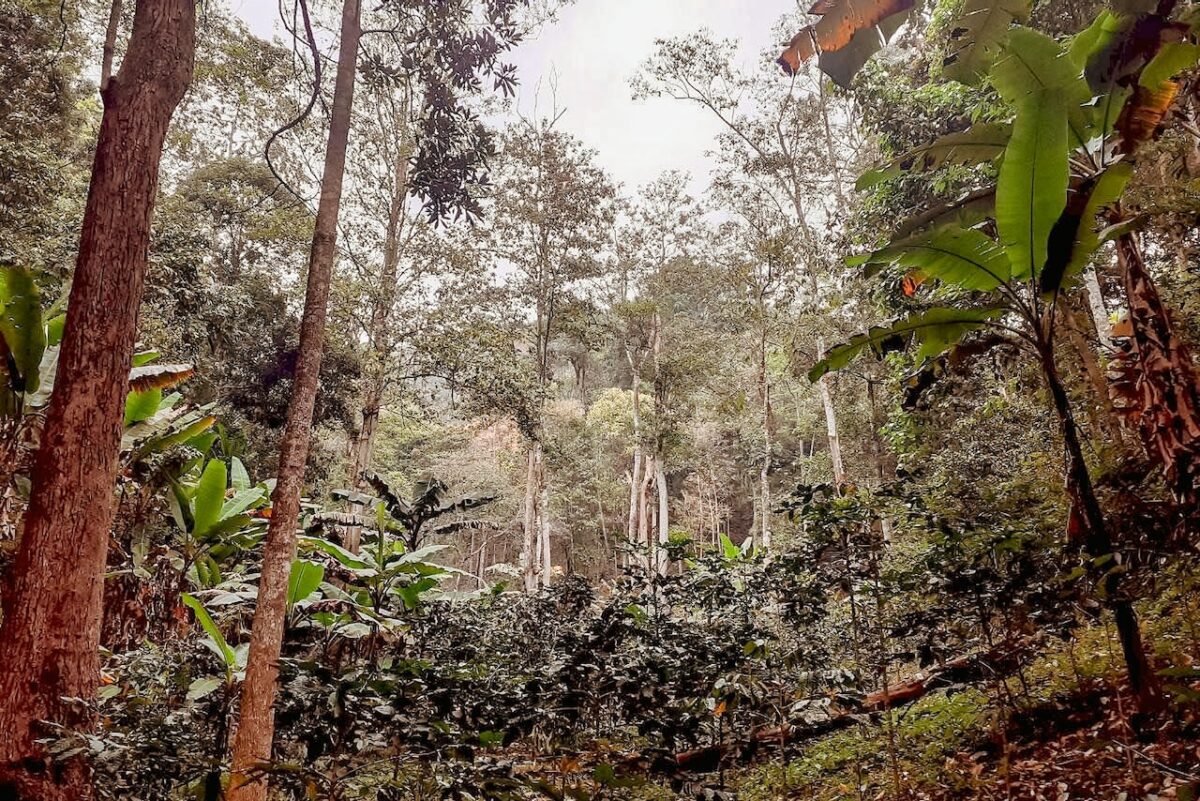
To protect local nature and cultural traditions, frameworks such as legal restrictions on corporate entry and government-designated conservation status are essential. Without such safeguards, businesses seeking new opportunities or individuals chasing short-term profits inevitably introduce commercialism, eroding both the natural environment and long-standing cultural practices. Like it or not, this is the logic of capitalism.
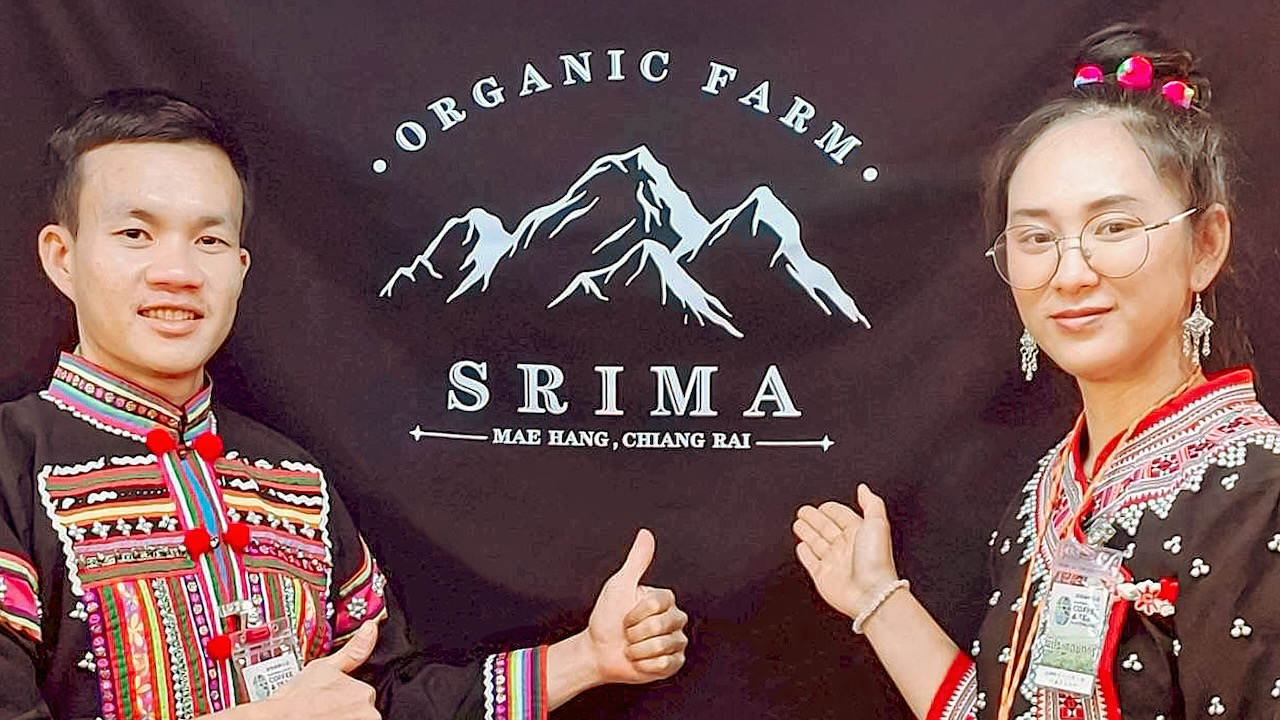
The Srima area in Chiang Rai Province, northern Thailand—home to roughly 5,000 people from two tribal communities—is one place that has preserved its natural environment and traditions through strict regulations. In order to protect forests, water sources, and the way of life of ethnic minority communities, the region has been designated as a protected area by the government. For example, foreigners and people from outside the community are not allowed to own land. This ethos is deeply rooted among the villagers themselves, who have quietly continued a way of life passed down through generations, living in close relationship with the forest.
That said, sustaining such a lifestyle in a modern society driven by cash income is extremely difficult. Villagers earn only limited income from small-scale vegetable farming, coffee and tea cultivation, or hosting homestays, and many households depend on remittances from younger family members working in urban areas. Coffee, in particular, is often grown in a near-wild state, with trees scattered around home gardens—far removed from concerns of productivity or efficiency.
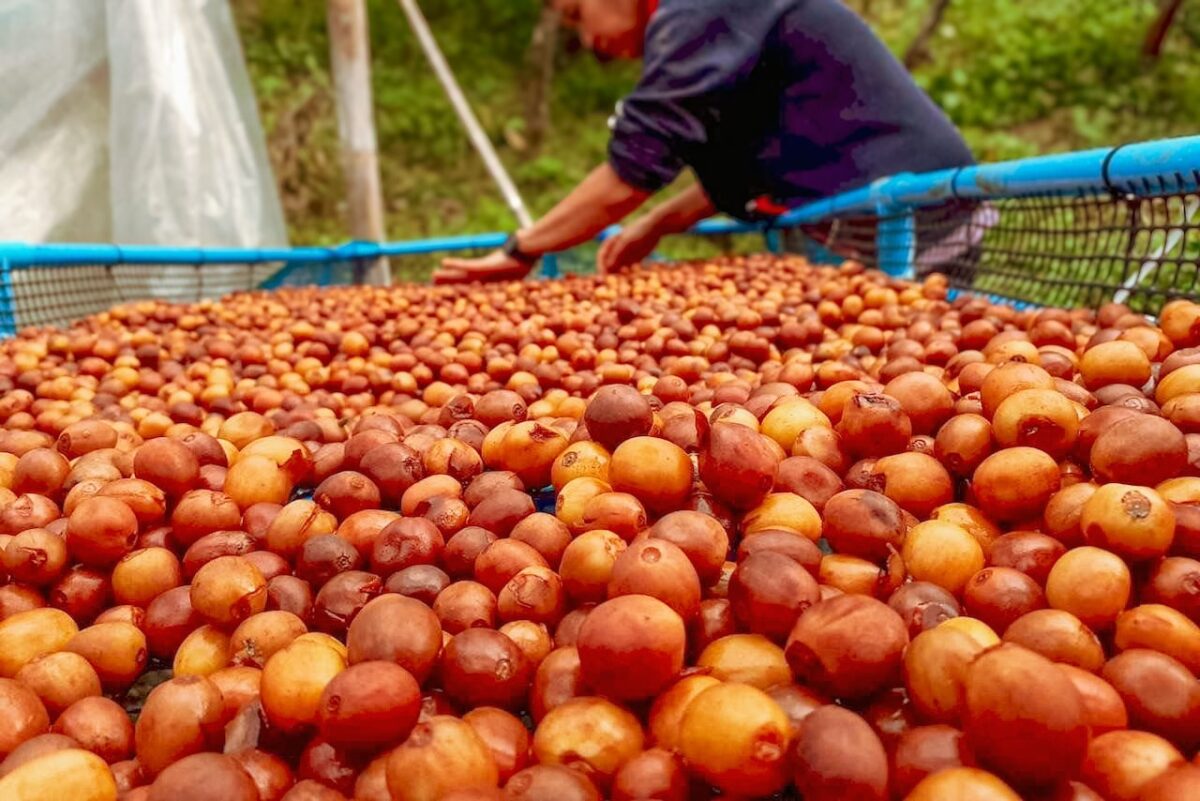
Supporting sustainable regional development through coffee production—while preserving Srima’s unique character—is CPDP, a Taiwan-based nonprofit organization. CPDP provides villagers with processing facilities and technical training, while also building pathways that connect them directly to consumers in importing countries. With the exception of its accountant, none of the members receive salaries for their work; the organization operates entirely as a charitable initiative. Project funding comes from the proceeds of coffee that CPDP helps produce and sell, as well as from individual donations.
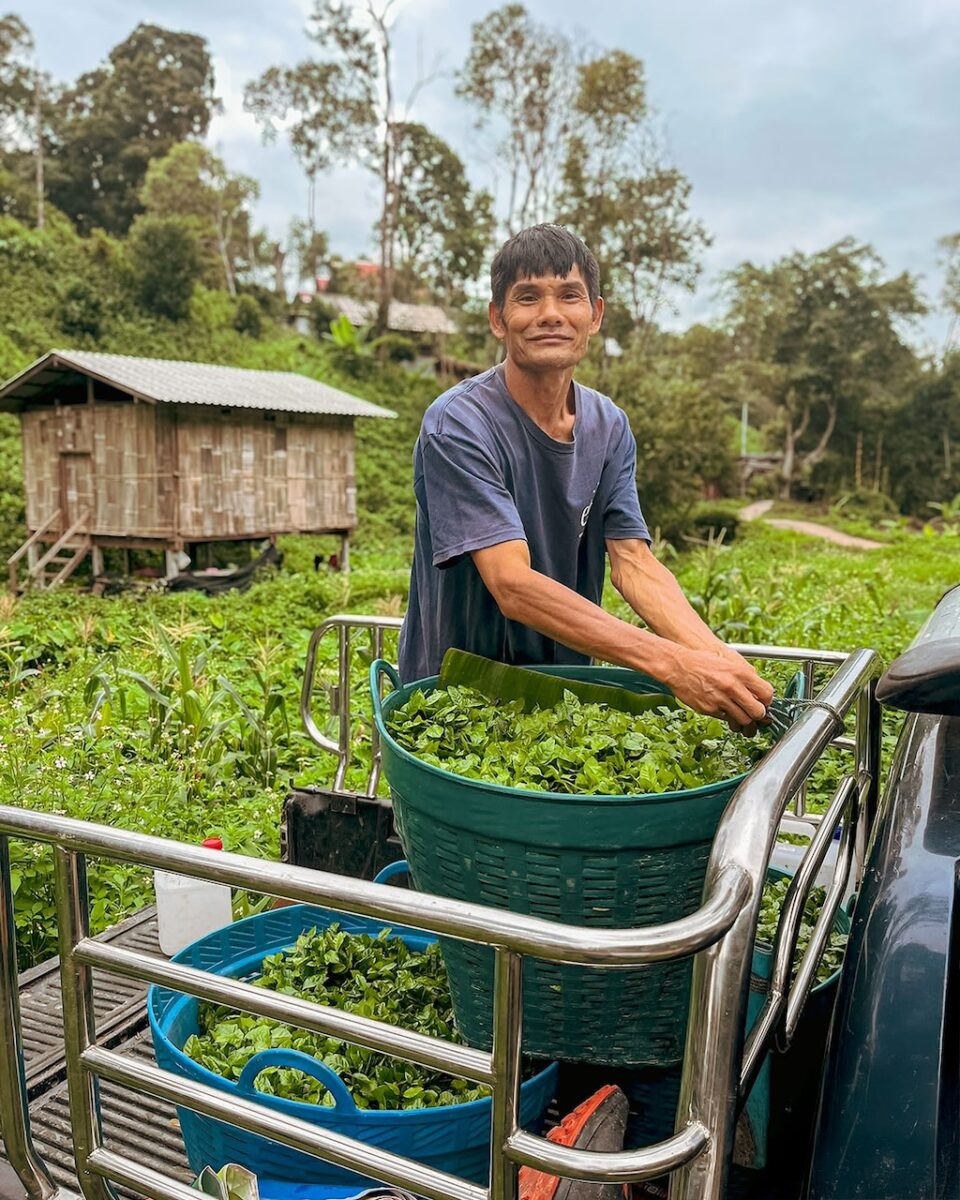
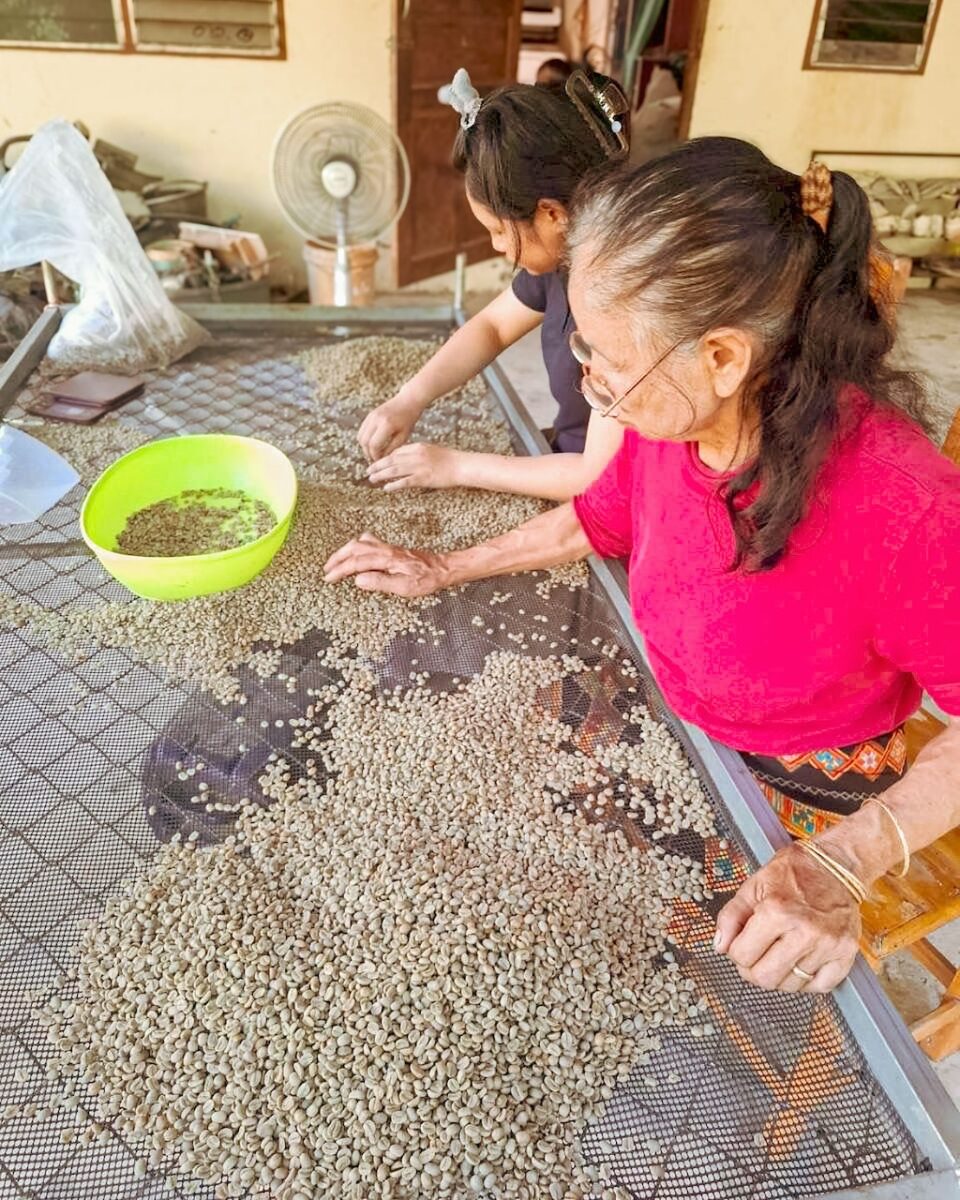
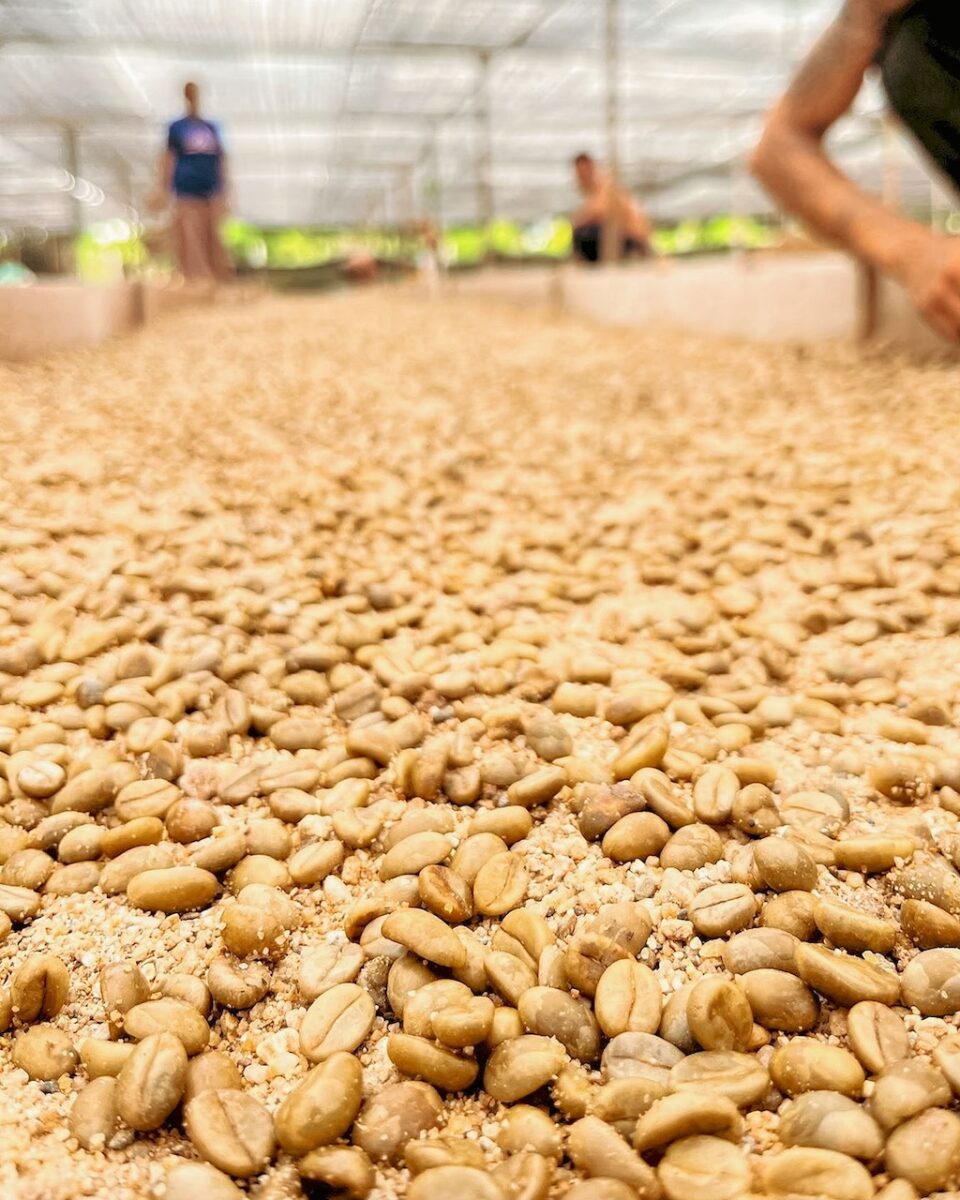
Since CPDP began working in the region in 2023, its business model—purchasing coffee cherries in cash at a premium 20–30% above market prices—has gained strong support among villagers. Production grew from 10 tons in the first year to 80 tons by the third year. CPDP’s in-house processing facilities and high level of technical expertise now underpin a stable supply of specialty coffee.
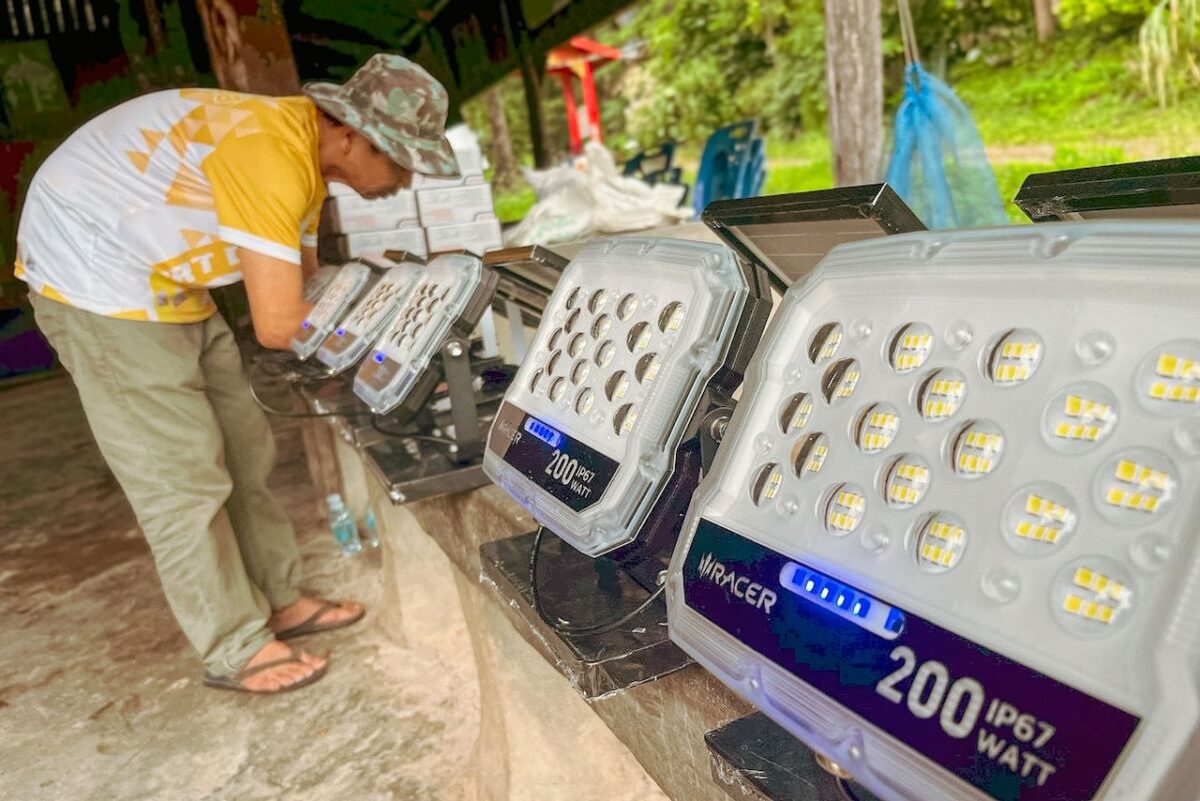
In parallel, CPDP also carries out charitable activities, such as installing LED lights at key points throughout the village to help prevent injuries and falls among elderly residents. I spoke with Alan, the project manager who leads the initiative through its three pillars: seedling cultivation, coffee processing, and community charity.

Toward a Sustainably Evolving Ecosystem
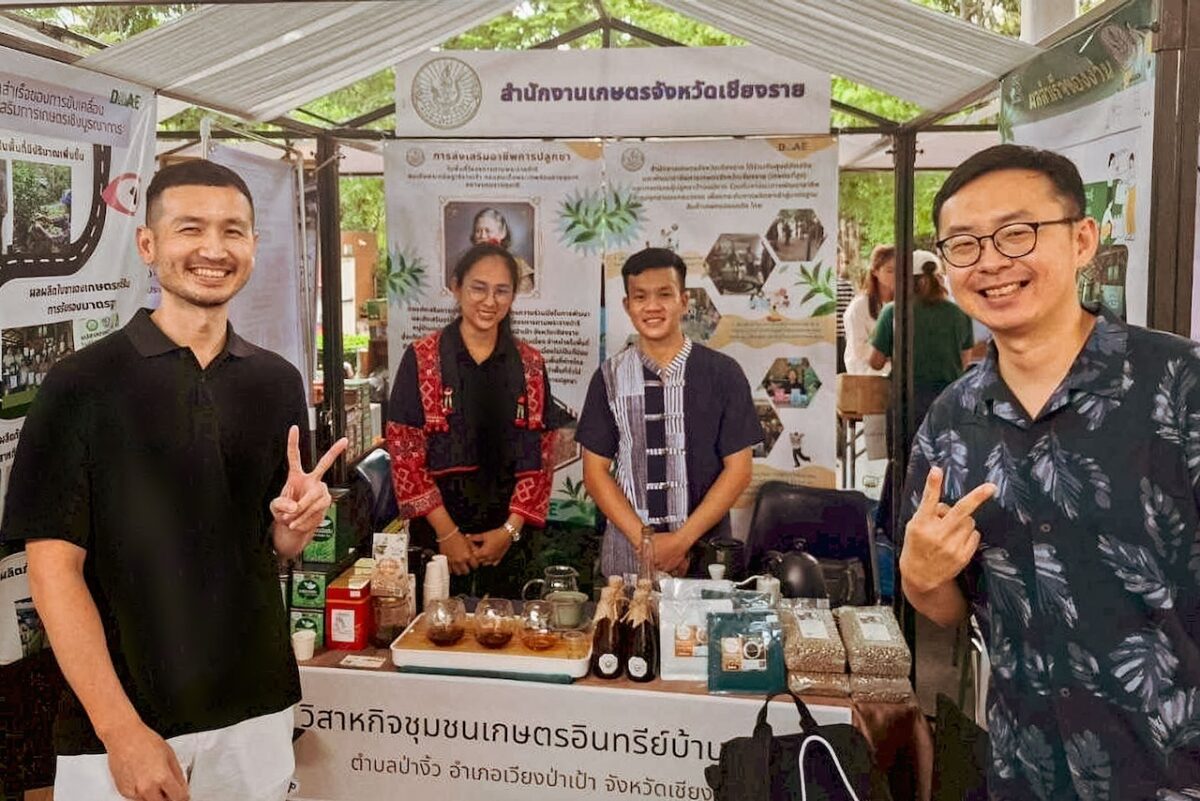
Alan’s decision to focus his support on the Srima region was sparked by a coffee symposium held at a university in Chiang Rai Province. Invited as a guest speaker to an event themed around “environment” and “sustainability,” he noticed a young couple—Joe and Mild—selling their own coffee in one corner of the venue.
From the appearance of the green coffee on display, it was clear that they had taken great care in sorting them. At the same time, however, problems in the processing were immediately apparent. When Alan spoke with them, they explained that a middleman who had taught them how to process coffee had promised to purchase their entire harvest—but at a certain point, all communication abruptly ceased.
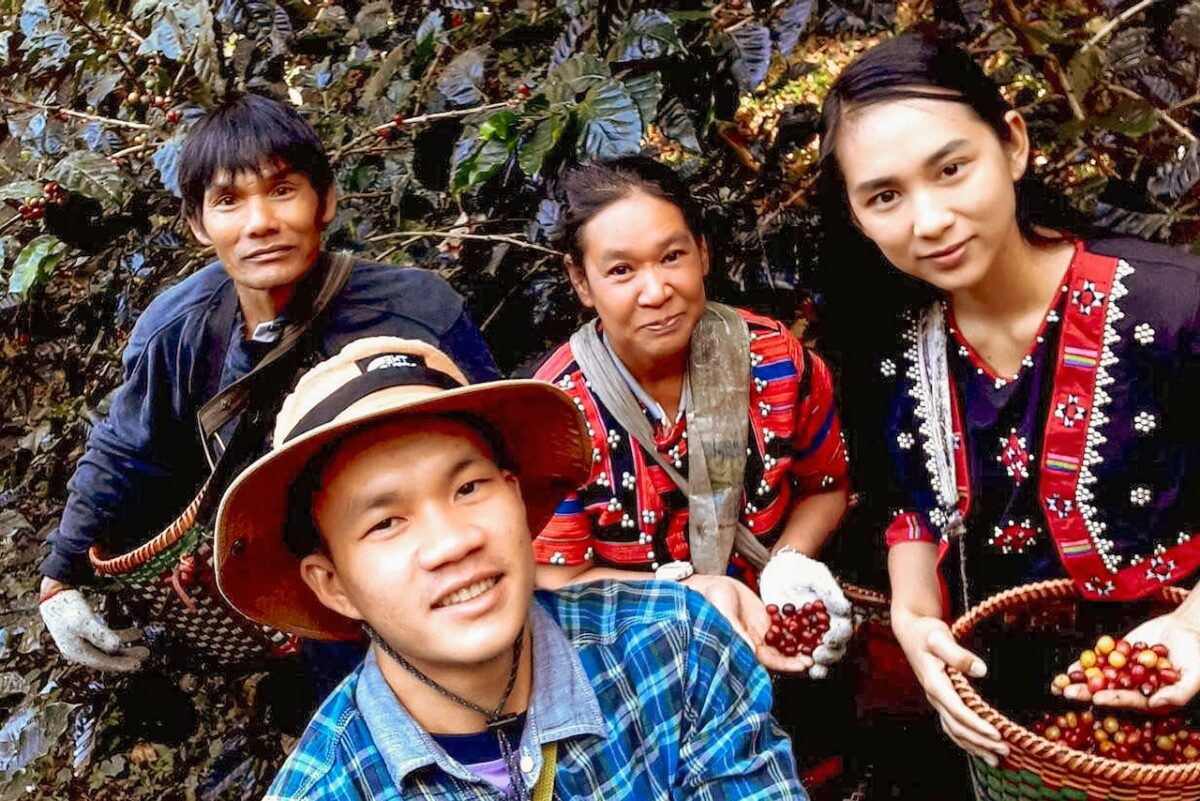
At the time, Joe and Mild had just returned from the city to Srima to help out on their grandparents’ farm. Coffee was their only source of income, and they were already burdened with debt from equipment investments. Around five tons of coffee remained unsold. The quality was, frankly, far from ideal, and it was easy to imagine how difficult it would be to find a buyer. Left as things were, their lives could quickly unravel. Unable to look the other way, Alan promised to purchase all of their coffee.
From there, Alan and other CPDP members began teaching Joe and Mild cultivation and harvesting techniques. As he came to understand the realities of the Srima region through the couple, Alan found himself deeply drawn not only to the villagers’ strong environmental awareness, but also to the region’s considerable potential as a coffee-producing area.
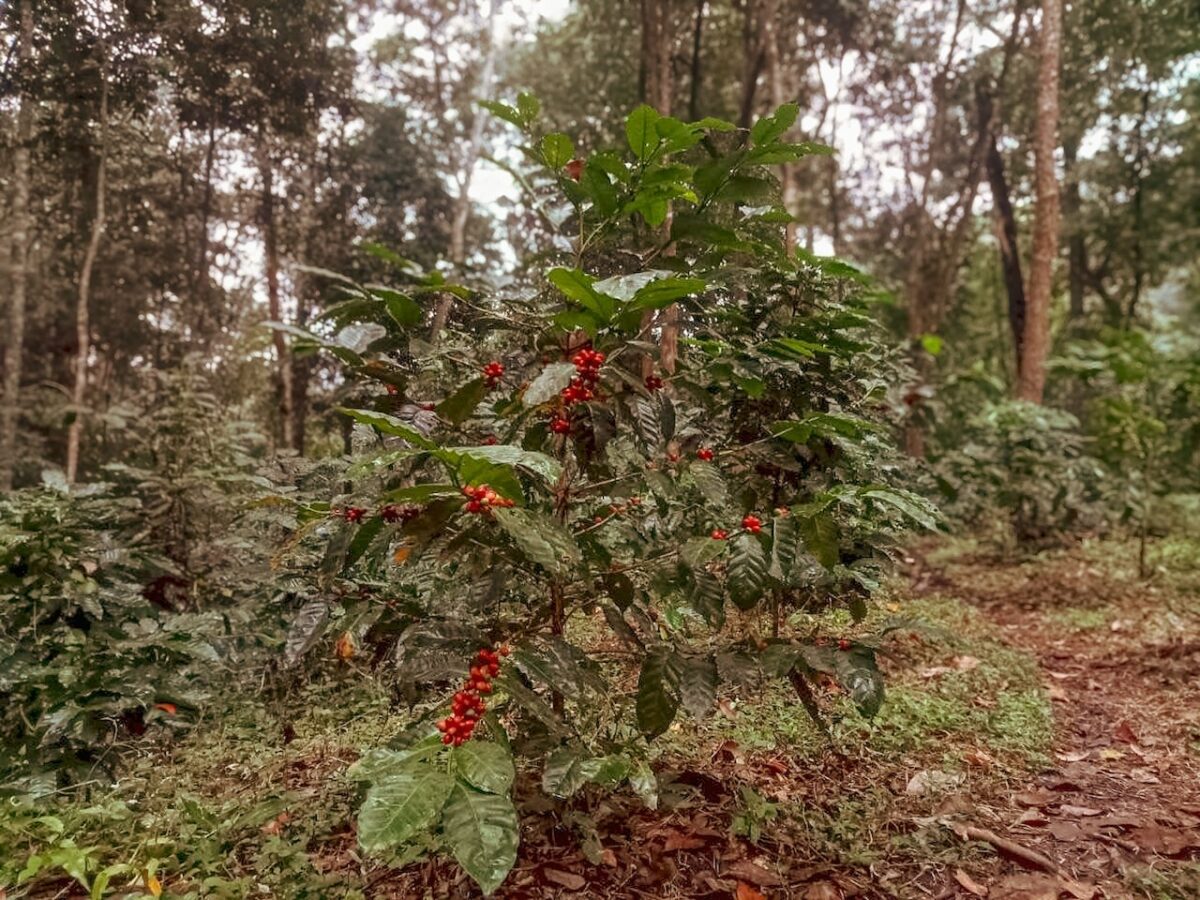
“Elevations range from 800 to 1,500 meters. The area has a tropical rainforest climate with abundant rainfall and a pronounced day–night temperature difference. As a result, coffee cherries mature slowly, allowing sugar levels to rise to around 22–23 Brix. Another key attraction is that, unlike other regions where Catimor has been widely planted under corporate-led development, Srima remains largely organic, with Bourbon and Typica-related varieties at its core.”
That said, for outsiders like CPDP, operating in Srima involves exceptionally high risk. Anyone from outside the community is required to prepay more than five years’ worth of funds upfront. Even then, there is no guarantee that local farmers will be able to generate returns commensurate with that investment. CPDP was able to commit nonetheless—precisely because it is a charitable organization. As Alan explains:
“To be honest, we don’t worry too much about whether this will ultimately succeed or whether we might be betrayed. We have received approval from the leaders of all seven villages to work in this area, but there is no promised future. What we rely on is the spirit of mutual support—if I can help you today, perhaps one day you will be able to help someone else.
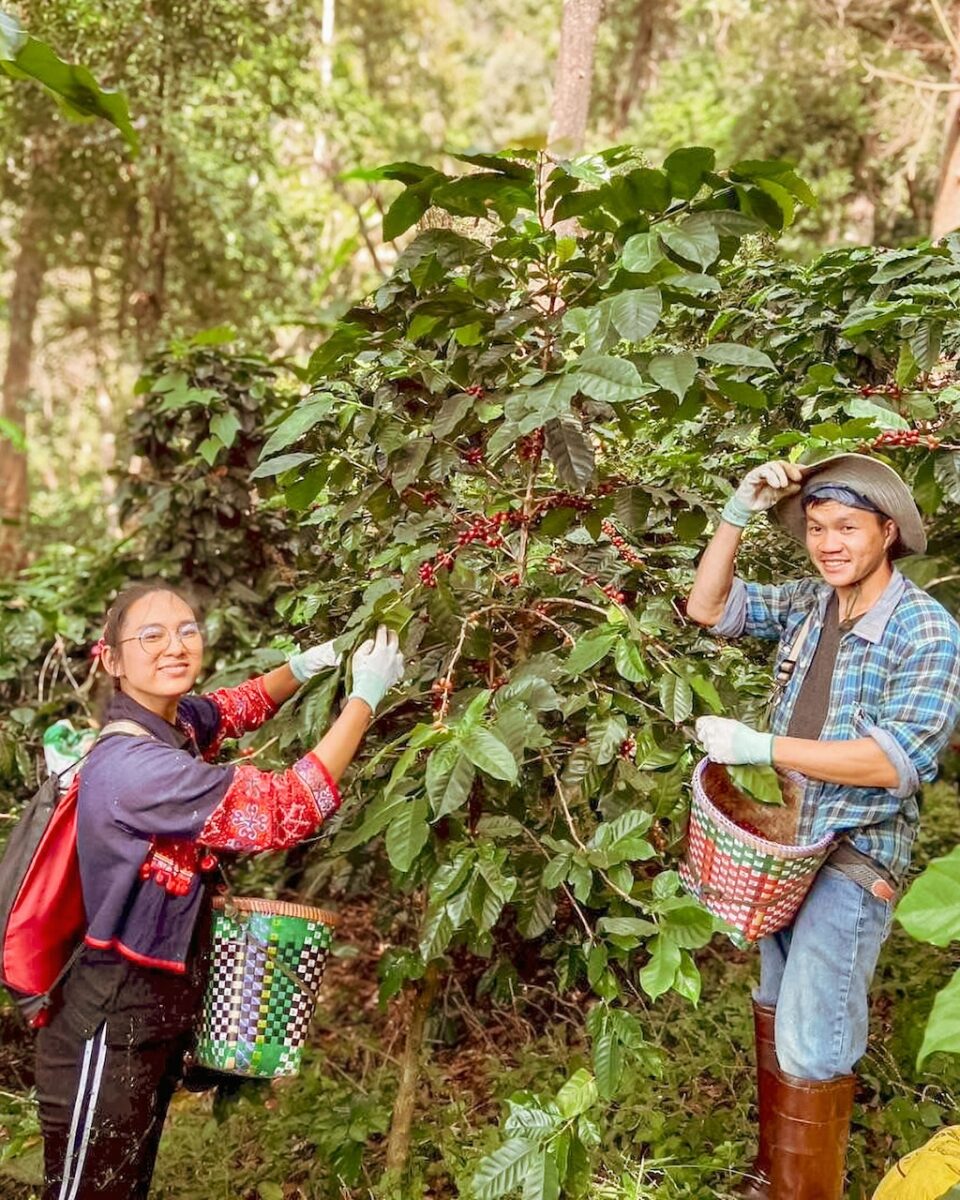
“Joe and Mild are, in a sense, our guarantors. If you want people in the community to see you as a role model, words alone are not enough—you have to show it in tangible ways. That’s why we acquired land in their names and planted coffee there. Many of our contracts are also signed under their names.”
To earn the trust of the local community, CPDP ensures transparency by clearly disclosing how value is shared among farmers, processors, and the organization itself. The project also adopts a model in which coffee trees—treated as long-term assets—are planted on farmers’ land. Farmers receive a fixed annual income, while profits from the harvested cherries are shared with the organization. In Srima, where aging populations have left many plots of land unattended, this approach also creates jobs for young people through land rehabilitation and ongoing maintenance.
“Without trust, people eventually act in their own self-interest, and in the end, that comes back to hurt everyone,” Alan explains. “In coffee, if each person plants a few trees and processes independently, quality becomes inconsistent and the coffee becomes impossible to sell. Without trust as a foundation, a business won’t work—and neither will regional development.”
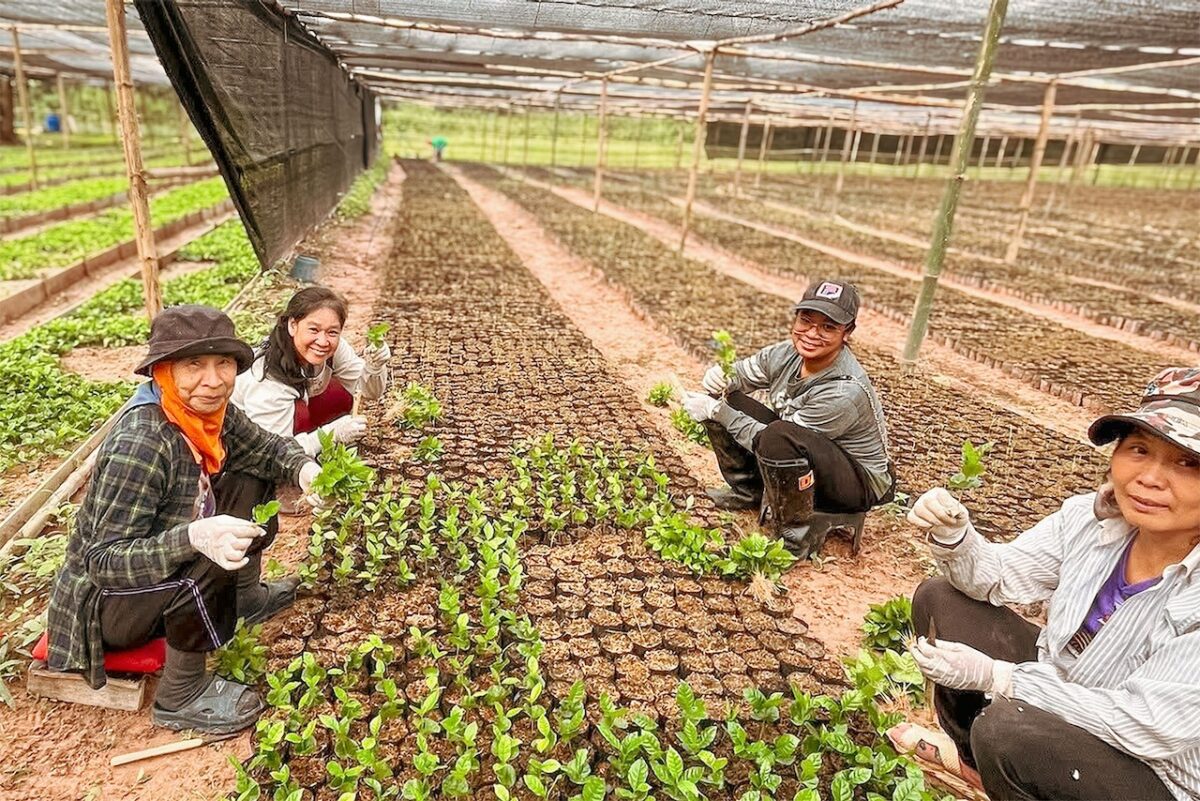
To further support local self-reliance, CPDP launched a seedling program in 2024. In its first year, the project planted approximately 2.5 million SL28 seeds sourced from research institutions, with an estimated 1.5 to 2 million coffee trees expected to reach maturity. By continuing to plant new seeds each year, CPDP aims to increase production by 500 to 1,000 tons annually over the medium to long term, supplying the market with what it calls “high-quality commercial coffee.”
“Seedling work isn’t physically demanding, which makes it accessible for middle-aged and older people, as well as mothers with young children, and that translates directly into employment,” Alan says. “Our goal is to create an ecosystem that can sustain and develop itself without our ongoing intervention. We want to build an environment where young people can return home, live with their families, and earn a livelihood locally.”
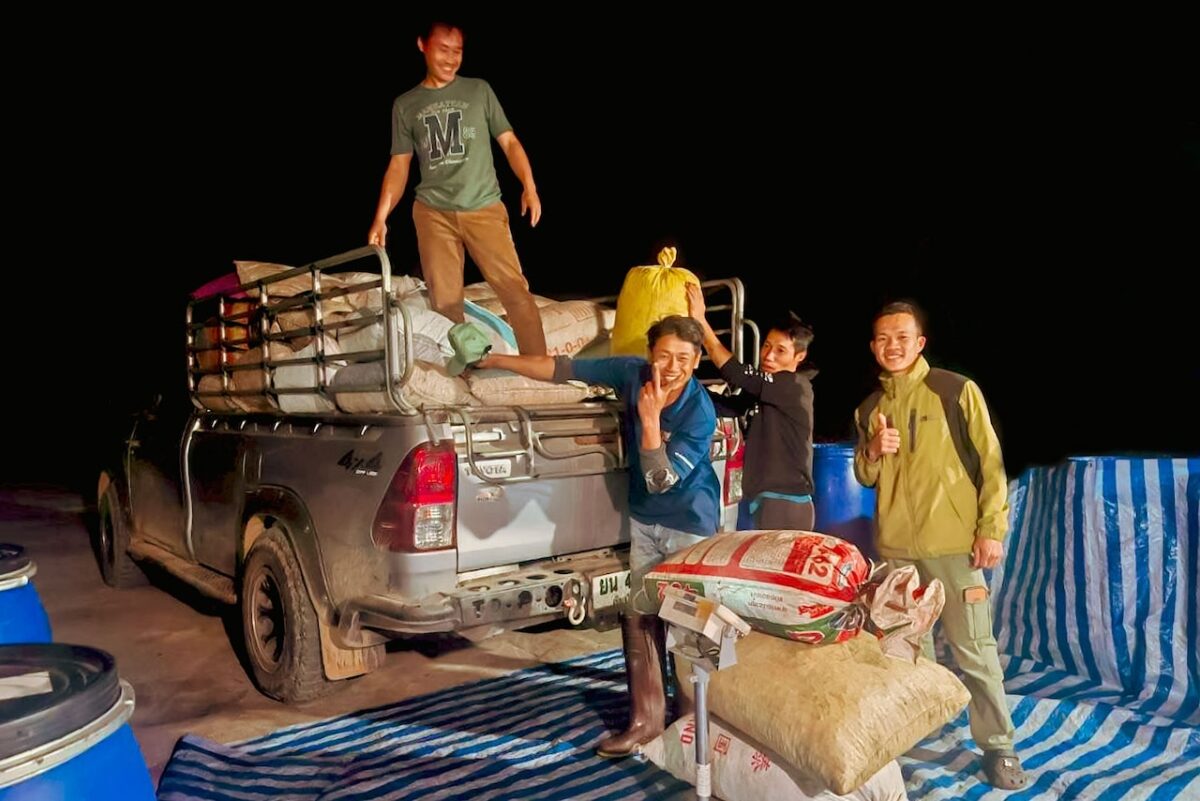
As further proof of its commitment, CPDP encouraged Joe and Mild to establish their own limited company. Today, both receive regular salaries and bonuses from the company and are enrolled in social insurance programs. Safety risks—such as transporting coffee cherries in clearly aging trucks and motorbikes—have also been eliminated by purchasing a four-wheel-drive truck under the company’s name. The psychological security that comes from having a stable monthly income and health insurance coverage has empowered them to take on new challenges.
As Joe and Mild have grown into role models, participation in this ecosystem has expanded dramatically—from just five or six people at the outset, to 40 in the second year, and now around 100 in the third year. Determined to lift up others who find themselves in situations similar to their own past, the couple are now deeply involved in the seedling project as well.
“They’re still only around 30 years old. In the first year, villagers saw them as nothing more than a couple of kids,” Alan says. “Now, they’re known as the ‘little bosses.’ By buying coffee from others and visibly contributing to the community, their position changed completely—and they’ve earned genuine respect.”
Trust Is Where Relationships Begin
Alan was born into a family of sugarcane farmers in Taiwan, where generations before him had made their living from the crop. From the 1970s onward, however, the industry went into decline. As many farmers shifted to more profitable fruit cultivation or sold their land for industrial use, Alan’s family—having few alternative options—chose a different path. Together with others, they moved to Thailand and continued growing sugarcane. This was in the early 1990s.
The Asian financial crisis of 1997 only added to their hardship, and the family struggled constantly to make ends meet. Still, they persevered. By around 2010, the business finally began to stabilize, and today it stands as a model within the industry. Alan’s older brother now oversees day-to-day operations, while Alan himself is involved mainly in ERP management, executive recruitment, and key management meetings—allowing him to devote much of his time and energy to CPDP’s work.
“Everyone involved in CPDP, myself included, has a stable enough income base that we won’t struggle for food, clothing, or shelter for the rest of our lives,” Alan says. “When you’re in that position and you see people who are struggling just to get by, or you look closely at the coffee supply chain, you naturally feel that there must be something you can do.”
That feeling grew even stronger after Alan lost his beloved grandfather a few years ago. He came to believe that no one should hold on to everything they have; in the end, it must be passed on to the next generation. That ‘next’ could be one’s own descendants—or it could be someone else entirely. People live on through the memories of others. That belief ultimately led him to a concrete action: using his grandfather’s legacy to donate SL28 coffee seeds to Srima.
“I think it’s because I’ve been incredibly fortunate in my own life. The kindness I encountered in Vancouver, Canada—where I lived from the age of 11 to 22—left a deep and lasting impression on me as a formative experience.”
In Canada, which aspires to be a society where people from diverse backgrounds coexist, an attitude of accepting and trying to understand different cultures is woven into everyday life.
Alan recalls a time when he needed to cover the cost of basketball team uniforms. The school gave cookies to students from families with limited financial means and encouraged them to sell them to raise funds. When Alan went door to door in his neighborhood with the cookies, many people told him, “We don’t need the cookies—just use this to help,” handing him 100 or even 200 dollars. Even at the local butcher, the shop owner would sometimes give him extra, perhaps sensing from his clothes or accent that he was an immigrant.
“There was no trace of suspicion—just a culture of trusting people at face value,” Alan says. “Because I received so much kindness from others, I naturally came to feel that one day I wanted to act the same way. And now, thankfully, I’m in a position where I can help someone else. Being involved in this project brings me a deep sense of peace—I sleep soundly at night.”
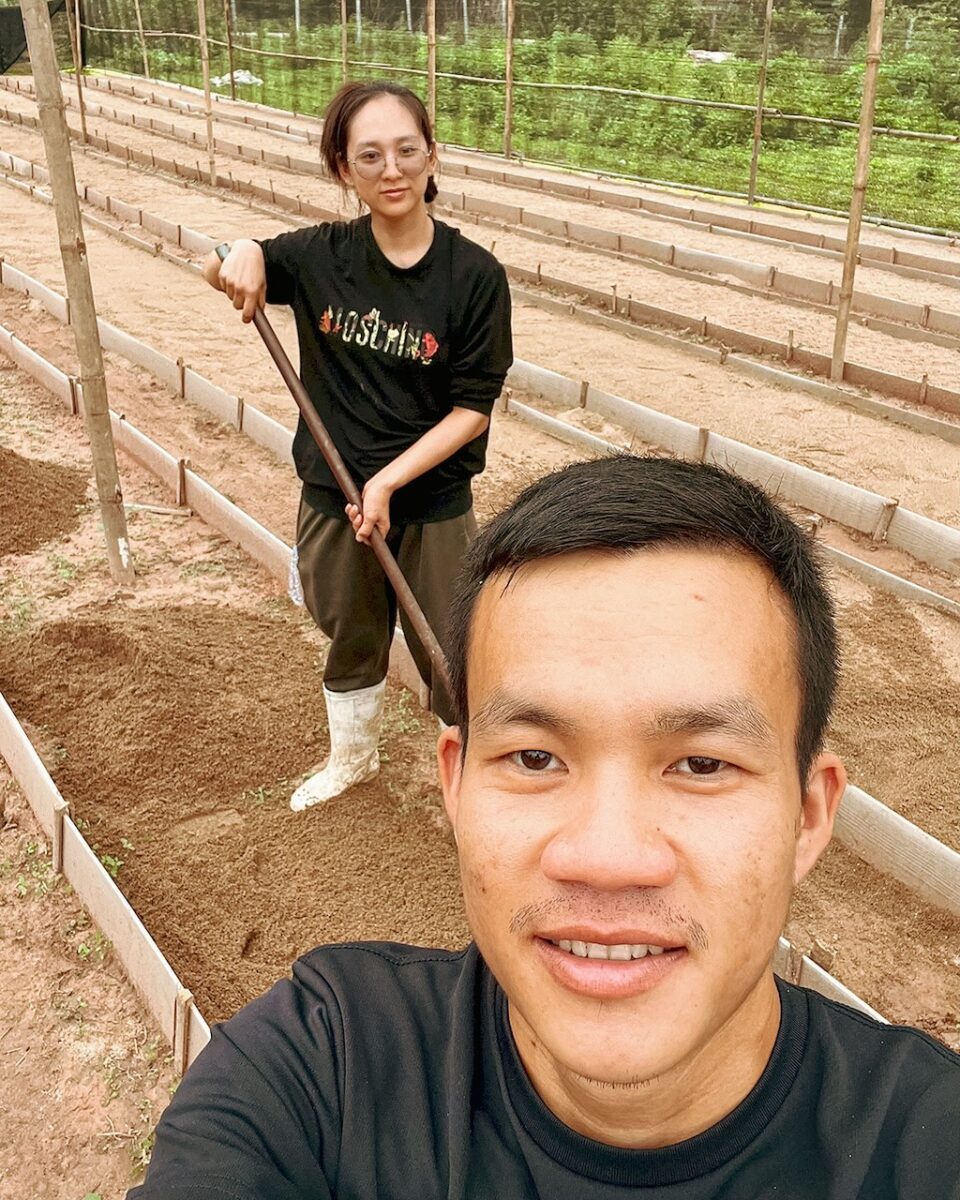
“What I want to emphasize is that the true protagonists of this project are the local people—starting with Joe and Mild. Especially during the processing season, the two of them live on a grueling schedule, going to bed at midnight and waking up at five in the morning. From collecting cherries to sorting and hauling them, they quietly dedicate themselves to demanding, hands-on work day after day.
My hope is simply that more people will become involved in this project. Already, visitors from Taiwan, Malaysia, and Hong Kong have come to Srima to plant trees with their own hands and learn about coffee processing firsthand. Of course, even just knowing what is happening in Srima today is more than enough.
If we can successfully establish the seedling project over the next five years, we promise to offer coffee of the same quality as we produce now—around 86 points—certified organic and Rainforest Alliance, as ‘commercial-grade’ coffee at a fair and responsible price. To everyone who knows our journey today, we want to deliver this coffee with pride.”