





Mexico’s Pluma: A Romantic Fusion of Contrasts
It was the biologist Charles Darwin who left us with the idea that “it is not the strongest who survive, nor the most intelligent, but those most adaptable to change.” In business, too, the ability to continuously adapt to shifting times and environments is indispensable. Long-established companies have endured to this day not simply by preserving tradition, but by refining and reinventing it, again and again.
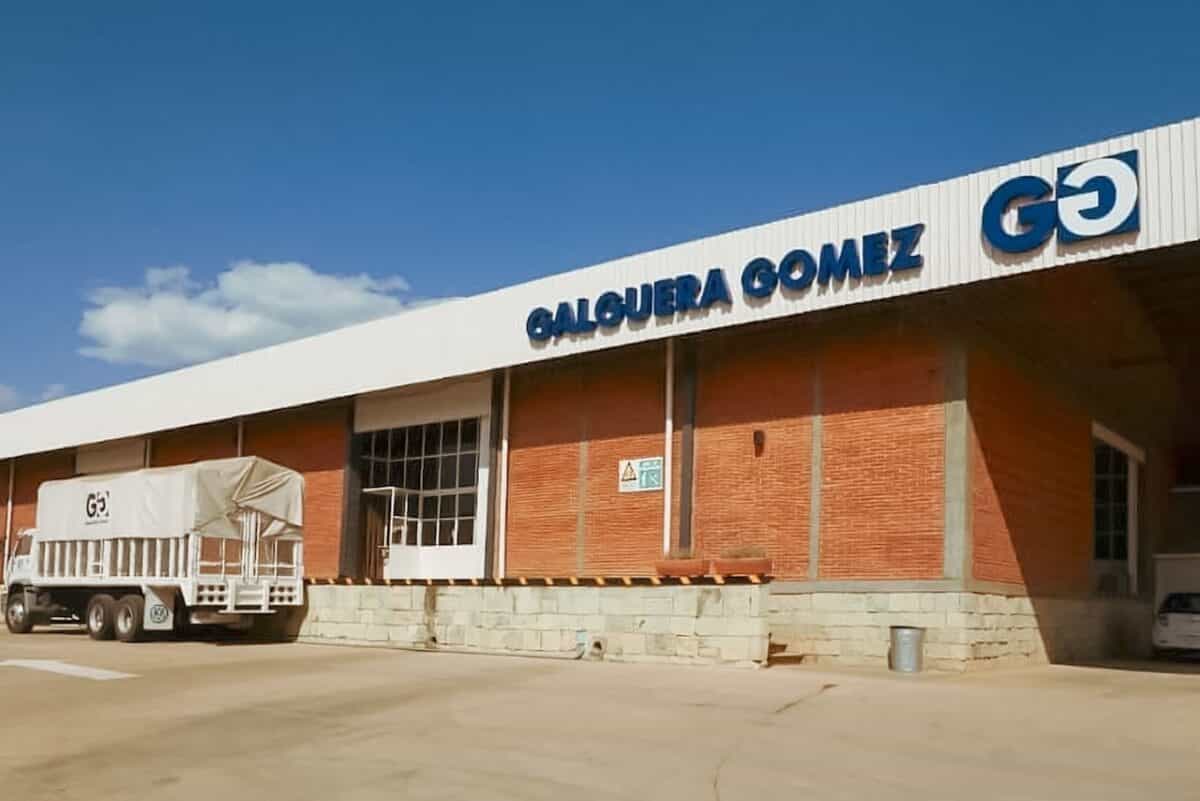
In southern Mexico’s Oaxaca region, the Galguera Gómez company—handling everything from production to export of “Pluma” coffee, often described as a jewel—stands as a living embodiment of that spirit. Founded in 1932, the company has weathered nearly a century of turbulence, weaving its history through waves of change.
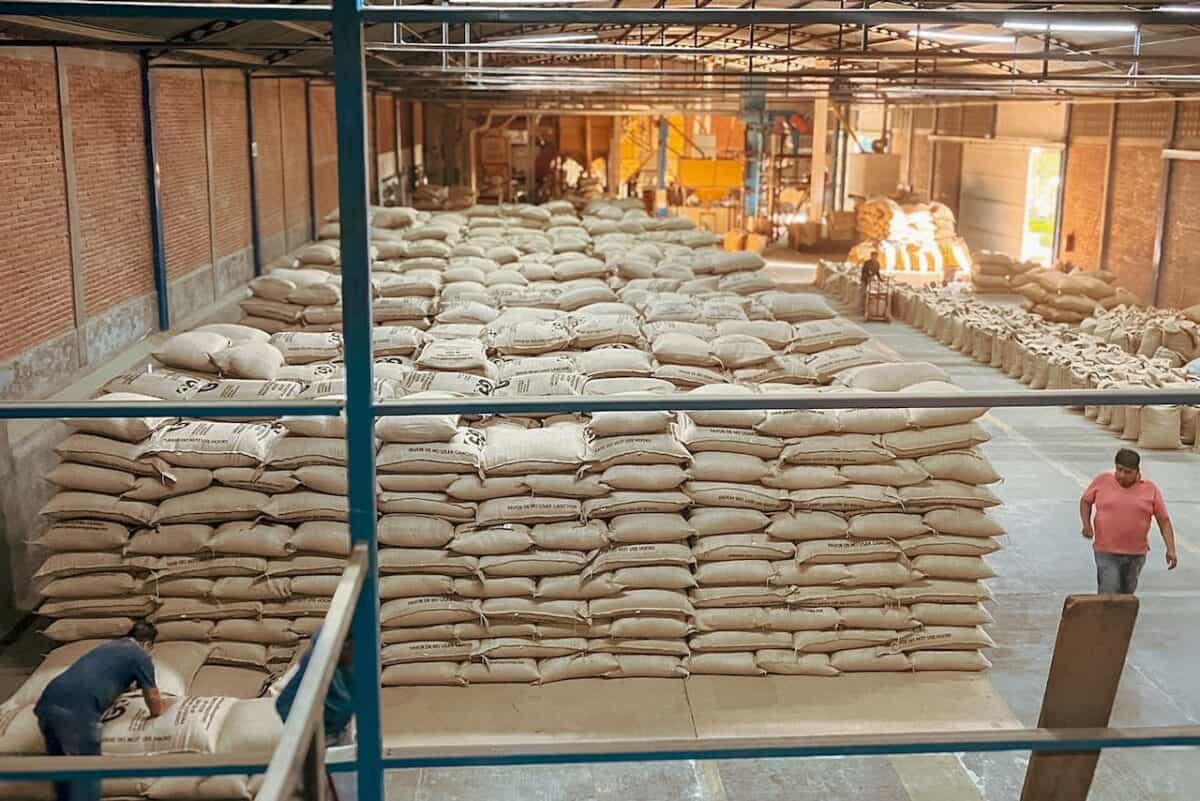
In the 1990s, faced with a collapse in international coffee prices and devastating hurricane damage that reduced production to roughly one third of its previous volume, the company reached a turning point. It shifted its business model from brokering green coffee exports to purchasing coffee cherries (or parchment) directly from producers and processing them in-house. Today, it works with approximately 1,500 producers.
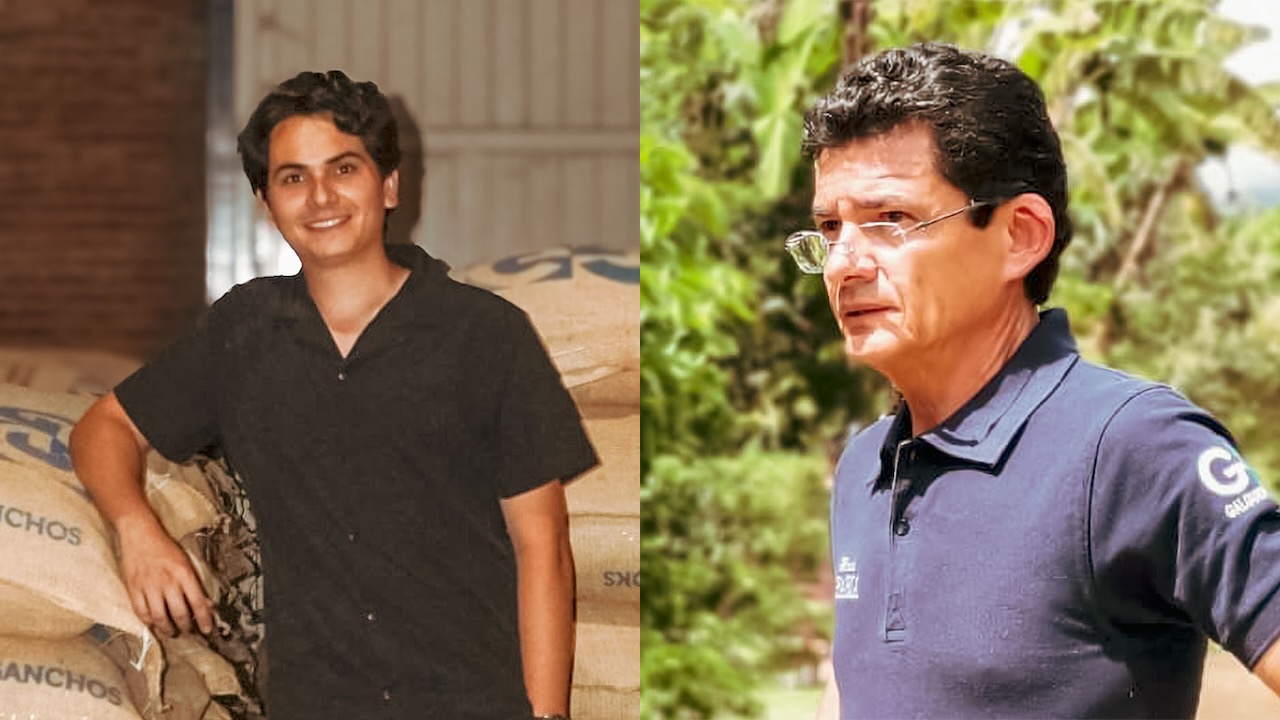
In recent years, the company has focused on creating higher added value and improving producers’ profitability in order to carry the tradition of coffee into the next generation. One example is its experimentation with co-fermenting Arabica and Robusta varieties. What lies at the core of this company? We spoke with Jesús, the third-generation leader who currently oversees the business, and with his son Pablo, who is expected to become the fourth generation to carry the company forward.

Ownership as the Foundation of Quality
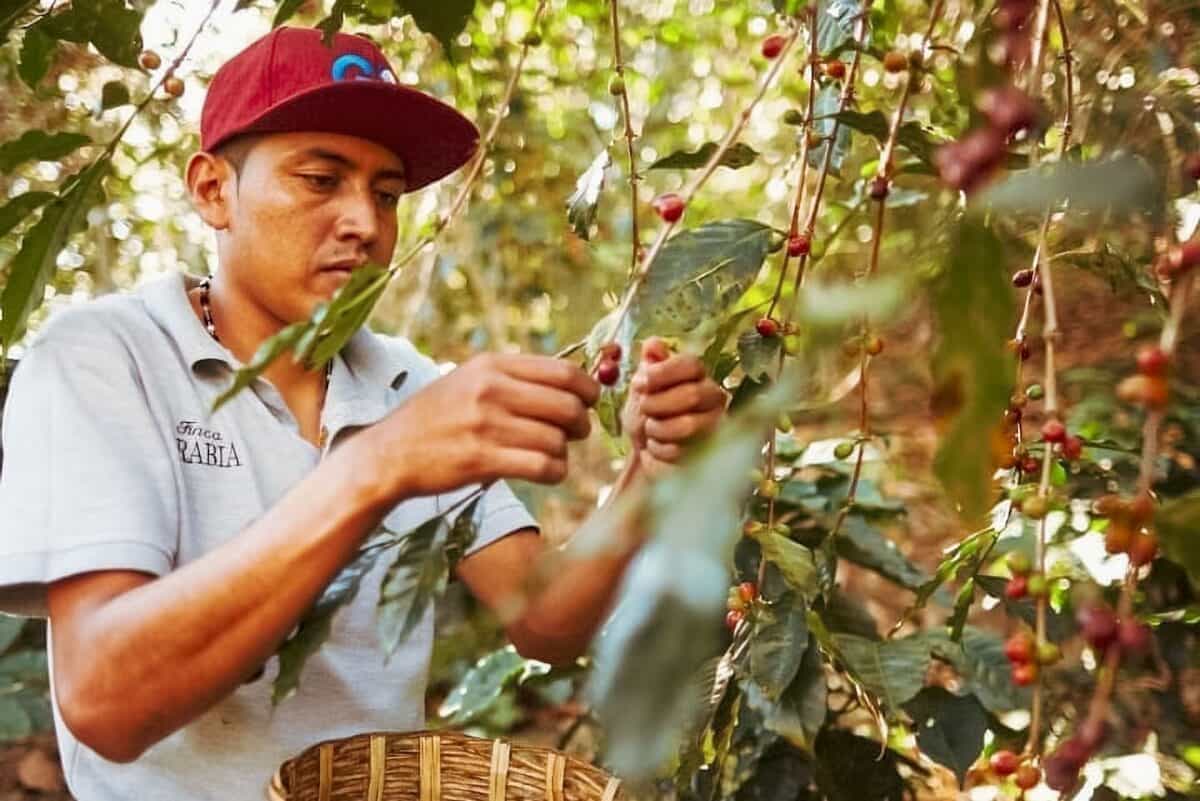
Pluma is the collective name for high-quality Arabica coffee produced in the mountainous regions of Oaxaca in southern Mexico. Among them, the native Typica variety cultivated around Pluma Hidalgo is widely recognized as one of Mexico’s most representative coffees. Its brand power is so strong that in the past, coffees from other regions—with similar flavor profiles—were even sold as “Pluma,” leading to cases of origin mislabeling.
At the same time, because traditional varieties such as Criollo and Bourbon account for the majority of production, and due to the unique natural and climatic conditions of the mountainous terrain—along with the prevalence of older trees—productivity per unit area remains at roughly 60% of that in states such as Chiapas and Veracruz.
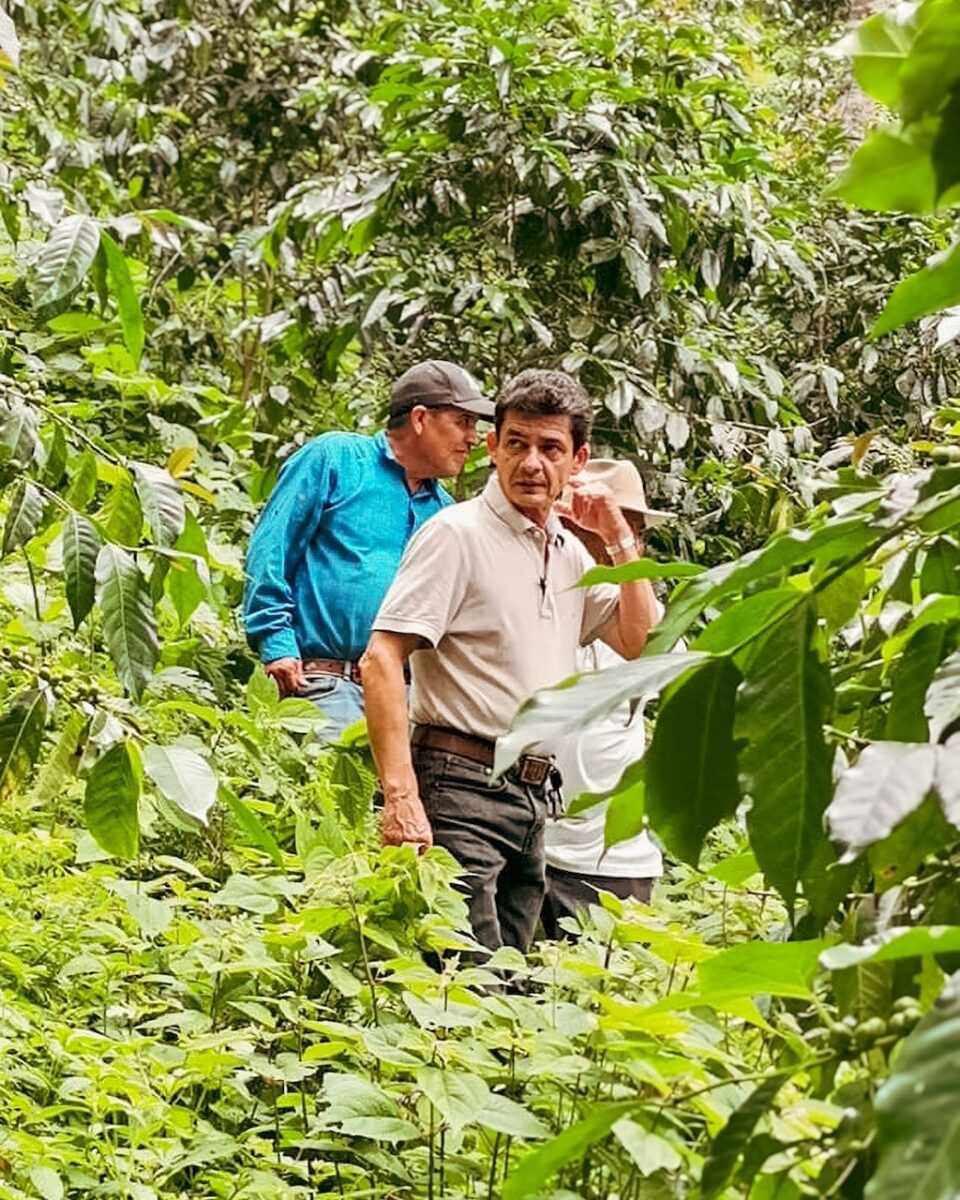
Jesús: “After Hurricane Pauline in 1997, many large estates effectively ceased functioning, and today most producers are smallholders. Nearly thirty years later, both the ecosystem and production volumes are finally beginning to return to their former levels.
Even under these circumstances, we have been able to continue purchasing cherries from producers at prices above the international market. That is because our customers understand both the high quality of Oaxaca coffee and the unique production realities of this region—and they see value in paying a premium that reflects those conditions.”
In 2008, Galguera Gómez introduced a system designed to “absorb part of the quality risk beyond producers’ control—such as climate-related factors—and create an environment in which they can continue producing coffee sustainably.” Under this scheme, the company purchases cherries at a fixed price regardless of quality. While such a structure could potentially create incentives to prioritize volume over quality, they have never faced a decline in quality as a result.
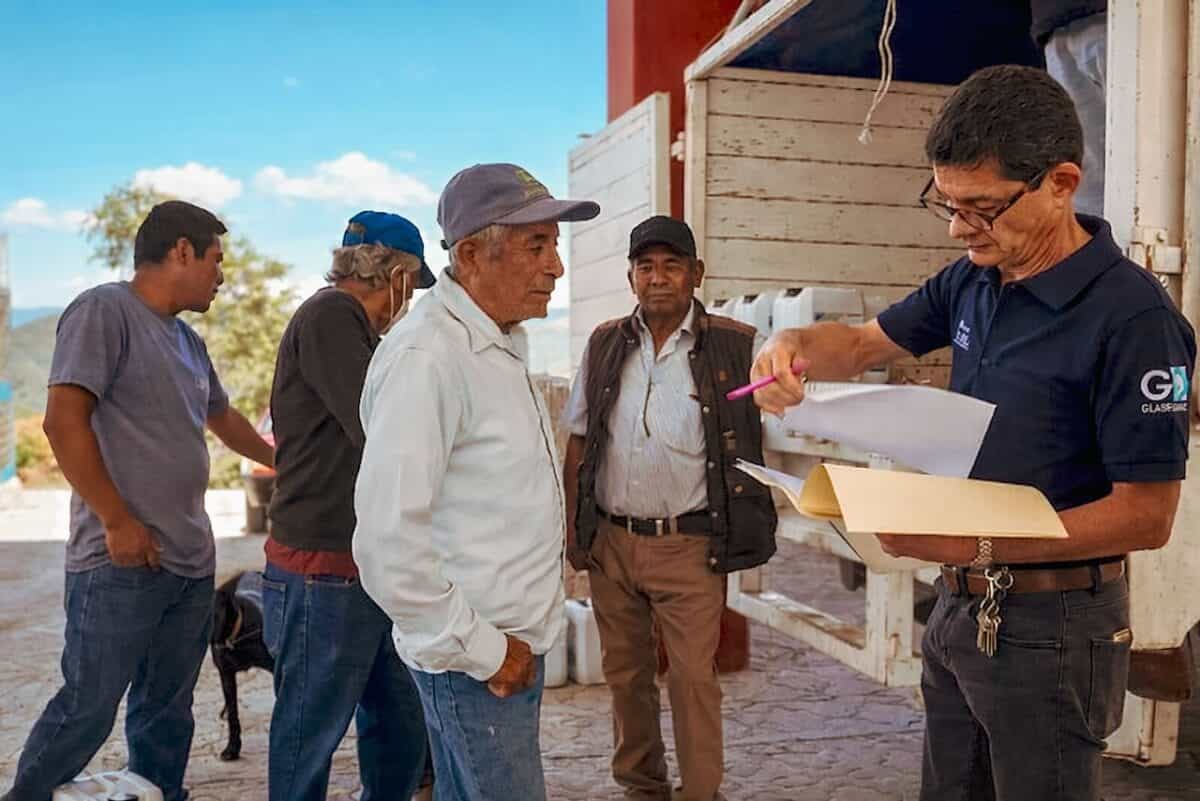
“Oaxaca is a very particular place. Many coffee producers belong to Indigenous communities and continue to maintain traditional ways of life. Most of the languages they speak are their own native languages. For them, coffee is not merely a business for earning money—it is part of a way of life that has been passed down for generations to protect their land and their community. That’s why they are not swayed by short-term profit.”
Jesús himself shares a spirit closely aligned with that of the producers. What matters most to him is not simply financial reward, but the recognition that “our work is acknowledged and our origin is properly valued.” His emotional connection—inseparable from memories of his grandfather and father—continues to draw him toward the world of coffee like a magnetic force.
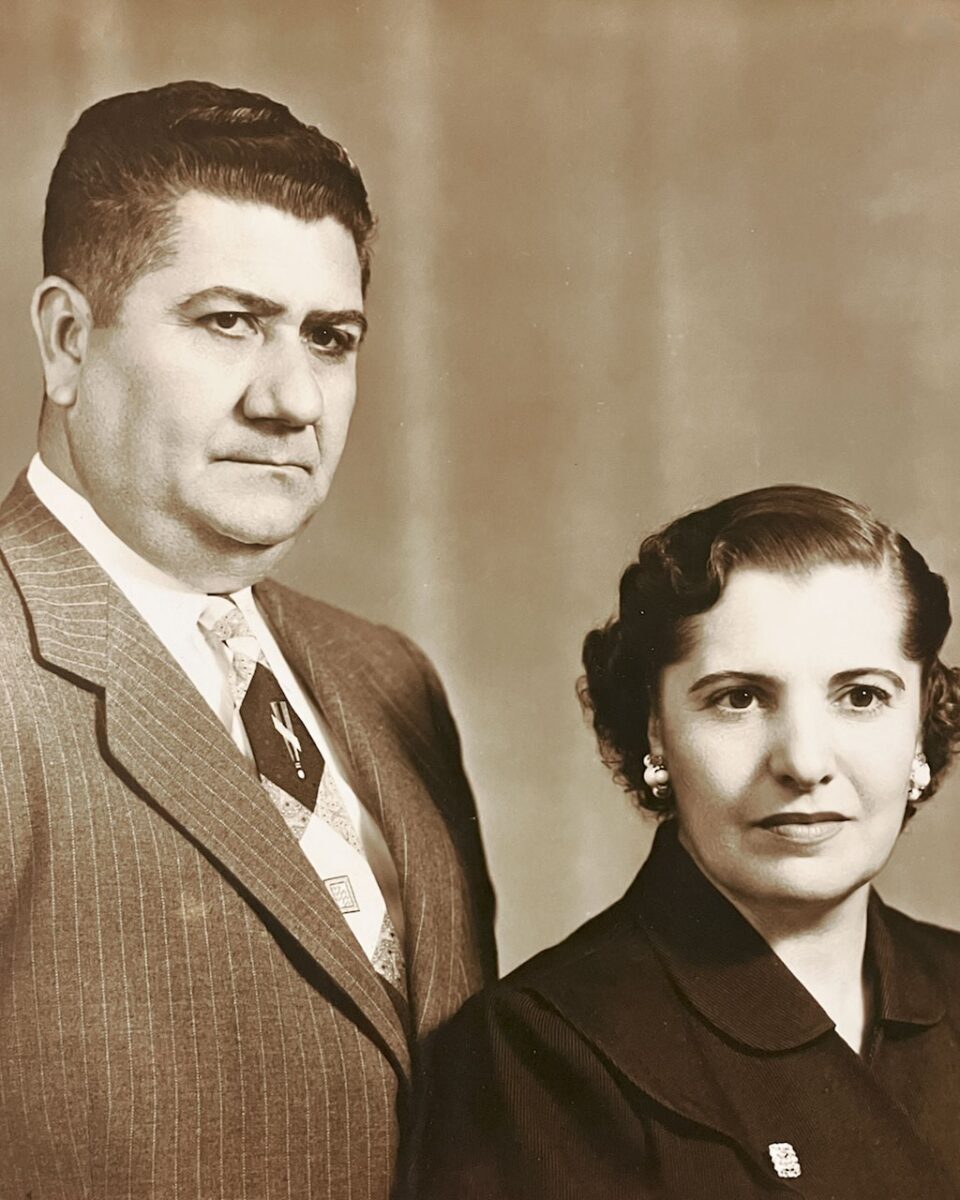
“My father used to tell me that my grandfather began working as a clerk at an American importing company in California. His dedication was recognized by senior management, and he was eventually entrusted with leading the Mexican branch responsible for exporting coffee to the United States. My grandfather returned to his hometown in the 1930s and started his business in a region where it took eight days on horseback just to reach the state capital of Oaxaca.
From then on, he gathered coffee from producers in the Pluma region and served as a bridge between the importing company and the farmers. He was known as a very strict, serious, and highly responsible man—someone who was sincere with both sides of every transaction and, above all, someone who always kept his word.
The same was true in my father’s time. Back then, business deals were concluded with nothing more than a verbal promise. Today, there are far more required documents, but the weight of a spoken commitment in our relationships with producers has not changed. The paperwork is merely procedural—the essence remains the same.”

Even the Different Can Blend
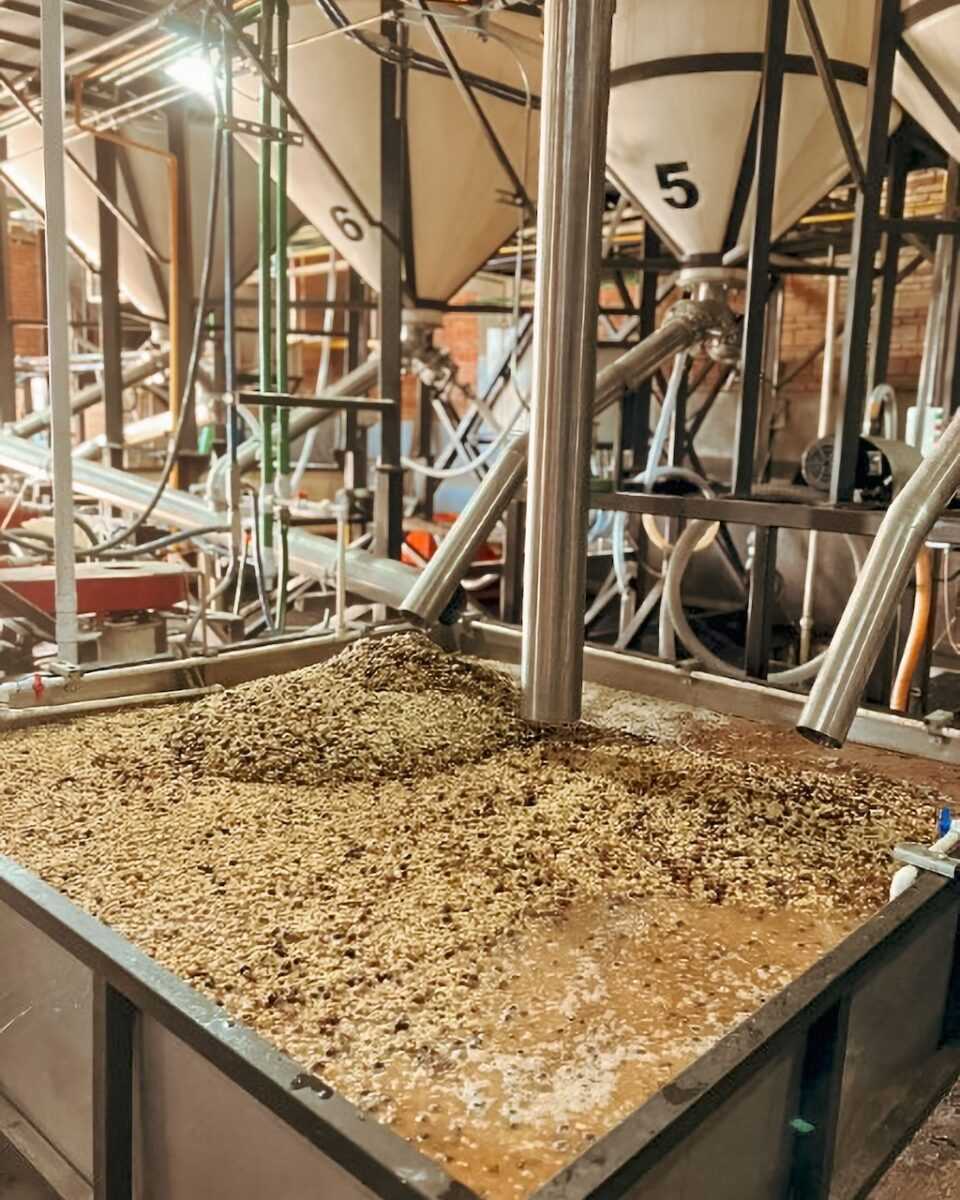
Over the past two years, the company has embarked on a new initiative: a project to co-ferment Arabica and Robusta. What began as an effort to “share responsibility and risk for quality with producers” has since evolved into full-scale research conducted in the company’s own laboratory. In collaboration with the University of Guadalajara, and with guidance from Dr. Julia Martínez, a PhD in agricultural biotechnology, the team is using DNA analysis to identify microorganisms best suited for fermentation.
Within the industry, it is considered common knowledge that “Arabica and Robusta are entirely different.” Jesús began by questioning that very assumption. What might happen, he wondered, if the best qualities of both could be drawn out? That question lies at the heart of the current research. Behind it stands not only a prior success—when altering fermentation methods unexpectedly produced attractive flavor notes absent from the original profile—but also Jesús’s own sense of romance.

“The idea of mestizaje—racial and cultural blending—is at the core of Mexico’s identity. Oaxaca, in particular, is like a beautiful crucible, where different ethnicities and cultures have not been fixed in rigid hierarchies of domination and subordination, but have moved toward integration through coexistence. To me, that resonates with the fermentation of Arabica and Robusta. I want to explore the possibility that two entirely different entities can meet and blend.”
Arabica vs. Robusta. Indigenous vs. European heritage. Tradition vs. innovation. We often frame the world in binary oppositions. At the root of division and discord lies an unspoken assumption—that the two sides can never truly be reconciled.
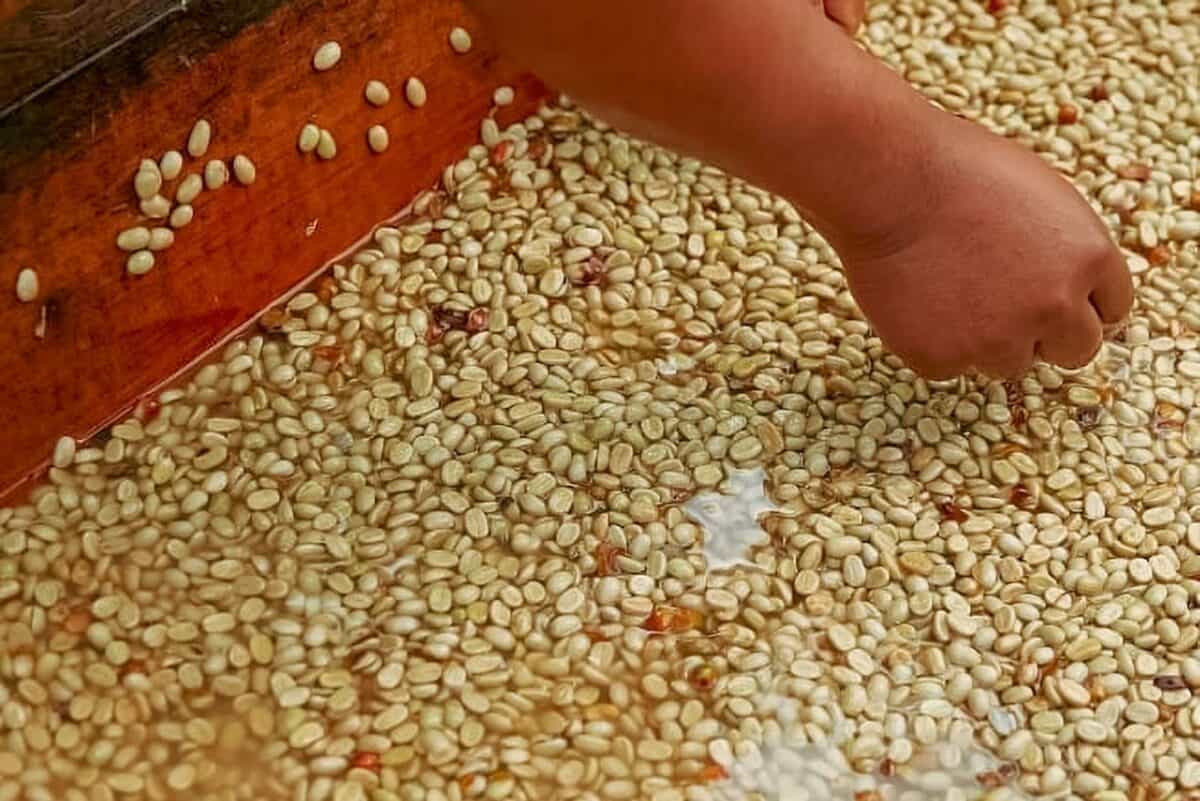
“I believe that rather than dividing things, adding together the best parts of each makes us richer. Coffee is no different. While we must respect the years of effort and patience accumulated by producers, we also need to pursue better methods and new possibilities. Take washed coffee, for example. We honor the traditional fermentation methods practiced in this region, but we are also experimenting with innovation—intentionally selecting microorganisms that were once left to spontaneous fermentation, and adjusting how cherries are handled.”
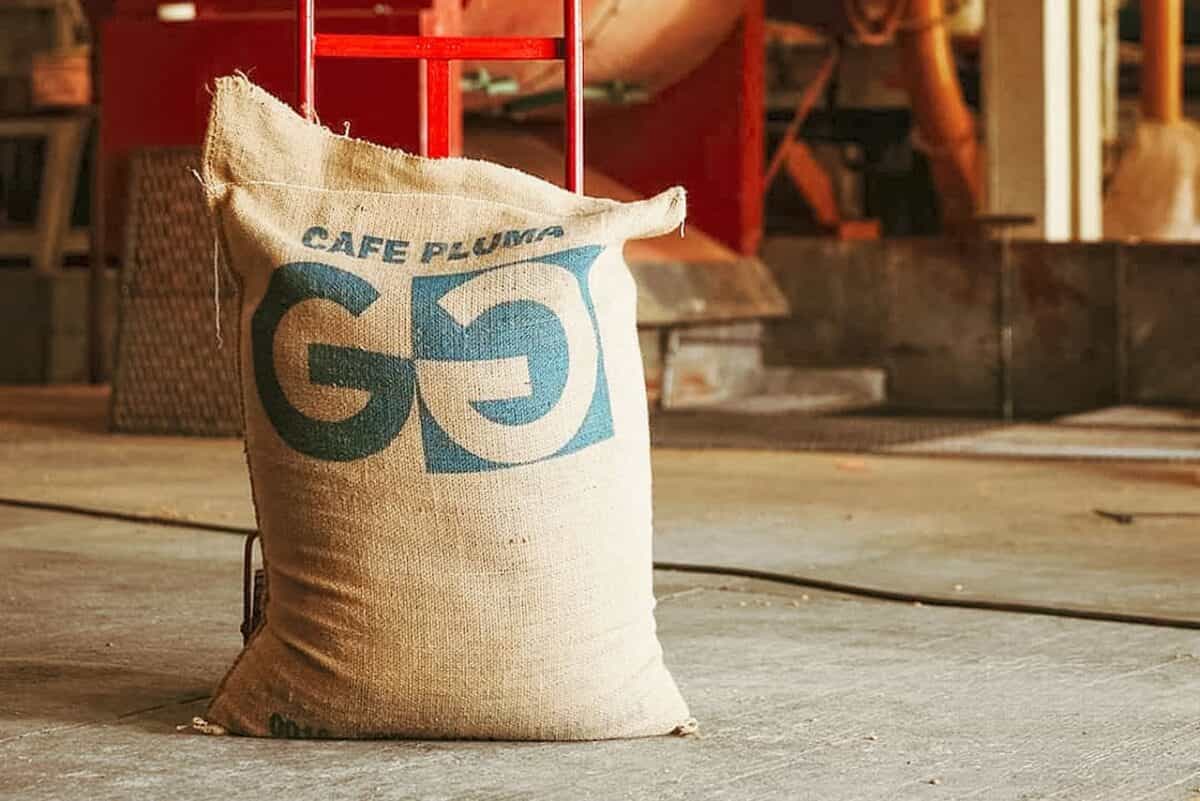
Without Passion, There Is No Continuity
Although Jesús feels a deep attachment to the family business, he has never asked his son to take it over. Nevertheless, Pablo—the fourth generation—joined the company in 2025. He studied finance at university and, after graduating, worked for several years at a bank in Guadalajara. During that time, however, the presence of the family business never fully left his mind.
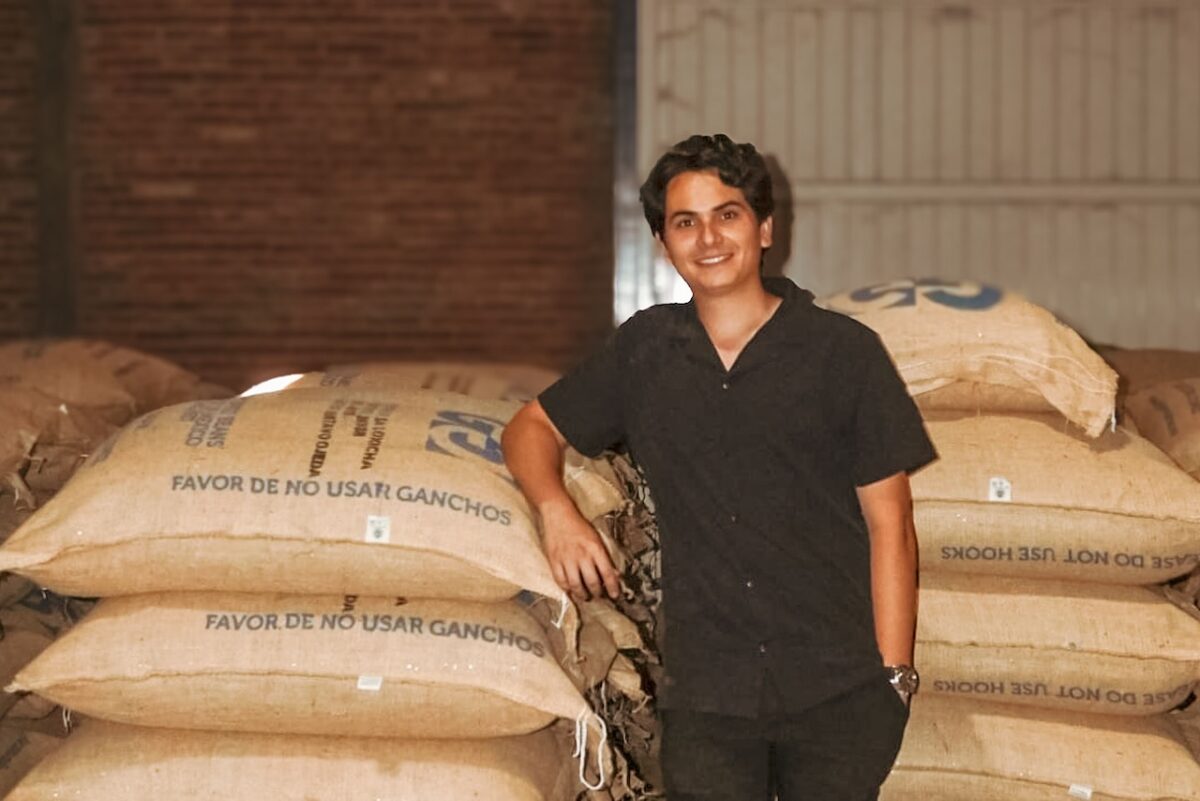
Pablo: “I’m not as much of a romantic as my father,” he laughs. “My childhood memories of coffee are mostly of jumping around on the coffee sacks stacked in the warehouse. But my grandfather and father devoted their lives to this work, and many relatives—uncles and cousins—are also involved in coffee. Being the only one in the family not connected to it felt, somehow, incomplete.”
It was during the COVID-19 pandemic, while he was still in university, that his heart began to tilt toward the family trade. Perhaps it was because he had always been deeply interested in food and had a natural sensitivity to aroma and taste. When he participated in a cupping session at the company, despite having no prior experience, he demonstrated a level of evaluation accuracy comparable to professional cuppers. Maybe I have a talent for this field. That realization sparked a sudden and growing interest in the world of coffee business.
Pablo:“It’s been about a year since I started working at the company. Being involved in a business that my family has carried on for three generations is completely different from working at a company with no connection to my life. When I think about the history, the stories, and the relationships that I may one day inherit, it’s not something I can decide lightly.
But I see it more positively now than before. For example, the fermentation methods my father talks about produce flavors entirely different from traditional Mexican coffee—they really sparked my curiosity. The desire to create high-quality coffee with a one-of-a-kind taste is what drives me.”
In Mexico during the 1960s and 1970s, coffee—alongside oil—was a major source of foreign currency and a pillar of the national economy. It was called “green gold,” and producers and exporters were celebrated as symbols of success. In contrast to his father’s era of prosperity, the moment Jesús stepped into the coffee world marked the beginning of a harsh winter. A collapse in international prices, market restructuring, the spread of plant diseases, and devastating hurricane damage followed one after another. After his father retired in 1988, Jesús found himself carrying the business alone. He seriously considered closing it down. What ultimately led him to move forward again was a sense of mission—that he could not allow his family’s history to come to an end.
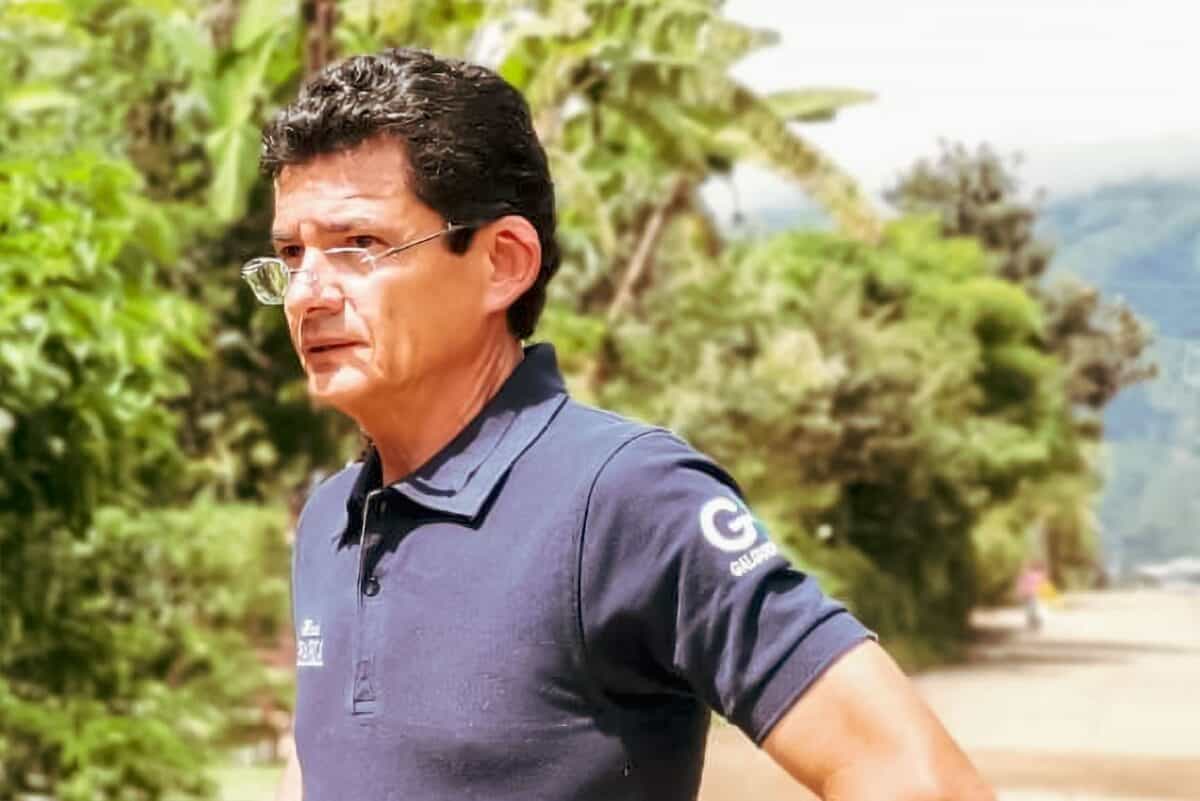
Jesús:“Among the companies in Oaxaca that prospered during my grandfather’s and father’s time, we are the only ones still exporting today. But that doesn’t mean we can afford to sit back. Foreign companies drawn to the potential of Oaxaca coffee are entering the export business, and competition is intensifying.
Our primary goal is to continue protecting Oaxaca as a coffee-producing region. Pluma is still alive. It remains high in quality. To communicate that truth to the world, it is essential that we fuse tradition with innovation.
What I often tell my son is this: the coffee business carries both nobility and cruelty. It is a world you cannot endure without passion. I have always felt that coffee—showing us new opportunities alongside great trials—is a blessing from God.”