







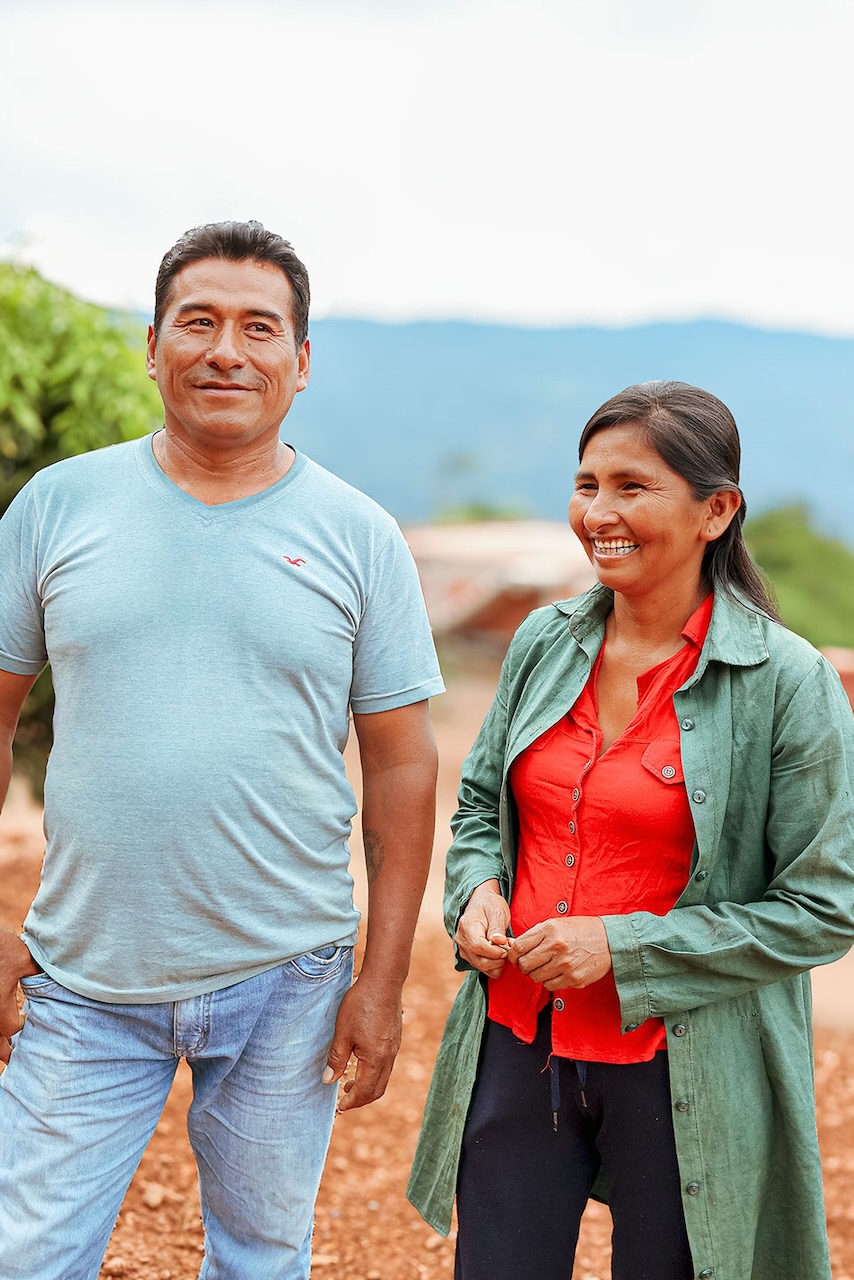
In Every Challenge, a Path Awaits
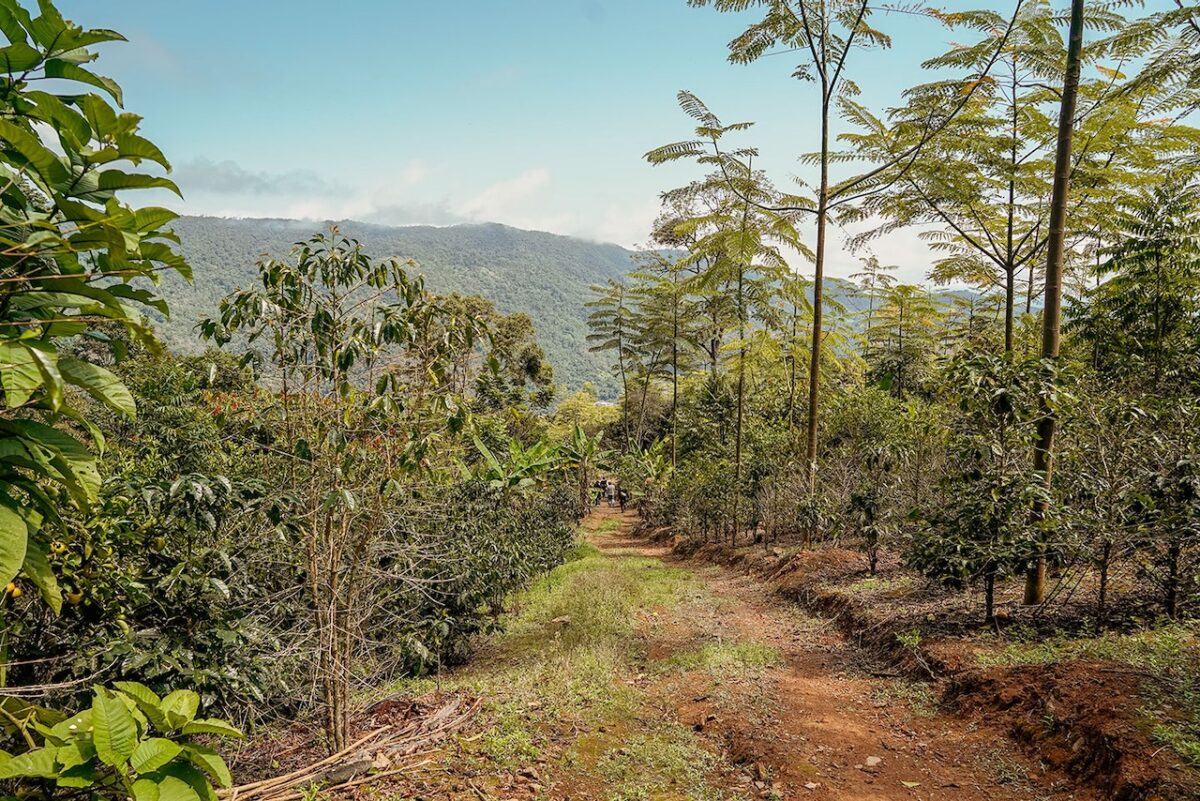
In Alto Beni, Bolivia—an area better known for its cacao production—there’s a coffee farm cultivating what could be described as “undiscovered gems.”
That farm is Finca Paraíso, run by Juan Pinto and Lucía Núñez, a couple who began growing coffee in 2018. Alongside their main variety, Catuai, they also grow Java and Geisha, and their coffees have been featured on TYPICA since 2023.
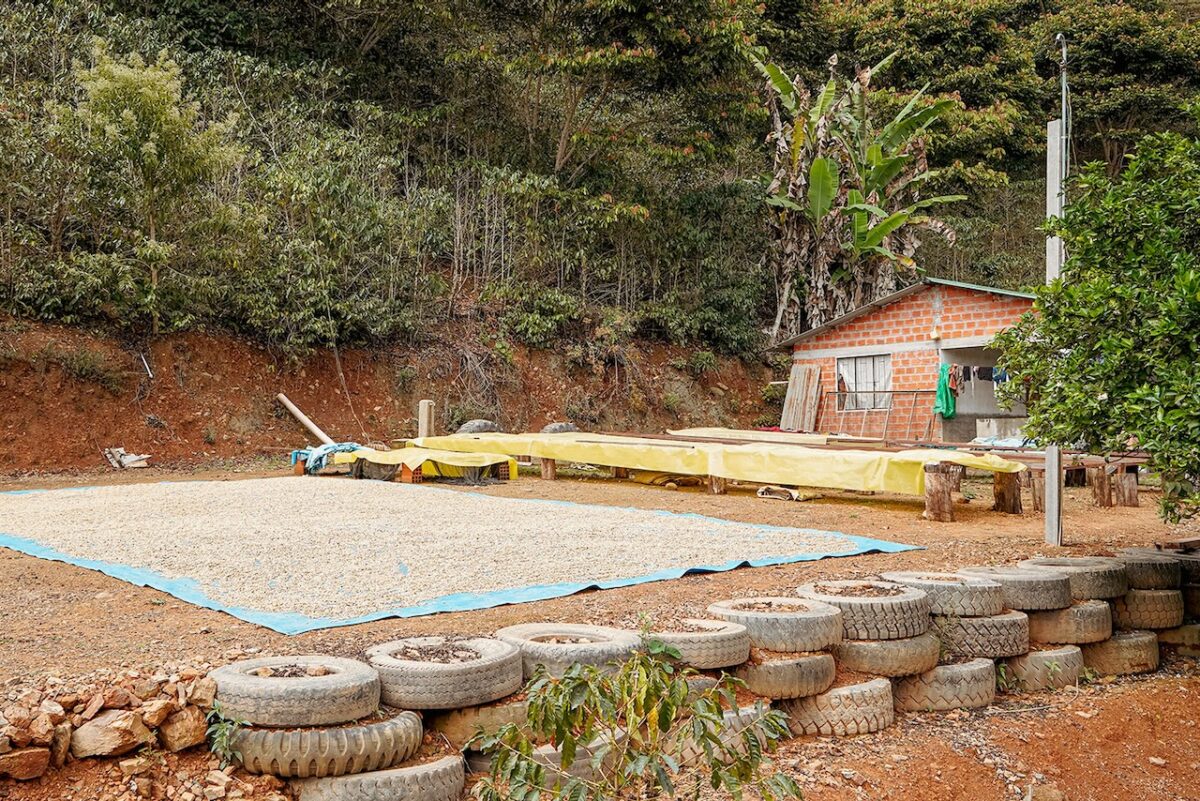
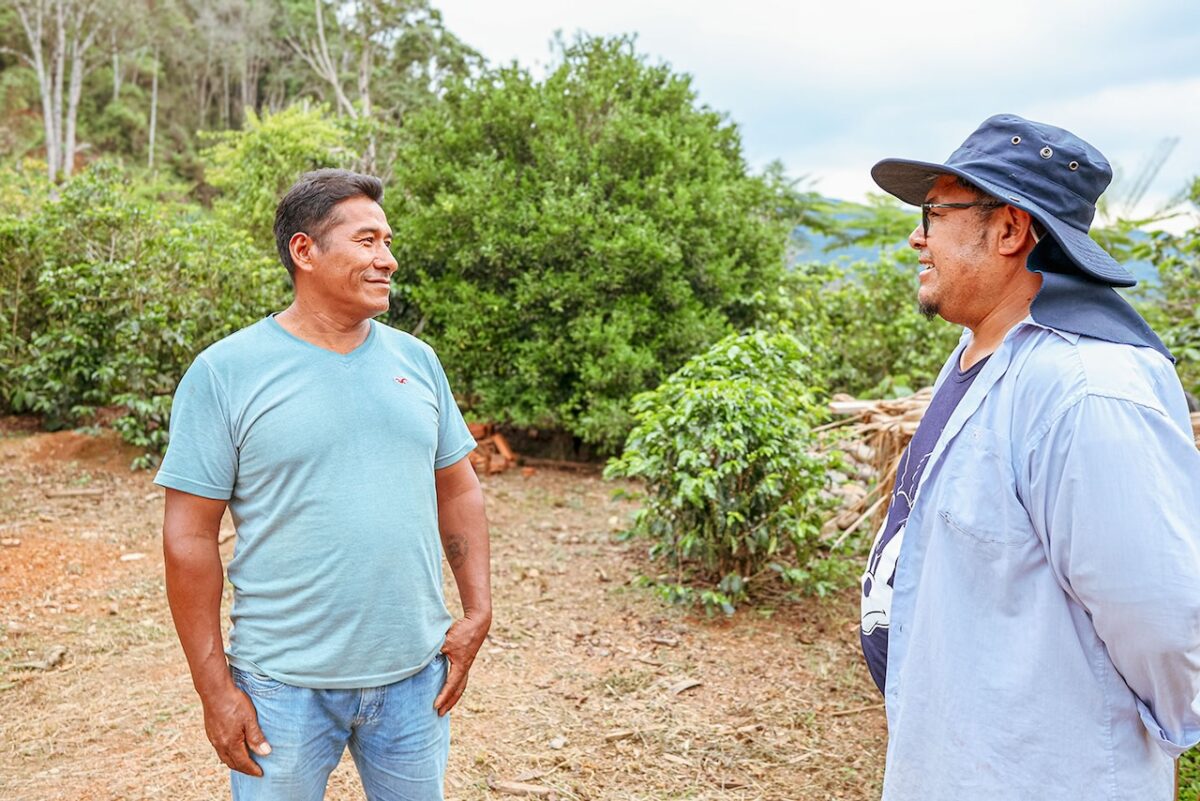
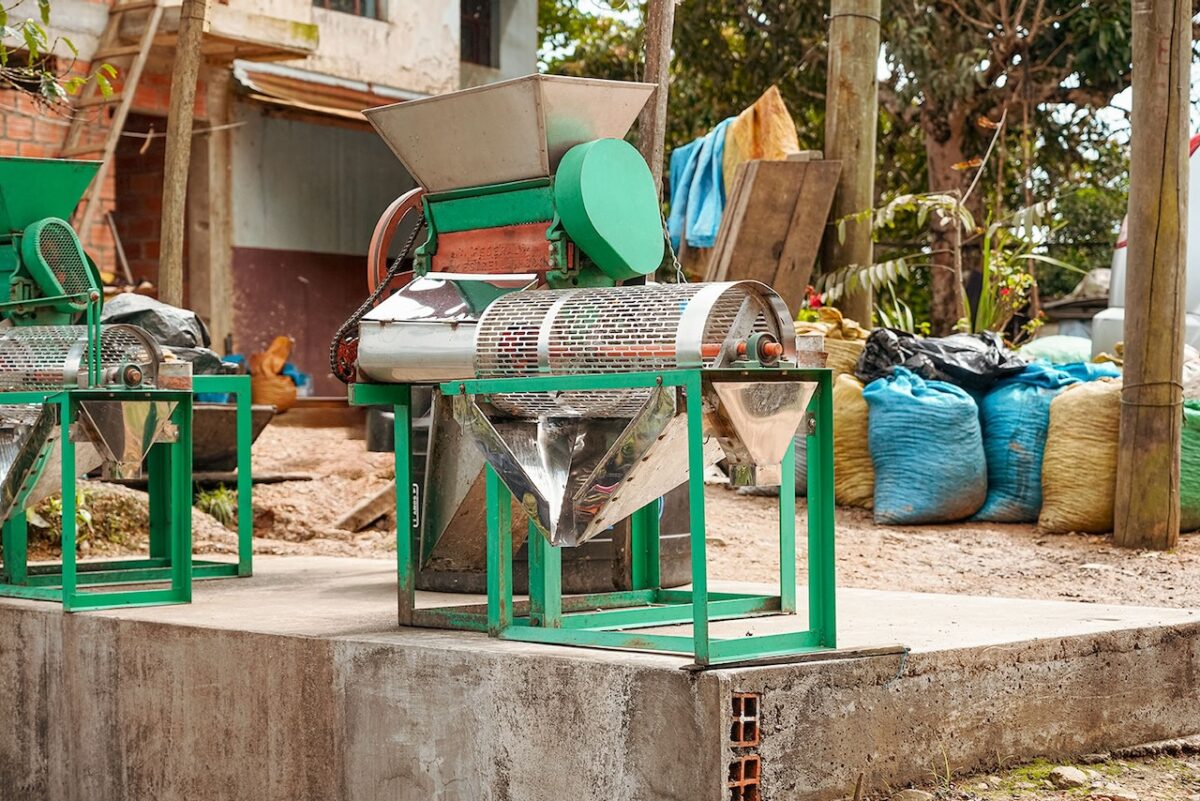
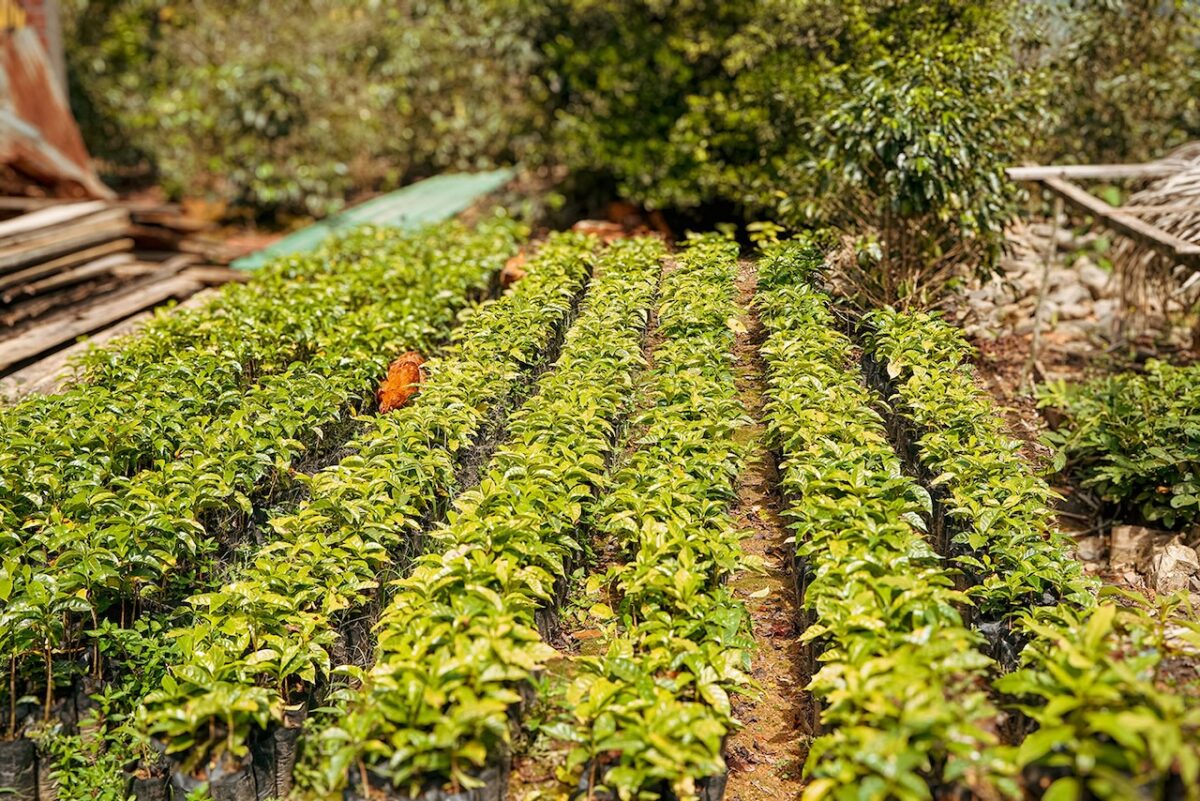
Since earning second place in their first-ever appearance at the national competition Taza Presidencial in 2021 (and fourth place in both 2023 and 2024), Finca Paraíso has consistently ranked among the top producers. The farm’s neatly arranged nursery beds, spotless depulping machine, and well-organized storage areas reflect their meticulousness and dedication.
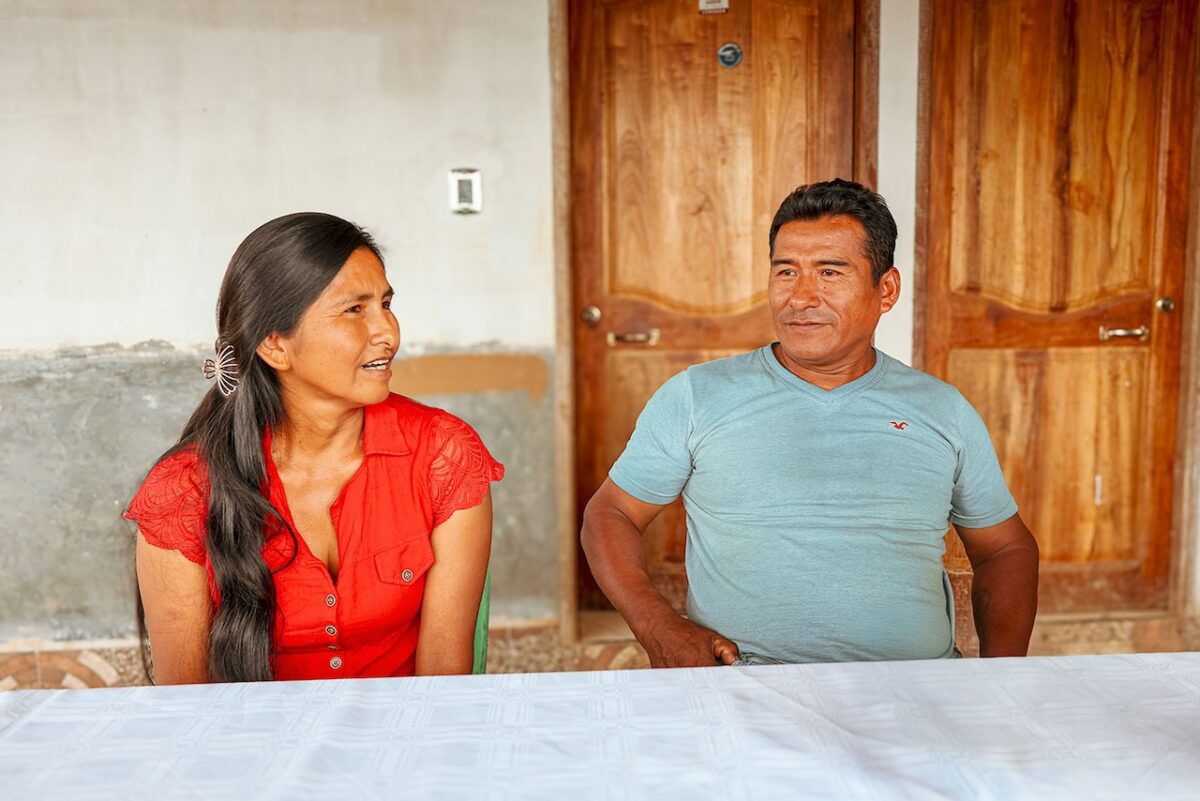
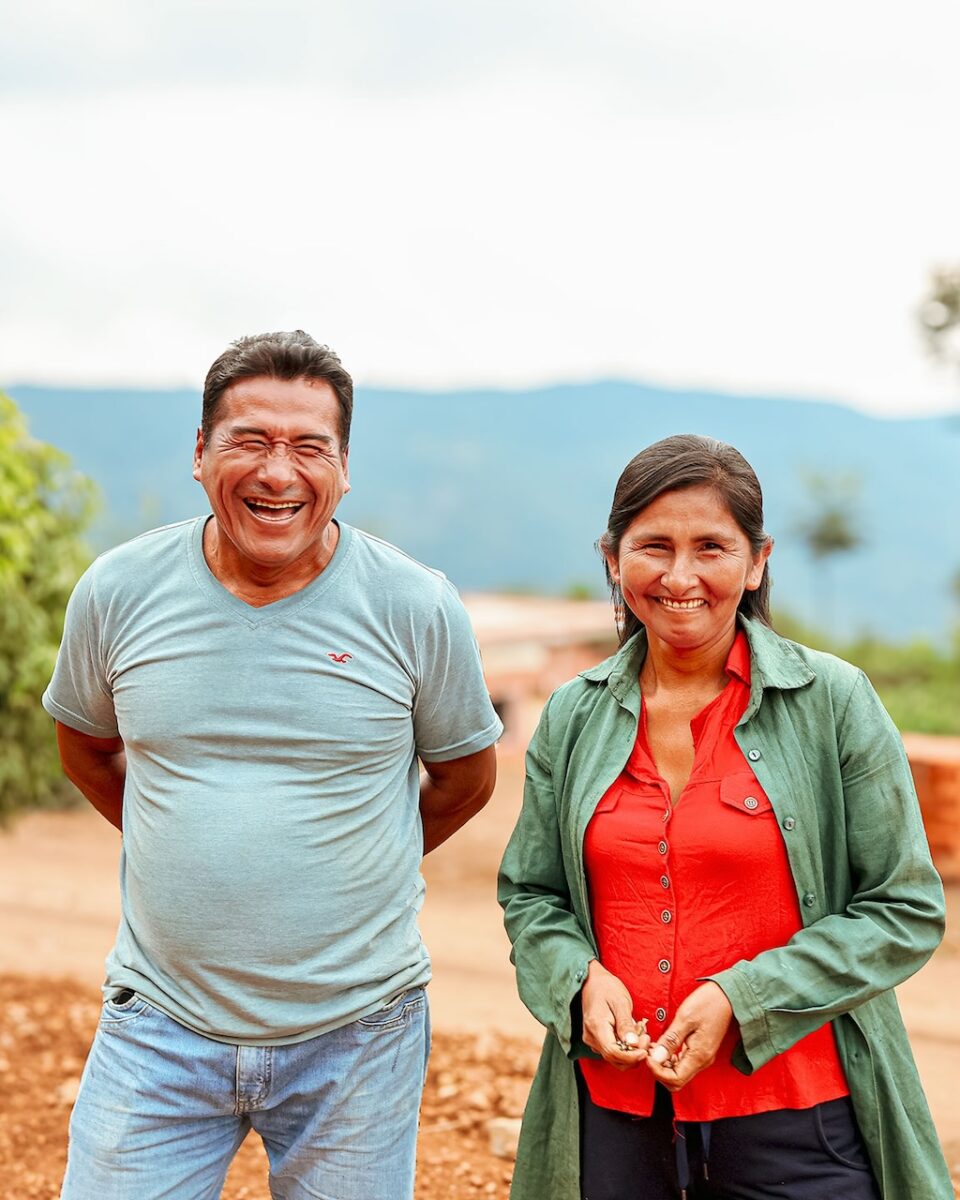
Although Juan and Lucía each submit their own lots under individual names, Juan explains that “there’s no clear division of roles—it’s been our shared work since the very beginning. We spoke with the couple to learn more about their journey and what drives them to keep improving in an emerging coffee region.

A Path Chosen Despite the Hardship
For Juan Pinto, coffee was a familiar presence from childhood. His father was a coffee producer, and Juan still remembers the trucks loaded with cherries passing by during harvest season.
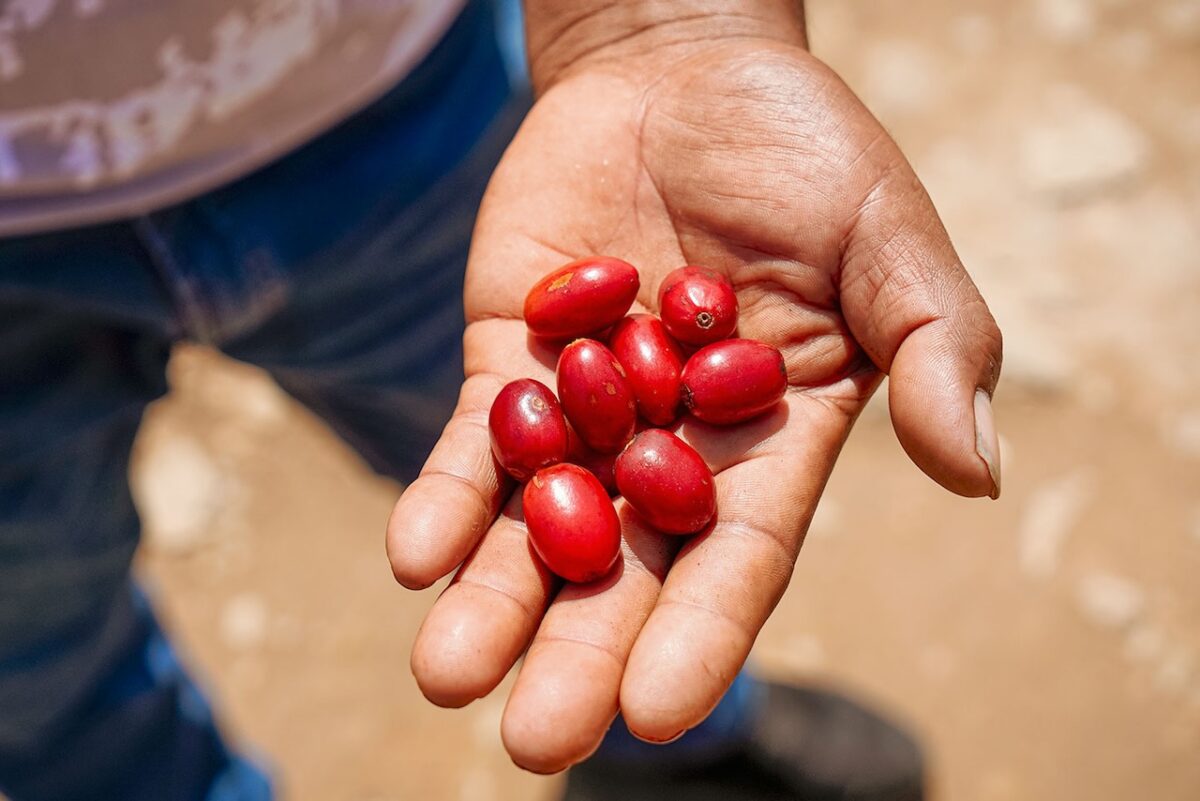
But back then, there was no system that rewarded quality. His father didn’t pay attention to ripeness or processing—he would pick unripe cherries along with the ripe ones, and even soak the coffee in river water for a week to remove the pulp. Once the coffee was sold to local buyers in Caranavi, he never knew who bought it or where it ended up.
Growing up in a family with limited means, Juan started earning his own income at the age of 14 while attending middle school. He went to class in the morning and worked at a construction site in the afternoon as a laborer. With no allowance from his parents, there was simply no other way to make money. Perhaps moved by Juan’s dedication, an older coworker would always pick him up by car to take him to work.
At a time when most young people were leaving for the cities to find jobs, Juan decided to take a different path—he enrolled in university to study accounting, aiming to become a tax accountant. But because he had to cover all his expenses himself, he began working shortly after entering school. The job happened to be nearby, at Agri Café. It was full-time work, which made it impossible to continue studying, and after one year he dropped out. That was in 2001.
“But I’ve never regretted that choice,” Juan says. “During the ten years I worked at Agri Café, I got to be involved in every step of the coffee process—from hulling, drying, and fermentation to cupping, brewing, roasting, and export. I’d always wanted to work in coffee, and that experience only deepened my passion for it.”
Still, starting a coffee farm requires significant initial investment. After saving money for about four or five years doing construction work, Juan finally purchased land and began building his farm from scratch, with support from his brothers and other family members.
“Whenever I start something new, I always tell myself to learn everything I can and to be able to do anything,” he says. “I even built our house entirely by myself—from laying the foundation to setting the tiles. It’s the same with coffee. I’ve never had formal training from experts. I learned by observing other farms, experimenting on my own, and figuring things out through trial and error. I don’t like standing still, so lately I’ve even been thinking about opening a café.”
Juan knew from the beginning that coffee would be a difficult path, but he chose it fully aware of the challenges.
“I actually enjoy working hard and getting my hands dirty,” he says with a smile. “What I love most about this job is watching the process—from when the flowers bloom to when the cherries ripen. I’m always asking myself questions like, ‘Would this variety grow better under shade?’ or ‘How can I make it even better?’ That kind of curiosity keeps me going.”
His wife Lucía nods in agreement. “Whenever we change something from the year before, we’re always excited to see how the coffee will turn out,” she says. “Seeing our creativity reflected in the results is what motivates us to keep improving year after year.”
Living Well—in Harmony with Nature and Community
Thanks to years of steady, dedicated work, Juan and Lucía have been able to provide comfortably for their family. Their three children—ages 22, 15, and 13—have access to education and stability. Their eldest daughter, now in university, is studying coffee and plans to return to work on the family farm after graduation. Some of the young trees on the farm were planted by her own hands.
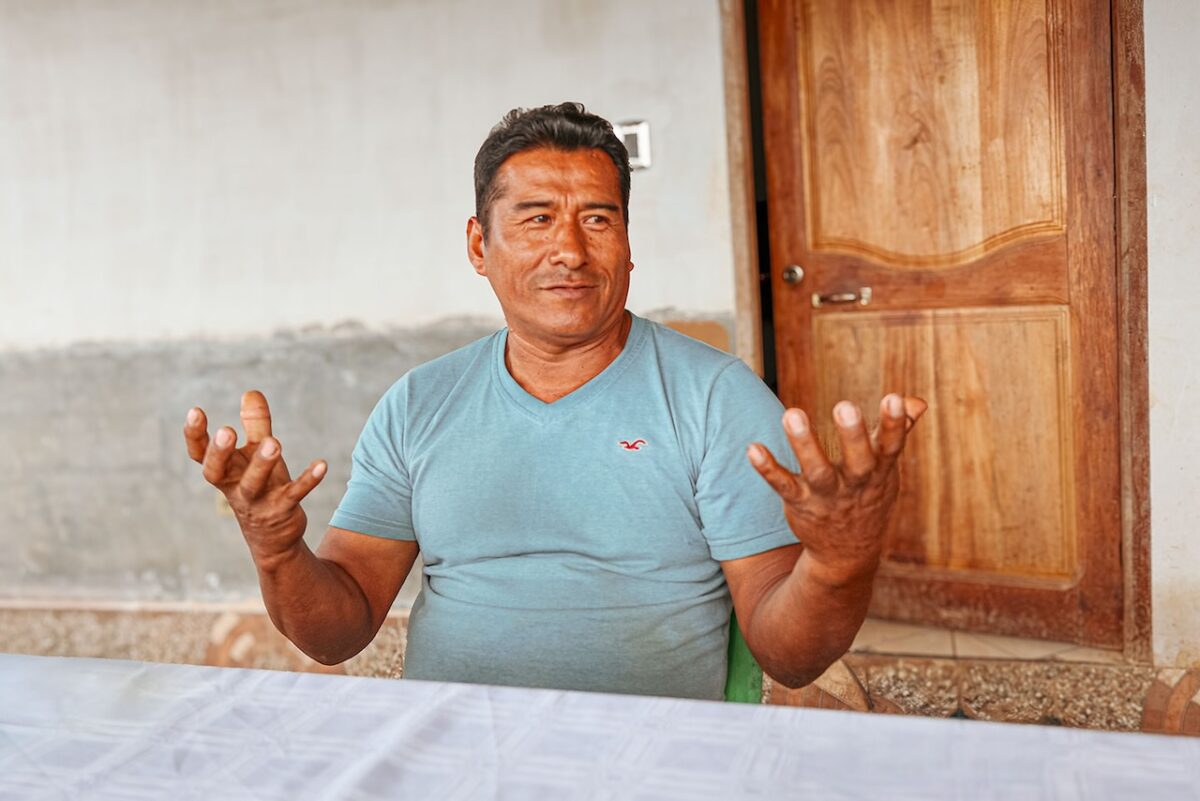
“We helped, of course,” Juan smiles, “but those trees are hers. The land she’ll plant on is already prepared—the slash-and-burn stage is done, and everything’s ready. Since she was little, she hasn’t just helped with simple tasks. When transplanting seedlings, for instance, she would use a stick to measure the depth of the holes. In a way, she’s had a coffee education since childhood,” he laughs.
Juan reflects on what keeps him motivated. “The more effort you put in, the more rewarding coffee becomes. When you expand your land, you increase not only your income but also the number of people you can employ. What we value most is a concept inherited from the Indigenous peoples here—‘Vivir Bien’, which means ‘living well.’ It’s about earning a living while staying in harmony with the community and with nature.”
Now in their forties, Juan and Lucía look to the future with a calm sense of purpose. “We hope our children will take what we’ve built and make it even better. That’s what ‘living well’ truly means to us.”