




A World Where Humanity Thrives, and Coffee Becomes Truly Unique
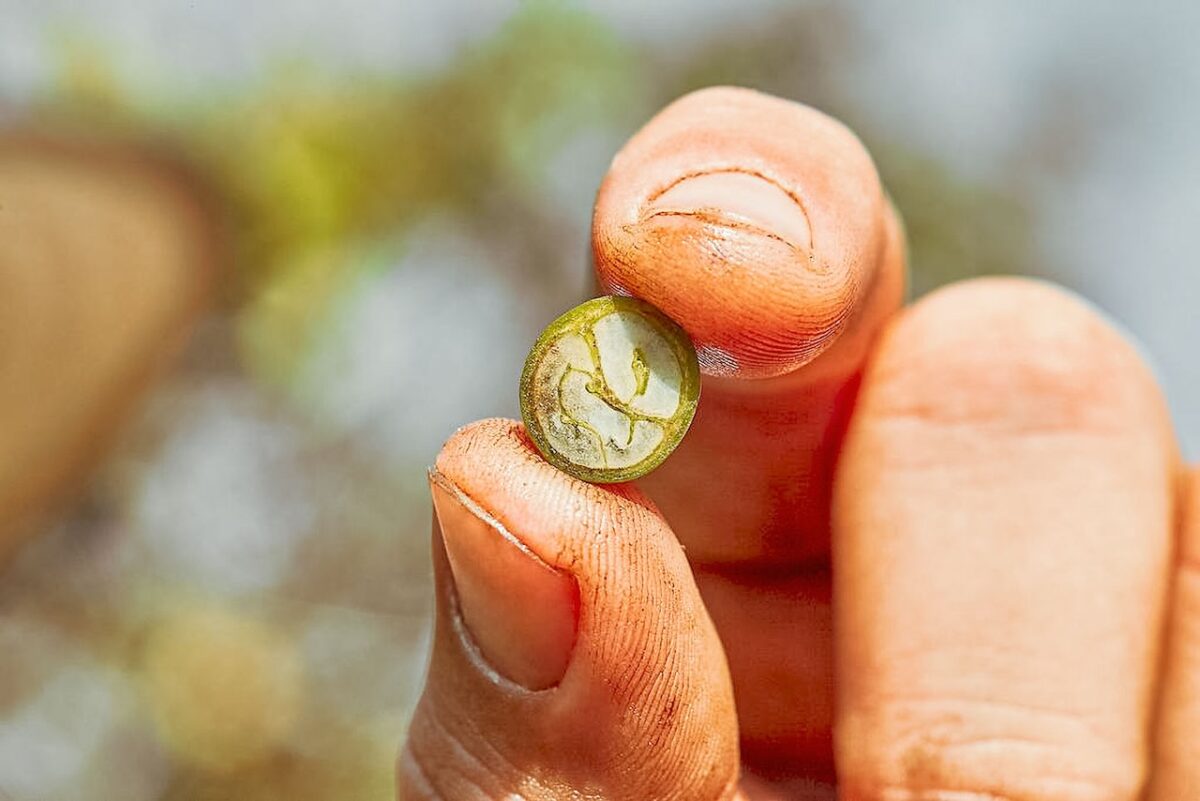
Coffee is, at its core, an agricultural product. This means it is constantly subject to the unpredictability of nature—fluctuations in rainfall and temperature, or sudden outbreaks of disease. From seed to cup, the supply chain involves countless people, making human relationships just as influential as climate in determining outcomes.
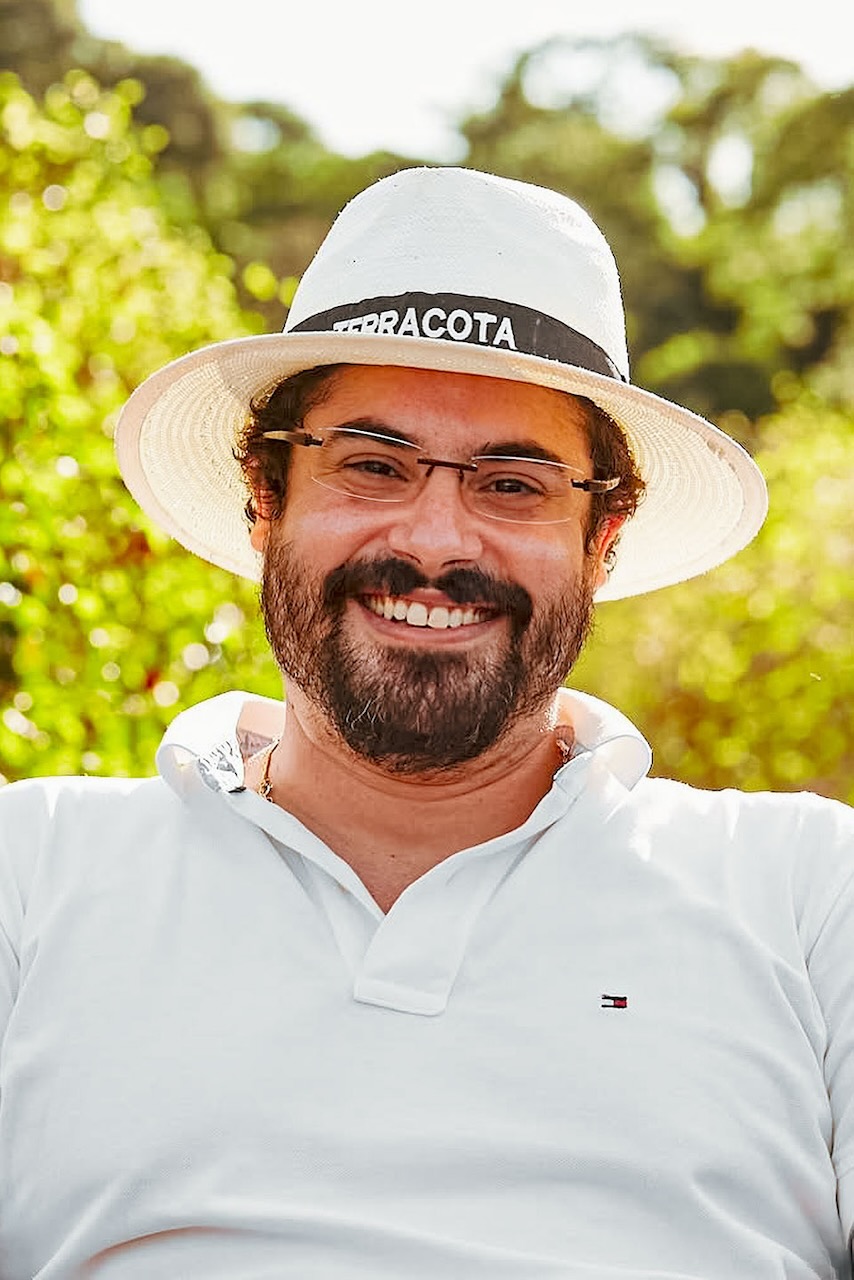
Felipe, who studied economics at university and then spent 16 years working in hedge funds, understands these realities of the coffee industry more deeply than most.
“In the financial markets, you always had to be cold and calculating. Let emotions seep into your decisions, and it would lead directly to losses. If you executed tasks the way they were meant to be done, results would follow. But coffee is completely different. Working with both people and nature means there’s so much outside my control. It tests my patience again and again—but that’s also what makes me feel more human.”
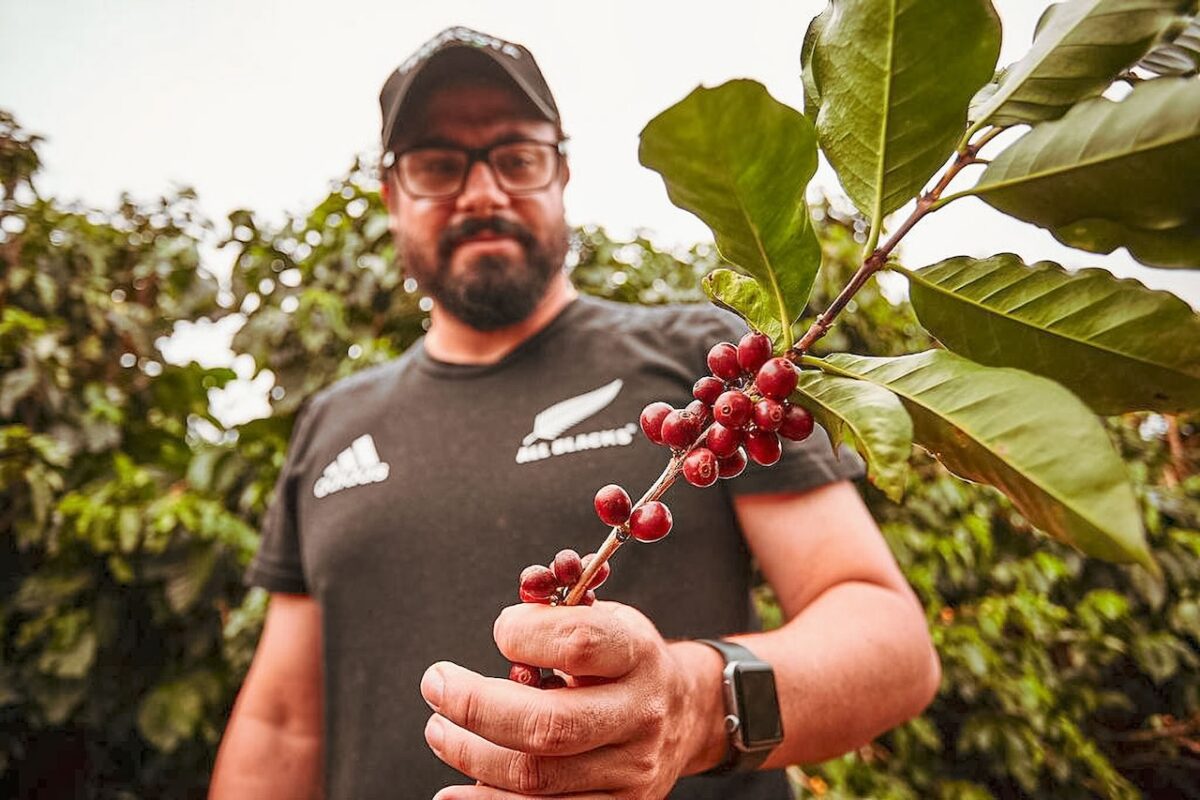
For Felipe, coffee production was once something completely outside his world. For nearly 40 years, he had never even heard of specialty coffee and drank only cheap, mass-produced brews. What first drew him to the possibilities of specialty was a conversation during his hedge fund days, when a coffee producer friend asked: “Why don’t you consider investing in the coffee business?”
At first, Felipe looked at coffee only as an investment opportunity. But the deeper he dug, the more he felt a desire to build something of his own. In 2019, he purchased 24 hectares of pastureland in Alta Mogiana Mineira, Minas Gerais—land owned by the sons of his mother’s second husband—and decided to start producing coffee himself.
From the outset, his business model was clear: to differentiate himself through high-quality, exotic microlots and nanolots—varieties such as Geisha, Catiguá MG2, Aranas, and Pau-Brasil. “I had never run a business before, so of course I was nervous,” Felipe recalls. “But I knew that even if I failed to produce specialty coffee, I could still sell to a cooperative and avoid any catastrophic losses. That gave me some reassurance.”
Despite the uncertainty, his efforts soon began to bear fruit. In 2022, during only his second harvest, Felipe’s coffee reached the finals of the Cup of Excellence, finishing in 18th place—a huge boost of confidence that confirmed he was on the right path. It wasn’t mere luck: he had invested in talent, hiring agronomists and post-harvest specialists whose expertise helped push quality to new heights. By 2024, his Geisha entry scored 91.43 points at the Mogiana Contest, taking first place and selling for a record-breaking price.

Better to Stand Out Sharply
As its name suggests, Boutique Farm Terracota is built around rarity. The farm produces about 20 different varieties, divided into some 50 lots. Most of these are extremely small—on average, just three bags per lot. Aside from the “fine cup” volume lots, which make up about 20–25% of production and feature flavors like chocolate and caramel, everything else is microlots and nanolots.
“Essentially, any roaster who buys from us is getting something truly one-of-a-kind, a lot that no one else in the world has,” Felipe explains. “It’s the same approach you see from producers in places like Panama or Costa Rica.”
That exclusivity means customers are always asking for something new. Roasters often bring him information on new fermentation methods and request coffees processed in those ways. “If it makes sense, we’ll test it and see if it can be turned into a commercial product. The key is to always keep updating and innovating,” Felipe says.
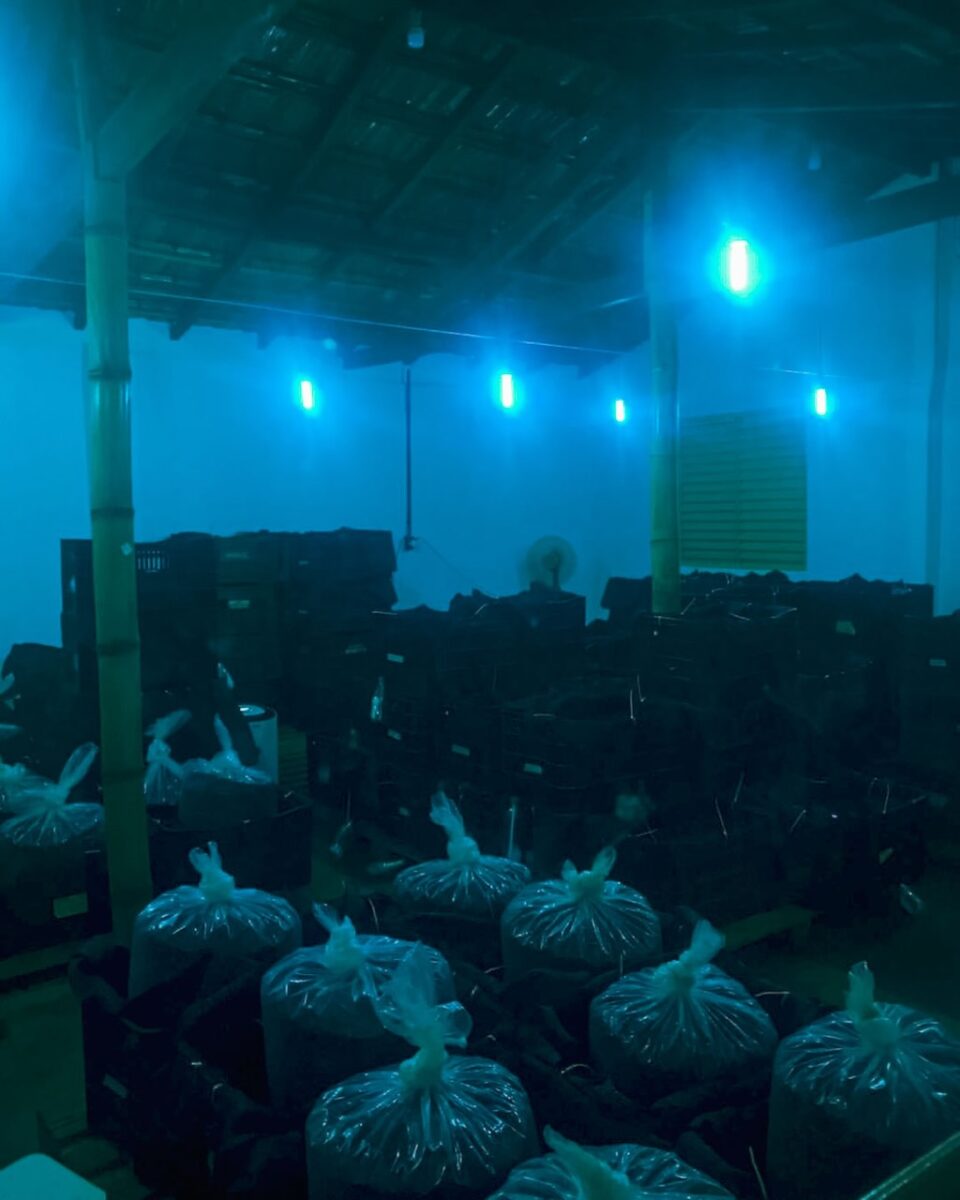
Felipe himself is constantly gathering information. One of his most valuable sources of inspiration is YouTube, where he seeks out cutting-edge practices being tried on farms around the world, using them as sparks for new ideas.
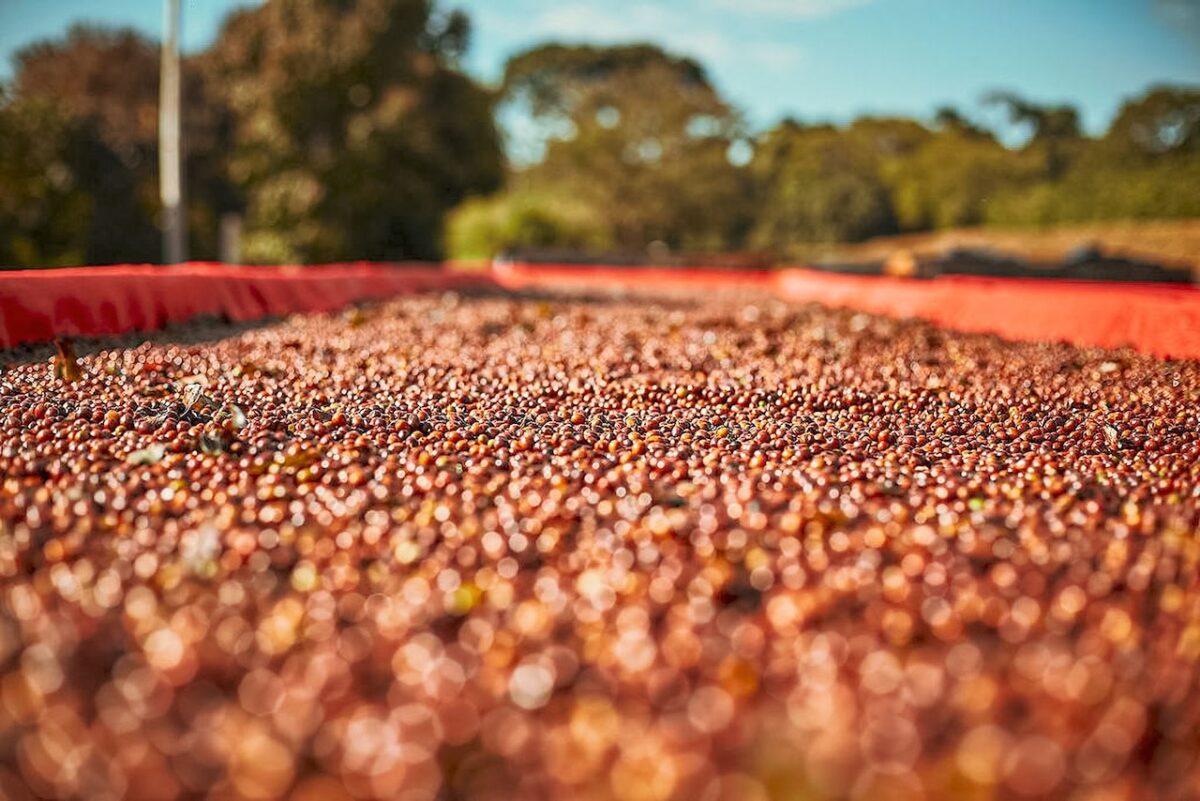
“For example, I introduced shaded, darkroom drying after seeing it used by the winner of the last Best of Panama. Of course, they’re not revealing every detail, and sometimes when I reach out, I don’t get a response. But that doesn’t matter—once you understand the broad idea and the general steps, that’s enough. The rest you figure out through trial and error on your own.
I don’t come from a coffee family with a hundred or two hundred years of history. That lack of tradition is actually an advantage—it gives me the freedom to try new things. That’s why I’m so proactive about experimenting with different processes or searching for new varieties. Sure, depending on the variety, there are differences in both quality and yield, but those can be balanced out through pricing.
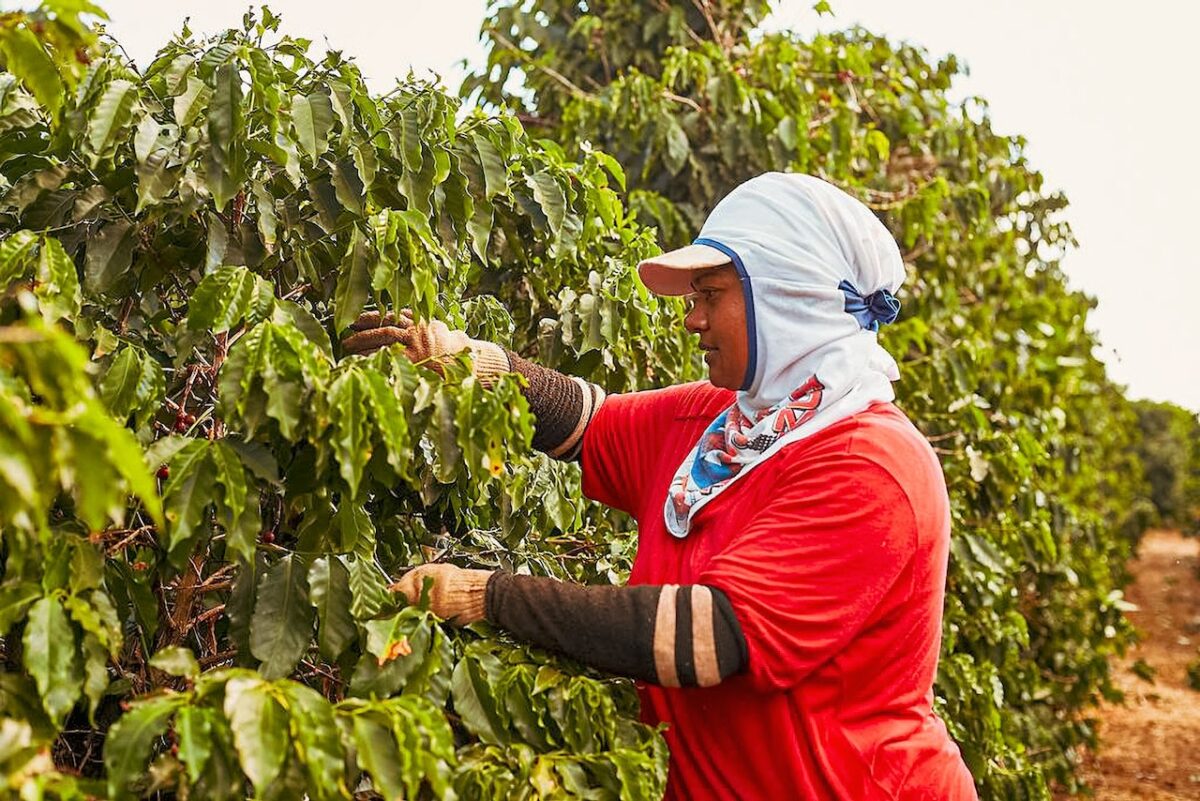
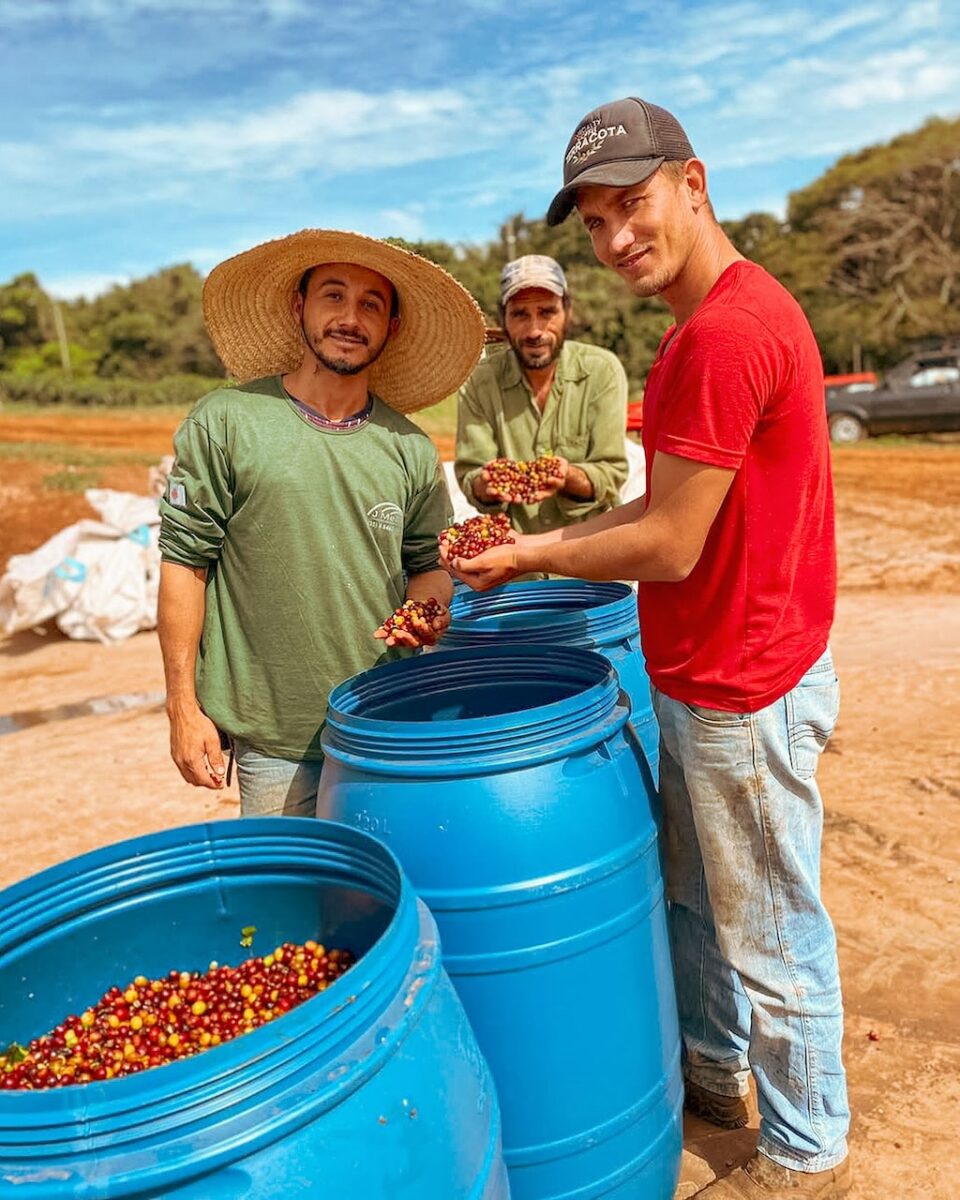
As for microlots and nanolots, everything is harvested by hand. That goes directly against the grain in Brazil, where mechanical harvesting is the norm. Every year it’s a struggle to find enough pickers, and training the ten or so people we hire each season takes time. But I believe having people selectively pick only the ripest cherries is far more reliable. At the same time, for all the other day-to-day operations, I plan to automate and mechanize as much as possible to keep efficiency high.”
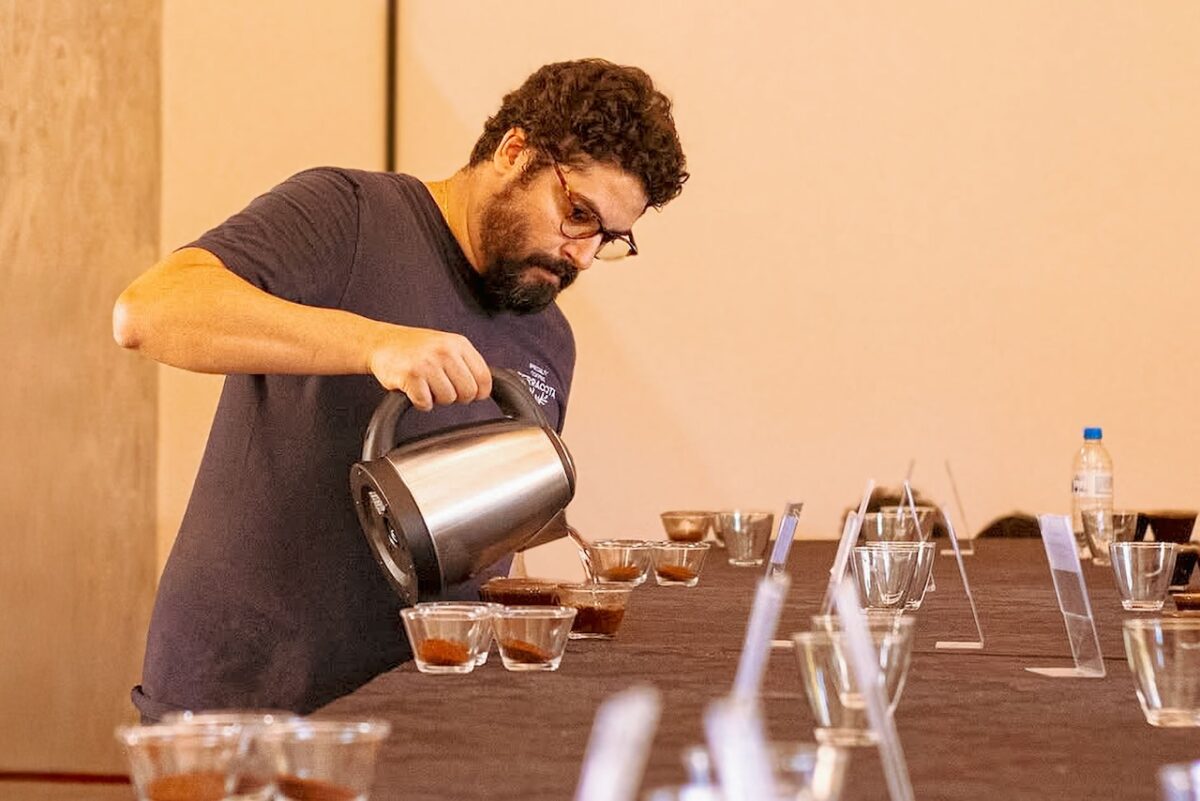
Everything Is Connected Somewhere
Today, Terracota produces an average of about 700 bags of coffee annually (roughly 42 tons). Felipe has set an ambitious benchmark: within three years, he wants to reach 1,000 bags (60 tons), with 70% scoring 84 points or higher as specialty. “I want to win every competition I enter, especially the Cup of Excellence—I want to take first place within five years. Maybe it’s impossible in practice, but my goal is to make this a farm that produces only specialty microlots and nanolots,” he says.
But Felipe’s vision isn’t about winning alone. He constantly thinks about setting an example for other producers in the region, helping to transform it into an area known for high-quality coffee.
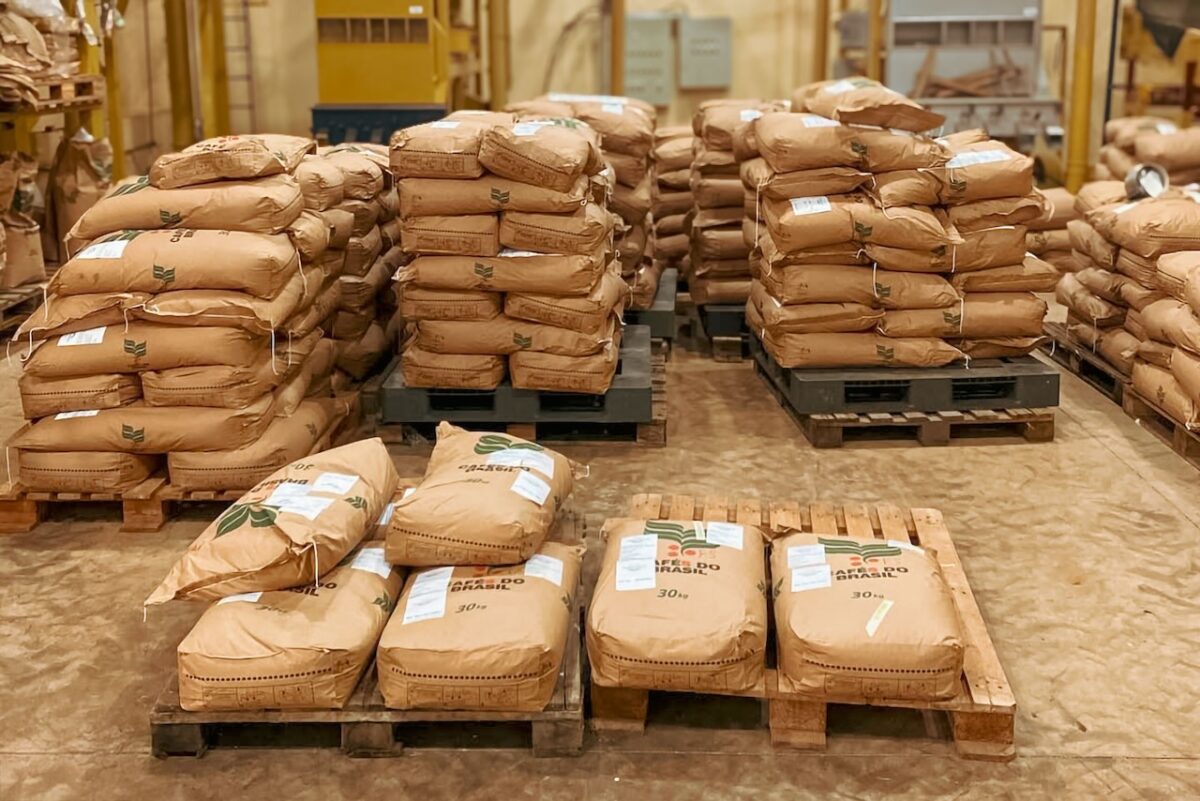
“If other producers adopt even part of our approach, they’ll open up better opportunities to sell their coffees at higher prices. Over the past two years, prices have soared, and even average-quality coffee has been selling for great prices. Many people are satisfied with that, but it’s only temporary. Prices will eventually drop again, and when that happens, those who haven’t focused on quality will suffer. The more producers in this region commit to quality, the more attractive it becomes for buyers.”
For Felipe, this complexity is also part of the beauty of the work. “In coffee, you meet people with completely different ways of thinking and acting, but in the end, I feel everything is connected. In the specialty industry, you often hear the word partnership, and I think it really carries that nuance.”
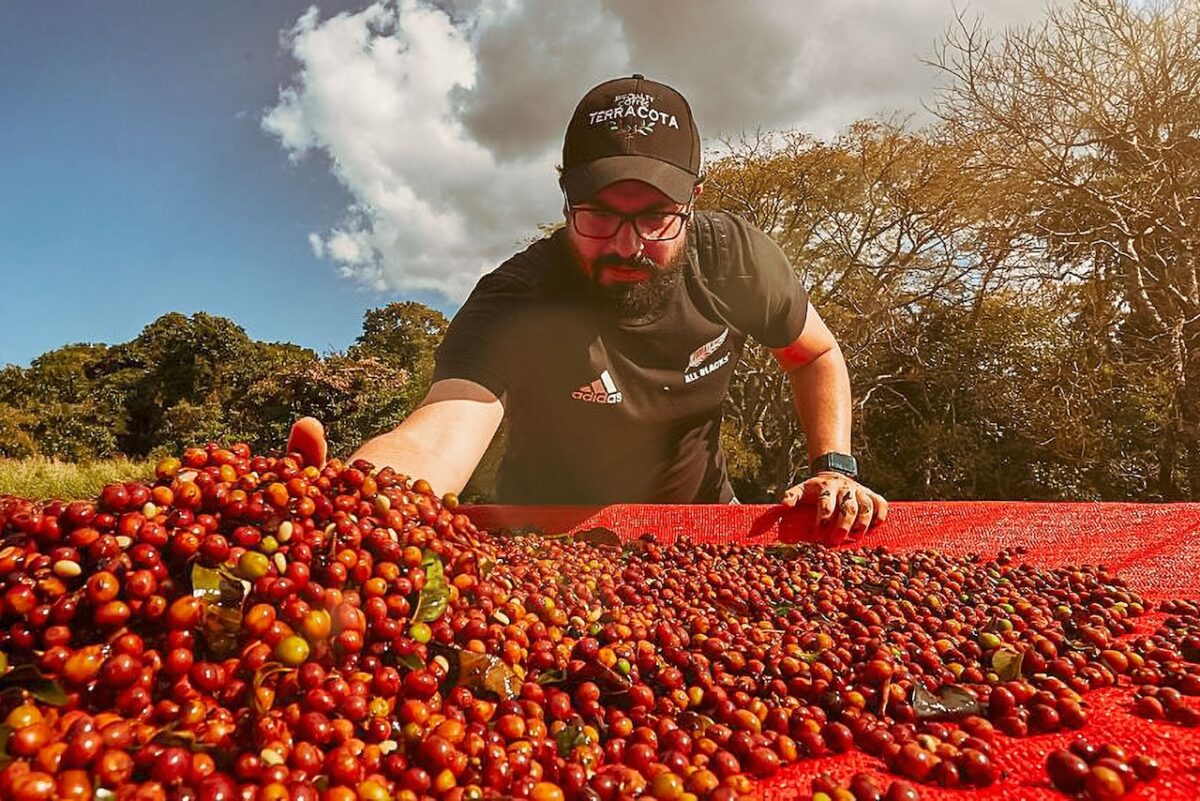
He adds, “Honestly, since I started working with coffee, my faith in God has grown stronger. I’ve come to believe that everything will work out, that there is a higher presence helping me overcome difficulties. And I’m grateful for the change that has brought into my life.”