




The Future is Unconventional
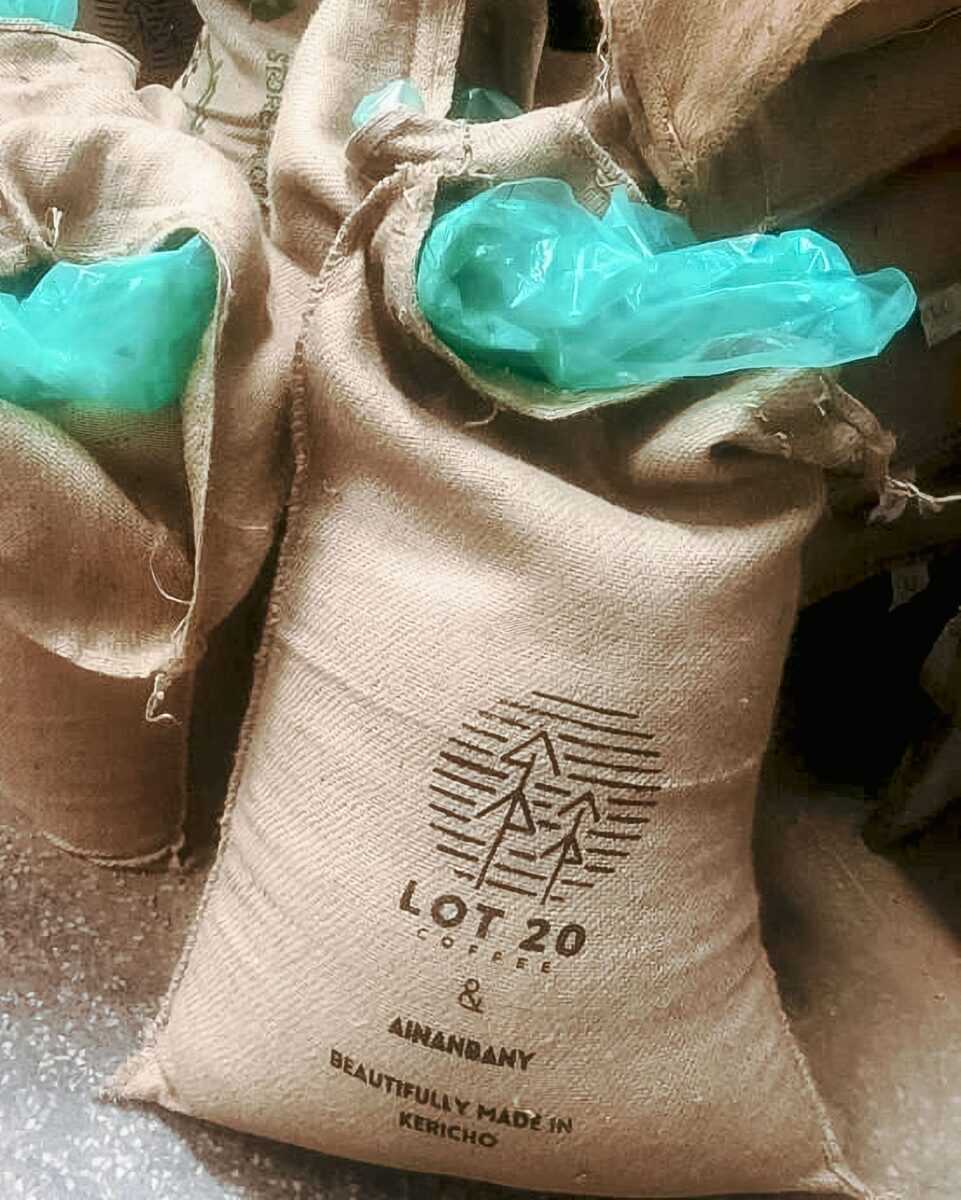
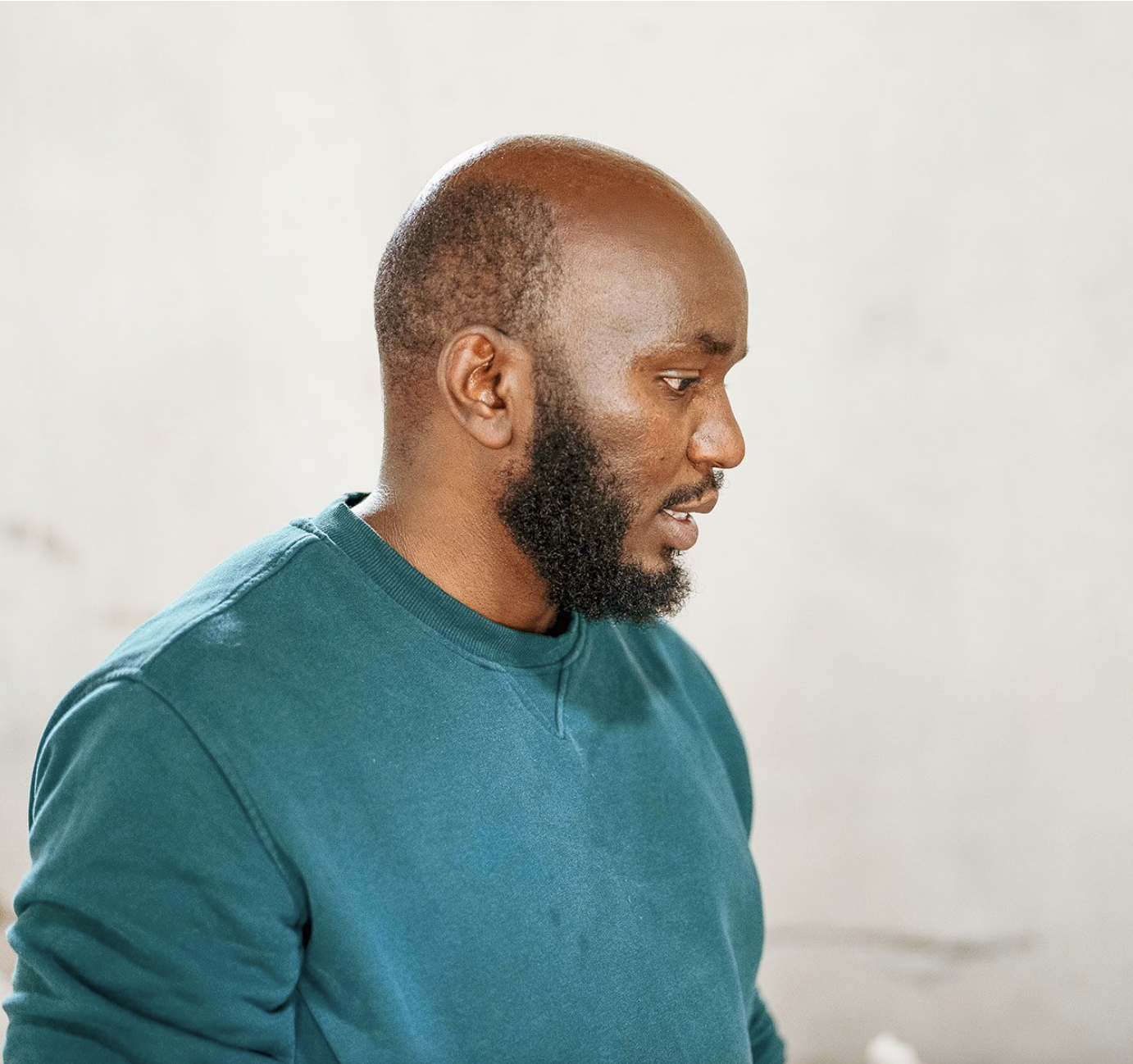
With green coffee zipped into his suitcase, Sidney Kibet knocked on the door of every roaster in Sheffield, England. It was 2022, and his barely-formed startup—Lot20—had just lost its first shipment. “My twenty bags of coffee, destined for the UK, got discharged in Antwerp and weren’t reloaded. The consolidation company had just left my two pallets somewhere.”
“Regardless, I showed up at roasters like, ‘I am a coffee producer from Kenya. I’d like to sell you some of my coffee.’ And everyone looked at me like, ‘Who is this dude?’”
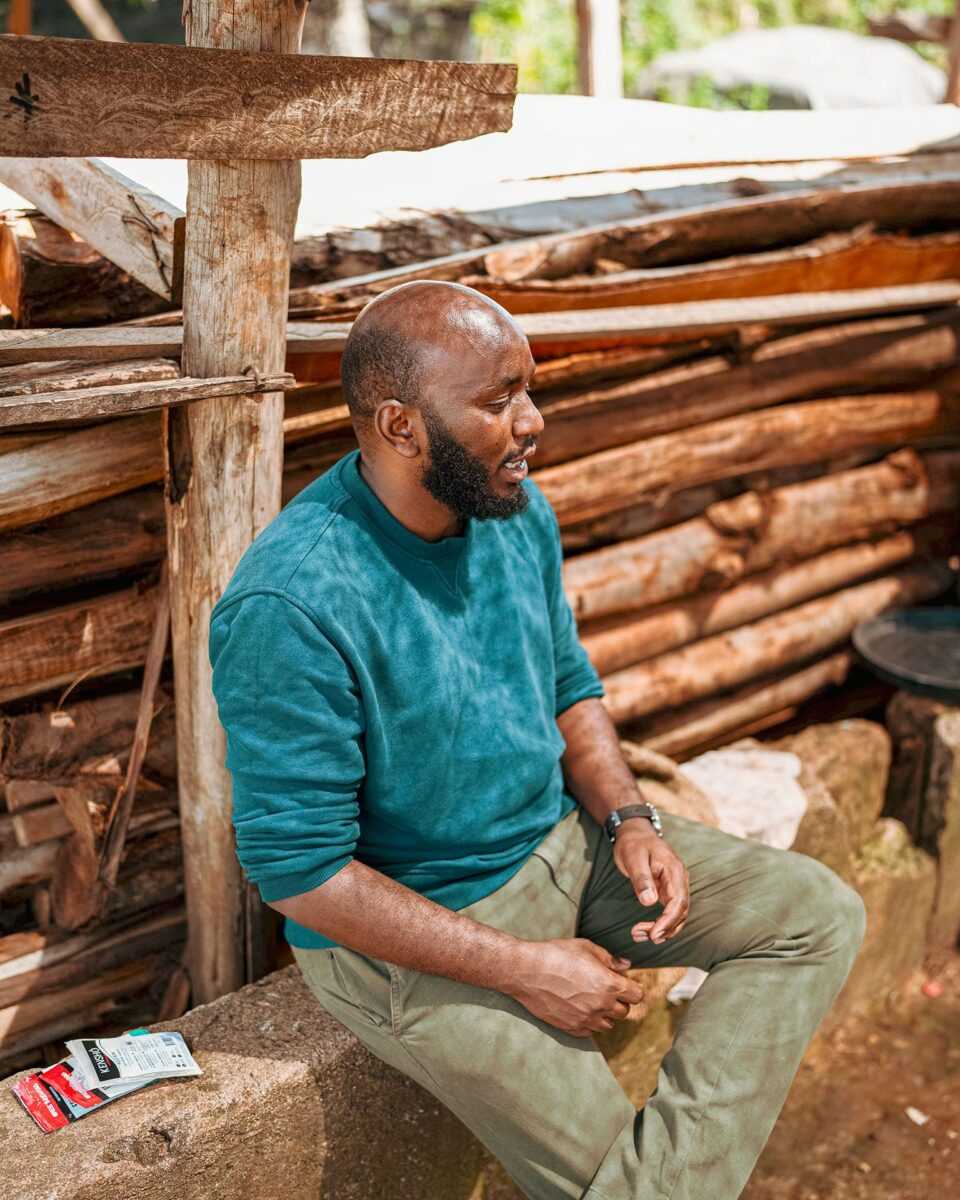
A few years earlier, Sidney had been roasting in Rwanda for local embassies and non-profits when COVID hit and repatriated most workers. “Orders went to zero in a couple of weeks,” he says. Back in Kenya, he pivoted to exporting, buying directly from farmers. “I thought, look, I have four or five mates that I can convince to sell me coffee. We’ll mill twenty bags, put it in a container and send it out somewhere to people I know. And that was one of the roughest lessons that I saw.”
“That’s literally the foundation of Lot 20…No plan, no goals, no connections, just 20 bags of coffee and dedication.”
It was exactly that dedication that led to Lot20’s first partnership—and proved a truth that still drives the business: “Sometimes it’s better to operate outside the system.”
Teach or Terroir?
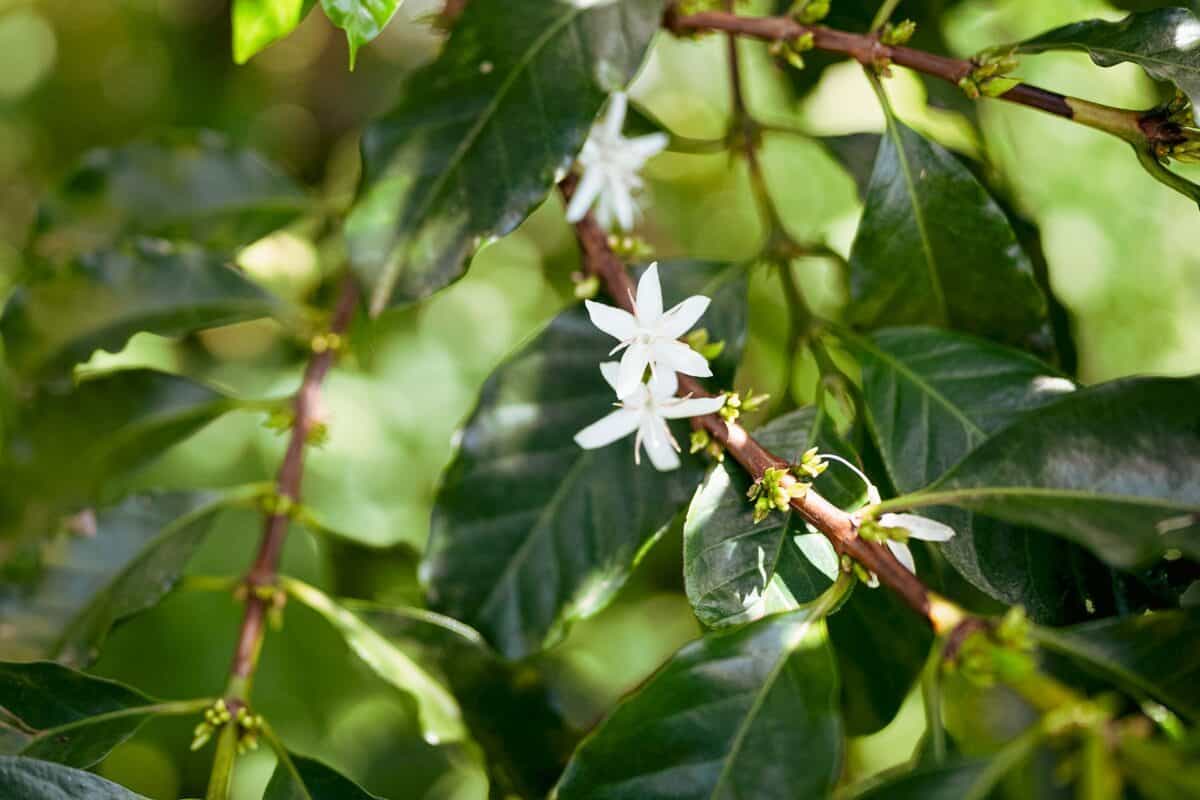
Sidney grew up in Bomet County, a rural pocket of western Kenya known more for tea and dairy than coffee. His family dabbled in coffee farming during a particularly bleak period for the industry. “That was in the early 2000s,” he recalls. “And it was such a bad time… the cherries would just rot on the trees.” Like many in the region, they mostly focused on subsistence crops—maize, beans, and a bit of tea to sell locally.
Kenya, a former British colony until 1963, inherited a strong tea-drinking culture, and for many people, coffee remained just a crop—grown for export, not something you’d drink at home. Sidney’s first meaningful connection to coffee didn’t come from that family farm, but much later—in a tech office, with a machine that sparked obsession.
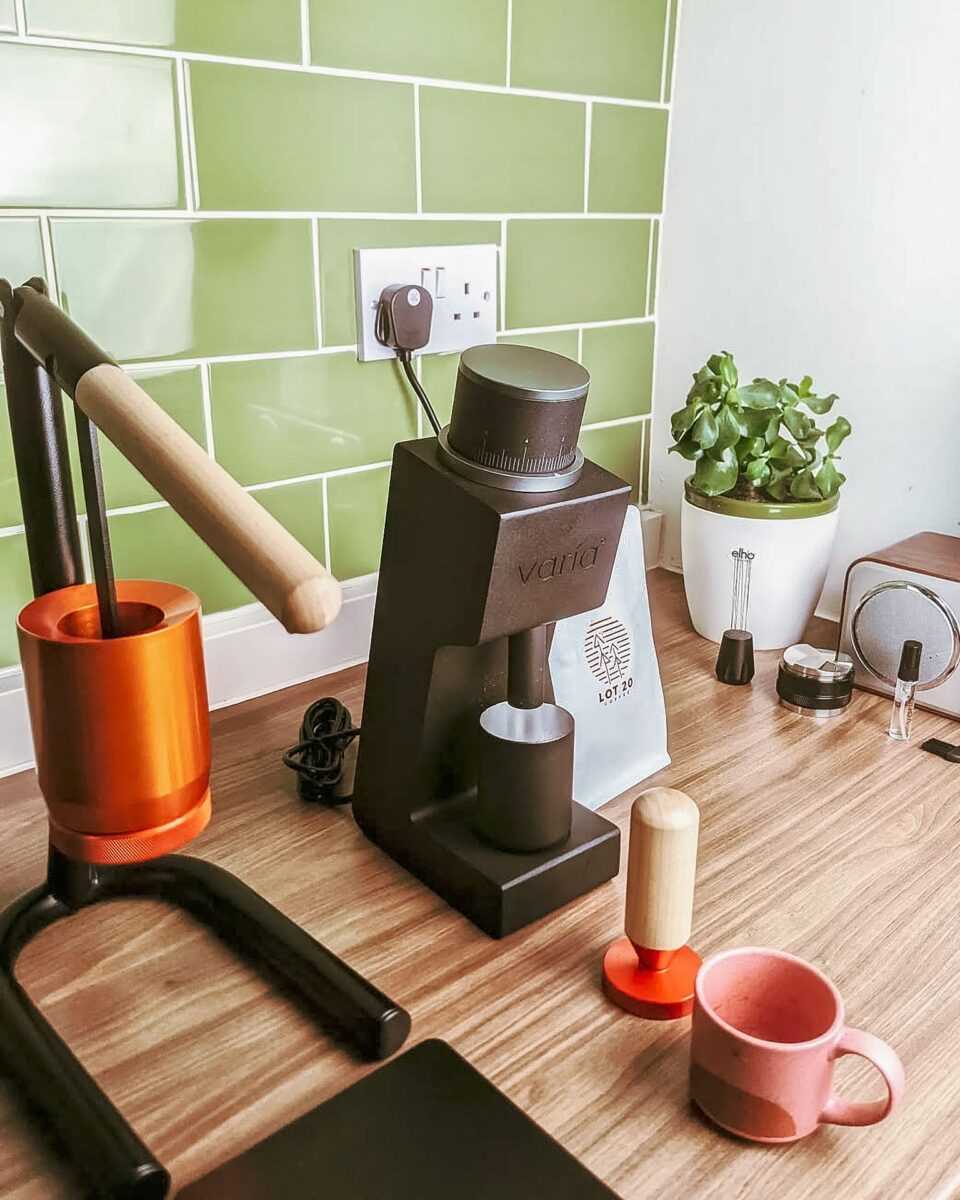
“This thing is so cool!” He remembers thinking when a colleague brought in a Nespresso machine. At the time, sometime around 2012 or 2013, pod machines were practically unheard of in Kenya. “We’d never seen a pod machine, to be honest.”
When the colleague eventually left the company, he also left the machine behind. But he hit a wall almost immediately with his new toy. “I literally ran out of the pods two minutes later,” he laughs. “But you go to the local shop and they say ‘Oh, there’s no pod, sir.’”
So, Sidney improvised.
He started hunting for alternatives and eventually discovered some plastic baskets he madeshift into refillable capsules and packed it with ground coffee. With no grinder on hand, he even used a pepper mill to test grind sizes and see how they affected flavor.
“Like any software engineer,” he says, “we get slightly obsessive.”

Learning the Trade in Rwanda
This fascination deepened when he moved to Rwanda for work in 2015.
Like Kenya, coffee in Rwanda was a relatively niche beverage—often viewed as expensive or inaccessible. “Coffee can be expensive anywhere,” Sidney says, “even in Kenya where it’s grown.” He notes that many people in the region grow up drinking blends of husks and floor sweepings, which can give the impression that coffee is just bitter and harsh.
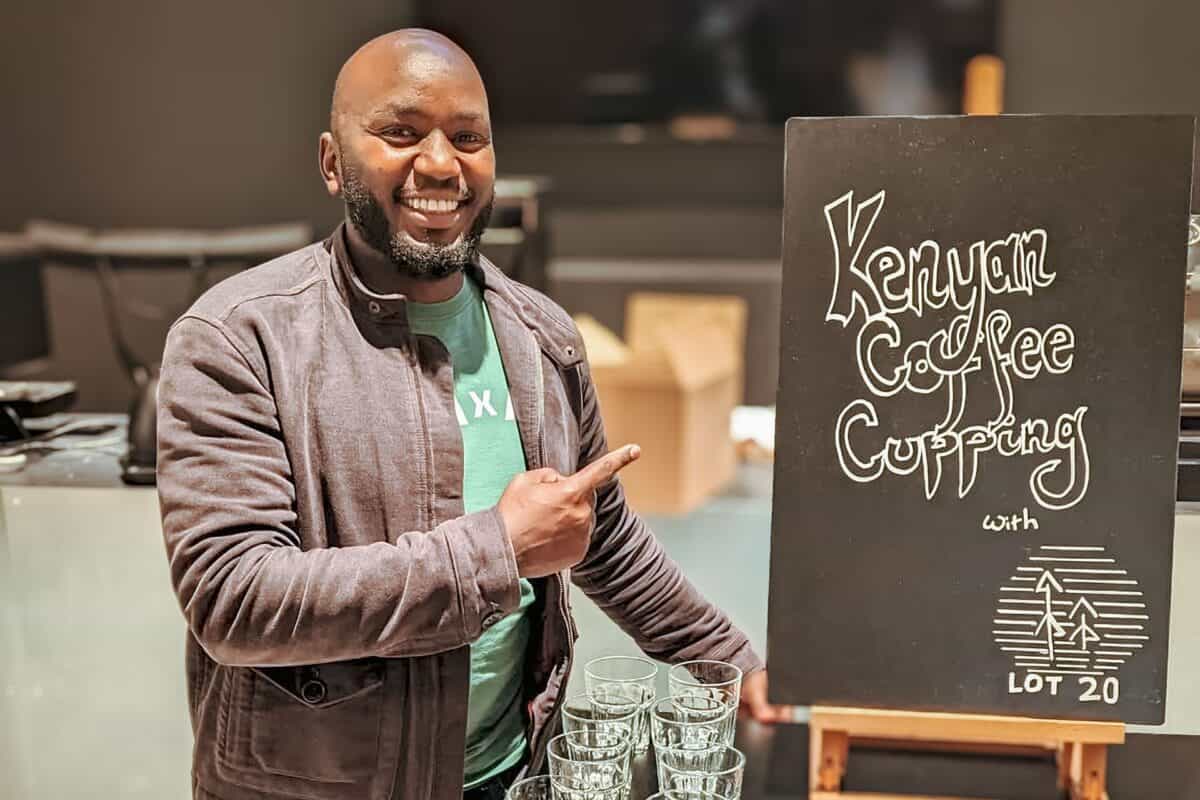
But in Rwanda, surrounded by a growing specialty scene and a different approach to local coffee consumption, Sidney saw an opportunity, not just to refine his own brewing, but to learn a whole new side of the industry. He began sharing brews with friends, hosting informal tastings, and encouraging others to reimagine what coffee could be.
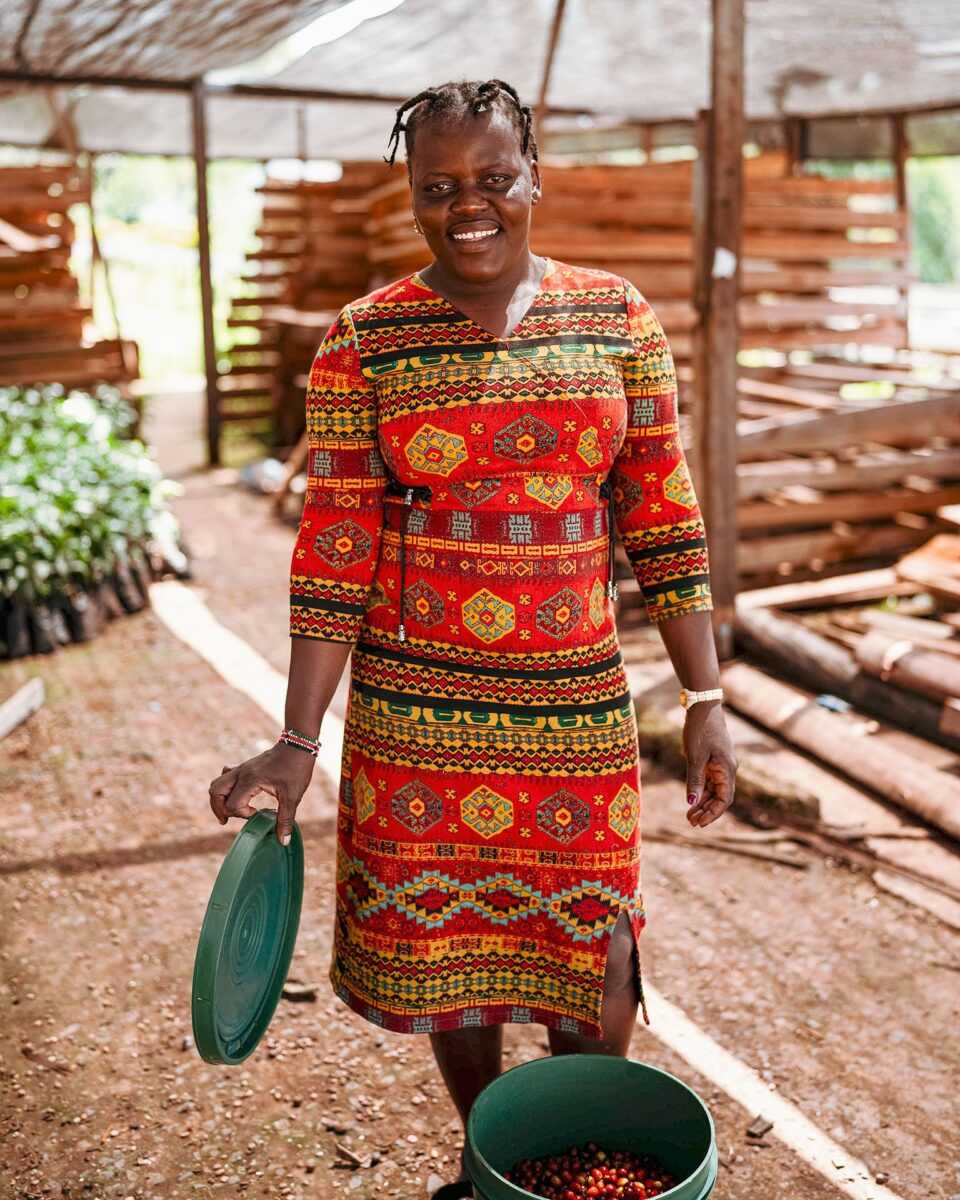
As he kept learning and experimenting, Sidney’s curiosity led him further upstream. He started visiting producers, eager to understand what happened before the beans hit the cup. “Once I understood how processing worked, how much care goes into it,” he says, “I couldn’t ignore it.” He began building relationships with farmers and sourcing green coffee directly to roast and sell to local roasters, embassies and non-profits under the name Endo Coffee.
Building Lot20
Sidney’s path into coffee might have started with a Nespresso machine, but his purpose has since evolved into something much deeper. At the heart of Lot20 is a philosophy shaped by curiosity, resilience, and a desire to bring new energy to overlooked regions—especially western Kenya.
Lot20 doesn’t operate in Kenya’s traditional coffee strongholds. Instead, Sidney and his team have focused on areas that are often written off, where farmers produce small quantities of coffee and lack direct access to markets. The goal is to build systems that support producers in these regions, giving them options, feedback, and ultimately, better access to income and recognition.
His values are rooted in a systems-thinking approach, informed by his background as a software engineer. Quality isn’t just about flavor—though that’s a big part of it—it’s about why a coffee tastes the way it does, and what needs to happen along the supply chain to get it there.
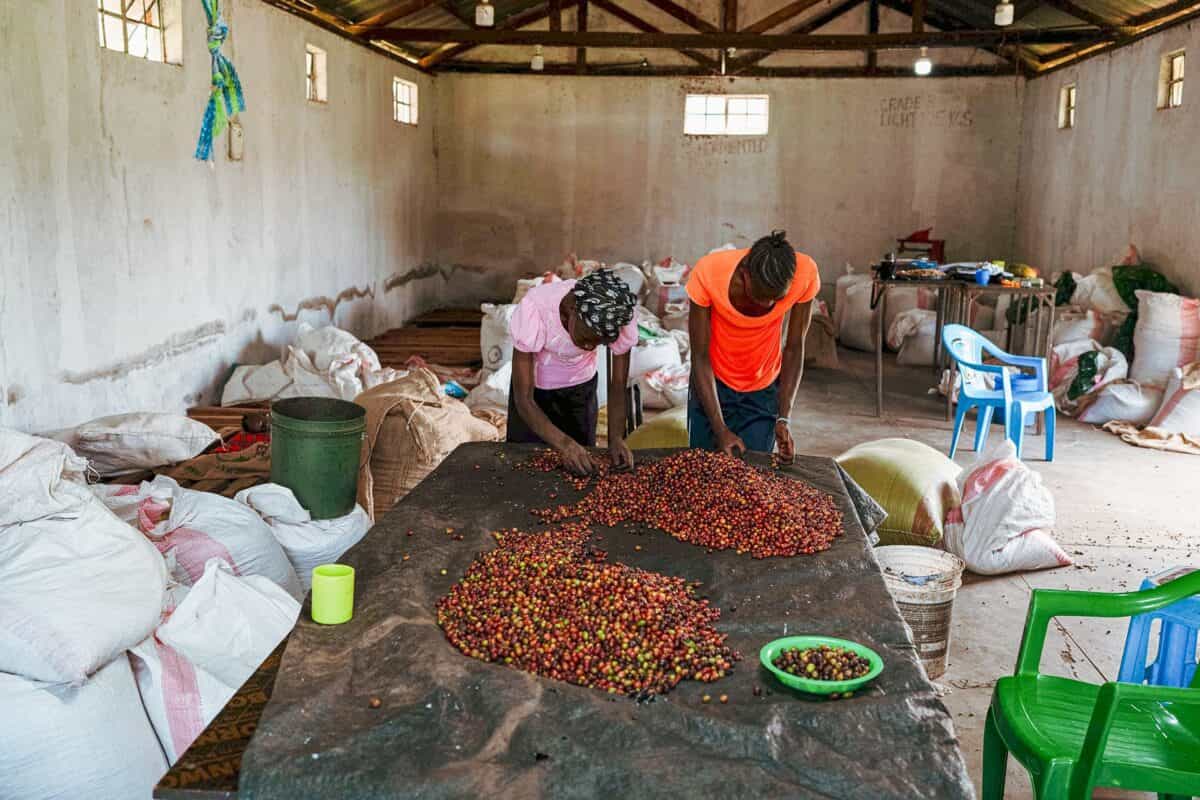
Their operation spans hundreds of smallholders across western Kenya’s coffee-growing regions. Unlike traditional cooperatives that might pay farmers months later (if at all), Lot20 hands cash to growers the moment they deliver cherries. The model is simple but radical: “You show up with three kilos in a shopping bag? Here’s your money.” Immediacy matters when school fees or medical bills loom.
“You know,” Sidney tells me, “most farmers in Kenya never taste their own coffee. They grow it, sell it at the gate, and that’s it.” This disconnect is another aspect that fuels Lot20’s mission – to bring farmers into the story of their coffee.
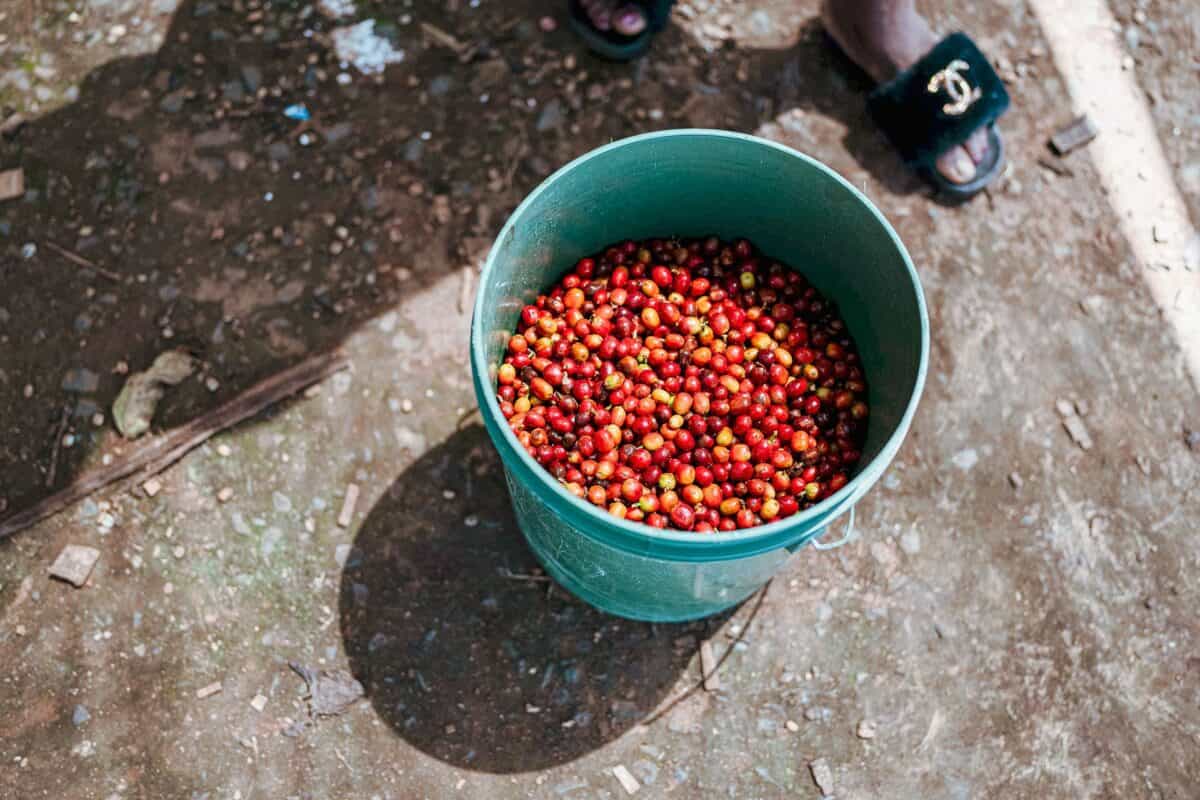
The numbers tell part of the story – 800,000 kilos of cherries processed in 2023 representing thousands of farmers. But the real impact lives in moments like when Sidney brings roasted coffee back to growers: “They make this face – ‘This came from my trees?’ and I tell them ‘No, it’s actually delicious!’”
Their Etago village lot exemplifies this approach. Like Portuguese winemakers labeling village wines, they credit communities rather than cooperatives. “We can’t name every farmer yet,” Sidney admits, “but seeing ‘Etago’ on bags creates pride for that community. That’s step one.”
The Kenyan Coffee System and Why it Fails Farmers
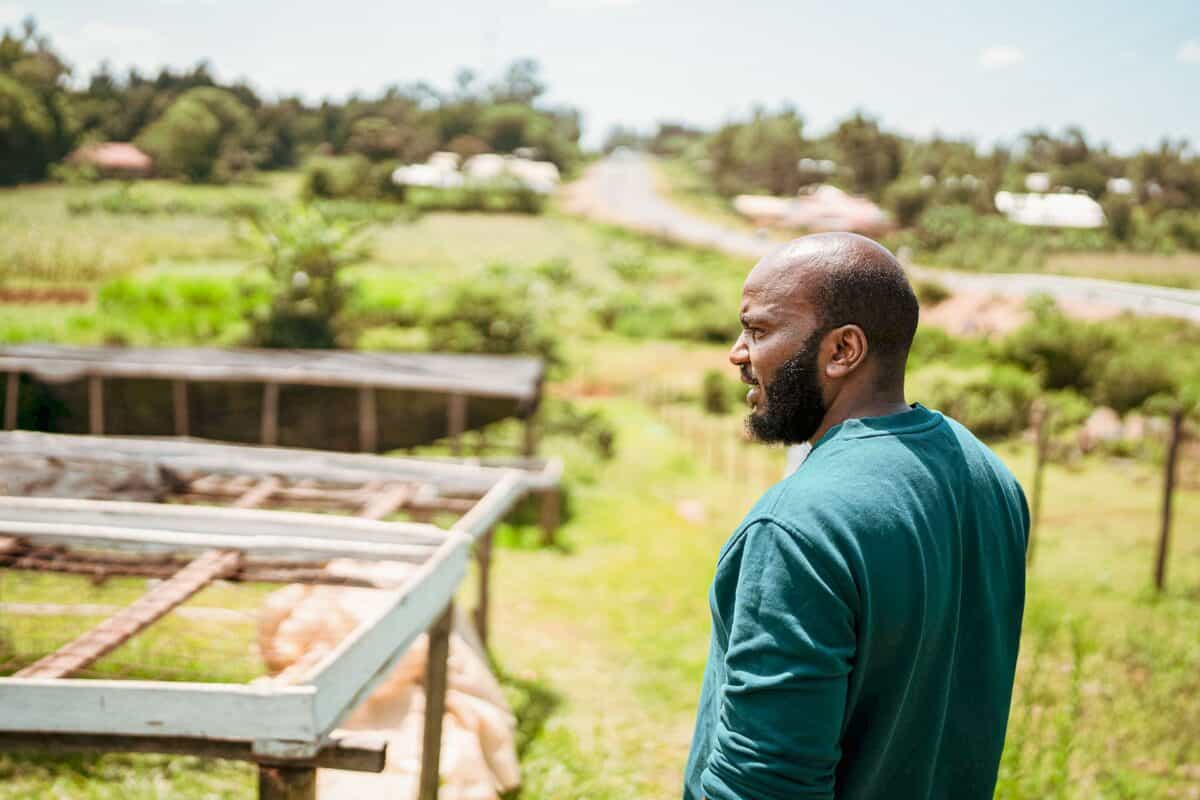
Moments like these are important sources of motivation when you’re up against a system, “basically designed to keep farmers poor,” says Sidney.
“The unfortunate reality is coffee has always been a money game,” he continues, describing how many farmers in Kenya are locked into cooperative structures that limit their control. Under this system, producers often deliver cherry to a factory (washing station) run by a cooperative. The coop manages processing and sales, but payments are delayed—sometimes by months—and farmers rarely know who bought their coffee or for how much.
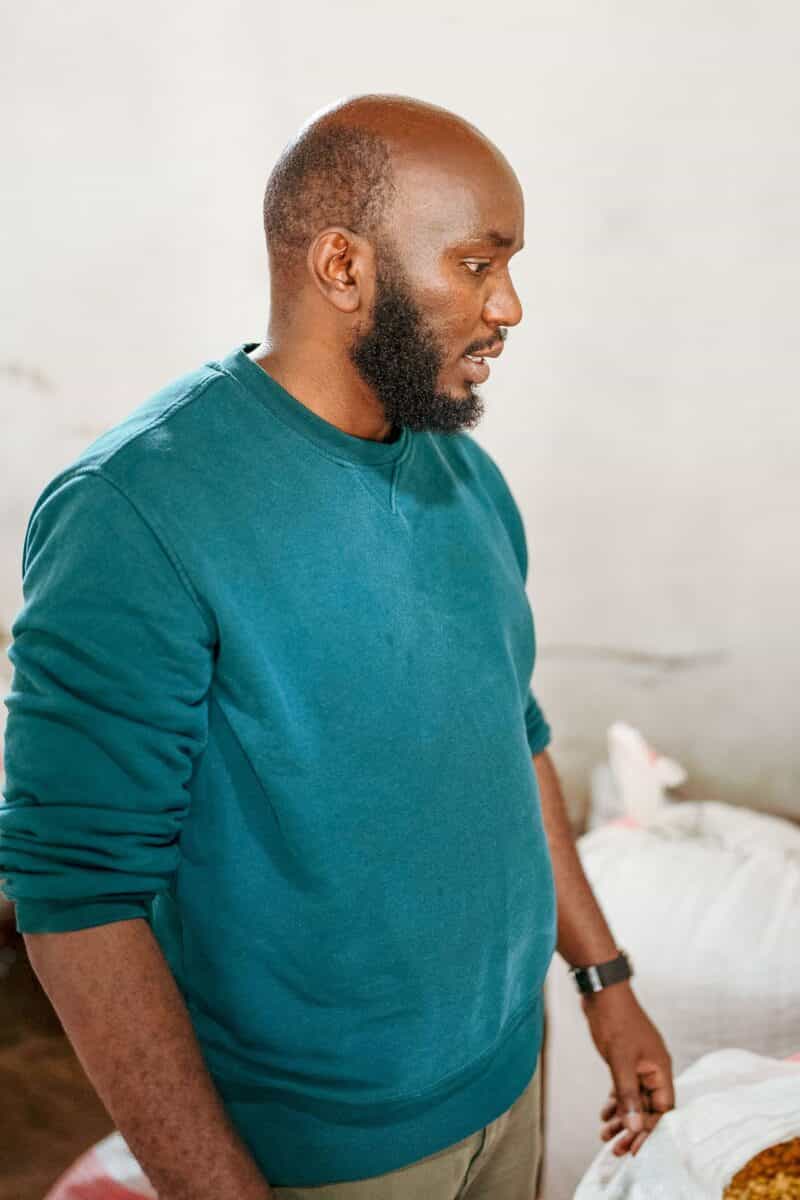
Meanwhile, coops often operate with heavy debt. “The financial institution grabs all the money to service a loan, but the farmers don’t get a cent,” he says. These loans, taken out to cover harvest costs, are secured against future coffee sales. When repayments come due, lenders are paid first—leaving little or nothing for the producers who did the work.
It’s this lack of transparency and agency that Lot20 set out to challenge. By working directly with smallholders and managing exports independently, Sidney hopes to build a system that puts producers first—and pays them fairly and promptly.
The defining feature of Lot20 has become the experimental processing. Western Kenya’s mix of coffee varieties—Blue Mountain planted in the 1950s, K7, Ruiru—often grows haphazardly, the result of decades of informal planting. “I go to some farms, I look at trees, I’ll be like, I have no idea what you are. It’s a mix of bush coffee… planted along fences between banana trees,” Sidney says.
Rather than see this genetic mix as a limitation, the team leans into it. “So we get creative. Take inferior cherries, ferment them with oranges or koji mold, and suddenly we’ve got something special.” What might look like inconsistency becomes a source of possibility. “We realized that a pile of weirdness can make really tasty coffee.”
Conclusion
Looking ahead, Sidney envisions Lot20 as both a platform for innovation and a vehicle for change. With a goal of exporting six containers of high-quality coffee—15 to 20% of which will come from single farms—he’s committed to amplifying farmer voices and pushing the boundaries of what Kenyan coffee can be. “We are the weird experimental guys in the industry,” he says proudly, driven by a belief that coffee can taste better, pay better, and connect people more meaningfully—if you’re willing to do things differently.