






Striving for Mutual Prosperity: Equal Opportunity for All
Indonesia ranks among the world’s top five coffee-producing countries, yet its productivity remains relatively low. Many farms still harvest from trees over 30 to 40 years old, with little replanting. Modern agricultural practices, such as fertilization, pruning, and disease control, are not widely adopted. It’s also common to grow different varieties together in the same plot, making it difficult to maintain consistent quality. With many elderly farmers, it can also be hard to introduce innovative techniques. These and other factors have combined to hold the industry back.
Java Frinsa Estate, founded in 2012, aims to address these structural challenges and foster community-wide development. Based in the highlands of Bandung, West Java, the farm not only cultivates specialty coffee but also manages a collective across four regions, working with 200 contract farmers and supporting them through technical training and post-harvest processing.
With a vision of shared benefit, environmental protection, and local advancement, Java Frinsa has embraced the principle of “maximum quality at minimal cost.” By promoting data management, knowledge sharing, and systemization to reduce reliance on individual know-how, the company has developed creative methods to consistently produce high-quality coffee.
In 2018, their coffee earned the highest score at the Indonesia Brewers Cup. That success opened the door to relationships with buyers in Europe and the United States. But Java Frinsa has never aimed to win alone. It continues to grow alongside their people, bringing the entire community along for their journey.
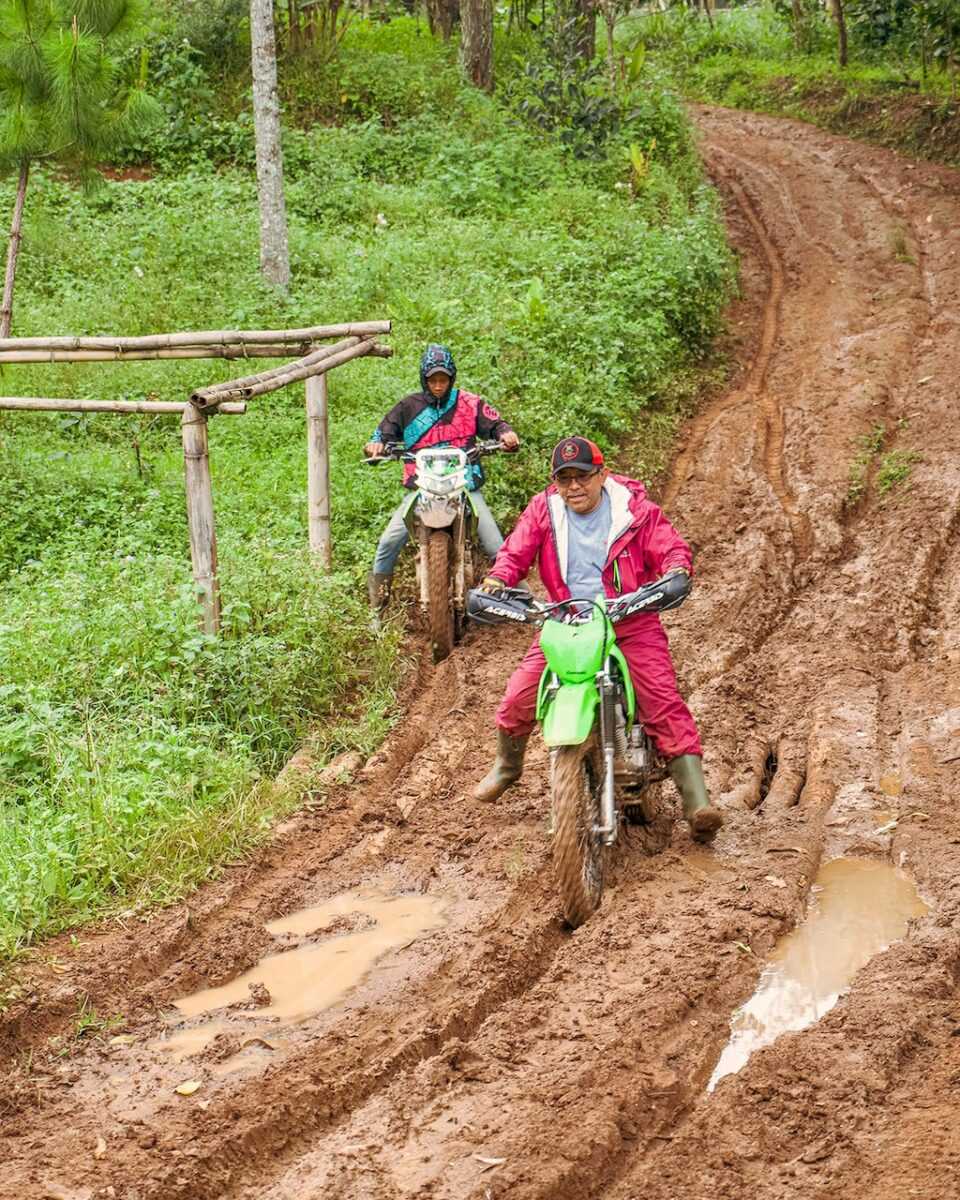
Tackling social issues through business
In the late 2000s, every time the rainy season arrived, the Bandung highlands, where Java Frinsa Estate is located, were hit by floods and landslides that repeatedly threatened the lives and livelihoods of local residents. The root cause stemmed from farming practices: in an effort to boost income, many farmers had adopted a system of harvesting vegetables three times a year, which depleted the land’s ability to retain water and made the soil more prone to erosion.
As a result, rainwater no longer seeped into the ground but instead flowed rapidly into rivers. Floods became more frequent in the rainy season, while water sources dried up during the dry season. This made it difficult to secure a stable water supply for homes and farms. Water levels in dams and canals dropped, leading to rationing and service cuts. The Citarum River provides hydroelectric power, drinking water, and irrigation, so the impact extended downstream, affecting tens of millions of people in urban areas as well.
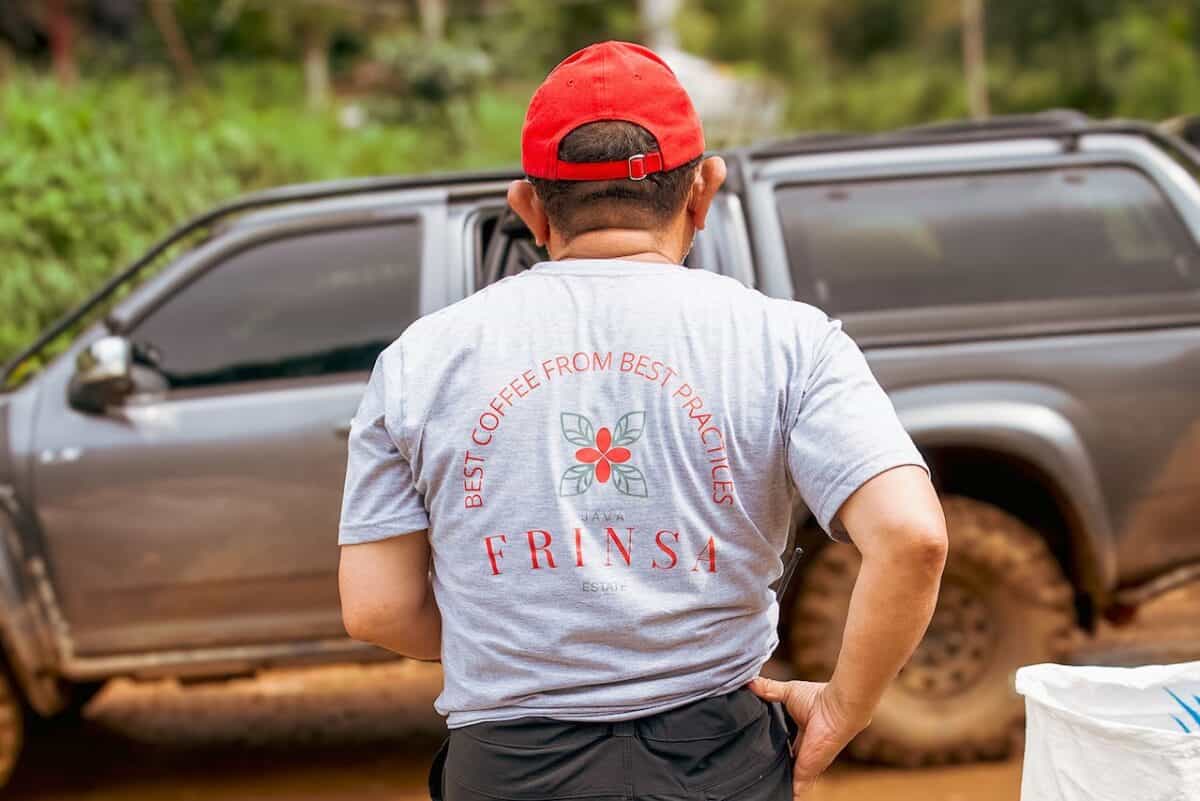
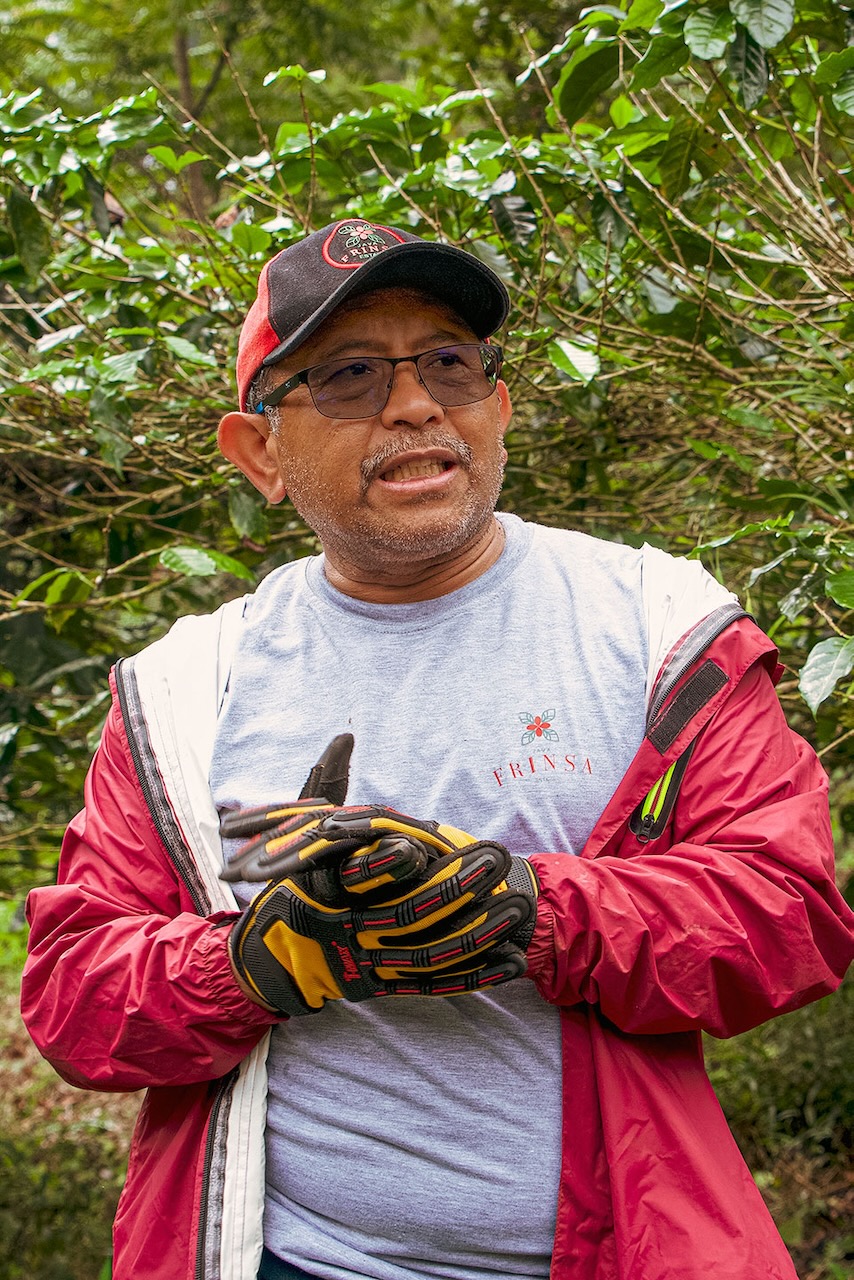
“Even in my area, people have had to dig wells in small rice paddies just to get by,” says Wildan Mustofa, a cofounder of Java Frinsa Estate. “It’s a man-made disaster caused by a few short-sighted individuals who developed the land without thinking of the consequences.”
It was this sense of urgency that spurred Wildan into action. With their deep roots, coffee trees help the soil retain moisture and recharge groundwater during the rainy season, making it available even in the dry months. Believing that coffee could help address the region’s various challenges, Wildan founded Java Frinsa.
Previously, Wildan had studied in the Netherlands on a Nuffic scholarship. With the help of Dutch agricultural engineers, he began building the foundation of his coffee business, supporting farmers with technical guidance, while also developing logistics and export infrastructure. However, he soon ran into a major obstacle. The coffee produced by local farmers was generally of low quality and lacked consistency. Even when the quality was high, it was difficult to sell the coffee at a fair price.

Getting maximum results from minimal cost
Wildan decided to change course. He began visiting other major coffee-producing countries like Ethiopia and Vietnam to observe their farms and learn firsthand. What he learned, he adapted to fit the land and context of his own region. He believed that if he could demonstrate results by doing what he believed to be right, other growers would naturally follow.
One principle he kept central to his business model was equal opportunity. To help even resource-poor farmers improve quality, he developed methods to achieve maximum results with minimal cost.
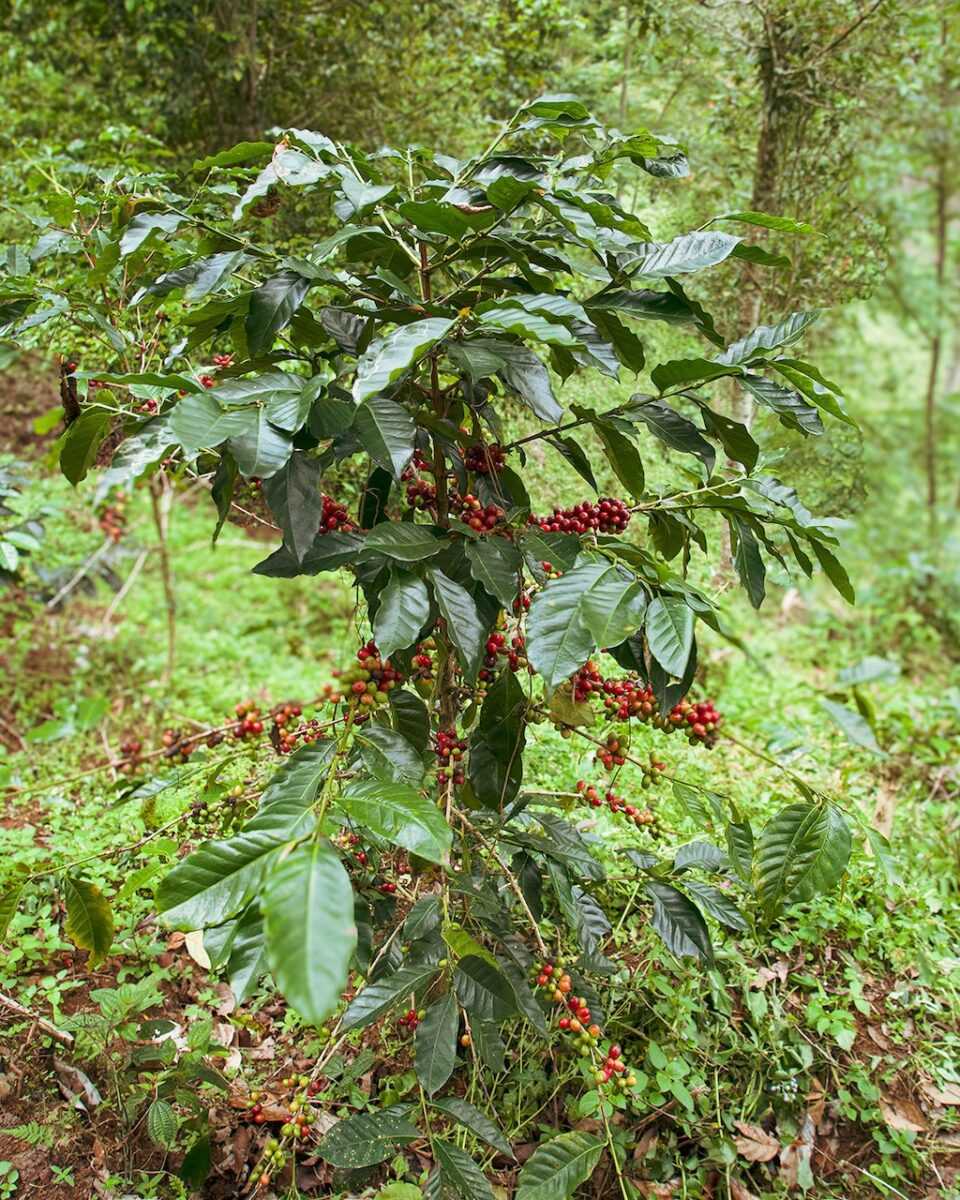
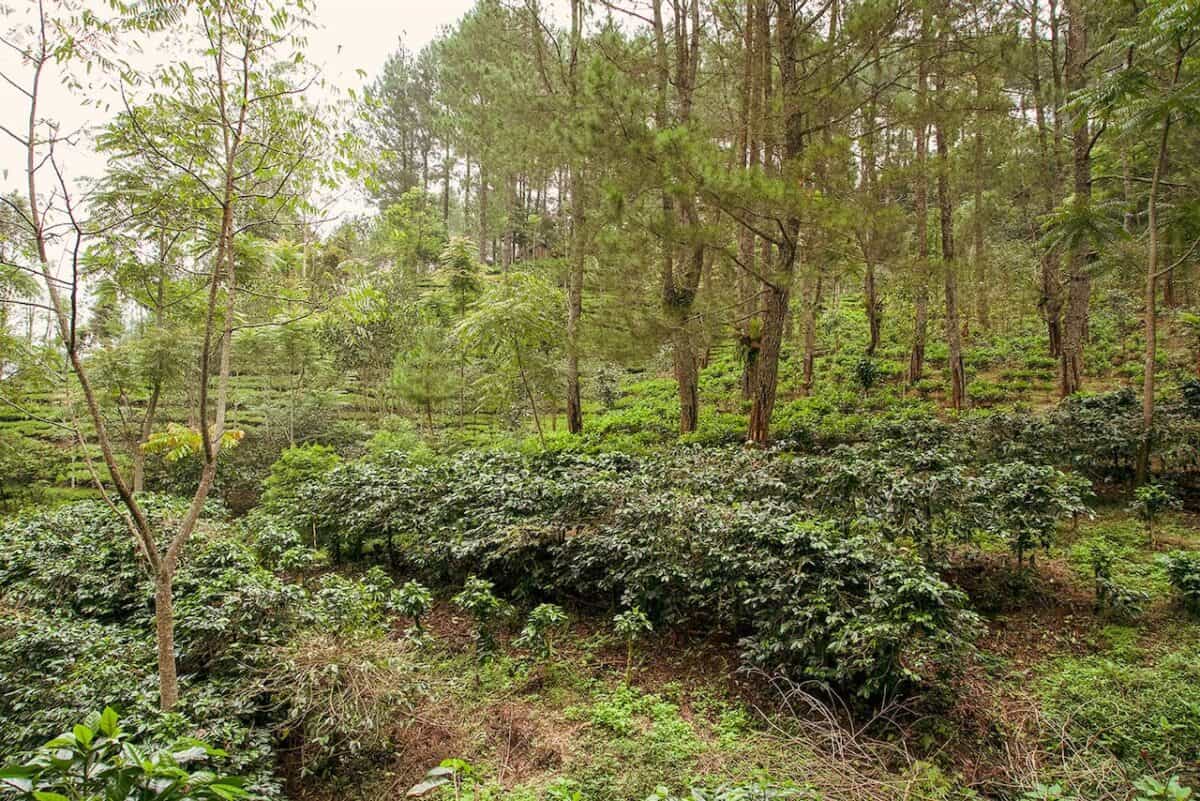
“One example is our low-cost, DIY-style nursery. Instead of buying expensive shade nets and steel poles, we plant leguminous trees to create natural shade. This way, we create the ideal environment while keeping costs down, and the savings allow us to provide seedlings and seeds to farmers at low prices.
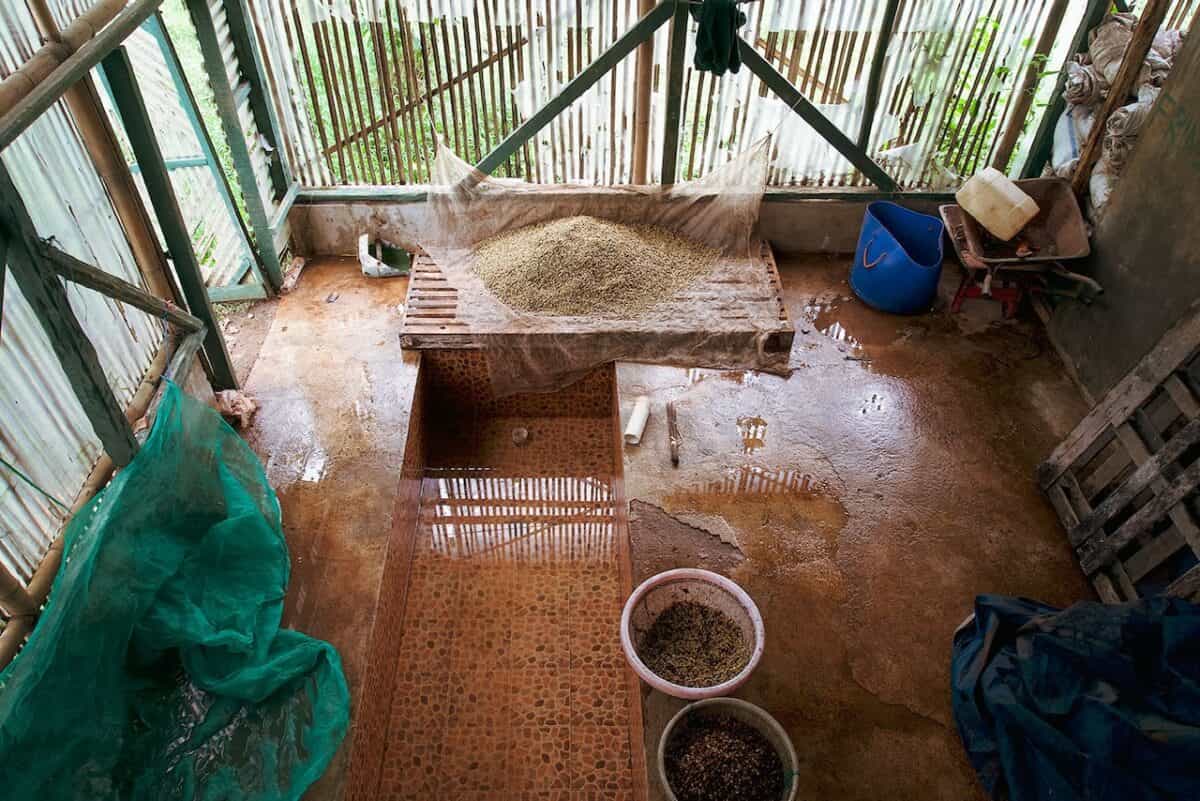
“We also reduce shipping costs by transporting coffee as green beans after removing the pulp and parchment. At the same time, we recycle the discarded pulp and parchment as fertilizer, which further lowers fertilizer costs. We till the soil minimally, and instead leave cut weeds and fallen leaves and branches from shade trees on the surface. This not only prevents weed growth and soil erosion but also preserves the organic matter and microbial life in the soil. After all, coffee trees are living organisms too. When they’re protected from wind, rain, and temperature extremes, and can grow in a stable, comfortable environment, they grow more healthily.
“We’ve also increased the number of coffee trees planted per unit of land, roughly double the traditional number, and streamlined our pruning methods. This allows us to maintain consistent productivity while promoting natural generational turnover. We keep the trees small to improve labor efficiency and shape them in ways that optimize light and airflow, so they stay healthy and vigorous.
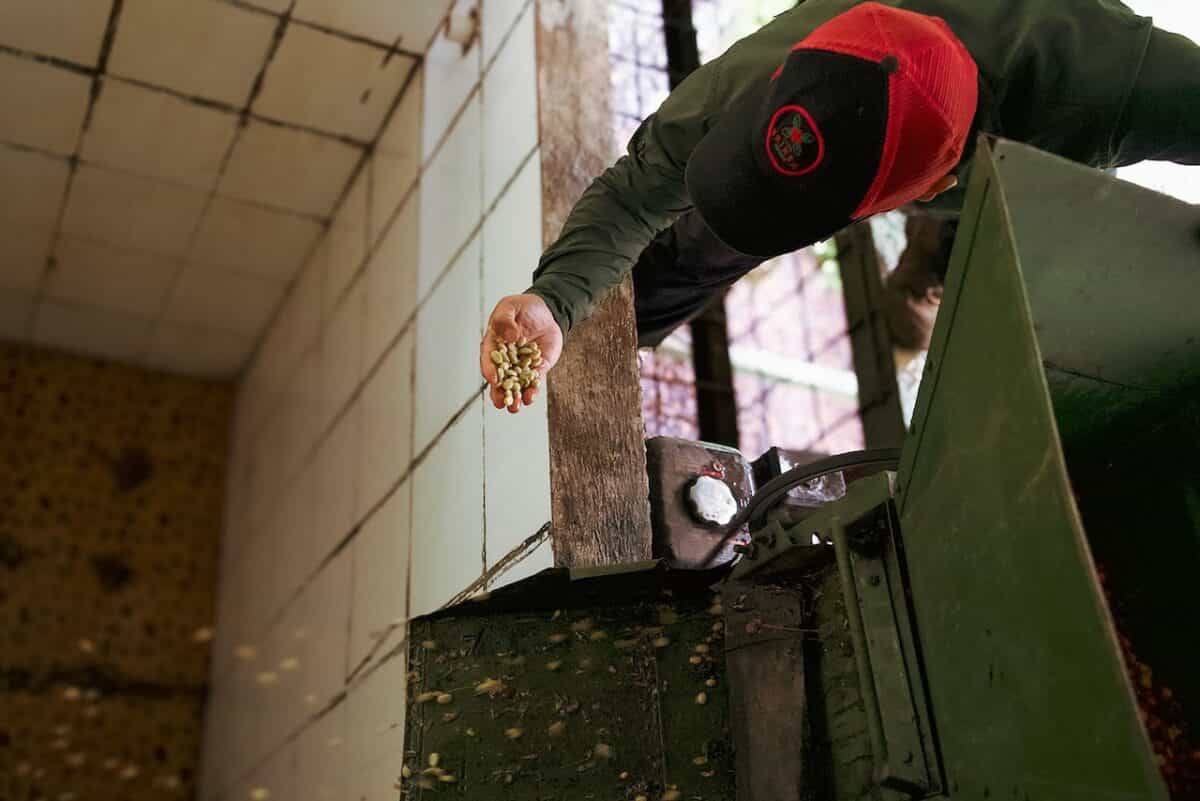
“There are countless ways to boost efficiency and productivity without spending a lot of money. But cost-cutting isn’t the goal in itself. At our washing station, we’ve invested where it counts, like installing high-performance equipment that can handle depulping, sorting out unripe beans, removing mucilage, and grading by size, all in one machine.”
Building an ecosystem
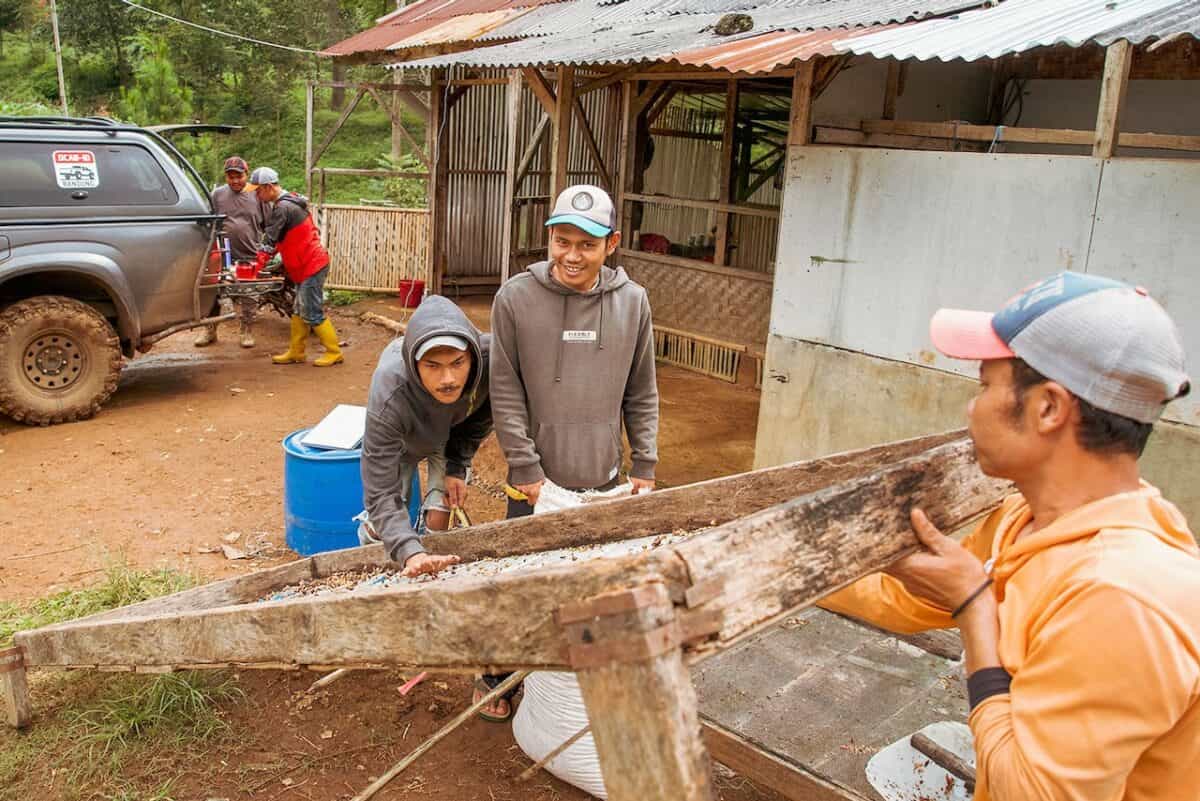
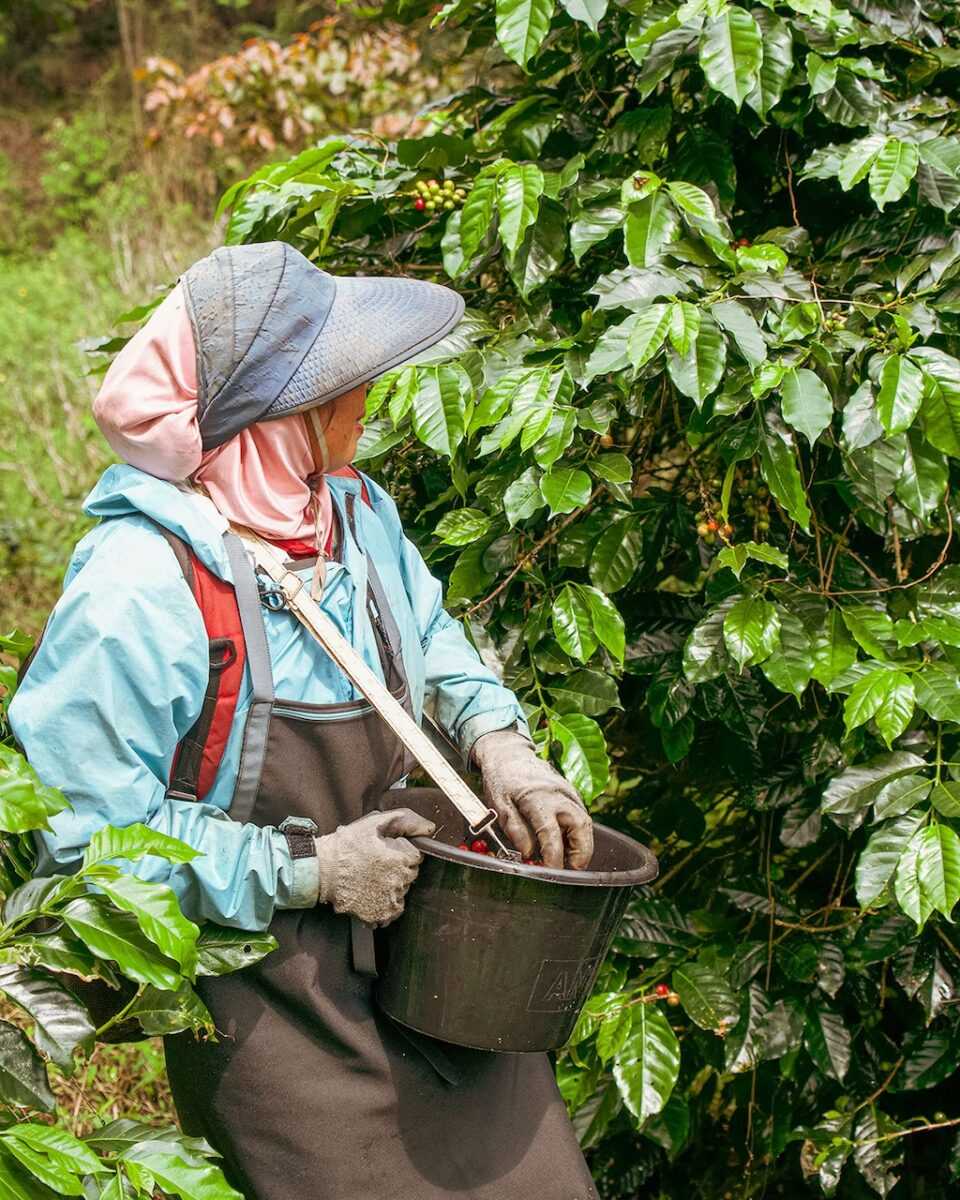
The 200 farmers who are part of the Frinsa Collective process their harvested coffee at Java Frinsa’s wet mill and store it in the company’s warehouse. By managing the processing themselves, they’re now able to market their coffee to buyers and cafes as a higher value-added product.
When Wildan first encouraged these farmers, who had neither the knowledge nor the skills for coffee cultivation, to start growing coffee, he led by example. He brought people from his own region to help clear the farmland and build nurseries from scratch. Since most working-age men had left for the cities to earn a living, he enlisted older women from the local community to plant and harvest the seedlings.
When Wildan spoke with the women, he came to understand that they truly wanted to live with their husbands, but the lack of local job opportunities made that impossible. At the same time, it was clear that if coffee production could generate enough income, the men wouldn’t have to leave home in search of work.
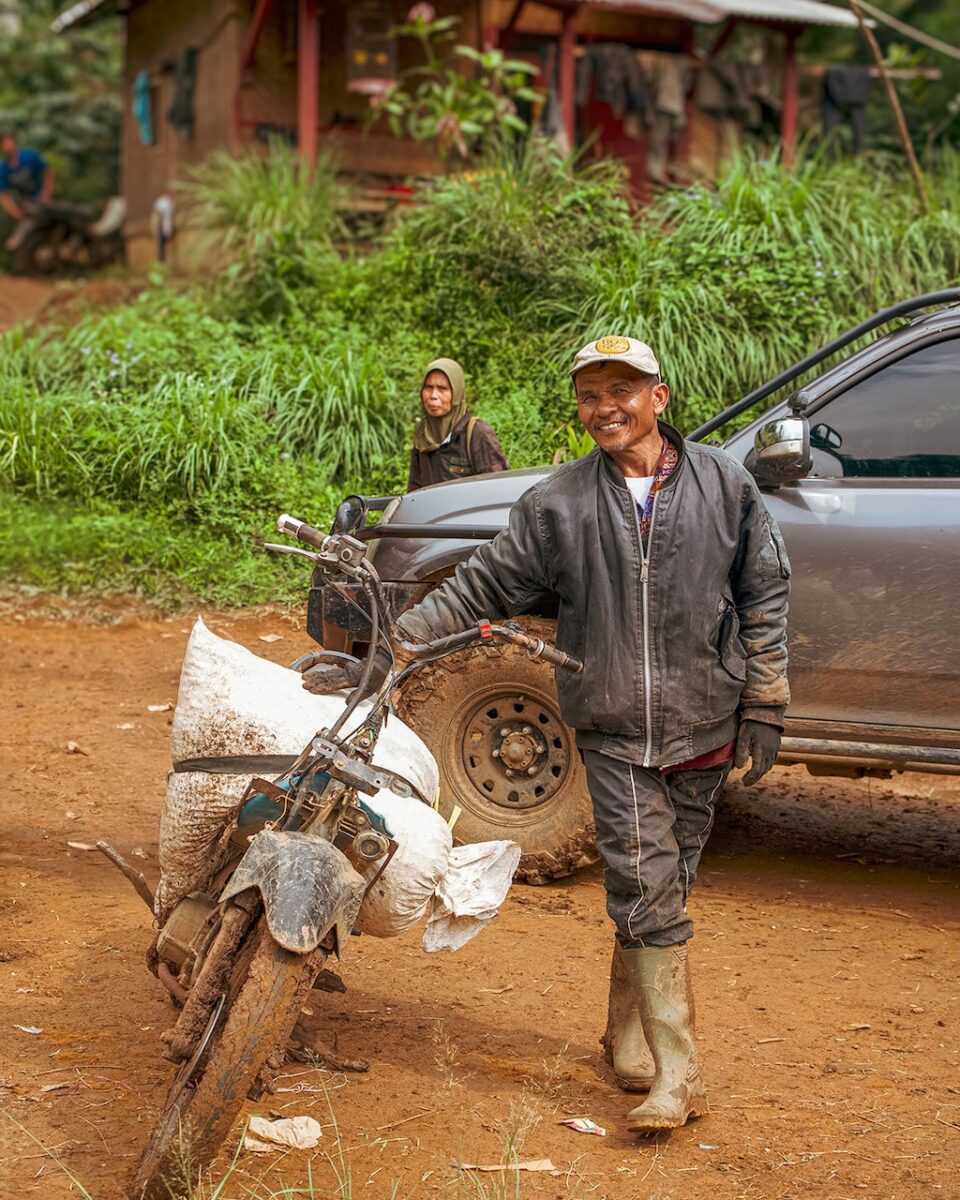
“At first, the men would only come back a couple of days a month to help with weeding,” Wildan recalls. “But two or three years later, when the harvests began, more and more of them started settling back in their local community and committing to farming full time.
“Today, everyone working at our farm is local. They also manage their own plots, so they spend the mornings learning techniques on our farm and apply them to their own land in the afternoon.”
In an effort to benefit the wider community, Java Frinsa also helped establish a junior high school in a region that had only had an elementary school before, ensuring that all children in the area now have access to education. The company has also used social media to share positive messages like “Farming can take you overseas,” and “You can connect with the world from your village,” which has encouraged more young people to return to their hometowns. In some areas, reintroducing coffee has improved the soil to such a degree that clean spring water, naturally filtered by the land, has begun flowing again.
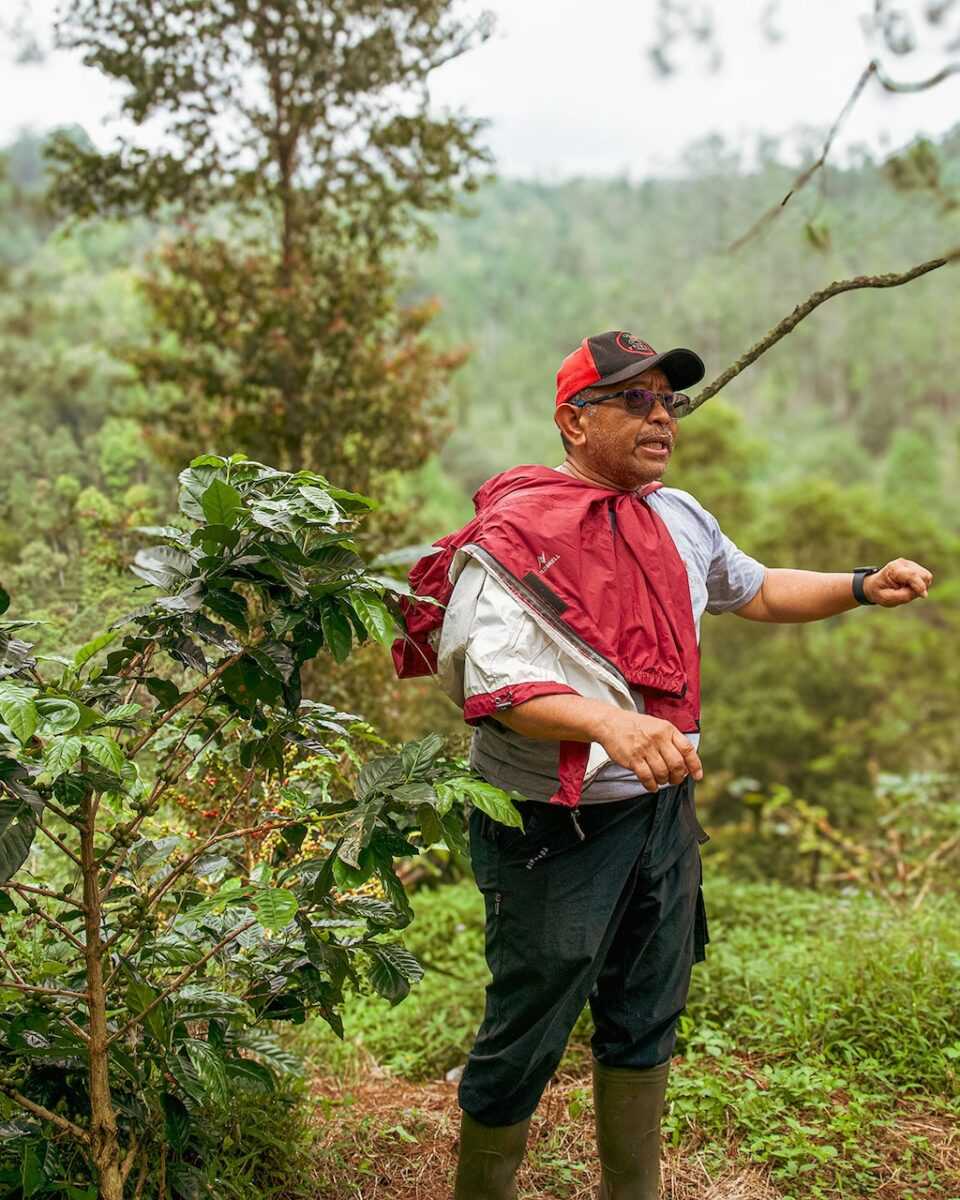
“My father used to say, ‘It’s not good to get rich while others stay poor. It’s better to be prosperous and create prosperity for the whole community.’ If a farming method can only be practiced by those with money, it will leave poorer farmers behind and widen the gap within the community. We’re part of this community, living within the same ecosystem. I believe business is a tool to build an economic system where everyone benefits and everyone can be happy.
“I’m not so young anymore, so these days I’ve been actively collaborating with universities. As the saying goes, ‘You can’t teach an old dog new tricks.’ As we age, we tend to stick with what’s familiar. That’s why I want young people to be involved in the coffee business – to drive innovation and keep our organization and community constantly renewing itself like metabolism.”