




Sewing together a great rift in Kenyan coffee
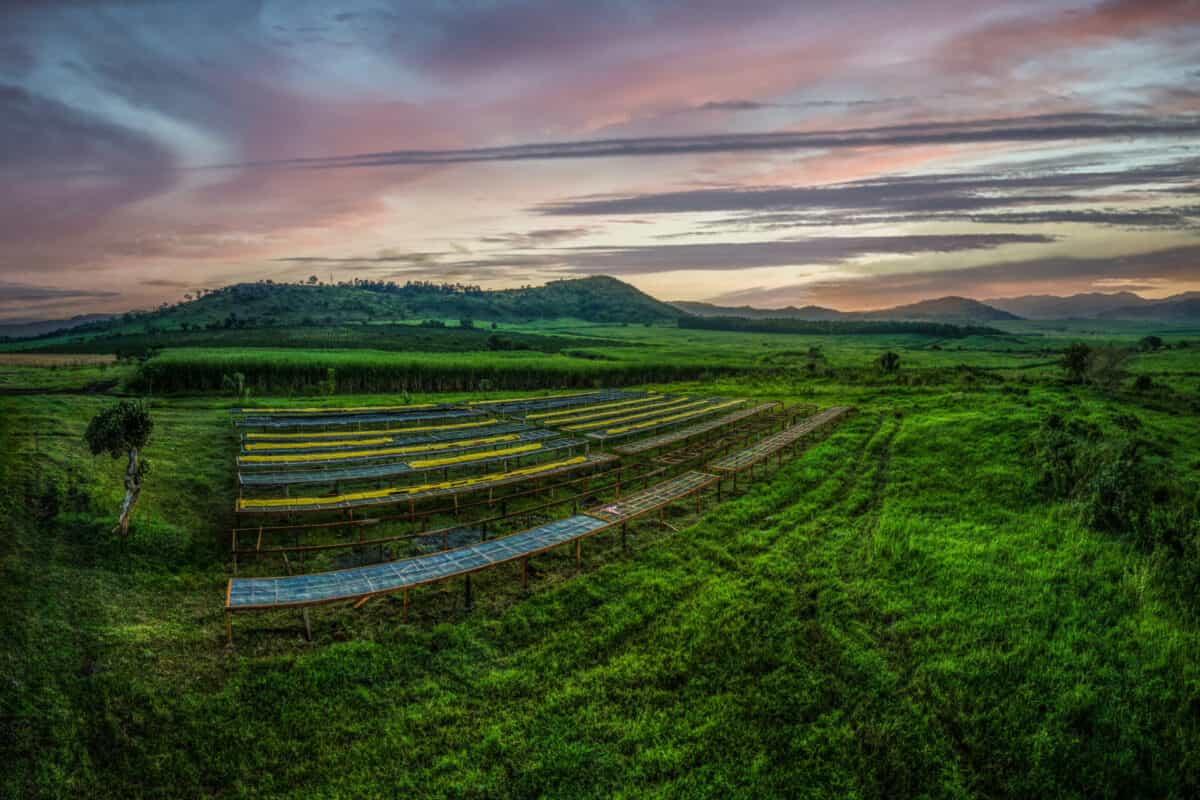
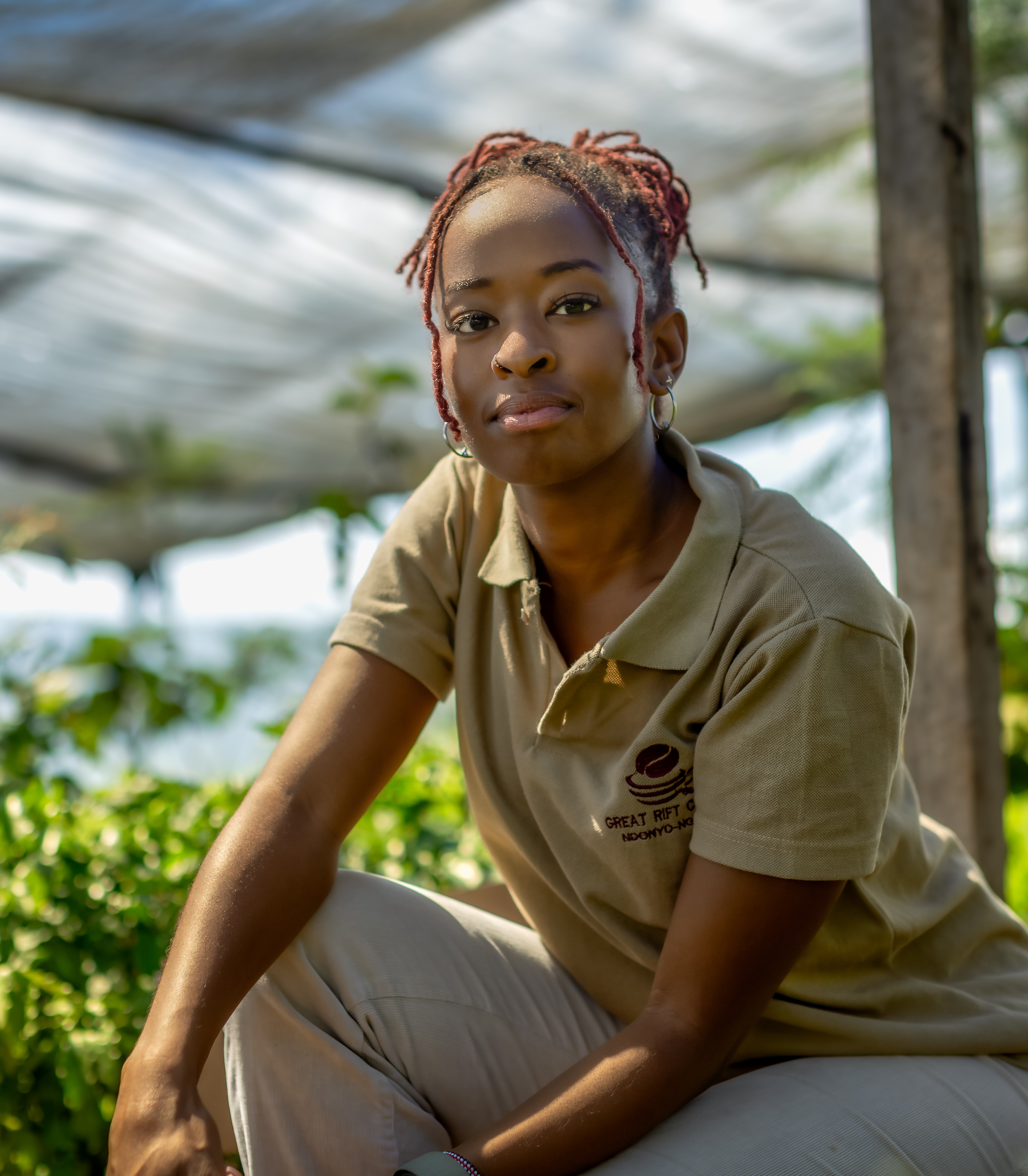
When Zakiya Muge left her job in a busy South London hospital during the height of the COVID-19 pandemic, she only planned to visit Kenya for a short break. Four years later, she’s running one of Kenya’s most quietly innovative coffee estates.

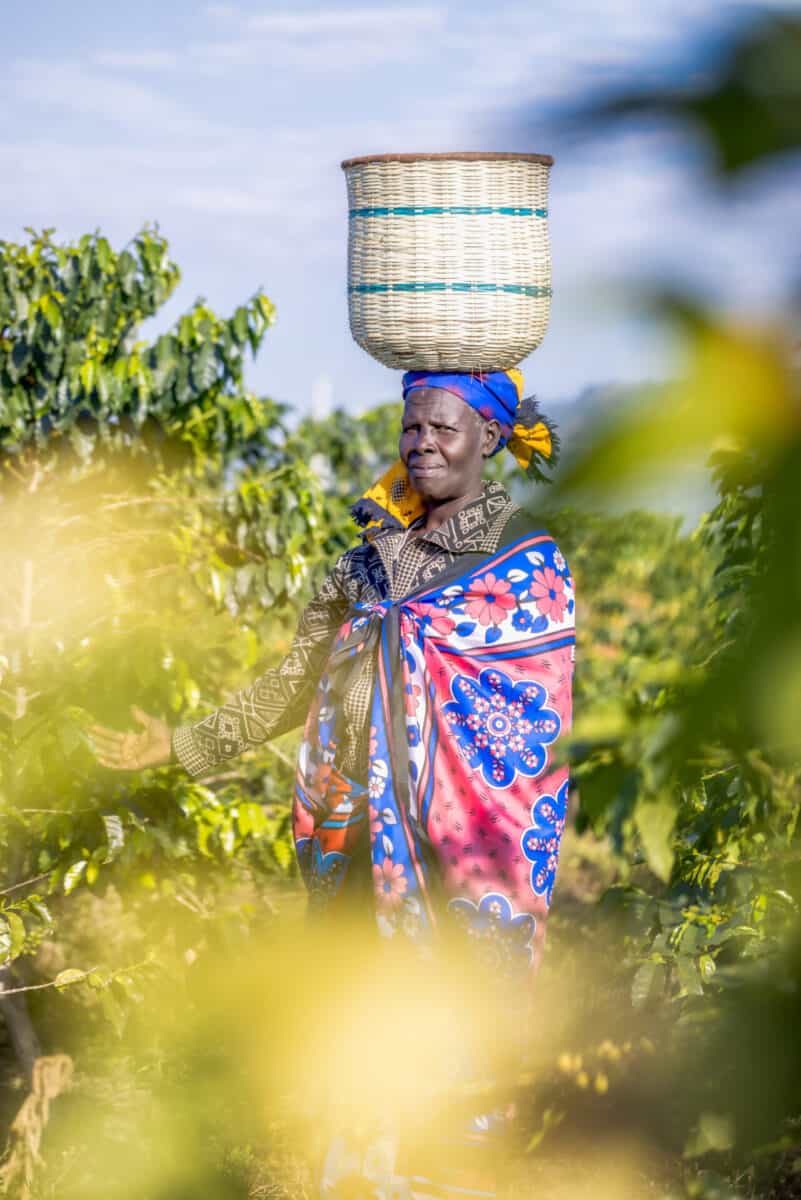
Kenyan Roots and Return
Before the farm and export business that it is today, Great Rift began as a dry mill in Eldoret – a decision that, in hindsight, Zakiya calls “a terrible idea.” Her father, newly returned to Kenya after decades in the UK, had been talking to farmers in the region who were increasingly frustrated with multinational mills. “He thought that would be a good way to kind of get into the industry,” she says. “But looking back on it, it probably would have been better to know a little bit more about the industry before we started the mill.”
Zakiya’s own upbringing straddled two worlds. Born and raised in the UK, she studied pharmacy and worked in London hospitals before visiting Kenya in 2020 – a trip that quickly became a permanent move. Her father, originally from Kenya, had left in his early 30s to pursue a PhD in veterinary medicine at Bristol University. He stayed for 25 years, raising a family before returning to Kenya.
But the early years weren’t easy. “Initially, it did take off quite well,” Zakiya recalls, “but over time we realized there was a big disparity.” Multinational mills could offer things Great Rift simply couldn’t: agronomists on site 24/7, generous incentives, and perks that smaller operations couldn’t match. By 2020, they made a strategic decision to scale back and focus instead on estate farmers who were more independent – farmers who didn’t need constant agronomic input, but who were looking for transparency and trust.
That focus began to pay off. Kenya’s coffee sector has long been controlled by multinationals, leaving small farmers with little leverage. Then, in late 2023, sweeping legislation changed the landscape. Kenya cracked down on multinational conglomerates, limiting them to just one license within the coffee value chain. Most chose to keep their buyer’s license and abandoned milling – leaving a massive gap. “So it was good for us,” Zakiya says. “It was overwhelming.” Suddenly flooded with new volume, Great Rift responded by securing their own export license in mid-2024. “Since then we’ve been exporting our own coffee and other coffees – people that we work with,” she says. What began as a well-intentioned misstep – a mill without a farm – has become a full-fledged, vertically integrated operation with a distinctive vision for Kenya’s future in coffee.
Growth
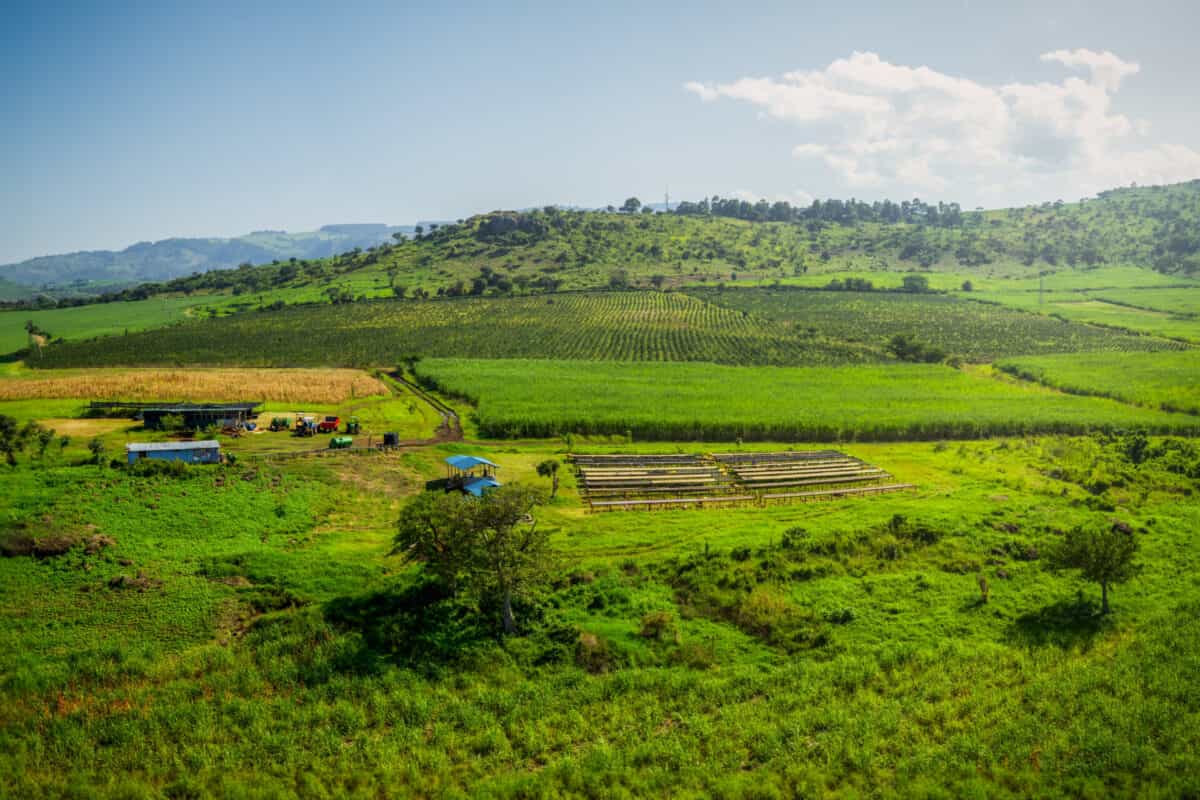
When Zakiya first arrived in Kenya, the farm was just beginning to take shape. “We went up to 40 acres the year that I came,” she says. “Then we went up to about 80, then we went to like about 140.” Today, several farms – planted at different times, with different varieties and processes – make up the estate known as Great Rift. The long-term goal is clear: “We have the aim of expanding by 50 acres every year.” Though they missed that target once, they’re now in the middle of planting another 90 acres, slowly inching toward 300 acres under coffee. “It’s still very young,” she says, “so it’s growing slowly like that so that we can manage ourselves.”
But it’s not just the land that’s expanded. Under Zakiya’s guidance, Great Rift has embraced a distinct identity – one rooted not in tradition, but in bold, intentional difference. “To be honest, I think I’ve been very lucky, especially with the processing that we’re doing,” she explains. “It’s quite innovative, especially for our region. Like Kenyan coffee, everyone’s always looking for the classic washed. And I think coming into the export sector, we were kind of like, well, we’re not going to be able to compete with central regions washed, classic, Nyeri, Meru coffee. Let’s just do something different.”
They didn’t have the old-school SL varieties or the legacy of Central Kenya estates. Their trees were only three or four years old, and they were farming in a region more associated with tea than with coffee. Instead of trying to replicate a legacy that wasn’t theirs, they chose to create something new – focusing on fermentation, naturals, and a deep curiosity about processing. “What value addition could we do ourselves to kind of promote not just the region but also innovative techniques that are not only in Kenya?” she asked. That question, and the answers it led to, helped define their success.
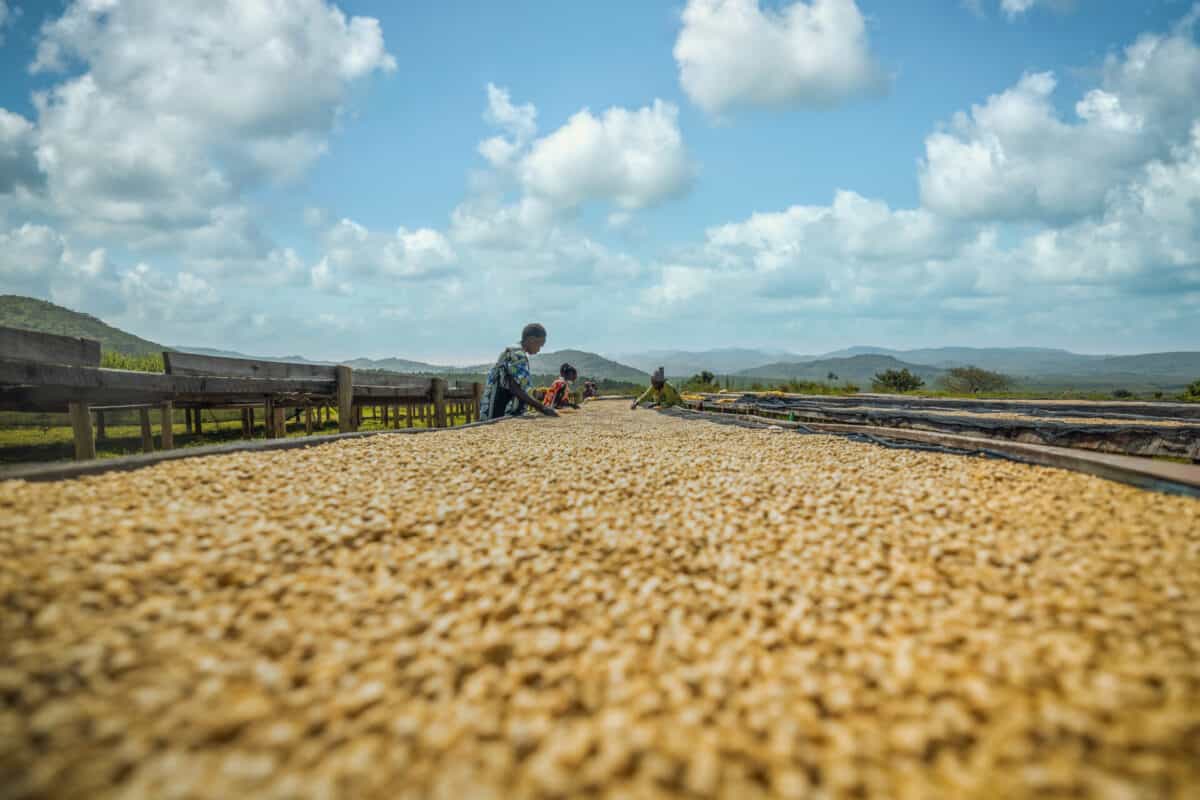
While the estate farms make up the core of Great Rift, they also work with a wide network of outgrowers, up to 500 in a season. Around 85 of those relationships are more formal, with Zakiya’s team providing agronomic support and collaborating closely on inputs and processing decisions. The rest are more transactional: smallholder farmers who drop off cherry when they can for immediate payment. Rather than apply a one-size-fits-all approach, Great Rift meets each grower where they are. For the more independent outgrowers, naturals are often the best route – a process that can help smooth over inconsistent picking or nutrient gaps. “Fermentation can kind of balance the cup a little bit better,” Zakiya explains. “I find pulping can really reveal if anything’s gone wrong.”
This layered approach, combining estate growth, processing innovation, and flexible outgrower relationships, has helped Great Rift sidestep the market saturation and price pressure that haunts many Kenyan producers. “Everyone is really looking for market,” she says, “and I think [buyers] have identified us as someone who is transparent and has opportunities, plus the quality is better.” So far, she adds, they haven’t had too much trouble finding buyers. “Fingers crossed.”
Making Quality a Shared Language
Zakiya’s approach to quality is to create a shared language about processing and how that affects what’s in the cup. “Most outgrowers have grown up on farms, so they know what they’re doing there” she says. “Coffee isn’t that much different from any other crop. It’s from the point of picking to the mill where things go wrong.” Therefore, that’s where she’s focused her energy: equipping farmers with the knowledge and tools to get that part right.
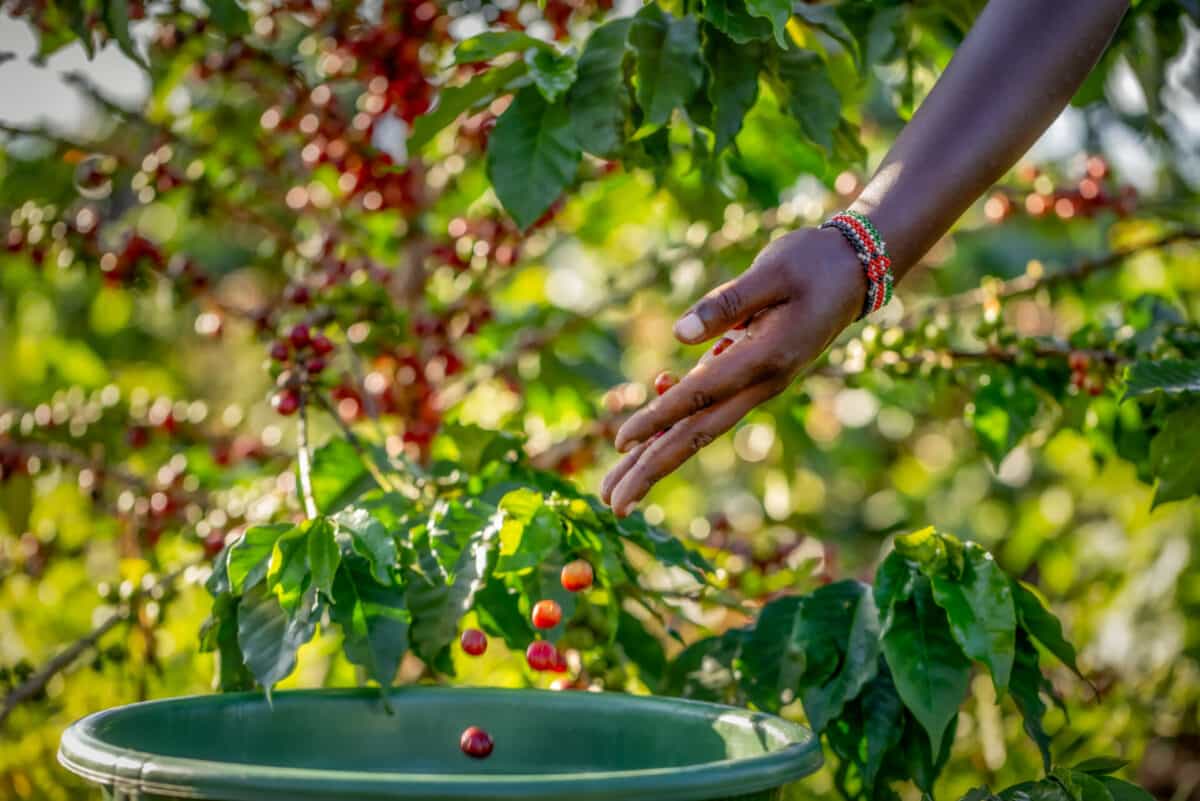
The estate runs regular training sessions, every two to three months, aligned with the coffee calendar. Some are held at the mill or farm, others take place in smaller community hubs. “We’ll go to a chief farmer in an area and do some basic training, or have bigger sponsored events with fertilizer companies.” Attendance varies, but one thing is constant: “No one ever leaves like they haven’t learned anything.”
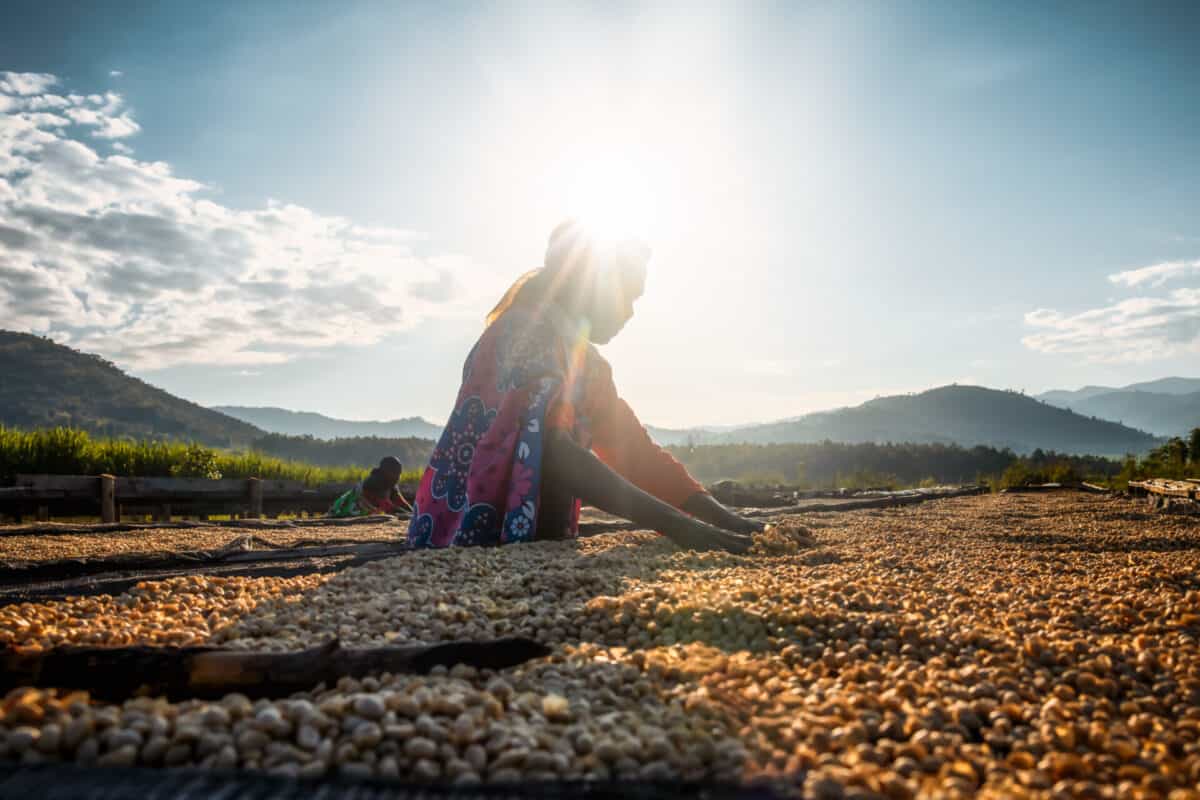
Zakiya has also made deliberate efforts to reach women, who often handle the most quality-sensitive parts of production – picking, fermentation, and drying. That meant shifting training to evenings and weekends and holding sessions within women-led cooperatives. “It’s the women that are on the farm daily,” she says. “So we had to move some to weekends and do some specifically in spaces where we think we could find them.”
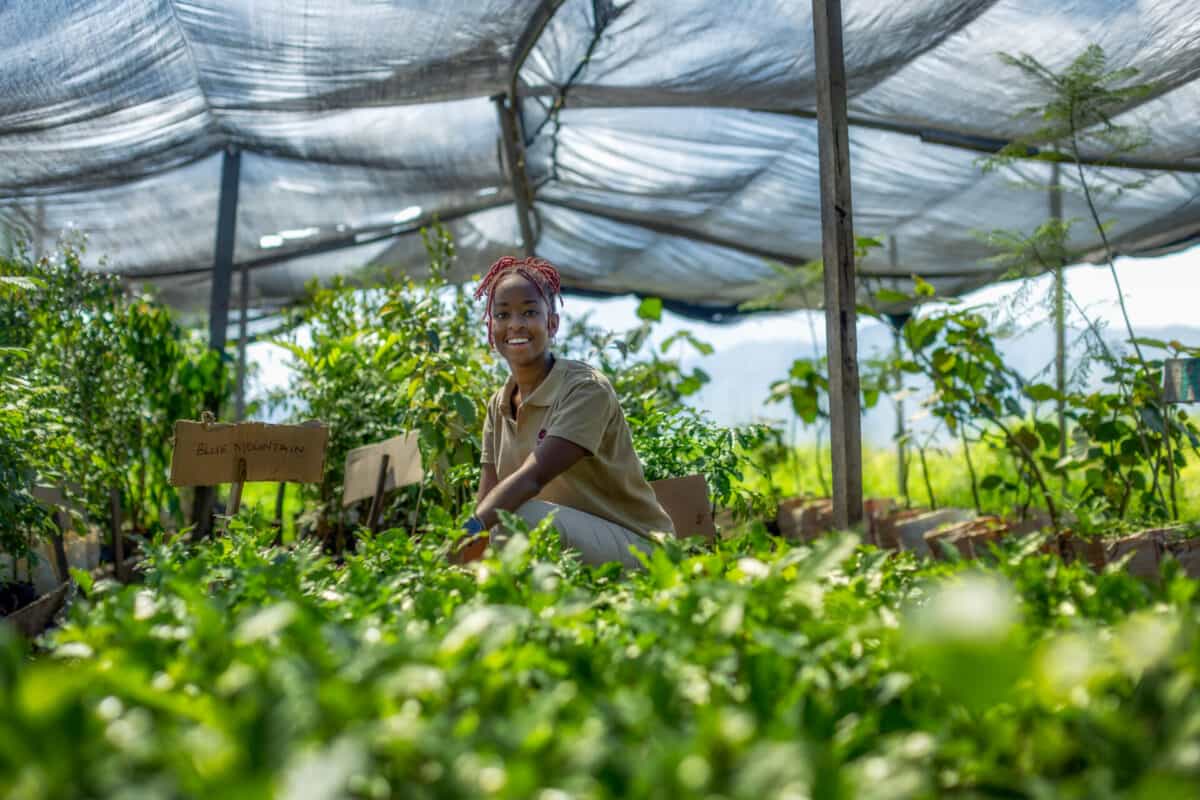
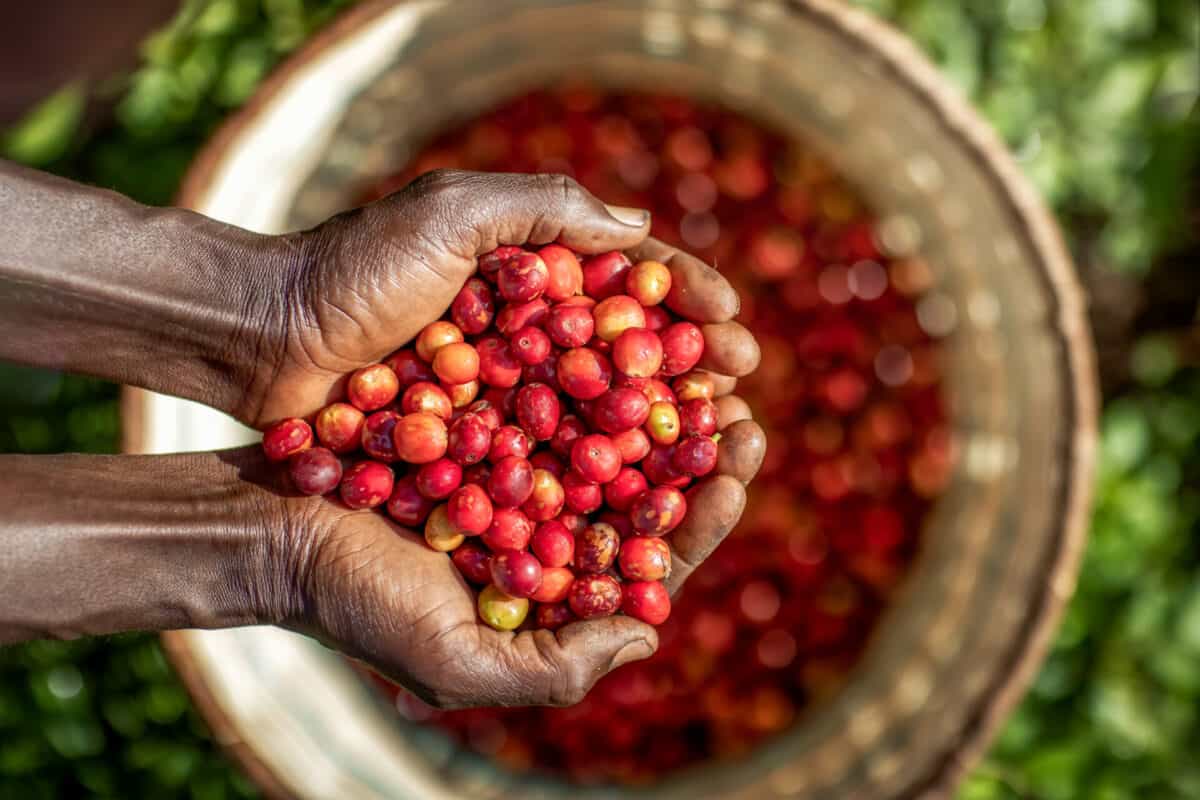
There’s been real improvement. “Over the last year, we can see that the quality is increasing,” Zakiya says, noting floatation data like the percentage of sinkers to floaters. Great Rift also runs a seedling exchange program, allowing farmers to trade cherry for subsidized plants – another step in building long-term, two-way partnerships. “If the quality is better,” she says, “there’s always a market.”
Learning the Hard Way
Learning the Hard Way
Despite Great Rift’s growth, navigating Kenya’s coffee sector hasn’t come easy, especially as a young woman trying to make her way through a male-dominated industry. “In the UK obviously you still kind of felt marginalized as a woman but like not to the extent as when I came here. It was ridiculous,” Zakiya says. “Like what is going on? Like people aren’t even listening or taking [me]… just completely disregarding you.” Her frustration mirrors systemic inequities. Despite contributing 60-80% of labor on Kenyan coffee farms, women own just 5% of titled land and rarely lead cooperatives according to the World Bank.
She also ran into Kenya’s confusing licensing system, where information is scarce and often conflicting. “Technically, as a farmer, as long as you have a grower code, you can sell your coffee, you can export it, you don’t actually need an export license,” she explains. “Which again, no one knows.” What frustrates her most is the lack of transparency. “People don’t tell you… they’ll love to tell you how to manage your farm, but when it comes to actually trying to make money… they’re not that forthcoming.”
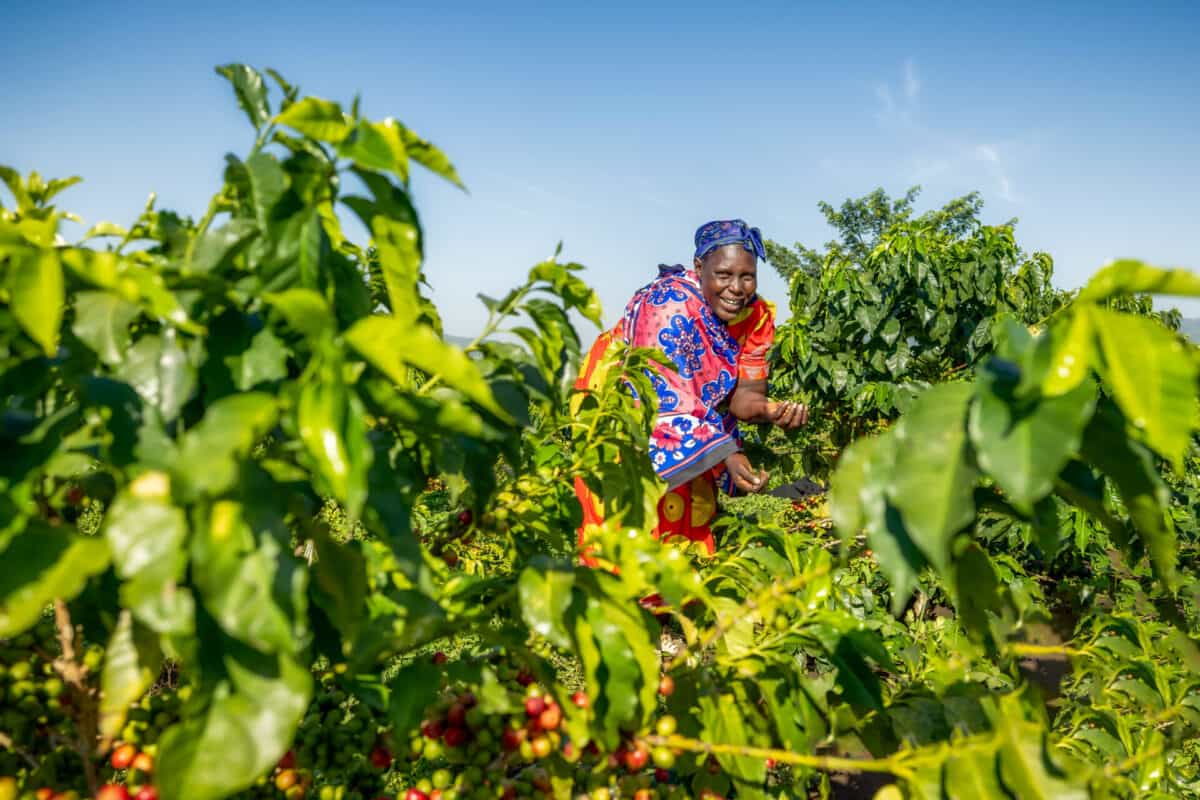
She’s skeptical of the system’s motives. “I think they probably don’t want farmers to sell directly because I would say that probably doesn’t suit them.”
Even within her own company, shifting the culture took work. “When I came there were no women. I was the only one. So when I became a decision maker, I said, this culture needs to change.” Part of that commitment to supporting young women has included sponsoring high school education for the top-performing girl in her county each year – a program that’s been ongoing for the past four years.
Still, she hasn’t done it alone. Sidney from Lot 20 – also a producer working on TYPICA’s platform – became a key early ally. “Me and Sydney have done a few exports together. So my first one, he kind of held my hand, helped me with that. And some of our processing techniques, Sydney’s really helped us a lot with..he’s definitely pushed us in the right direction.”
The Future of Great Rift
Looking ahead, Zakiya hopes to build more than just a successful coffee estate – she wants to reshape how the next generation sees coffee. “We wanted to set up a youth cooperative,” she says, “people below 35 who might not own a farm but at least manage maybe their parents’. That was kind of what we’re looking towards.”
She’s also working to bring coffee closer to the people who grow it. Great Rift already roasts high-end lots for hotels and restaurants, but she wants to go further. “We do want to do more lower-end coffee for farmers so they can actually enjoy their own coffee… some of them have small cafes that they can sell their own coffee.”
Sustainability, too, is a priority but on realistic terms. “We started moving one block towards organic… It’s very difficult, to be honest.” Water use, mulching, manure procurement – all require both time and resources. Still, Zakiya remains committed to showing farmers what’s possible. “Let’s start with one block. We’ll show farmers kind of, oh look, you can do this too.”
For someone who never planned to stay, Zakiya has become the kind of leader the industry didn’t know it needed – not just expanding land or volume, but carving space for transparency, experimentation, and a future where farmers, especially young ones, as a real possibility.