







Real Friendships Through Coffee: Seeing the People Changes the Mindset
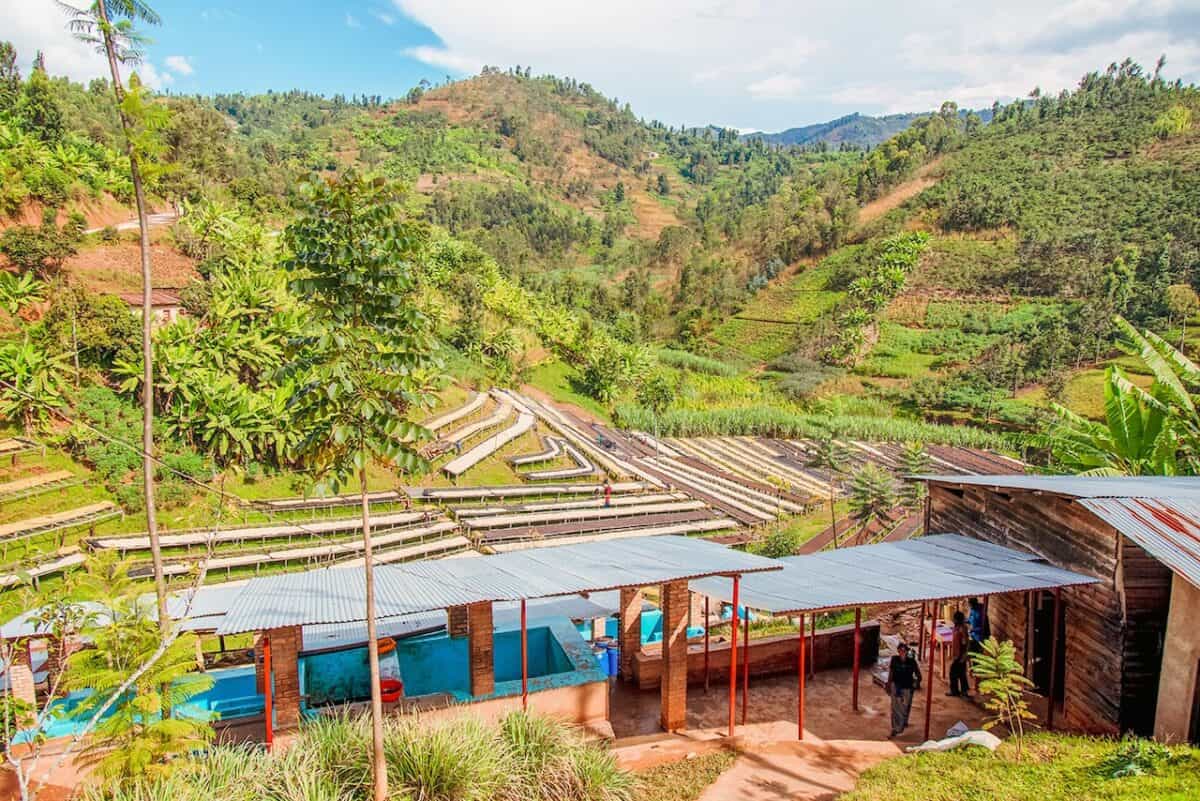
In Rwanda’s southwest, near the shores of Lake Kivu, Gasharu Coffee has been working with farming families since its founding in 1976. Today, the family-run company partners with more than 2,000 producers, operates two washing stations, and exports to Europe, North America, and Australia.
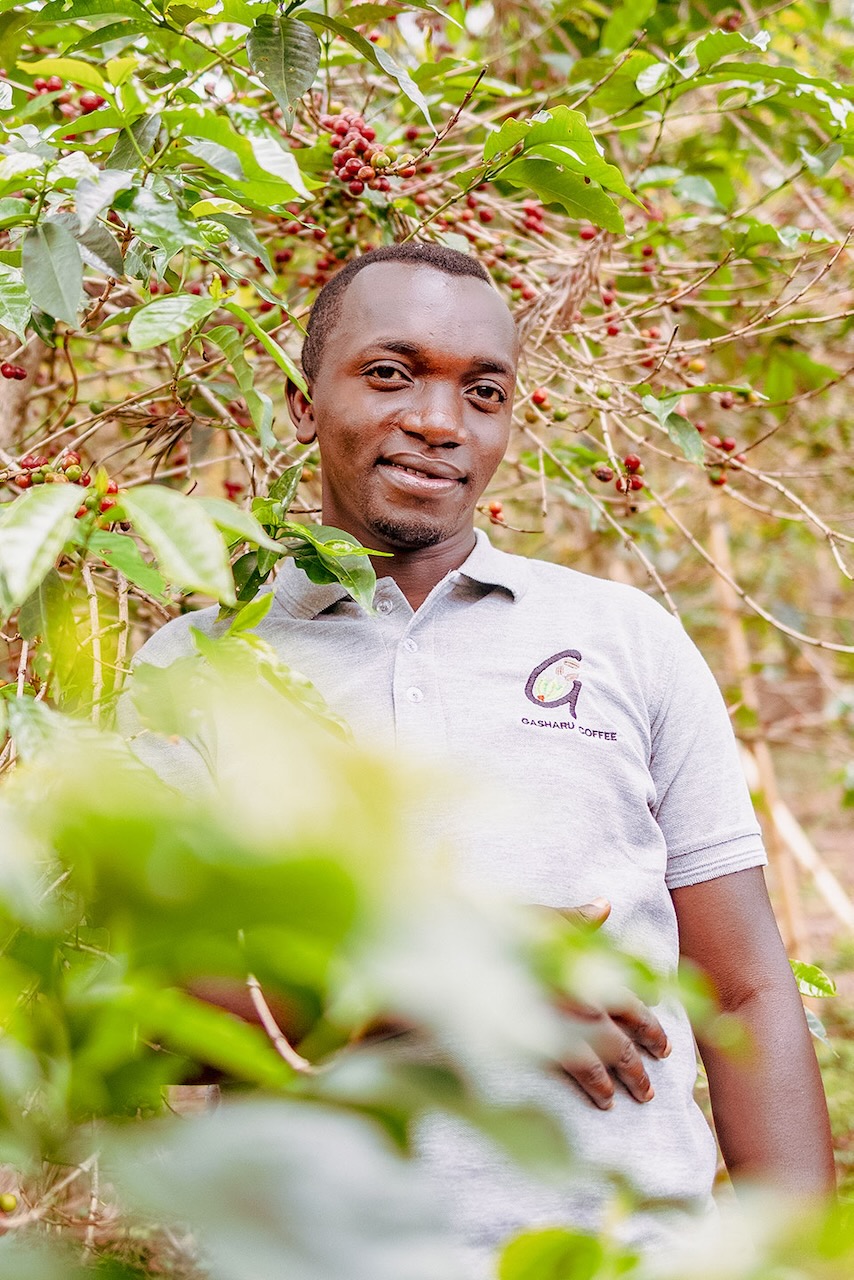
Valentin Kimenyi, the fourth of 9 children of founder Celestin Rumenerangabo, joined the business in 2016 after earning a university degree in agribusiness and rural development. Having long observed how swings in global coffee prices destabilized livelihoods, he came to believe that specialty coffee could generate added value and foster sustainable relationships in international markets.
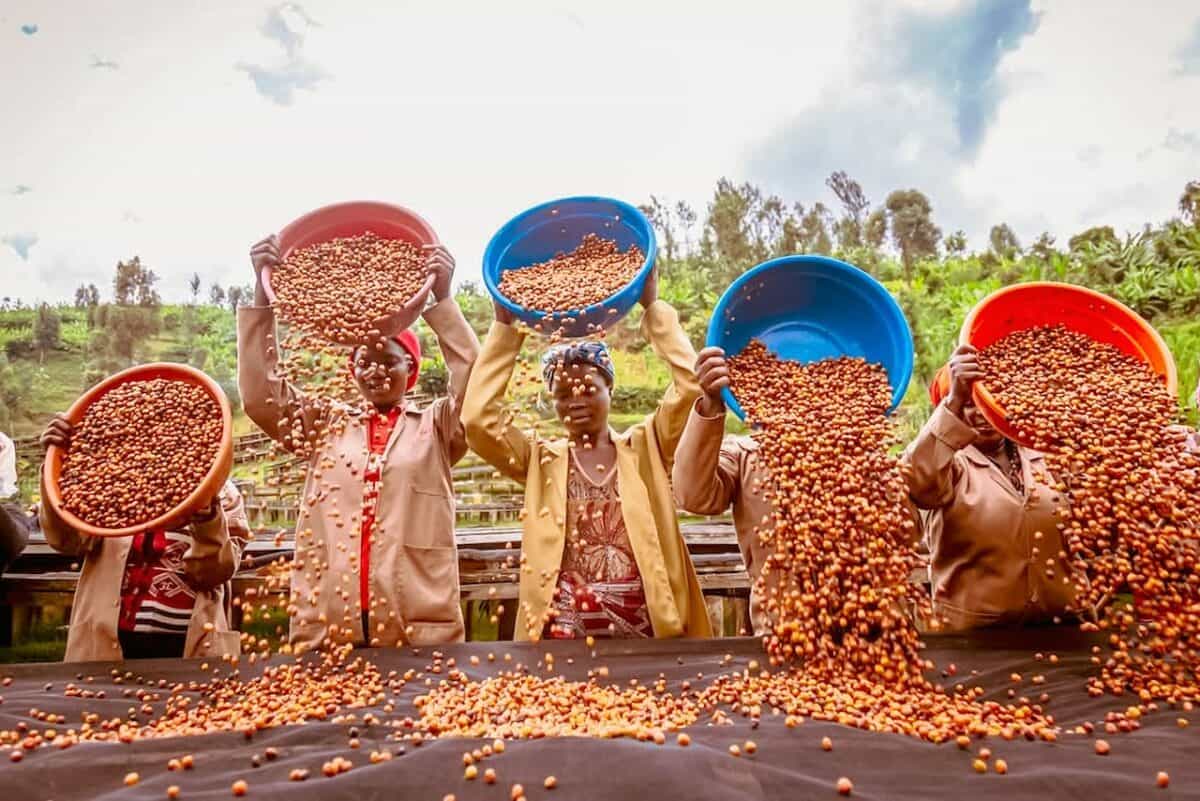
Patient, steady outreach bore fruit. In 2019, Gasharu began exporting directly, increasing shipments, especially to Europe, while developing naturals, honeys, and experimental lots. With Valentin steering quality control and customer relationships as managing director, exports of specialty coffee reached about 15 containers in 2024. For him, however, the meaning of coffee lies beyond numbers.
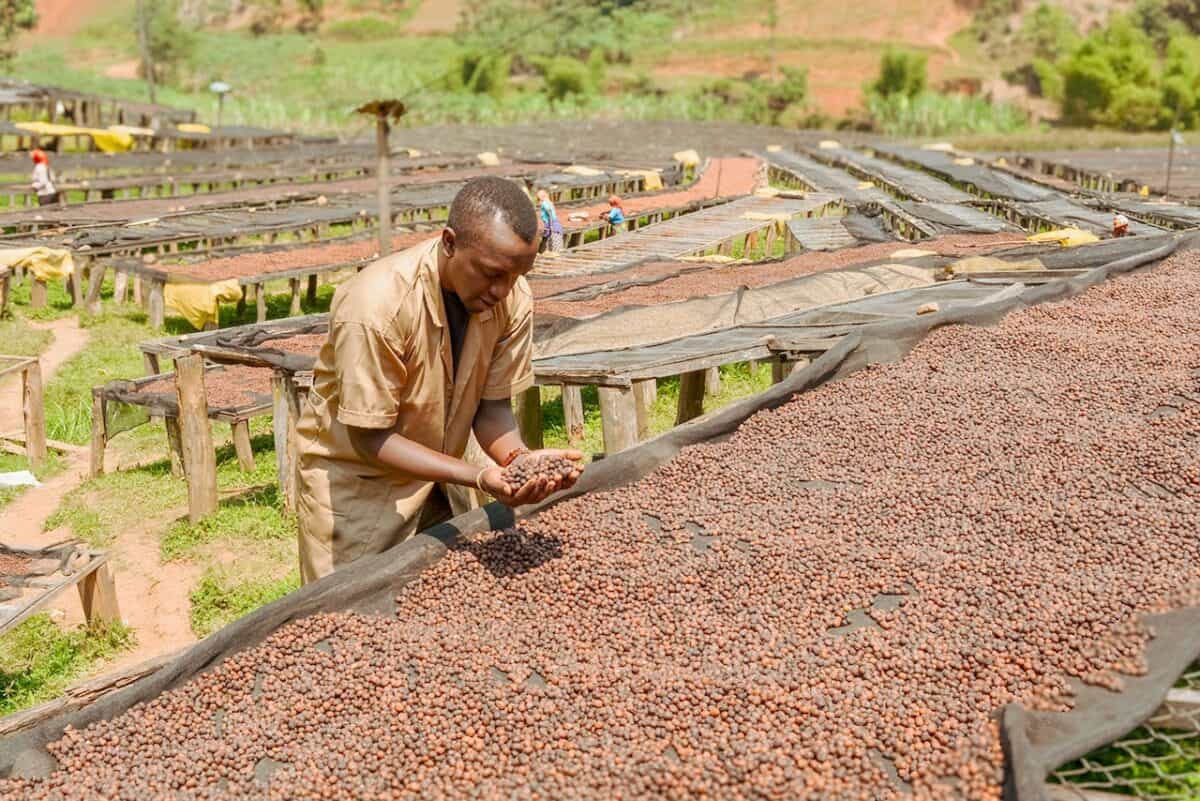
From subcontractor to recognized producer
Raised by a single mother, Celestin left home at 14 to work as a live-in domestic helper in Kigali. After three years, he declined his employer’s offer to adopt him, returned to his village, spent his savings on land, and planted 380 coffee trees. By 1978, he was buying cherries from neighboring farmers and selling them to traders. With the addition of a hand-cranked pulper and a network of collection sites, the business gradually expanded.
For Valentin, growing up in this household meant coffee was part of life from the beginning. As a teenager, he saw his parents struggling with international price volatility. Determined to update the family business, he studied agribusiness and rural development at university.
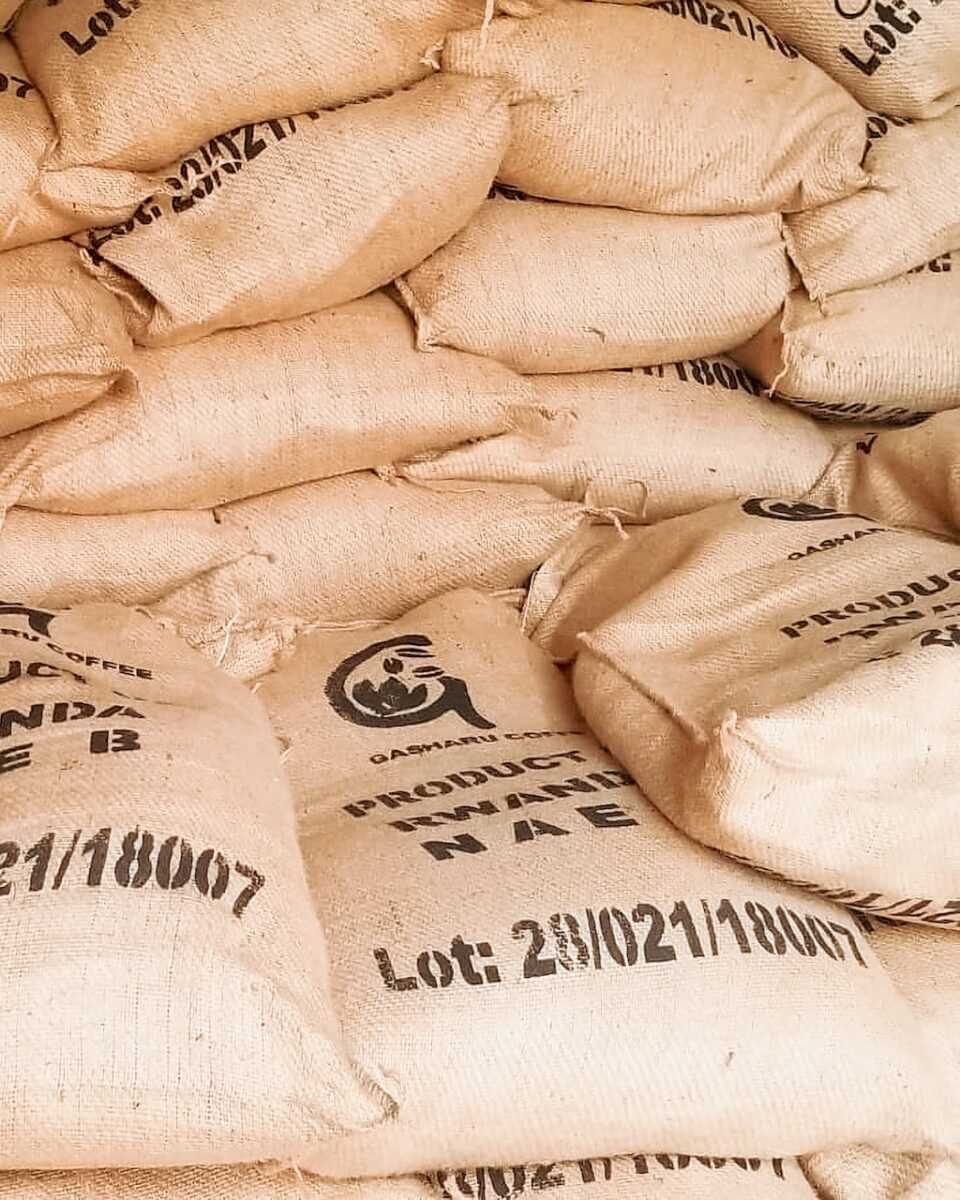
At the time, Gasharu sold most of its coffee to a major domestic exporter. Margins were thin, cash flow was tight, and after years of strain the company was forced in 2012 to sell the washing station it had built in 2006 to that exporter. The experience made painfully clear that the business model was unsustainable. If Gasharu was to survive, it needed direct access to overseas buyers.
When Valentin joined, he saw just how invisible the company was. Roasters visiting through tours arranged by large exporters and importers would praise the coffee, but Gasharu could only sell through those intermediaries, who hid the name “Gasharu” and marketed the beans under their own brands. It was a subcontractor’s role, with no way out.

Cultivating genuine relationships
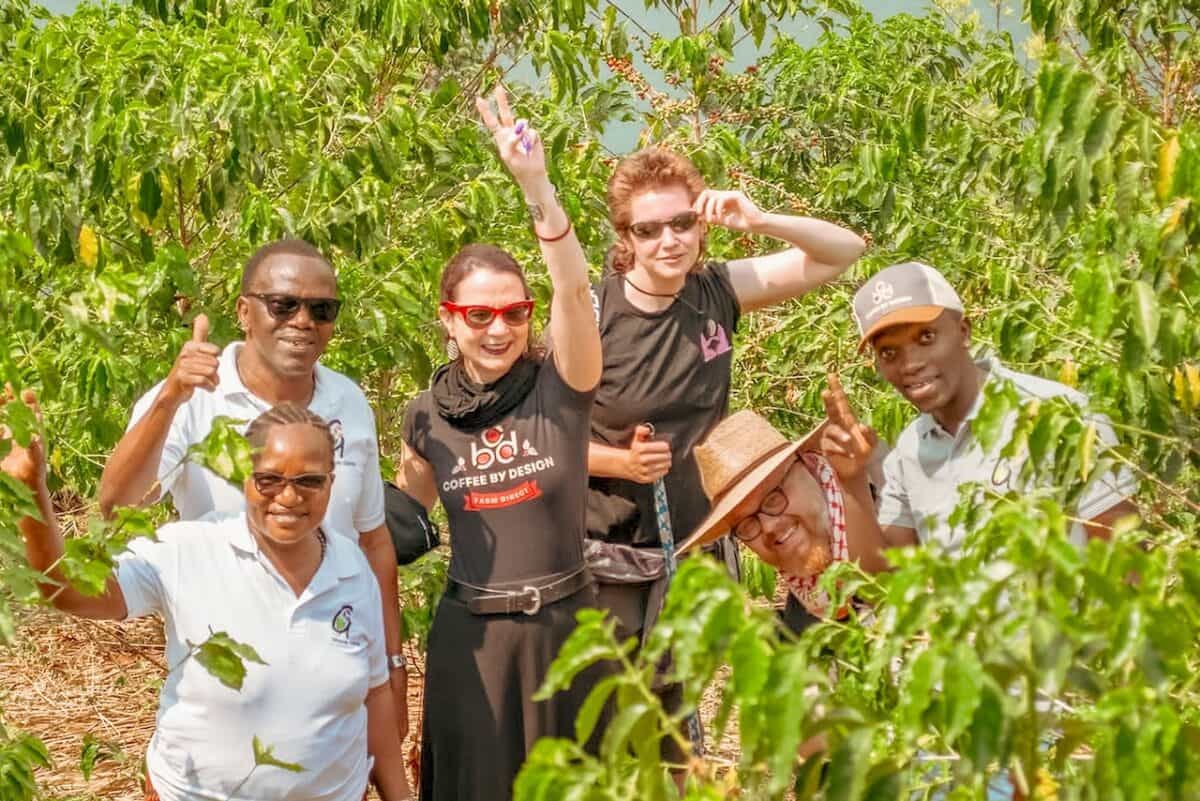
To change that, Valentin began contacting buyers and end users directly by email and social media. His main goal was feedback, using it to refine quality and to try processing methods based on customer requests. The stronger the exchange, the higher the chance of repeat business.
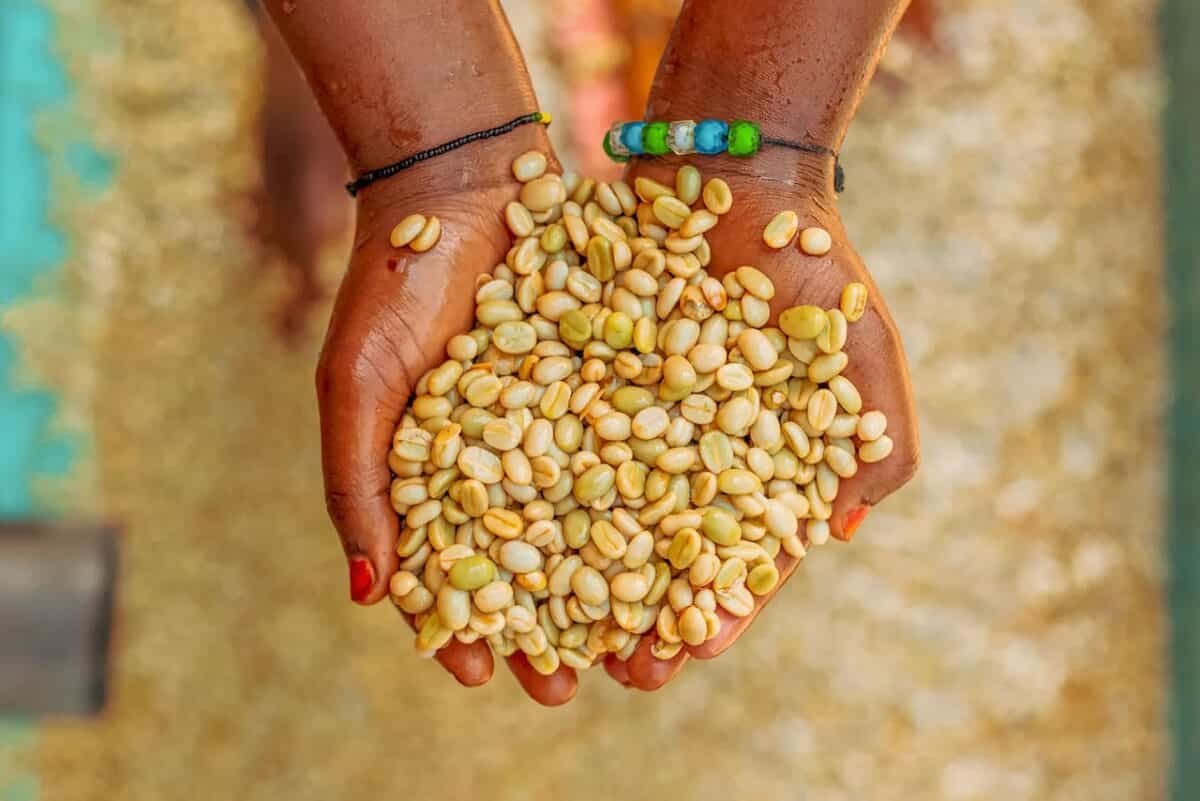
“In our first year of exports, we shipped seven different coffees, and the positive response gave us great confidence,” he recalls. “Of course there was negative feedback too, but that’s welcome. If all you hear is praise, you stop evolving. What matters is to listen to every voice and put it to use.
“For me, long-term partnerships are what count. Even if someone buys three containers the first year, if the relationship lacks stability, it’s not ideal. We didn’t enter the international market just for one- or two-year deals.
“So small initial orders, even just a few bags, are completely fine. The best relationships grow year after year. Just as you never forget the people you grew up with, you don’t forget business partners you’ve grown with.
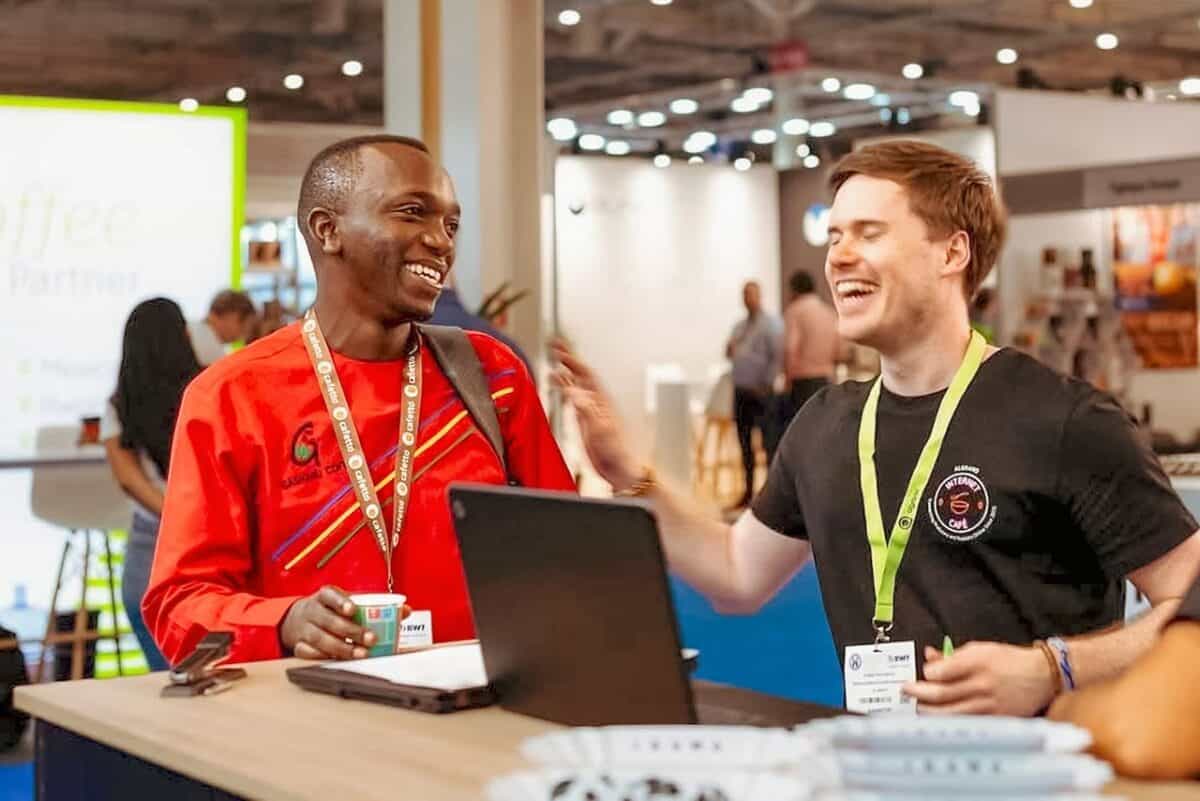
“One of coffee’s real joys is the friendships it brings. When I attend World of Coffee (WOC), I also take the chance to visit roasters in neighboring countries. By now we’re connected with roasters in around 80% of European countries.
“We couldn’t attend WOC this year, but I still received more than 15 messages from friends and clients saying they were disappointed not to see me. One even wrote, ‘I wanted a photo with you to show our customers who love your coffee.’ That truly moved me. To build such genuine relationships, that’s the real appeal of coffee.
“That’s why anyone is welcome at our washing stations, whether they come for business or tourism. A curious visitor may return home and become a customer one day.”
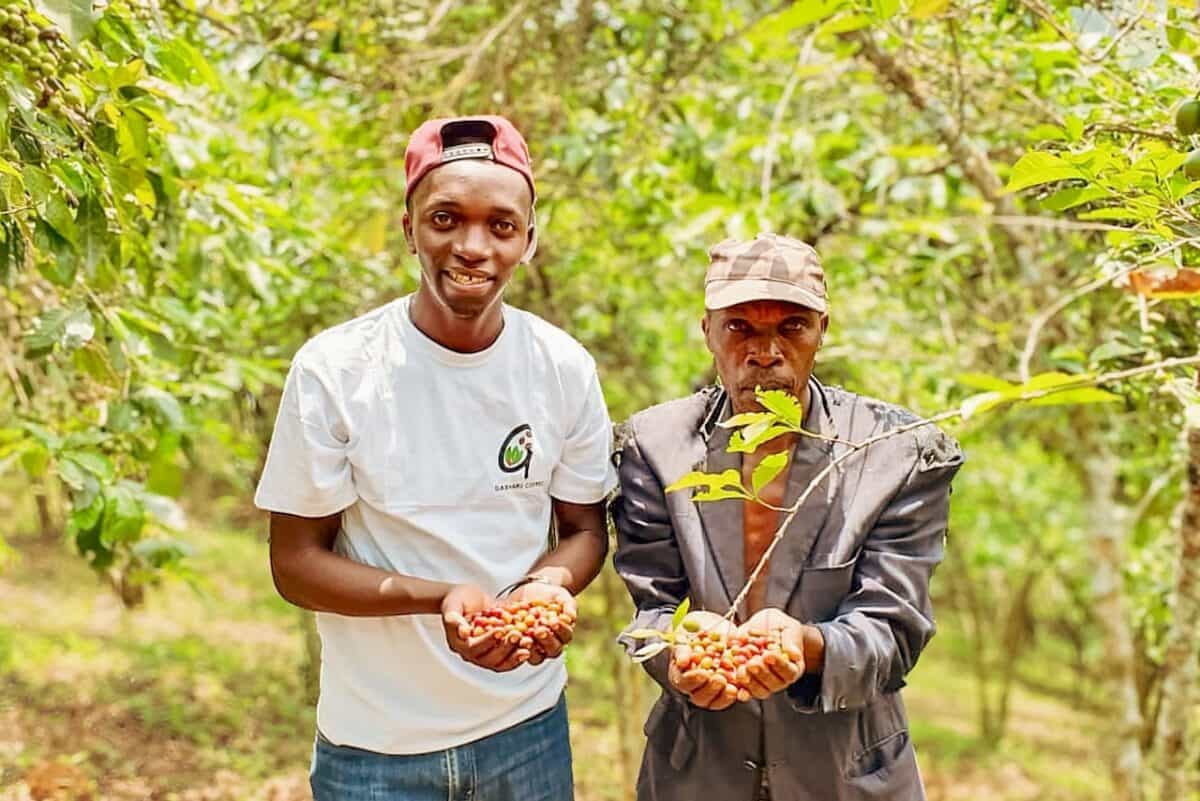
New encounters, new awareness
Gasharu’s ability to expand abroad rests on the foundation Valentin’s parents built over four decades. More than 90% of the farmers they work with today are long-standing partners, many of them families of Valentin’s former classmates. Celestin’s practice of pre-paying for cherries earned their lasting trust.
Even so, rising global prices and inflation in recent years have made farmer retention more difficult. Some producers have been drawn away by higher offers, and Gasharu has had to ask clients to raise purchase prices to maintain stable relationships. Some households have seen improved incomes and living standards, but as Valentin admits, “in terms of our vision, we haven’t even reached 10%.”
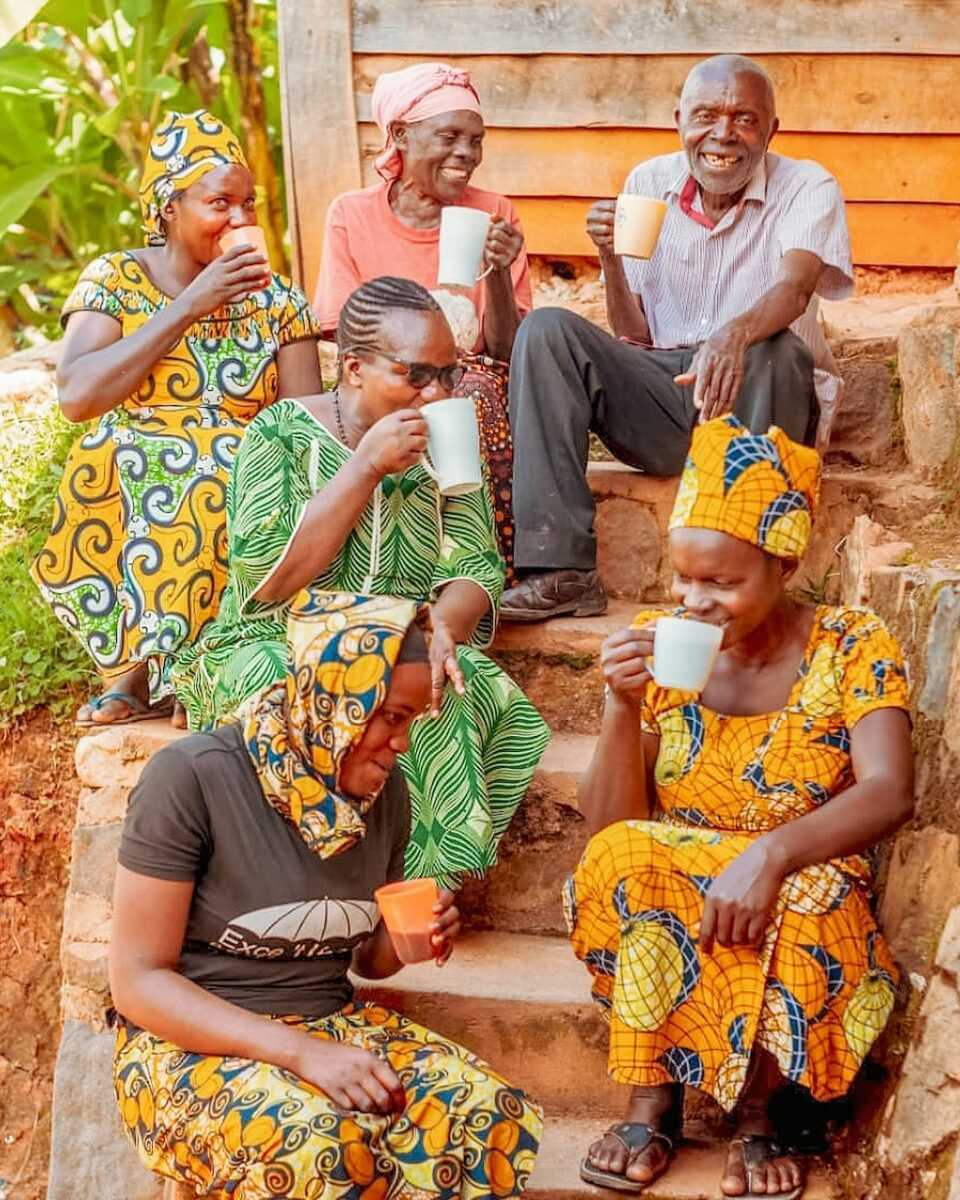
“Most farmers had never even tasted their own coffee,” he says. “In our community it was said that a man wasn’t truly a man unless he had coffee trees, so we’ve always grown coffee, but only as a cash crop. There were even rumors that coffee was used to make bullets. That’s why I now hold small monthly gatherings where we drink our coffee together and start changing that mindset.”
Valentin also creates opportunities for farmers to meet visitors. He introduces them by saying, “This is the person who bought your coffee.” Direct encounters with buyers and drinkers, and the experience of being valued, change how producers see their work.
“When farmers realize their efforts are recognized, their mindset shifts and communication becomes much easier,” he says. “If a buyer requests a 90-point coffee next year, they’ll gladly take on the challenge. To encourage producers to push each other and grow together, we’re now planning to hold our own competition.”
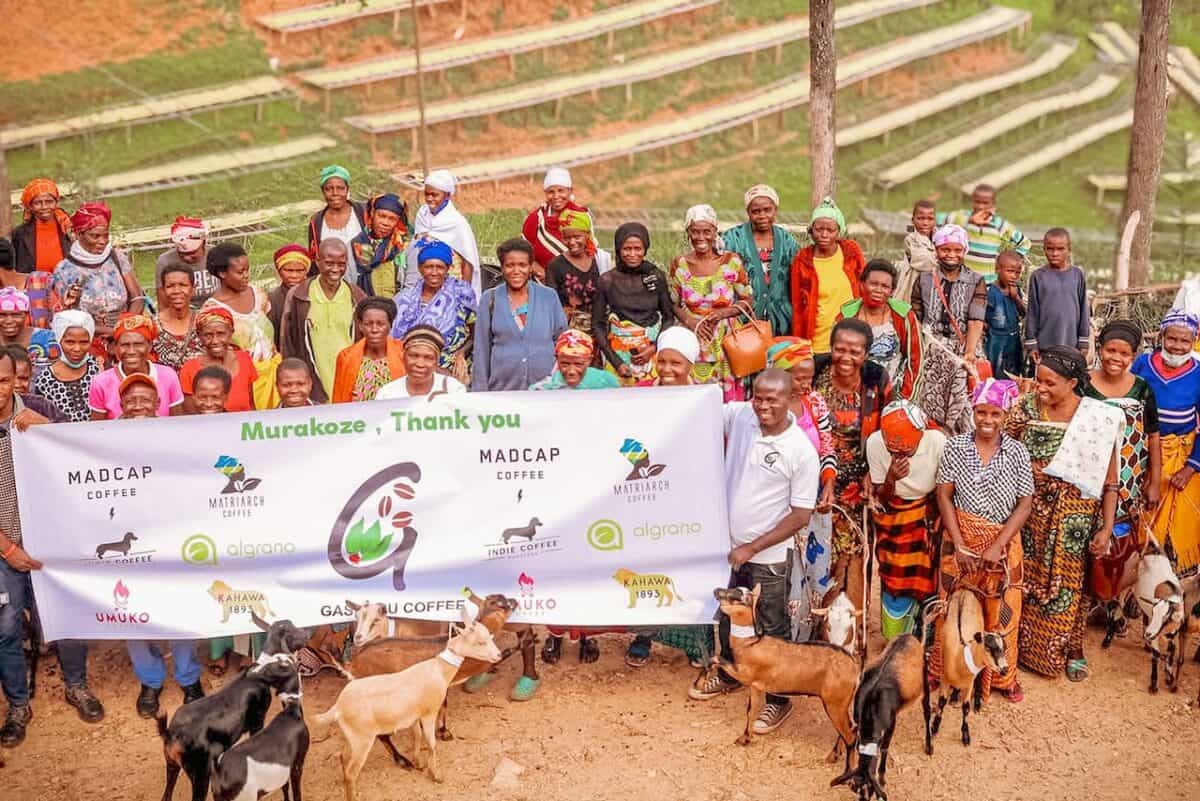
Since 2023, Gasharu has been running a social project that gives goats to women in the community. Framed as a kind of bonus, the program requires recipients to sign a pledge not to sell the goat, but to keep and raise it as livestock. Otherwise the temptation would be to sell it immediately for quick cash. (If the goat gives birth, however, the offspring may be sold.)
“Goat manure produces organic fertilizer,” Valentin explains, “which improves yields not only for coffee but also for household gardens – vegetables, maize, bananas. Today more than 1,000 goats are living with farming families.”
Gasharu also helps cover part of farmers’ health-insurance costs. Both initiatives are meant to support families in moving out of poverty and growing, financially and emotionally. “We’re still only partway there,” Valentin says, “but I believe things will improve. We’ll keep looking for new ways to support our community.”
※ All photos courtesy of Gasharu Coffee.