





A Rare Coffee, A Sustainable Vision
Finca Isabel 2020
We returned to the capital city of Bolivia, La Paz from Caranavi on the last day in Bolivia where we did our last cupping at Juan’s dry mill. Juan had prepared several lots in addition to the ones from the producers we had visited. Among the lots, there were Bourbon Natural and Geisha Natural that were particularly unique.
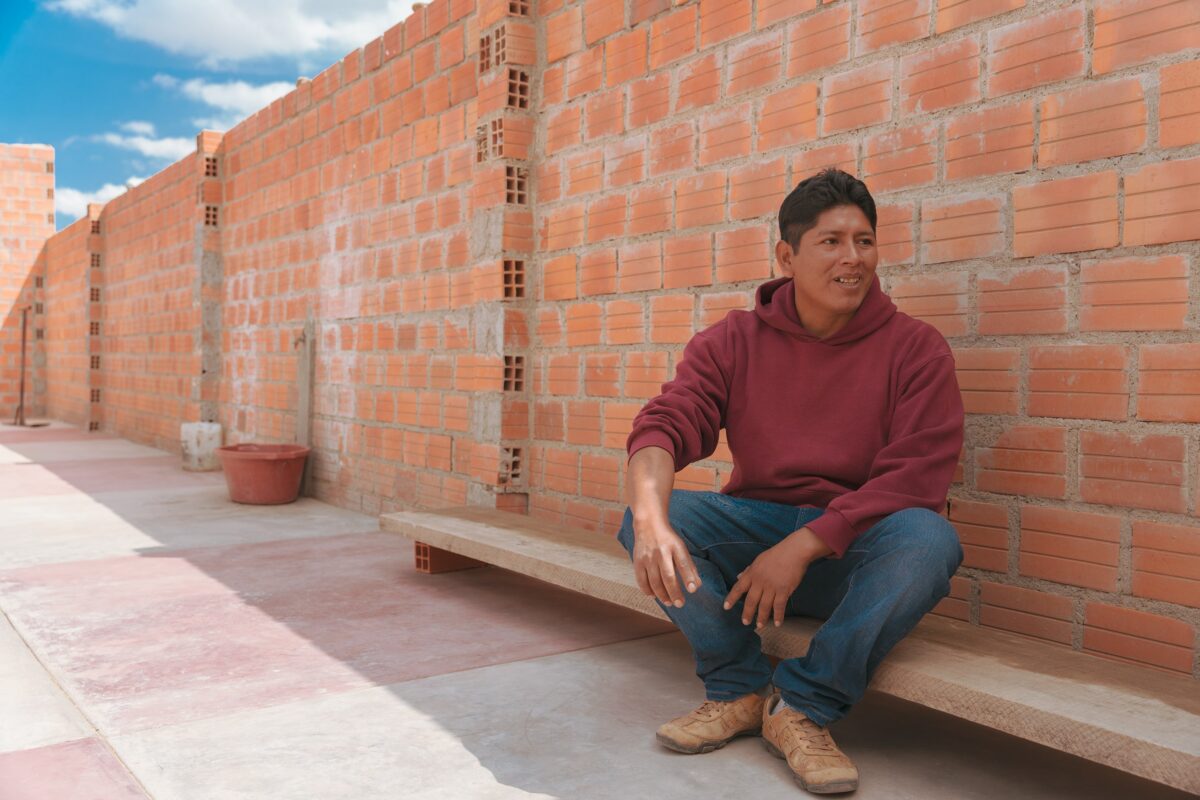
I really wanted to include them in the offer list and asked him about the producers. He pointed to a man who looked like a university student hanging out in the courtyard and said, “That’s him.” That was Fernando.
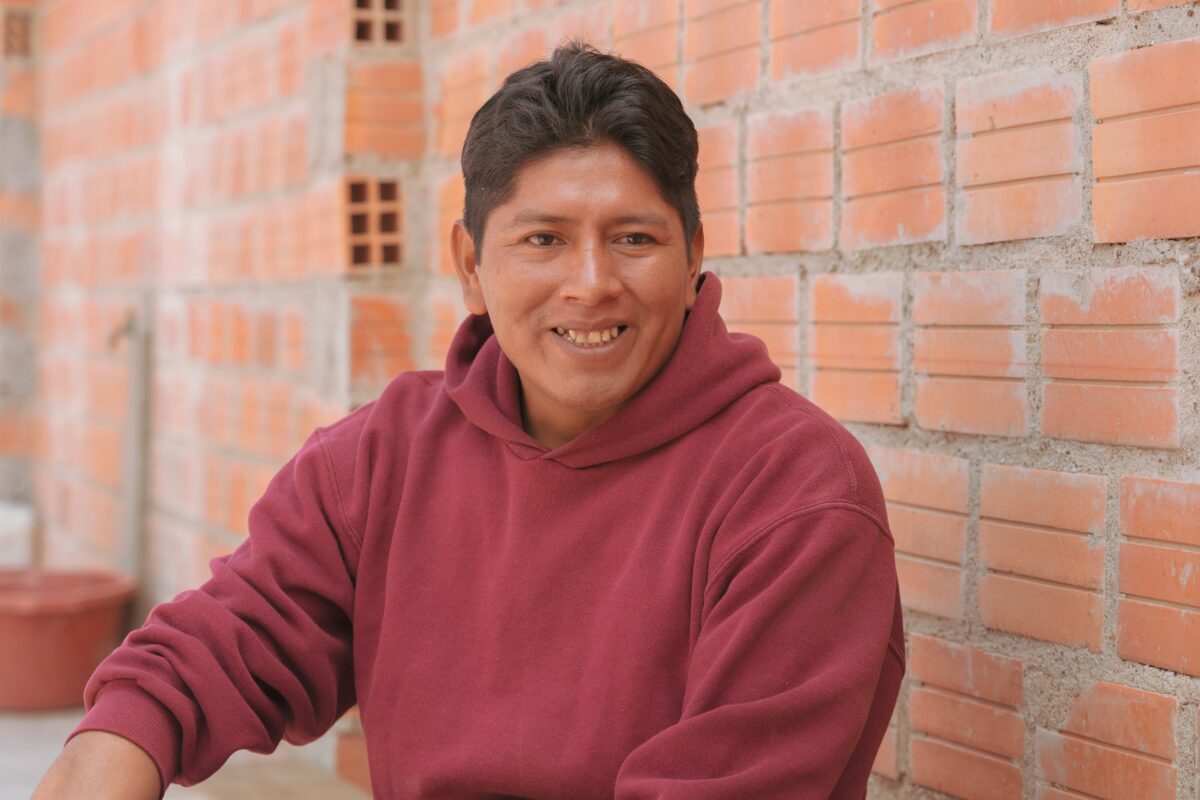
He was wearing a hoodie and jeans and even looked innocent when he smiled, but he was the producer who won first place at the President’s Cup last year. (He also won first place at the President’s Cup held in February 2021 and sold his coffee for about 350 US dollars/kg.) He was there by chance and Juan stopped him saying, “I have a customer coming from Japan.” This is the precise reason it’s worth visiting coffee origins because we have such encounters.
After a cupping session with Juan, I talked to Fernando who was sitting in the courtyard.
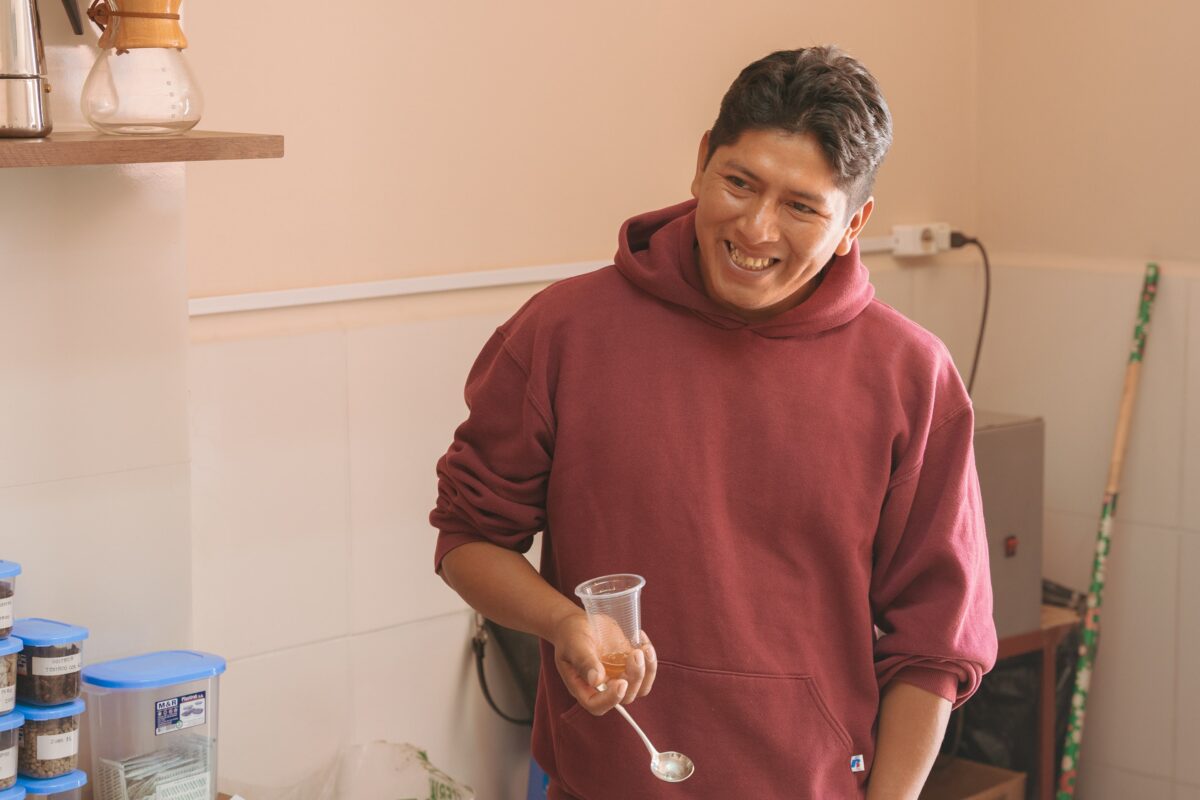
He said, “I was born into a fruit farming family in Caranavi and not coffee farmers. I was interested in agriculture from an early age and majored in Agriculture at the university. As I learned more about agriculture, I realized that I wanted to work with crops that would contribute to Bolivia, so I decided to study coffee production.
The world of coffee was fascinating and the more I learned about it, the more I was drawn to it. When I was looking for a place to study abroad to further my coffee education, I met Mr. Price Peterson, the owner of the most famous coffee farm in Panama, La Esmeralda.
Mr. Price invited me to come and work at La Esmeralda after I graduated from the university. Thanks to him, I could also start a family in Panama. I still missed Bolivia, so I bought a small plot of land five years ago and started a coffee farm.“

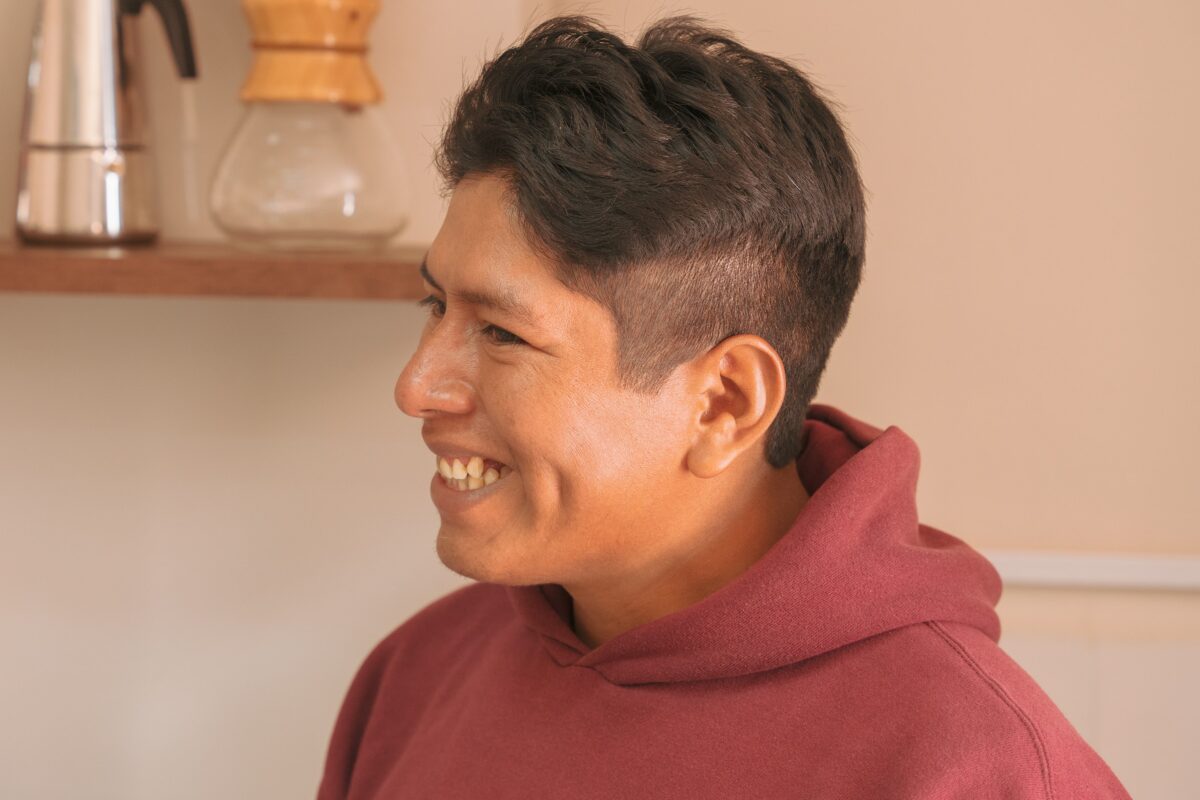
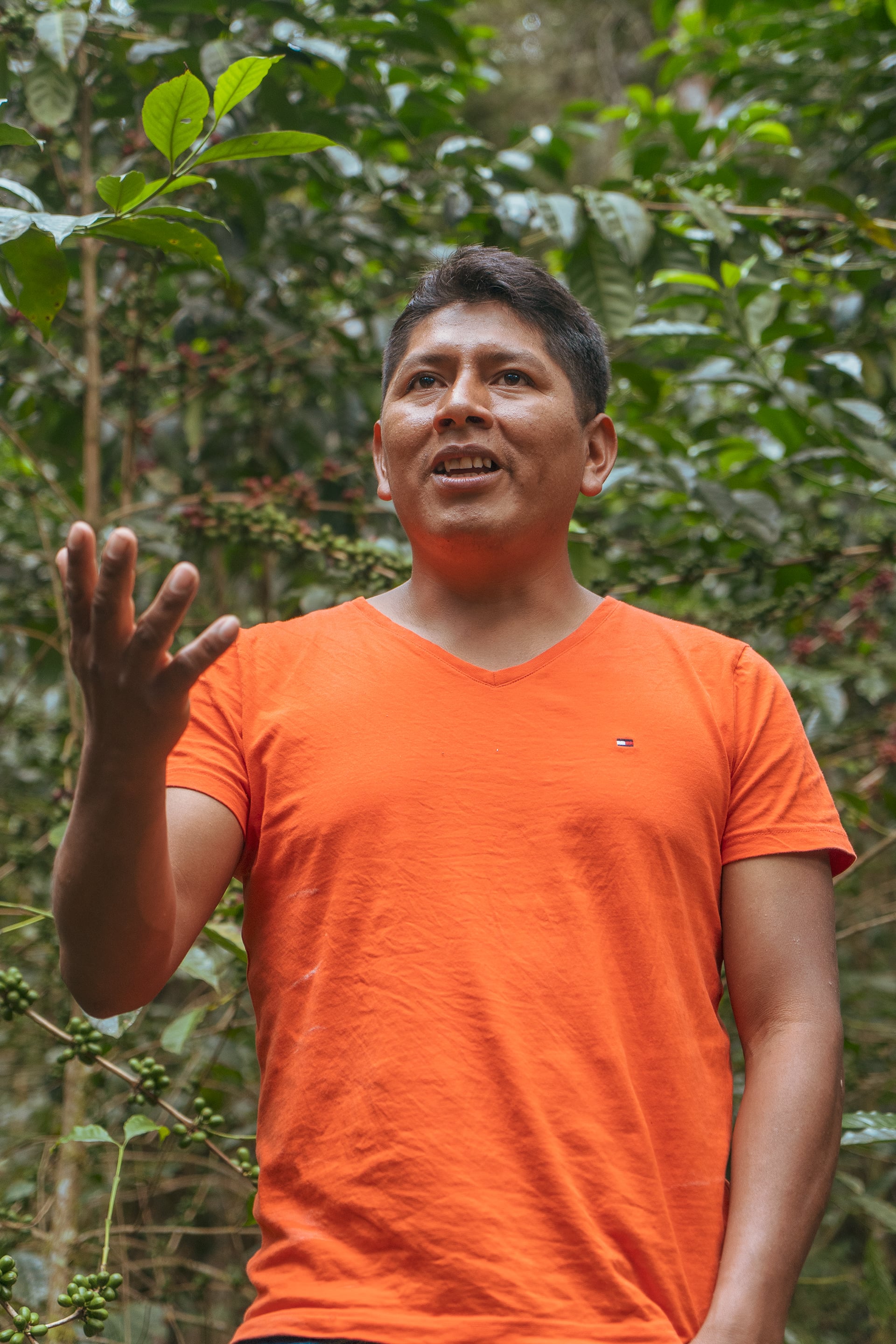
“Our farm is integrated with the forest and we grow our coffee while keeping the native plants and animals that live in the forest intact. In the beginning, I was told that I would never be able to grow coffee here, but I didn’t let preconceptions get in the way, and I have come this far.
What I am focusing on is researching varieties. For example, the Geisha harvest time coincides with the rainy season at my farm and there is a risk that the cherries will not be in a good condition, but by improving the variety, we can harvest them before the rainy season. We brought an unnamed variety from Costa Rica and crossbred them with Geisha. We keep experimenting with varieties and processing methods like that, so this year we will have twenty different nano lots.“
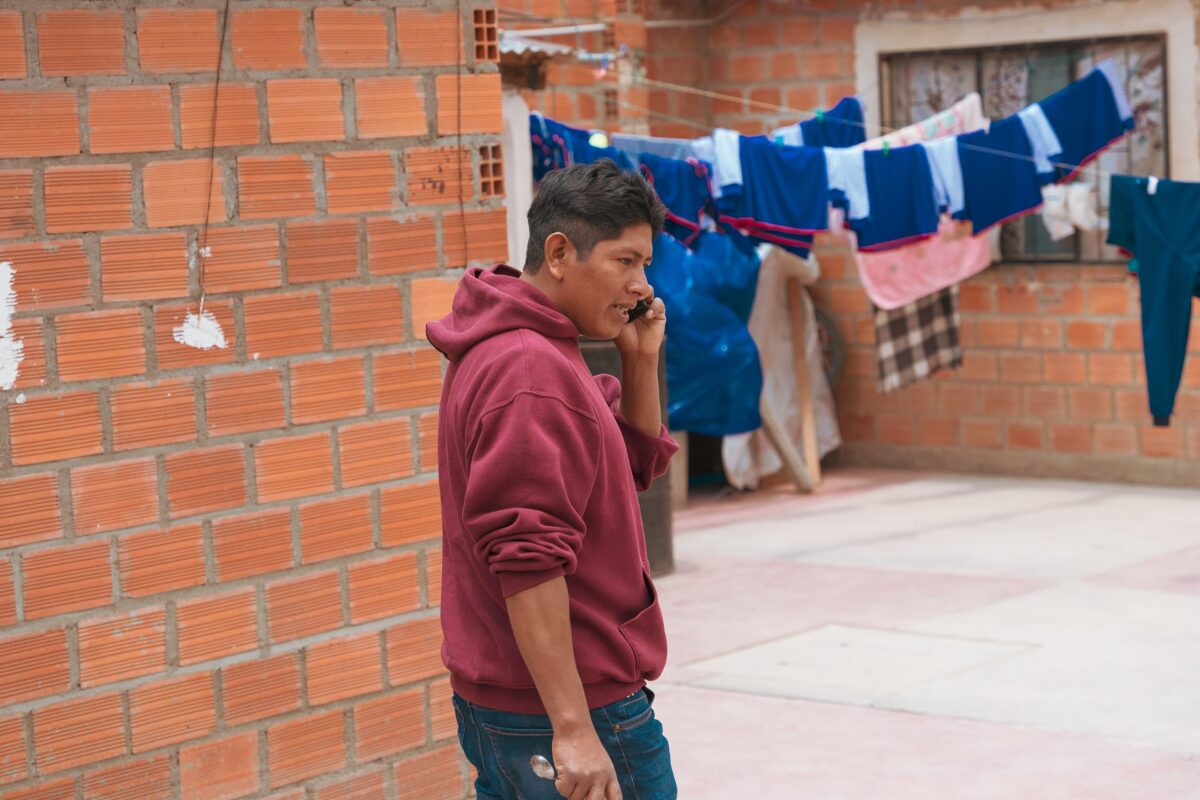
When we finished the interview and talked about our specific offer, Fernando said, “I’ll discuss it with my wife,” and quickly started calling his wife. Fernando is a very reserved man, competing under the name of his young son in the competitions, and only peeking out from behind his wife’s shadow at the recent online event. Today, he is probably still working on his enthusiastic research and creating many super lots that will surprise the world. We can’t wait to see what the next crop will bring to our coffee experience.
Finca Isabel 2021
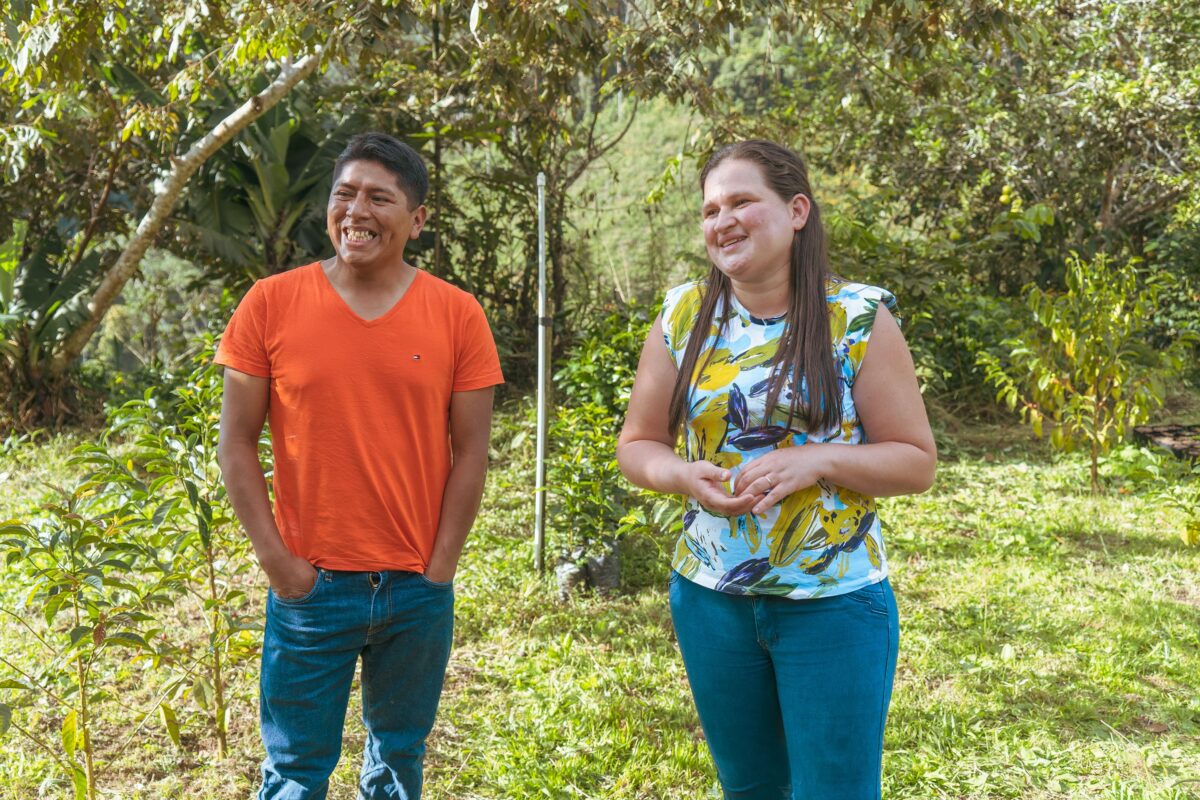
This year, we had the opportunity to visit Finca Isabel for the first time. Nestled deep in the mountains, the farm is run by husband and wife duo Fernando and Gabriela.
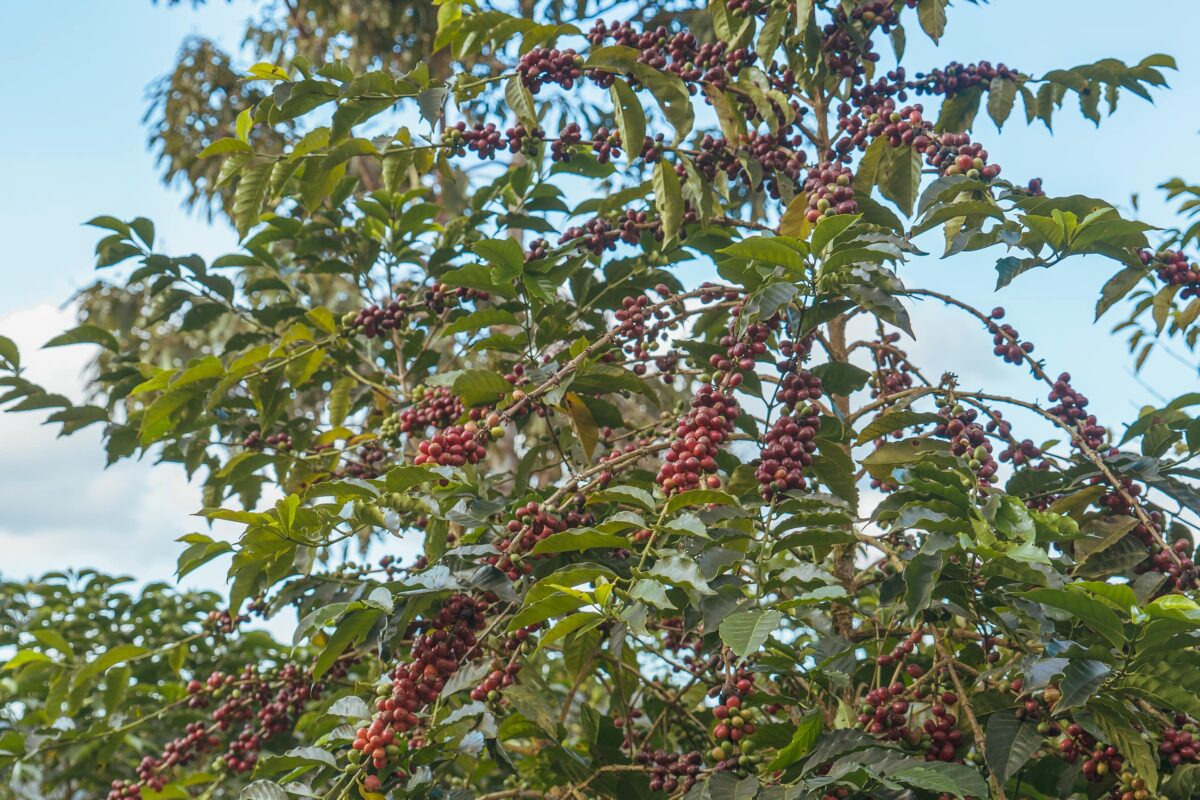
Established in 2015, the farm is divided into small plots, each with its own name, Rosario (“shed”), Naranja (“orange”), and so on. It feels a bit like walking through the vineyards of Burgundy. The coffee they grow here is exceptionally high in quality, and exceptionally low in quantity. Every cherry is cultivated and exported with the utmost care. During our visit, we got a glimpse of the extraordinary attention and philosophy that define their work.
As we walked the farm, Gabriela began to share their story.
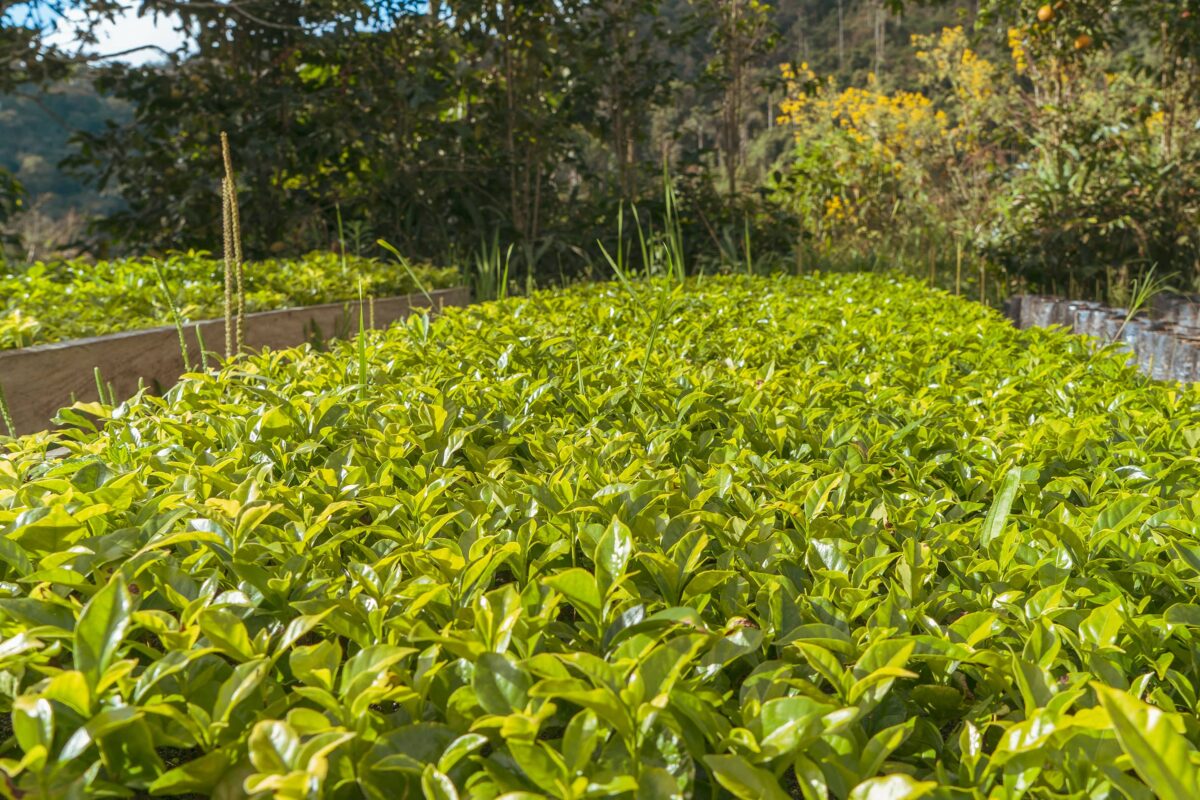
“When we started, we replaced the native Caturra with Geisha and Bourbon. The Geisha we use comes from CATIE, an agricultural research institute in Costa Rica, and is very close to the original Ethiopian strain. A pure Geisha, the kind you rarely see on the market. We also cultivate our own variety. We call it Laurina, and we take care of it like it’s our baby. When the seeds first sprouted, we surrounded them with newspaper to keep them safe.”
Their exploration of varieties continues today, including original hybrids. But having great genetics alone isn’t enough. It’s only when the variety matches the local soil and climate that truly great coffee emerges.
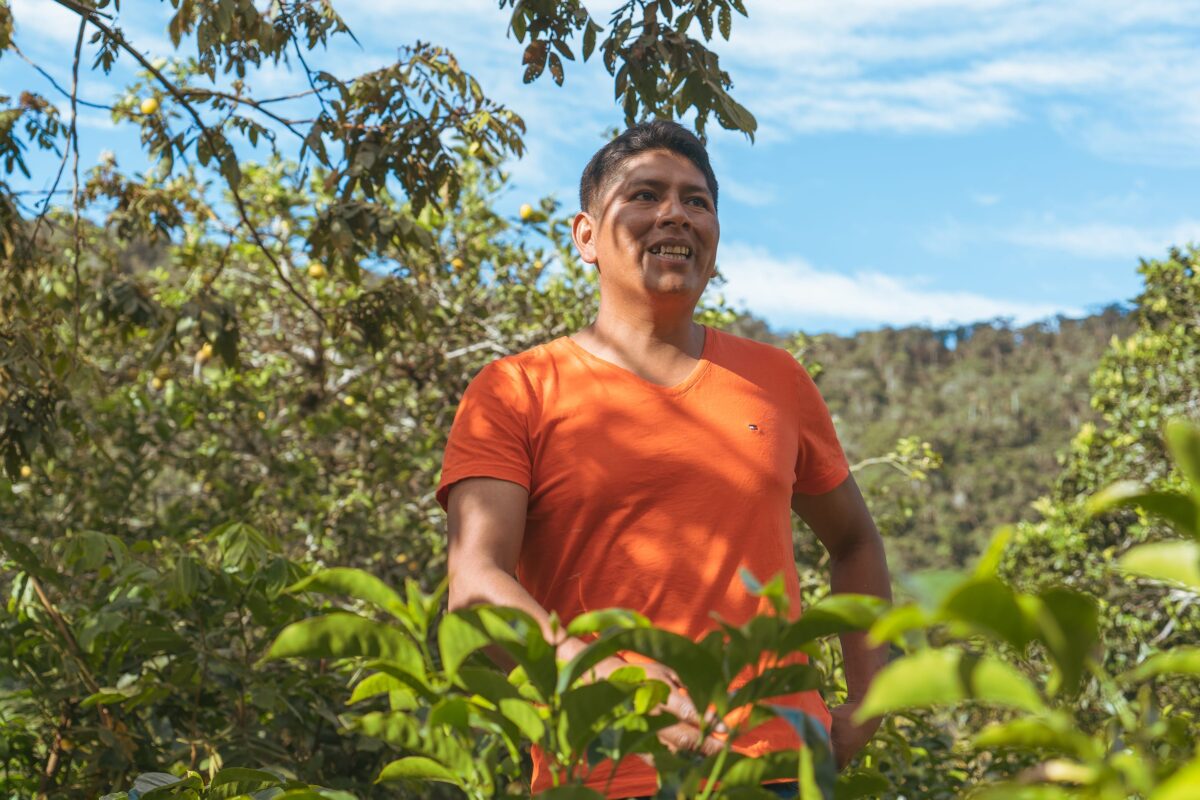
Their approach to harvesting also stands apart. Most producers pay pickers based on the weight of cherries harvested each day. But Fernando and Gabriela do the opposite – they tell their pickers, “Today, please harvest only this many kilos.” That way, the pickers focus on selecting only the very best cherries. They also hire only two specific families to pick their coffee, not a rotating pool of laborers. To ensure precise timing, they don’t just judge ripeness by color – they share their target Brix values (sugar content) with the pickers. “If I were the one picking,” Fernando laughs, “they’d probably scold me for not being careful enough.”
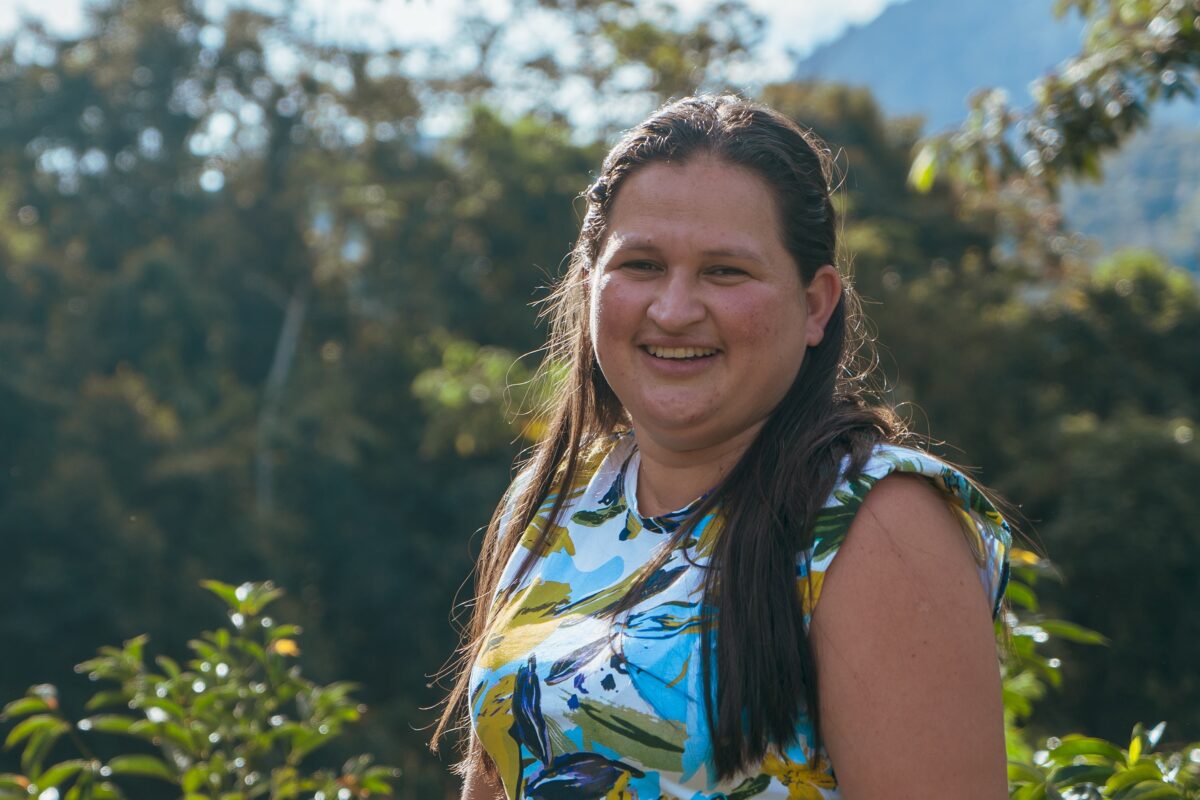
Their passion for quality is deeply rooted in their respect for nature.
“We even process beans we collect from coati droppings,” Gabriela told us. “Our pickers know exactly where to find them. Not just coatis, we also collect seeds dropped by birds. After all, animals know best which cherries are most delicious. It’s one of the ways we coexist with wildlife. We preserve the forest so they have a place to live. On hot days, birds come to rest in our trees.”
They’re committed to farming in harmony with nature, and they’re studying how their approach can be applied elsewhere. Working with the natural environment without relying on chemical inputs or expensive equipment also helps reduce costs. “Our coffee is for people who love the natural world,” Gabriela says.
Fernando, shy and scholarly, and Gabriela, cheerful and outgoing, are a perfectly balanced pair. Despite having won first place at an international coffee competition, they continue their quiet pursuit of excellence in a remote mountain region. Behind their rare and elusive coffee lies a vision of a truly sustainable world. We know we have much to learn from Finca Isabel.
“If I hadn’t gone to see Juan that day,” Fernando said with a smile, “You and I never would have met.” We want to honor our beautiful chance encounter by taking the time to truly engage with their coffee.