





Without nature, there is no coffee. Always stay humble and give your best
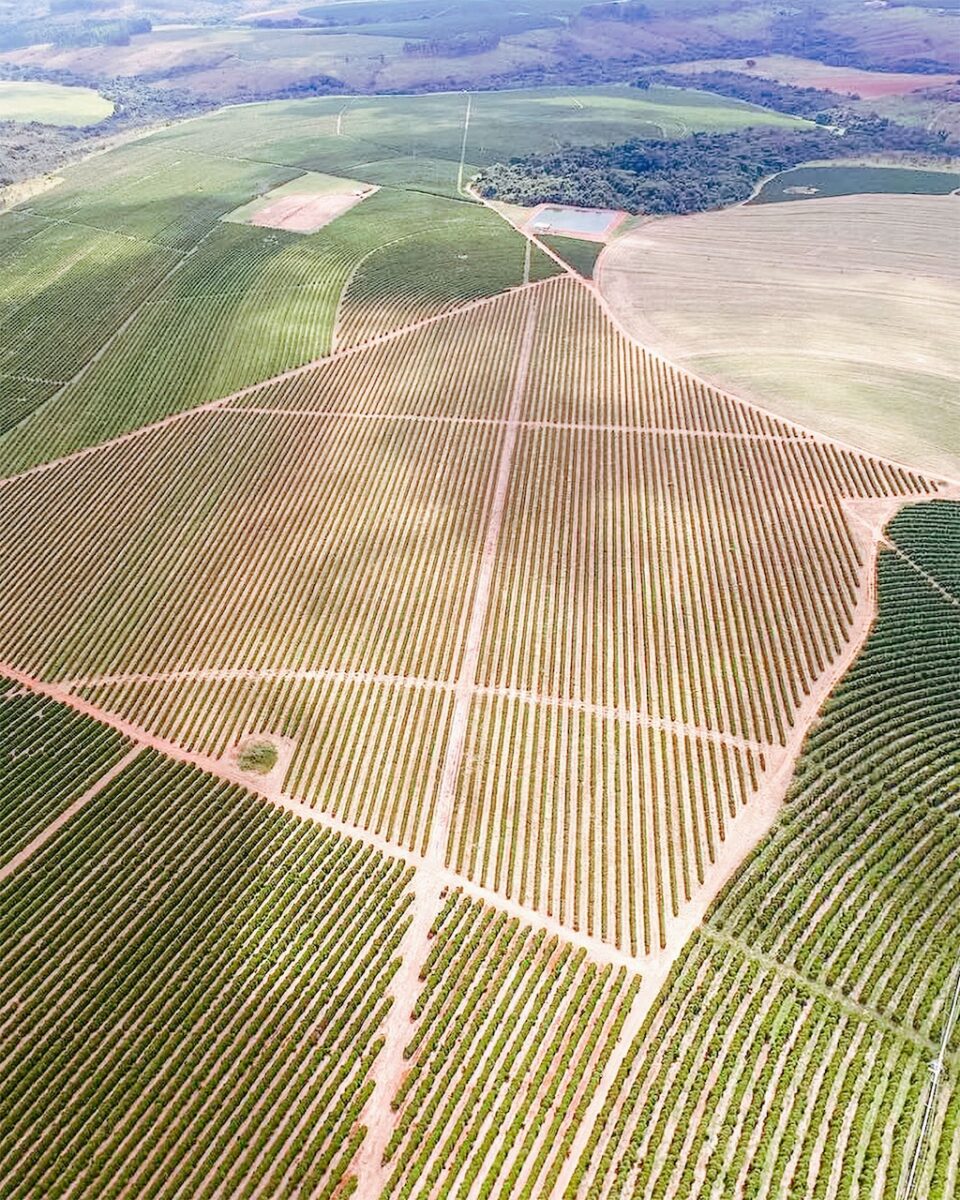
Coffee is sensitive to heat and drought, and thrives best when surrounded by forests and trees. Sustainable production and quality improvement can only be achieved by working in harmony with the environment. Especially in the case of specialty coffee, protecting the environment often leads directly to higher profitability, which is why sustainability initiatives tend to be more advanced compared to other crops. In fact, under Brazil’s Forest Code, coffee farms are legally required to preserve a certain portion of natural forest—20% in most regions.
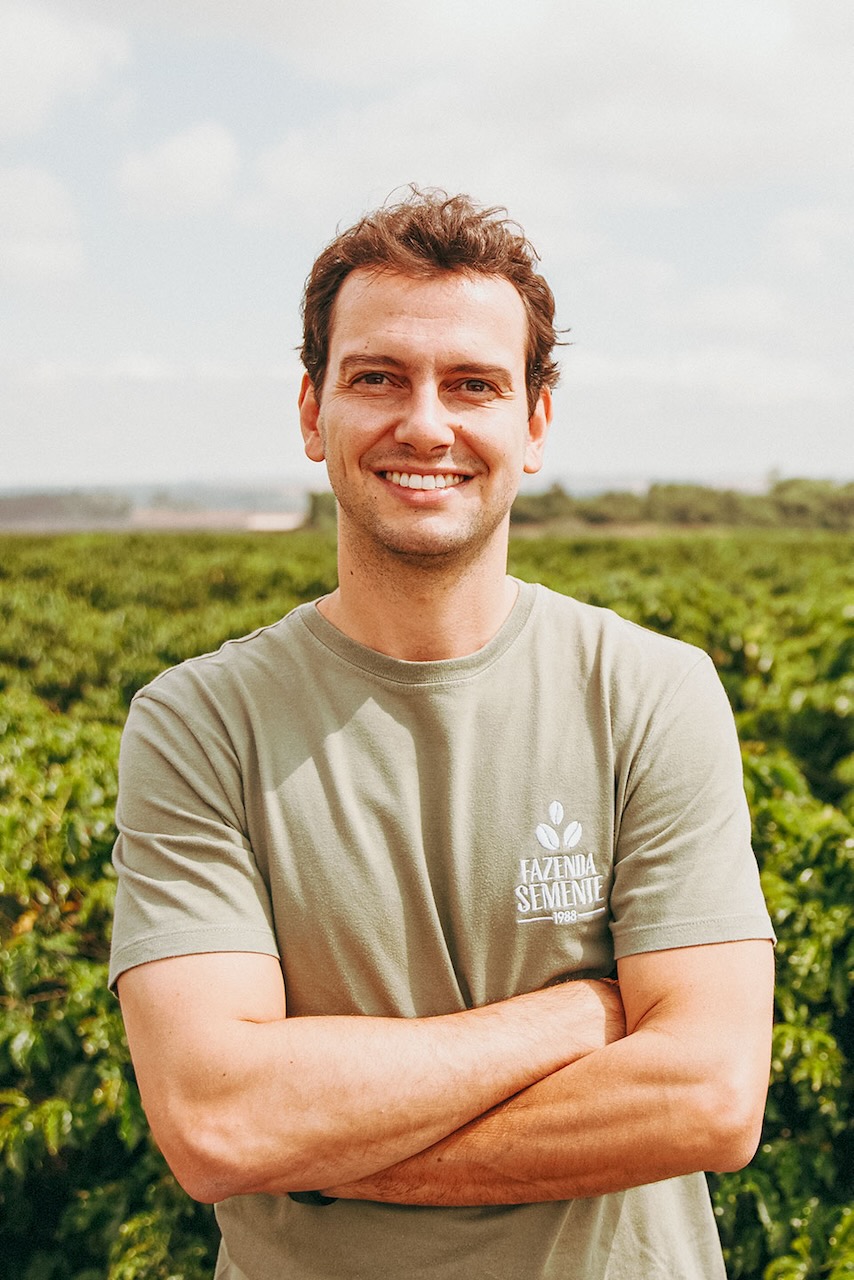
Against this backdrop, Fazenda Semente, located in Patrocínio, Brazil, has taken a leading role in environmental stewardship and has earned six certifications, including Rainforest Alliance and 4C. One of its most distinctive initiatives is the creation of an ecological corridor. José, who oversees the farm’s overall management and finances, explains:
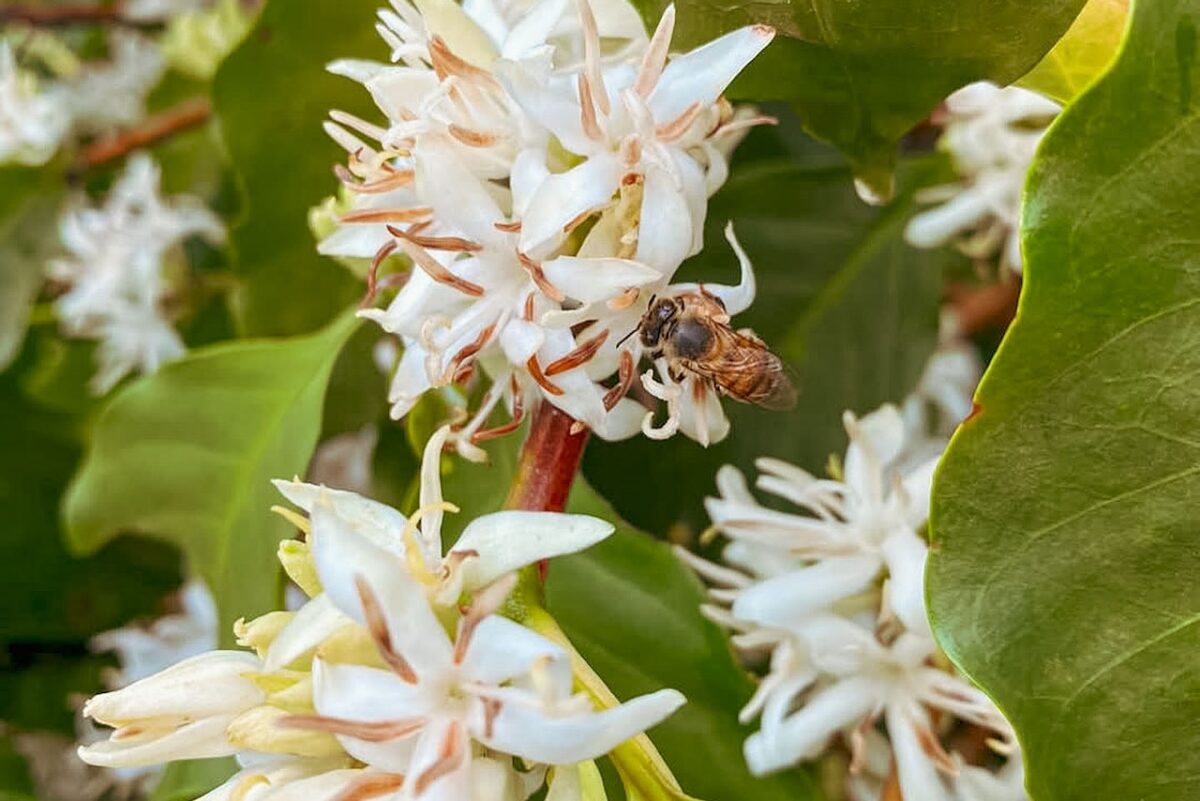
“Our farm has conservation areas in each section, and these areas are connected like corridors. The preserved forests serve as shade and windbreaks, while their biodiversity supports natural predators that protect our coffee from pests. At the same time, fallen leaves and organic residue from the cultivation areas return to the soil and enrich the ecosystems within the preserved zones. In this way, the two areas complement and support each other.”
The farm’s sustainability efforts extend far beyond ecological corridors. They generate their own electricity through solar power, and rely as much as possible on homemade organic compost and biological inputs.
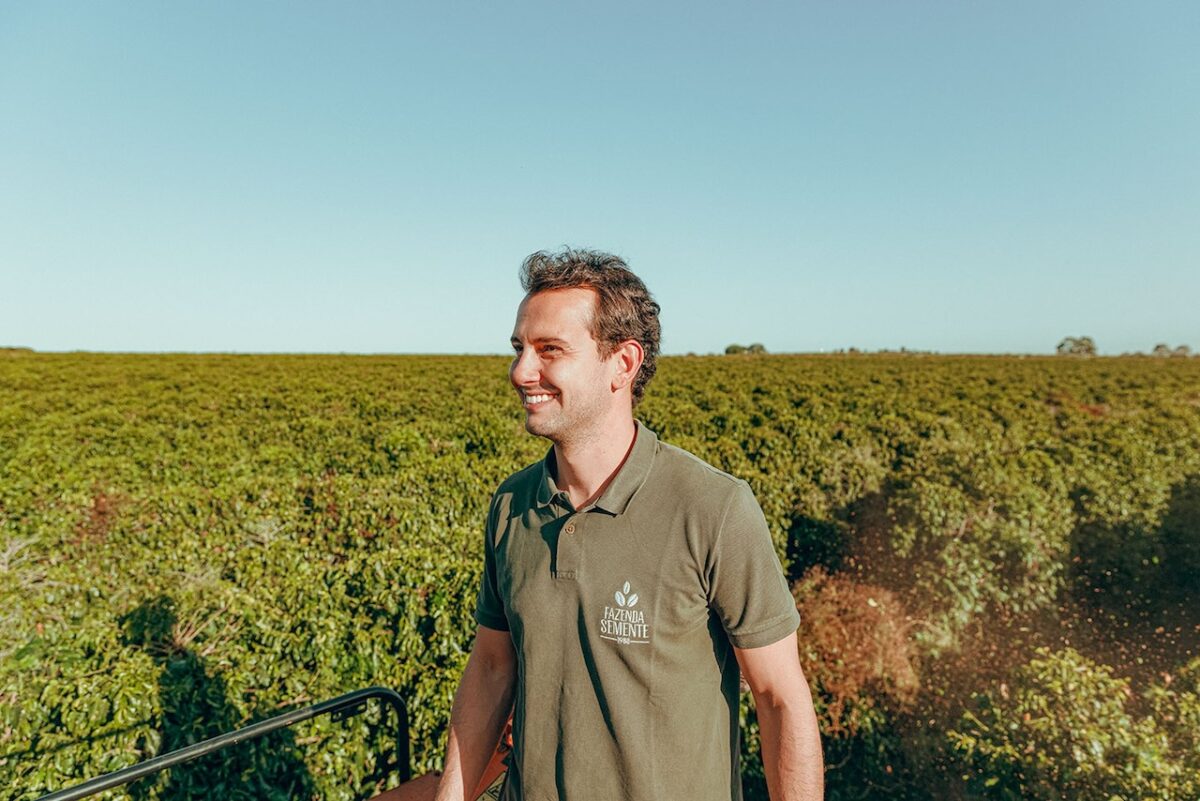
“Our work depends entirely on nature. Without the sun, the rain, or the wind, we couldn’t survive. Protecting the environment, therefore, is the same as protecting our livelihood. Our ideal is to increase productivity and quality while respecting both people and the environment, so that we can earn a living and ensure our employees can support their families. When we do this, nature gives back what we need in return.
We also take part in competitions like the Cup of Excellence. Winning is, of course, wonderful—but it’s not the most important thing. What truly matters is giving our best every single day and not being swayed by individual results. Over time, that steady effort will naturally translate into success.”

Embracing both the good and the bad
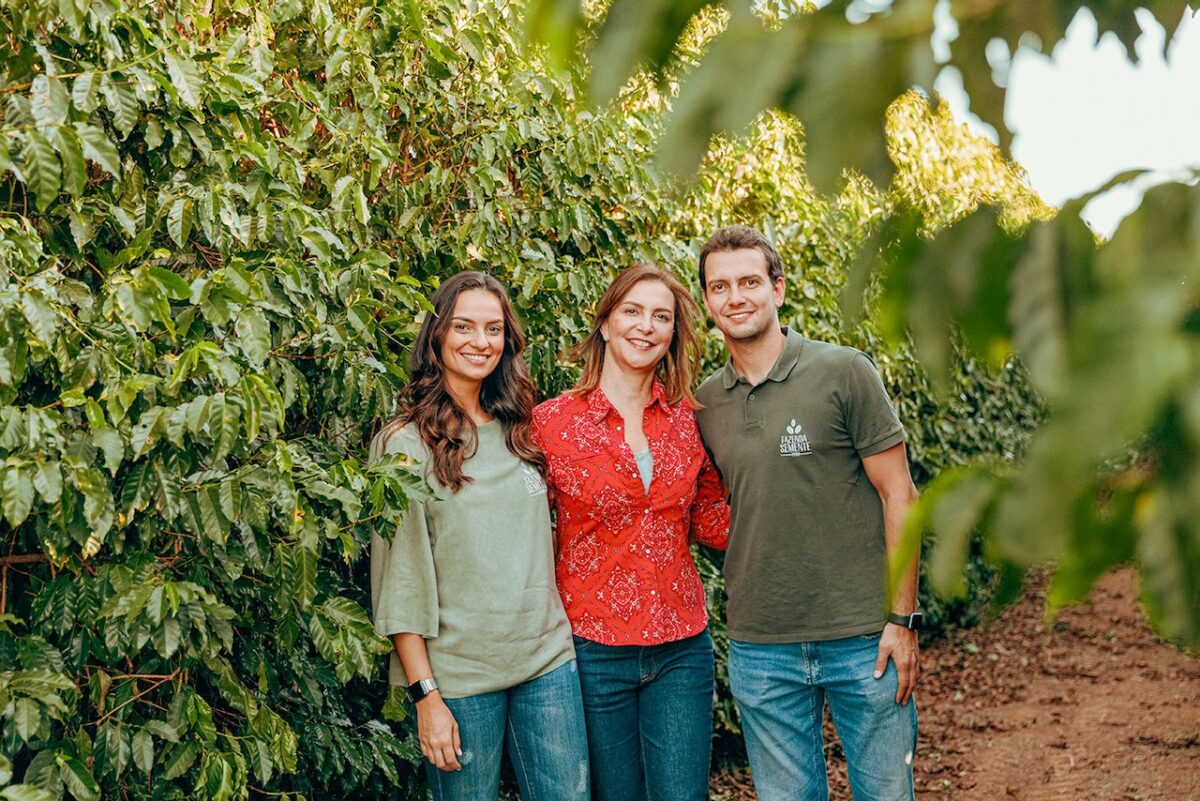
José’s mother inherited the farm from his grandfather in 1994. Since his father worked as a doctor, it was always his mother who managed the farm. From an early age, José grew up watching his mother tend the farm and oversee the harvest, he never doubted that one day he would take over the farm.
He majored in business administration at university and spent a year studying abroad in Belgium. After graduating, he worked for three years at a major beverage company in Belo Horizonte, but all of these choices were made with the future of the farm in mind. So when his mother asked him in 2016, at the age of 25, to return and help, José didn’t hesitate to step in.
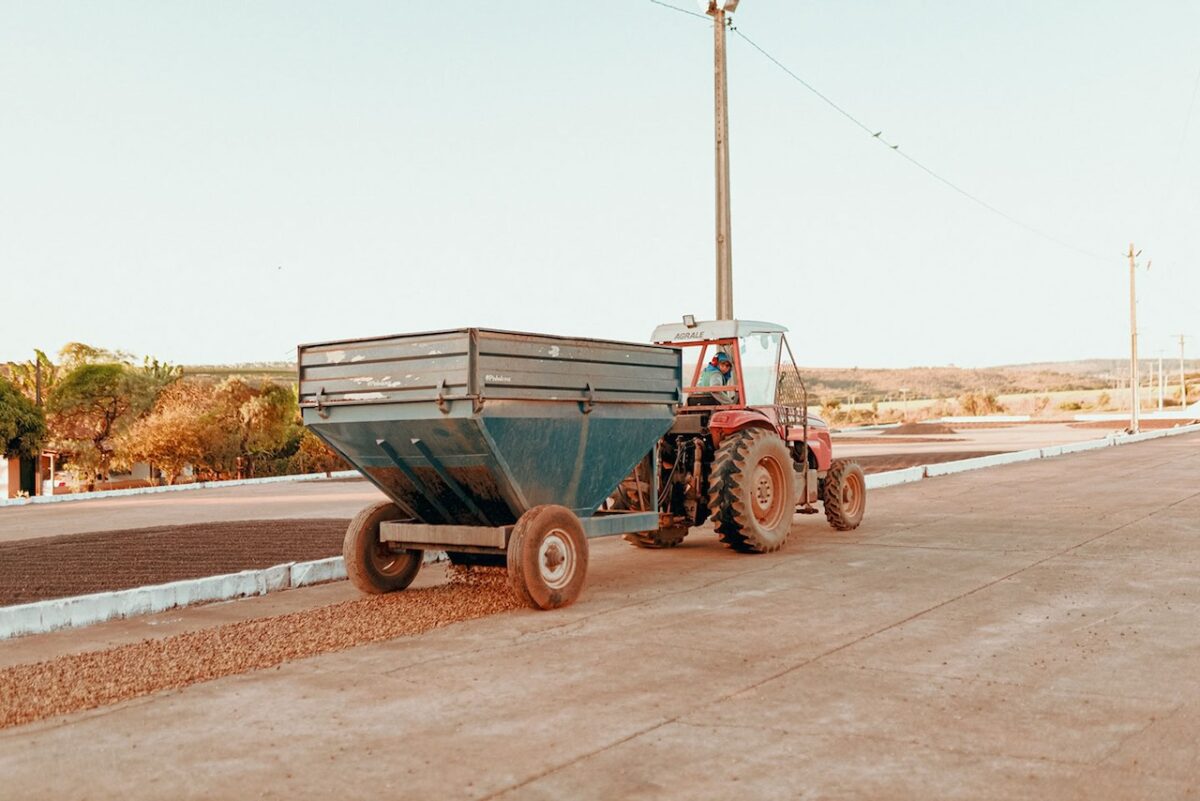
“These days, a coffee farm has to be run like a company. It involves managing employees, handling cash flow, dealing with banks, and so many other aspects. I believed that, and in fact, the knowledge and experience I gained at university and in my previous job are proving useful now in managing the farm.”
With such expansive land, José thought it would be wasteful not to use it fully. Increasing production would also open up more market opportunities. Since he began working full-time on the farm, both output and quality have improved dramatically. In 2016, only 70 hectares of the farm’s 600 hectares were planted with coffee; today that area has expanded to 250 hectares, and production has roughly doubled. What was once sold 100% as commodity coffee is now around 80% specialty coffee, scoring above 82 points.
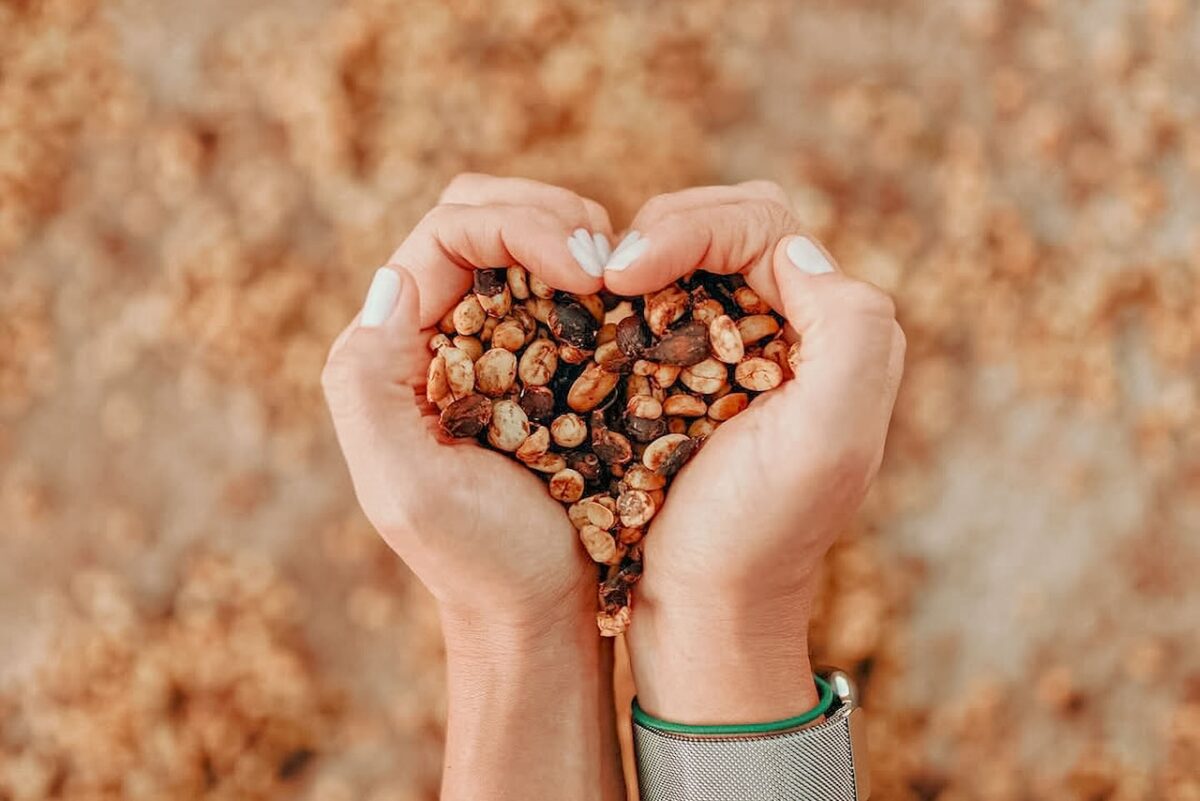
“That said, this year only about 10% of our production was sold as specialty coffee. Going forward, I want to increase direct trade. Whenever we sell directly to small cafés, we always receive positive feedback, and that really motivates us. It brings us back to our core purpose—to do good work and deliver quality coffee to every customer and consumer.”
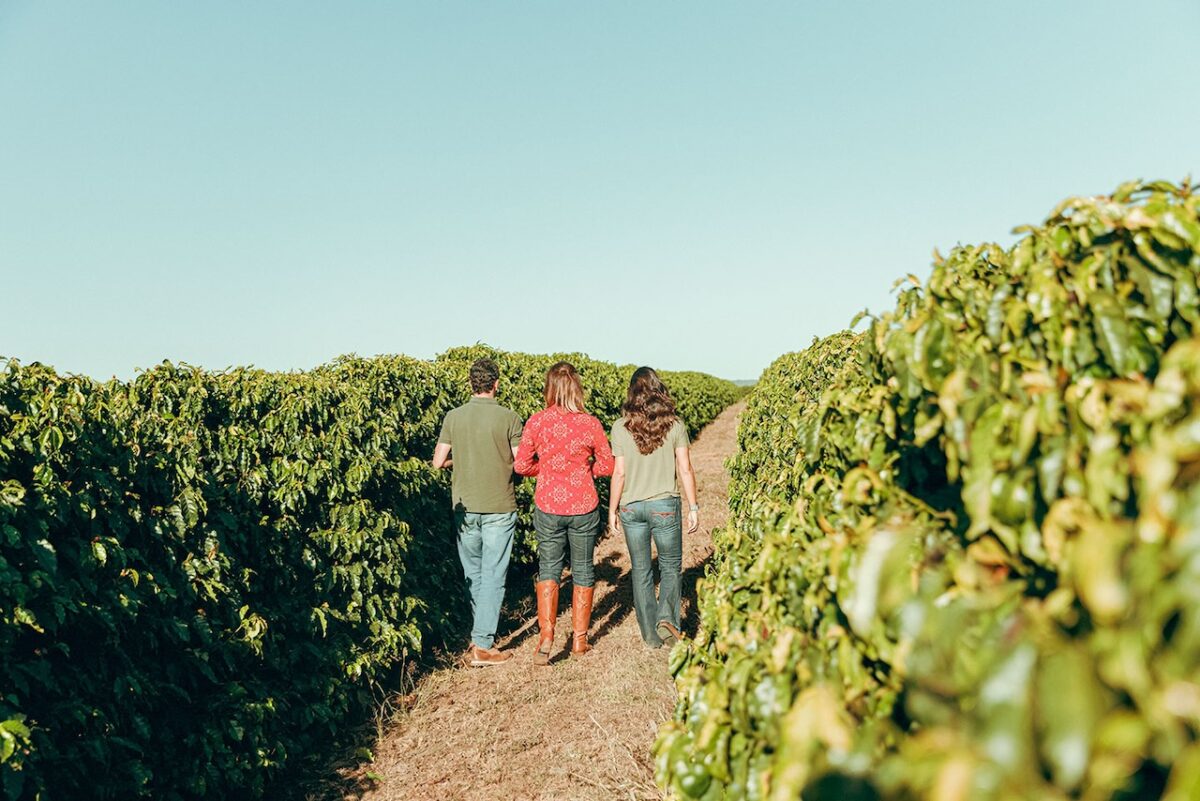
José, who says “I love this work,” has nevertheless faced several trials over the past nine years. One of the most serious came in 2021, when frost struck the farm. Nighttime temperatures fell to an abnormal –2°C, wiping out 90% of production. Because the land is so exposed, the damage was devastating. To keep the farm running, José had to draw down reserves and rely on bank loans for operating capital.
“The lesson I learned is to persevere no matter what, and to keep moving forward. The weather is something we can’t control. In the end, we have to accept that reality and learn to work with it. All we can do is put forth our best, believe in God, and hope that a better future awaits.”