




Innovation within Tradition: Passing the Coffee Baton to the Next Generation
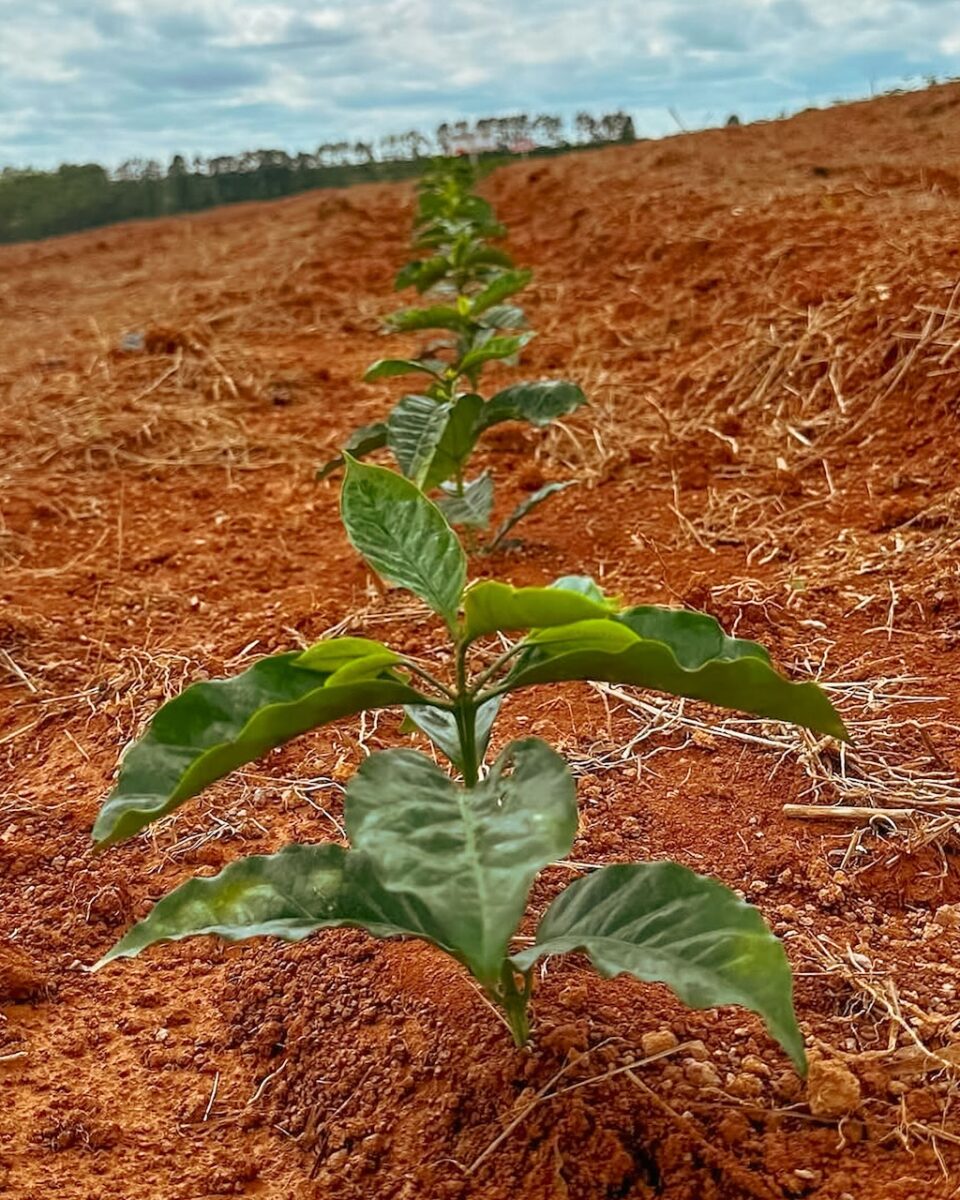
One of the most pressing challenges for Brazilian coffee producers today is the climate: plant diseases, droughts, and frosts. In the Cerrado region alone, producers have been repeatedly hit by severe frosts and droughts over the past five years, making climate adaptation an urgent priority.
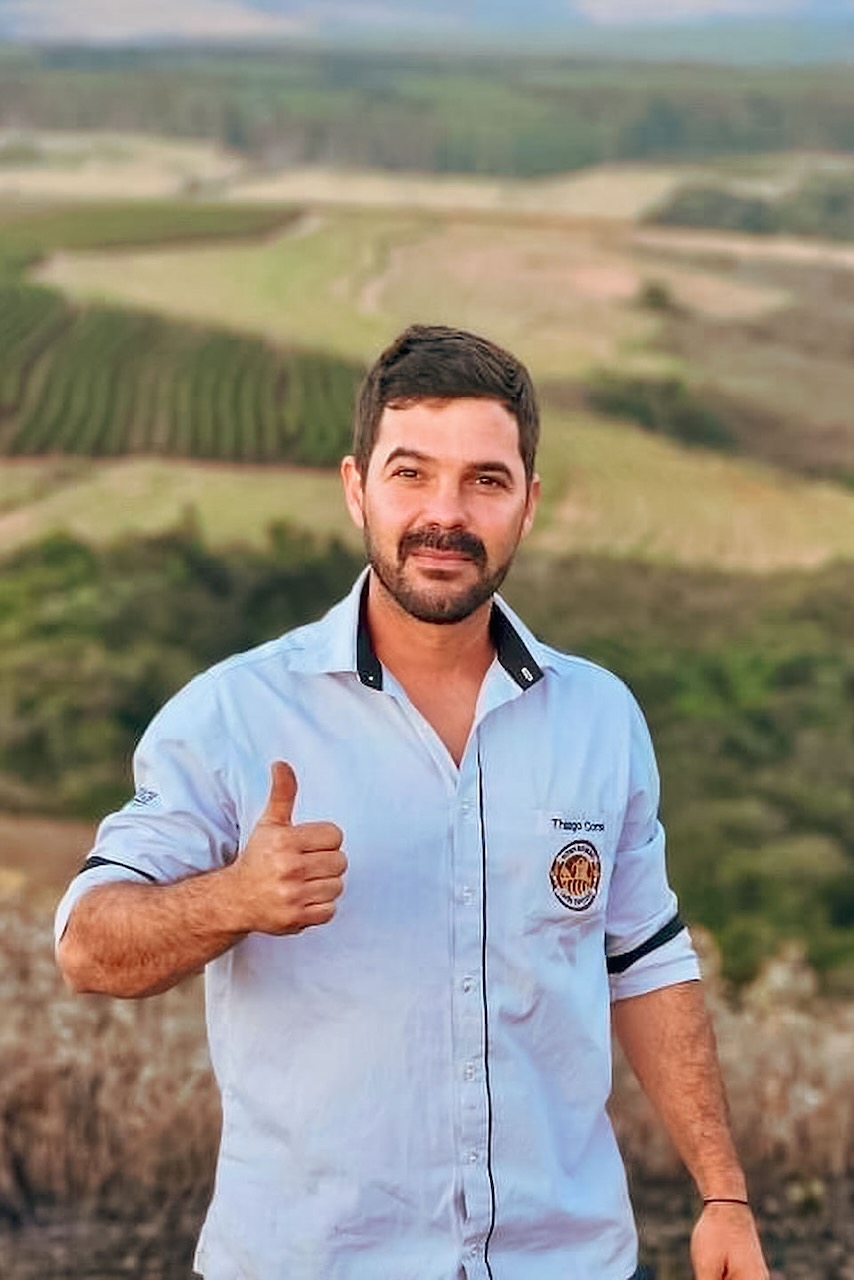
Against this backdrop, Fazenda Rodomunho stands out for its unique approach. In 2019, after a devastating plant disease reduced production by 40%, the farm shifted to regenerative agriculture, placing greater emphasis on soil restoration and ecosystem preservation. Leading this transformation, with the support of agronomists, was Thiago, the fourth generation of his family to run the farm, together with his mother and siblings.
“We try to minimize the use of pesticides and chemical fertilizers, relying instead on the power of the microorganisms that naturally exist in the soil. As long as the soil remains alive and active, the coffee trees build resilience, which in turn enhances quality,” Thiago explains.
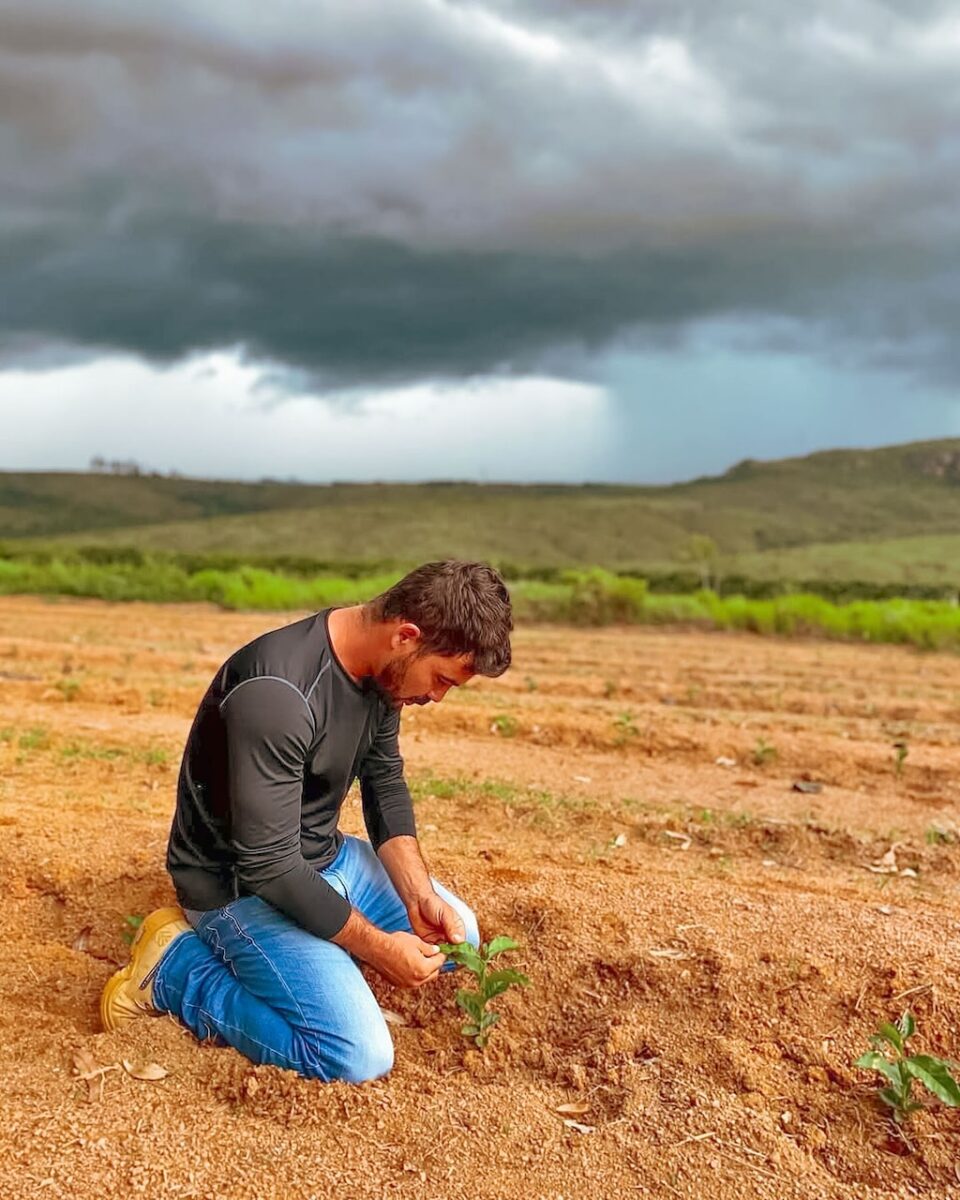
At first, some people dismissed this new approach as “madness.” Yet the results soon spoke for themselves: improved quality, fewer plant diseases, and clear proof of its value. Today, Rodomunho produces around 500 tons of specialty coffee annually, across three farms totaling 250 hectares, with about 30 distinct varieties. Since starting its own export operations three years ago, the farm has shipped coffee to more than 50 countries.
“I’ve always believed coffee gives us our identity. To export our own coffee and share the name of our family and our farm with the world—that’s been my dream since childhood.”

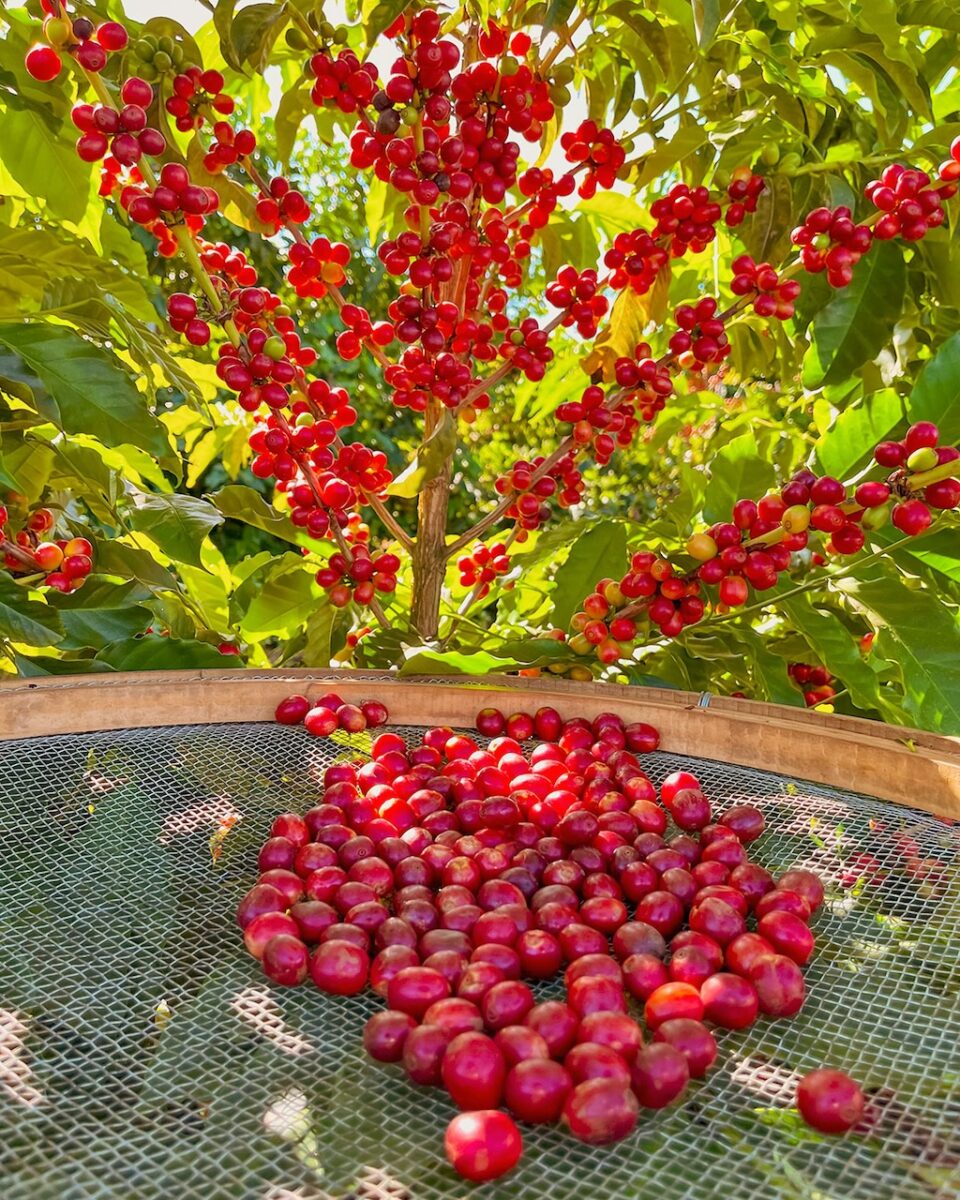
Nothing but Coffee on His Mind
Thiago was born into a family of coffee growers. On his mother’s side, the family emigrated from Portugal to Rio de Janeiro in the late 19th century; on his father’s side, they came from Italy to southern Minas Gerais. Both carried with them the same dream: to cultivate coffee.
In 1985, after struggling with unsuitable conditions and recurring frosts on their farm in Paraná, his parents made the bold decision to relocate to the Cerrado Mineiro. There, with its favorable altitude, microclimate, and abundant natural springs, the family found the ideal environment to grow coffees with distinctive character.
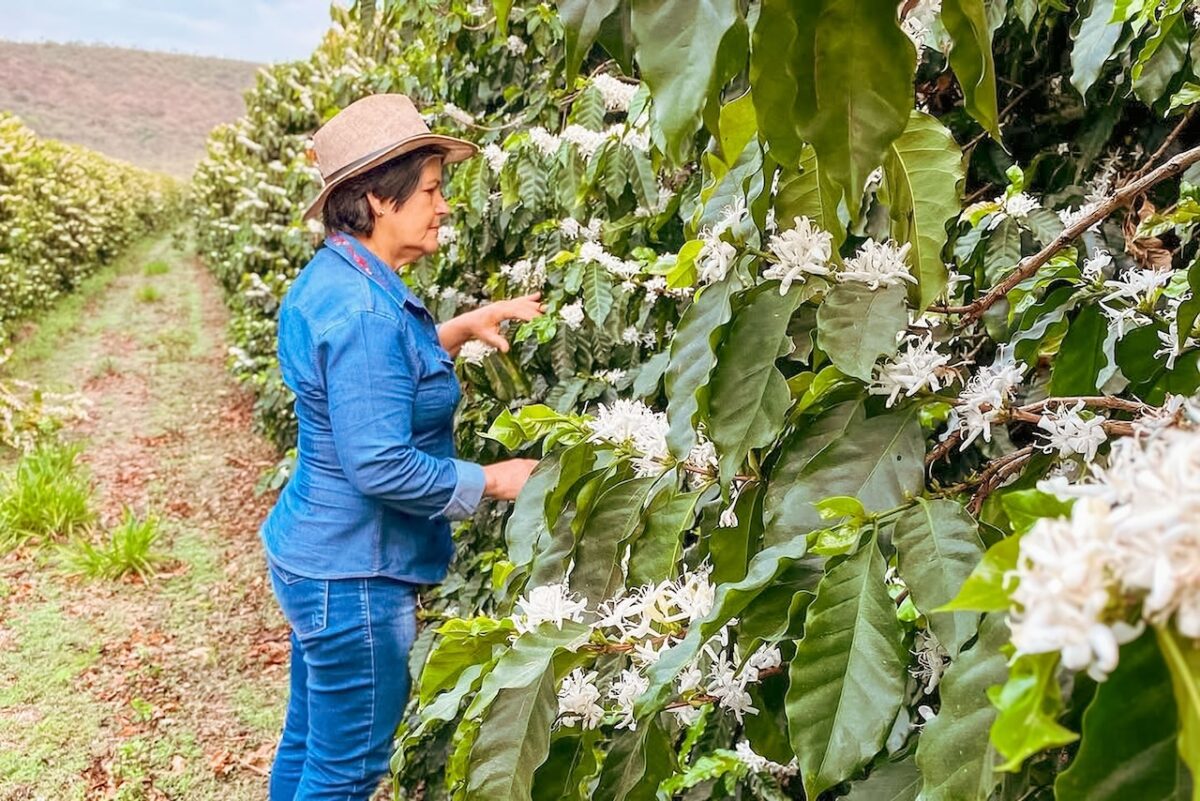
Surrounded by coffee since childhood, Thiago was already driving a tractor on the farm at the age of eight. His life’s path was set early on. Now 36, he has never once considered a career outside of coffee.
Although he could have gone to university, his passion for coffee led him to join the family business immediately after high school. A turning point came in 2019, when he was 30: following his parents’ divorce, his father took over the soybean and corn fields, while his mother inherited the coffee farm. For Thiago, the choice was clear—coffee was the only path forward.
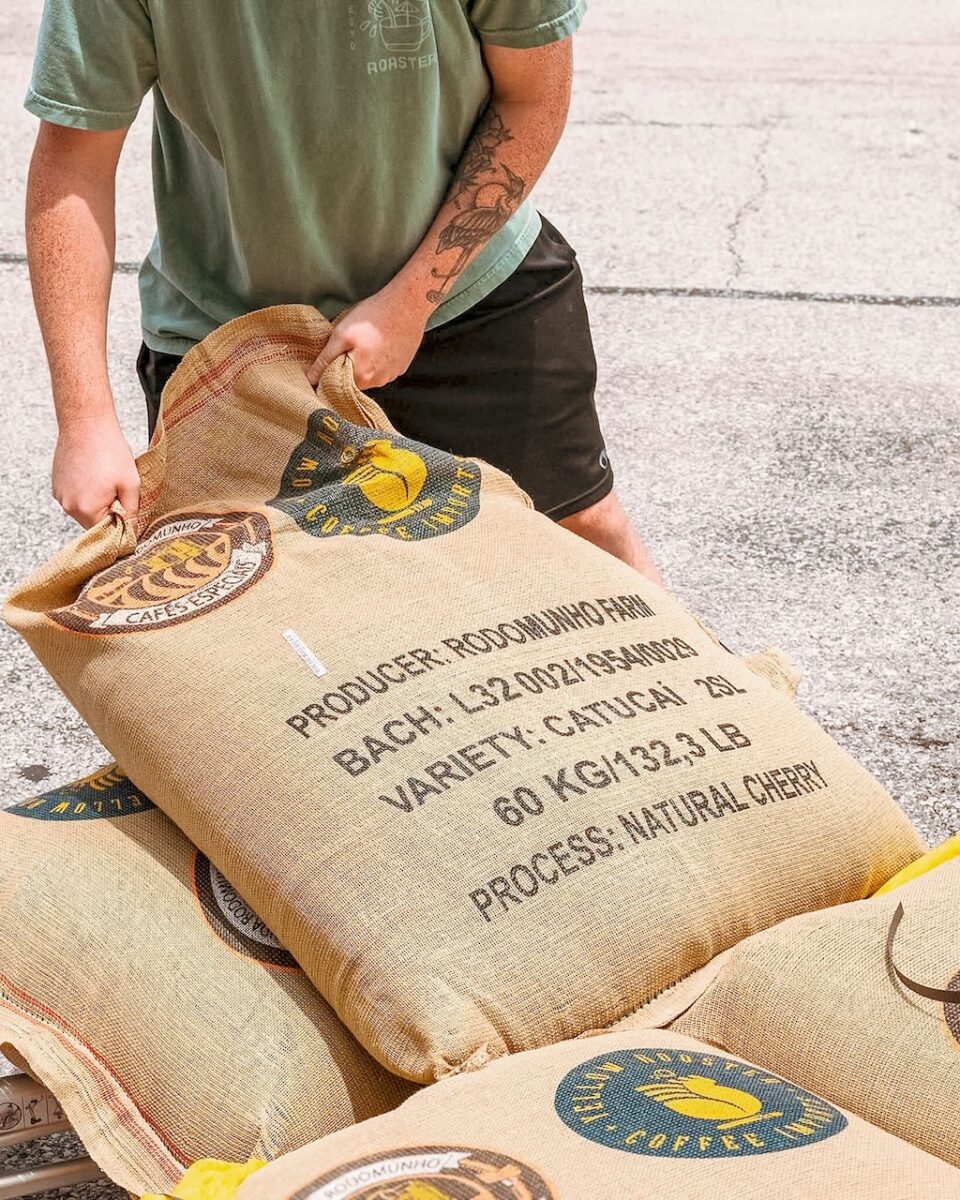
A Passion for Coffee, Passed Down Through Generations
Back then, however, the family sold their coffee as a commodity through cooperatives or exporters. They had no say in pricing and no way to add value. The only path forward to receive recognition that matched the quality of their work was to pursue specialty coffee.
“We pour our love and dedication into producing the highest possible quality. Our employees, my siblings, everyone on the farm, and even the seasonal workers who come each year for the harvest all share the same passion for their work. That’s why today we are able to sell all of our coffee as specialty.
This love and passion for coffee was inherited from our ancestors. They left Europe and began from nothing in a foreign land, dedicating their lives to coffee. When I think about that, the idea of walking away from this work feels impossible—I wouldn’t be able to face them.”
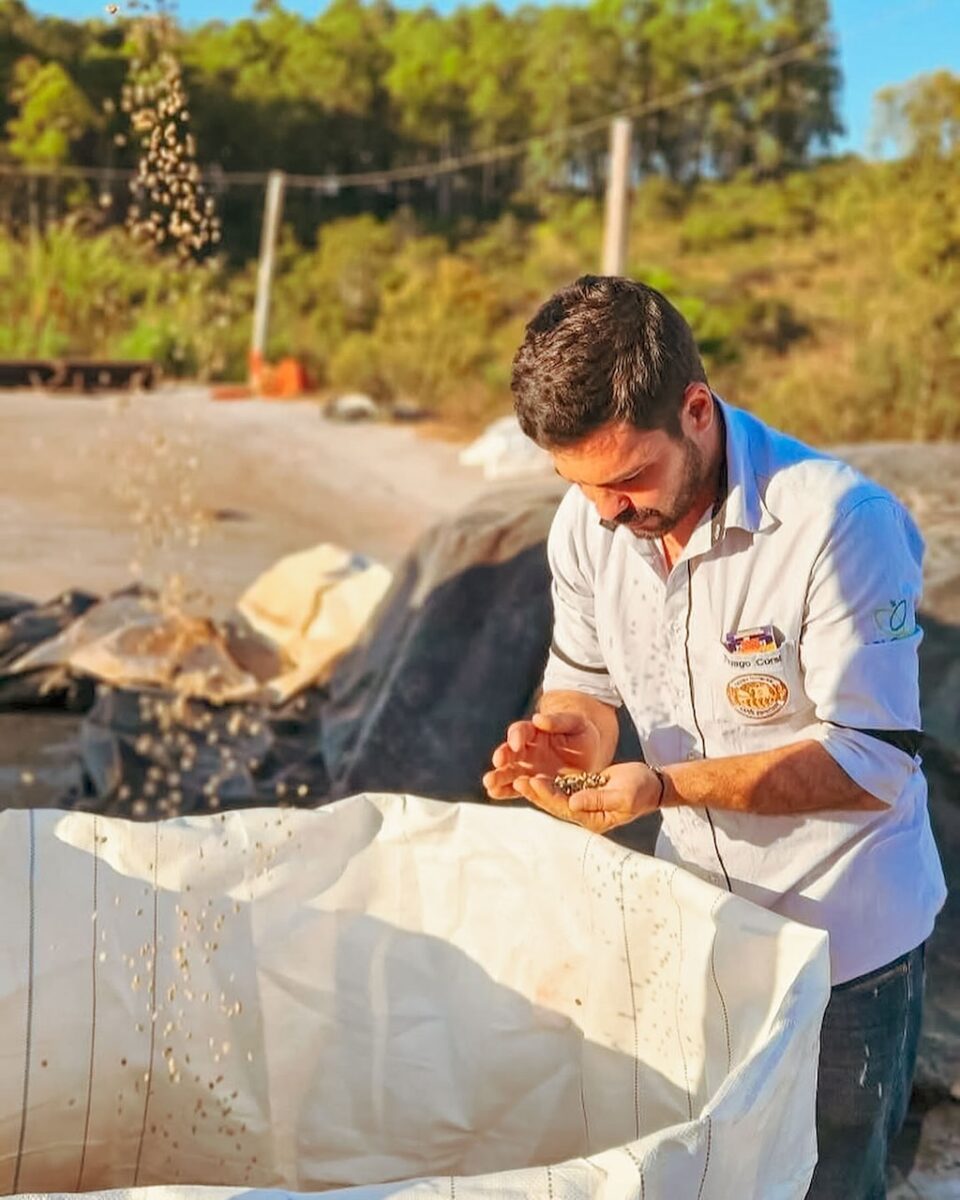
Of course, the journey hasn’t always been smooth. The family has weathered many climate crises and economic downturns, yet not once have they grown weary of working with coffee.
“Right now, coffee prices are high, but that’s only because productivity is low and supply is scarce. There will always be good times and bad times. You just have to be patient and hold on to the hope that another good cycle will come.”
In recent years, as part of its climate adaptation strategy and to diversify risk, Rodomunho purchased two plots of land in Bahia, where the climate differs from the Cerrado. The plan is to plant coffee seedlings there and ramp up production in the coming years. At the same time, the family has also launched a roasting business, selling directly to end consumers.
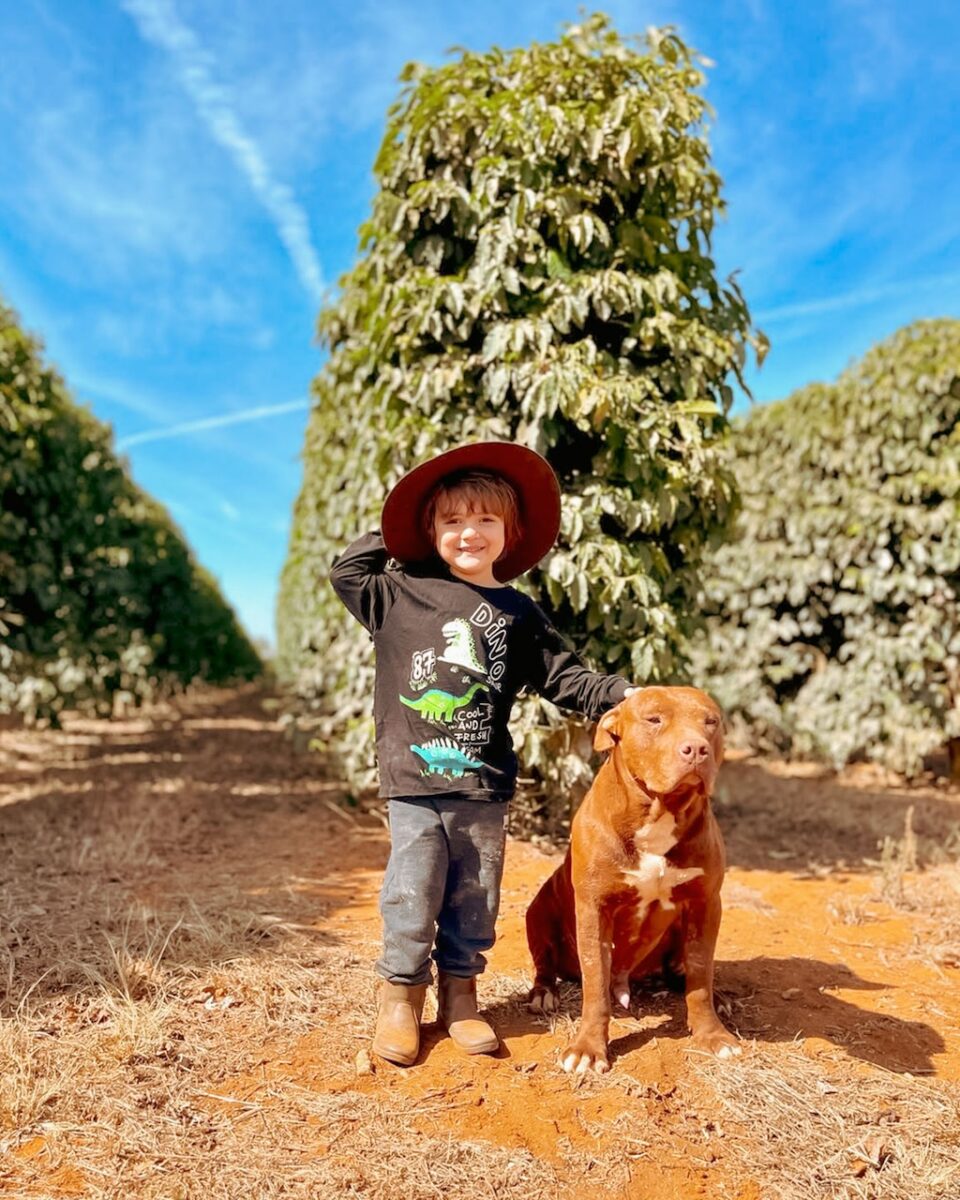
“Since childhood, I’ve always lived with big dreams and goals, and I’ve pursued them relentlessly. Being called ‘eccentric’ or even ‘crazy’ doesn’t bother me anymore—I’m used to it. But once results come, people change their minds. Whether it’s exporting coffee directly or farming without relying on chemical fertilizers and pesticides, many who once doubted us are now following in our footsteps.
My goals now are to achieve recognition in specialty coffee competitions and to pass the baton to my children, who are 17 and 12. I hope they will also carry forward this passion for coffee.”