




Science-Backed Coffee: Reproducing Regional Prosperity
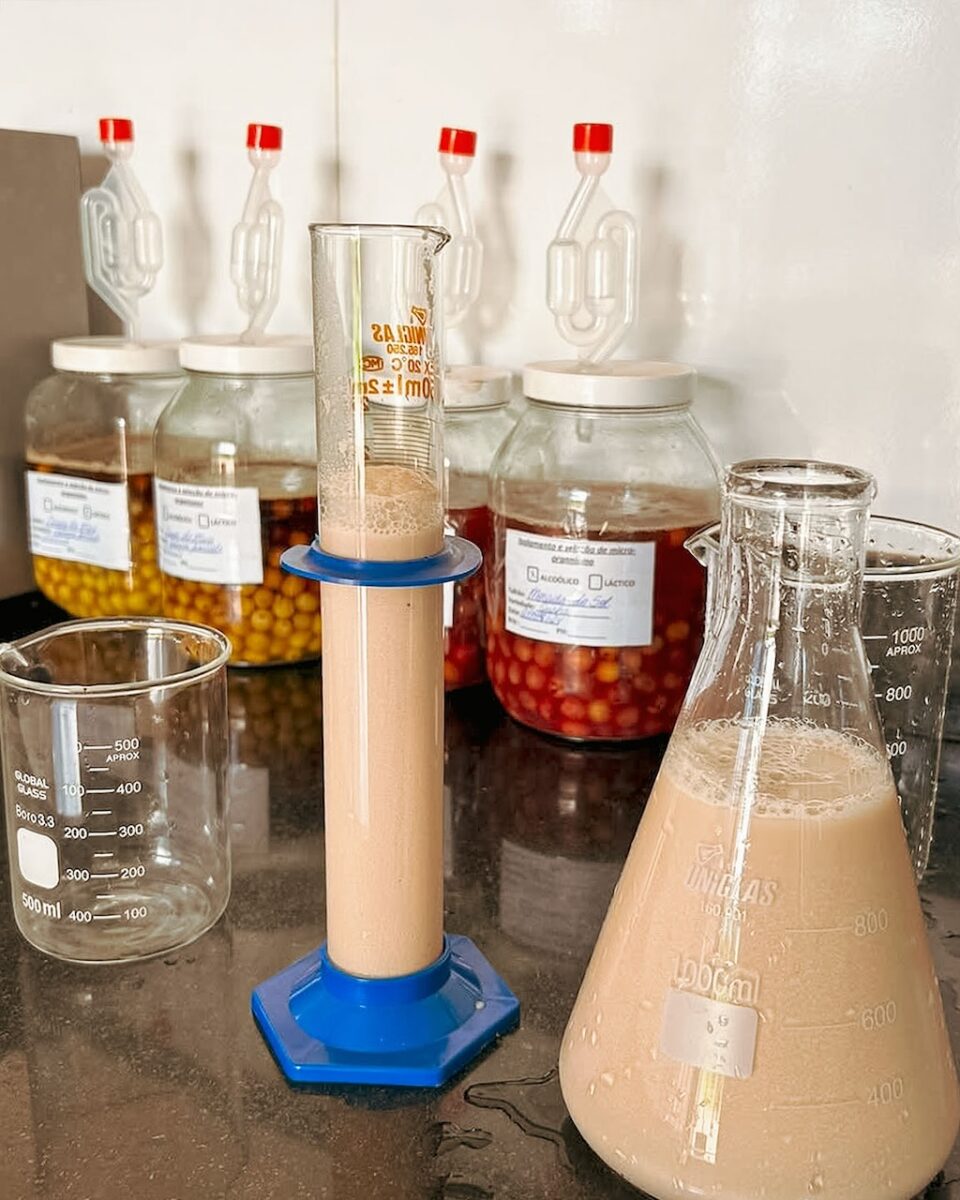
Coffee is one of the world’s most beloved beverages, yet it is often said that the industry has lagged behind wine in adopting scientific methods. Limited research funding, infrastructure, and human-resource development in producing countries have meant that fermentation techniques and sensory evaluation grounded in science are still far from fully embedded across the sector.
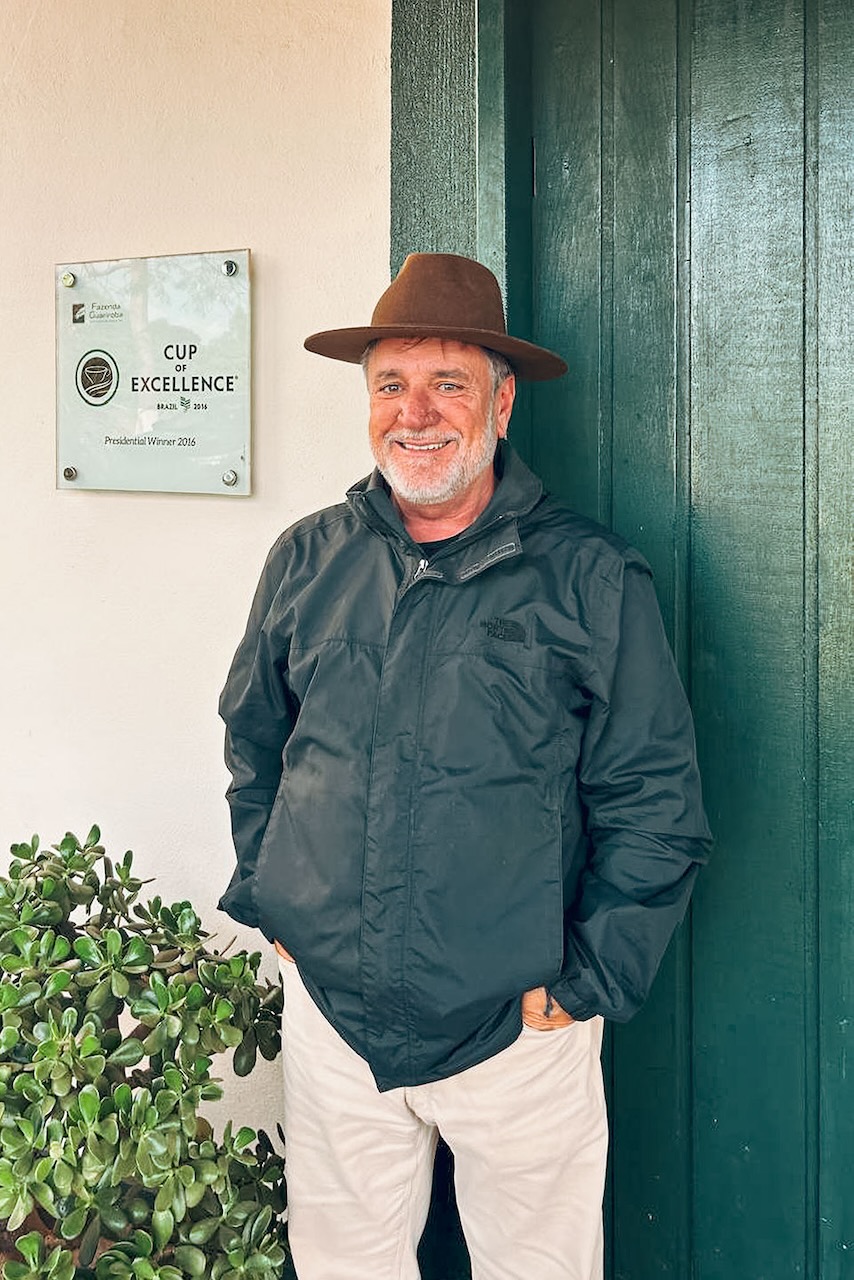
Against this backdrop, Gabriel Lamounier, who runs Fazenda Guariroba in Brazil’s Campo das Vertentes region together with his wife, has embraced science to its fullest. By doing so, he not only enhances quality but also ensures remarkable consistency. Widely recognized as a “specialist in fermentation,” Gabriel has built a track record of excellence: winning the Cup of Excellence in 2016, placing 8th in 2018, 4th in Coffee of the Year in 2021, and 2nd in 2024, alongside numerous other accolades. His farm’s Instagram account now boasts over 20,000 followers.
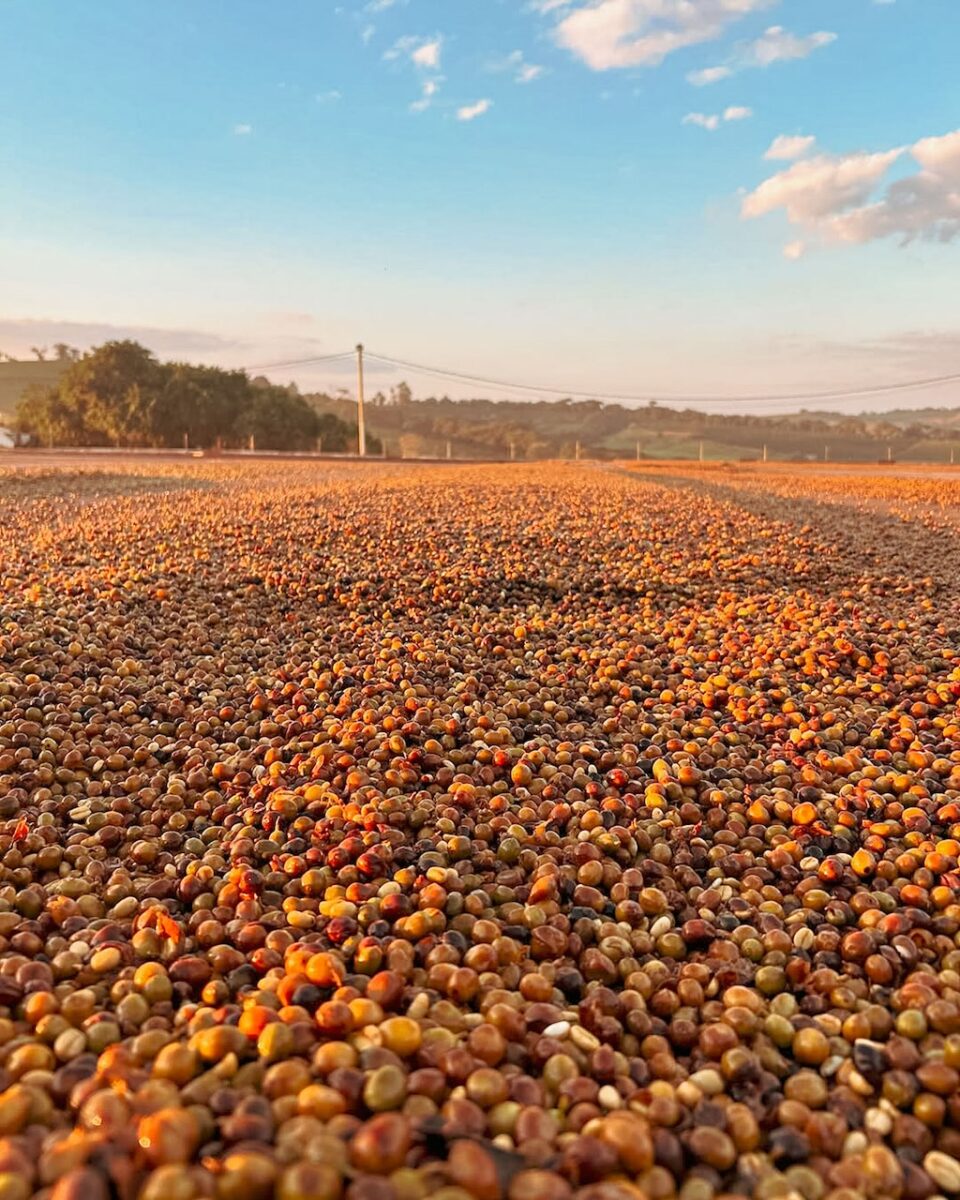
Today, Fazenda Guariroba cultivates more than ten varieties suited to the local terroir and produces distinctive coffees with layered, complex flavors and a lingering finish—thanks to fermentation processes that harness naturally occurring microorganisms. This dedication to science-driven craftsmanship allows the farm to continuously deliver exceptional coffee while regenerating the prosperity of its region.
“Coffee with complexity feels more comforting to me,” Gabriel explains. “That said, we also use processes that don’t involve fermentation. For instance, even during drying, if you slow the process down, you can achieve more layered flavors. Fermentation is simply one tool for creating complexity—it’s not the only one. From variety selection and drying to farm management, there’s no step in the chain that isn’t essential to producing something truly special.”
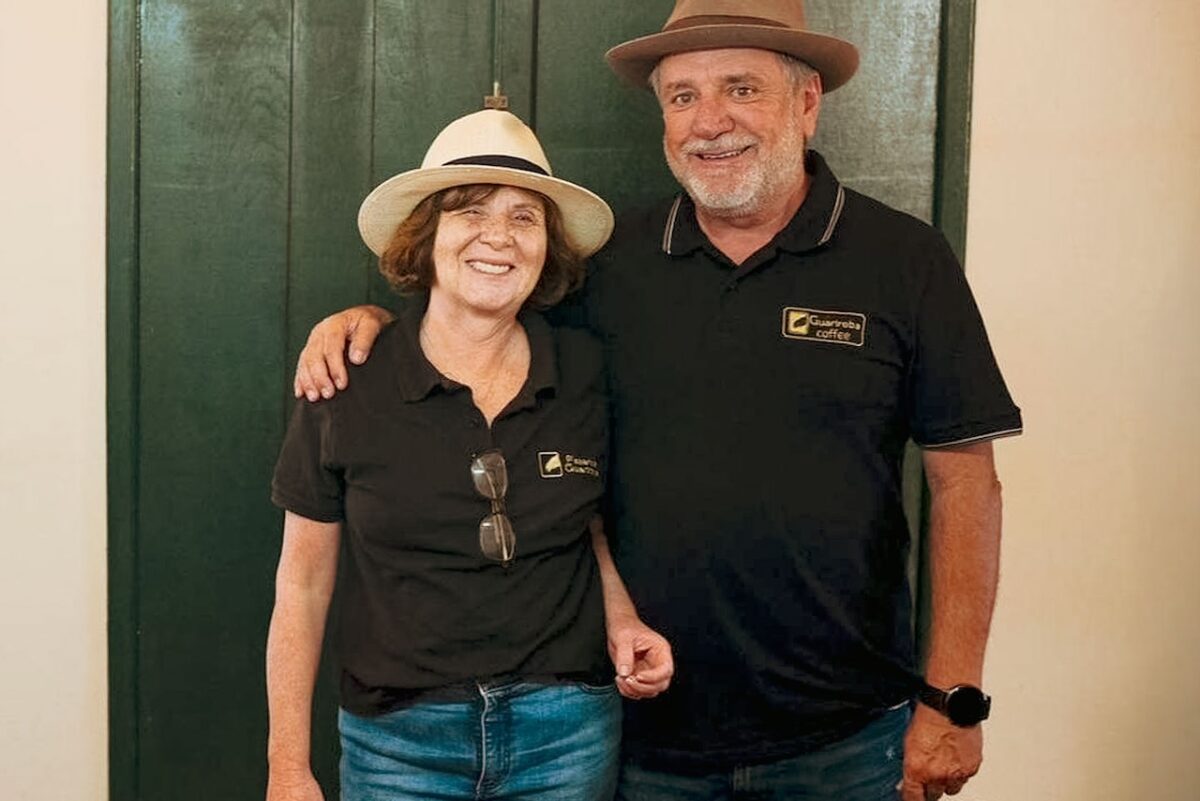
Since 1991, Gabriel has balanced his work as a dentist with producing specialty coffee alongside his wife, Eliza. But his real awakening to fermentation came in 2016.
“Winning the Cup of Excellence and seeing our farm suddenly gain attention both nationally and internationally gave me a sense of responsibility—we needed to take coffee production more seriously,” he recalls. “That was when my wife and I decided to retire from dentistry and dedicate ourselves fully to the farm. Fortunately, our two sons were able to take over the clinic we had been running.”

Growing Trust in Science
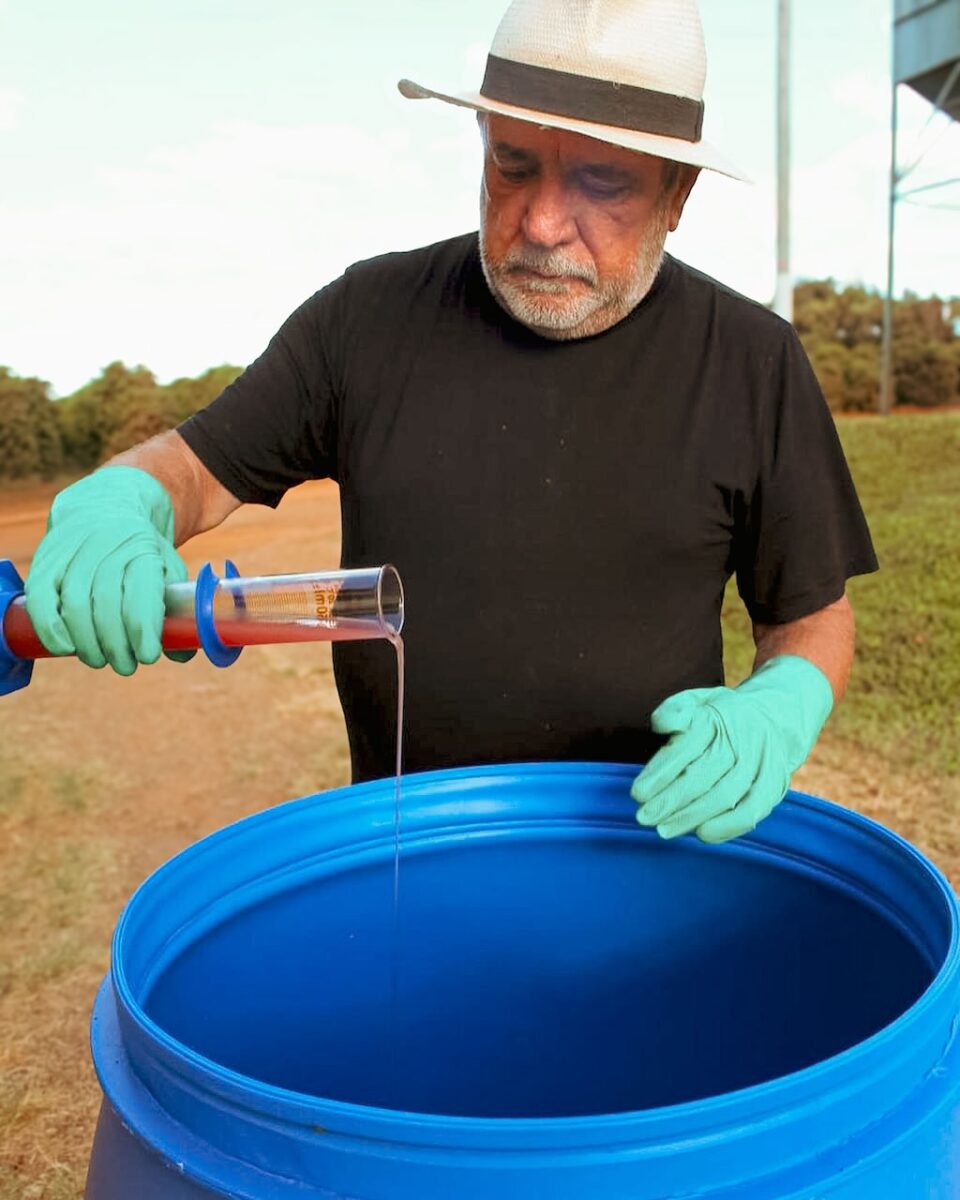
Coincidentally, 2016 was also the year when perceptions of fermentation in Brazil shifted dramatically. Until then, “fermented flavors” had been considered defects under national quality standards. But suddenly, those same flavors began to be recognized as a positive attribute that could add value. Having studied fermentation in depth in Spain and Colombia, Gabriel returned to Brazil eager to continue exploring and refining his knowledge of processing and fermentation.
“One of the distinctive features of our farm,” he explains, “is that we don’t introduce outside microorganisms. We ferment our coffee with the native microbiota that already exists here. That allows the unique character of our land to express itself more naturally, while also increasing consistency.”
To strengthen both reproducibility and consistency, Gabriel places particular emphasis on developing protocols. “This is something I learned from dentistry as well,” he says. “When you design your own protocols, management becomes much easier. It’s the same with coffee production.”
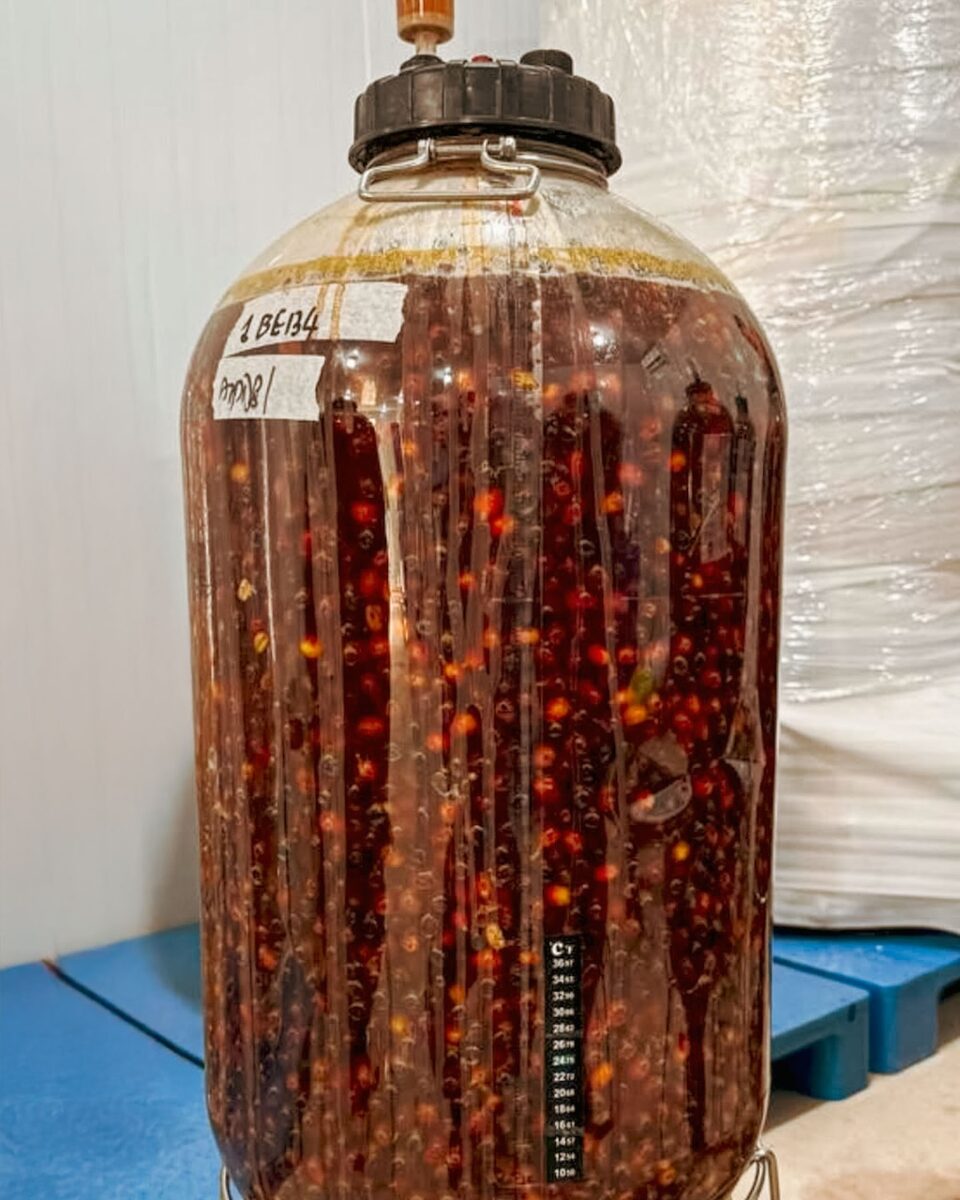
“But as I began teaching fermentation courses for local producers, I realized that not everyone can apply the same methods I do. One year they might produce a coffee scoring 90 points, and the next year the quality could drop drastically.
I believe the reason is a lack of basic knowledge about microorganisms. Unless you understand the causal relationships—what’s actually happening at the cellular level inside the coffee bean—you can’t achieve consistency or reproducibility. Without that foundation, people end up relying on microorganisms from outside sources, which only dilutes the unique character of their coffee.
In my case, it probably comes down to scientific curiosity as my driving force. Of course, I’ve had my share of failures, but through continuous research I’ve been able to build knowledge grounded in science—and that has led to better results. With each passing year, my trust in the potential of science only grows stronger.”
Growing Together as a Community
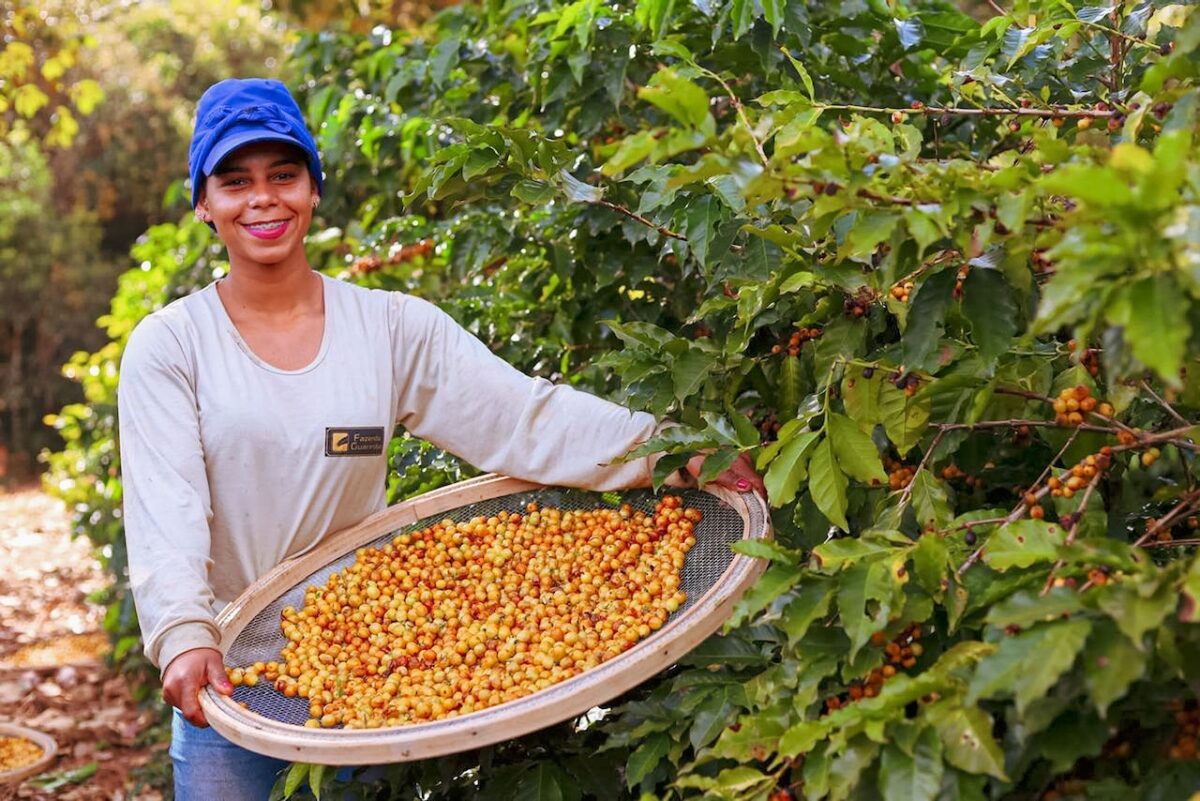
The Campo das Vertentes region, where Gabriel’s farm is located, offers ideal conditions for coffee cultivation thanks to its altitude, terrain, and climate. With recognition from Brazil’s National Institute of Industrial Property (INPI) as a Geographical Indication (IG), the area has earned credibility as a regional brand backed by both place and quality—enhancing its value in the international market.
As president of a local community-based association, Gabriel is also committed to fostering the next generation. His educational efforts go far beyond fermentation and post-harvest processing, extending into roasting, brewing, sensory evaluation, and even farm management—covering every aspect of coffee.
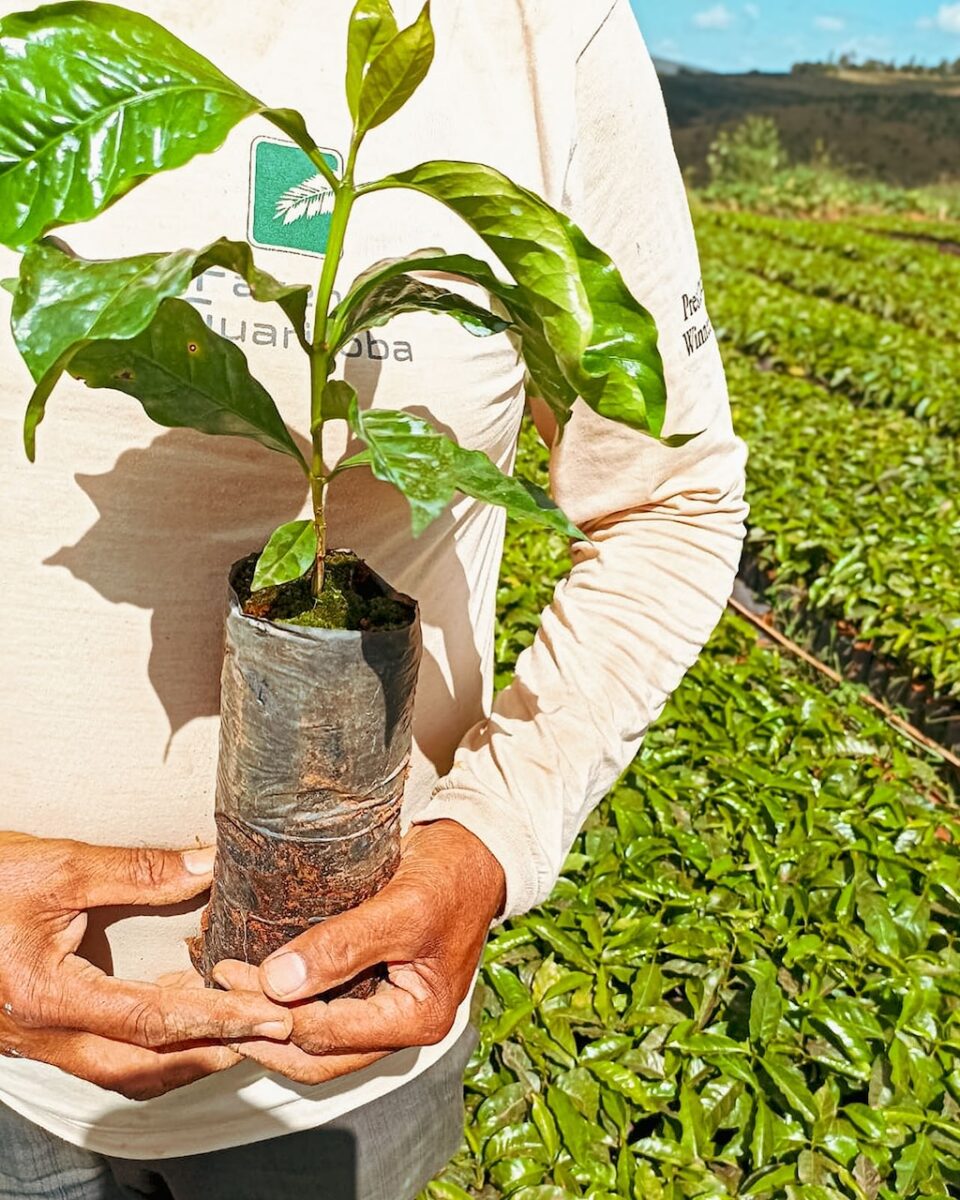
“I believe in the power of the collective,” Gabriel says. “For us, this region is a paradise—it gives us the chance to produce exceptional coffee and raise our standard of living. In fact, about 70% of the workers in our area make their livelihoods through coffee production.”
Building an education system can also be seen as a kind of protocol design. Rather than relying on individual intuition or personal experience, knowledge is systematized and passed on in a structured way. This enables the next generation of producers to maintain high standards of quality, which in turn strengthens the entire region, enhances its competitiveness in the international market, and fosters sustainable, organic development.
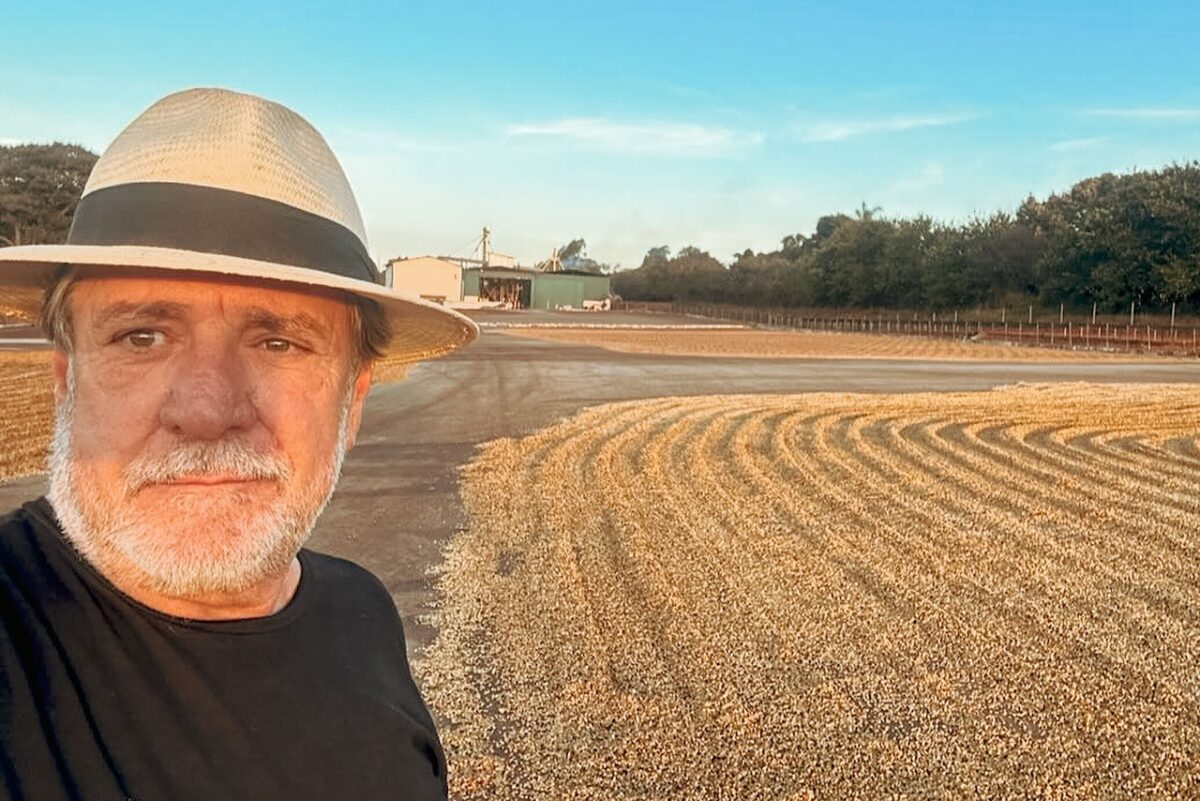
“I believe the spirit of Campo das Vertentes lies in tradition, innovation, and excellence,” Gabriel reflects. “This region has a history of people maintaining strong relationships, sharing knowledge and techniques, and growing together in an organic way. Personally, I want to see my children and grandchildren continue working in coffee, carrying that legacy forward.”