




Risk as Part of Life: Coffee and Family as One
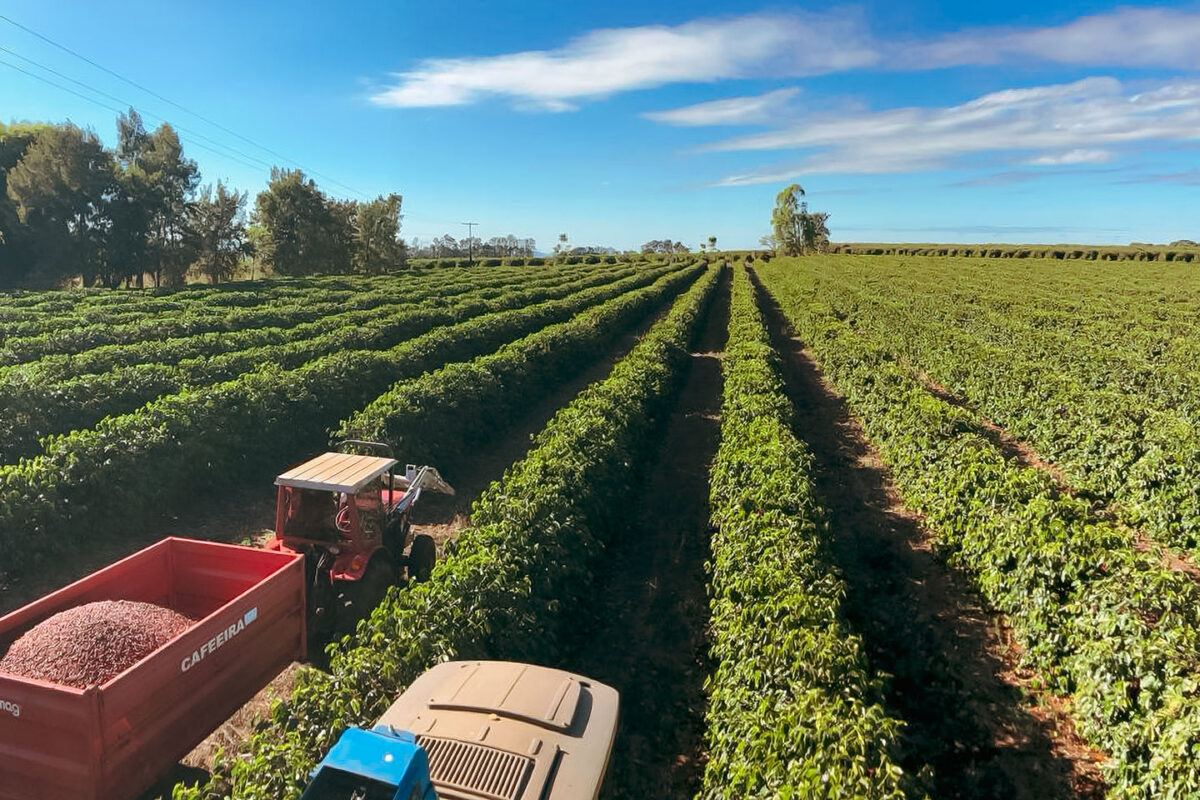
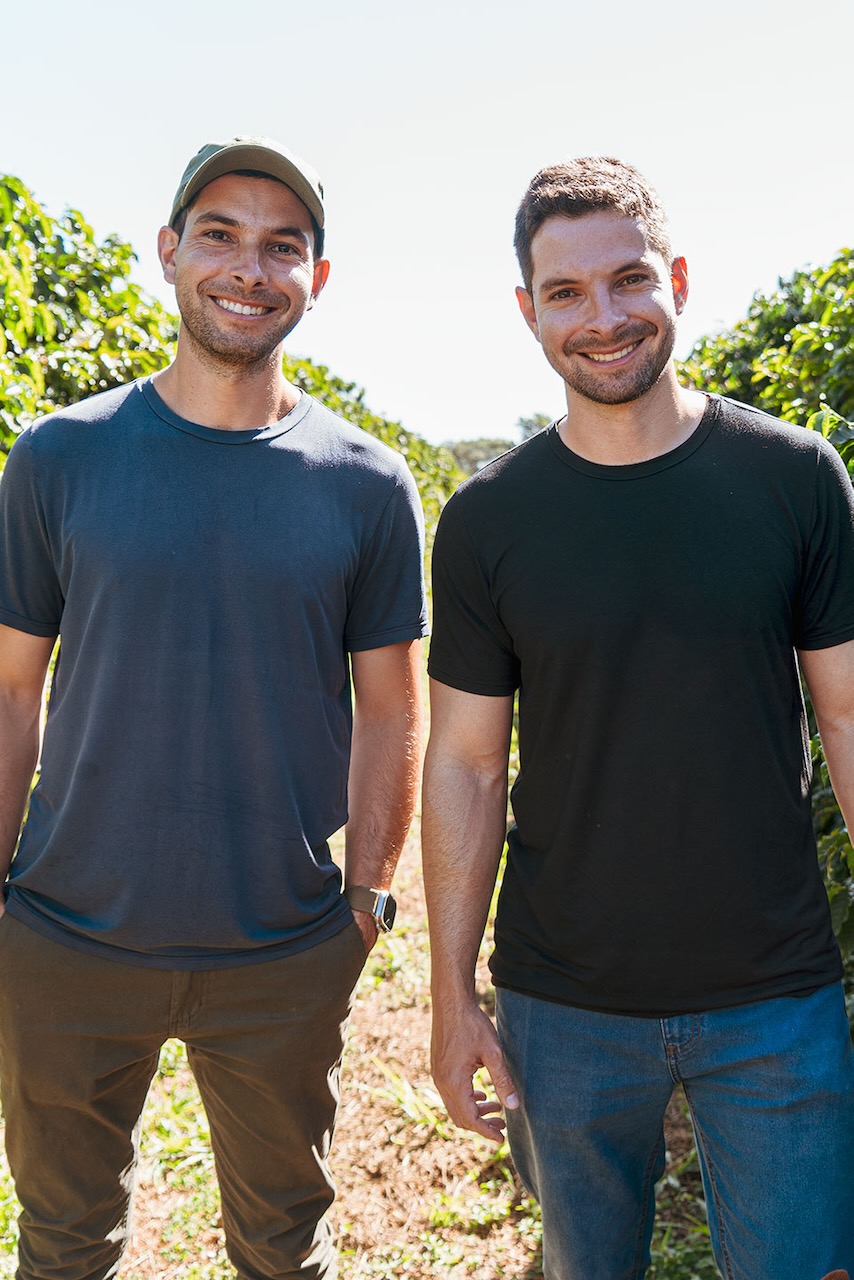
In Brazil’s Cerrado region, brothers Gustavo and Rodrigo work alongside their parents to produce specialty coffee. With Catuai making up nearly half of their total production, they also produce Paraiso, Bourbon, and Catiguá. Their largest export market is Slovakia, but they also ship to the United States and Taiwan, exporting not only green beans but also coffee roasted on their own.
Their farm sits on a plateau at around 1,200 meters above sea level, offering ideal conditions for producing high-quality coffee. But the story goes back to 2008, when the brothers made the bold decision to stop their father’s dairy business and dedicate themselves fully to coffee. What drove them to take that leap?
Living with Risk
Brazil’s Cerrado region, now one of the world’s great breadbaskets for soybeans, corn, and cotton, was once considered barren savanna where “nothing could grow.” Thanks to soil-improvement technologies developed by EMBRAPA—the Brazilian Agricultural Research Corporation—along with crop breeding innovations, and even Japanese ODA development aid in the early 1980s that introduced chicken manure and lime to restore the soil, the land gradually became suitable for growing a variety of crops.
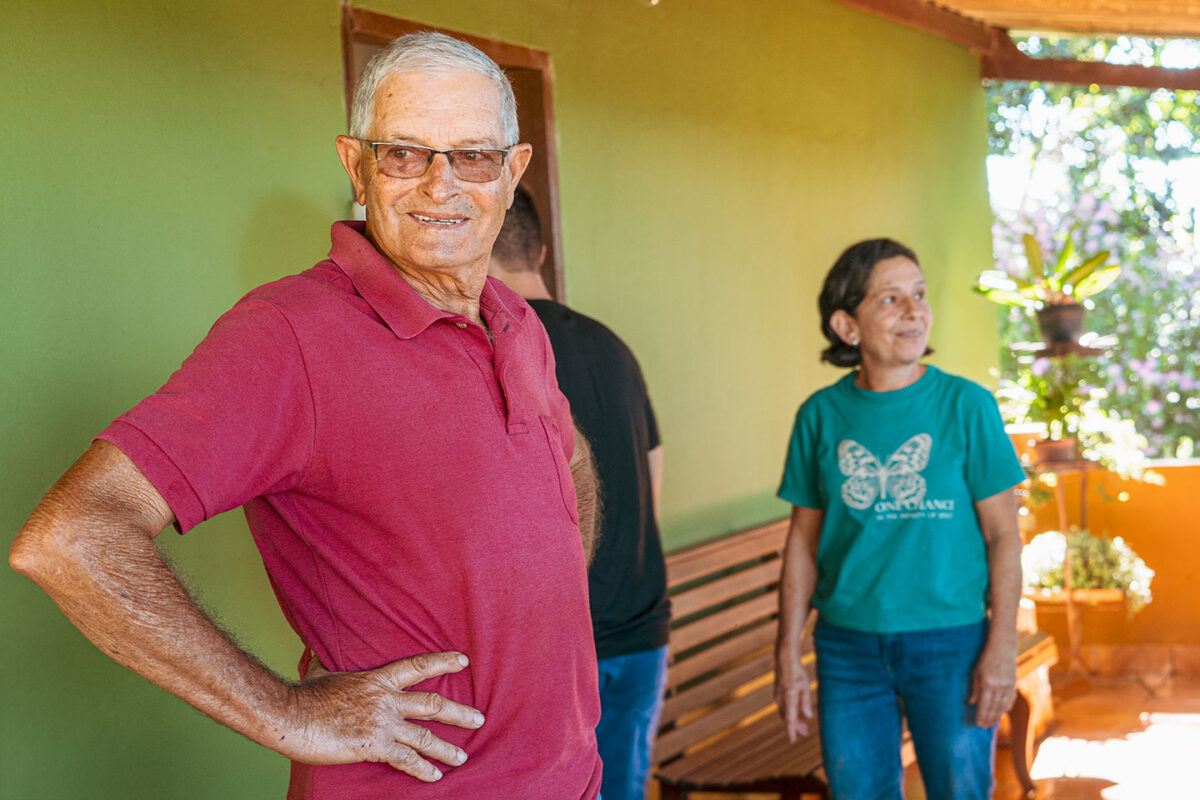
In 1989, Gustavo and Rodrigo’s parents were given land in this area and relocated to the Cerrado. But at the time, soil development was still in its early stages, making coffee—or any other crop—difficult to grow. With no experience or knowledge in coffee production—and since coffee trees take years to bear fruit—their father decided to start dairy farming to generate short-term income.
Nearly twenty years later, in 2008, Gustavo returned home after graduating from university. He made a decisive choice: sell the cows and start producing coffee.
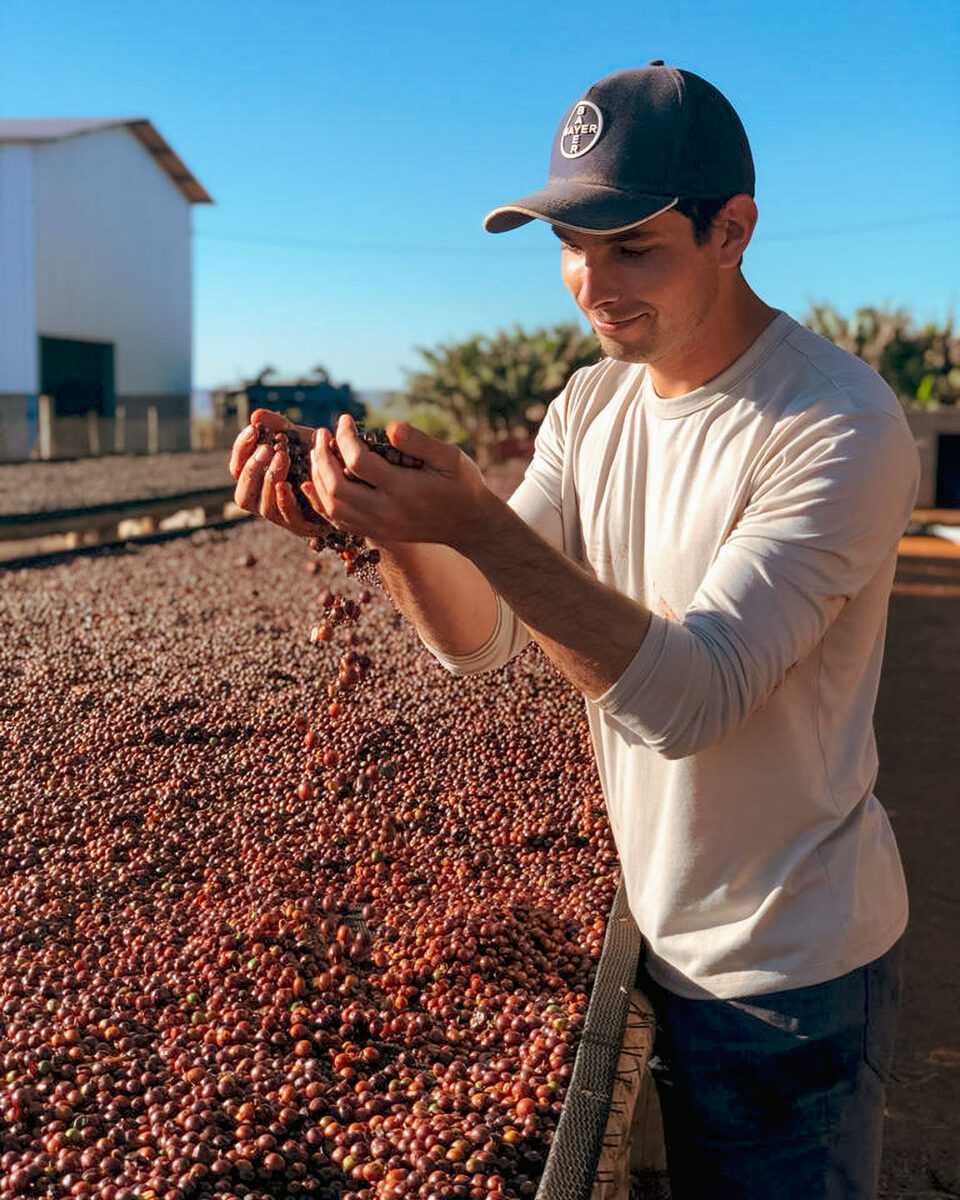
Gustavo: “We saw many of our neighbors turning to coffee and succeeding. By then the soil had been fully improved, and we were confident we could produce coffee with real character. That’s why we decided to take the risk and go for it.”
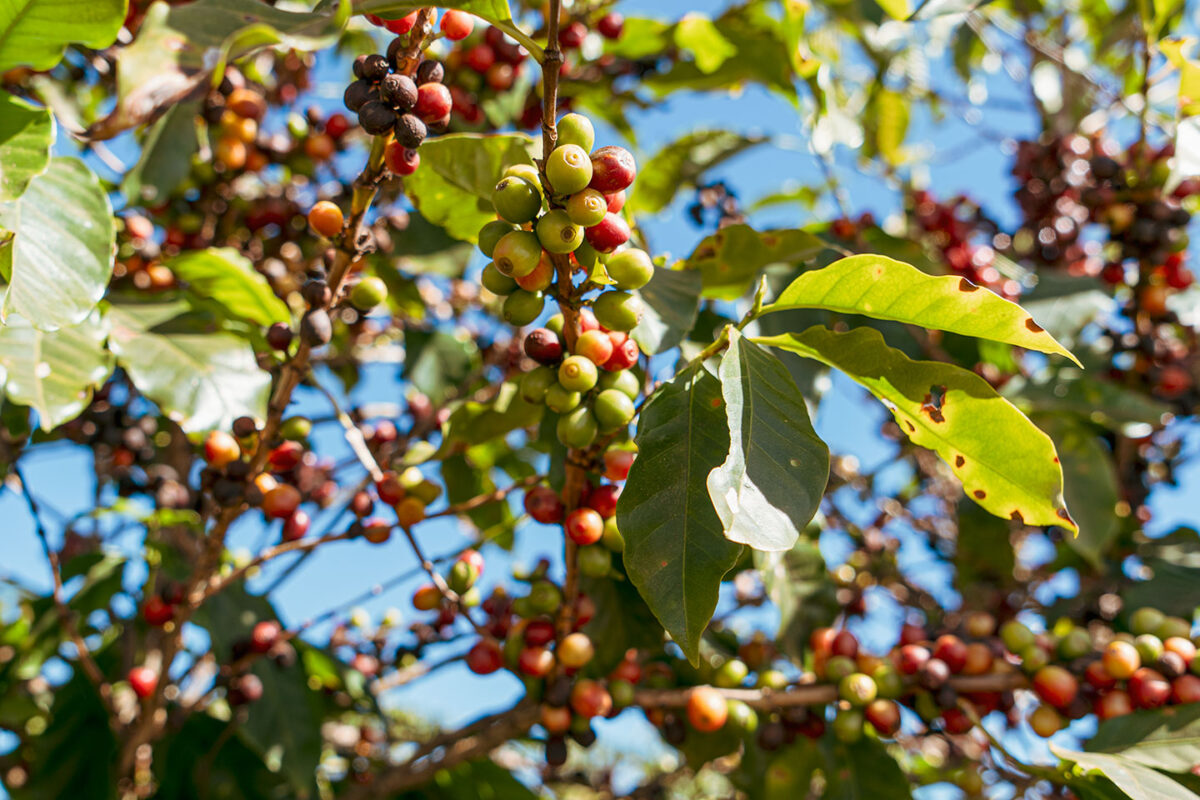
Of course, coffee takes three years from planting to the first harvest, so in the beginning, we were living on hope alone. As producers, we carry the fate of being 100% dependent on the weather. Even if we do everything perfectly, if the skies don’t favor us, all our work can come to nothing. In fact, when we expanded the fields, two-thirds of the newly planted young trees were wiped out by frost.
Over the past 15 years, we’ve been hit hard by frost twice—once in 2010 and again in 2016. And since 2018, the weather has become extremely unpredictable. The dry season starts earlier than usual, and this year even the winter was unusually warm. That’s why we’re investing in irrigation systems and other new production technologies, hoping to mitigate at least some of the environmental risks.
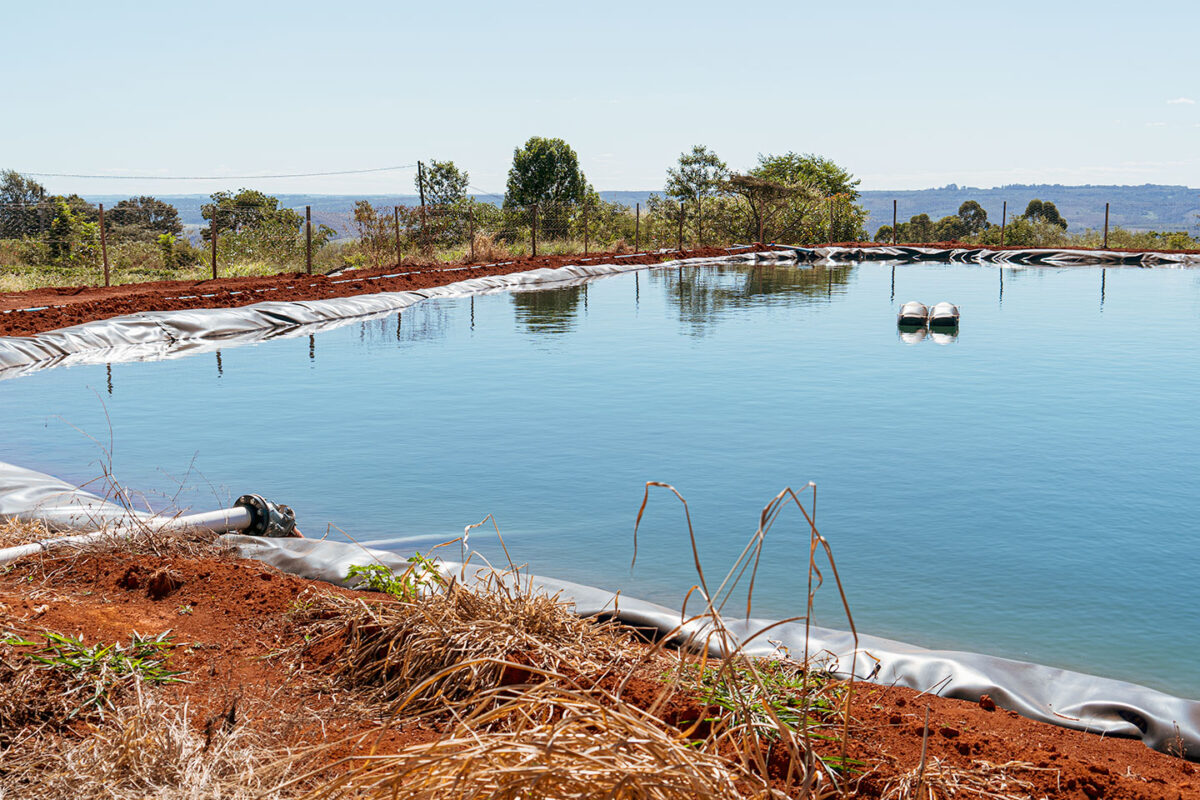
We also started growing avocados to spread the risk, but at the end of the day, they’re just as vulnerable to the weather. Many other producers in Brazil face the same difficulties. Still, I believe it’s better to focus on ways to manage weather risks by adopting new machinery and management practices rather than switching to different crops. After all, one of coffee’s advantages is its high yield and productivity per hectare compared to many other crops.
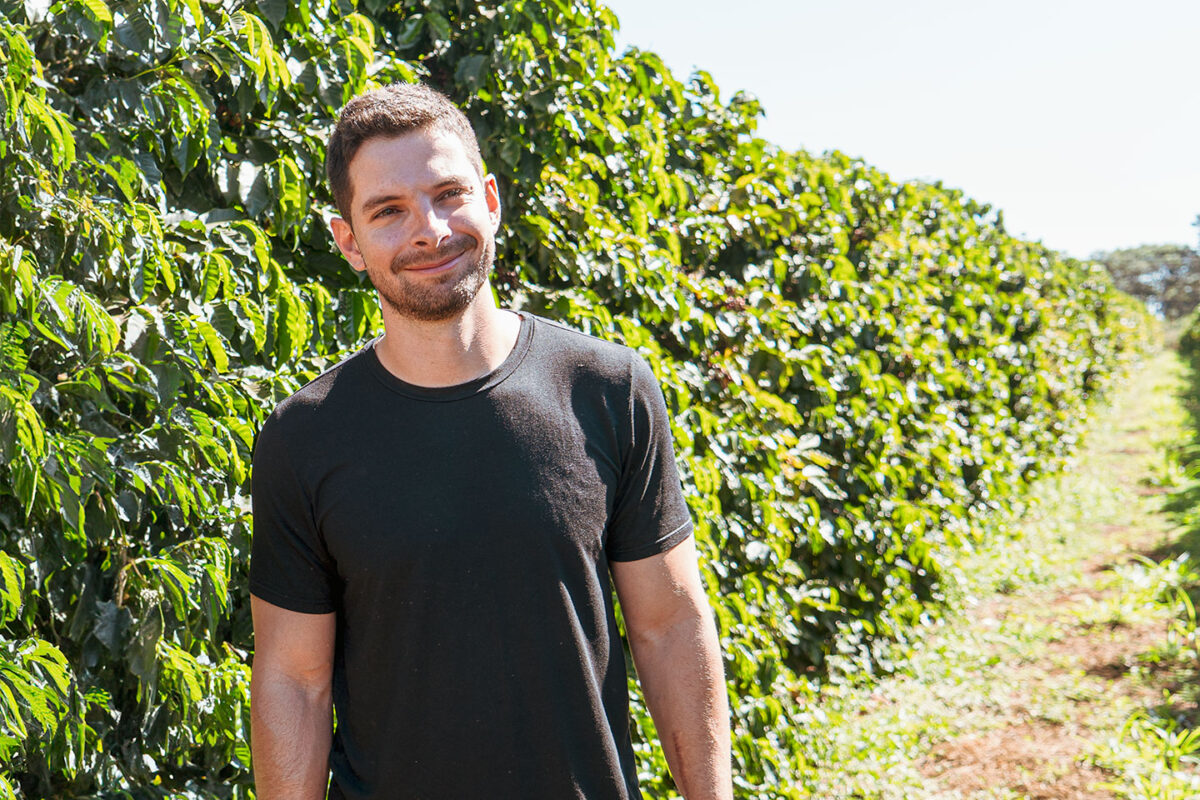
Rodrigo: “Even if we tried our hand at corn or soybeans—the main crops in this area—we’d have to learn everything from scratch, and the equipment is completely different. It would require a massive investment of both time and money.”

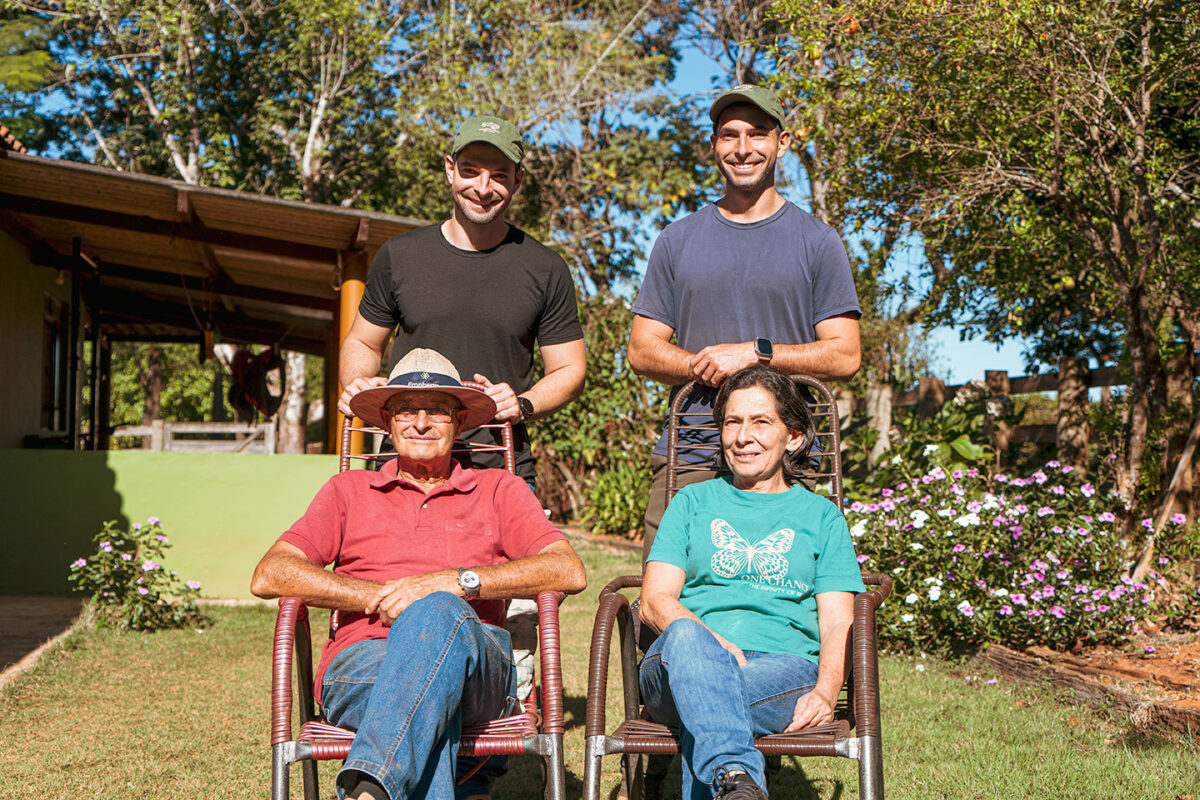
The Subject Is Always “We””
What makes Fazenda Chapadão stand out is that the family of four produces 1,000 bags of coffee a year—about 60 tons—without hiring full-time workers. At most, they occasionally bring in a single part-timer when absolutely necessary.
Rodrigo: “The truth is, we can handle all the work ourselves, and that allows us to do things more carefully. From planting to harvesting, drying, cupping, and roasting, we see every step with our own eyes. Watching the results of our own effort come together is deeply rewarding.”
Gustavo: “Our land is flat, so we can use machinery, but aside from cases where it’s really necessary, we prefer to work by hand. Even today, after planting, my father still walks the fields pulling weeds with his hands.”
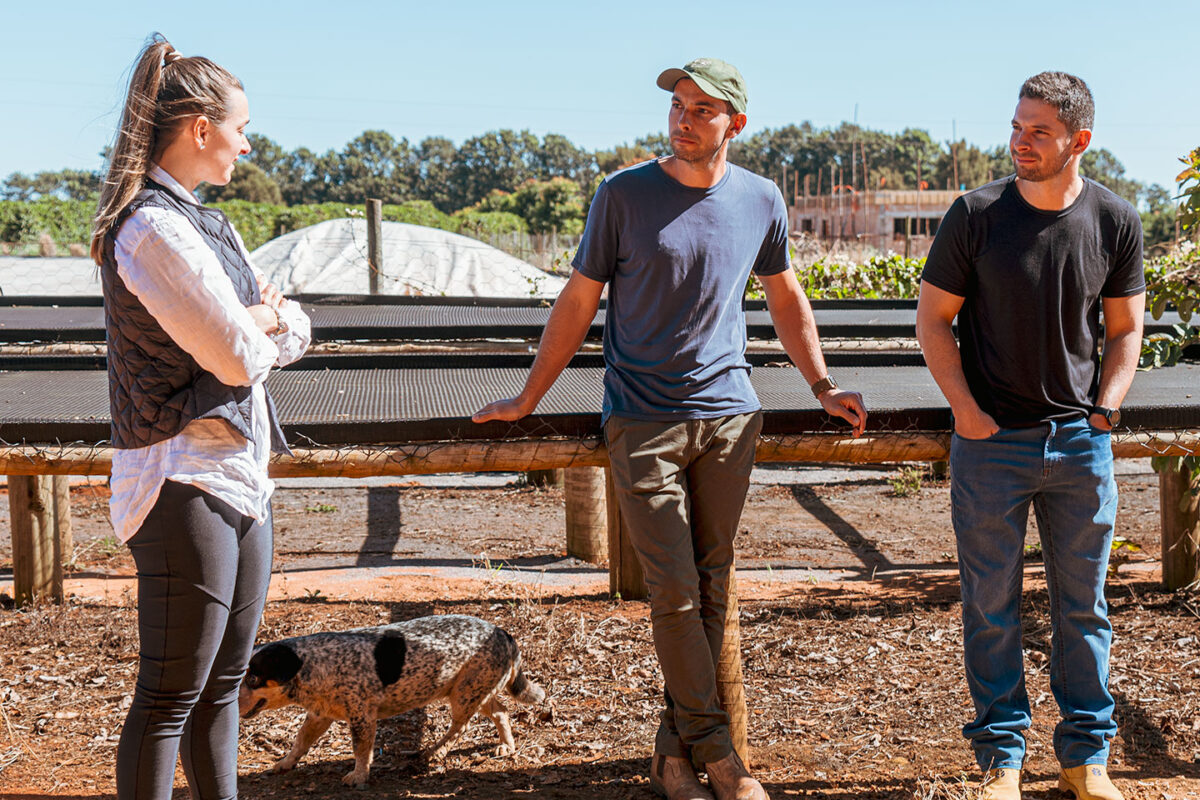
Teresa from Coffee Quest Brazil, who trades with the family, notes: “There’s a Brazilian saying: ‘Cattle thrive where the owner’s eye is upon them.’ If the owner is responsible and attentive, quality is guaranteed. Their farm is run with remarkable efficiency. Not only do they consistently deliver on quality, but they’re also always looking for ways to improve efficiency in how they work. I think that’s truly admirable.”
Gustavo: “In our family, we all work with trust in each other. If one of us is absent, everyone immediately notices. We were raised this way. None of us are self-centered or push our personal desires above the group. Here, it’s never about me—it’s always about us.”
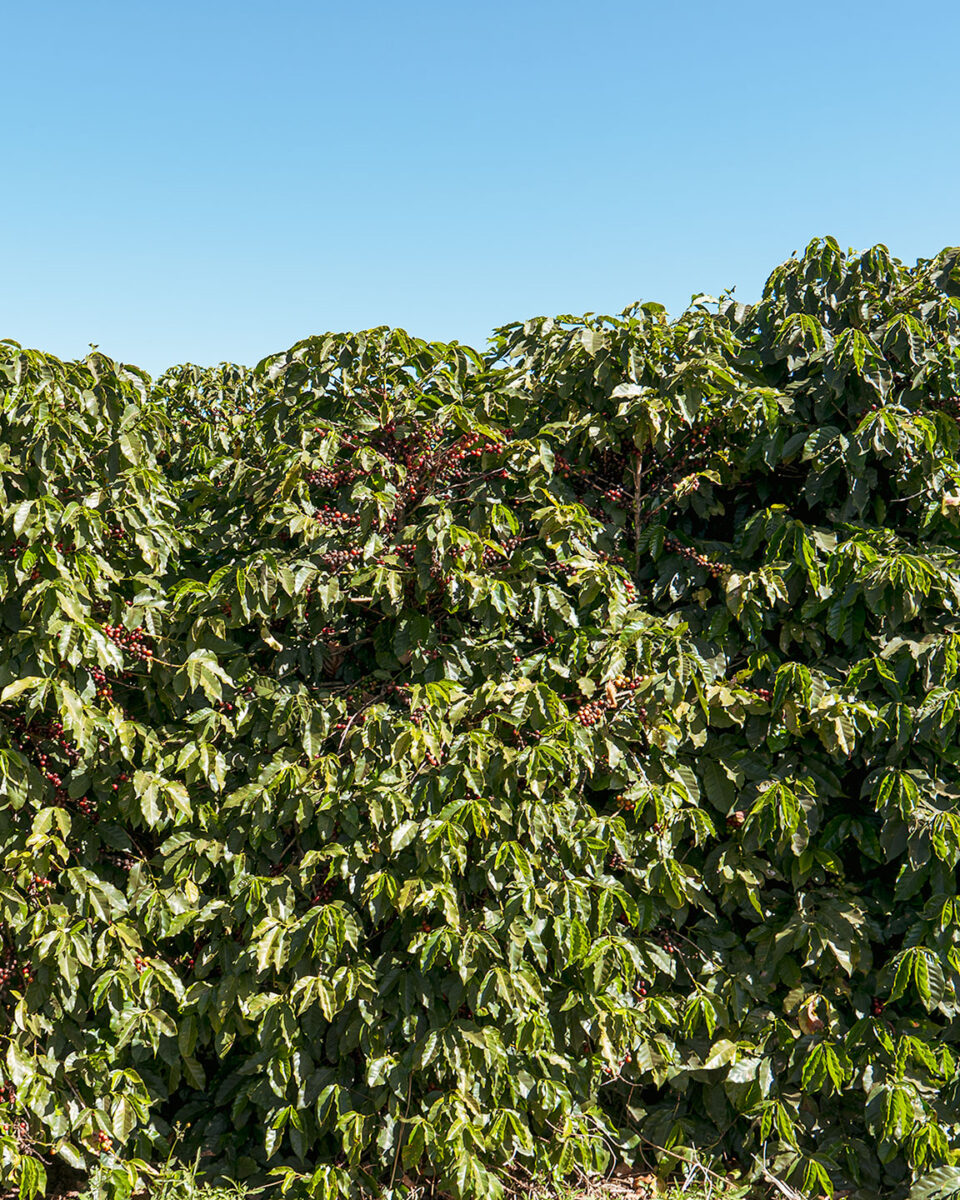
An Instinct to Live with Nature
Like many young people raised in the countryside, Gustavo and Rodrigo left home as children to study at schools in town and later at universities in the city. Experiencing such different environments made them more aware of where their true identity lay. After spending a few years working in conventional companies, both eventually returned to their hometown to start farming.
Gustavo: “For generations, both my father’s and mother’s families have been running farms and living close to nature. Cultivating crops feels like something encoded in our DNA—it’s an instinct. Personally, I love being in the fields, and I spend most of my time working there. Rodrigo takes care of the management and administrative side of the business.”
Rodrigo: “After graduating from university, I worked at a bank for about four years, but the stress piled up. I couldn’t imagine doing that for the rest of my life. Stability doesn’t mean much if it comes at the cost of living under constant stress—that just doesn’t make sense to me.”
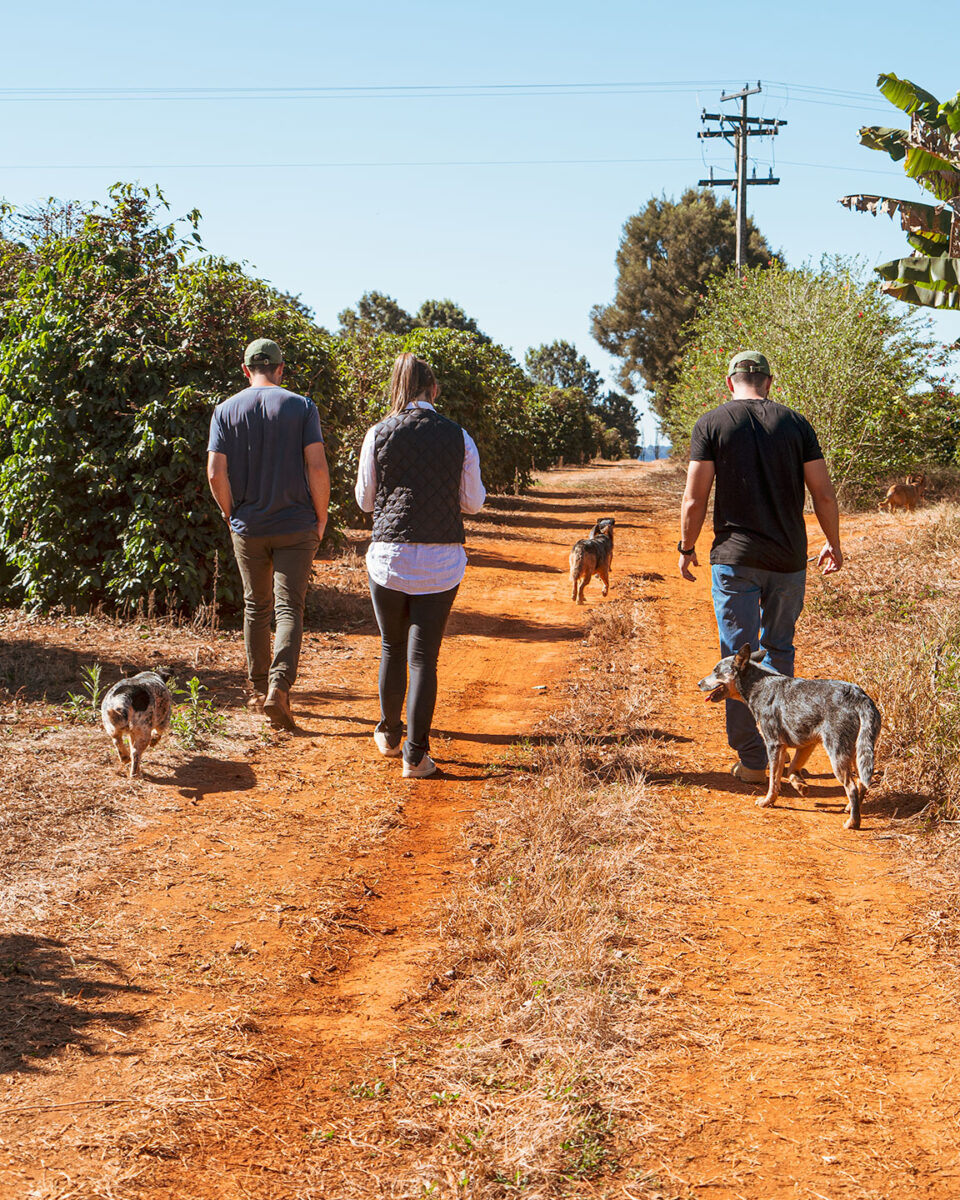
Gustavo: “We’ve been helping out since our father was raising cattle, so you could say we started this work as babies. From the very beginning, it has never been just a business—it’s been a way of life, a part of who we are. The risks that come with it are simply one piece of the puzzle, already built into the life we chose. That’s why no one in our family allows risk to bring them down or make them feel negative.
When the Andrade family first began producing coffee around 2008, the common belief in the region was that “all coffee is the same.” They started out with that assumption, too, until cupping revealed the individuality and quality differences in each coffee. That discovery sparked their motivation to pursue excellence.Gustavo: “We probably first heard the term specialty coffee around 2015. Since then, we’ve wanted to prove to the world that Brazil can produce both excellent coffee and distinctive coffee. We want to challenge old preconceptions and prejudices.”