







Inheriting a Thirst for Innovation: Pursuing “Farm to Table” with Coffee
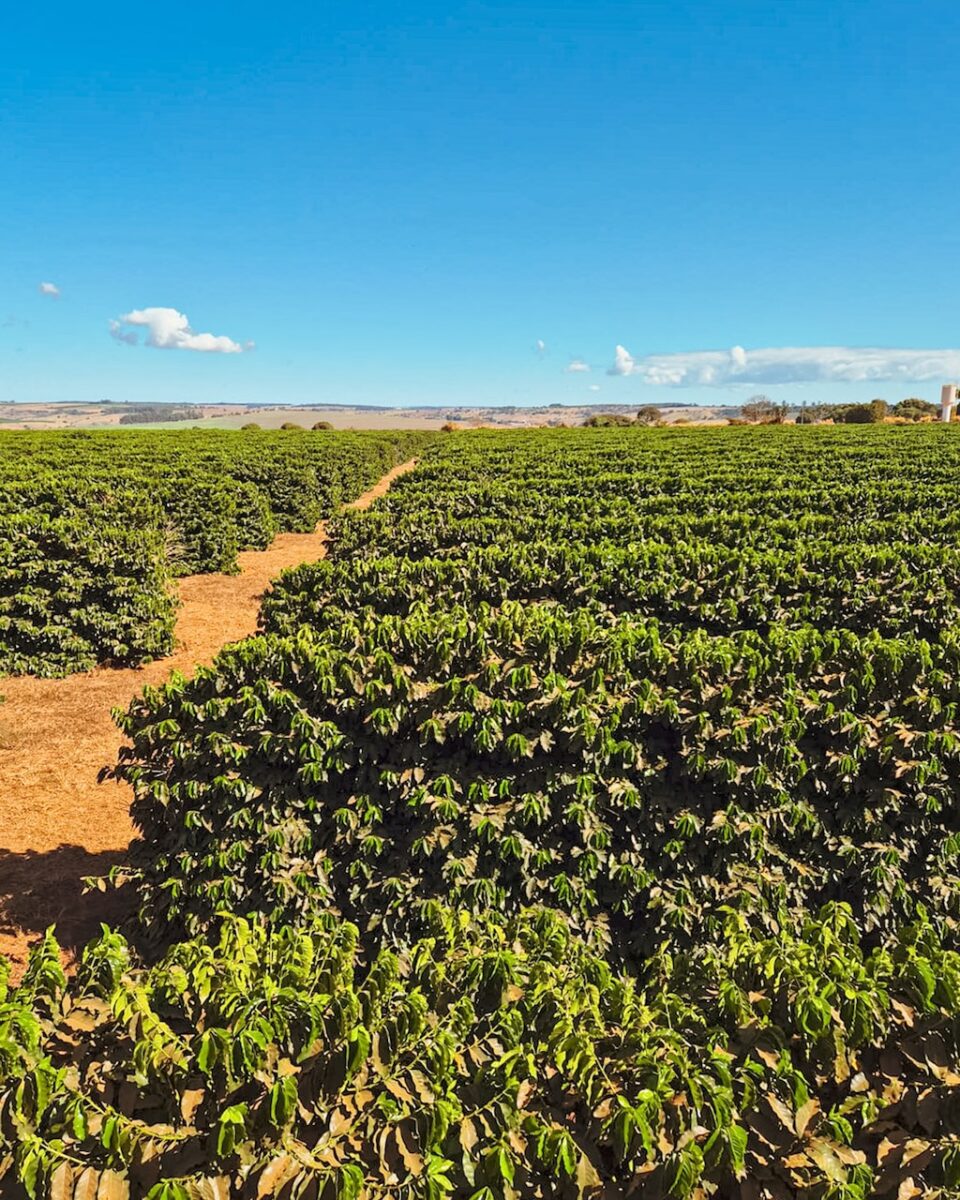
In the early 20th century, many Japanese immigrants came to Brazil under labor contracts to work on coffee plantations in São Paulo. Over time, some were able to purchase land and establish themselves as independent coffee farmers—a path that became a notable trend.
Mitsuo Nakao, a second-generation Japanese Brazilian, and his wife, Fumie, were among them. Initially, they cultivated a variety of crops in São Paulo, but eventually decided to specialize in coffee. In 1984, they relocated to the Cerrado Mineiro region of Minas Gerais, a land particularly well-suited for coffee cultivation.
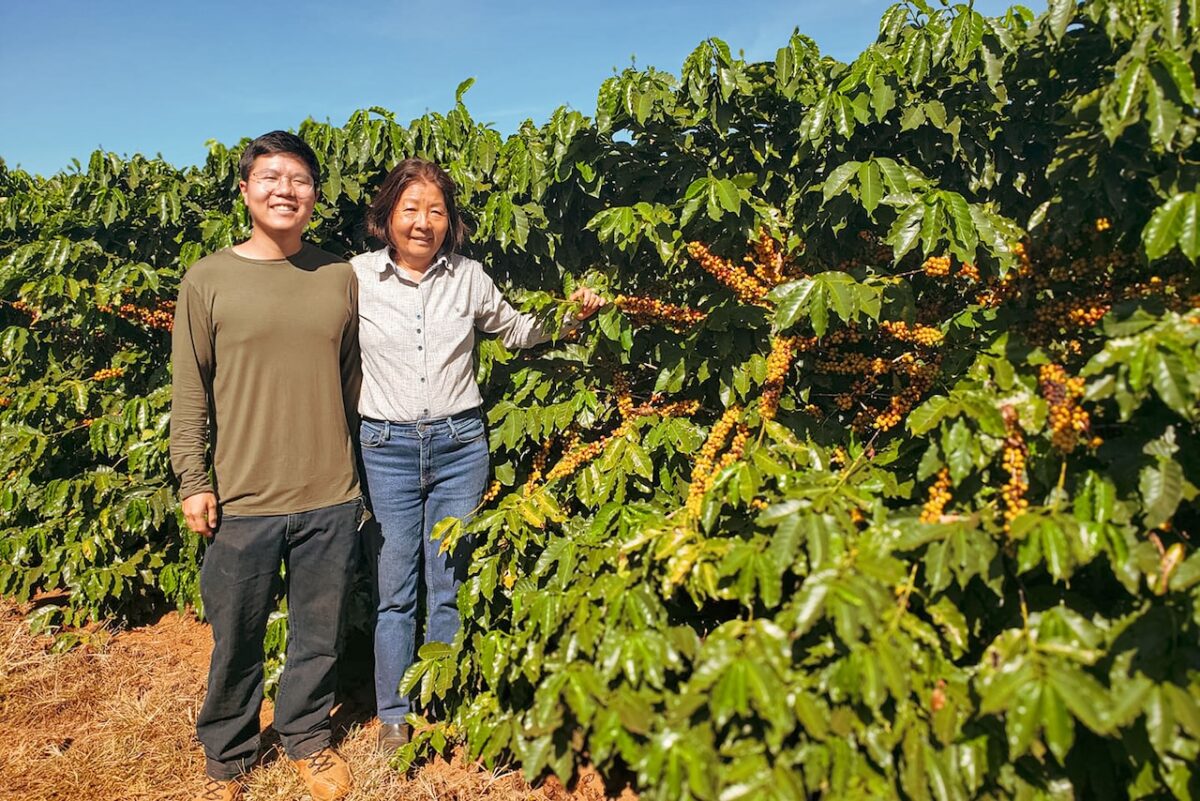
Today, their grandson Victor manages the farm. He grew up in São Paulo until the age of twelve. After his father passed away, he moved with his mother to live with his grandparents, who were running the coffee farm. “I watched my grandparents care for the coffee trees with so much love. Even in their eighties, they would go to the farm every single day,” Victor recalls.
Still, neither his grandparents nor his mother ever pressured him to take over. “They always raised me with the belief that I should pursue whatever I wanted to do.” After earning a degree in engineering, Victor worked for a few years on the farm before spending about three years in the cement industry and later at a tech startup. His decision to quit corporate life and return home to dedicate himself fully to coffee came when his mother, who had divided the land with her siblings, asked for his help in running the farm.
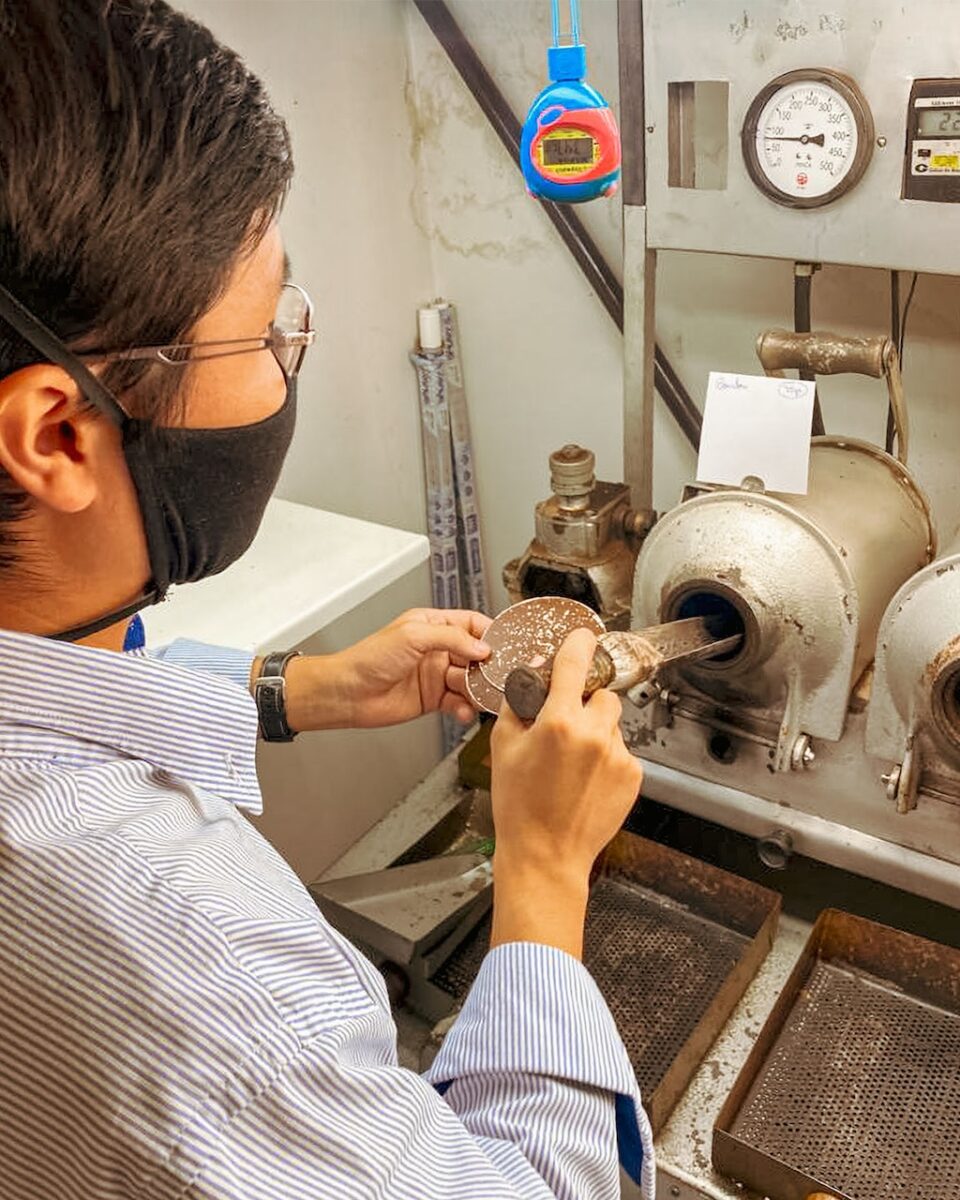
“It’s because I truly love coffee,” Victor explains. “After graduating from university, I studied roasting and brewing, and also managed a café for nearly a year. During that time, I became more and more fascinated by coffee. Interacting directly with end consumers gave me insight into their preferences and needs, which has helped me design fermentation processes that are more readily accepted in the market.”
Even his seemingly unrelated experience as a product owner at a tech startup has proven valuable. “I learned how to prioritize while managing multiple tasks in parallel, and I gained a sense of how consumers perceive price—and how to use that perception effectively. The product itself may be different, but the fundamentals are the same: designing processes, working with people, and achieving goals together.”
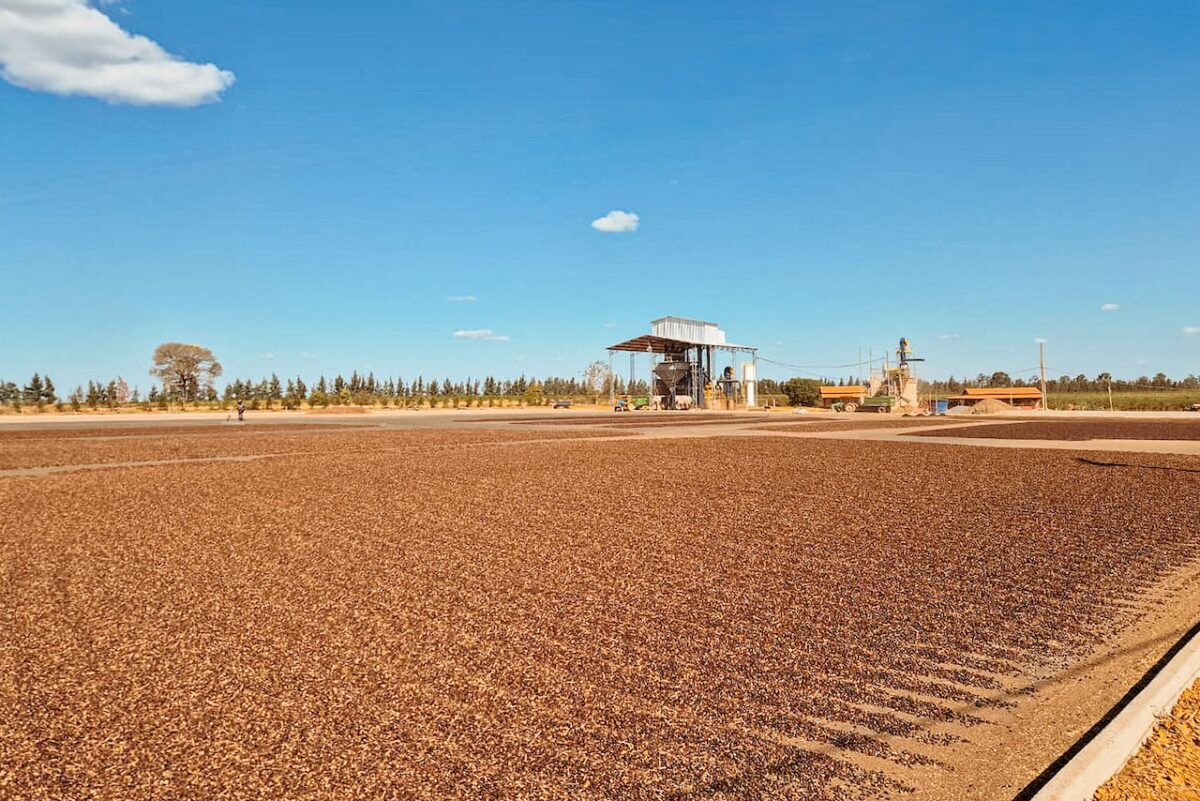
In 2019, Victor made the decisive shift toward focusing not on quantity but on quality, dedicating himself fully to specialty coffee. He began experimenting with different fermentation methods and drying techniques to refine his approach.
“Coffee only bears fruit once a year, and you only see the results after the harvest is over,” he says. “That’s why I’ve tried to run as many batches as possible, adjusting fermentation times, changing drying locations, and tweaking conditions step by step. You have to accept from the start that it takes time before results appear, and commit yourself patiently to the process. I think that mindset was ingrained in me from watching my grandparents and my mother dedicate themselves to the farm.”

A Spirit of Challenge Running in Their Veins
At the 130-hectare Catanduva II Farm, the annual harvest yields an average of around 7,000 bags. In 2020, five of their lots reached the final round of a contest organized by the Cerrado Mineiro cooperative. The following year, in 2021, one of their coffees placed 12th in the Cup of Excellence.
“Our standout is definitely Paraiso,” Victor says with confidence. “At the moment, about 10% of our production qualifies as specialty coffee, but I’d like to increase that share. Next year, I think we could raise it to around 30%.”
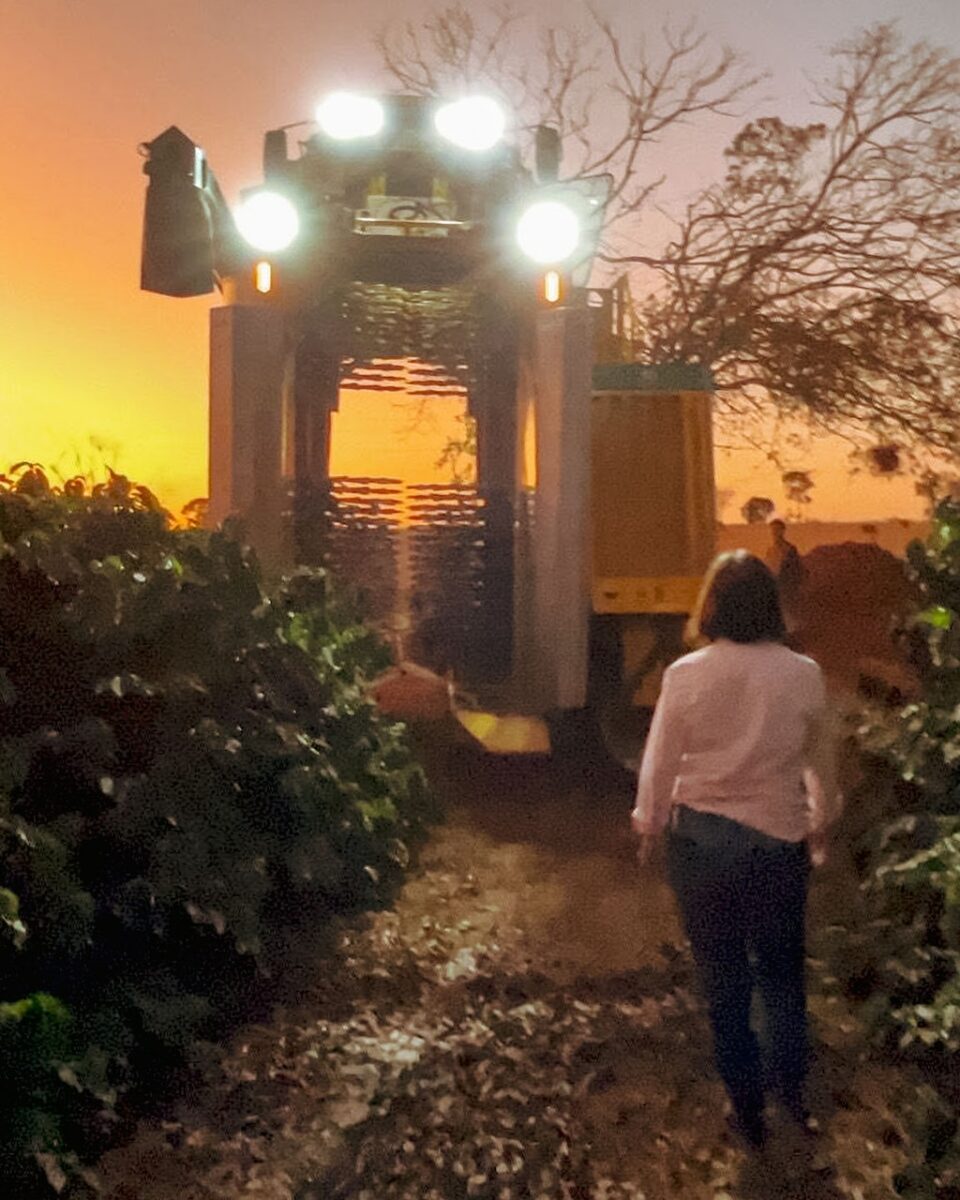
Victor sees a common thread between his grandfather and his mother: a strong desire for innovation, curiosity, and the drive to keep improving. His grandfather was one of the pioneers who introduced mechanical harvesting in the region, while his mother, as early as the mid-2000s, began adopting regenerative farming practices to reduce the use of chemical fertilizers and pesticides. Planting other trees between rows of coffee is part of that same approach. “In recent years, we can’t escape the effects of drought, but I believe our efforts to restore the soil have helped minimize the damage,” Victor explains.
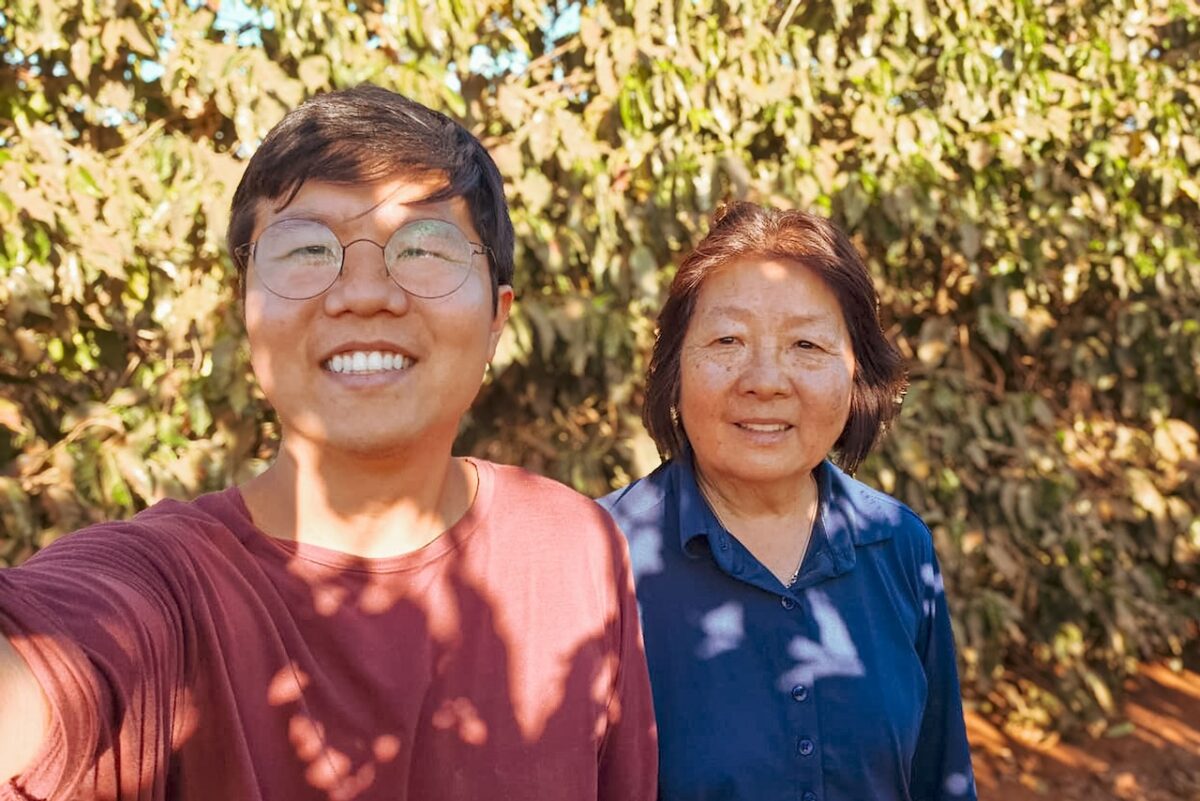
That spirit of continuous experimentation lives on in Victor. He has taken courses on coffee fermentation, sought advice from consultants, and steadily carved out his own path. For now, the farm sells its coffee through traders and cooperatives, but his long-term vision is to open a roastery or café that serves their own coffee directly—bringing to life the ideal of “farm to table” through coffee.
“What gives me joy is hearing people say our coffee tastes delicious,” he says. “Some of our business partners have known my family since my grandparents’ time, and they still share stories about my grandfather. That means a lot to me. And of course, I don’t just want to connect with people here in Brazil—I want to reach roasters and consumers around the world.”