




Pouring passion into coffee. Carving out your own path
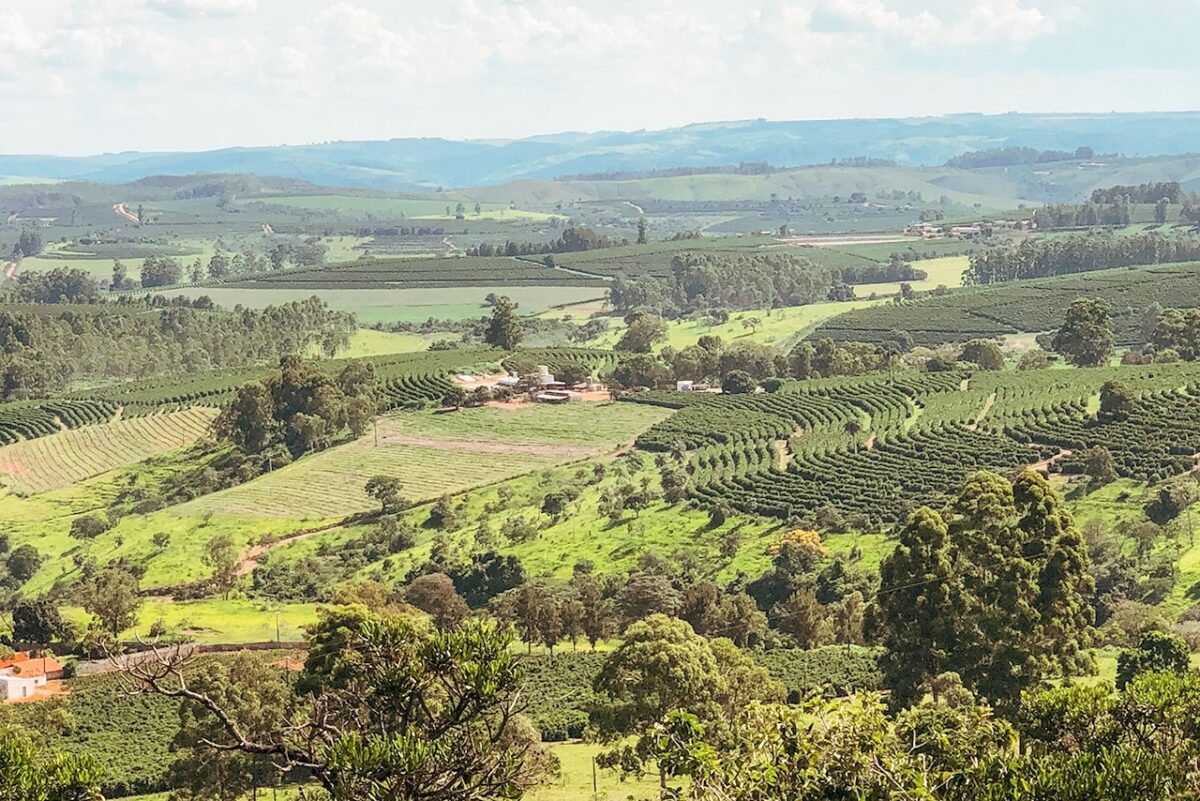
In Brazil, coffee production as a whole has become increasingly industrialized, with a strong focus on quantity over quality. The adoption of large-scale machinery and the latest technologies has boosted efficiency and productivity, enabling stable, high-volume supply. On the other hand, this standardization often erases the distinctive flavors of each region or farm, making it harder for people to feel a true connection to the coffee.
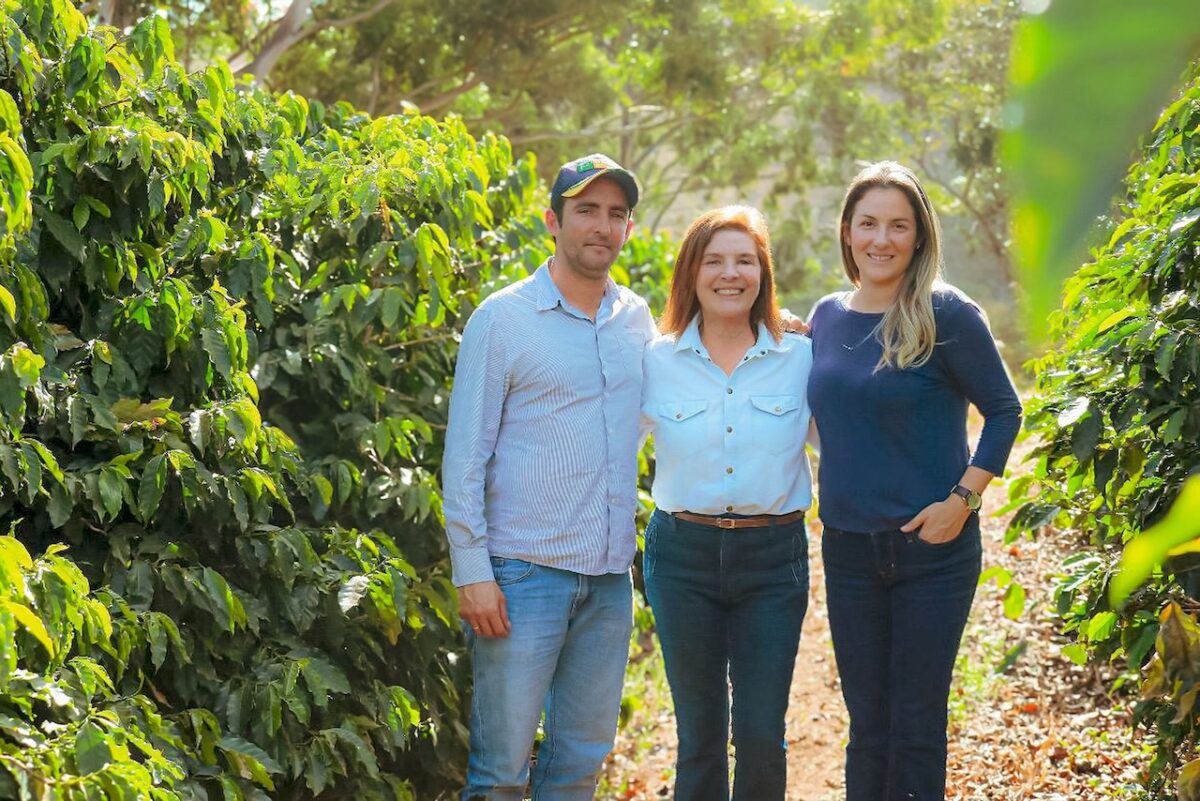
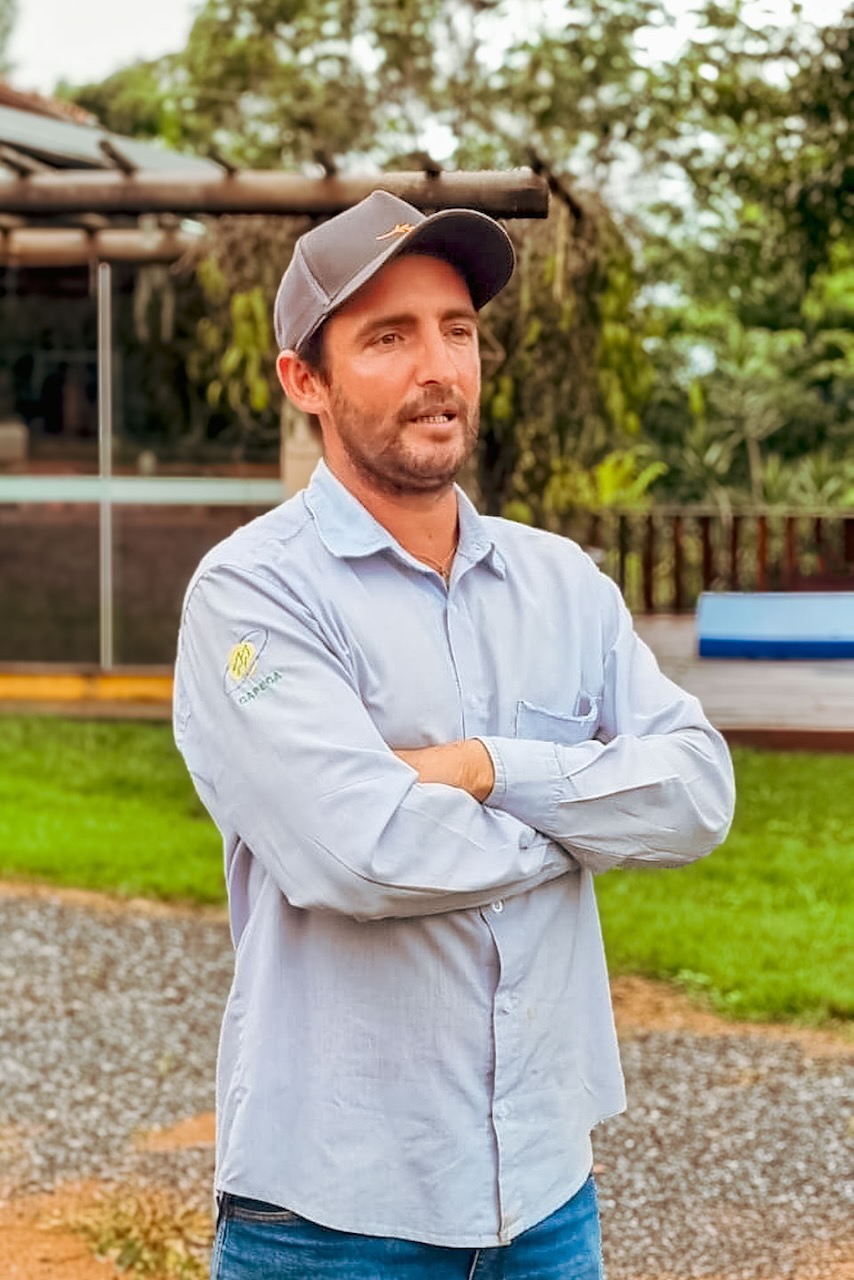
In Campos Altos, however, Fazenda Canta Galo, run by Heron Jr. together with his mother and two sisters on 80 hectares of land, has chosen a different path—bringing emotion and individuality into coffee production. Today, the farm employs seven full-time staff members year-round. While consulting firms often advise farmers to consider “one worker and one tractor for every 50 hectares” as the standard scale, Heron Jr. takes the opposite approach: hiring more people to ensure attention to detail and a focus on producing high-quality coffee. The fact that the farm now produces more than 150 distinct lots is only possible because of the human hands involved at every step.
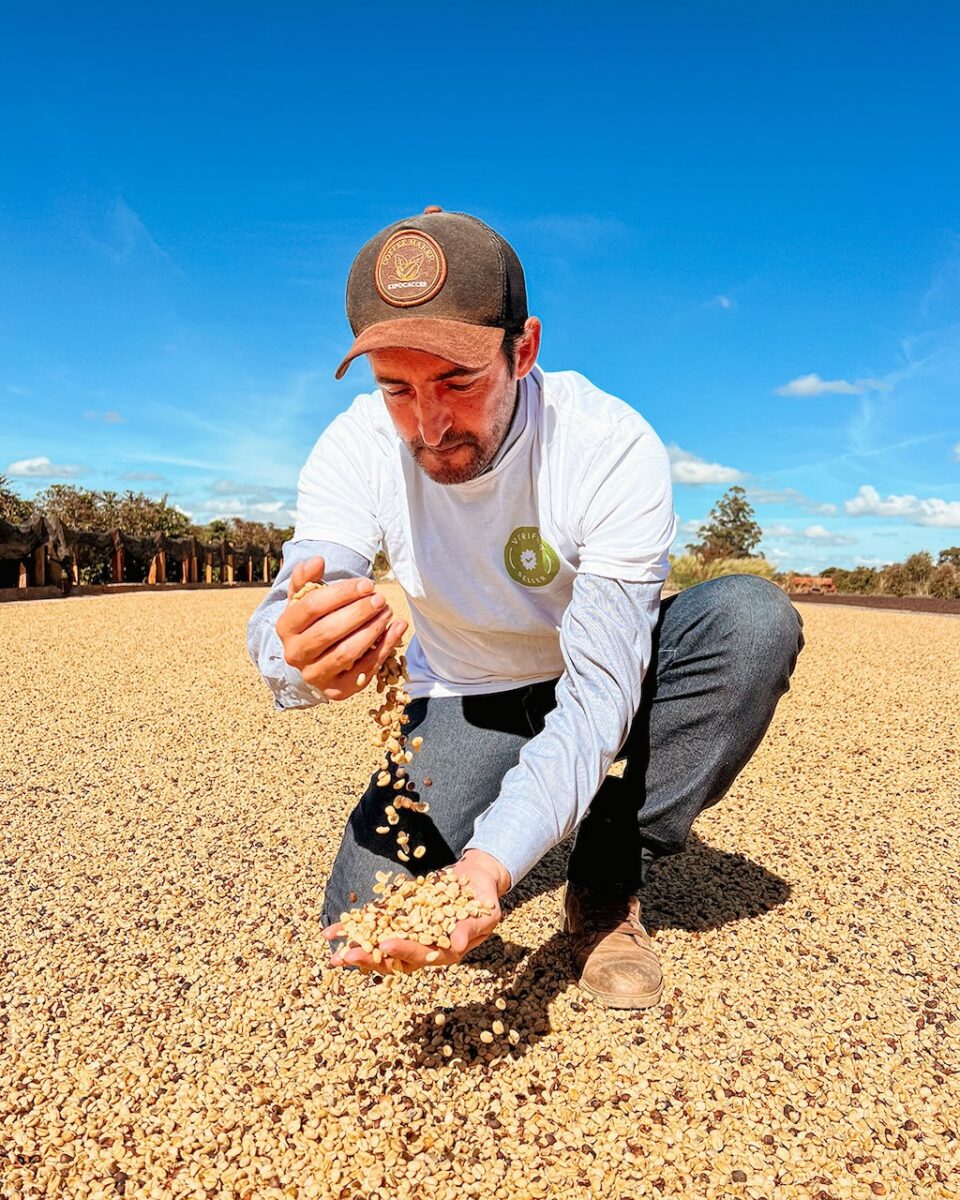
“Just like wine, the process of producing coffee involves many delicate steps. If it’s made in an industrial way, all you get is an industrial product. But when human hands are involved, you can carry out more careful work, add thoughtful attention to detail, and achieve far better results. For example, you can rely on tractors for the drying process, but here we prefer people to be directly involved. That way, the coffee beans can stay in much better condition.
The innovations he began introducing in 2014 have steadily paid off. A turning point came in 2019, when the farm won third place in a quality competition organized by the state of Minas Gerais—an achievement that opened the door to the international stage. Soon after, roasters abroad began reaching out with offers to buy coffee directly. For Fazenda Canta Galo, which until then had sold all its coffee as a commodity through cooperatives and traders, this was a groundbreaking step forward.

Aiming for 100% Direct Trade
Today, Fazenda Canta Galo is united as a family in coffee production—but it wasn’t always that way. In 2014, when Heron Jr.’s father—who worked as a veterinarian while caring for the farm—passed away suddenly in his late fifties, it divided the family over the farm’s future.
At the time, Heron Jr. was working as a physical education teacher at a public school and only helped with coffee during harvest season. Even so, during a family meeting he argued: “The coffee industry is at a turning point. Now is the time to ride this wave. If we invest in raising quality, we can sell our coffee at better prices and even win awards.” He knew this because the neighboring farm had won multiple contests and achieved significant success.
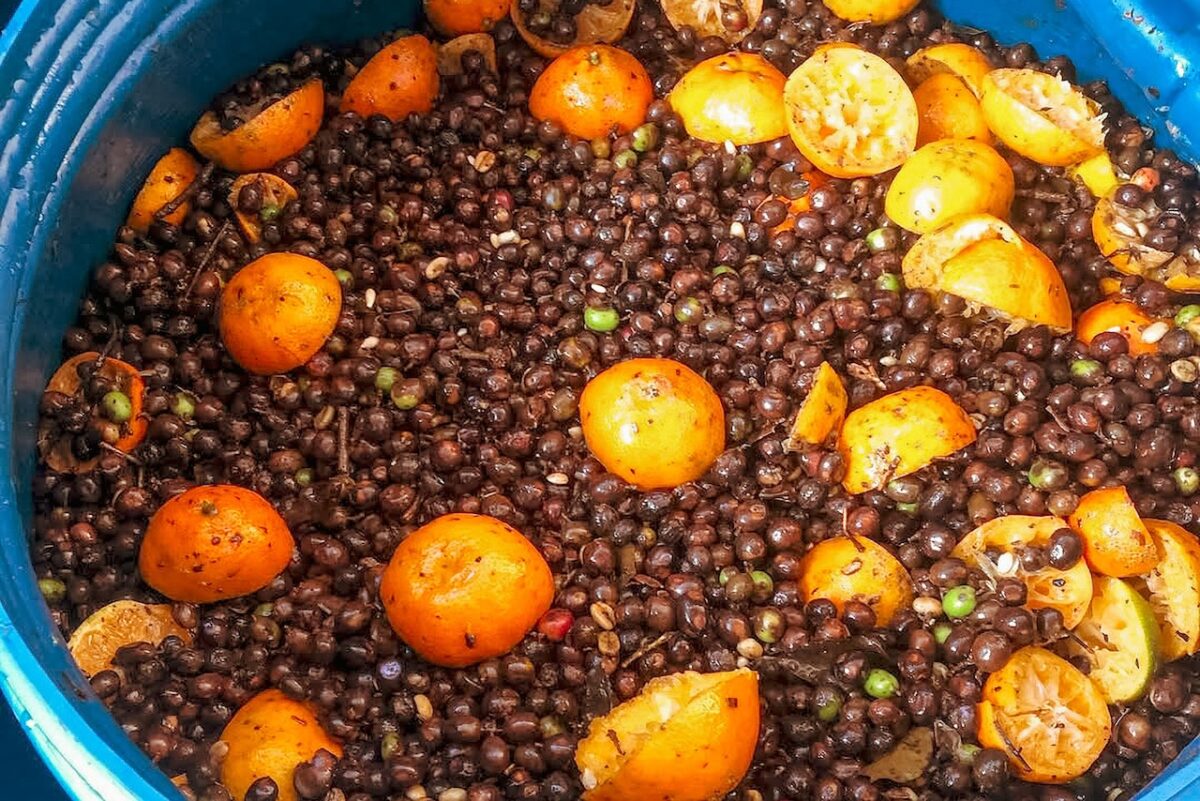
Some family members pushed back, saying, “Our financial situation isn’t strong enough. It’s not worth investing; selling as a commodity is enough.” But Heron Jr. explained the realities, persuaded them, and pushed forward with investment. He introduced fermentation tanks, equipment for fully washed processing, and a dry mill. He also strengthened management by appointing people responsible for harvest and drying operations.
“Because I had been working in a completely different field, I think I was able to approach things without preconceived notions. In particular, the experience of extensively studying farms in Colombia and Panama was crucial in solidifying my decision to focus on quality. I was inspired by the way they worked carefully through every single step in a family-like atmosphere.”
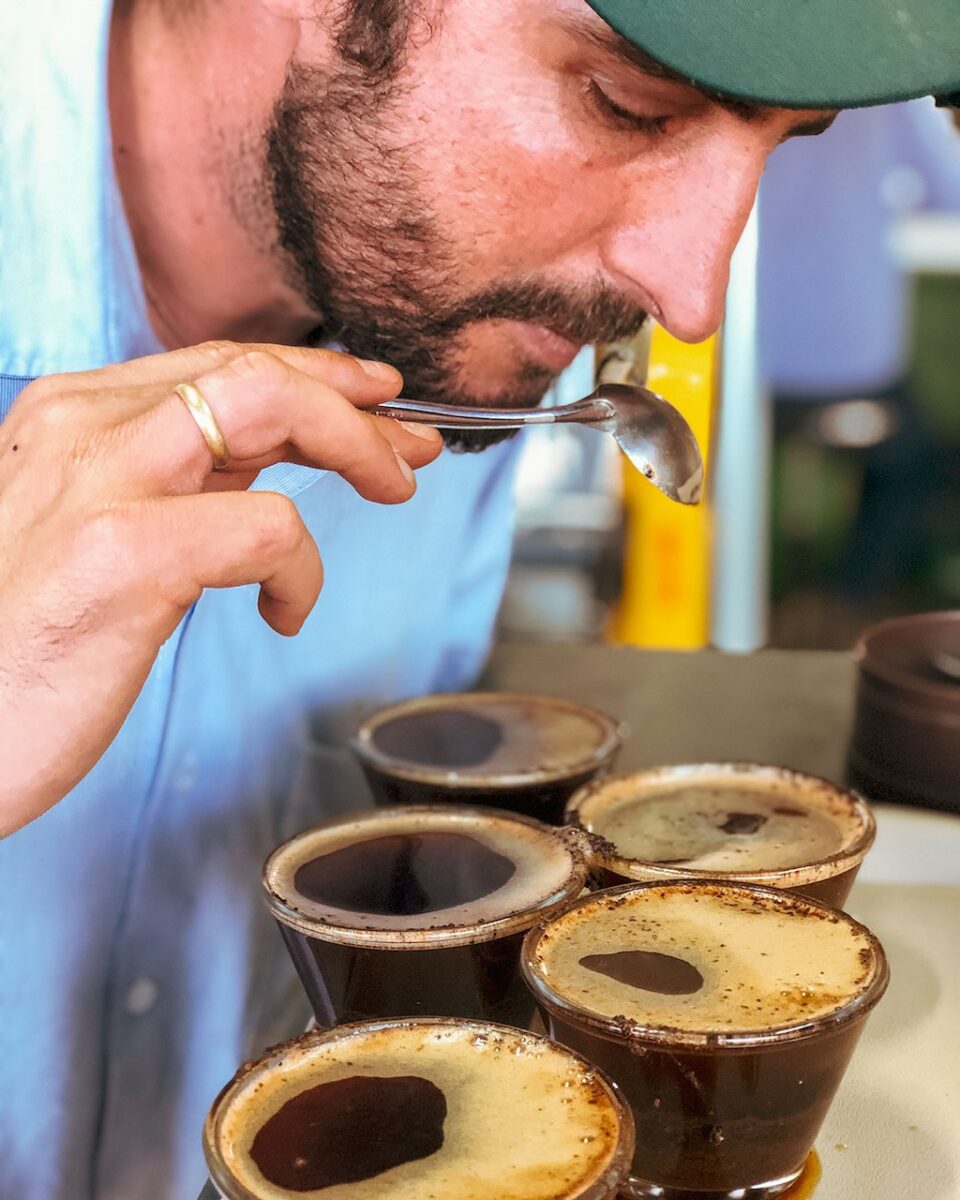
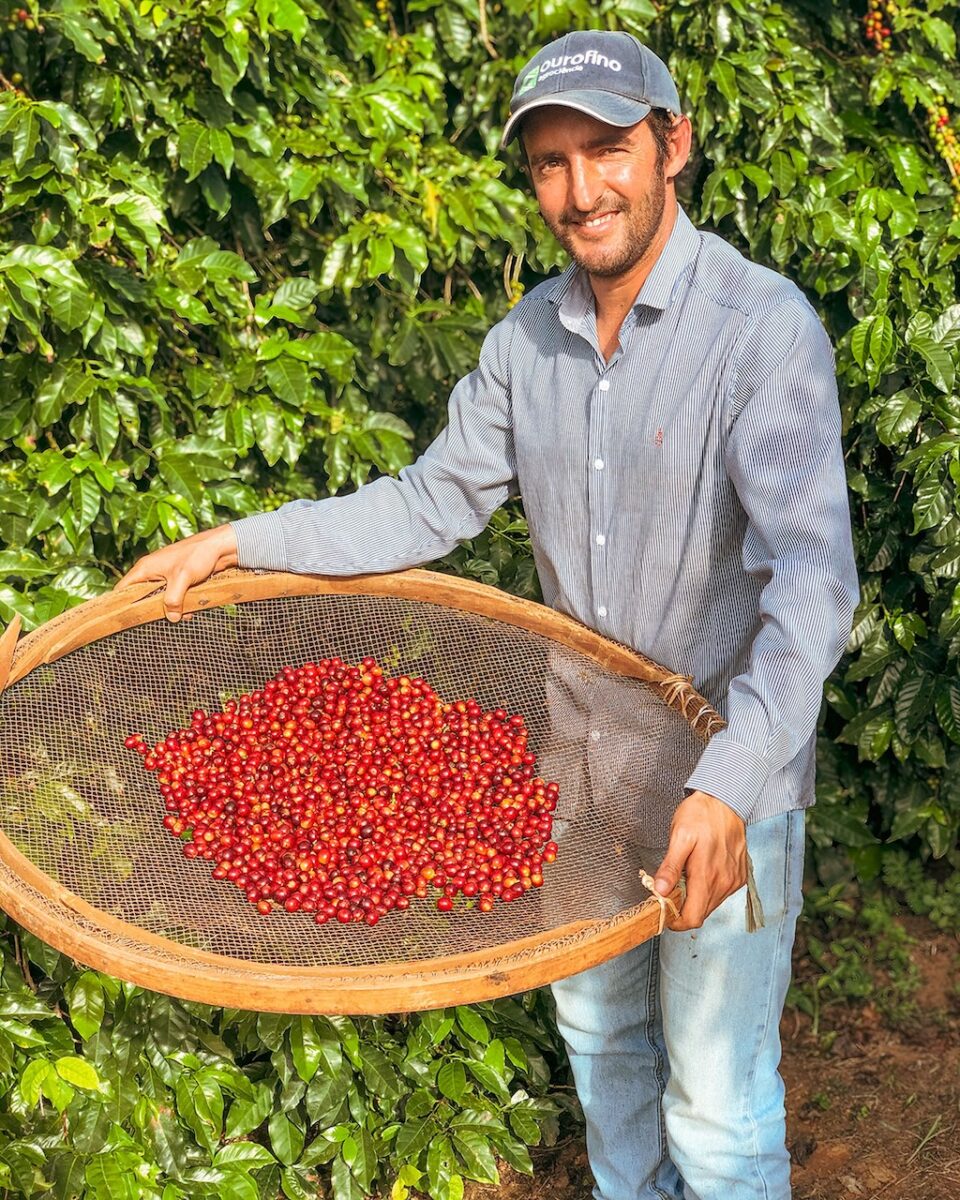
Since 2019, Heron Jr. has set his sights on breaking free from dependence on commodities. Thanks to his efforts to build direct relationships with roasters, by 2025 roughly 80% of the farm’s coffee was sold through direct trade. With revenues up and the whole family sharing in the benefits, their bonds have grown even stronger. Still, Heron Jr. is far from satisfied.
“My goal is 100% direct trade. To build long-term partnerships, I believe the most important thing is to remain honest and sincere. I would never want to lie and buy someone else’s coffee just because I didn’t have any of my own to sell.”
Because My Freedom Was Respected
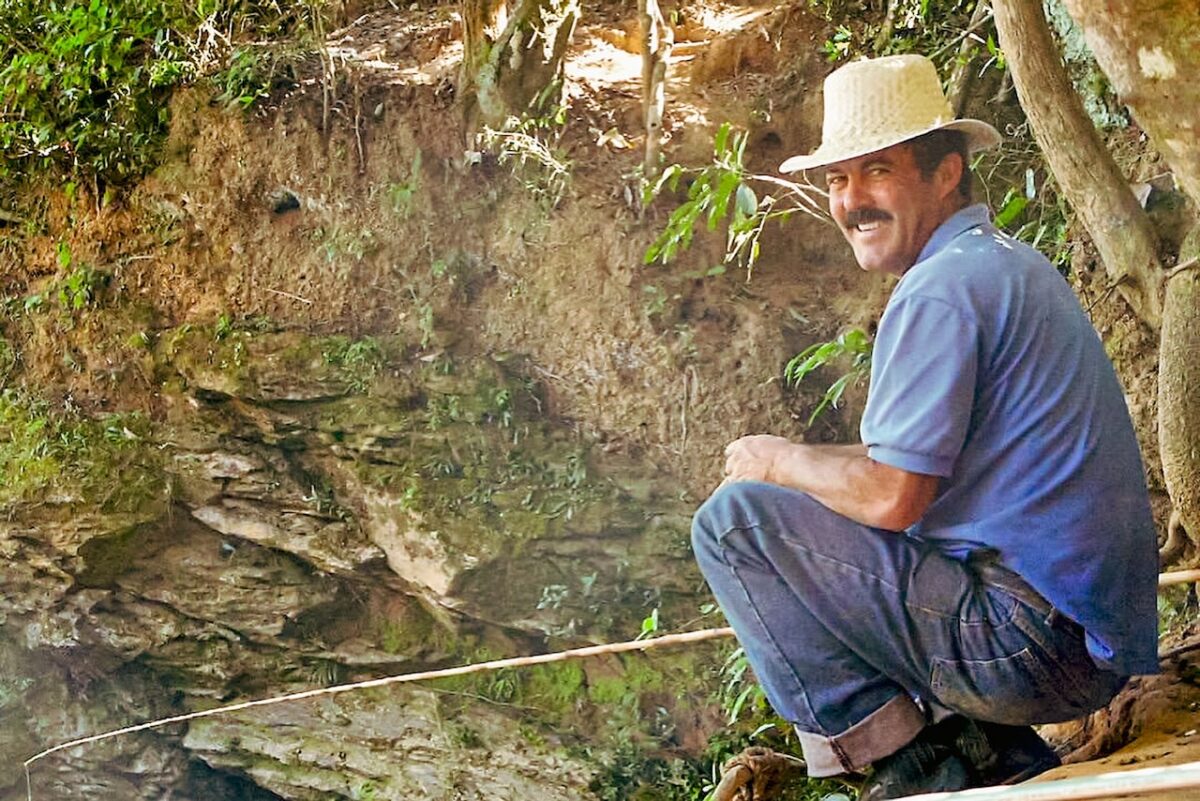
After his father’s death, Heron Jr. quickly decided to take over the farm—but he had never been pressured to do so. On the contrary, he had always been encouraged: “I’ll take care of the farm. You should pursue your own dreams and carve out your own future.” His decision to become a physical education teacher was simply a natural choice, as he had loved sports since childhood.
“My father was a very fair and generous man. He guided us with discipline and strength, but always in a way that allowed us to fully pursue what we wanted to do. I have countless good memories of going fishing with him, traveling together, and so much more. When it came to coffee, he had a master’s level of knowledge and skill. There is nothing negative I could ever say about him.”
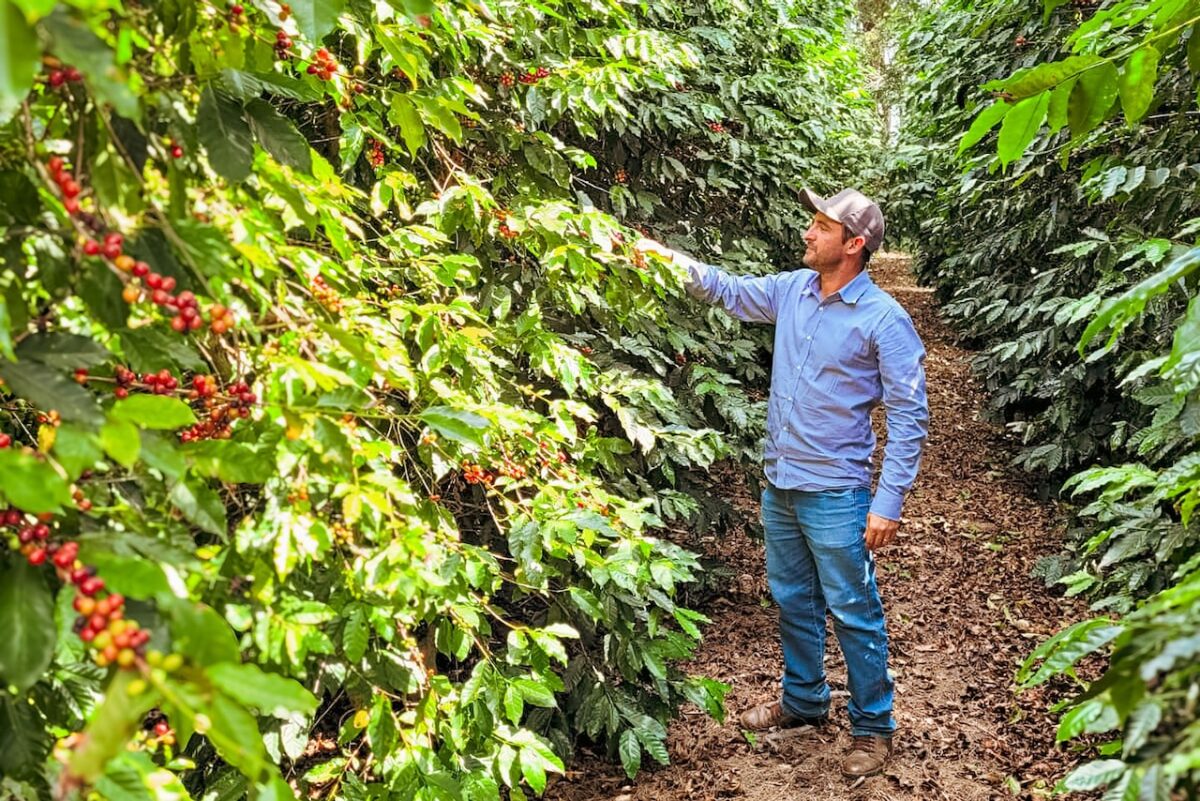
It was with this background of support and inspiration that Heron Jr. came to believe in the potential to expand the business and decided to dedicate himself entirely to farming, pouring 100% of his energy into coffee production.
“Our biggest challenge right now is that we can’t yet produce enough coffee to meet customer demand. We still have capacity to grow, so I want to lease additional land, increase the volume of high-quality coffee we produce, and live up to the expectations of our partners.”