





Change Begins with Awareness: A Meaningful Life Grown Through Coffee

Based in Colombia’s Huila region, Cadefihuila is a coffee producer cooperative founded in 1963. With one of the longest histories and largest memberships in the country, it now counts around 3,500 producers among its members.
At the heart of Cadefihuila’s philosophy is a commitment to staying as close to producers as possible. True to that mission, the cooperative has established 38 purchasing hubs throughout the region. Even producers working in the most remote locations can typically reach a hub within about an hour. While staffing each site increases operating costs, Cadefihuila prioritizes building an infrastructure that allows even the smallest-scale growers – those growing less than one ton of coffee a year – to continue farming sustainably.
In addition, the cooperative provides interest-free loans, training on cultivation and processing, and technical support. After covering essential administrative expenses, all remaining profits are returned directly to the producers.
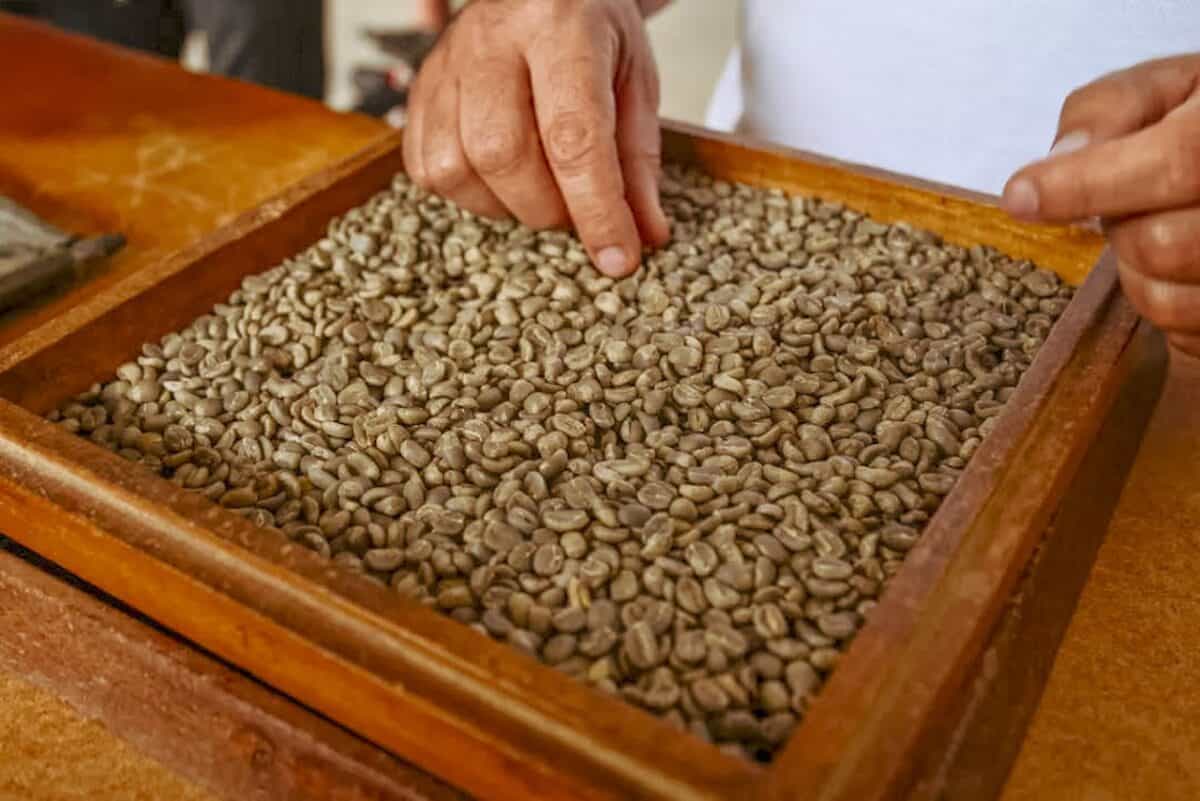
A major turning point for Cadefihuila came around 2010. Up until then, the cooperative had sold all of its coffee through the National Federation of Coffee Growers of Colombia (FNC). But as the specialty coffee market expanded, more exporters began entering the scene, sparking fierce competition for high-quality lots. The FNC’s competitive edge gradually diminished, and with it, the prices it could offer. Faced with this new reality, the cooperative recognized the urgent need to seek out its own buyers and step into international markets directly.
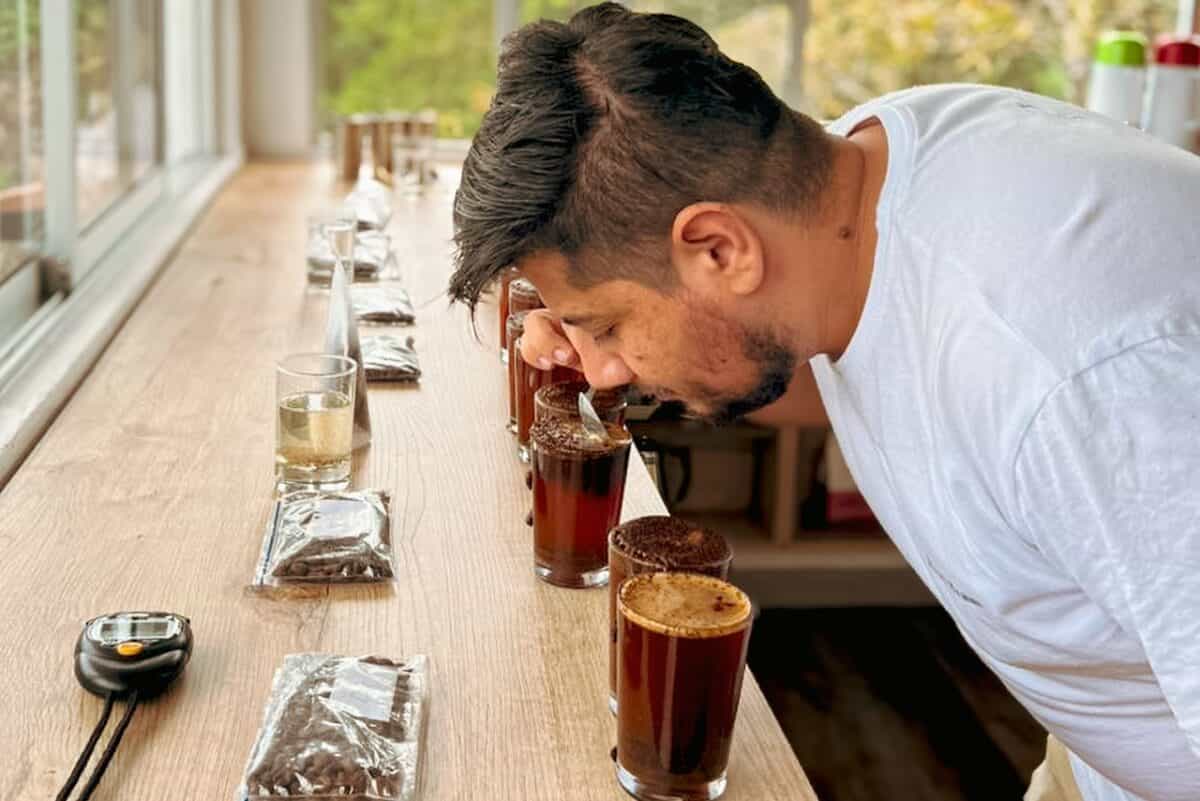
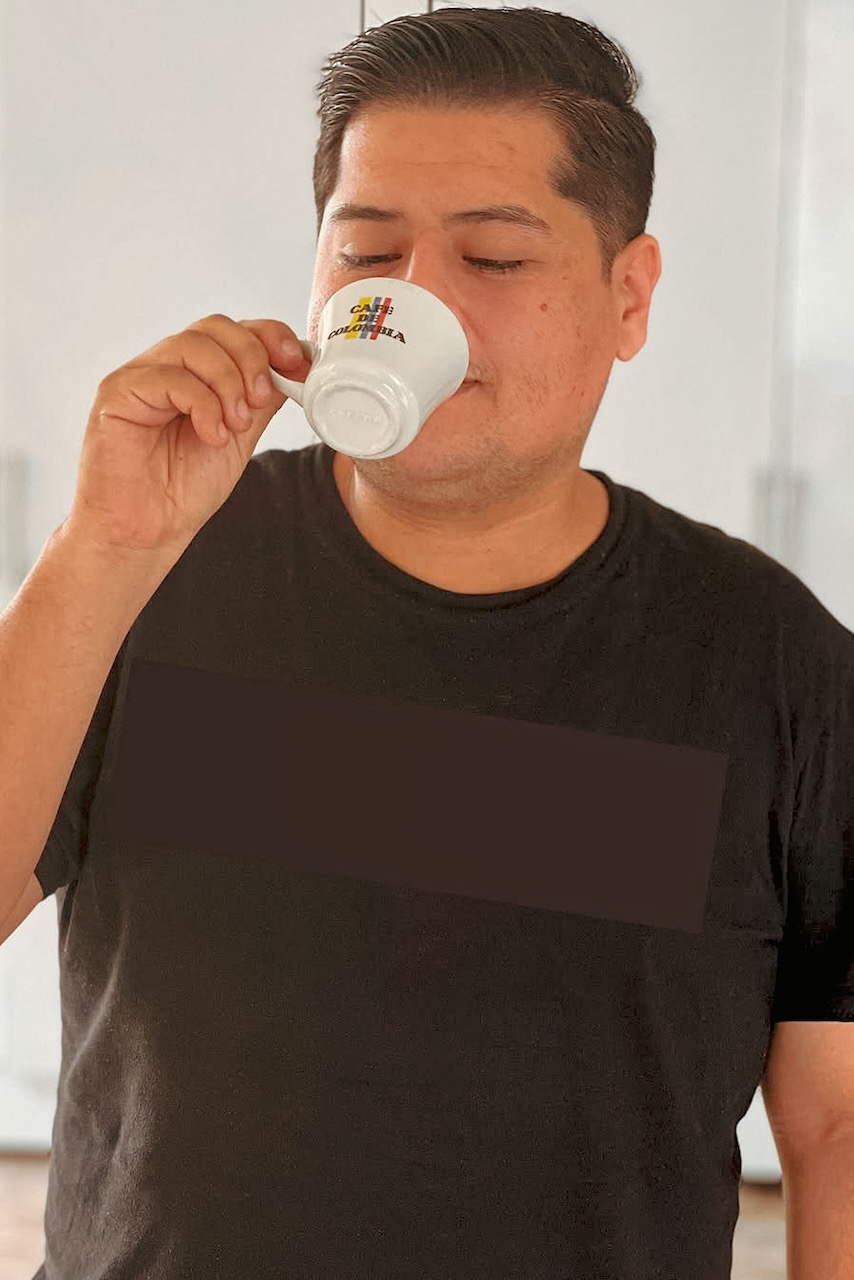
One of the first to step up to that challenge was Christian Camilo Molina, who joined Cadefihuila in 2021. A coffee producer himself with his own farm, Christian now serves as a matchmaker, connecting producers in the cooperative with buyers around the world. His goal is to cultivate long-term partnerships rooted in trust and human connection. And the results are beginning to show: several buyers have started placing repeat orders for the same coffees year after year.
Still, only about 5% of Cadefihuila’s coffee is currently exported. That’s a small slice, especially considering that around 70% of the cooperative’s lots qualify as specialty coffee, scoring 84 points or higher. Christian sees enormous untapped potential and is driven by a clear vision: to eventually connect every producer with a buyer. So what does this mission mean to Christian himself?

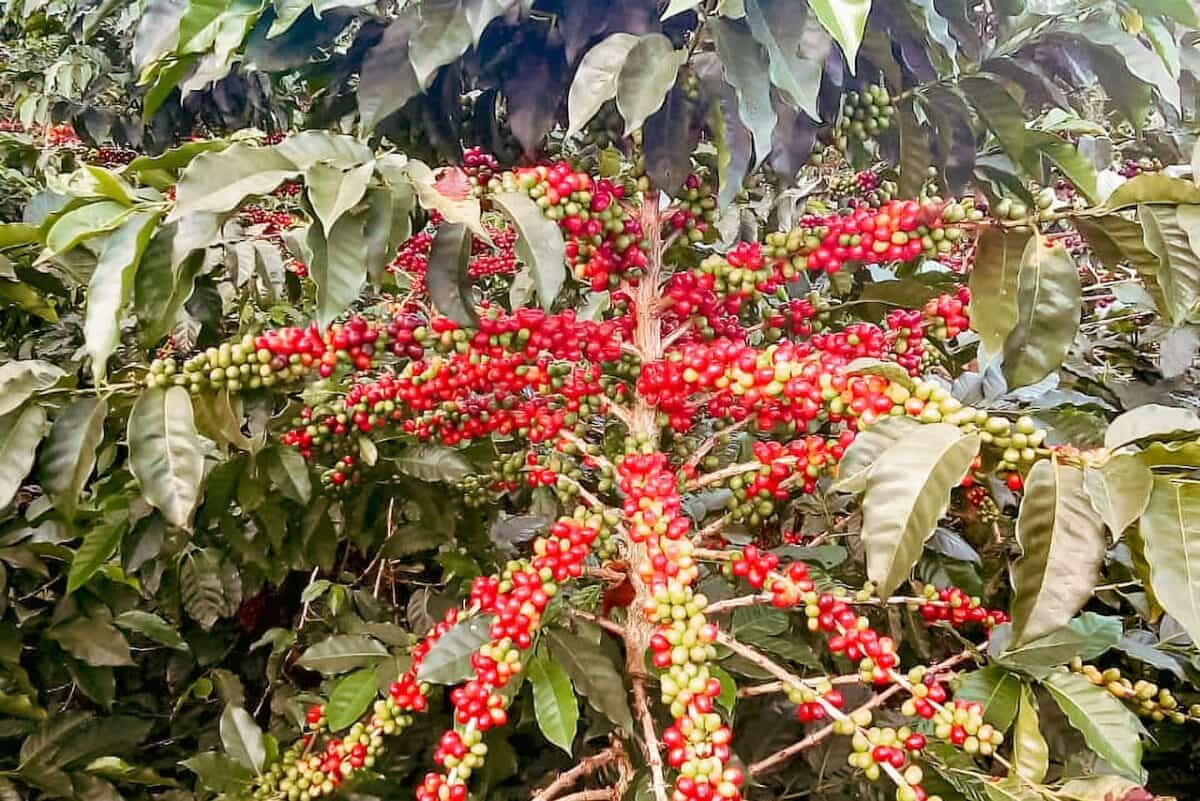
It was just a matter of not knowing
For years, not just in Colombia but around the world, coffee farming has been seen as an unprofitable job, one that young people tend to avoid. Christian Camilo Molina, born and raised in a multigenerational coffee farming family in Pitalito, Huila, was no exception.
Back then, his family had no drying equipment, so they sold wet parchment to middlemen. It was a low-value model that left little room for a decent living. Christian’s grandfather often lamented, “People who work in coffee are poor. We’re always struggling with prices.” By the time Christian reached his teens, that negative image of coffee had become deeply ingrained, and for him, it was never even a career consideration.
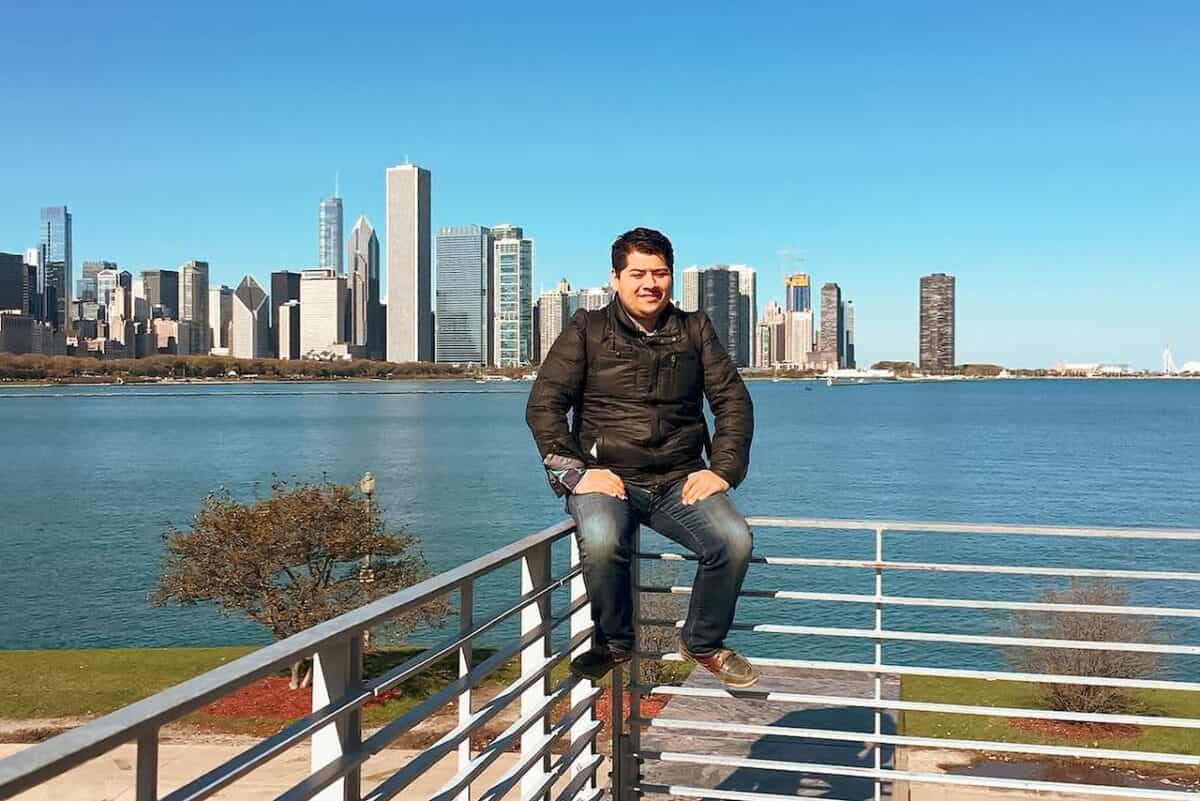
Instead, he turned to philosophy. With the help of a scholarship, he studied abroad in Israel and Italy, earning his degree. After returning to Colombia, he spent two years teaching philosophy at a university before heading to Chicago to study statistics.
Then came a chance encounter that changed everything: Julie, the daughter of the owner of Intelligentsia Coffee, which is based in Chicago. During a conversation, Christian discovered that the company was sourcing coffee from none other than his hometown, Pitalito. Curious, he sent a sample of the coffee his family produced. To his surprise, they bought it at double the market price. It was the first time Christian realized there was a world beyond commercial coffee. That was around 2017.
From that point on, he began learning about roasting and brewing through Julie, and it wasn’t long before he started envisioning a future for himself in coffee.
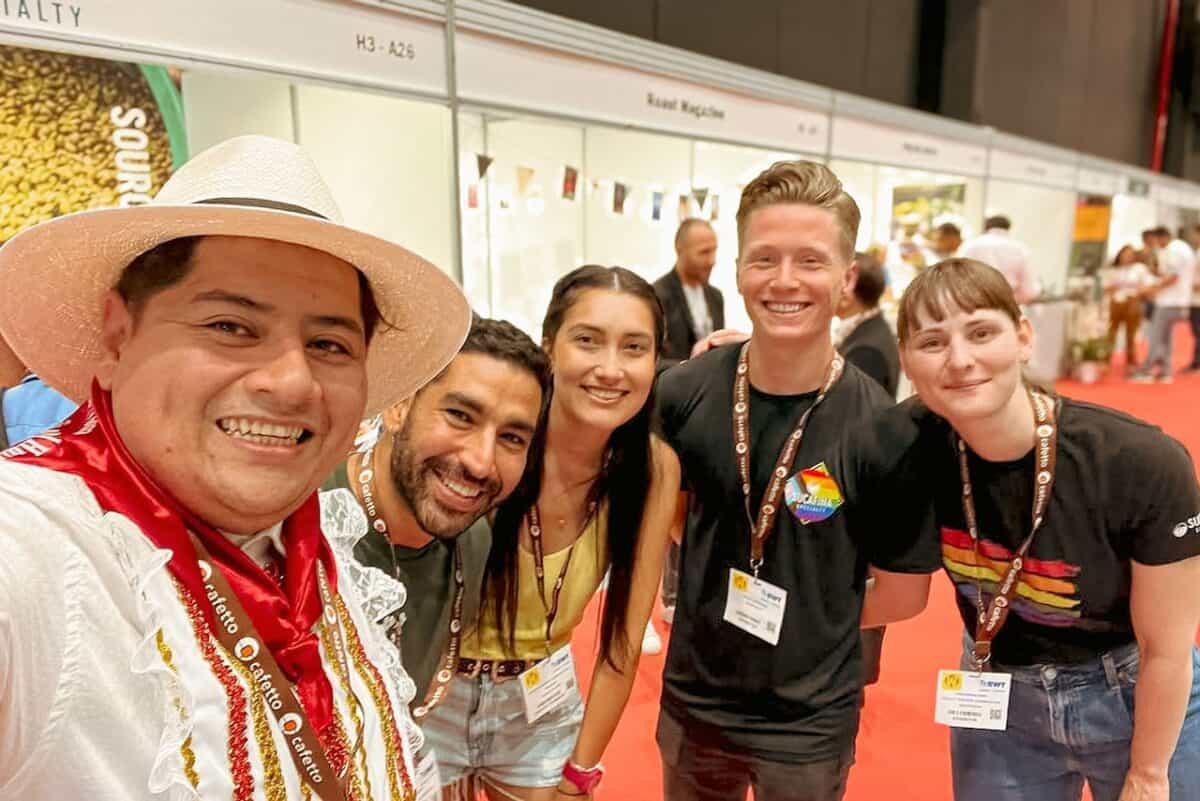
“There were two reasons,” he explains. “First, it was a job I could be proud of, something that connected me to my roots and my home. And second, the coffee industry was full of people I truly respected, people who inspired me. One of the most memorable moments was the Specialty Coffee Expo in Boston in 2019. People from all over the world, across cultures and backgrounds, came together to learn, to grow, to share. That’s when I realized what a remarkable industry this really is. I just kept falling deeper and deeper into coffee.”
Relationships first, business second
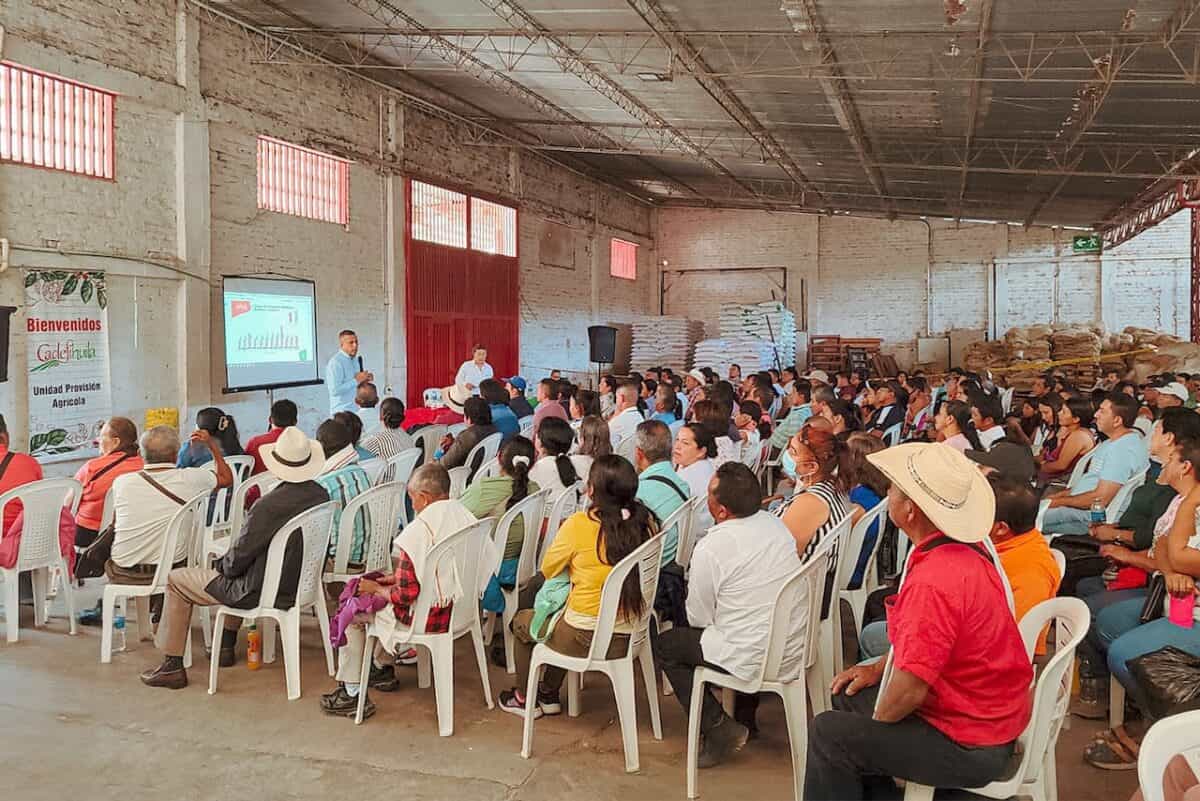
As Christian immersed himself in the world of coffee, he became acutely aware of the challenges faced by small-scale producers. Despite pouring time and effort into their craft, many weren’t earning a fair return for their labor. On top of that, most had little to no knowledge about how or to whom they should be selling their coffee.
“That’s when it hit me,” he says. “If I could connect these producers with buyers, maybe they could start selling their coffee at more equitable prices. Maybe they could move beyond working just to survive, and begin investing in their own growth, or their families’ futures.
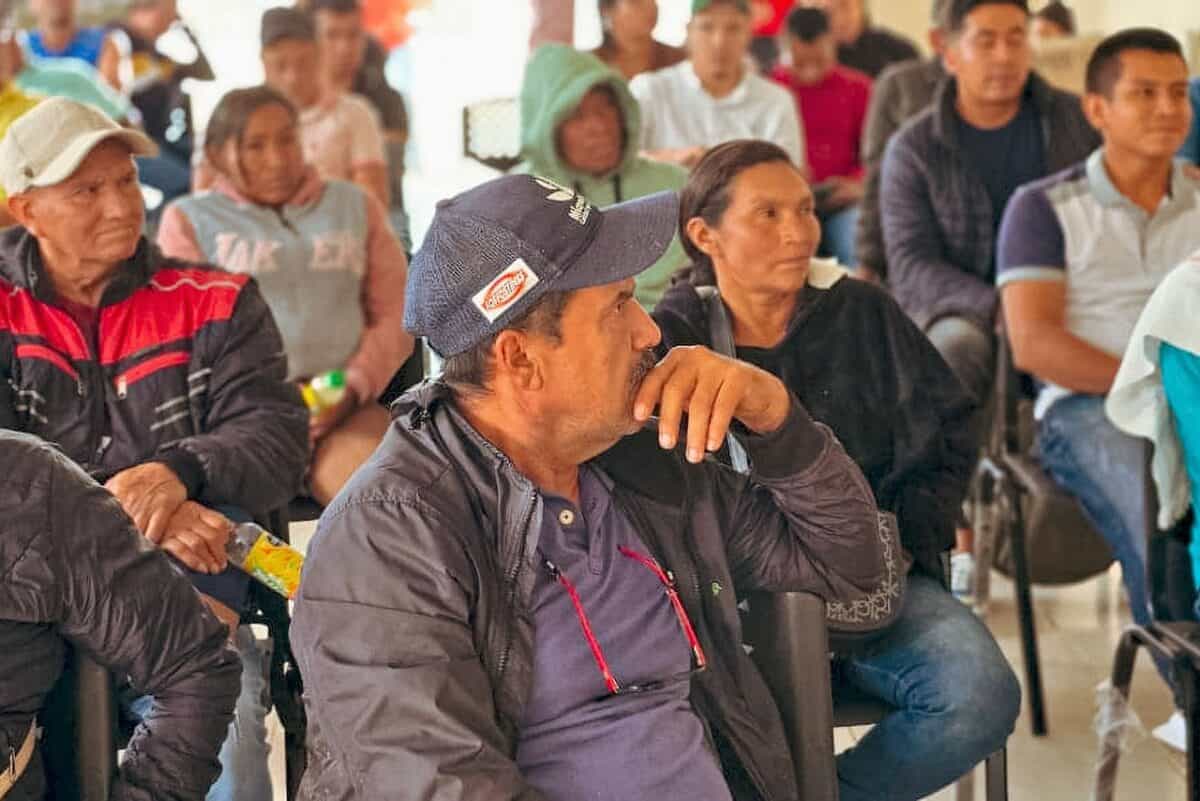
“The producers themselves are eager to grow. They want to learn new skills, to understand how to sell their coffee at fair prices, and to connect with more people, but they just don’t know how. In my case, having studied philosophy helped me grasp those needs and aspirations on a deeper level.
“Through philosophy, I developed a clearer understanding of human nature – our desires, our vulnerabilities, what drives us to act. And that’s helped me see, with greater clarity, what the person in front of me really needs, what they’re truly looking for, whether they’re a producer or a buyer.
“It’s also helped me stay grounded, not get swayed by surface-level things. Take quality, for example. It’s not just about a cupping score. It’s about traceability, visual appeal, and the story behind the coffee. When those elements come together, that’s when coffee becomes truly compelling.
“Honestly, I don’t think this industry can run on transactions alone. That’s why I put so much emphasis on building trust and friendship before doing business. Because if trust is there, even if problems or mistakes arise, we can overcome them. We can work through issues much more smoothly.”
When awareness changes, actions follow
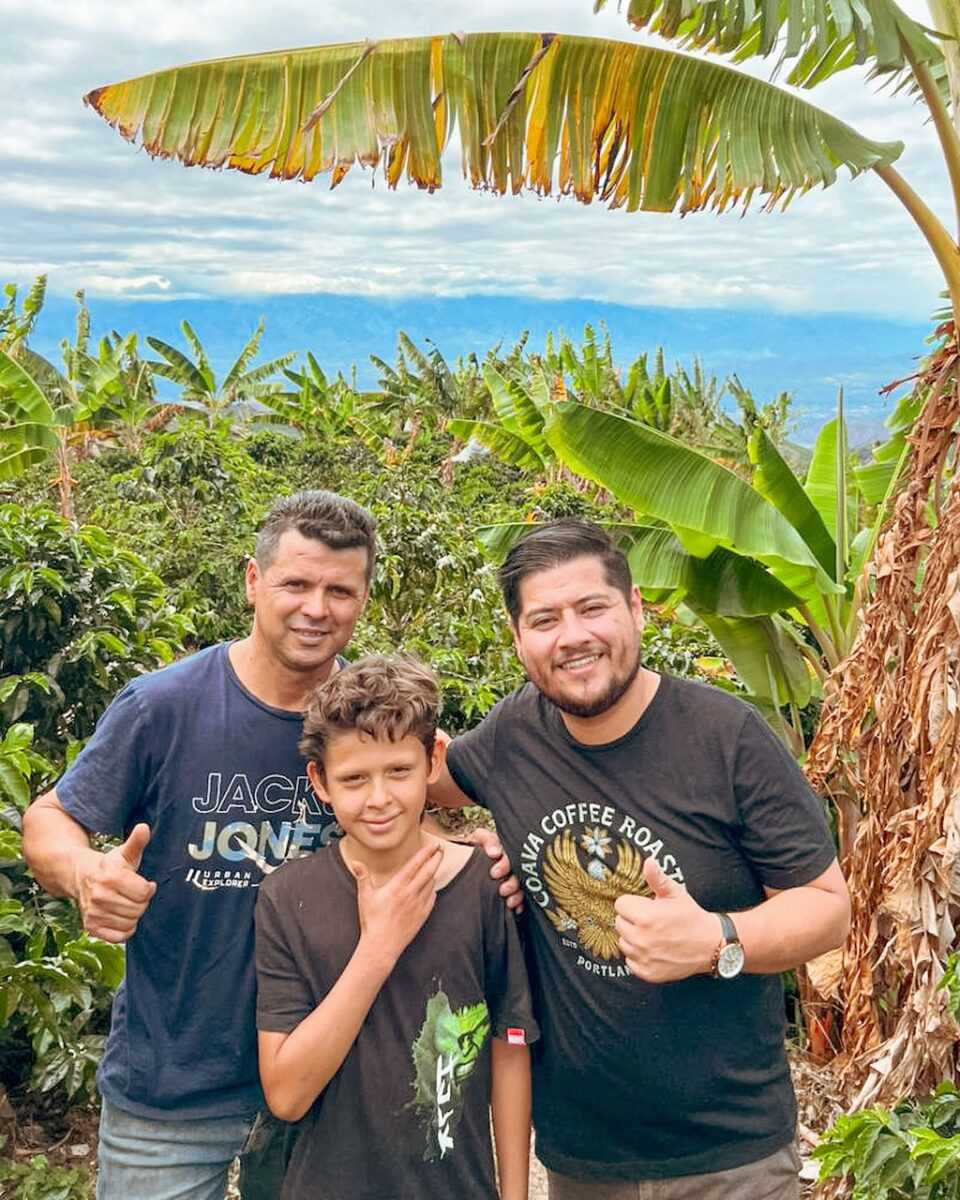
One of the purposes of philosophy is to discover meaning in things. Christian’s decision to leave a private coffee export company and join Cadefihuila stemmed from that same pursuit of meaningful work. He realized he could use his experience and skills to bring new value to Huila’s coffee, and in doing so, make a greater contribution to the producers in his hometown.
After joining the cooperative, he focused on creating a model for success. He started with one producer, crafting a single micro-lot, and succeeded in selling it. He then launched an education program, funded entirely by the cooperative, to teach producers about fermentation and processing. And to eliminate one of the biggest barriers to building international relationships – language – he now offers a free one-hour English class every week for young producers.
“I’m always asking myself: What does the work I’m doing right now mean, to the producers, to the industry, and to me? How can I add even more value there? That’s the mindset I live by. So when I see the next generation of coffee producers, children going to college, or taking courses in barista skills or cupping, going one step further than their parents’ generation – it makes me genuinely happy.”
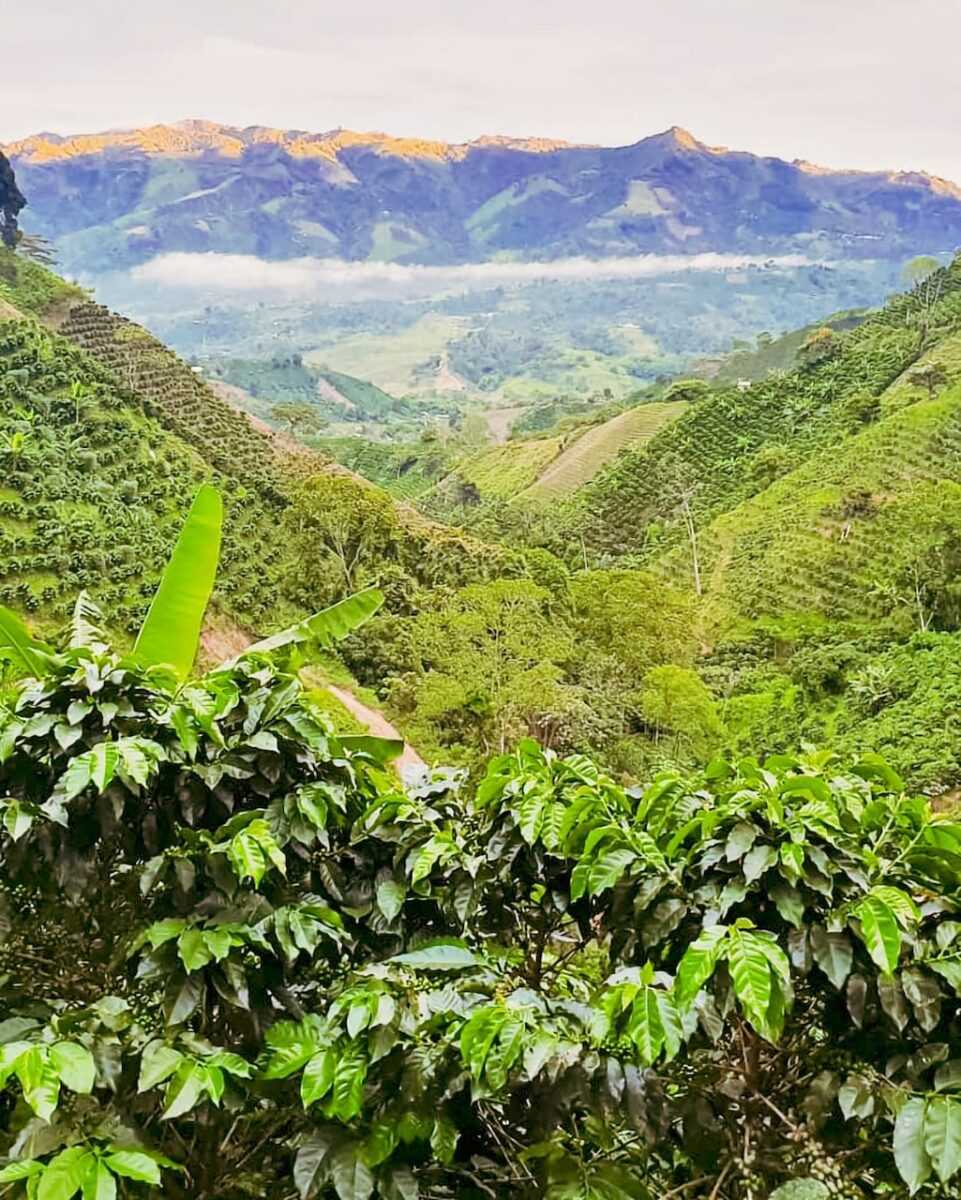
As a cooperative, Cadefihuila embodies both business and social responsibility. One example is its collaboration with producer groups who have natural springs on their farms. Together, they’re working to protect and sustainably use these water sources. Buyers who support the initiative often pay a small premium for coffee, knowing that the extra goes toward spring preservation.
“What I try to do is help producers notice and question what’s around them. Because to find meaning, you first have to pay attention. For instance, ten years ago, it was normal to rely heavily on pesticides and herbicides. But if we ask ourselves whether that approach is truly sustainable, the answer changes.
“And it’s not just about the environment. If people become more conscious of the choices they make every day, they’ll start making better ones. I believe it’s those individual, intentional decisions that lead to real change in a community. That’s where I see both meaning and potential.”