




Slow and Steady: How Organic Growth Creates Sustainability
In business, there’s a golden rule when it comes to managing risk and building a portfolio strategy: don’t put all your eggs in one basket. Relying too heavily on a single buyer or sales channel can expose a business to market volatility or unexpected disruptions, putting long-term survival at risk.
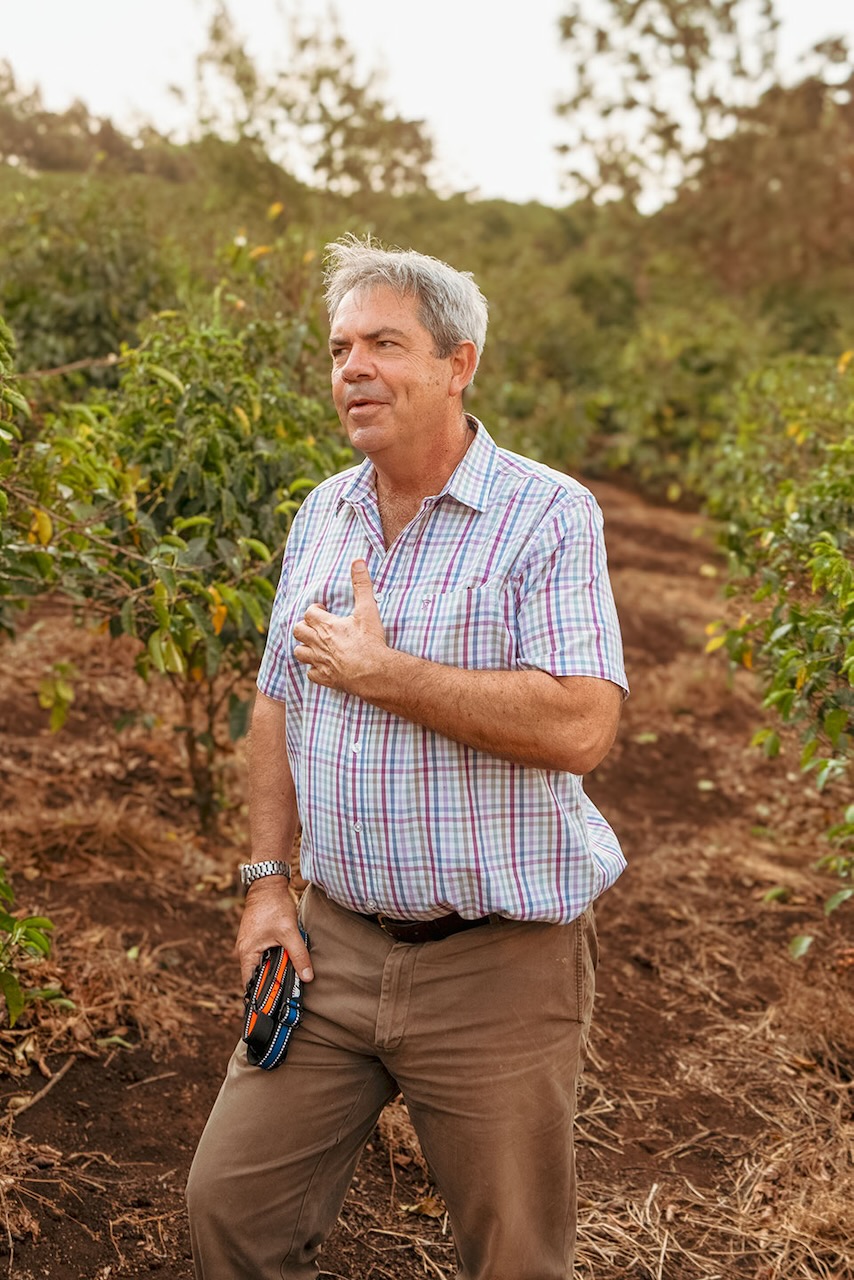
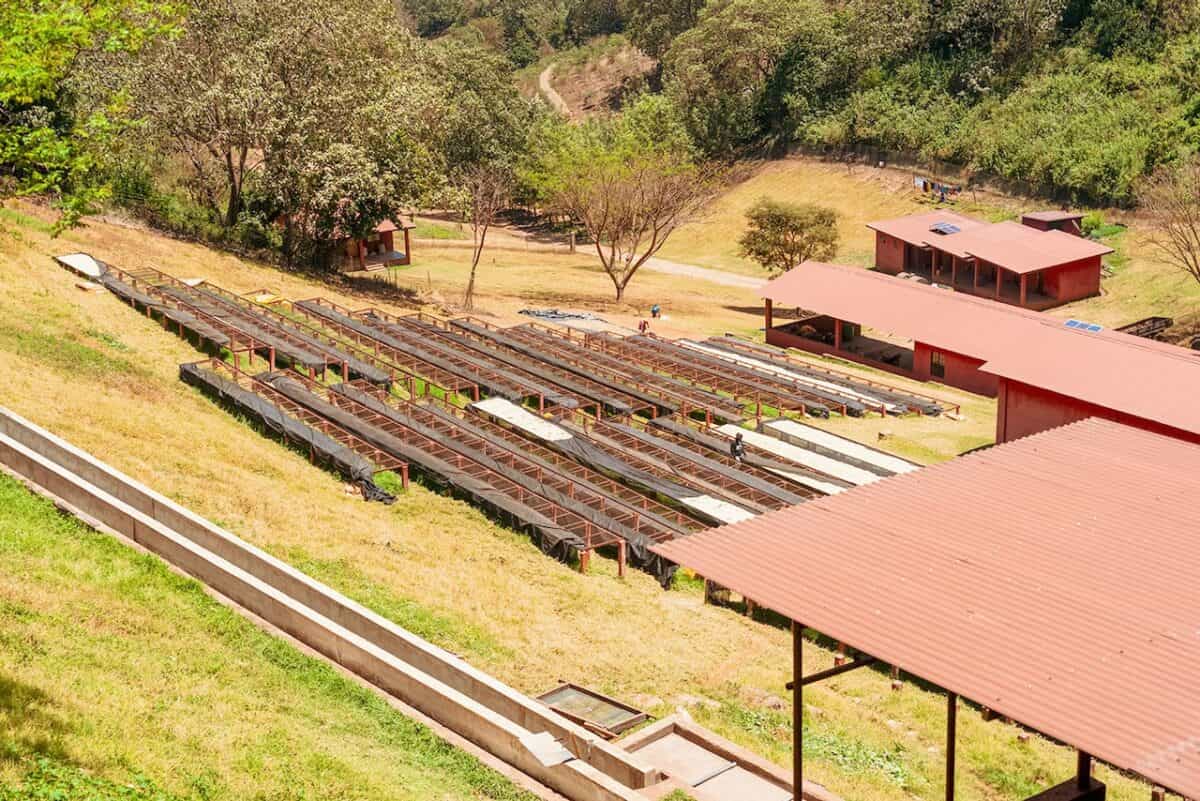
But Leon Christianakis, who runs Acacia Hills and Tembo Tembo in the highlands of Oldeani, northern Tanzania (at elevations of 1,850-1,950 meters), defies that logic. In 2023 and 2024, his third and fourth years working with TYPICA, around 60% of his harvest was sold through the platform. For high-value varieties like Geisha and Pacamara, the share was even higher. Some have questioned whether this is putting too many eggs in one basket, but Leon doesn’t seem the least bit concerned.
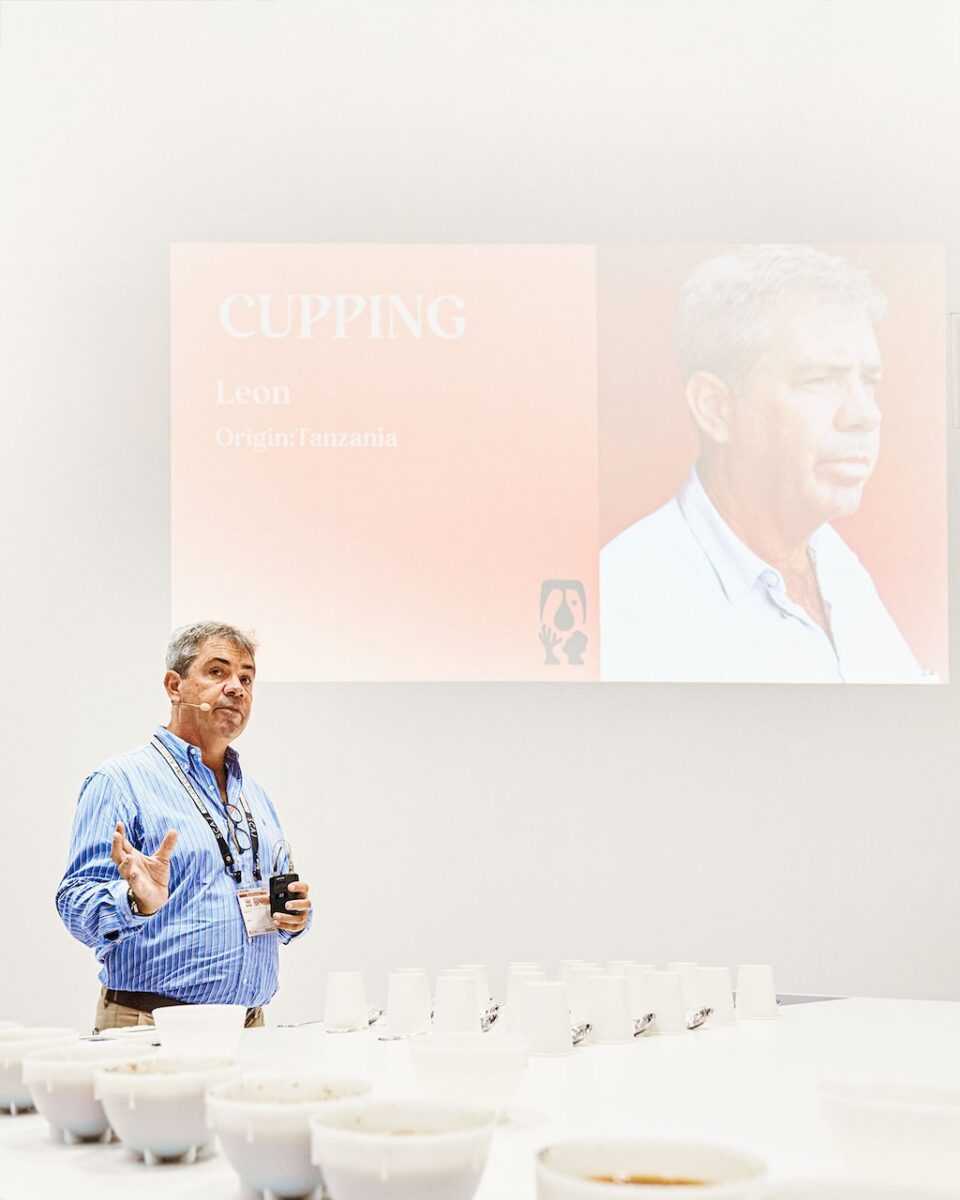
“In the past, it was difficult to find roasters or buyers willing to purchase coffee by the container. But since I started working with TYPICA, we’ve been able to deliver high-quality coffee, even in small volumes, to roasters around the world. And now, thanks to social media, we get to see people roasting and brewing our coffee almost every day. It brings me so much joy.
“The people at TYPICA take their job very seriously. I know they won’t let us down. It just feels good to work with them. Whatever I ask, they answer with honesty, and they ask me plenty of questions too. There are absolutely no secrets between us.
“When the market price goes up, more people show up wanting to buy coffee. But no matter what kind of offers they make, TYPICA will always come first. Of course, if something doesn’t match TYPICA’s needs and doesn’t sell, I have to find other avenues.”
Specialty as a path to survival
Leon, who describes himself as a “white Tanzanian,” was born and raised in a village at the foot of Mount Kilimanjaro in northern Tanzania. His grandfather, originally from Greece, founded a coffee farm there in 1920. His father worked as a local doctor and also ran a coffee farm on the side. Leon still remembers how, during harvest season, his father would head to the farm each afternoon after work, rolling up his sleeves and getting to work in the fields.
Leon eventually moved to the UK, where he studied and worked as a pharmacist. But in 1996, when he was 29, feeling the pull to return home and start a family, he moved back to Tanzania with his wife Aideen, whom he had met in the UK. That’s when he began helping with the family coffee business.
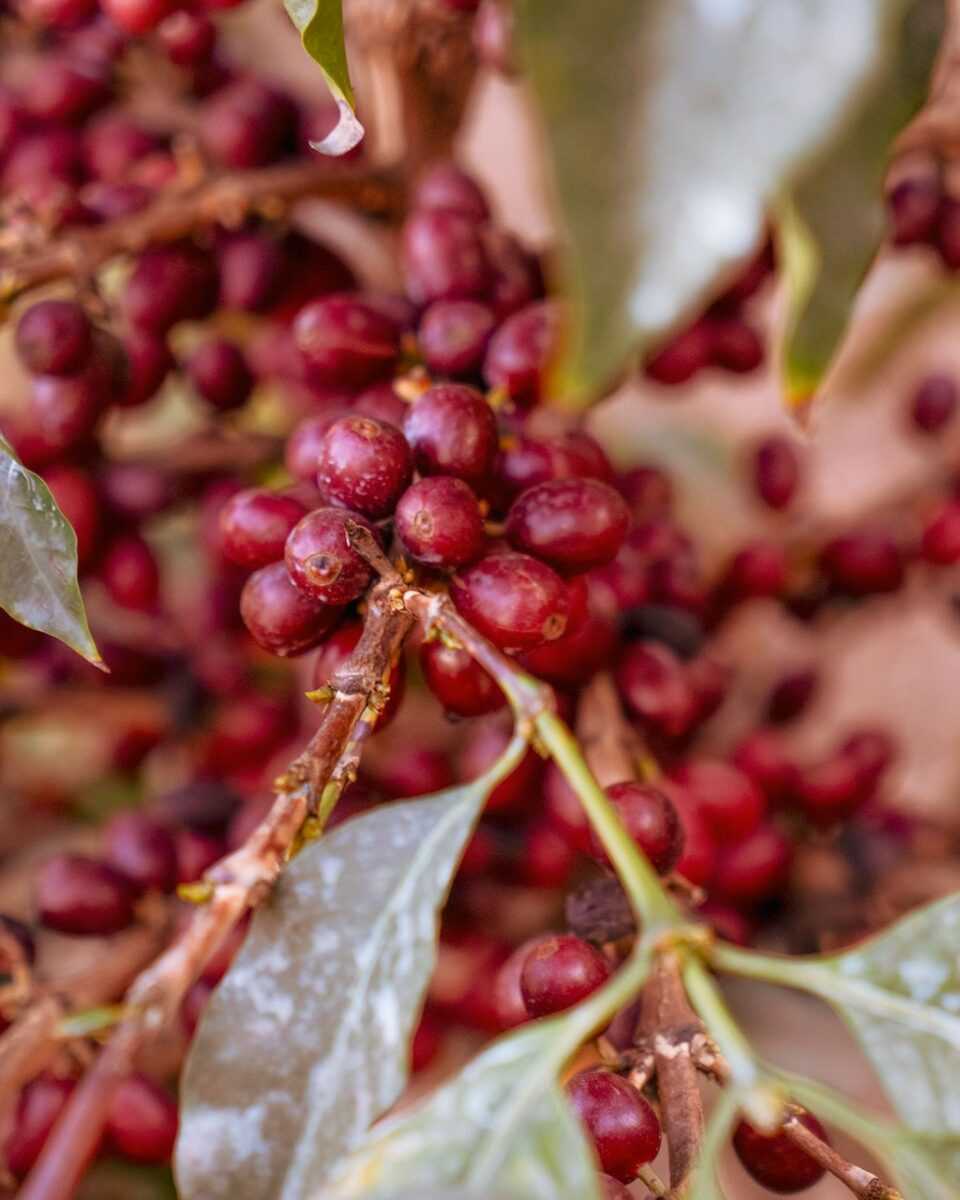
At the time, the farm was located at a lower elevation and produced only commercial-grade coffee. The highly volatile market made it difficult to generate consistent income. Competing on price with large, mechanized producers in Brazil or Vietnam was not an option. Faced with the challenge of building a sustainable business, Leon turned to specialty coffee.
In 2005, he attended an annual coffee expo in East Africa (what’s now known as the African Fine Coffees Conference & Exhibition: AFCA), where he crossed paths with a key figure: Mark Stell, the founder of Portland Coffee Roasters in the United States.
“The coffee from Oldeani was incredible. It was the best Tanzanian coffee I’d ever tasted,” Mark told him. Encouraged by those words, Leon purchased land in Oldeani in 2007 and began producing specialty coffee. Researchers confirming that the soil was ideal for high-quality production gave him further confidence in the decision.
As luck would have it, a major shift in national policy also helped. In 2003, the Tanzanian government introduced a coffee export liberalization policy that allowed qualified producers to bypass the government auction and trade directly with roasters and buyers abroad.
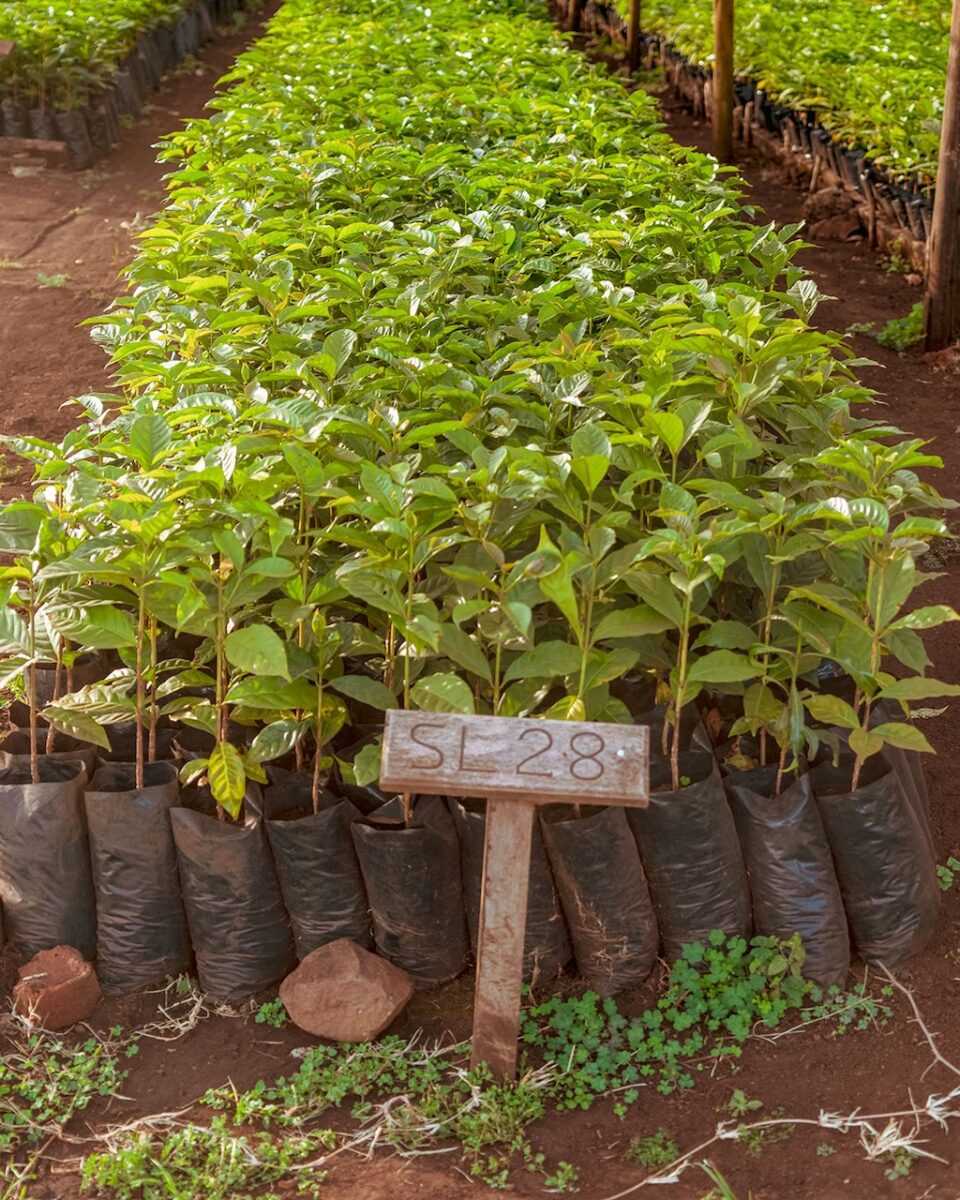
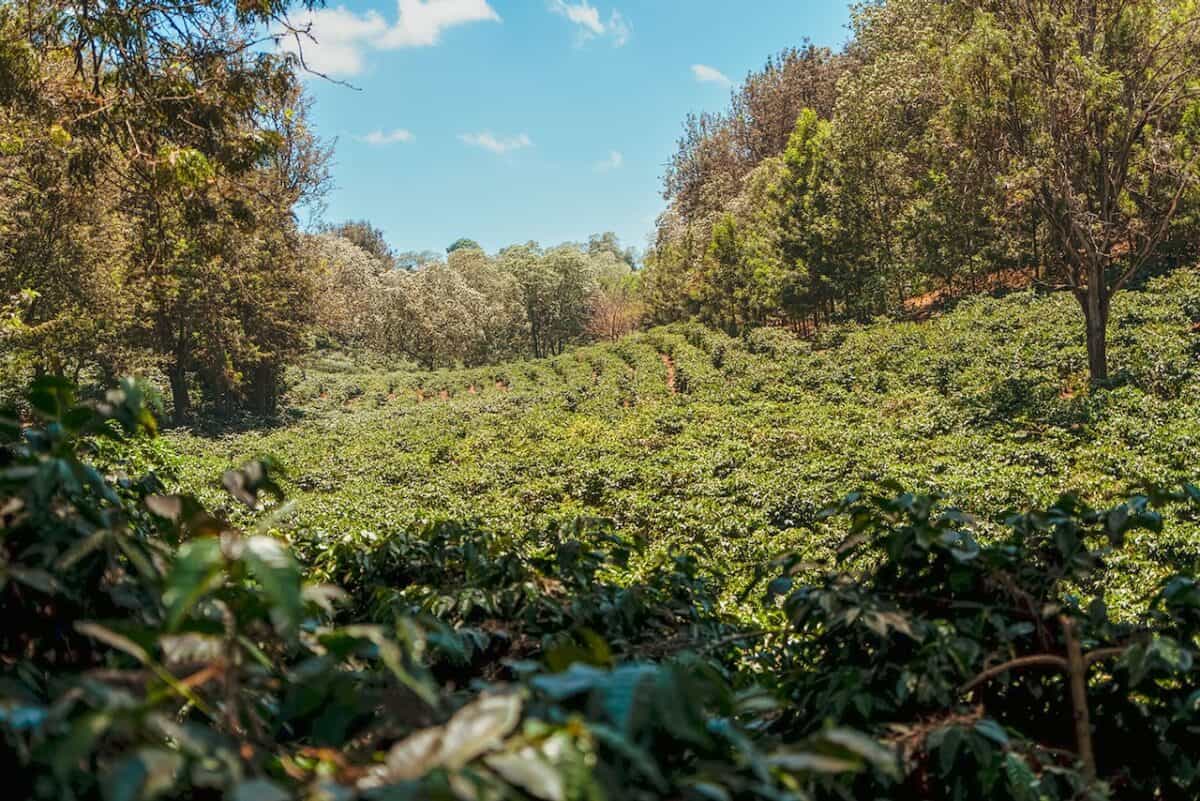
But the land Leon acquired in Oldeani had been neglected for years and was in poor shape. He began by rehabilitating the soil and gradually planted not only Kent, the traditional variety, but also Geisha, Pacamara, and SL28 to meet diverse market demands.
“The farm was in such rough shape that our first harvest only produced a few kilos. But Mark bought all of it, which really saved us. Even as our production increased, they continued to support us. Still, I knew it was risky to depend on a single buyer. So I started looking for other sales channels.”
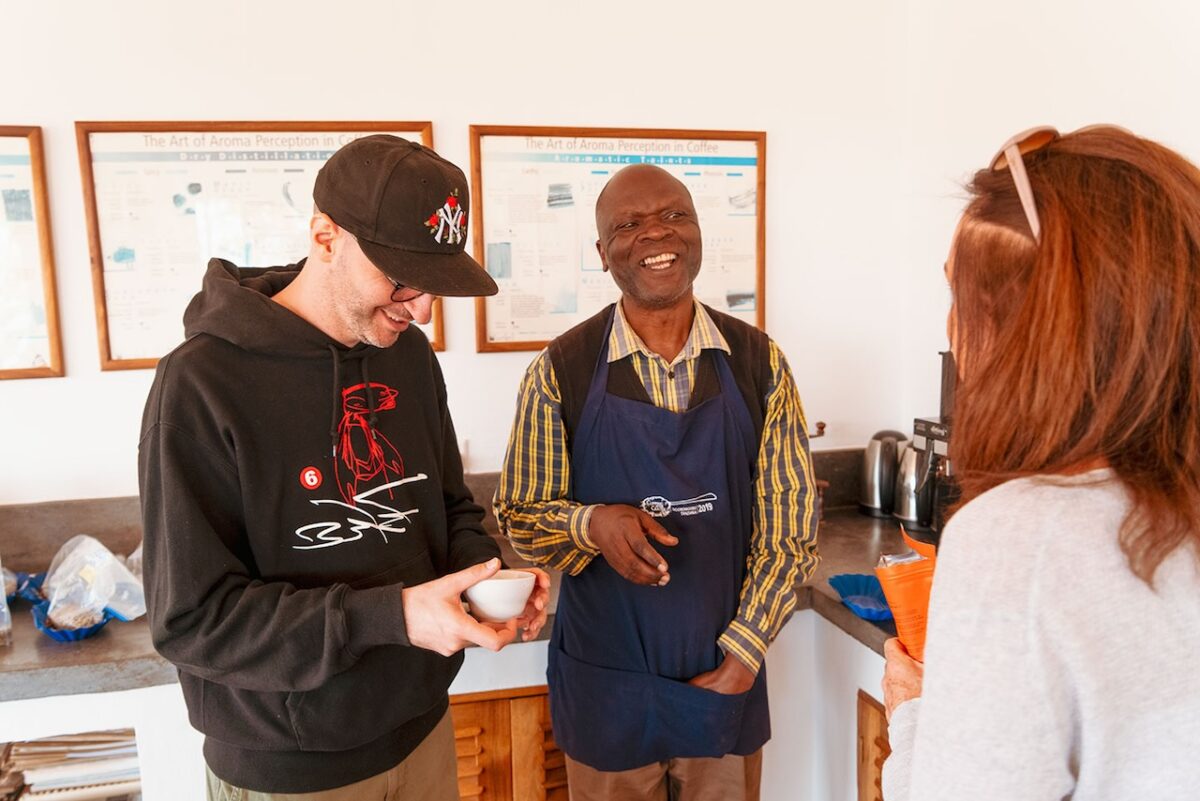
To diversify, Leon began organizing invite-only cupping events in his region in an effort to let buyers taste his coffee firsthand and spark new business relationships. While somewhat successful, the events were costly and limited in reach. In 2020, aiming to boost visibility, he entered a private auction hosted by ACE. That’s what led him to TYPICA.

Treating the farm like open source
Since Acacia Hills gained visibility through TYPICA, Leon has seen opportunities he never would have imagined before. One recent example is a Chinese woman who had been living in Copenhagen and is now spending six months on the farm as an intern. She’s just one of many visitors, both local and international, who come to the farm with a genuine desire to learn.
“It’s not like I started out with a grand master plan. I didn’t study business books or write up detailed strategies. It felt more like organic growth, like a plant slowly sprouting and taking root, helped along by a little bit of luck.
“Of course, I believed in the potential of this place when I bought it. But there are countless places around the world with just as much potential that never see the light of day. In that sense, so much depends on where you are, who you meet, and the kinds of relationships you’re able to build.
“That said, I don’t think any of this just fell into our laps. We’ve put in steady effort over the years, and our journey has its own context and momentum. We don’t show up in the media, and we’re not flashy on social media. We’ve just kept doing what we believe in, and the right people have noticed and reached out.
“One thing I’ve always valued is treating the farm like open source. If there’s knowledge, experience, or lessons from our success that could help someone else, even another producer, I’m happy to share. We don’t keep secrets. If someone has questions, we’ll answer them. If they want to visit, they’re welcome. If they want to copy our methods, by all means.
“For example, we were among the first in the area to install electric fencing around the farm to keep out large wild animals*. Now, many of the farms nearby have done the same. I take that as a sign that we’re doing something right.”
*Elephants and buffalo roam the Ngorongoro Conservation Area, which borders the farm.
Staying the course
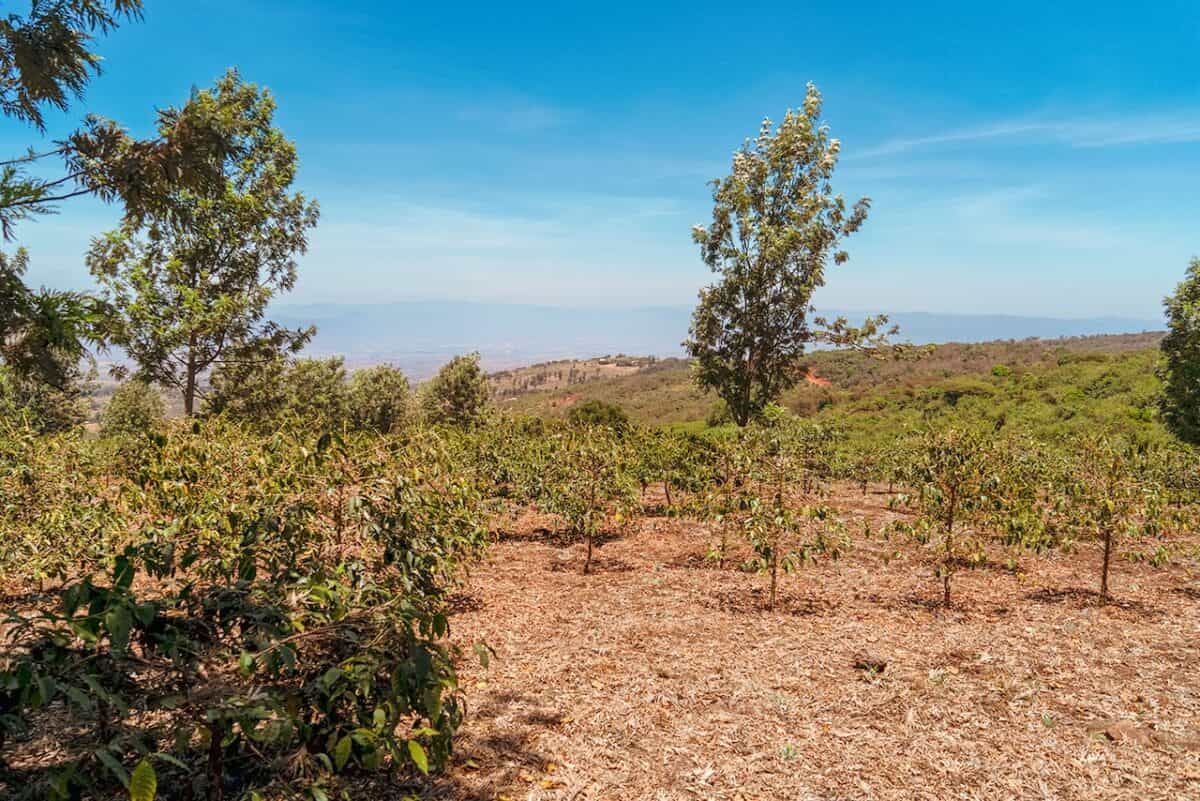
With the business on a solid growth trajectory, Leon is now planning to expand Acacia Hills’ coffee-growing area by about 50%. At the same time, nearly all of the farm’s profits are being reinvested, for example, in building on-site housing for managers.
“It’s not about scaling up for the sake of it. What I want is a strong, self-sustaining foundation that will carry on even after I’m gone. I hope this farm will still be here 50 or 100 years from now, protecting the natural environment and creating jobs for people in the community. That’s why we plan to leave about 40% of the land, including the new section, untouched. I have no interest in maximizing efficiency if it means compromising biodiversity.
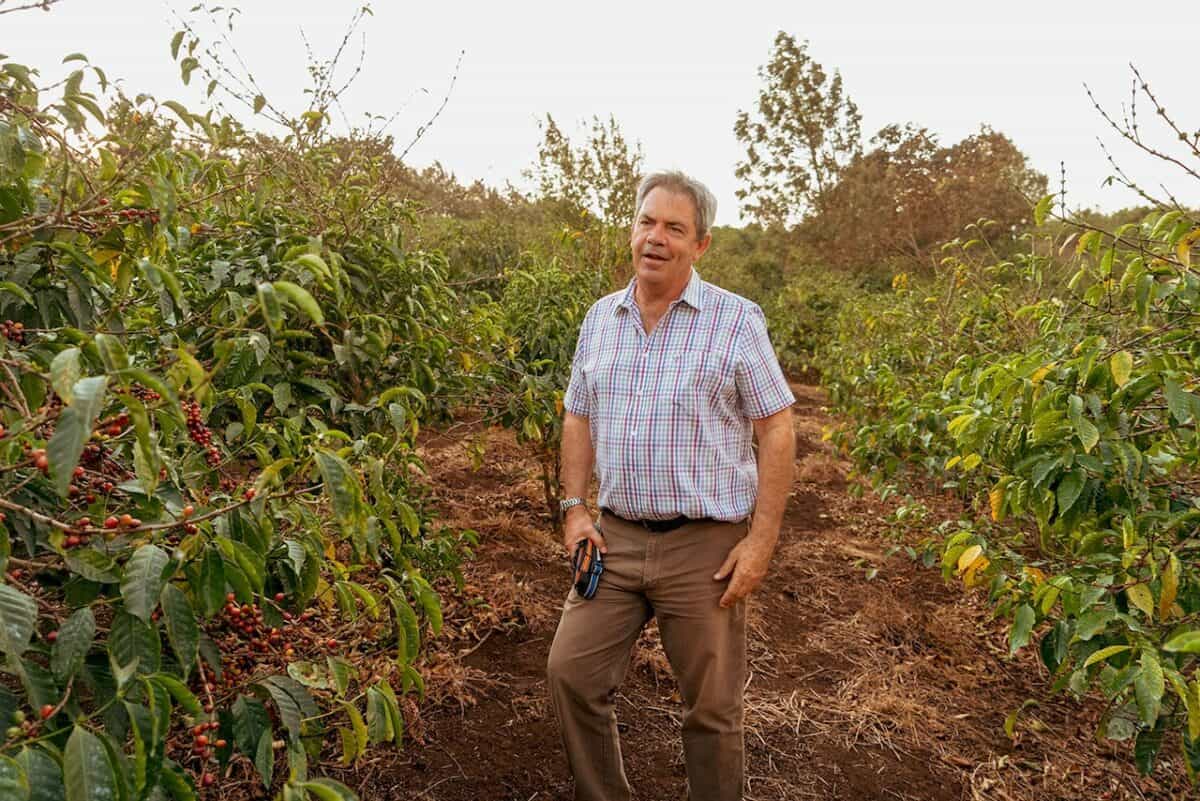
“People sometimes suggest, ‘If things are going so well, why not buy another farm?’ But the size of the business doesn’t really excite me. I’d rather manage a smaller operation that’s tightly run and highly refined. Sometimes I even wonder if it’s worth growing more at all if it only adds stress. Slow but steady – that’s our style.
“When we open up a new plot and the coffee trees start to grow, slowly changing the landscape, it brings a quiet sense of fulfillment. It makes me feel like we’re laying down a foundation for the next generation. I think if you just keep doing what feels right, every single day, there comes a moment when you look up and realize you’ve actually built something that matters.”
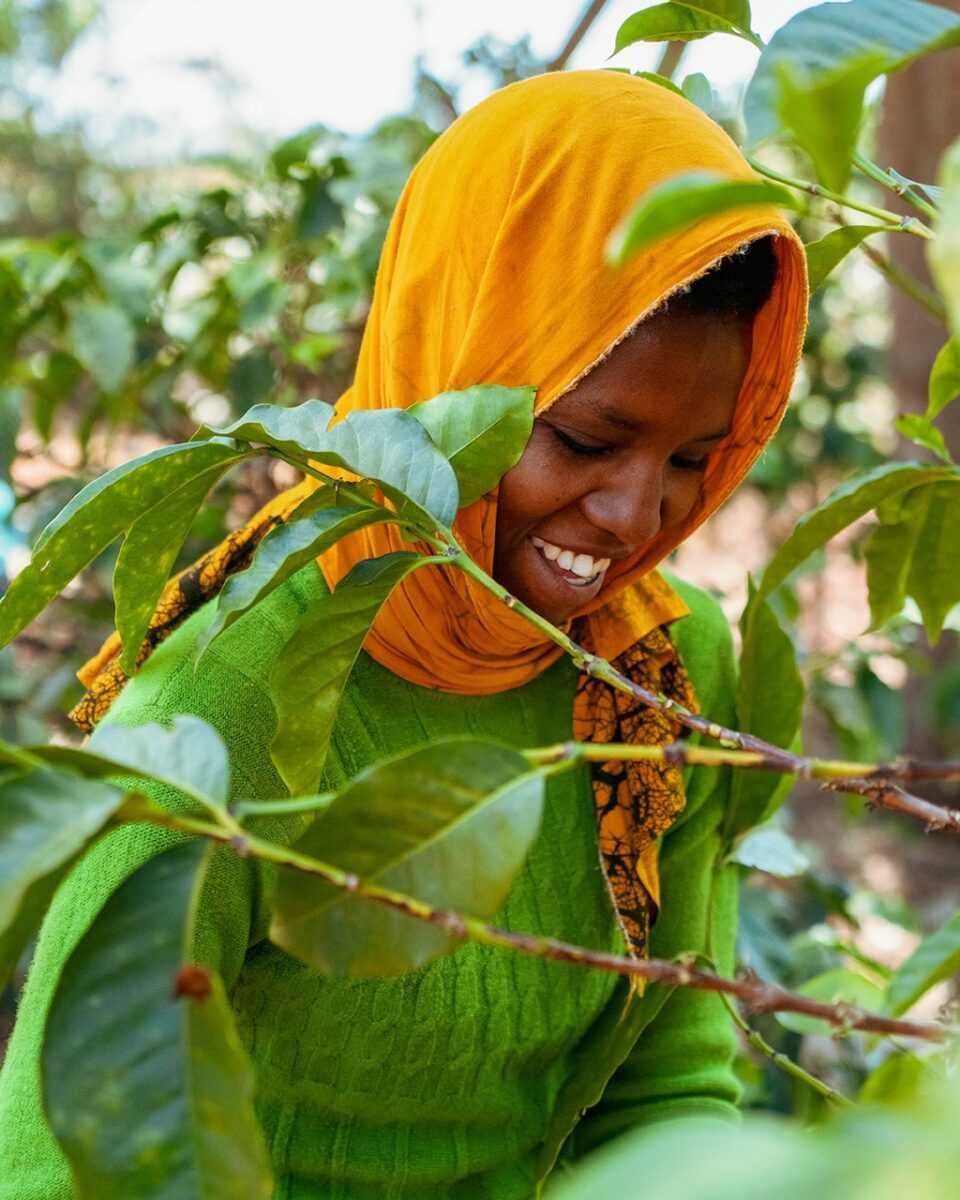
In Japan, there’s a business philosophy known as nenrin keiei, or “annual ring management,” an approach that prioritizes sustainable, long-term value over short-term profits. Since Leon bought the farm 18 years ago, the number of staff has grown from 7 to 150. Coffee production has also multiplied about 10 times over. Over time, the rings of growth are clearly visible.
“In Tanzania, education standards are low, and there’s barely any social safety net. That’s why simply creating jobs carries so much meaning. If we can keep growing and eventually support a team of 300, that would be wonderful. In a country like Tanzania, where inequality is so widespread, I believe it’s a social responsibility for those of us in a more privileged position to help support the livelihoods of all these people.”