
OFFER LISTS
NEWWISH LIST
PRODUCER
La Villa
Juan Darío Gómez
Single Estate
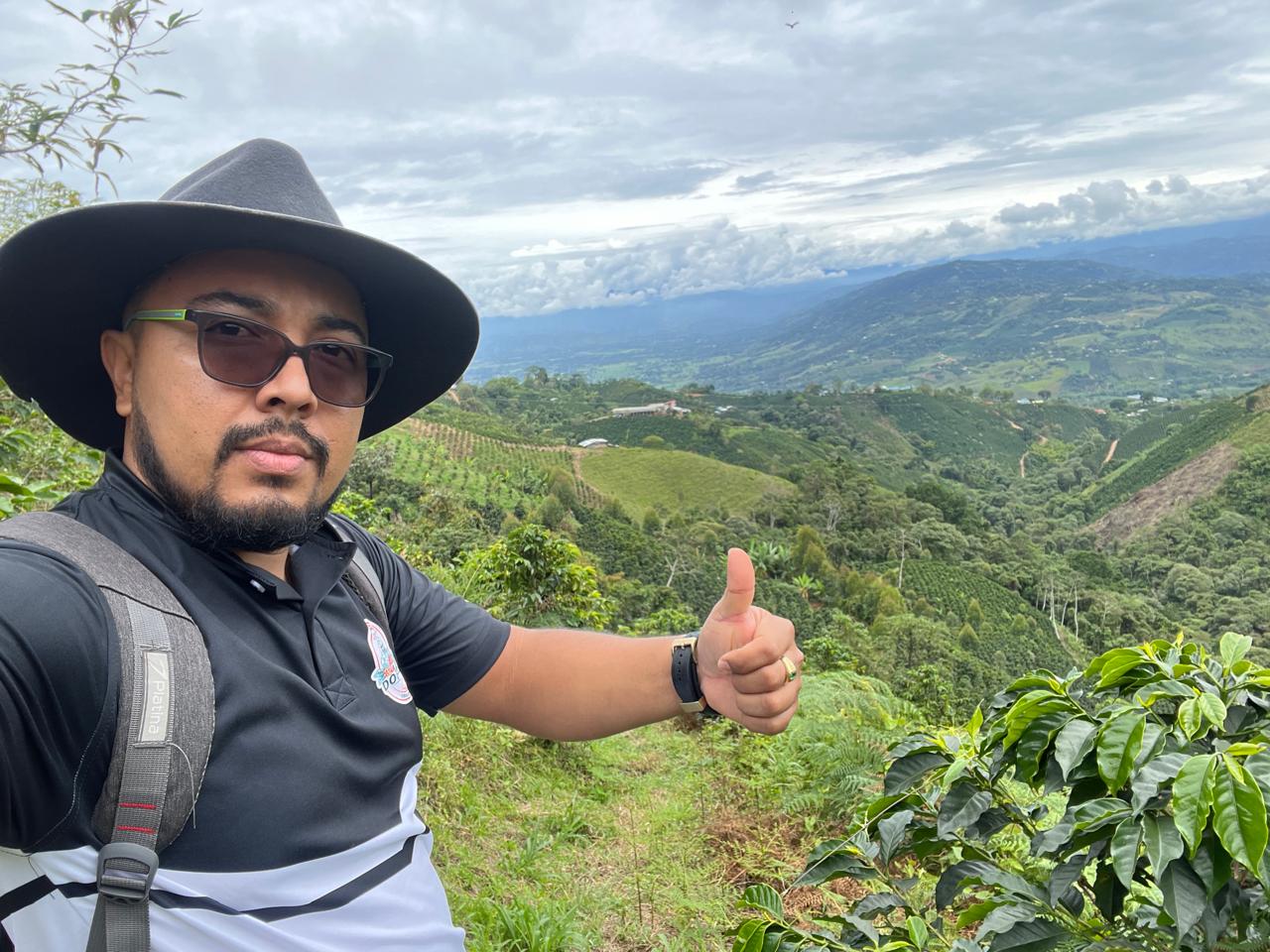
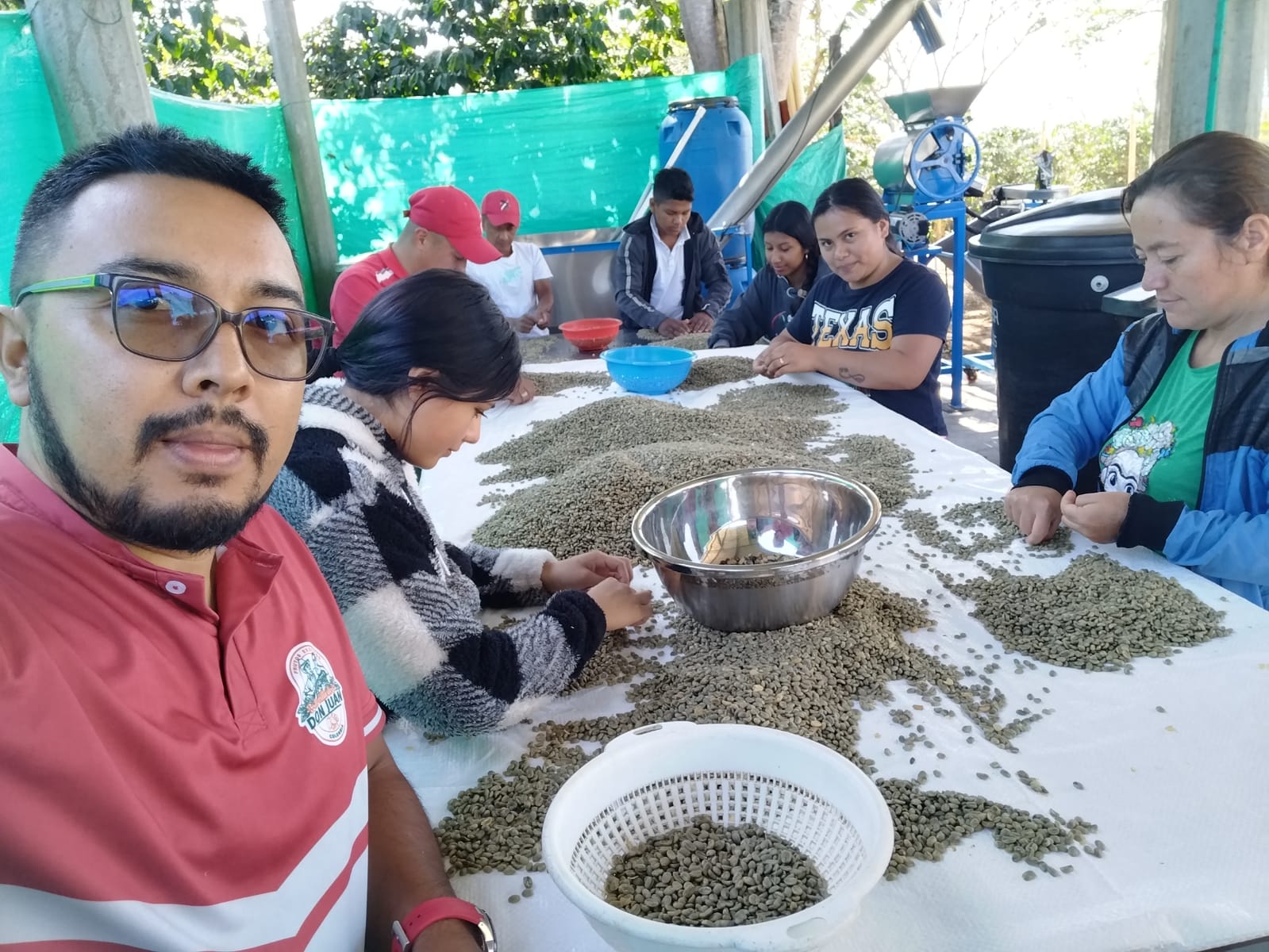
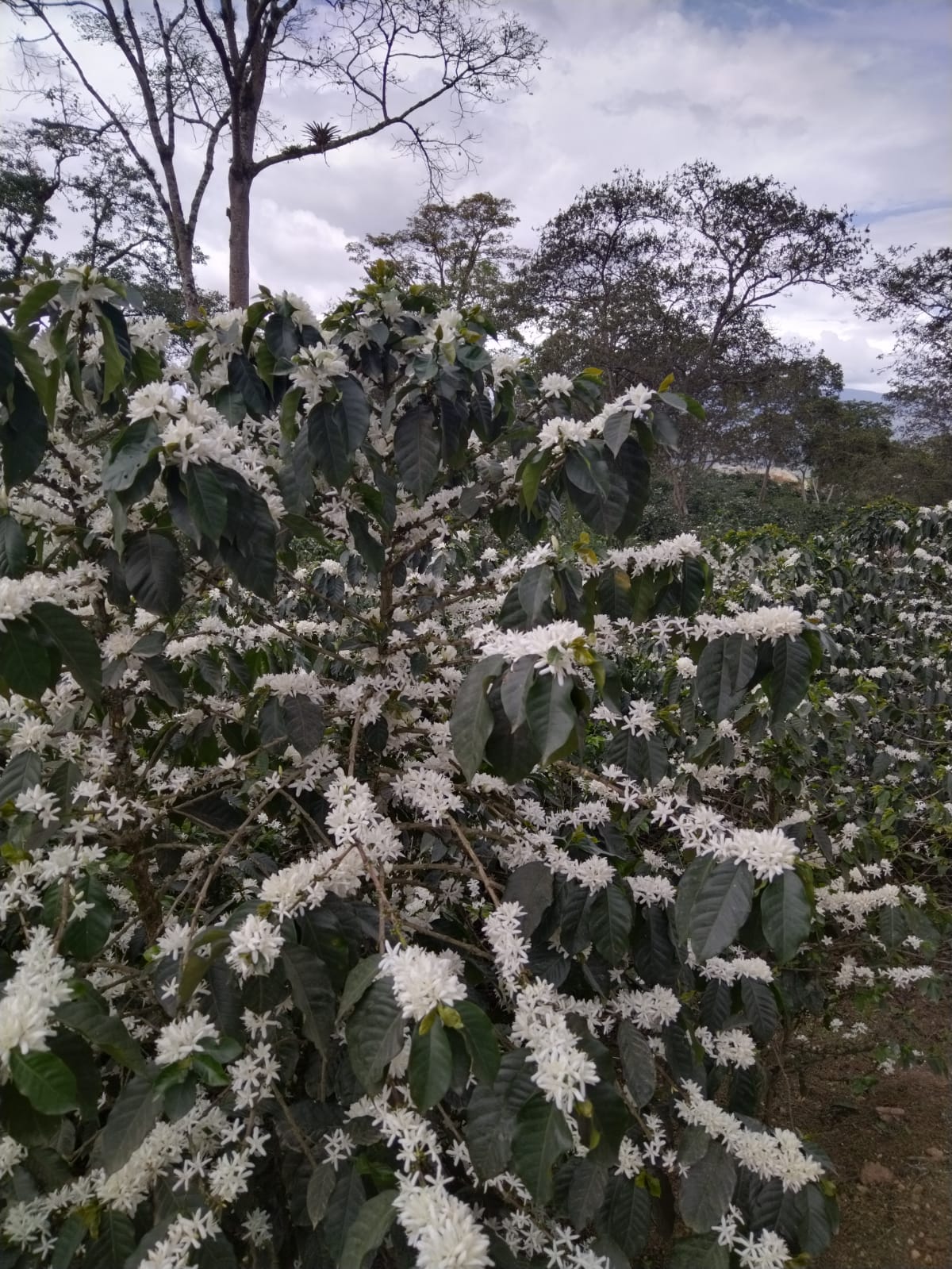
Juan Darío is the son of Don Bautista, the farm’s first owner. From a very young age, Juan Darío was involved in agricultural work, helping with harvesting and cleaning crops, and he developed a strong interest in coffee processing early on. When he was 15 years old, he had the opportunity to pursue a technical degree in agricultural production at SENA, a vocational education institution in Colombia. Through this training, he began working with organic fertilizers focused on coffee production. The farm itself is an inheritance from Juan Darío’s father, who first arrived in the area in 1965. The family purchased the land shortly thereafter and began cultivating beans and coffee around 1970. At that time, Indigenous communities did not allow coffee cultivation in the area, and it was socially frowned upon, which meant that the first coffee crops had to be planted hidden among weeds. Later, as the coffee federation began working in the region, coffee production gradually became accepted and more widespread. In 2005, through an initiative led by the cooperative, the family submitted a lot to a local competition and won, receiving a substantial payment. This marked the first major step toward improving both processing methods and coffee varieties on the farm. In 2017, Juan Darío began producing coffee himself and experimenting with different processes, learning how to cup and how to process coffee using natural and washed methods with varying fermentation times. Today, the farm processes approximately 90% of its coffee on-site, using a range of methods entirely carried out at the farm level.
ORIGIN
🇨🇴 Colombia
Huila
San Jose de Isnos
1720
14
LOT DETAILS
November 2025ーNovember 2025
Geisha
-
Other
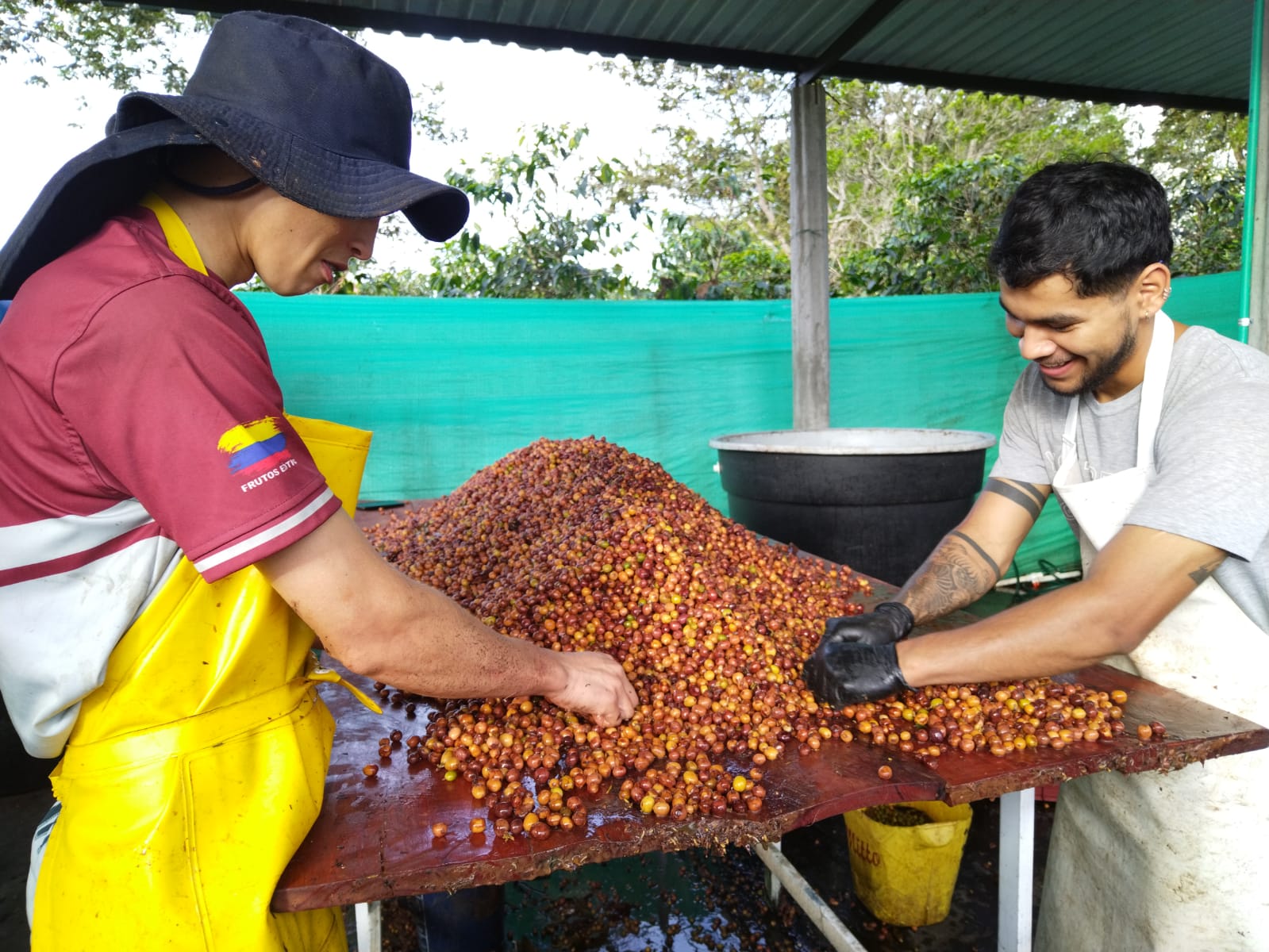
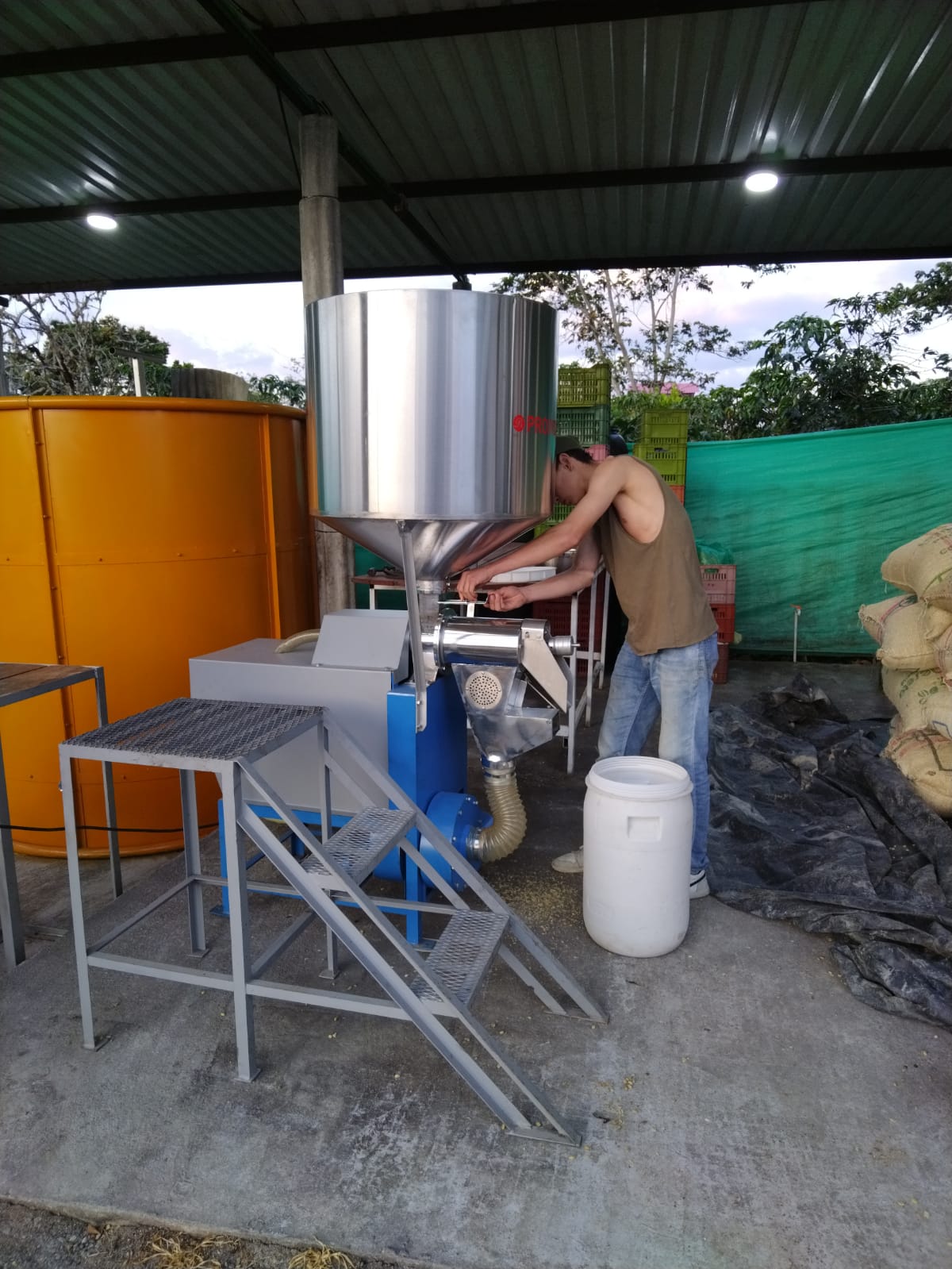
The ripe cherries are harvested, generally within 30 days of maturation, with strict selection of fully ripe fruit. The cherries are then submerged in water, and any floaters are removed. They are fermented as whole cherries for 24 hours in steel tanks, after which they are mechanically pulped to remove the mucilage. The extracted mucilage is collected in containers, fed with yeast, and fermented in a bioreactor for 72 hours. Subsequently, the parchment coffee is placed in tanks, where water at 30°C and the fermentation liquid (wort) prepared in the bioreactor are added, and it is left to undergo anaerobic submerged fermentation for 72 hours. After a light rinse, the coffee is dried in a marquesina (a covered drying structure) for 15 days.
TRADE
8.95 USD
0/163 bags
30Kg
30Kg
GrainPro
Comments
Cupping Summary
score
86
score
86.5
score
86
Price Breakdown
TYPICA discloses the supply chain and price breakdown for all lots. By ensuring transparency, we maintain healthy profitability for producers and all those involved in coffee, thereby enhancing the sustainability of coffee.
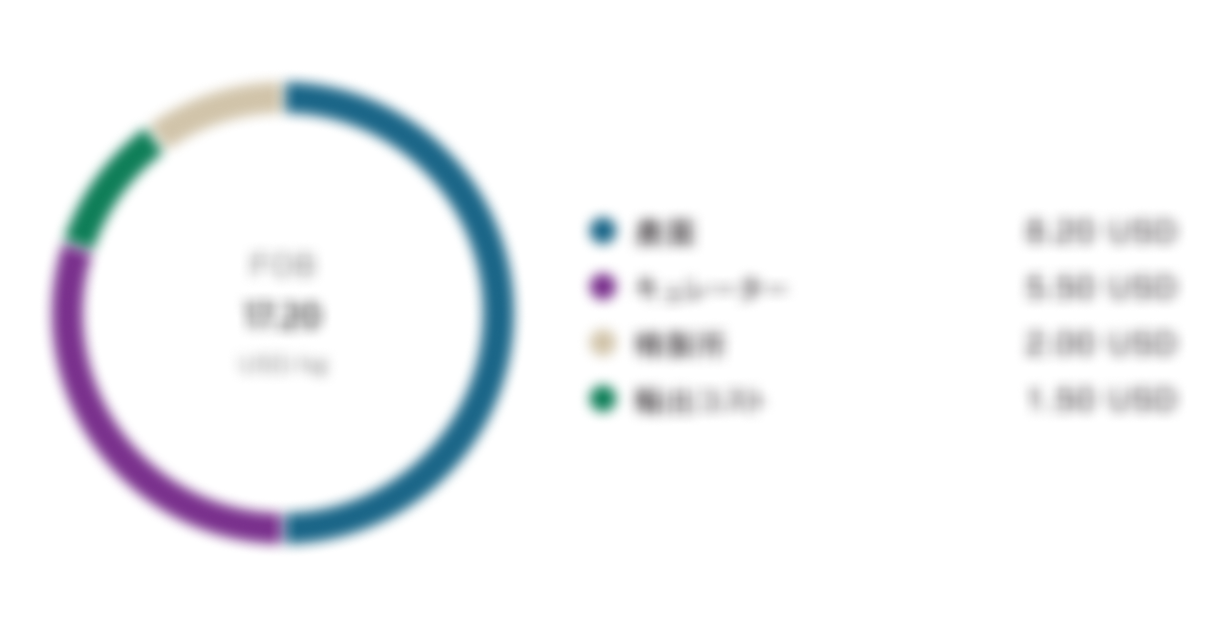
*USD per lb of green coffee beans
Price
8.949 USDFOB/lb
Quantity
0/163 bags (30kg)
Samples
-
-