





What’s in my cup? — MAQUETTE COFFEE SHOP × Gonzalo Mamani Catuai Washed
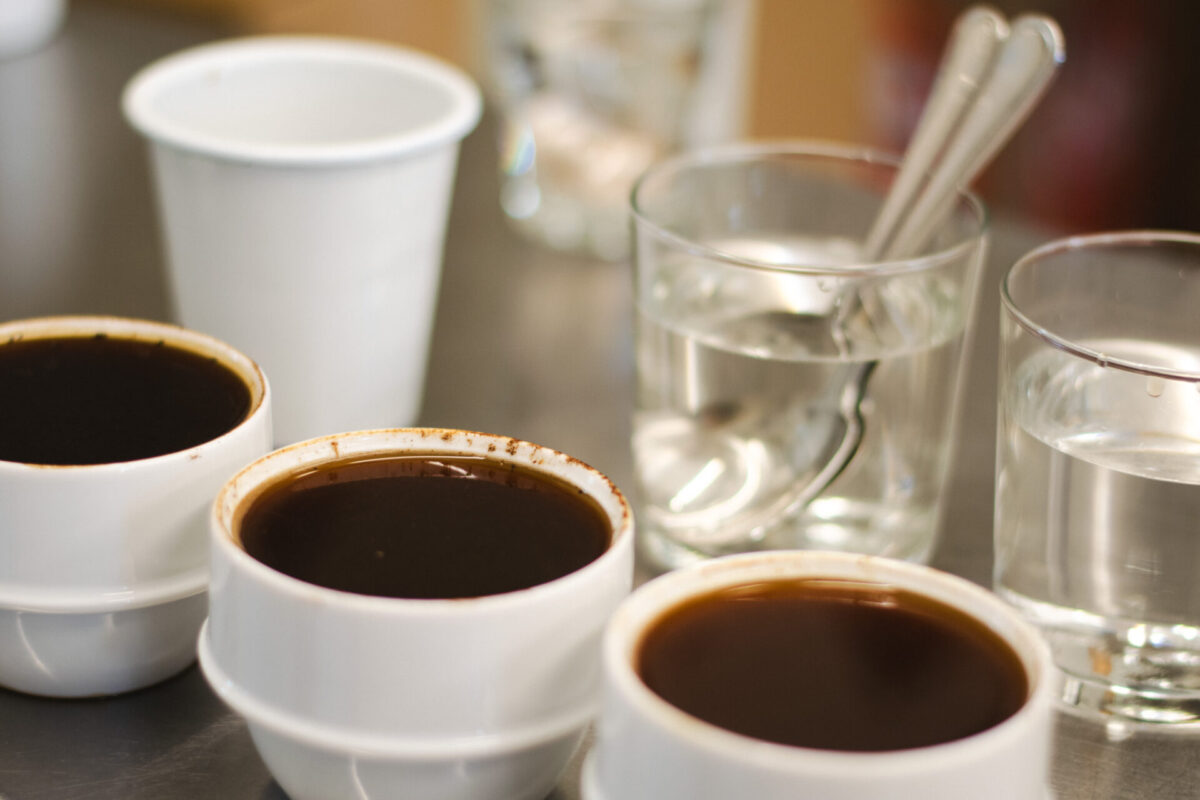
In this series, “What’s in my cup?”, we listen to the stories of how roasters meet specific coffee producers. How do these connections form across opposite sides of the world, and how are these relationships nurtured? We let the roasters speak in their own words.
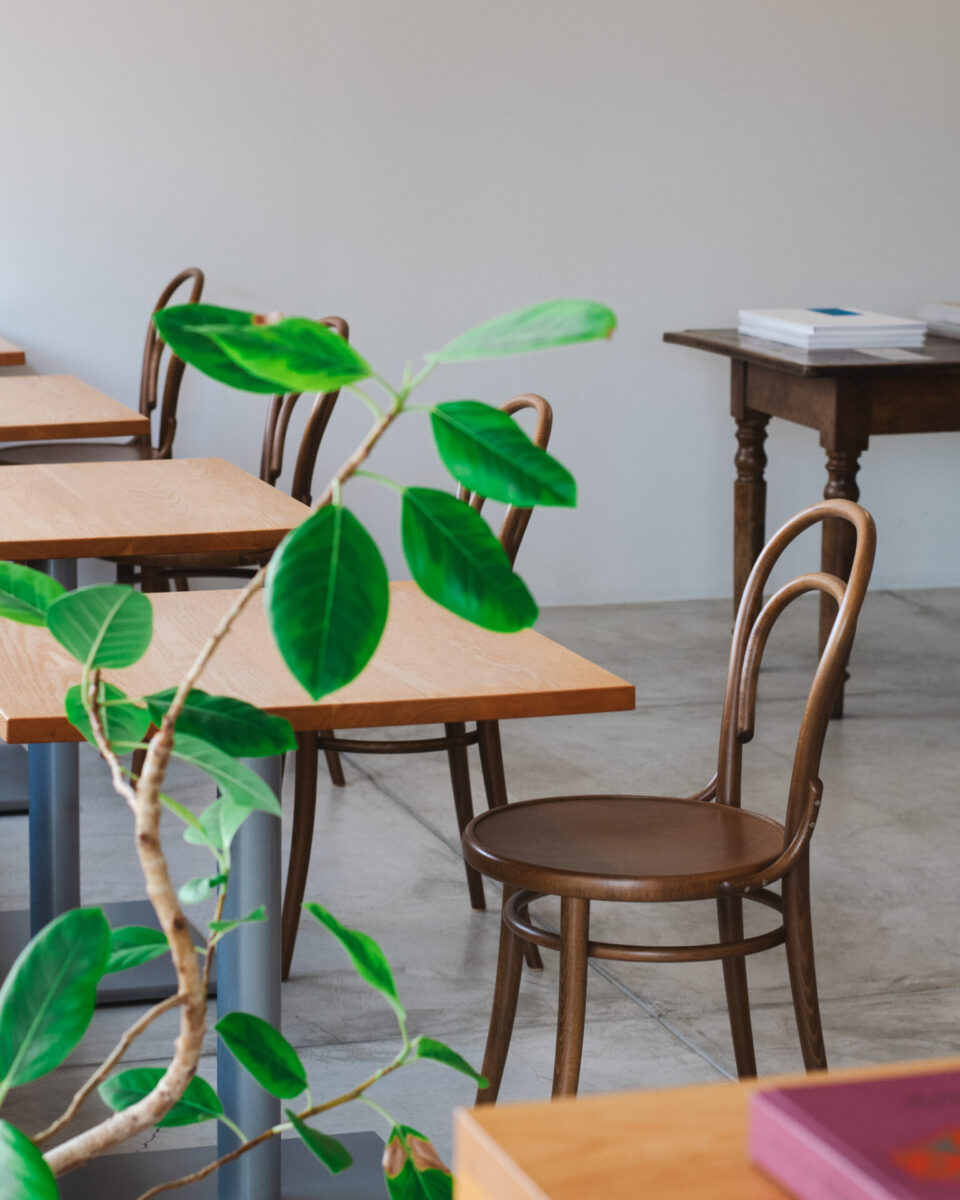
For this second edition, we had the pleasure of interviewing Shohei Suzuki, roaster of MAQUETTE COFFEE SHOP, located in Toyota City, Aichi Prefecture. The symmetrical building, reminiscent of minimalist art, houses MAQUETTE on the first floor, while the second floor is home to sabot, a café and lifestyle goods and clothing store run by his wife. The couple not only manage their own shops but also organize music events and engage in activities that fluidly move between everyday life and art.
By the way, do roasters remember the very first coffee they roasted? Many likely started with accessible beans from major producing countries like Colombia or Brazil. The seed of Suzuki’s story with Gonzalo began with that “first roasted coffee.”
Let’s hear Suzuki-san’s story:

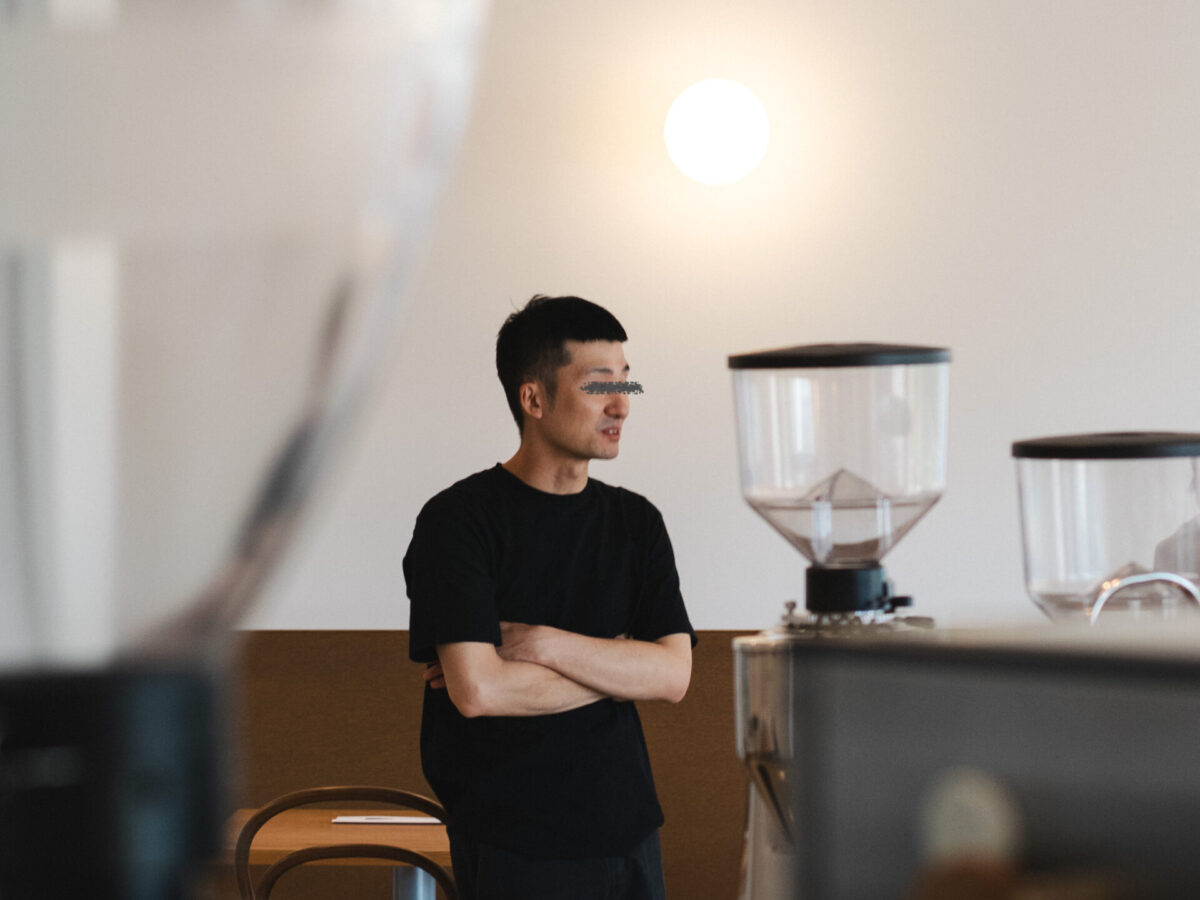
— How did you first encounter Gonzalo’s coffee?
I started my shop 12 years ago. When I got my roaster, I purchased 60 kg of coffee (6 bags) from Uchumachi (a village in the Caranavi region of Bolivia) for test roasting. The label read, “Coffee from 12 small-scale producers in Uchumachi.” Looking back, I imagine Gonzalo and his relatives’ coffee were likely included.
In 2023, I found Gonzalo’s coffee on the TYPICA list and saw that his farm is in Uchumachi. I thought, “Uchumachi coffee must be good,” and decided to purchase about 15 boxes—roughly 300 kg.
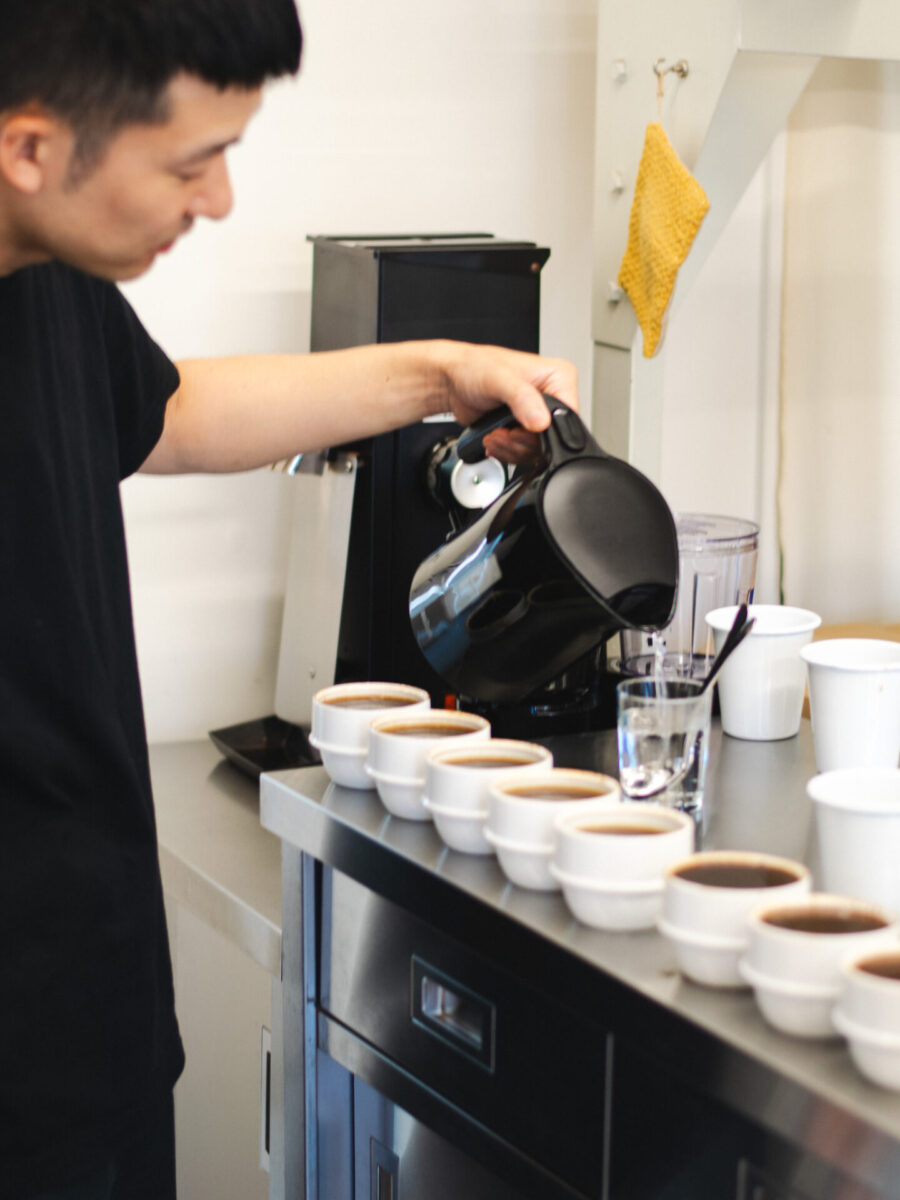
When I roasted and cupped it, it really had that Uchumachi flavor. It brought back that first-roast feeling, a sense of returning to the beginning.
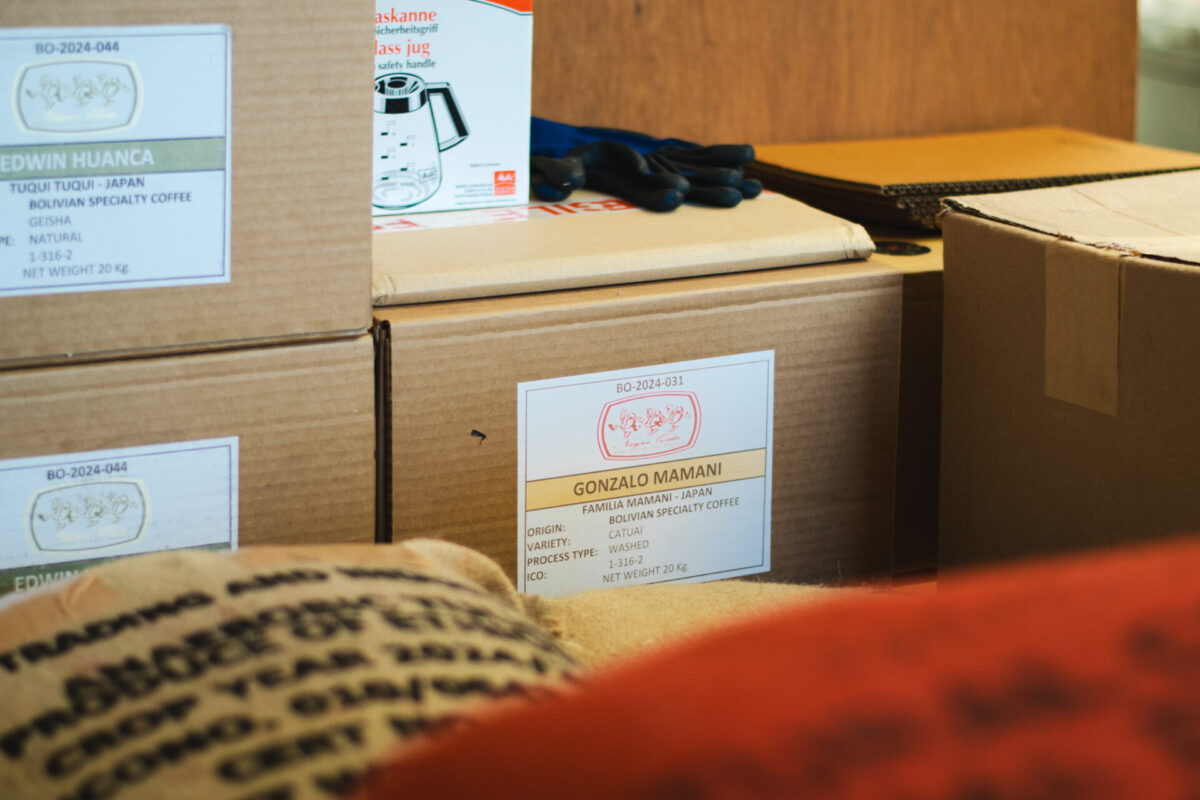
— How do you perceive the quality of Gonzalo’s coffee?
I think Bolivian coffees, including Gonzalo’s, are the kind that accumulate their deliciousness over time.
Our main business is selling roasted beans. I want people, after drinking a 200-gram bag—about 20 cups—to feel, “This was really a good coffee.” When serving brewed coffee, the first sip often demands an immediate wow factor, but when selling beans, if every cup is a big surprise, it might not become a natural daily ritual. I aim for coffees that people finish naturally, without realizing it.
Bolivian coffee isn’t flashy. Nowadays, many processes and varieties can produce striking flavors, but Bolivian coffee has a subtlety: its acidity and sweetness gradually unfold. I think that resonates with Japanese tastes.

― How was the quality of the 2024 crop?
Compared to the quality I usually expect, the 2023 crop felt a bit off—like something was missing. There were moments when I thought, “Hmm, that’s strange.” Some defective beans were mixed in, and even though I roasted them at the same time, the roast levels were inconsistent. As I removed the unevenly roasted parts one by one, I could feel, “Ah, here’s where Gonzalo’s character shows up.”
As for the 2024 crop, the early crop samples (from the beginning of the harvest) were a bit concerning in terms of quality, but the main crop turned out really good. I felt relieved, thinking, “Ah, it’s back.”
— There’s a rumor that Gonzalo blended coffee from other farms due to low production, but he denies it.
It would be great to visit Bolivia and hear directly from him.
— Despite the uncertainties, what draws you to Bolivia?
Bolivians are modest and value their ethnicity and family, which feels somewhat similar to Japanese culture. In major producing countries like Colombia, younger generations often study abroad and return to experiment with new processing methods or grow rare varieties. Market demands sometimes dilute the local terroir. I prefer Gonzalo’s coffee because it reflects the pure taste of the land.
Bolivia has a traditional drink called mokochinchi—dried peaches boiled with cinnamon and sugar. I sometimes detect similar herbal notes in coffee, reminiscent of coca leaves chewed by producers. That, to me, is terroir.
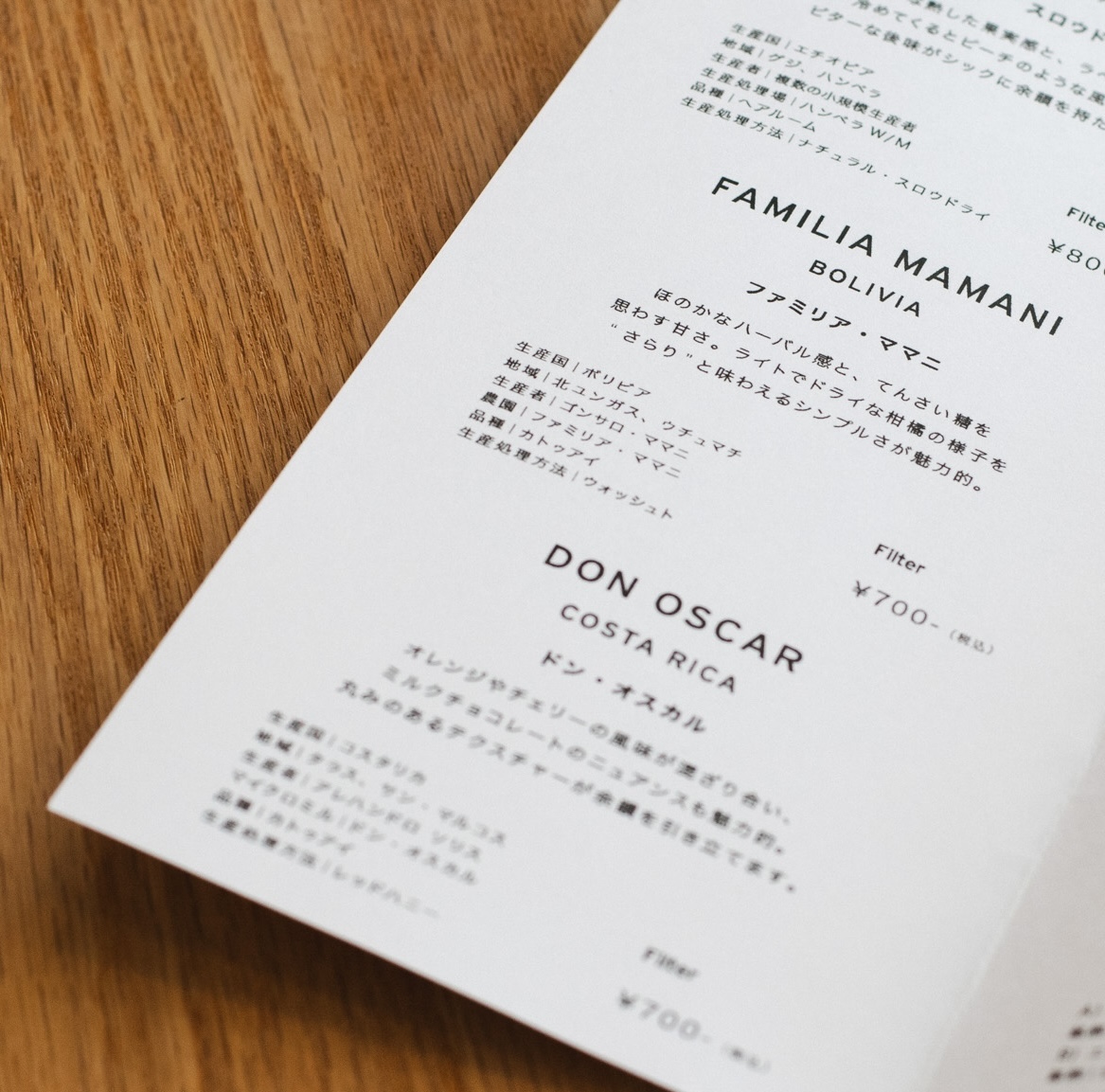
— How do you serve Gonzalo’s coffee in your shop?
We aim to offer it throughout the year in slightly different styles.
Originally, we actively suggested different coffees to regular customers: “This has arrived, try this!” Eventually, customers started asking: “Any new arrivals?” That made me think: rather than constantly introducing new coffees, why not offer Gonzalo’s coffee for the entire year?
For example, we serve it as a light roast when it’s fresh and deeper as the flavor matures. Right now, it’s medium-dark; last week it was medium. This approach allows customers to experience Gonzalo’s coffee throughout the year.
Today, specialty coffee can feel driven by information—customers drink the story rather than the coffee. I prefer a slower, cumulative approach to building genuine taste experiences.
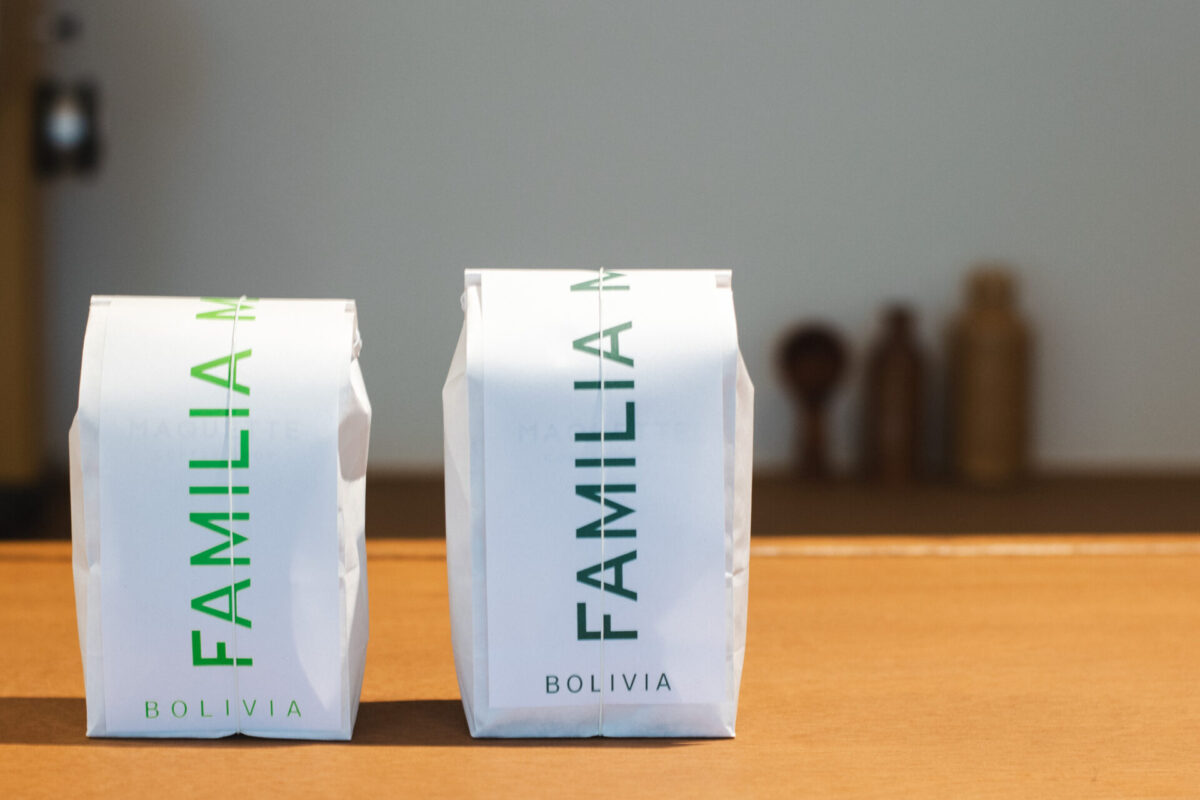
— What kind of taste do you aim for?
I want a coffee people can drink daily for two or three months without getting tired of it.
I prioritize a clean cup and sweet finish. Fruity, yet not overly acidic—a balanced, nuanced taste. I think of coffee a bit like dashi: a traditional Japanese umami-based broth. Both involve a process—harvesting, fermenting, drying, brewing—and share similarities in depth and complexity.
— How do you want customers to enjoy it?
We don’t provide strict recipes. We start by asking, “What tastes good to you?” and suggest brewing methods based on their preferences. True enjoyment comes from personal experience, not just following instructions.
Both light and dark roasts can be excellent. Our goal is to expand options and let customers explore a range of flavors. The ideal is that they feel, “I can brew it this way, and it tastes great.”
— What is your approach to roasting?
I focus on short, high-heat roasting to extract a dense, flavorful cup. Usually 5.5–6.5 minutes, rather than the 9–10 minutes many use, to preserve as much of the coffee’s natural composition as possible.
We recommend an 18:1 water-to-coffee ratio. Many use 15–16:1, stronger, but even with a slightly lighter brew, our coffee is full-bodied.
My approach isn’t to follow the usual profile with minor tweaks. For dark roasts, I “push the roast,” while light roasts require a completely different heat strategy.
— Your perspective as a roaster feels very unique.
Some follow the saying “test the stone bridge before crossing,” but I prefer to dig a tunnel and create my own path—exploring unseen worlds. In modern art, short-term success doesn’t guarantee recognition in 100 years. I aim for work that may not be understood now but will be appreciated later.
— Lastly, what would you like to achieve with Gonzalo?
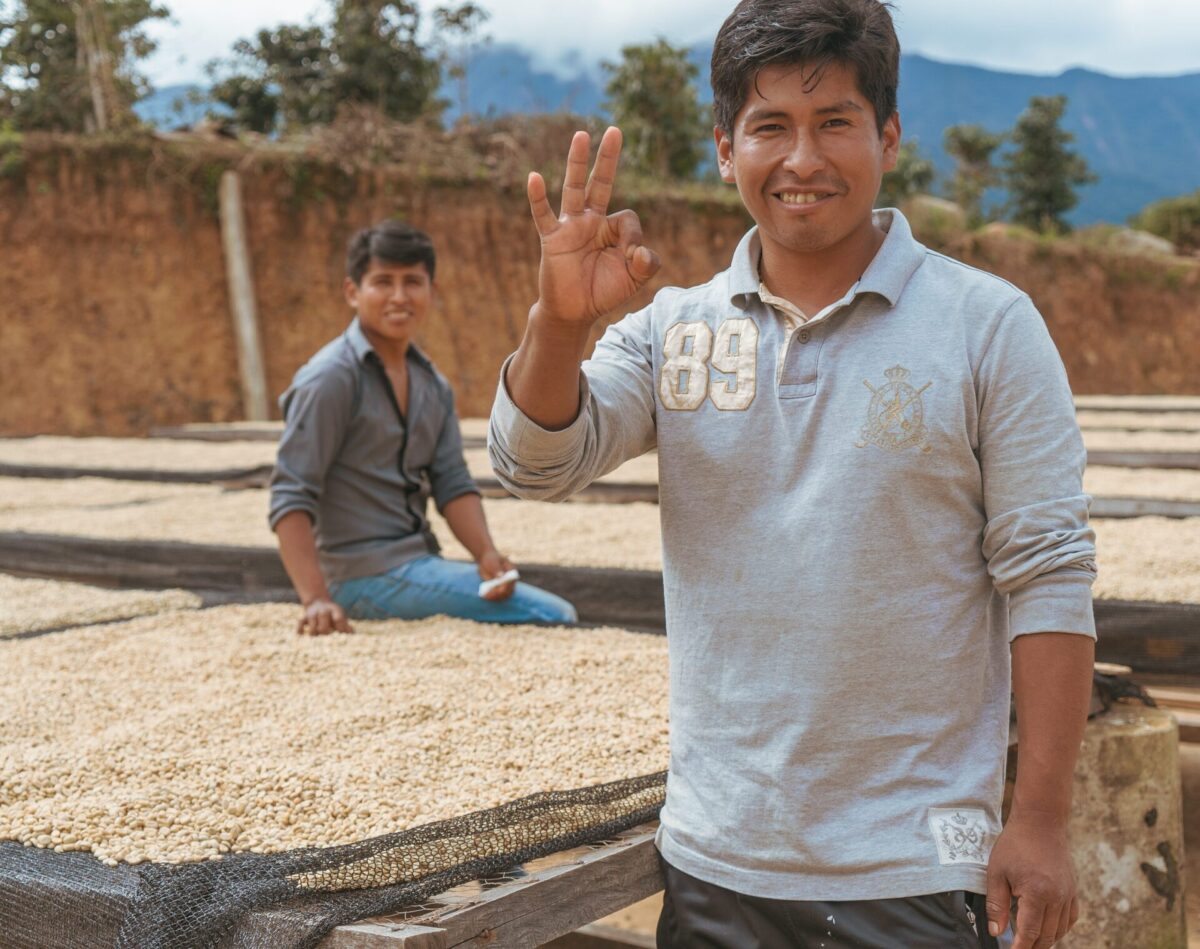
For new specialty producers, balancing quality and price is challenging. If raising quality leads to higher prices and income, it could change their world. Purchasing Gonzalo’s entire output may contribute to this.
Specialty coffee ultimately revolves around people—their philosophy, cultivation, roasting, and tasting. TYPICA’s narrative notes that Gonzalo hasn’t yet tasted his own roasted coffee. Understanding how it’s received may help him take the next step. Visiting his farm in Bolivia is a priority.
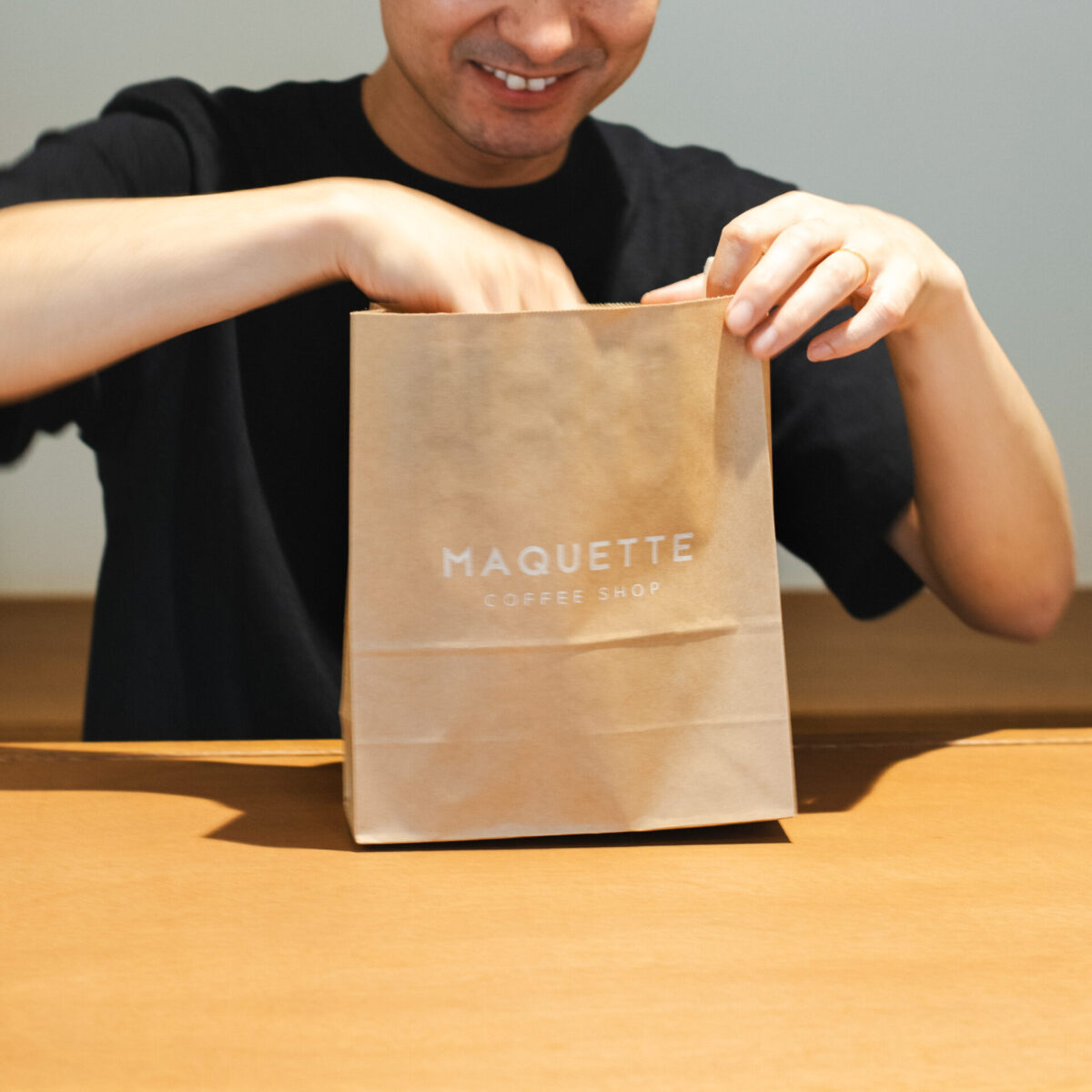
The story of Suzuki-san shows how a first roasting experience can spark a deep connection to a coffee origin. Terroir isn’t just flavor—it’s embedded in the coffee’s entire journey.
Interestingly, like the previous interview with Aono-san, umami and dashi were mentioned—perhaps umami is a universal language of Bolivian terroir.
After the interview, it was confirmed that Gonzalo’s coffee will not be offered in 2025, likely due to rising domestic coffee prices. How to build sustainable relationships with new direct-trade producers like him remains an important theme for TYPICA. Actions will be taken for the next Bolivian harvest.
Thank you, Suzuki-san, for sharing your story!
Coffee featured: Gonzalo Mamani Catuai Washed (Farm Tour)
Interviewers: Yui Fujii, Alice Imaoka (Community Managers)
Text: Ayane Yamada