





What’s in my cup? — aoma coffee × Celso Mayta Java Washed
In this series, What’s in my cup?, we listen to the stories of roasters meeting coffee producers. How do roasters connect with producers living on the other side of the world, and how do they nurture those relationships over time? We let the roasters speak for themselves.
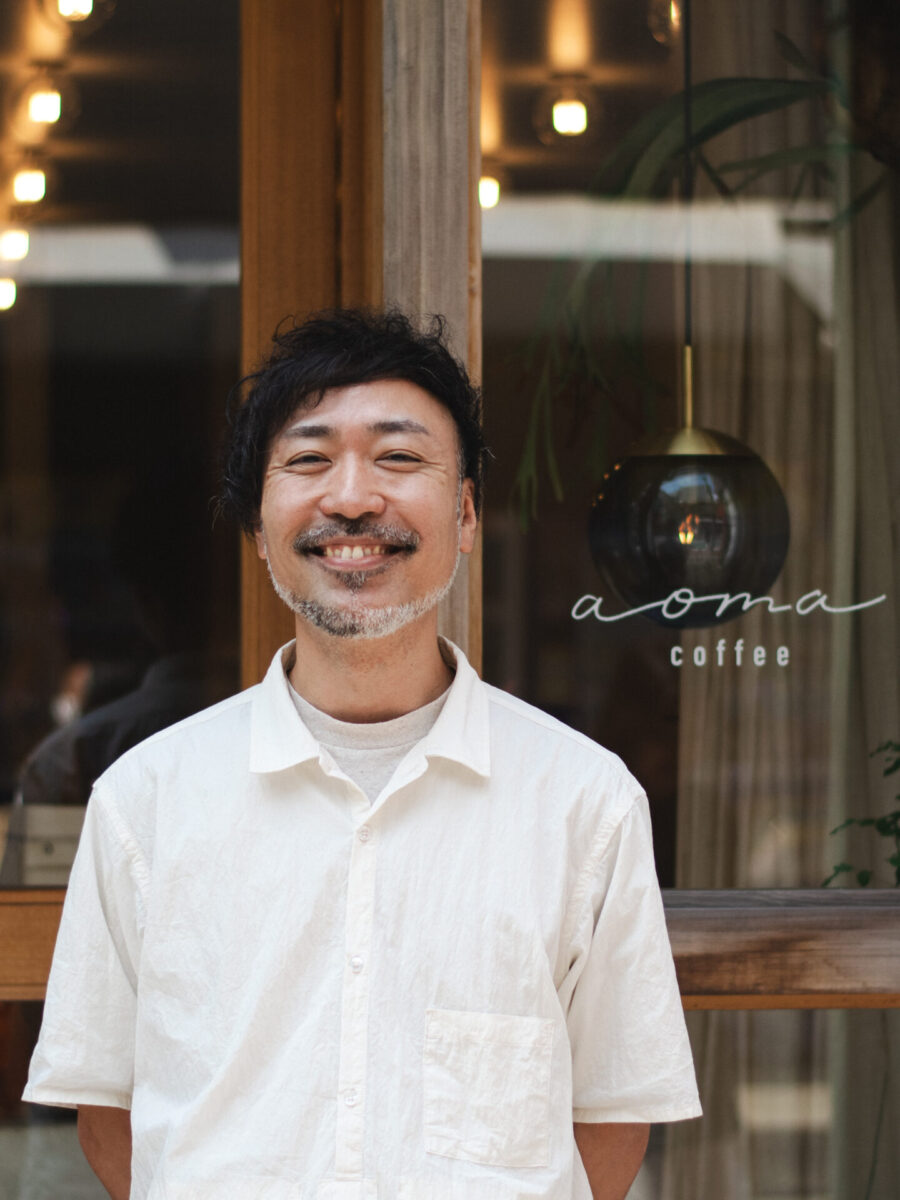
For the first installment, we interviewed Keisuke Aono of aoma coffee, based in Honmachi, Osaka, Japan. Since the early days of specialty coffee in Osaka, Aono has been at the forefront of the scene, earning deep trust from both coffee lovers and fellow professionals. aoma coffee has a calm and understated ambiance, yet its warm glow makes it a place that coffee enthusiasts and peers alike can’t help but stop by when they’re in Osaka.
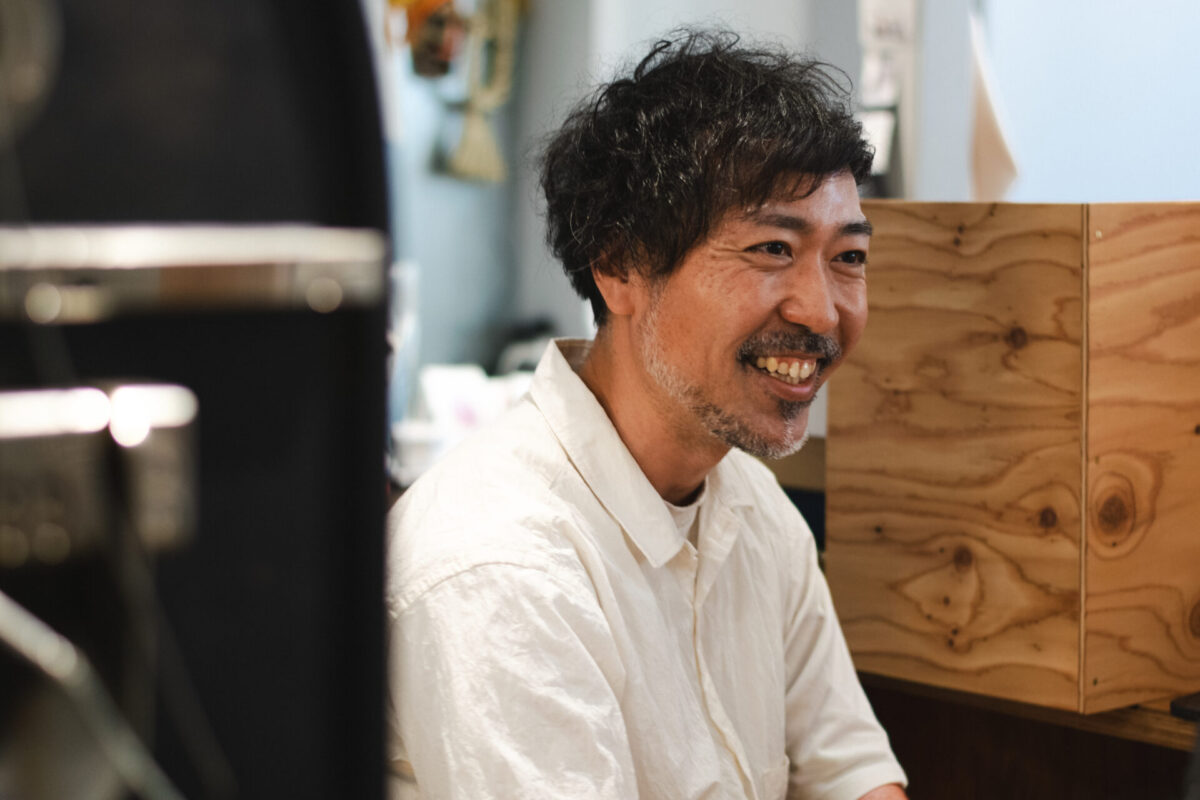
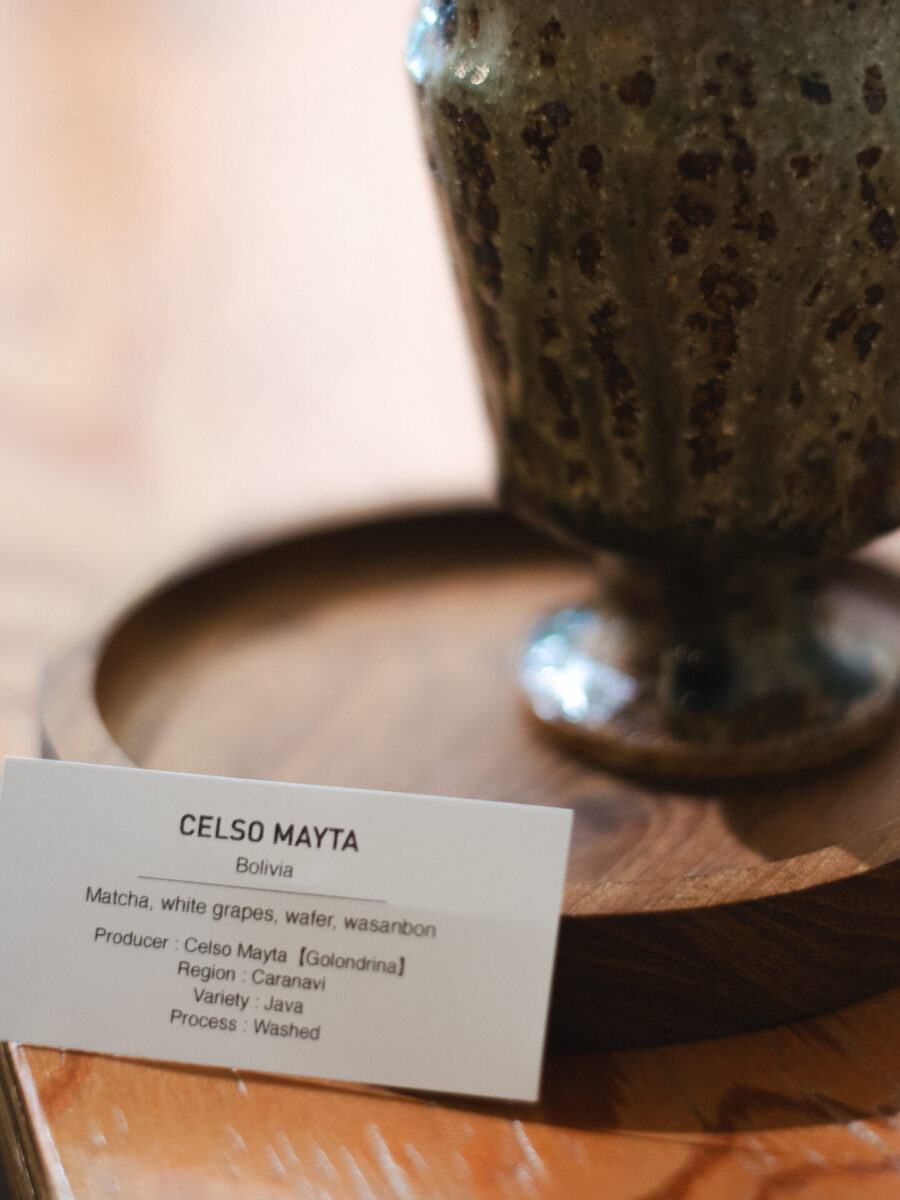
This story is about Aono-san and the Celso Mayta Java Washed coffee. Celso Mayta is a small-scale producer from the Caranavi region of Bolivia, who has been offering his coffee through TYPICA since 2020. He is also involved in TYPICA’s Producer Investment Listing Deposit program, expanding farmland and increasing production capacity.
Despite complex social circumstances that have limited the wider circulation of Bolivian specialty coffee, Aono-san has continued sourcing Celso’s Java even in years when production fell or quality fluctuated. He was captivated by the coffee’s unique qualities and has maintained a steady relationship with Celso.
Let’s hear from Aono-san:

— What was your impression when you first tasted Celso’s coffee?
It was at a TYPICA cupping. At the time, many Bolivian and Peruvian coffees entering the market were very flashy and trendy. They were good, of course, but not quite the type I wanted to introduce to my customers. Celso’s cup stood out immediately. I thought, “Ah, this is completely different.” I remember thinking, “It’s great to discover this kind of coffee. I want to roast and share it myself.”
I’ve always liked Bolivian Java, but it was hard to find a flavor profile that felt just right. Celso’s coffee had that balance. In short, it has a yin and yang quality. Bright and floral, yet with a subtle darkness and depth. It carries both floral notes and earthy undertones, and I love that balance. I’m drawn to coffees that hint at tea—like green tea or Chinese fermented tea—and this one clearly has that. It’s delicious.
The 2024 crop was excellent. Customers loved it. Regulars look forward to it every year, and even first-time visitors often say, “This is amazing.” Of course, it was slightly different from last year. TYPICA mentioned that the flavors were fine, but there were a few defects. I roasted with extra care because of that.
— Could you elaborate on the flavor profile of Celso’s Java?
Some might see the tea-like or earthy qualities as negatives, but I don’t. While such flavors may not score highly in competitions, if customers enjoy it, then it’s a “just coffee,” and that’s enough.
At aoma, one of our underlying goals is to showcase coffees that aren’t flashy or overtly fruity and floral. There are many coffees that may not stand out at first glance but are incredibly delicious. Celso’s coffee is a perfect example. Emphasizing this diversity makes coffee more exciting.
— Umami is gaining attention globally. How do you interpret it?
Not long ago, the Copenhagen restaurant Noma did a pop-up in Kyoto using only Japanese ingredients. I was lucky enough to attend. Their dishes were like “umami explosions” [laughs]. I realized that umami is likely the reason they are drawn to Japanese ingredients—especially the seafood umami. For people from abroad, the mineral-rich flavors of seaweed and shellfish are easy to recognize.
I encounter similar umami in coffee too. I’ve tasted Geisha coffees that reminded me of scallop broth, capturing a sense of oceanic minerals. Some may find this surprising compared to the expected fruity and floral Geisha image, but I find it fascinating. When there’s a story or scientific reasoning behind it—like “this farm’s soil was once seabed, rich in minerals”—it can be presented as terroir, similar to wine. While attention in coffee often focuses on processing techniques or yeast additions, I want to highlight the unique flavors that come from the soil and the producer’s work.
Wine also follows a similar logic—“Using this yeast produces that flavor,” and the process allows for consistent quality. Yet, some producers resist mainstream approaches, creating countercultural movements. Each time new methods emerge, others push back, and that cycle drives culture forward. I naturally want to support the unconventional side. Observing the current coffee industry this way makes me excited for the future. Truly skilled people understand the mainstream but can pivot to the next wave when it comes.
— How do you approach roasting Celso’s Java?
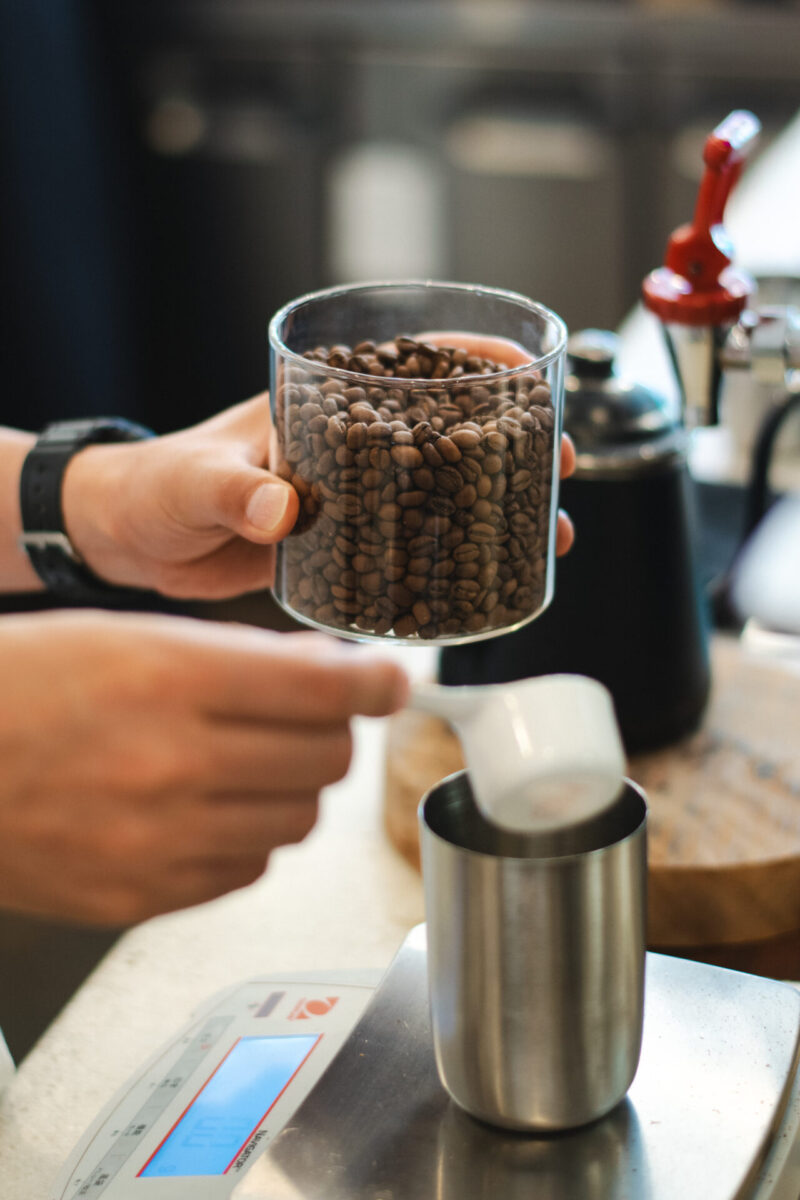
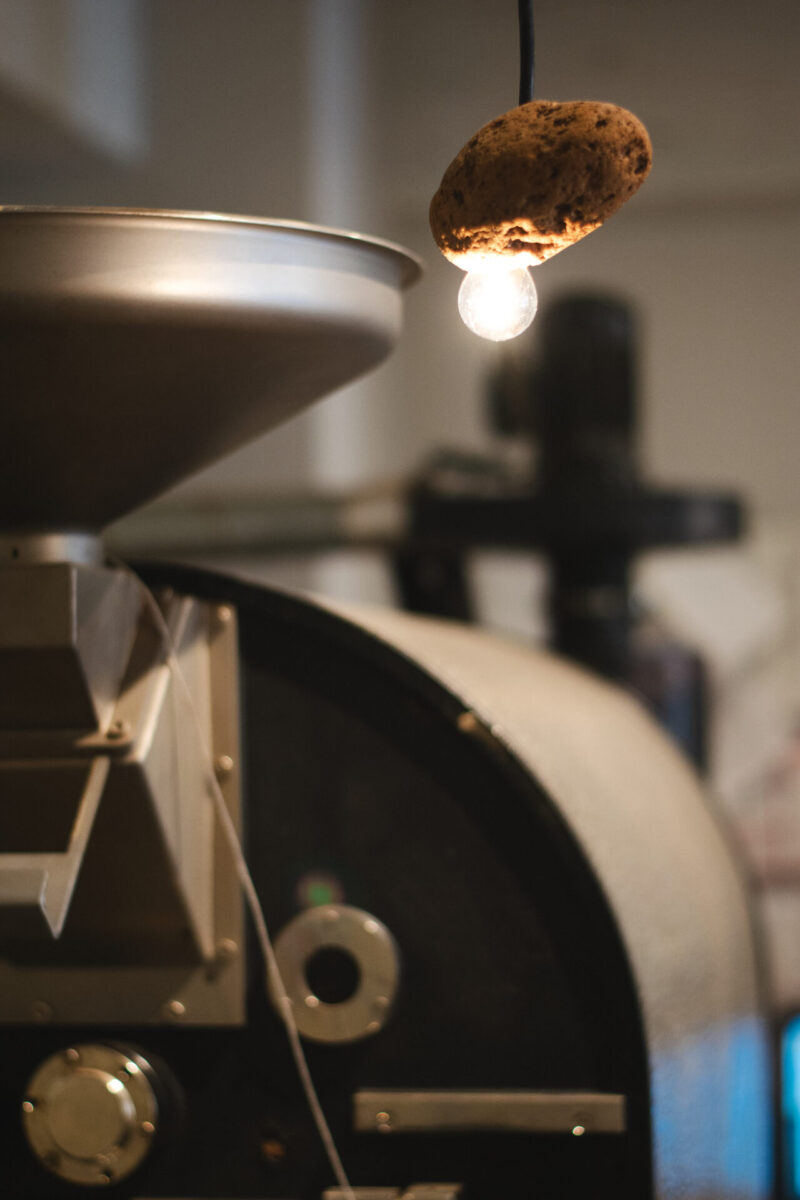
I don’t overthink the roasting theory [laughs]. Young roasters can verbalize theory well, but for me, it’s mostly about adjusting heat according to the coffee. For instance, I tweak early heat or how much heat hits the beans at first crack. For Celso’s Java, I use slightly higher early heat.
I see my role as balancing the flavors the coffee already has, rather than imposing flavors. Roasting acts like a filter—I want to present the coffee to customers as naturally as possible.
— Lastly, how do you feel about direct-trade purchasing, like with TYPICA’s sample offers?
For producers I buy from annually, I already understand the trends, so I sometimes decide, “Let’s get it this year too.” For others, I don’t purchase with absolute certainty.
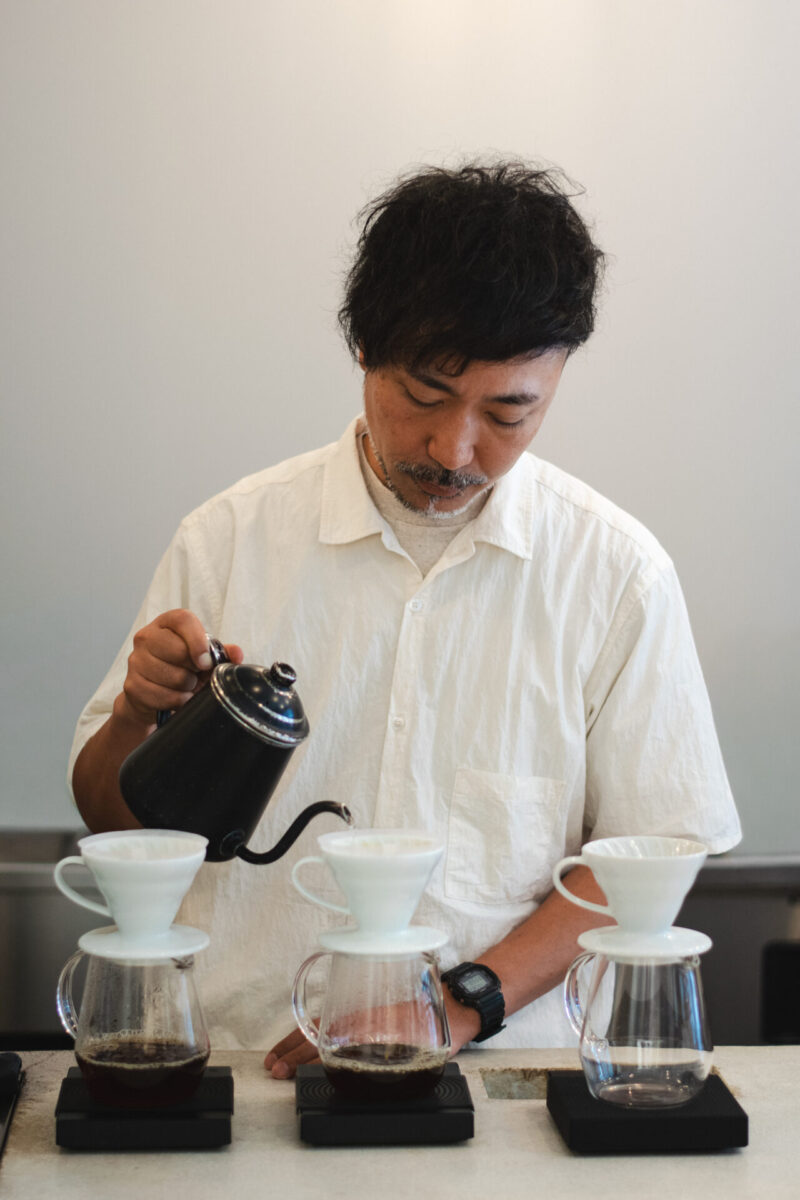
I try to anticipate how the current lot will perform after import and buy if I feel a good vibe. Half of it feels like a gamble, but that uncertainty is enjoyable. Sometimes you fall for a cupping and the final product surprises you—positively or negatively. Some roasters avoid that risk entirely, and that’s fine.
Early in my career, I was sometimes surprised, but experience has taught me to accept it. As long as it’s not a complete quality failure, minor differences are manageable and even where a roaster can shine.
— Who would you like to enjoy Celso’s Java?
People who love the Japanese landscape, I think. They’ll respond to the umami and character of this coffee.
Hearing from Aono-san, with his extensive experience, we were reminded of the essence of coffee. Among countless micro-lots, rare varieties and unique processing often draw attention, but at TYPICA, we aim to showcase the subtle, lasting qualities of coffee. We want coffee lovers to appreciate terroir and producer craftsmanship in daily life, making that experience possible through direct trade.
Thank you, Aono-san, for sharing your story!
Coffee featured:Celso Mayta Java Washed (Farm Tour)
Interviewers: Yui Fujii & Alice Imaoka (Community Managers)
Text: Ayane Yamada