





A Place for Self-Reflection and Mutual Growth: After TYPICA GUIDE 2025
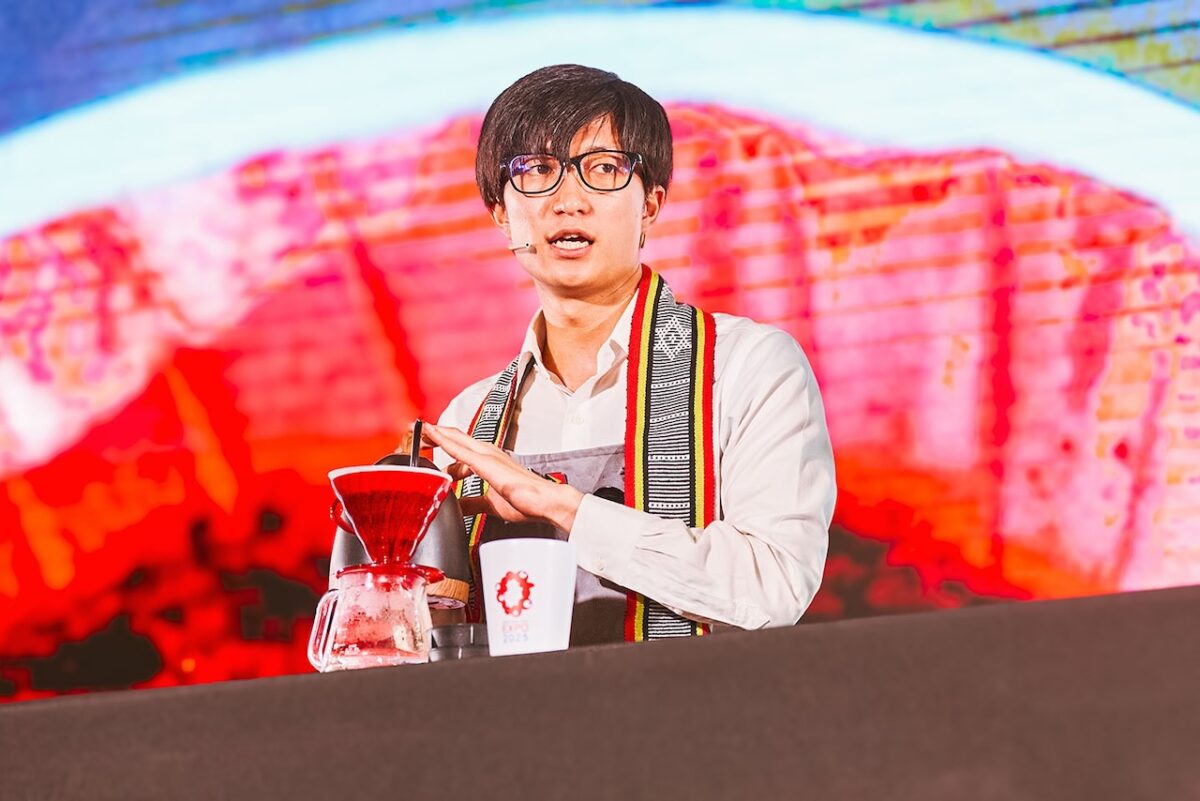
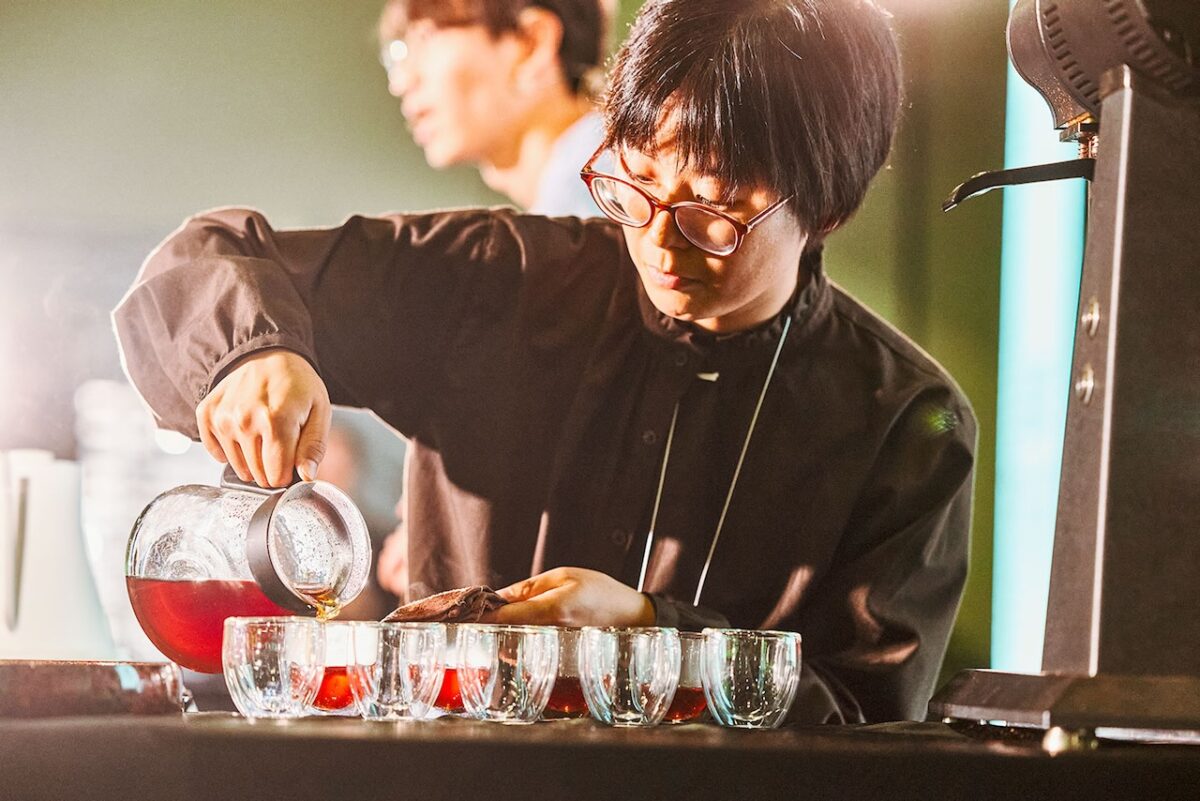
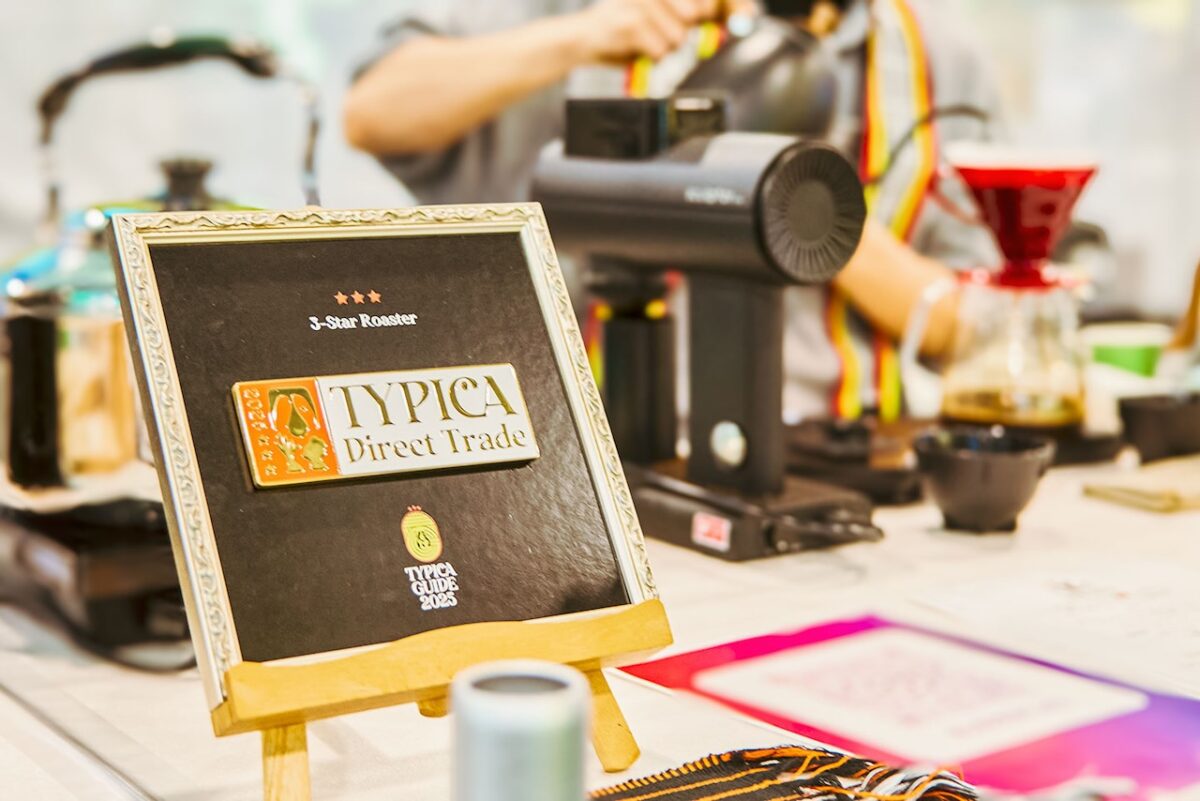
The final round of TYPICA GUIDE—a guide service created to help all coffee lovers encounter truly exceptional coffee—was held on September 28, 2025, at WASSE, inside the Osaka-Kansai Expo venue. This year, LUSH-COFFEE Roaster and Laboratory from Tokyo earned the title of 3-Star Roaster.
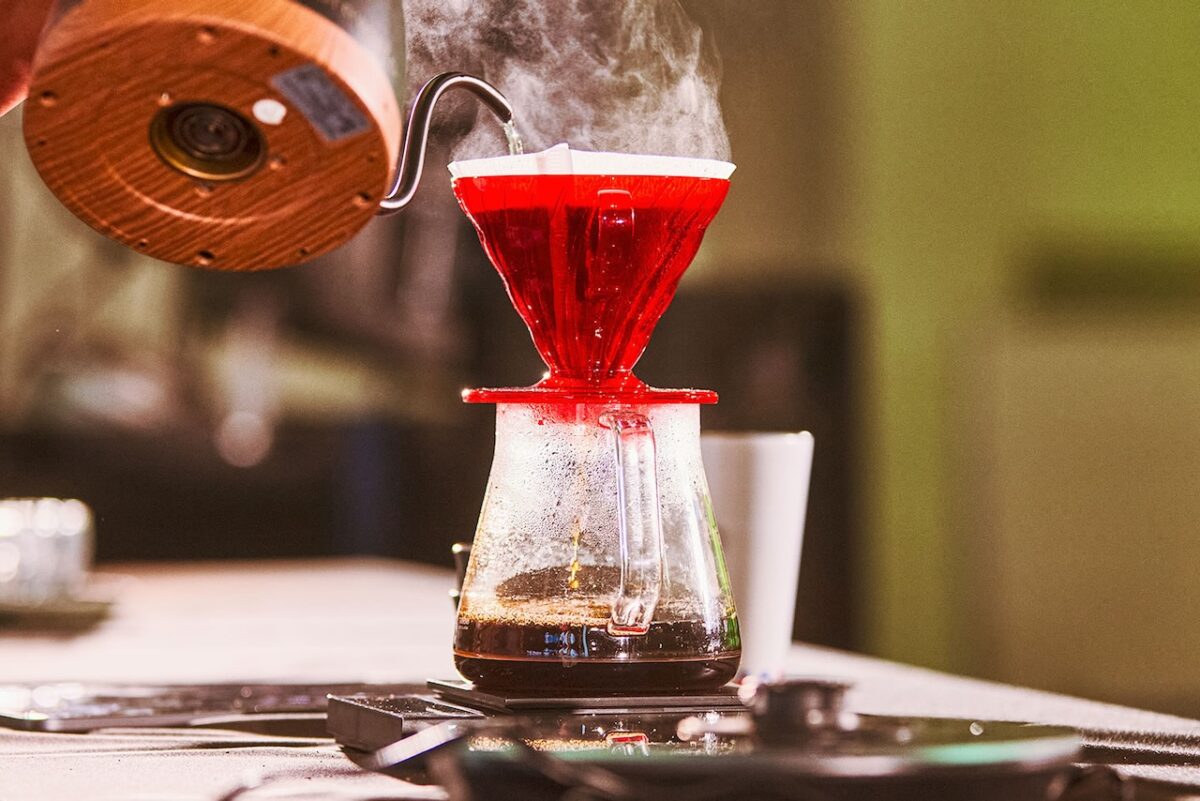
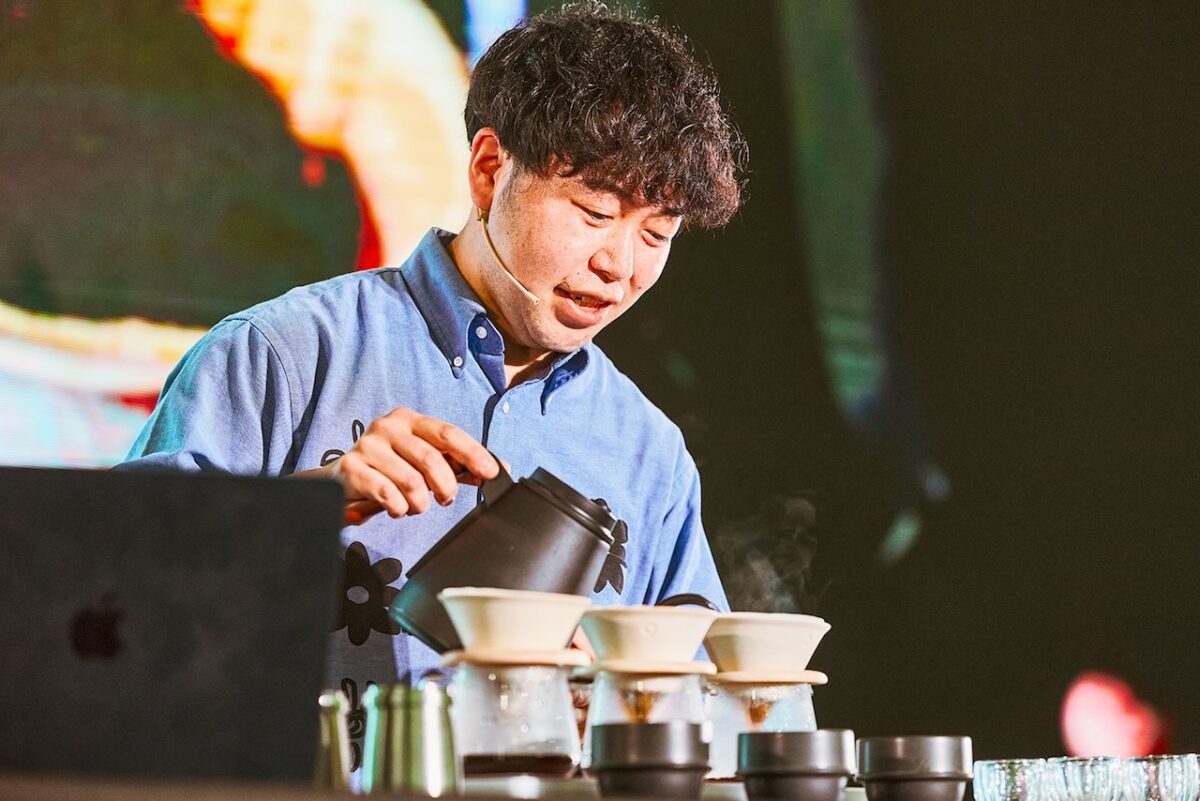
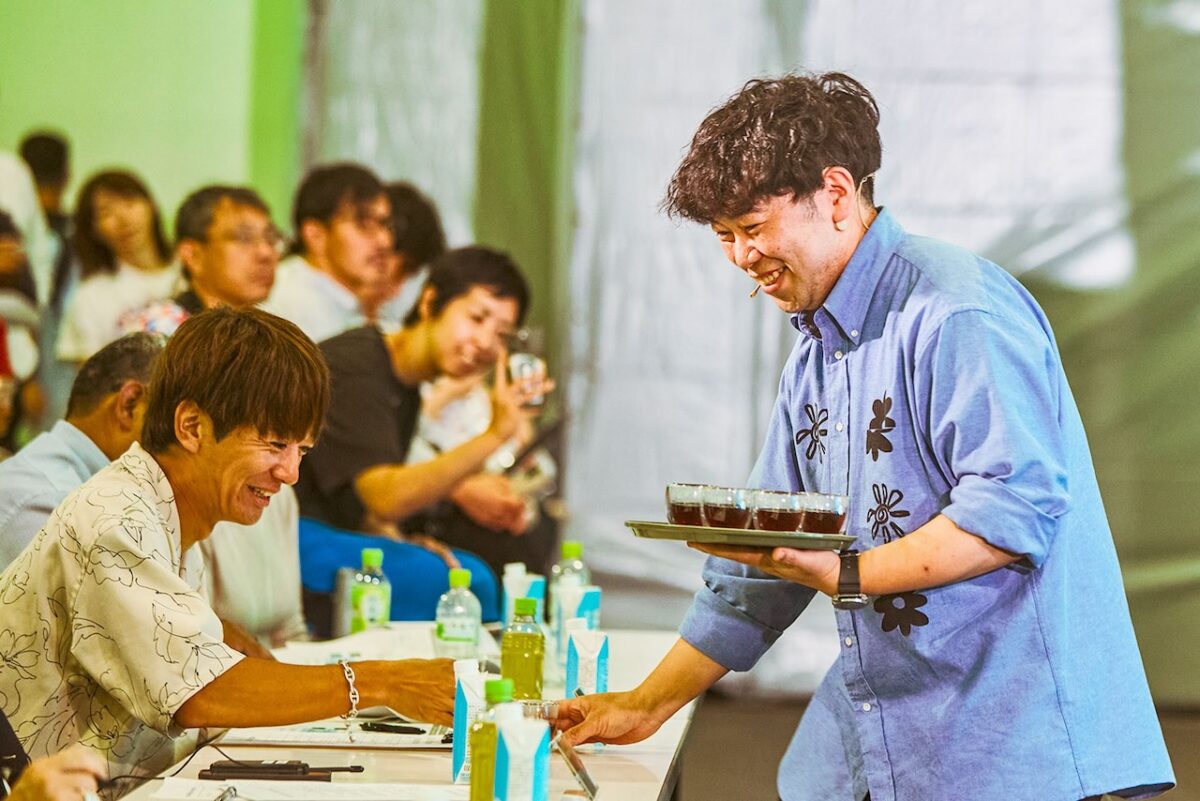
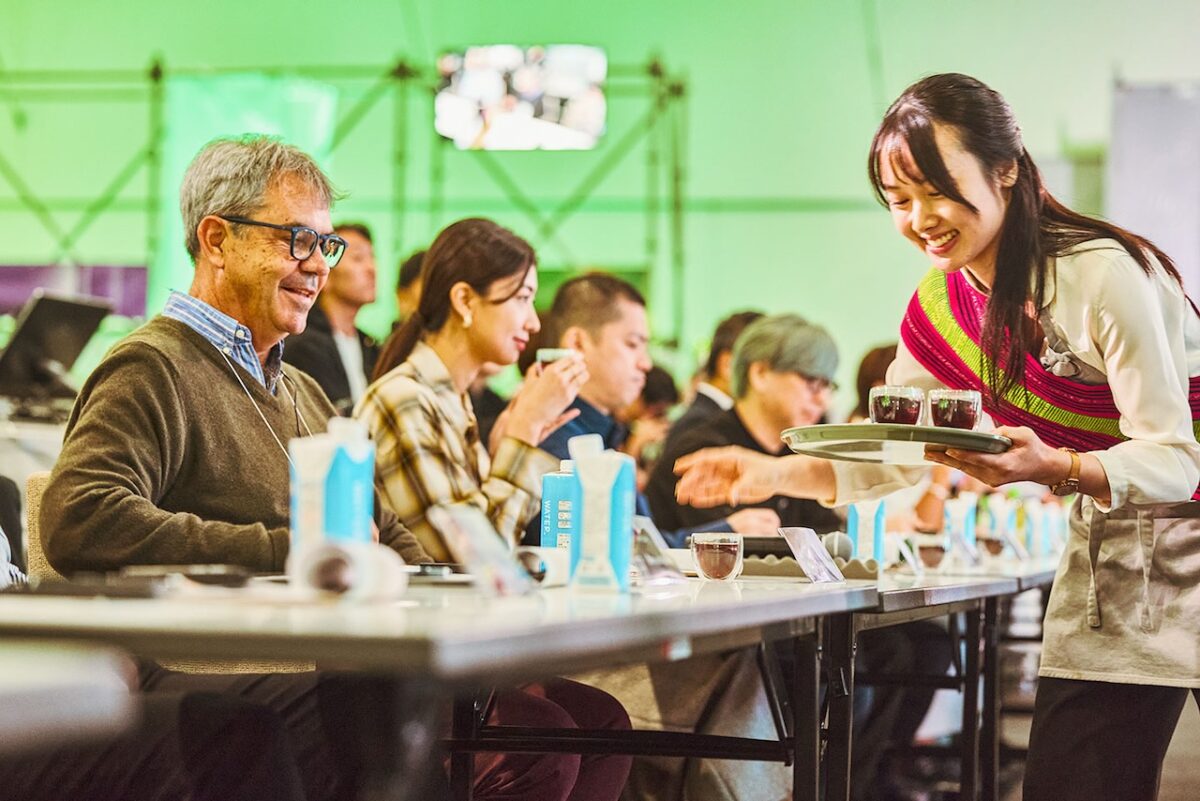
From among 195 1-Star Roasters recommended by TYPICA’s community managers, nine 2-Star Roasters advanced to the final round. Each gave a seven-minute presentation while brewing coffee, and the 3-Star was chosen through votes cast by both a panel of special recommenders—including four producers invited from overseas—and the general audience on-site and online.
Although the terms 1-Star, 2-Star, and 3-Star might sound like a ranking system, TYPICA defines them differently:
1-Star Roaster – a café you’d recommend to someone exploring local gems across Japan;
2-Star Roaster – the one shop you’d choose to recommend to a friend traveling within a specific region;
3-Star Roaster – the single roaster you’d proudly introduce to a friend visiting Japan from abroad.
Unlike typical competitions that focus on flavor or technical skill, TYPICA GUIDE highlights vision, personal origin, passion, joy, sustainability, potential for growth, and sincerity. That is why TYPICA calls it “a place not for rivalry, but for cultivating individuality together.”
The following sections introduce reflections and voices from the nine 2-Star Roasters who took part in the final round and the seven special recommenders who joined them.

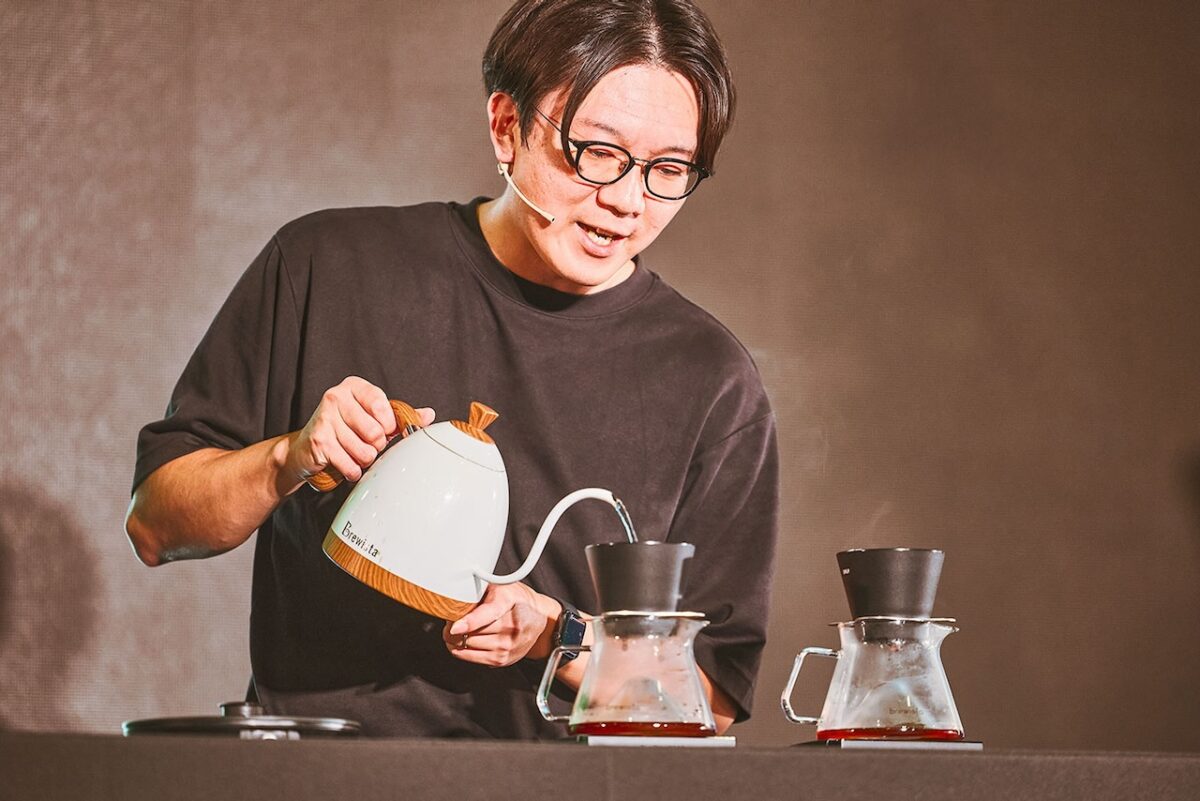
LOUPE COFFEE STAND — Ryosuke Masuda
The True Value of Taking Time for Self-Reflection
What I realized after taking part in the final round is that I want to stay closer to the customers right in front of me. The excitement in the venue, the energy of the crowd, and the uplifting feeling I got from talking with the producers — I don’t want those moments to end there. If I can somehow pass that same energy on to the customers in my shop, I believe it could help enrich the coffee culture in Hiroshima.
I’ve never visited a producing country, so I don’t have first-hand experiences to share about producers. But in reality, most roasters in Japan are probably in the same position as I am. That’s why I believe there’s meaning in speaking from the perspective of “what we can do even without going to origin.”
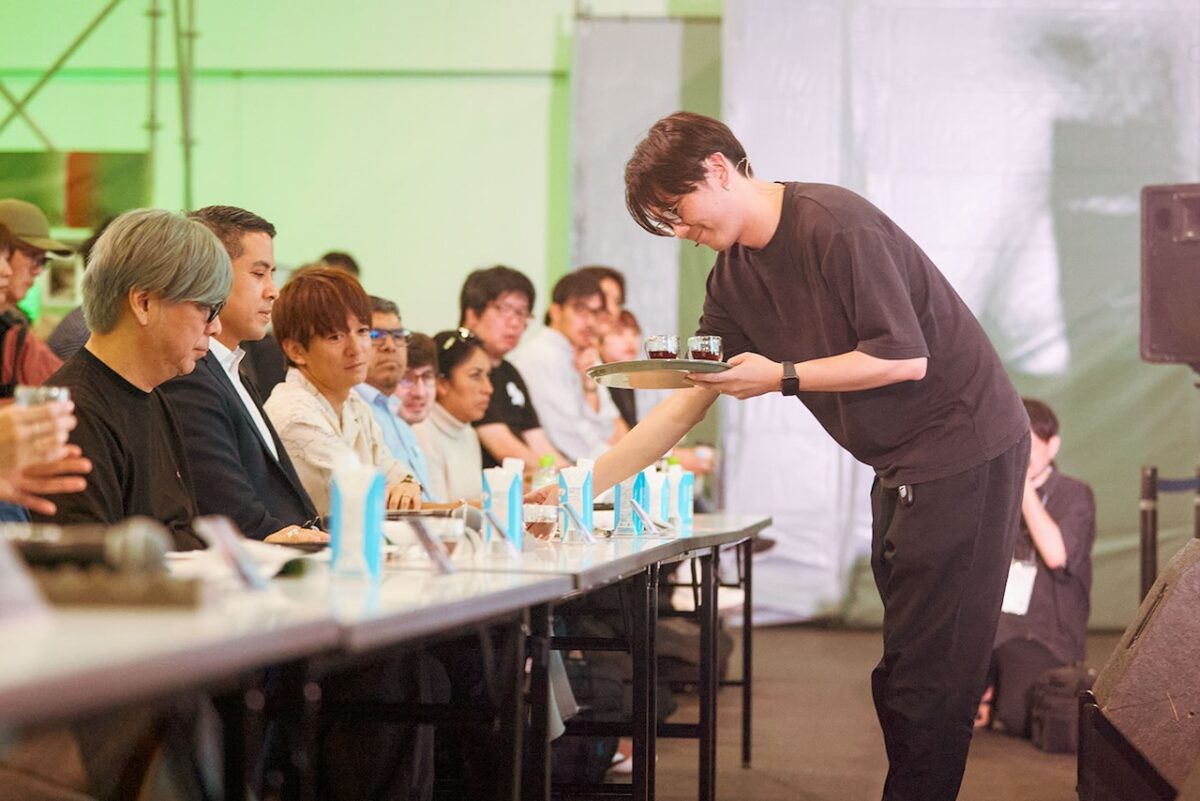
Coming into the coffee industry from a completely different field, I started this journey as a total beginner. That’s why I try not to be swayed by other people’s evaluations or caught up in conventional standards. I simply keep doing what I can, step by step.
To stay true to that mindset, the time I spend preparing my presentation — reflecting on my growth and setting a vision for the coming year — is more valuable than any number of stars. For me, TYPICA GUIDE isn’t a competition; it’s a place where I can look back on the past year and have my journey recognized by the people at TYPICA.
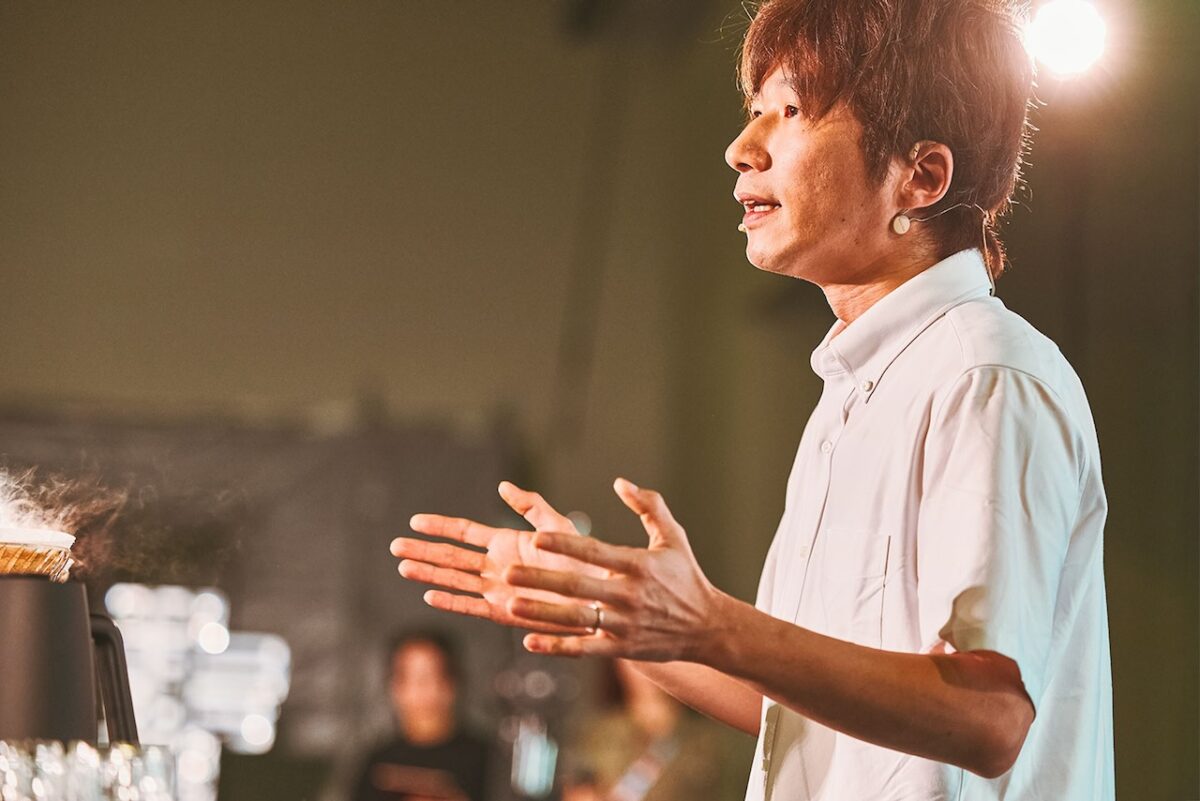
Encore! Coffee Roastery — Katsuyuki Sugiyama
It Reassured Me That I Was on the Right Path
In recent years, many coffee competitions have become extremely difficult to enter, but what makes TYPICA GUIDE so appealing is that it gives every 1-Star Roaster an equal opportunity. When we were selected as a 2-Star Roaster, I was deeply moved by the sincerity of the TYPICA team, who even took the time to call and share thoughtful feedback with us.
The main reason I decided to apply was to understand where we stood. It has been ten years since we opened, but my wife and I are both quite introverted, so we’ve had almost no lateral connections in the industry. Our shop is small, with modest recognition, and at times we’ve felt as if we were isolated in a little shell.
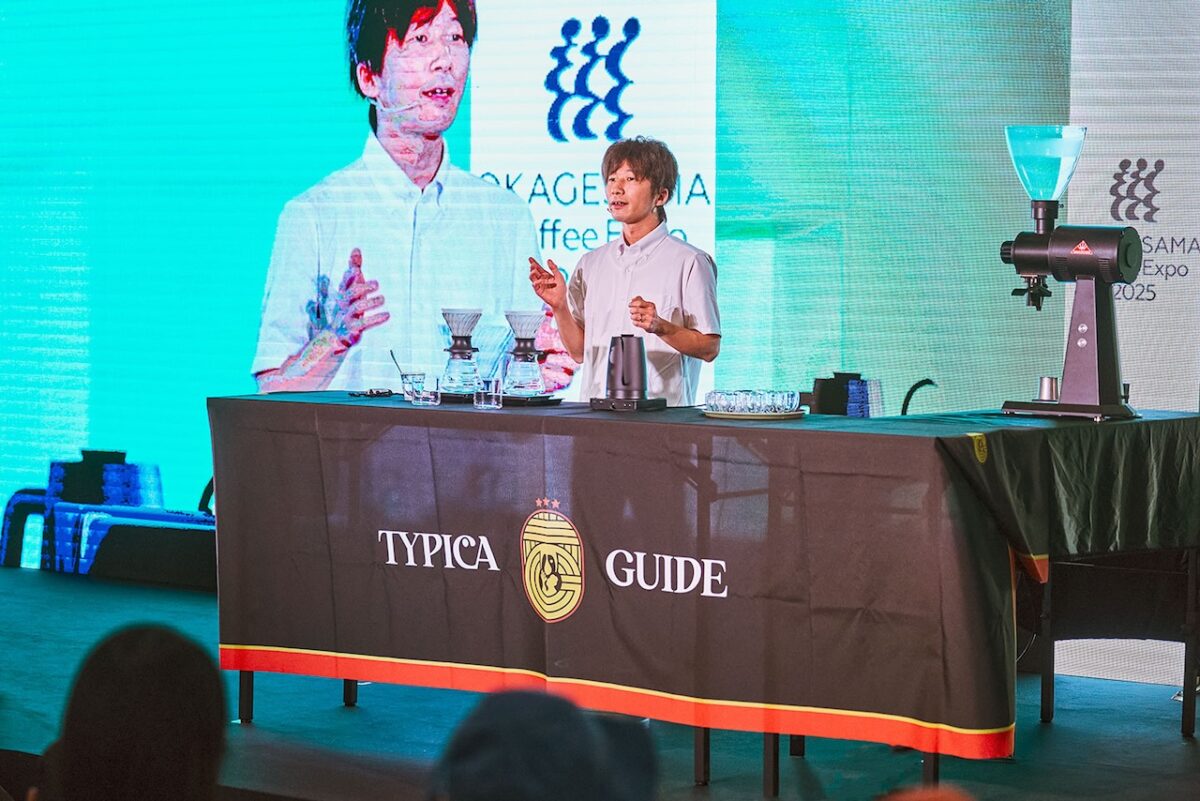
Right now, we outsource coffee bean sorting and packaging to about five or six welfare facilities. Lately, we’ve even received inquiries from facilities outside our prefecture asking if we could offer them work too. Those experiences have strengthened our desire to increase the amount of coffee we handle and create more job opportunities for them through our business.
During the final round, I hesitated about whether I should have focused more on the coffee farms themselves in my presentation. But afterward, customers and many others told me, “I really related to your talk,” and “It moved me.” Hearing that made me feel truly happy — because it reassured me that I hadn’t been wrong about my approach.
Around the same time as TYPICA GUIDE, I had also begun studying coffee more systematically. Taking part in the competition further fueled my motivation. Receiving objective feedback made me more determined to ground our work in solid knowledge and theory — I don’t ever want a lack of foundation to cast doubt on the credibility of our shop.
HONO roasteria — Tatsuya Murai
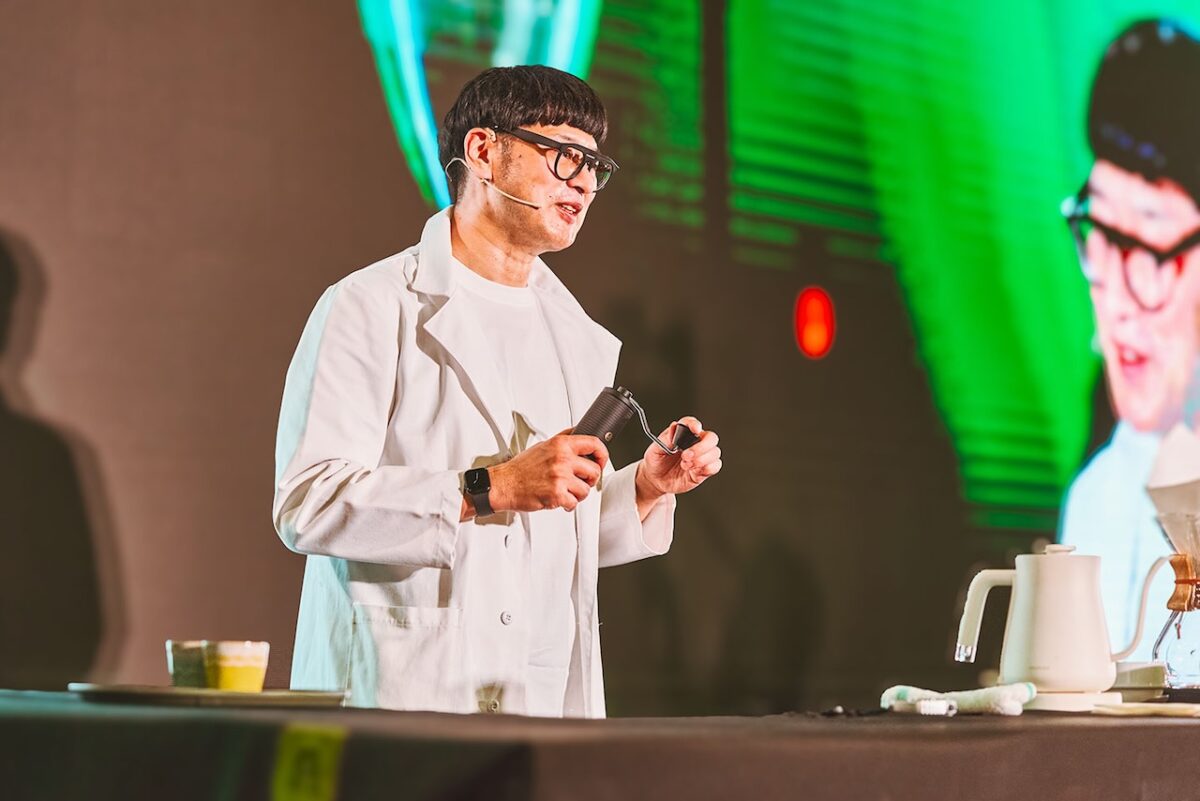
You Don’t Have to Chase What’s “Correct”
I applied for 2-Star last year as well, but this time the big change was completely shifting my presentation style — and I think that’s what made things work. Previously, I crafted my story as if I were carrying the weight of the coffee world on my shoulders. This year, I focused purely on my own story, in a way that both the special recommenders and general audience could simply enjoy.
One thing I was especially conscious of this time was the presence of Hashimoto-san, last year’s 3-Star winner. I’ve been deeply inspired by his approach — from how he works, to his presentation style, to initiatives like donating drying beds to producers. I knew that if I tried to stand on the same stage in the same way, I’d never win. So I intentionally broke the mold. I wanted to help ensure TYPICA GUIDE didn’t fall into the typical “competition mindset.” Thanks to the lack of strict technical regulations, I could relax and approach it with a freer spirit.
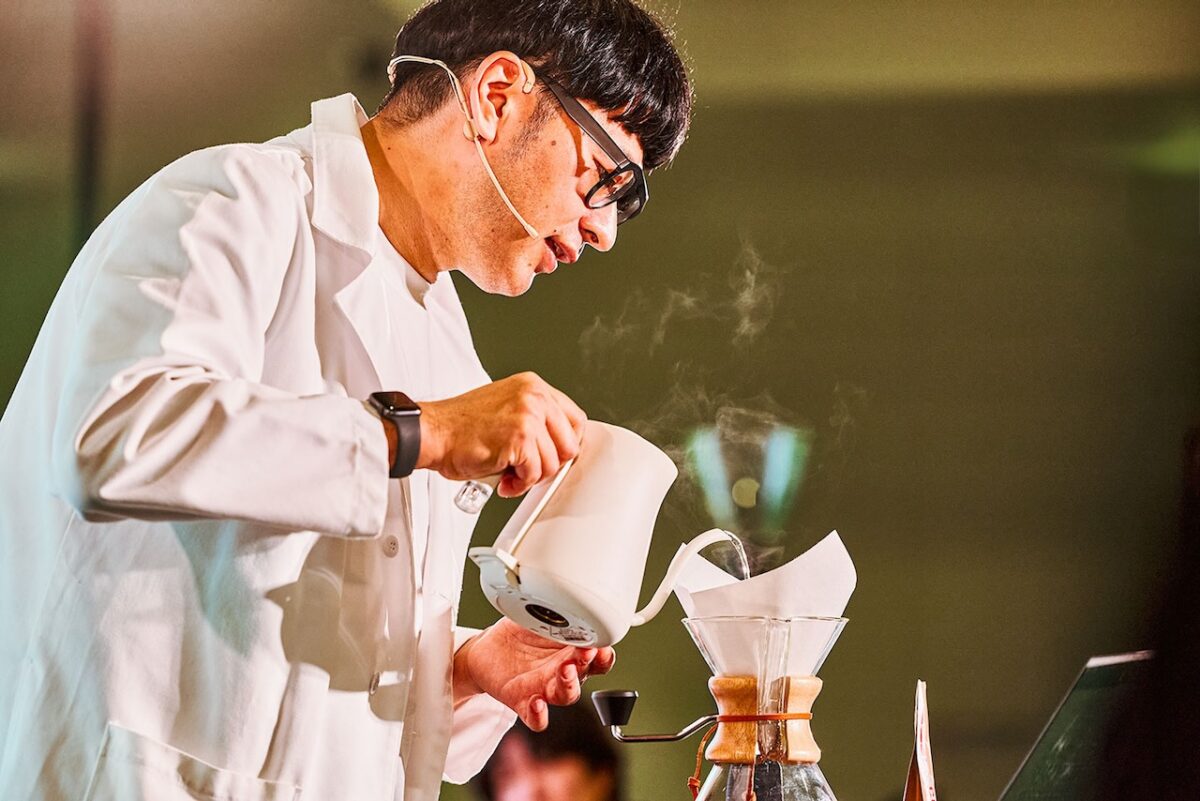
There are many ways to help the coffee industry grow. Talking about social justice is one way, and some people are perfect for that. But that’s not my path. I believe that when everyday coffee lovers improve the quality of the coffee they brew at home, they end up buying more from producers — and that’s how the industry evolves. For that to happen, “fun,” “delicious,” and “interesting” are essential.
That’s why the best feedback I received was people saying, “That was entertaining.” It made me realize that I don’t have to shape myself toward what’s considered the “right” direction to earn recognition.
COFFEEMAN good — Yudai & Yuri Hashimoto
To Keep the Connection Alive
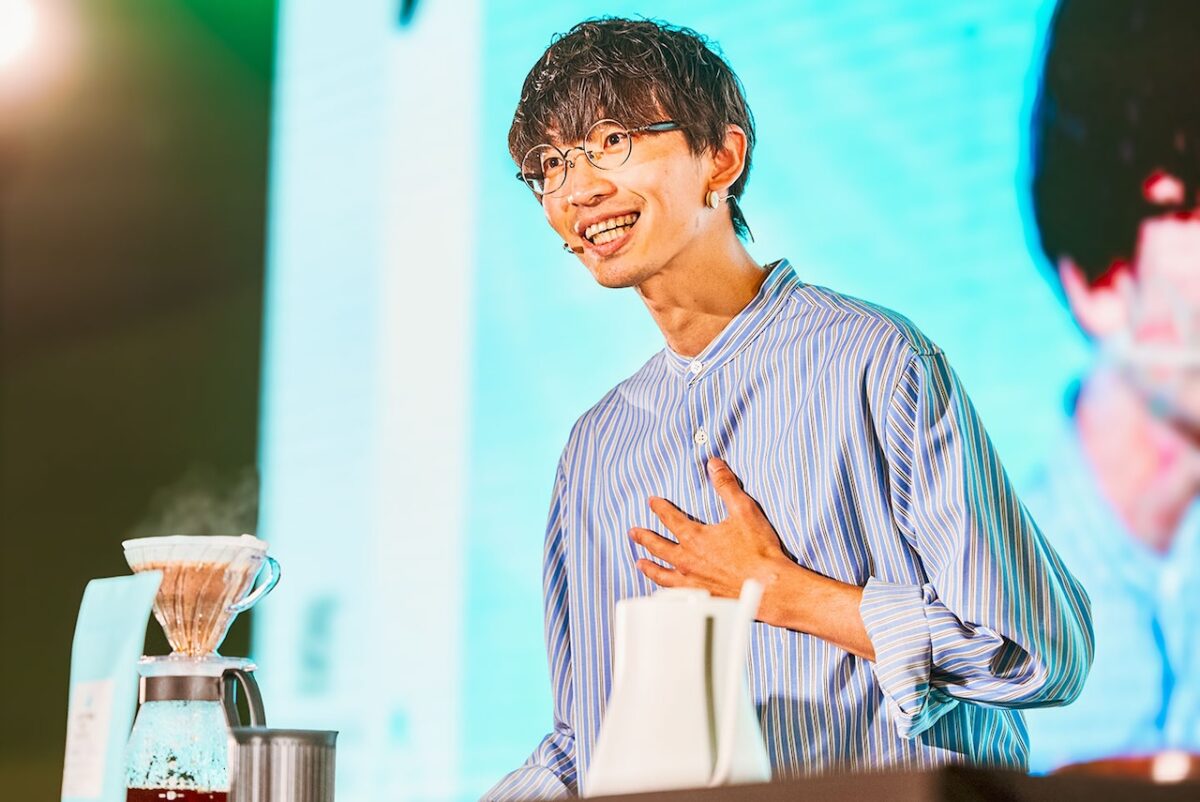
Yudai: “To be honest, I wasn’t sure whether it was right for me to participate again this year, since it might take away the chance for another roaster. But when I thought about the producers in Bolivia who treated me so kindly during my visit with TYPICA Lab, I realized I still hadn’t given anything back to them—and that feeling of wanting to repay their kindness became my biggest motivation to apply.
I was especially determined this time because Juan from Nayra Qata, one of the producers I met there, was participating as a special recommender. Once I was given that chance, I went in with the resolve to win 3-Star no matter what. Although I was satisfied with my presentation, I couldn’t reach that goal, and I couldn’t help but feel a bit frustrated with myself.”
Yuri: “What moved me most was being able to speak directly to the two Bolivian producers we had met in person before. For me, meeting people who have shown kindness, expressing gratitude, and finding small ways to give back—those moments are deeply meaningful.”
Yudai: “In my presentation, I talked about how ‘connections can easily be broken.’ As a coffee shop owner, there are many times when relationships fade in ways beyond my control—like when I can’t buy coffee from the same producer as last year.
But that’s exactly why I find so much value in connection. Whether with producers or customers, it’s not something to take for granted that there are people you want to meet—and can actually meet—beyond a single cup of coffee. Some of our customers even tell us, ‘I’ll cherish this coffee,’ and that kind of sincerity means a lot. For me, TYPICA GUIDE is one way to make sure those connections never fade.”
little flower coffee — Junya Honda
I Was Able to Return to My Pure Self
Since the very beginning, my goal at little flower coffee has been to create “a shop that serves as an entry point for people who don’t yet know specialty coffee.” For us, relationships with farms and producers still feel like a distant world. So to be selected from among many renowned coffee shops across Japan and given the opportunity to present on such a big stage — especially while running a shop in an area known as a “shuttered shopping street” — was something I could truly feel proud of. Having applied for 2-Star again this year, I also felt that the efforts we’ve made over the past four years were finally taking tangible form.
What I’ve noticed from being behind the counter is that once we’re selected as a 2-Star Roaster, customers’ interest deepens significantly. When I then take the time to explain things carefully before they drink the coffee, they seem to experience it with greater conviction and understanding.
Another major takeaway was the inspiration I got from interacting with other 2-Star Roasters. Seeing people like Hashimoto-san from last year — realizing how far creativity and initiative can take you even on a small scale — was truly eye-opening.
What surprised me most was how each roaster’s presentation resonated with me so naturally. Perhaps it was because, through reflecting on my own journey and checking whether I was still true to my core values, I had managed to return to my starting point — to a pure state of mind.
Now, as coffee prices continue to rise, I feel a stronger responsibility to help customers understand why each cup costs what it does, and to communicate the true value behind every single brew.
JUNCTION Coffee Roaster — Yoshitaka Tasaki
I Want to Influence the Choices Customers Make
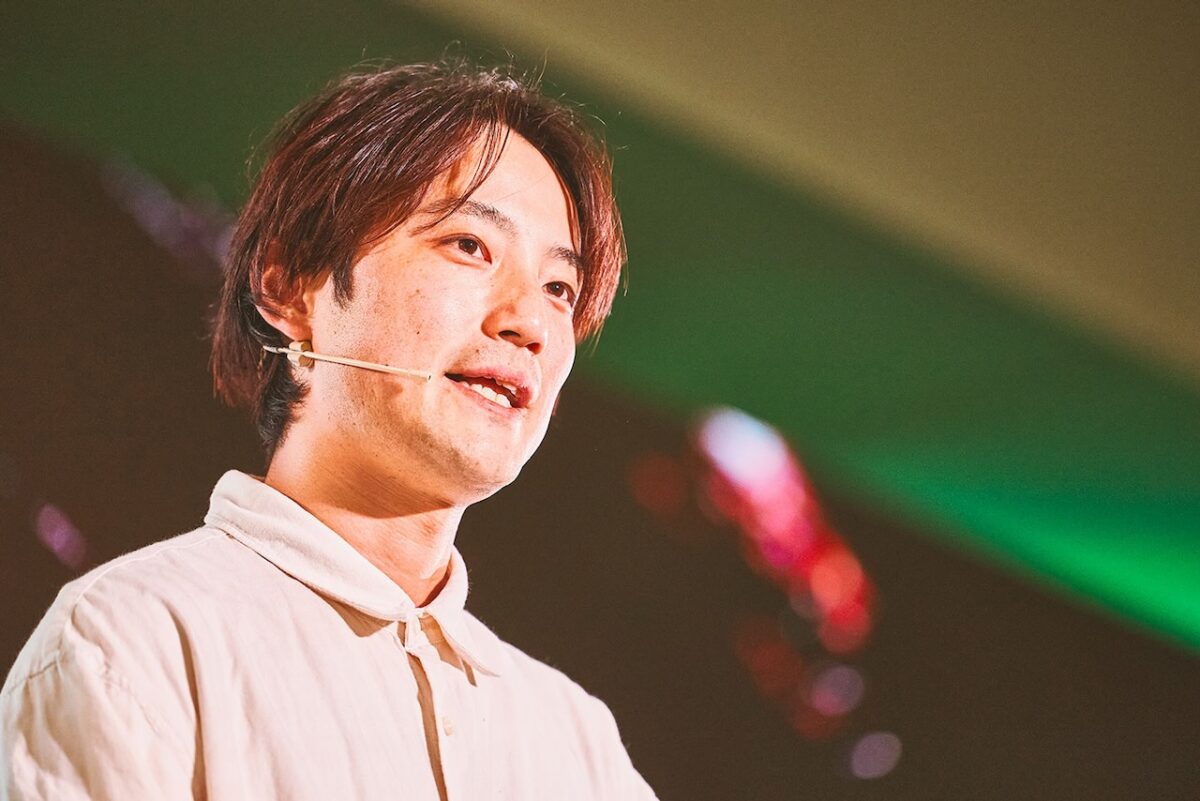
This year, after opening a new shop and participating in coffee events and trade shows across Asia—on average once a month—I felt I had gained new perspectives worth sharing. That’s what motivated me to apply again. Another reason was the unexpectedly strong response from last year’s final round; even one of our staff members told me they applied to join us after watching my presentation video.
I do regret not being able to convey everything I wanted during the final presentation, but my goal was to help people feel the realities of coffee production more vividly. These days, “roasters visiting origin” has almost become a marketing strategy in itself. But what truly matters is what you bring back from those visits and how you put it into practice. Without that, there’s no real meaning in going—especially since, from a business standpoint, origin trips are far from efficient.
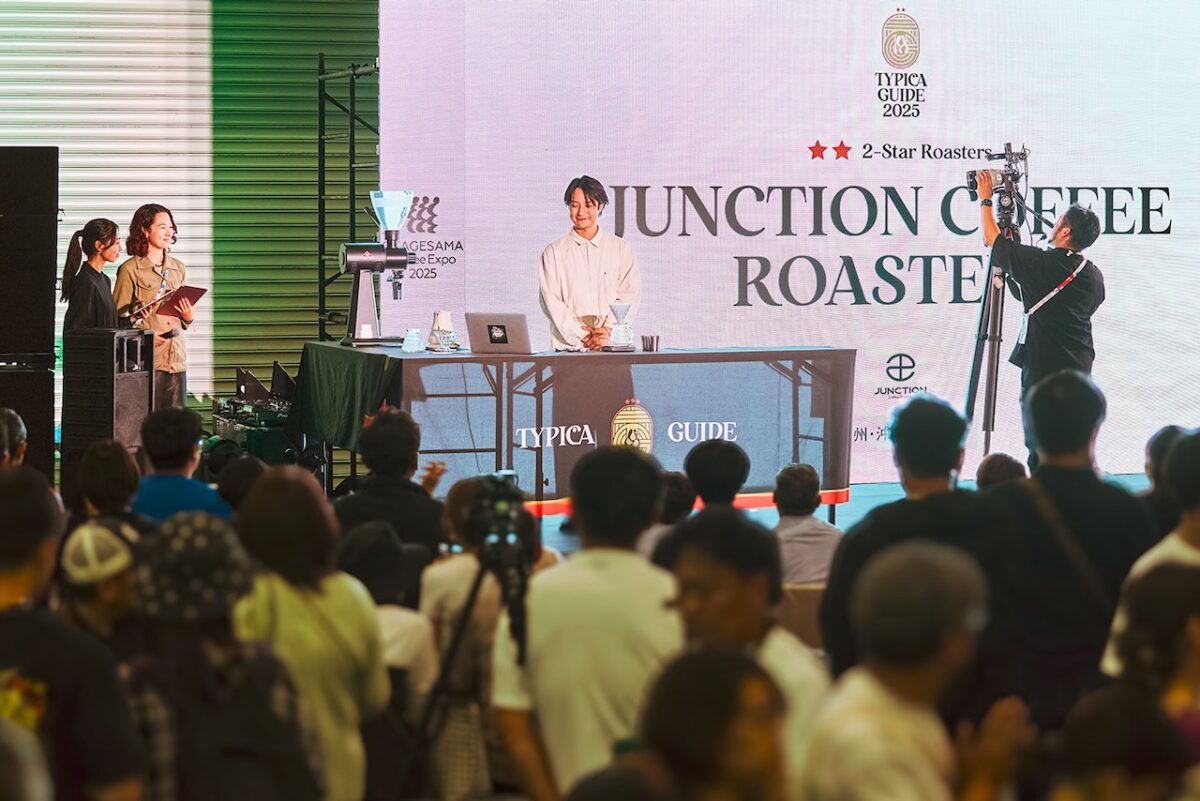
What we’re working on now is building involvement with certain producers right from the stage of coffee production. By understanding their joys and struggles more deeply, I believe we can create meaningful differences that ultimately influence consumers’ purchasing behavior. With climate change making coffee production increasingly unstable, this connection feels more important than ever.
One principle has guided me throughout my life: it’s better to regret something you did than something you didn’t do. Whether it’s exhibiting in Asia or participating in TYPICA GUIDE, I believe growth comes from taking action and learning through trial and error. There are countless things you can only discover by actually doing them.
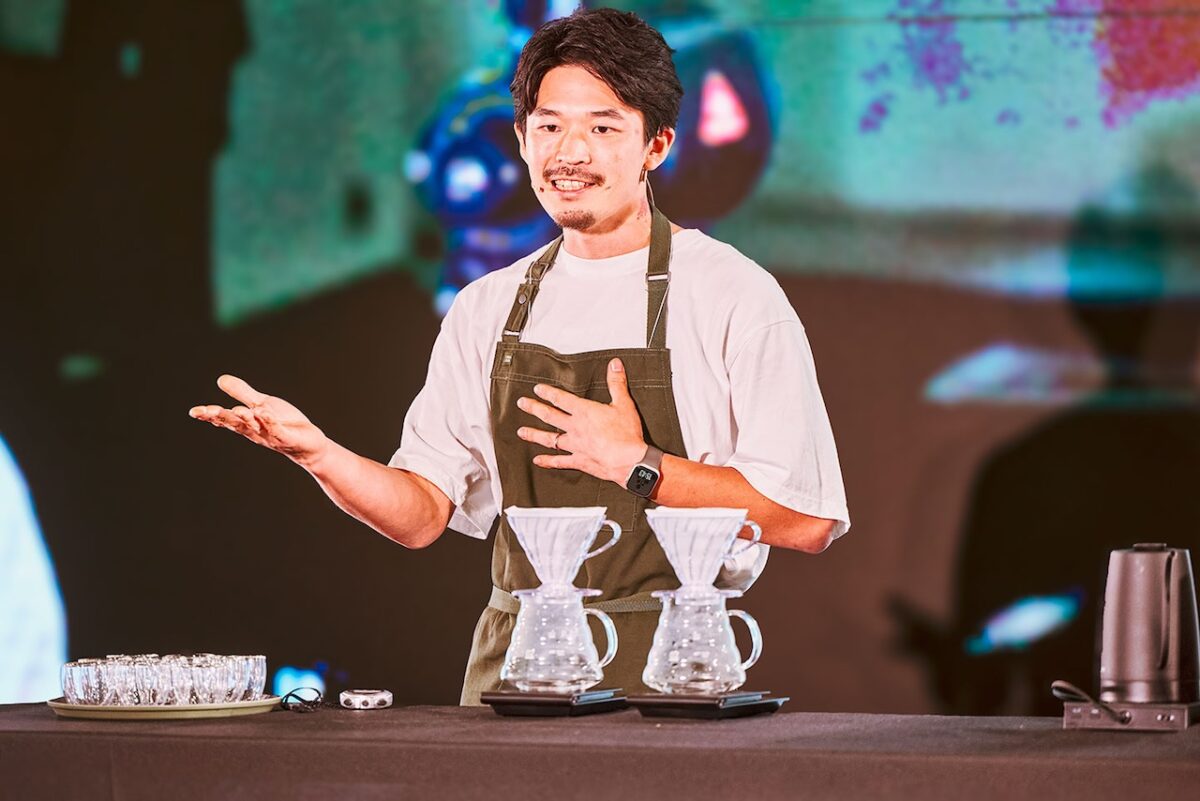
SOW COFFEE ROASTERS — Koichi Terasaki
A Renewed Commitment to Fulfilling Our Mission
Even back when I was part of TYPICA, I found TYPICA GUIDE deeply inspiring — because it provides a space where roasters can share their philosophy and passion directly with producers and consumers through their presentations.
This year, I decided to apply for 2-Star because I’ve long been concerned about the current state of the food service industry. In many restaurants, coffee tends to be treated as an afterthought, often chosen based on price or quantity rather than quality. This contrasts with how carefully chefs select ingredients, often emphasizing traceability and the faces behind the produce. I believe that if coffee could achieve the same level of transparency and quality as food ingredients, it could lead to more moving customer experiences and help the entire industry grow. TYPICA GUIDE felt like the perfect opportunity to share that vision.
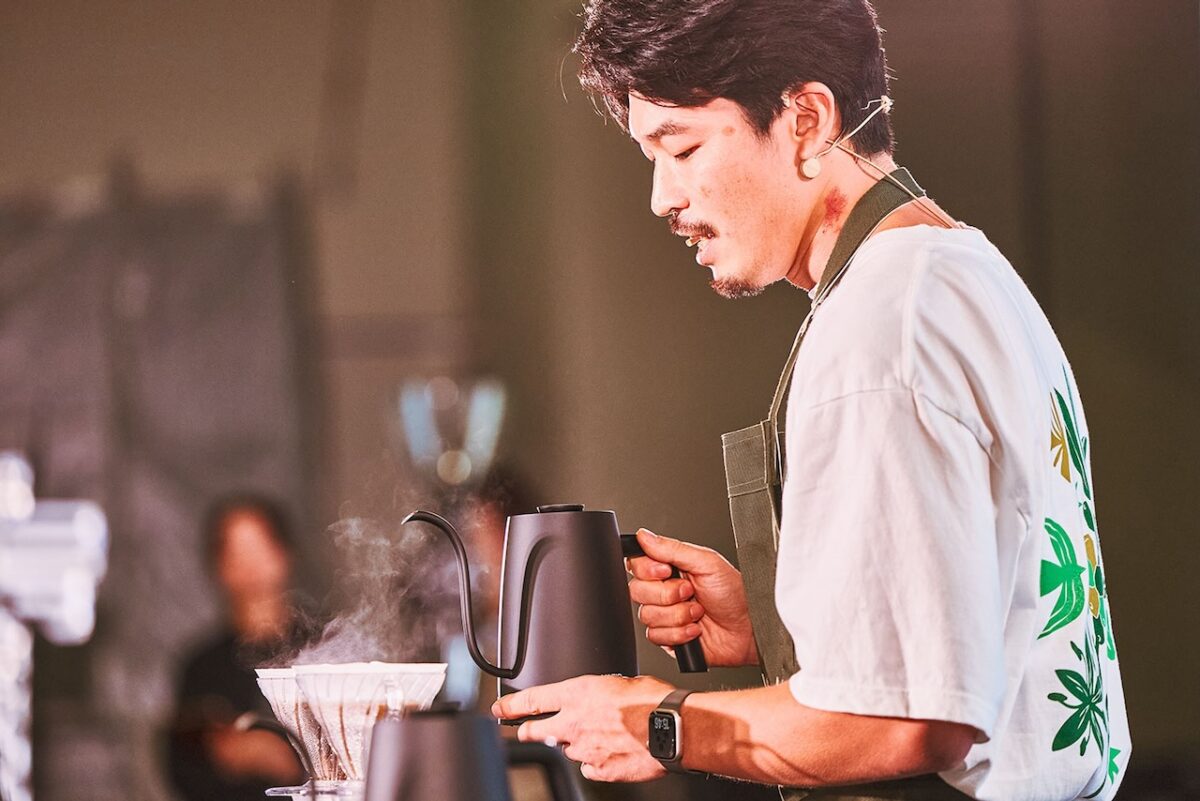
In Japan, specialty coffee still accounts for only about 10% of the overall market. To expand that share, it’s important to support producers and origins, of course—but I think the greater priority lies in helping more people understand that value and change their buying behavior accordingly.
By speaking publicly this time, I felt a renewed sense of determination—to realize our mission of expanding direct trade and transforming the way coffee is approached in the restaurant industry.
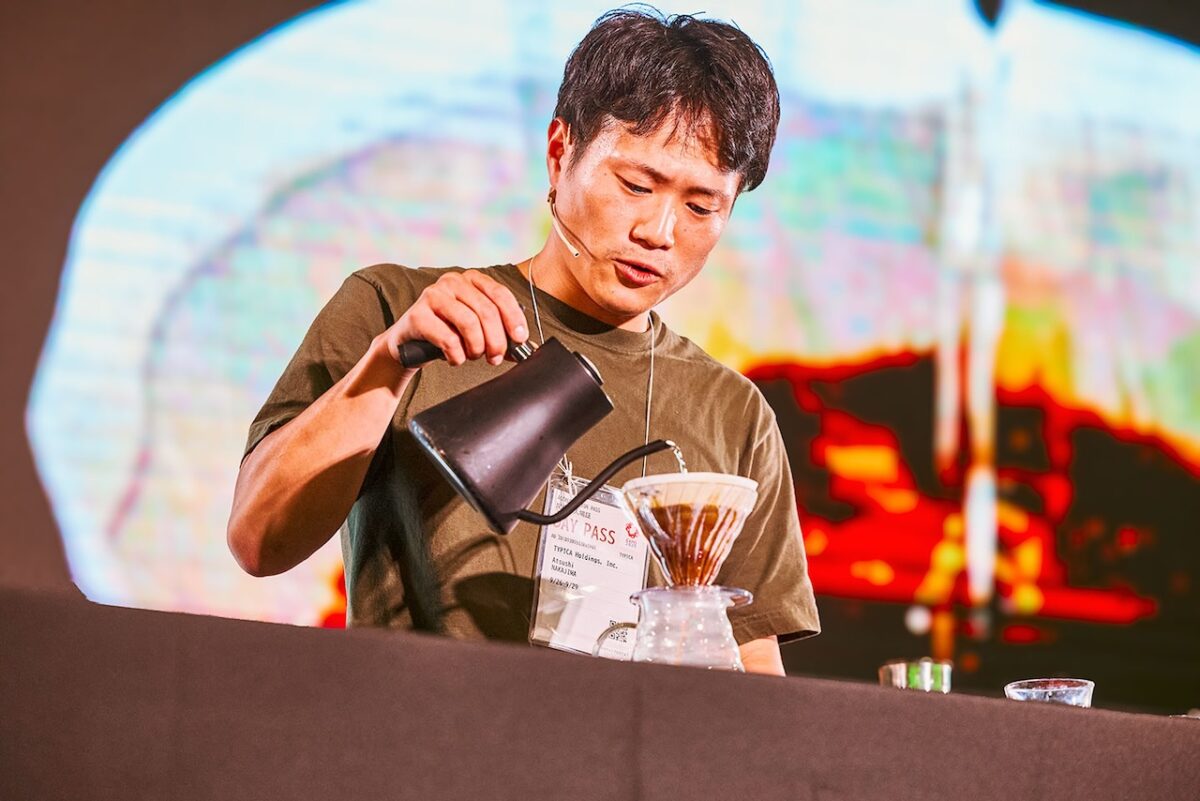
Soichi Mame-ten — Atsushi Nakajima
That “Differences” Can Be a Source of Hope
My shop is in a rural area of Kochi, where the coffee culture isn’t as developed as in big cities and the market itself is quite small. Because I often feel that we’re lagging behind, I applied for 2-Star with the desire to step outside my comfort zone—to learn, to be inspired, and to see what I could bring back. I was also curious about how other roasters in regional areas have managed to achieve success, hoping to discover some of their secrets.
To be honest, I’m not very comfortable speaking in front of people, so I wasn’t completely confident about participating. But seeing people I admire take on these kinds of challenges gave me the push I needed. Since I rarely attend coffee events or have opportunities to connect with roasters from other prefectures, this really felt like my first appearance on the national stage.
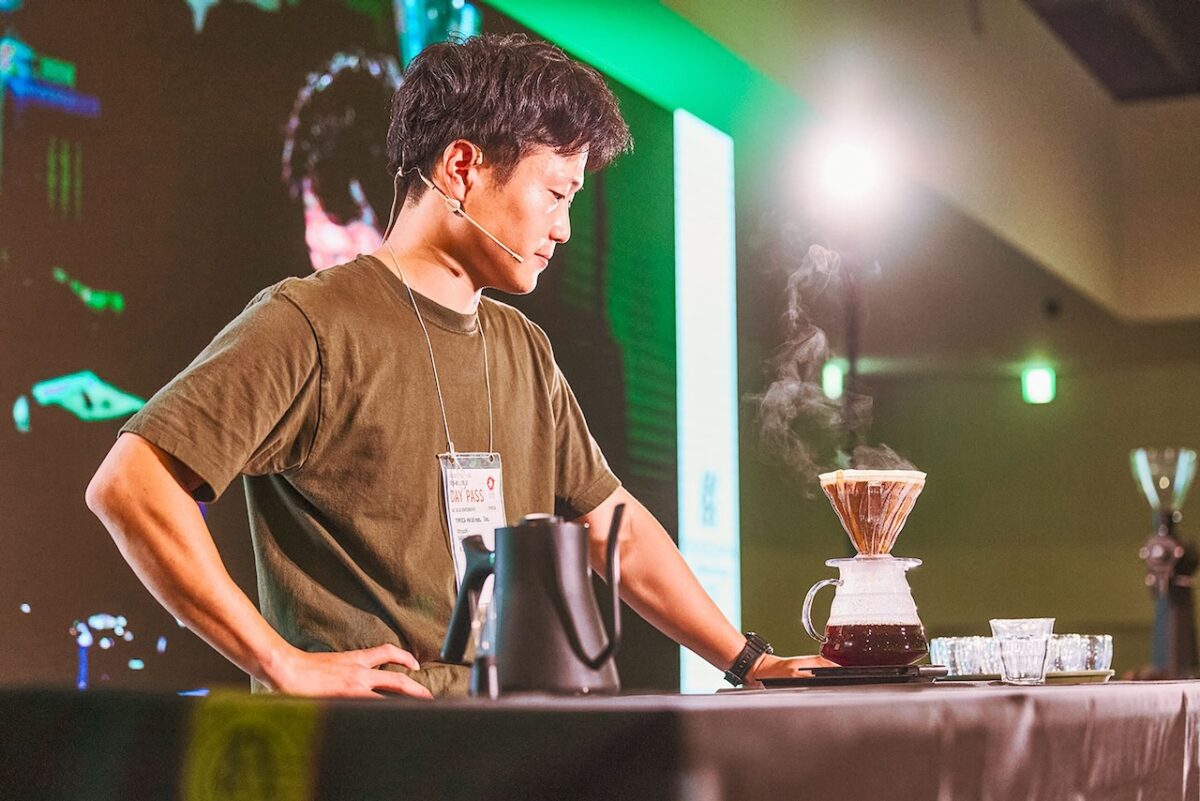
Listening to the other presentations that day, I realized how important steady, consistent effort is—especially the kind that focuses on valuing the customers right in front of you every single day. In my own case, I’ve been running one of my shops by entrusting it entirely to staff in order to create more barista employment opportunities. But lately, I’ve felt that growth has plateaued, so since returning to Kochi, I’ve started spending more time on the shop floor myself, directly engaging with customers.
During the final round, I clearly felt the gap in skill and experience compared to other roasters. But rather than feeling discouraged, it actually gave me hope—proof that even in small towns or rural areas, it’s still possible to achieve meaningful results, that even small-scale efforts can shine a light.
Right now, I’m still exploring the direction I want to take—both for my shop and my way of life. If I participate again, I’d like it to be after I’ve achieved something tangible and gained more confidence—when I have something deeper and more substantial to stand for and speak about.
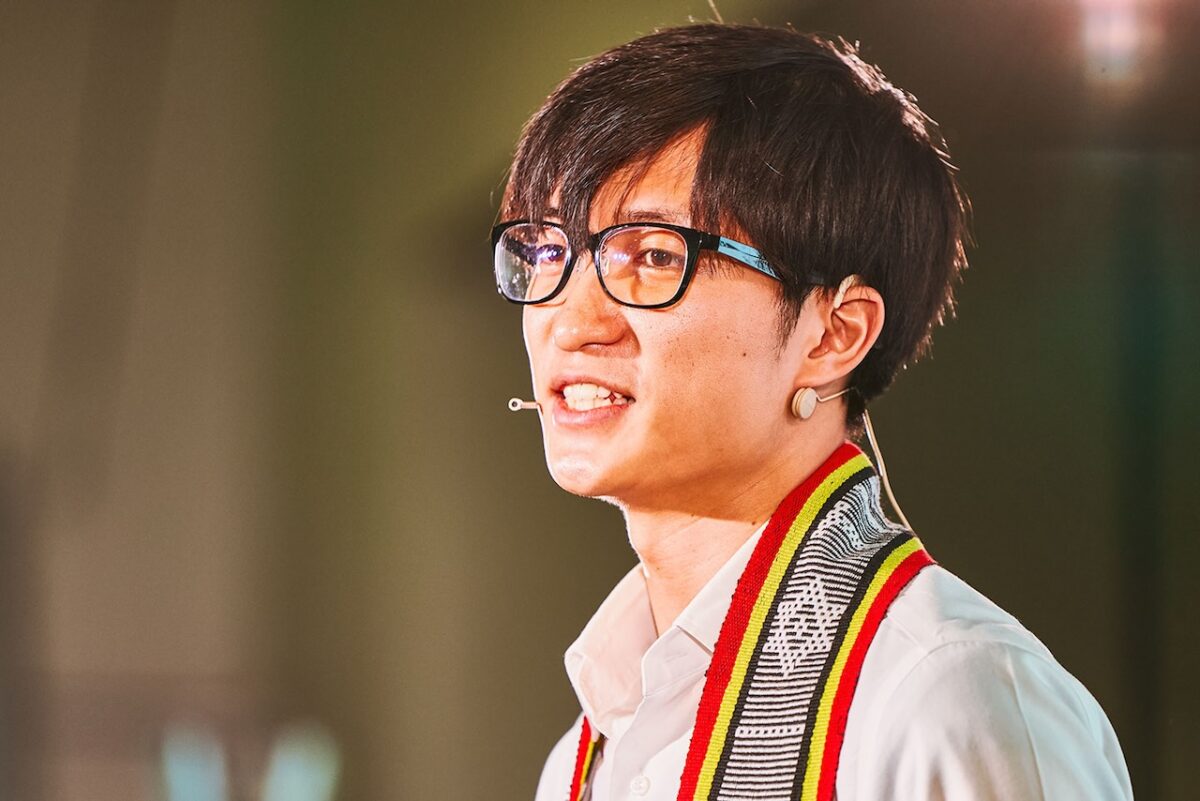
LUSH-COFFEE Roaster and Laboratory — Kosuke Yoshida
The Vision Has Gained Momentum
Ever since opening my shop with the vision of becoming a bridge that connects consumers with the producers of coffee from Timor-Leste, I’ve stayed true to that mission. Applying for 2-Star felt like the perfect opportunity to share the story of Timor-Leste with a wider audience and raise awareness of its coffee.
My connection with Timor-Leste began when I visited the country as part of a high school program in my senior year. Since then, I’ve carried with me the memories and the kindness of the people I met there. So, when I learned that the final presentation would take place inside the Kansai Osaka Expo—an event seen by so many people—I knew it was an unmissable chance. At the same time, I felt a heavy sense of responsibility: if I failed to communicate well, it could leave a poor impression of Timor-Leste itself.
Honestly, I don’t even fully understand why I feel such a deep attachment to the country. But whenever I watch a documentary about Timor-Leste or hear its national anthem, I’m moved to tears. Sometimes I wonder if I might have been Timorese in a past life.
After the presentation, I received messages from people saying things like, “I didn’t even know Timor-Leste produced coffee,” or, “I never realized coffee from Timor-Leste could taste this good.” Hearing that feedback made me feel that I had succeeded, even just a little, in changing perceptions.
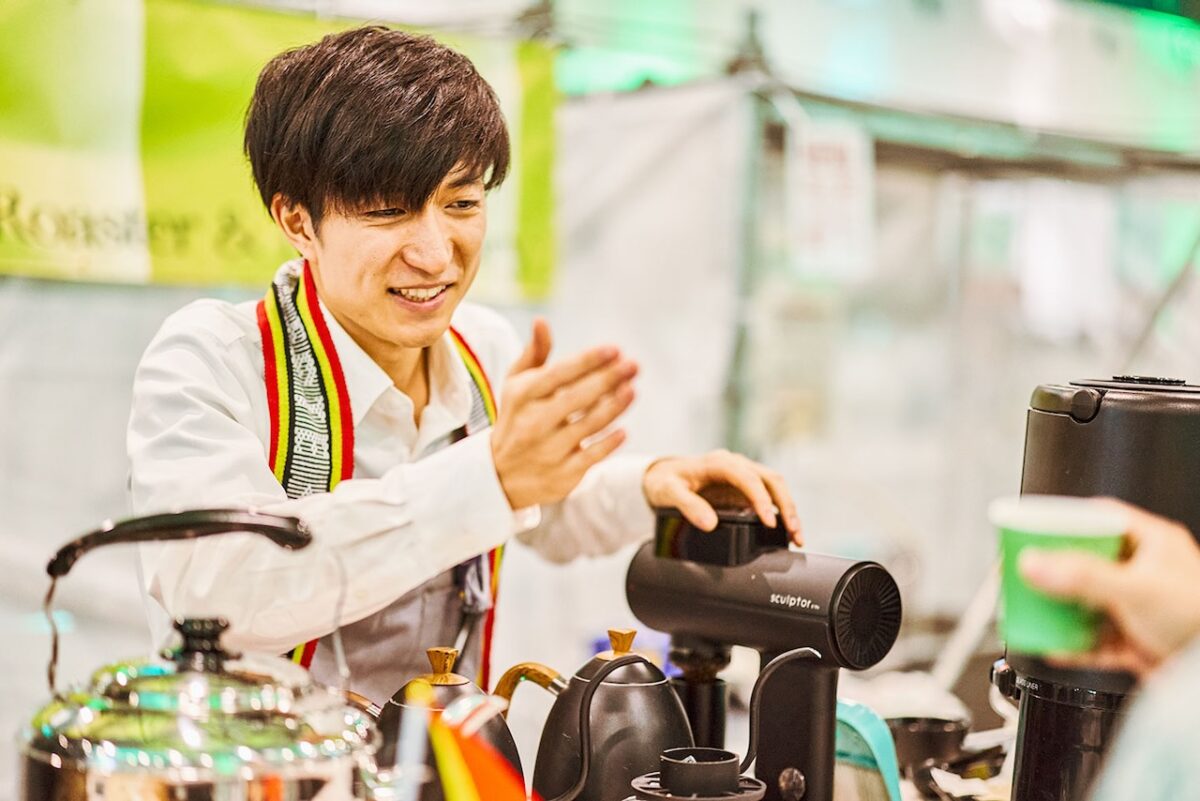
This experience also made me aware of the influence I carry. That’s why I’ve decided that next year I’ll step away from my dual life—working weekdays as a company employee and running the shop on weekends—to focus entirely on managing the roastery. I feel it’s my responsibility to stand at the forefront and personally share the story of Timor-Leste with my customers.
More than anything, my goal now is to increase the consumption of Timor-Leste’s coffee. I want to go beyond simply growing my own business and take steps to help develop the country’s coffee industry together with its producers.
This vision has always been part of the life roadmap I’ve drawn for myself, but participating in TYPICA GUIDE has served as the perfect accelerator to make that vision a reality.
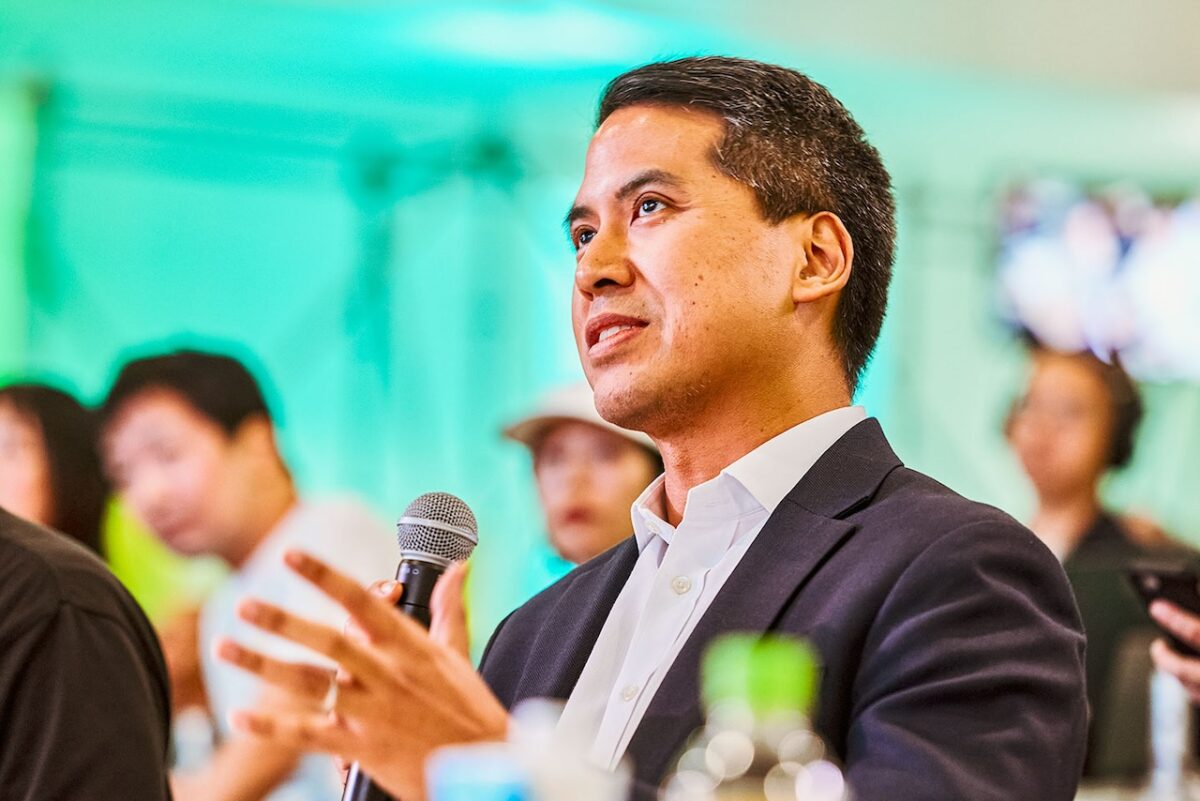
Bing Chomprasob / Chief Representative Officer for Japan at the World Economic Forum
One of the most thought-provoking aspects of the presentations was the discussion on how climate change and inflation are affecting coffee production. These are global challenges that directly concern us all. When consumers ask themselves, “Would I still buy a cup of coffee if it cost 100 yen(about 70 cents) more?”, I believe it’s the roasters and baristas who can remind us that every cup of coffee carries the story of people, places and passion.
That’s why I see their role in sharing the stories behind coffee on behalf of producers not as an obligation, but as a calling. Since not everyone can visit producing countries, their responsibility becomes even greater. The event reminded me once again that the coffee industry is something truly special — an industry built, above all, by people.
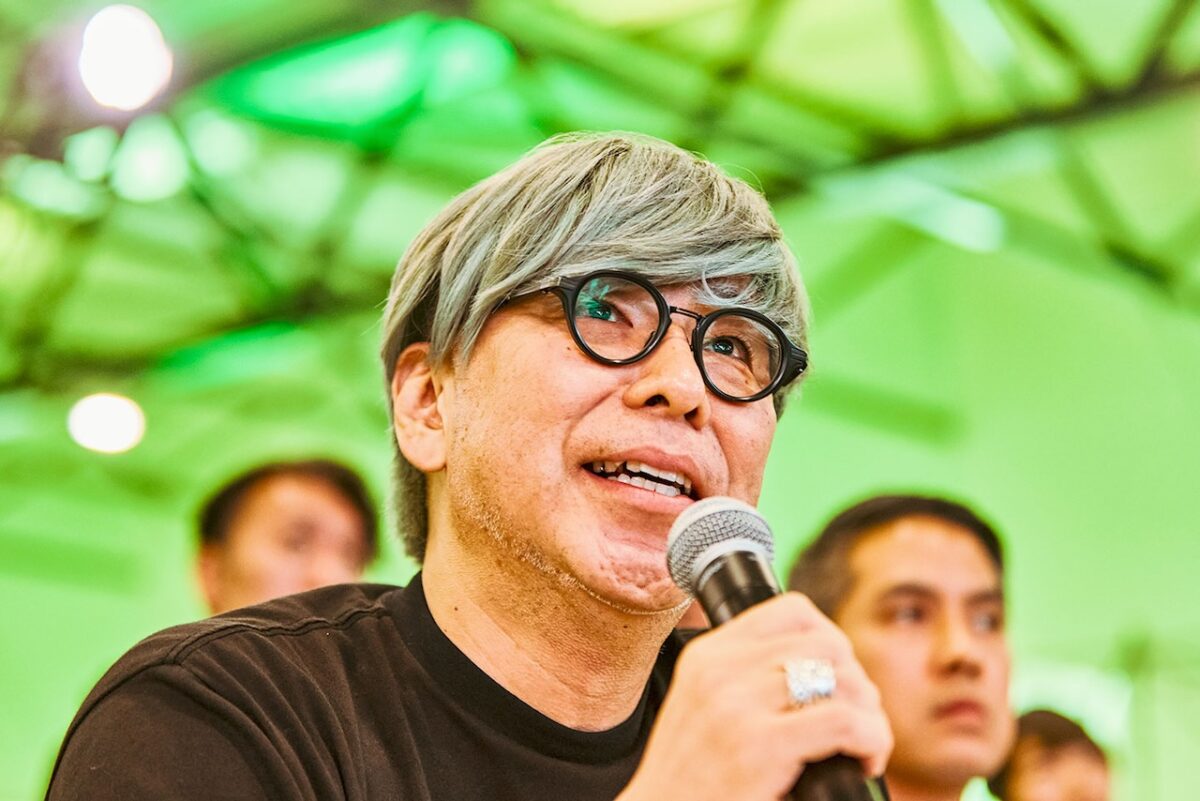
Yoshinori Uda / President & CEO, Ogawa Coffee Co., Ltd.
Concepts like sustainability and regeneration aren’t meant to be loudly proclaimed or treated as moral performances. Ideally, they should be lived—quietly, naturally, and as an ordinary part of everyone’s daily life.
I often tell my team, “Serving delicious coffee is just the starting point. Our real role as roasters is to deliver small moments of happiness through coffee, day by day.” During the final round, I was deeply moved to see that the participants truly embodied that belief and put it into practice from the heart.
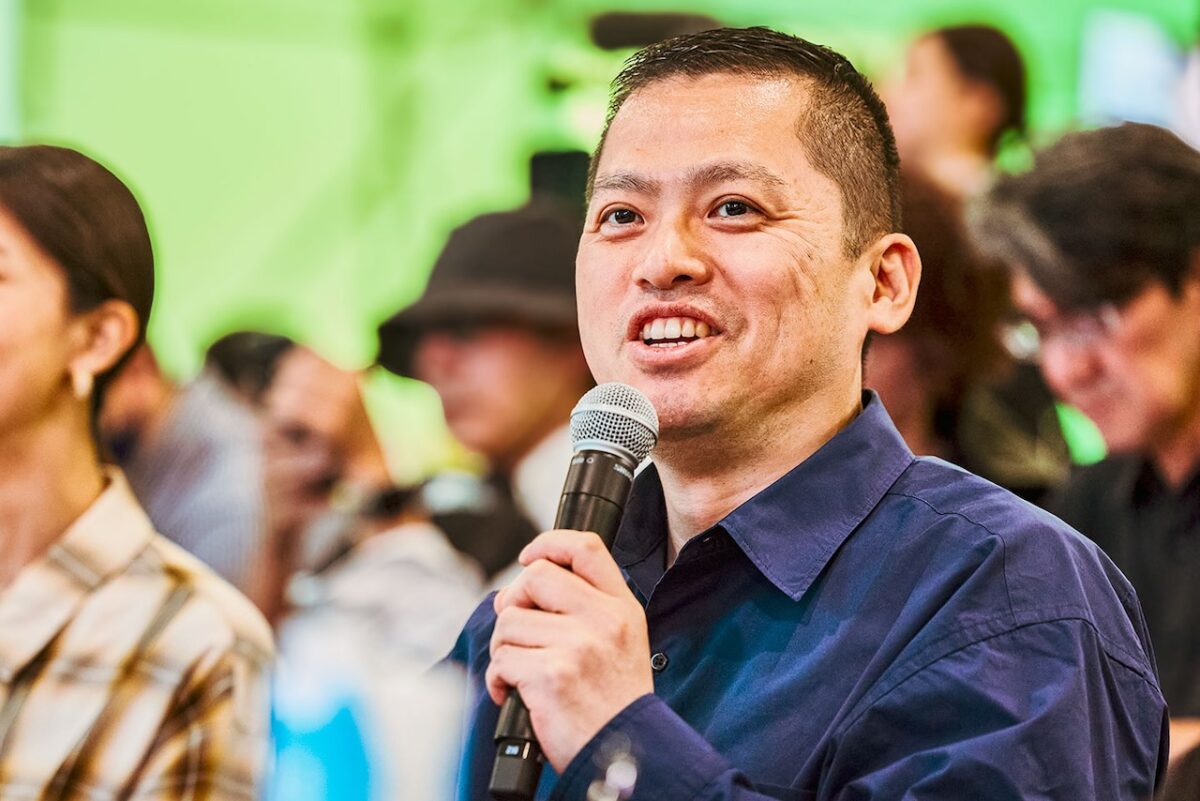
Taisuke Watanabe / Deputy Editor, BRUTUS Magazine
Looking at the coffee industry over the past 10 years, I can see how technological advancements across every part of the supply chain have improved coffee quality itself. Yet one thing remains unchanged—it’s always people who drive this progress. The passion and dedication that individuals pour into coffee are what draw others in and keep the coffee scene thriving.
Not only have the varieties of coffee expanded, but so have the people involved, the places it’s served, and the ways it’s enjoyed. And of course, there’s no single right way to enjoy coffee. I think TYPICA GUIDE beautifully illustrated that idea—that the true charm of coffee lies in its diversity and the freedom to celebrate it in countless forms.
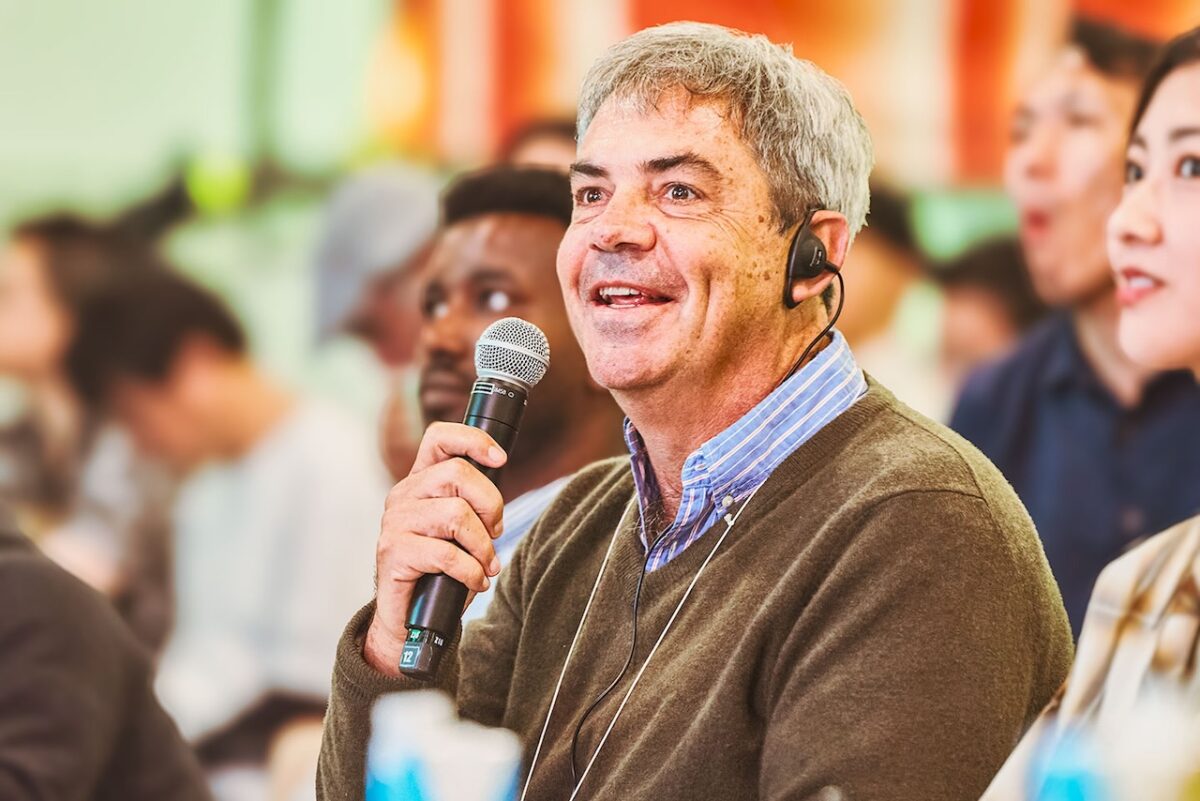
Leon Christianakis/Acacia Hills
It was truly powerful. I felt such a strong connection with the roasters. I do interact with roasters at events like SCA in Tanzania, but today’s experience was something completely different. Through their dreams and the journeys they’ve taken, I could really feel their emotions and passion.
What stood out to me was that beyond just the taste of coffee, the judging criteria placed importance on “vision,” “personal experience,” and “sustainability.” That’s exactly what TYPICA represents. I’m turning 60 soon, and seeing so many young people thriving in the coffee industry makes me genuinely happy — it gives me confidence that the future of this industry is in good hands.
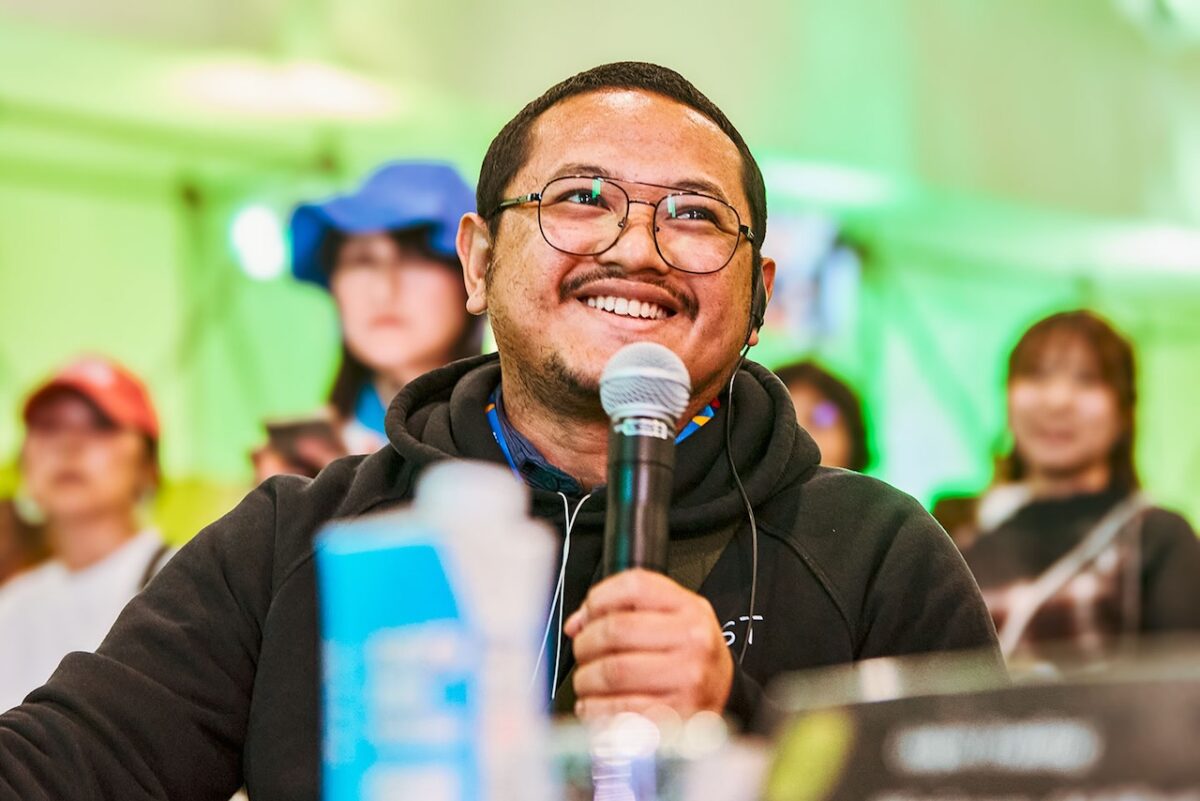
Fikri Raihan Hakim/Java Frinsa Estate
I’m really happy because, as a producer like us, we could share coffee from our farm, from overseas, from other islands, and enjoy it together with all of you here. It feels like a wonderful collaboration for the community.
As a whole, the EXPO had a much more intimate atmosphere. I really resonated with the idea of connecting the Japanese concept of okagesama—the sense of gratitude for the people and circumstances that enable one’s happiness—with coffee and with the pursuit of both well-being and business. I also felt that this spirit was beautifully reflected in the TYPICA GUIDE.
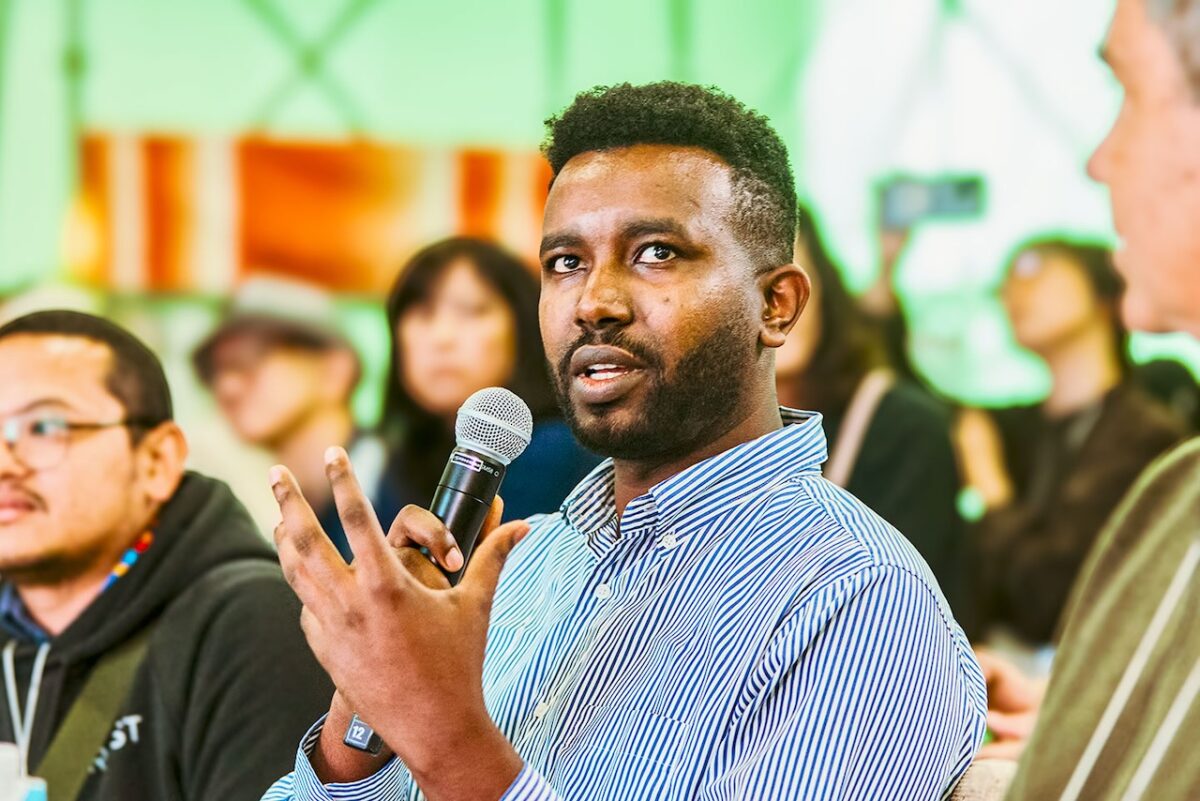
Biniyam Aklilu/Gujoo Trading
Watching the roasters passionately present the coffees produced by us and other producers right in front of everyone was truly exciting. It reignited my motivation to create even better coffee.
Each person has their own story, and I love every one of them—so there’s no way to rank them. This event embodied everything I love about coffee. Coffee connects people and carries their stories. Even when we don’t speak the same language, it’s incredible how we can still understand each other through coffee.
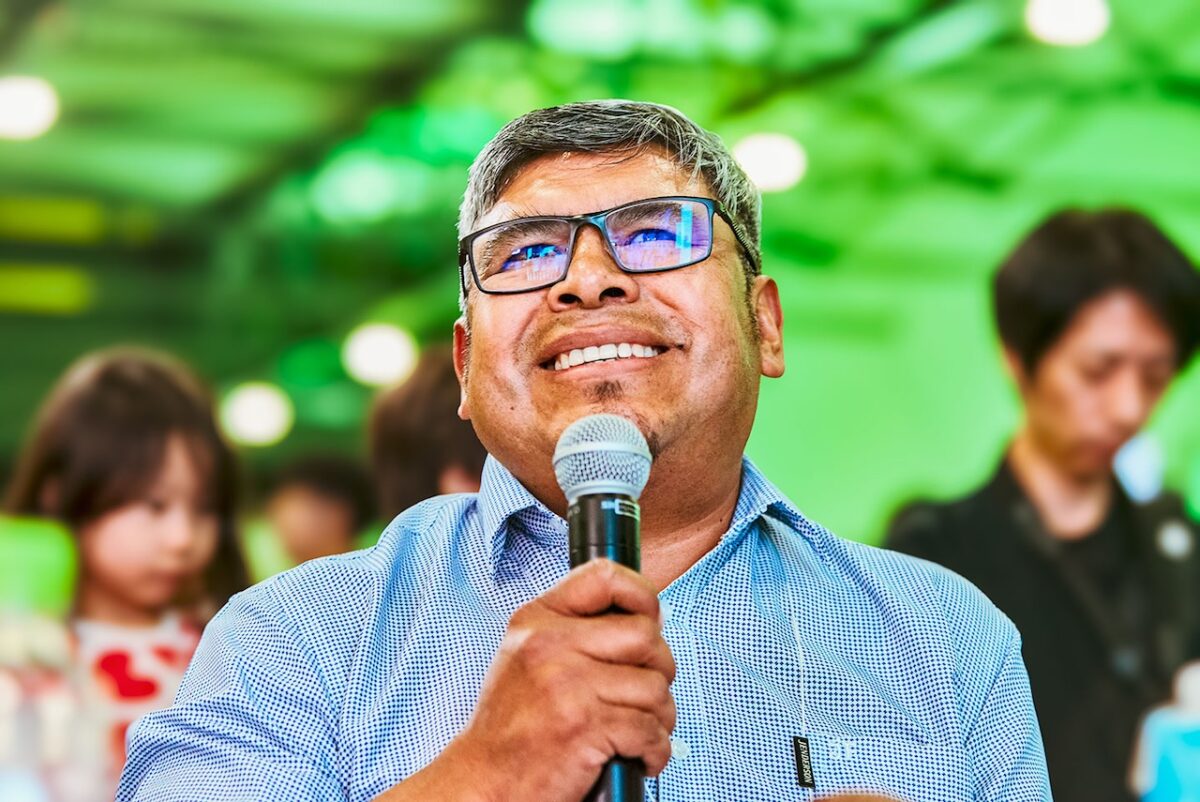
Juan Boyan Guarachi / Nayra Qata
From every movement they made, I could sense that each roaster knew exactly what they needed to do — everything was so intentional, so meticulously thought out. It was truly impressive. Among them, the one who left the deepest impression on me was Junya Honda from little flower coffee. More than the content of his presentation, it was the joy and freedom expressed through his presence that resonated with me.
My wife Eliana, who sat next to me on the judging panel, was moved to tears by Yudai Hashimoto’s presentation. She later told me, “Thank you for reminding me of the beautiful moments we shared in Bolivia when we first met.”
Looking Ahead
Now in its third year, TYPICA GUIDE has steadily grown in recognition. Hazuki Oishi, a TYPICA Community Manager who regularly works with roasters, shared her perspective:
“The level of commitment and expectations among the roasters applying for 2-Star has clearly risen. Going forward, we’re considering making the nomination process and criteria for 2-Star public to ensure greater transparency.”
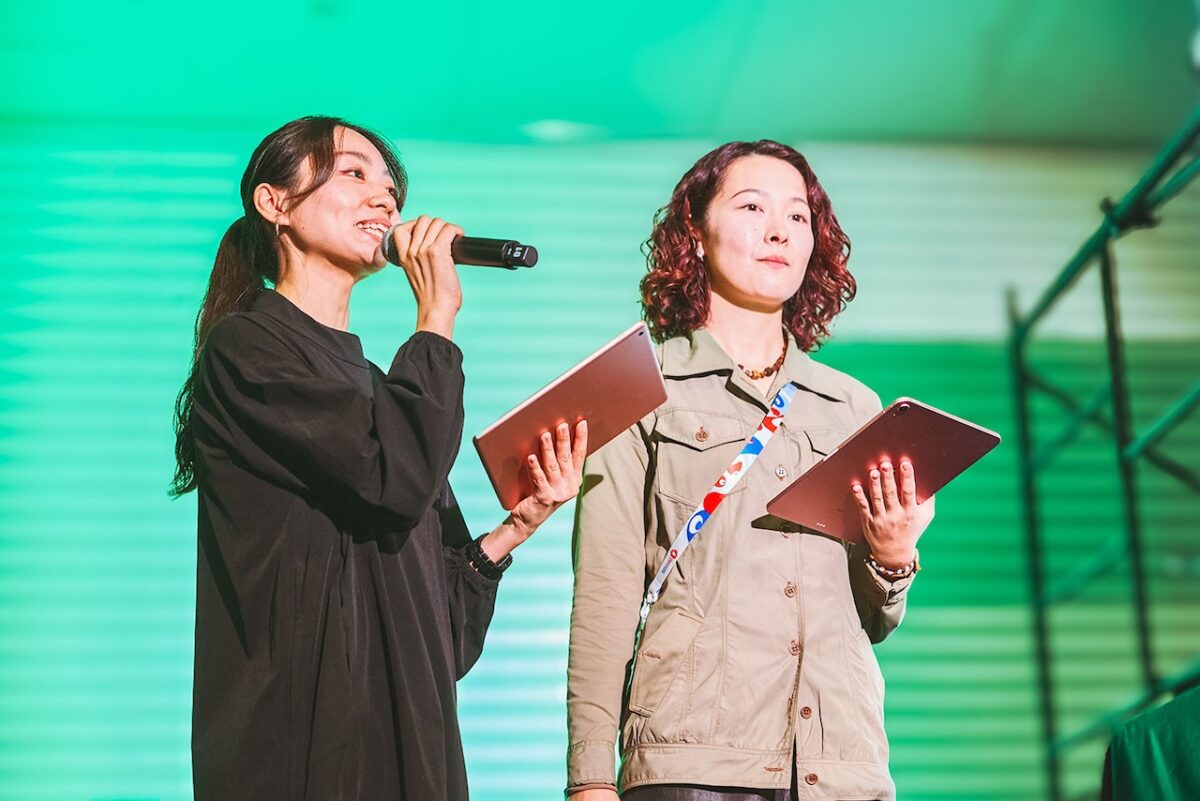
As the event becomes more refined with each edition, there’s also a risk that its structure, expressions, and styles may become formulaic. In the context of TYPICA GUIDE, that would mean roasters start chasing someone else’s idea of the right answer instead of expressing their own individuality.
To ensure that TYPICA GUIDE continues to be “a place where everyone can let their unique inner brilliance shine,” project manager Alice Imaoka shared her vision for the future:
“Some people view TYPICA GUIDE through the lens of barista competitions, so we want to make the regulations even more flexible and allow for greater freedom. For example, presenters could have another barista brew the coffee for them. We don’t want to create a fixed ‘ideal presentation format.’ Instead, we’ll keep focusing on making this a space where roasters can truly express what they want to express.”