




TYPICA Collective Brazil 2025 Recap
Background
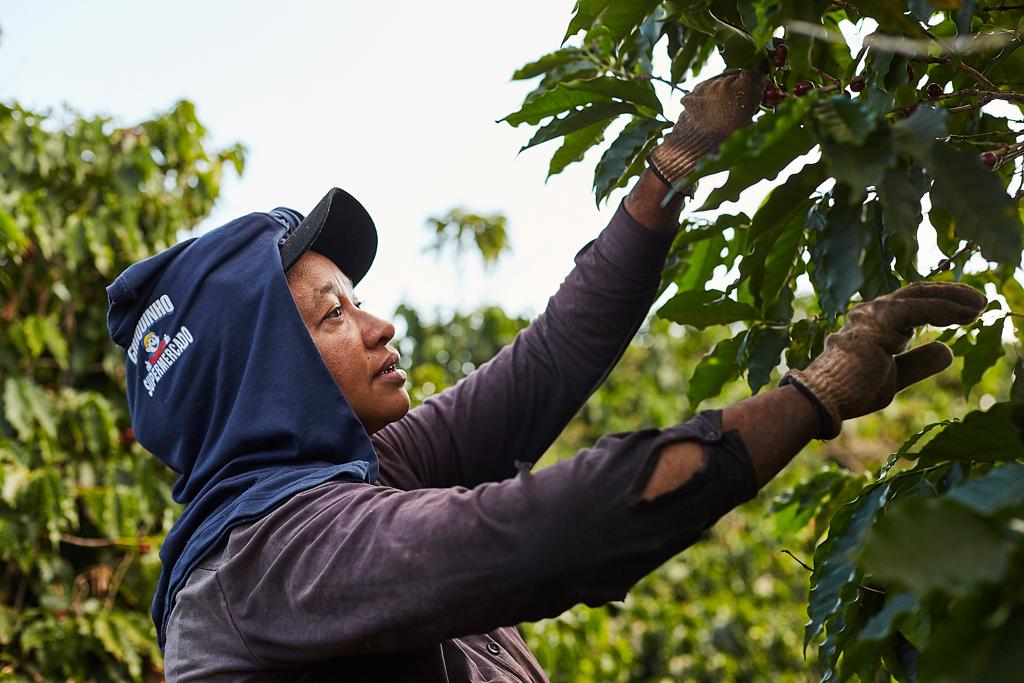
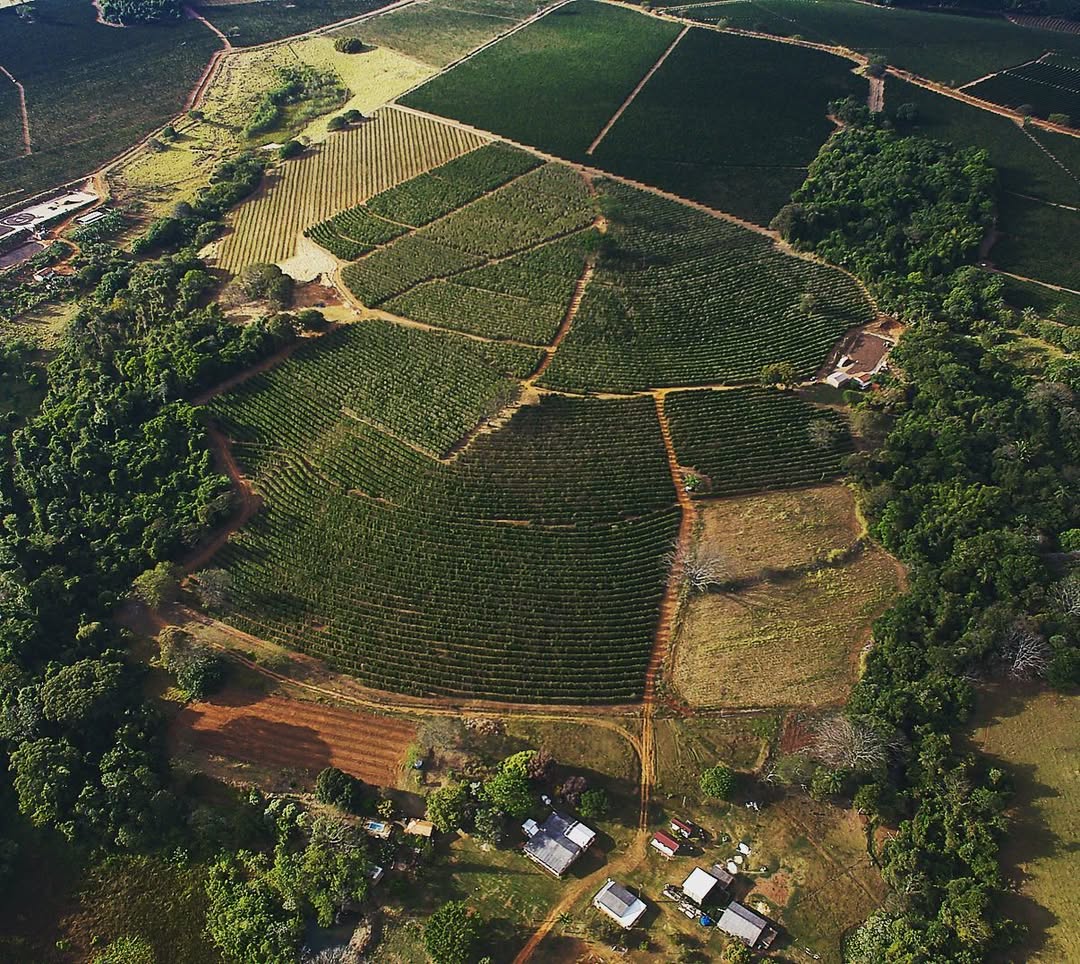
Starting in 2025, TYPICA has established a base in Araxá, Brazil, to build a sustainable coffee distribution system that is not swayed by the volatility of market prices. There, we are forming a community of coffee producers. Two local members began the initiative from scratch—visiting producers one by one—and a sense of community has slowly begun to emerge.
As long-term fixed-price contracts and physical transactions between companies and producers have started to yield results, we discovered a new aspiration among the producers.
It is the desire to “export top-quality coffee through direct trade.” Many of the producers expressing this wish are young people who have inherited traditional family farms or belong to a new generation that started producing coffee in recent years. They want to update Brazil’s traditional coffee distribution model within their generation. Behind this aspiration may lie a spirit of resistance toward the increasingly speculative nature of the coffee industry driven by fluctuating market prices.
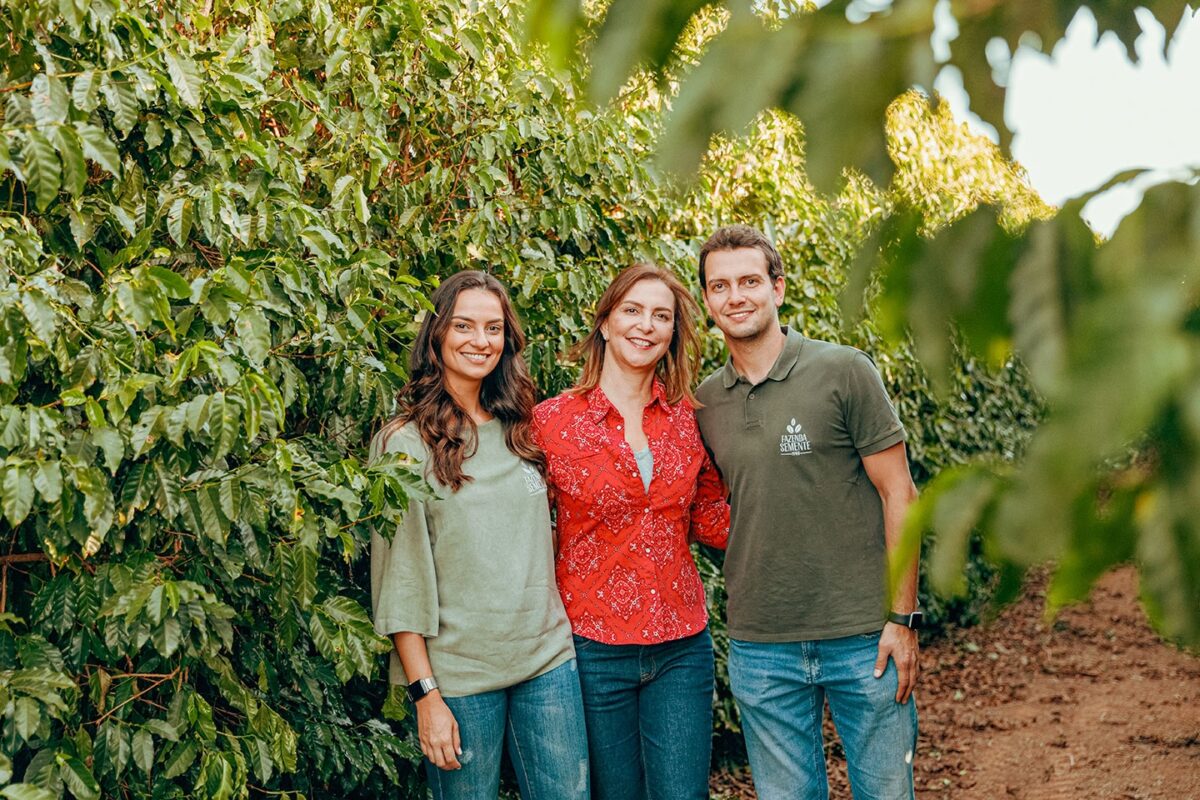
In Brazil—a country with a long coffee-producing history—direct trade of high-quality coffees is not yet as common as in other producing countries. Some producers submit their coffees to competitions such as the Cup of Excellence, yet few have direct-trade customers of their own.
TYPICA is a platform used by a wide range of buyers, from large café chains to small roasteries. Through TYPICA, producers can optimize their sales channels for coffees across various grades—from commercial quality to top specialty lots.
Responding to the aspirations of these producers, and with the shared wish to “deliver their high-quality coffees directly to roasters,” TYPICA Collective Brazil was born.
TYPICA Collective Brazil 2025
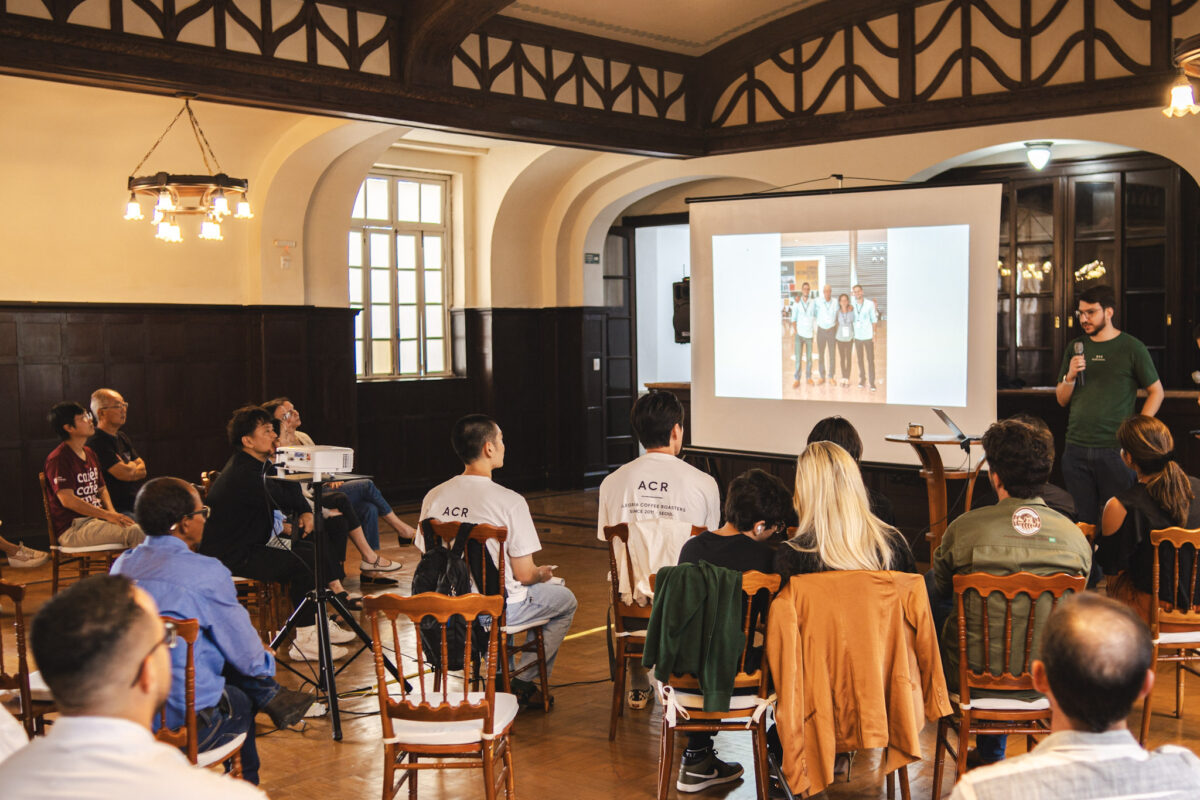
For the very first TYPICA Collective event, roasters from around the world and Brazilian coffee producers gathered together. The venue was the Coffee Museum in Santos, a historic port city known for coffee trade. Once used as a coffee exchange, this building now stands as a museum that symbolizes the history of coffee trading in Brazil. This time, four roasters and ten producers participated.
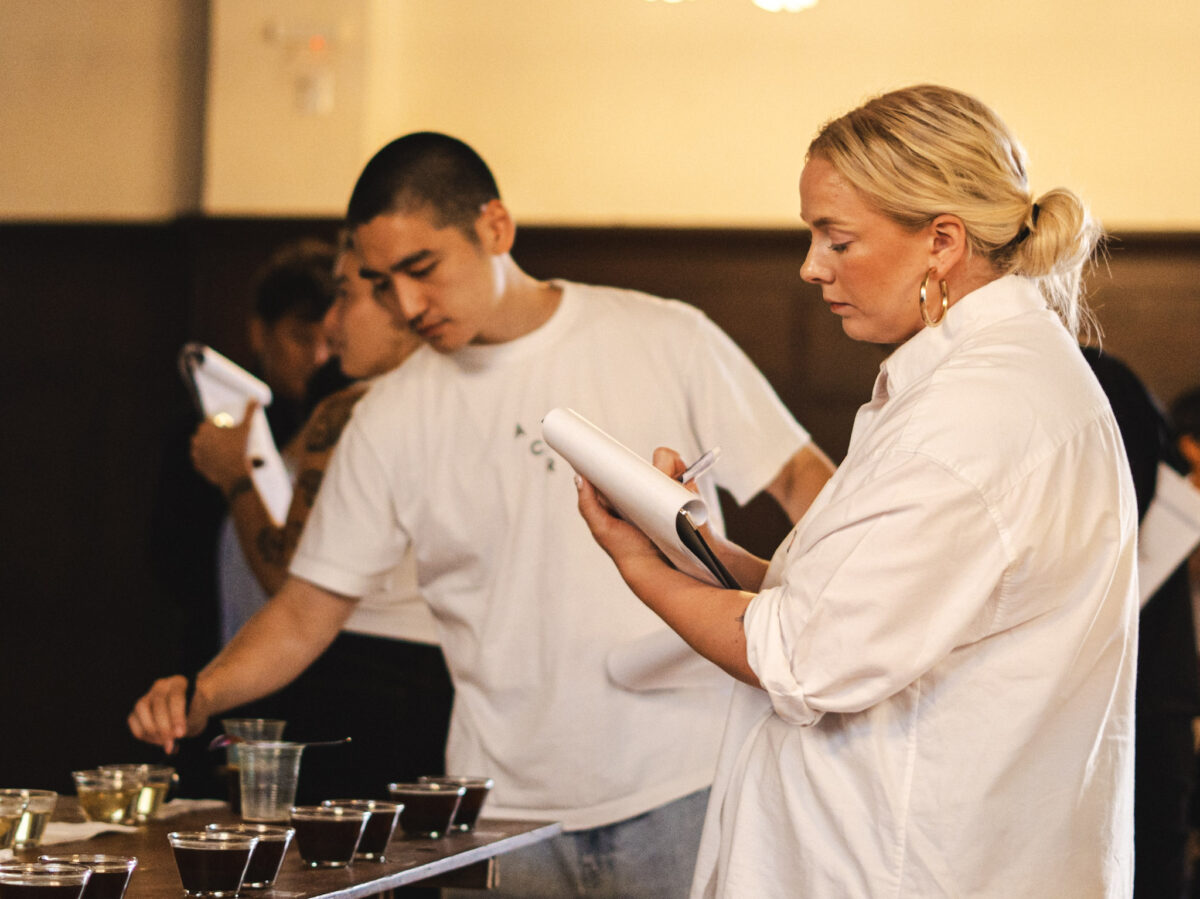
ACR (South Korea)
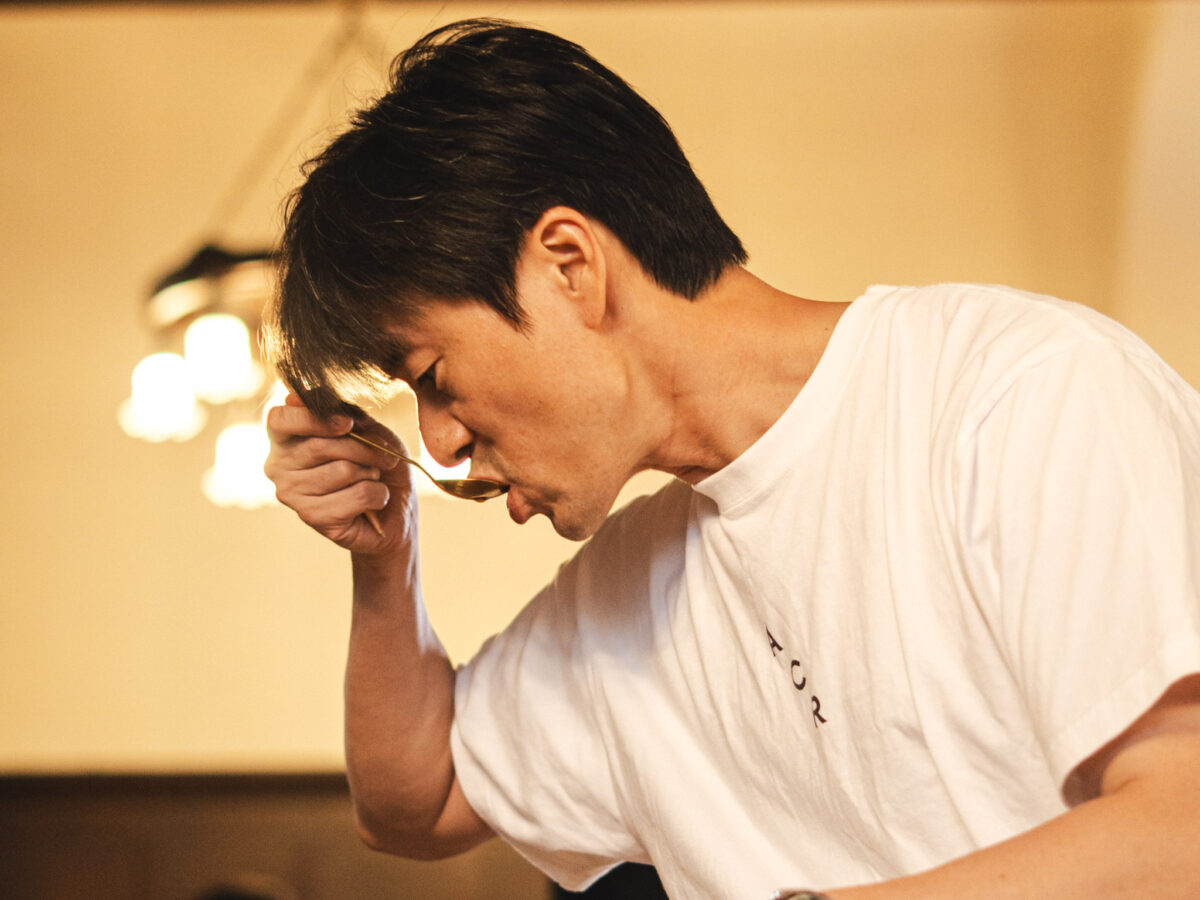
Based in Seoul, Alegria Coffee Roasters (ACR) has long supported the specialty coffee scene in Korea. Under the motto “Great Coffee, Crafted with Integrity,” they pursue roasting that balances quality and sincerity. In 2025, they opened their first international café in Kuwait, expanding their presence from Asia to the Middle East. Representing ACR were owner Giyong and head roaster Jaemin.
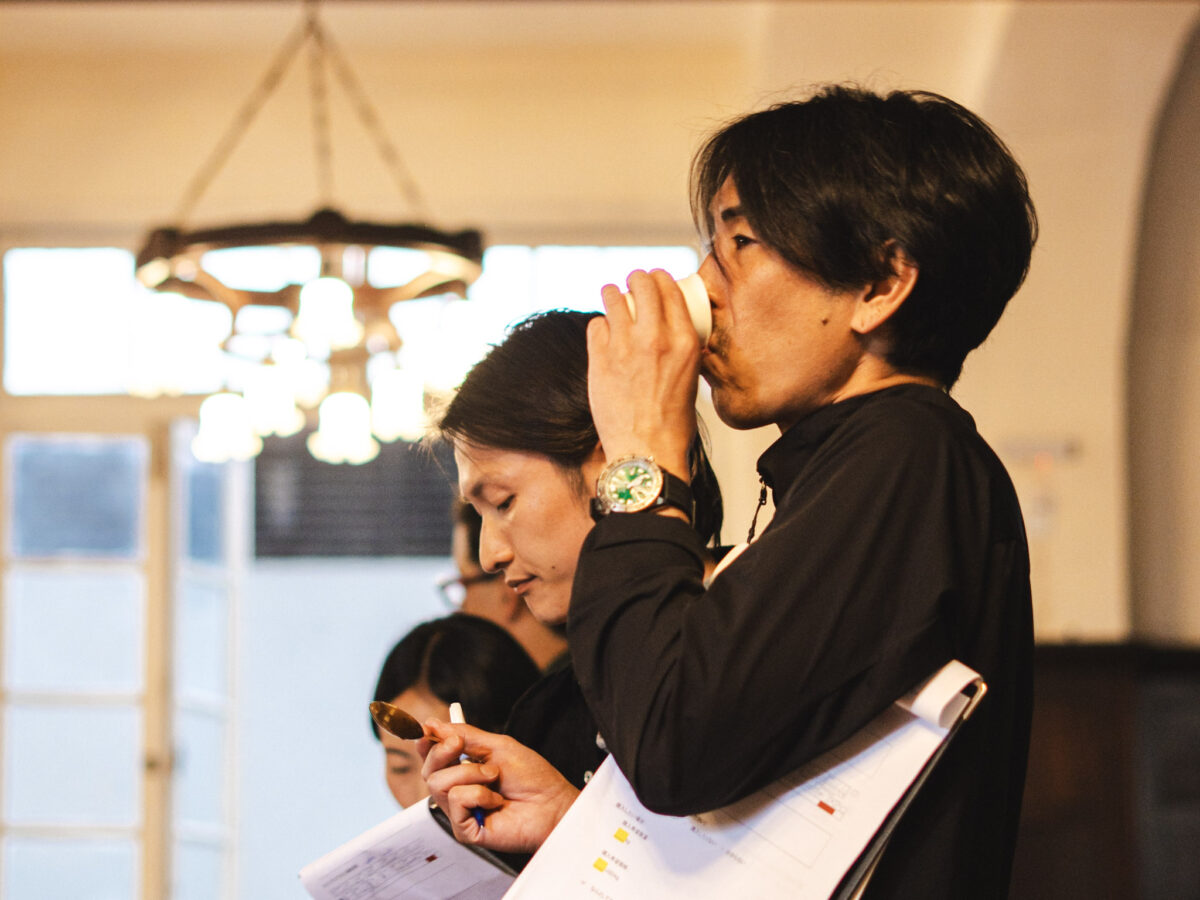
GLITCH COFFEE & ROASTERS (Japan)
Located in Jimbocho, Tokyo, GLITCH COFFEE & ROASTERS is a pioneer of light roasting and single-origin coffee in Japan. They handle top-tier lots from around the world and are known for their roasting that brings out each coffee’s individuality to the fullest. They continue to inspire baristas and roasters both in Japan and abroad. Owner Mr. Suzuki and roaster Mr. Kawashima participated in this event.
Special Guest (United Kingdom)
Special Guests, located in Marylebone, London, is led by two-time UK Barista Champion Paul Ross. Drawing on his competition experience, Paul curates rare and distinctive lots from across the world. Through their café, they bring the “special moments” of coffee into people’s everyday lives. Participating in the event was Roosa, Head of Coffee and the UK Barista Champion in both 2024 and 2025.
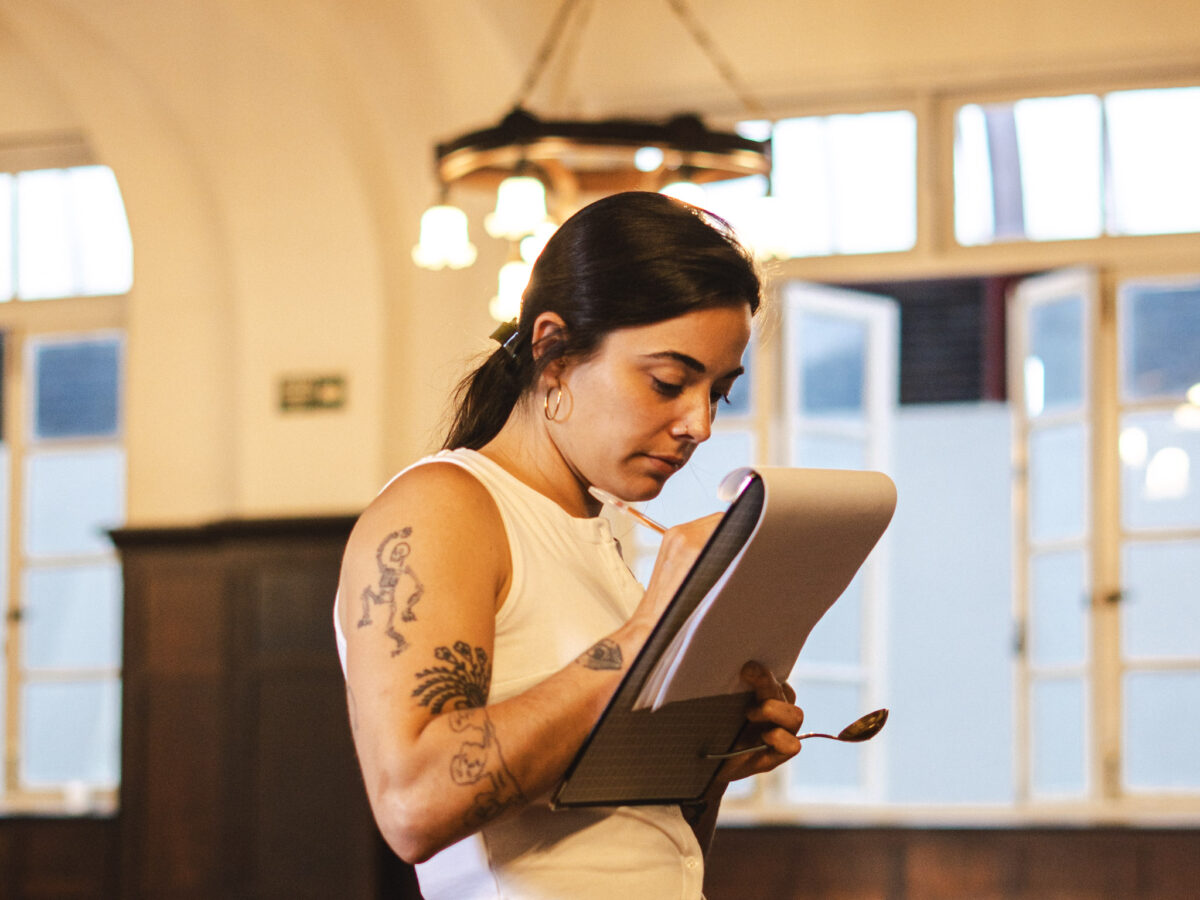
Swerl (Sweden)
Based in Falkenberg on Sweden’s west coast, Swerl was founded in 2019 by sommelier Beatrice and former aircraft engineer Daniel, inspired by the idea that “great coffee is an art of connection.” Together with roaster Gisela, they roast coffees that are served in cafés around the world. In 2025, they placed second in the Nordic’s Best Roasters competition. Representing the team was Gisela.
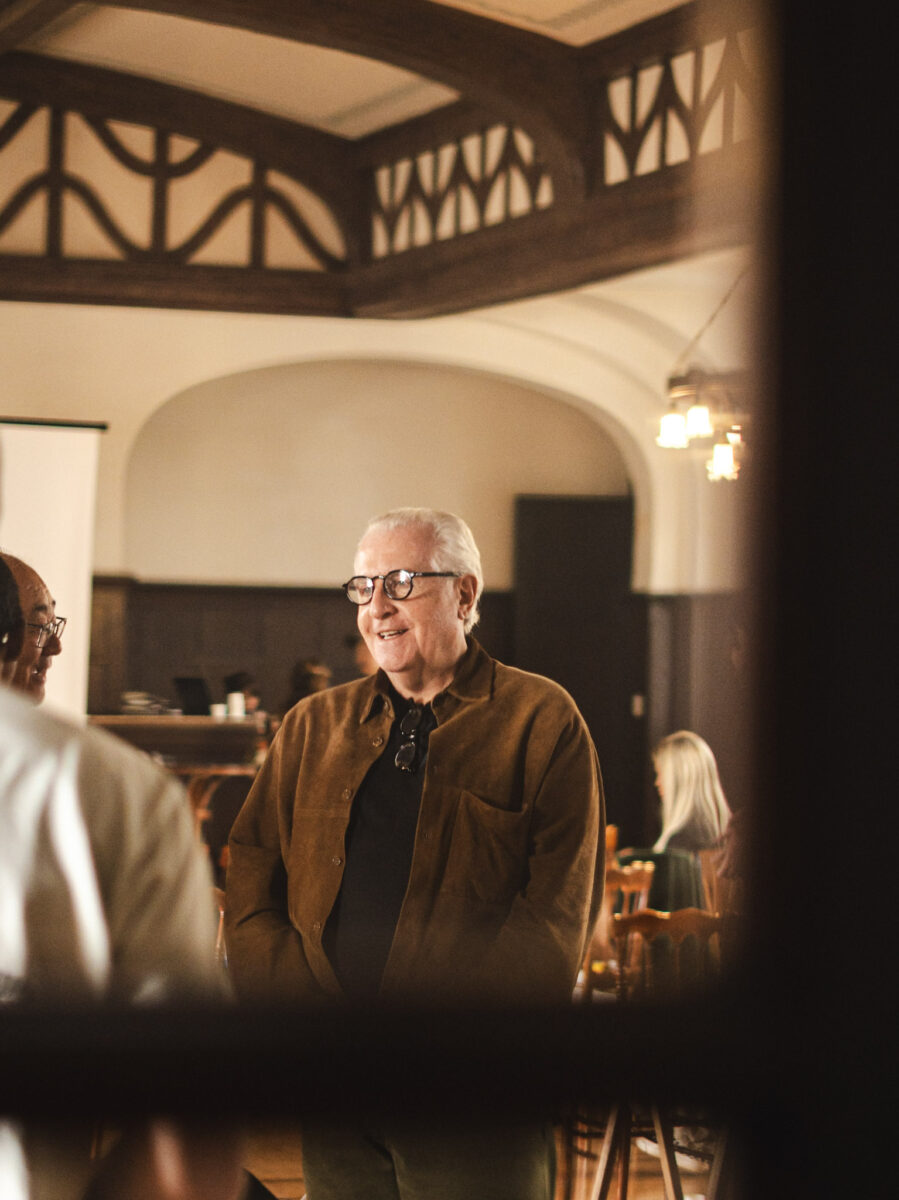
The participants were divided into two teams and spent several days visiting farms that are part of the TYPICA Collective. Afterwards, they gathered at the Coffee Museum for the first-ever TYPICA Collective event in Brazil. During the event, roasters and producers shared presentations and cupped coffees to select one producer who would represent TYPICA Collective Brazil 2025.
Brazilian producers are known for their strong sense of community, and at the venue, it seemed that everyone already knew each other. The roasters, too, had bonded during their journey, and the event began in a warm and welcoming atmosphere. The roasters first gave presentations about their backgrounds and philosophies, captivating the entire audience with their stories.
Next came the producers’ presentations. Some spoke about overcoming the hardships of unpredictable weather, others about continuing a long family legacy, and still others about starting new farms from scratch. Each story was deeply moving, offering a new dimension to how we perceive coffee.
After the presentations, a cupping session began featuring ten lots from the ten producers. The room was filled with a palpable sense of anticipation and focus. Producers and roasters cupped side by side, sharing the same table and the same cups.
After cupping, the roasters formed a circle to discuss which producer should represent TYPICA Collective Brazil 2025. As each roaster spoke about the producer they chose and the reasons behind their decision, the room was filled with sincerity and respect—a shared commitment to recognizing not just quality, but the passion and effort behind it.
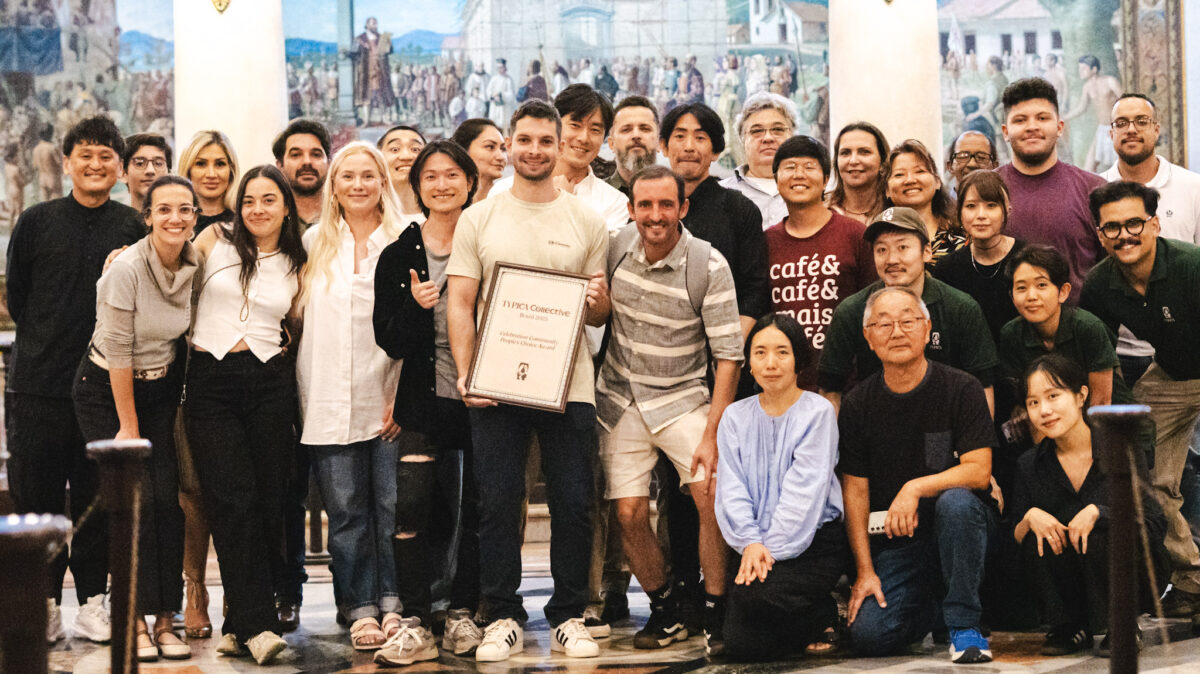
The announcement took place in the Coffee Museum’s auction hall—a historic space once used for real coffee trading, where the passage of time and the bond between people and coffee seem to linger in the air.
The producer chosen to represent TYPICA Collective Brazil 2025 was Fazenda Chapadão. The balanced depth of his coffee, along with his humility and potential, were highly praised. The entire room celebrated him as he received his award with modest delight. He earned a ticket to participate in the OKAGESAMA COFFEE EXPO 2025, to be held in Japan the following week.
From here, a new kind of relationship begins—not one-on-one transactions, but a collaborative dynamic between producers and buyers. Through this event, we experienced this shift not just as an idea but as something tangible and real. Going forward, TYPICA Collective events will be held not only in Brazil but in other producing countries as well. We are excited to see how these collaborative communities will continue to grow and evolve around the world.