





Tanzania Harvest Update 2025/26
The first harvest reports for Tanzania’s 2025/26 coffee season suggest a strong rebound in production, and renewed optimism across the country’s coffee belt. Arabica output in particular has climbed sharply. National production is expected to reach around 1.45 million 60-kg bags, up from 1.35 million last year. Favorable weather, ongoing replanting, and sustained global demand have all played their part in this growth.
The harvest typically runs from July through October in the lower lands, though in southern regions picking began as early as June. Efforts from the Tanzania Coffee Board and local governments, such as distributing 25 million seedlings by the end of 2025 and investing in fertilizer access, are beginning to show impact, even as affordability and application rates remain challenges for many smallholders.
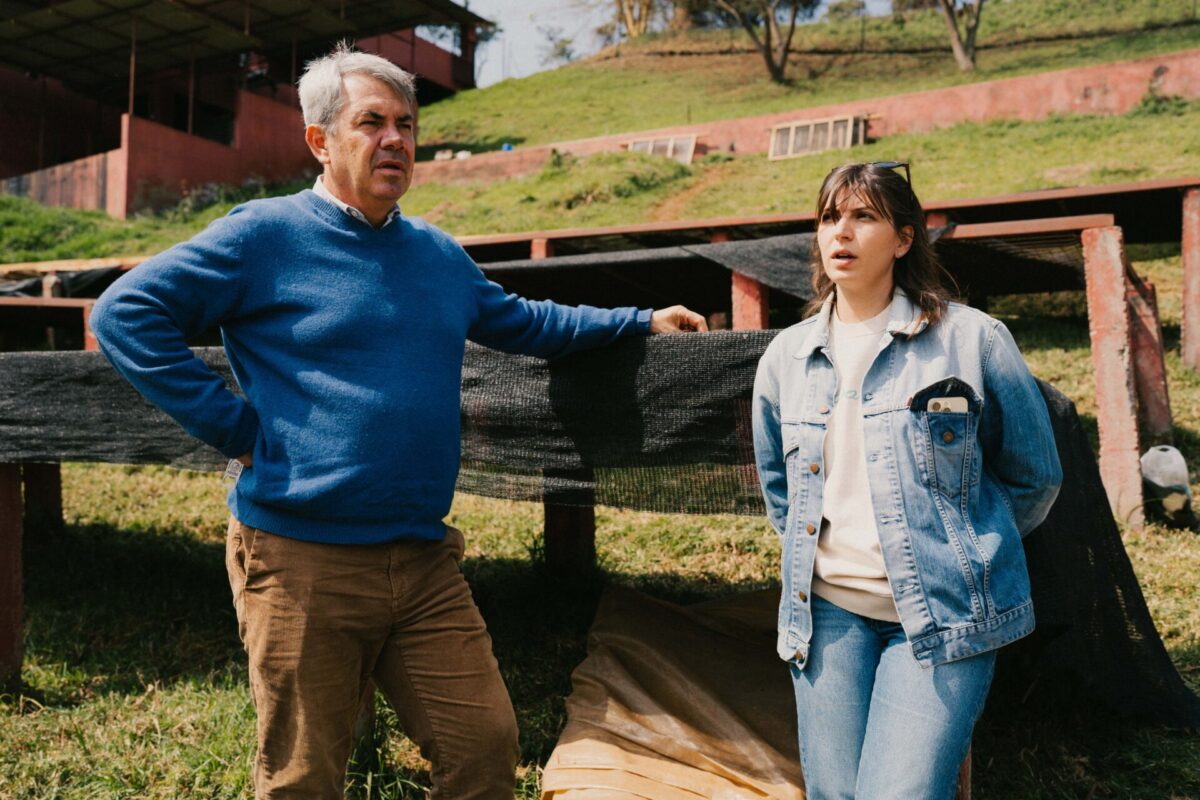
Acacia Hills & Tembo Tembo
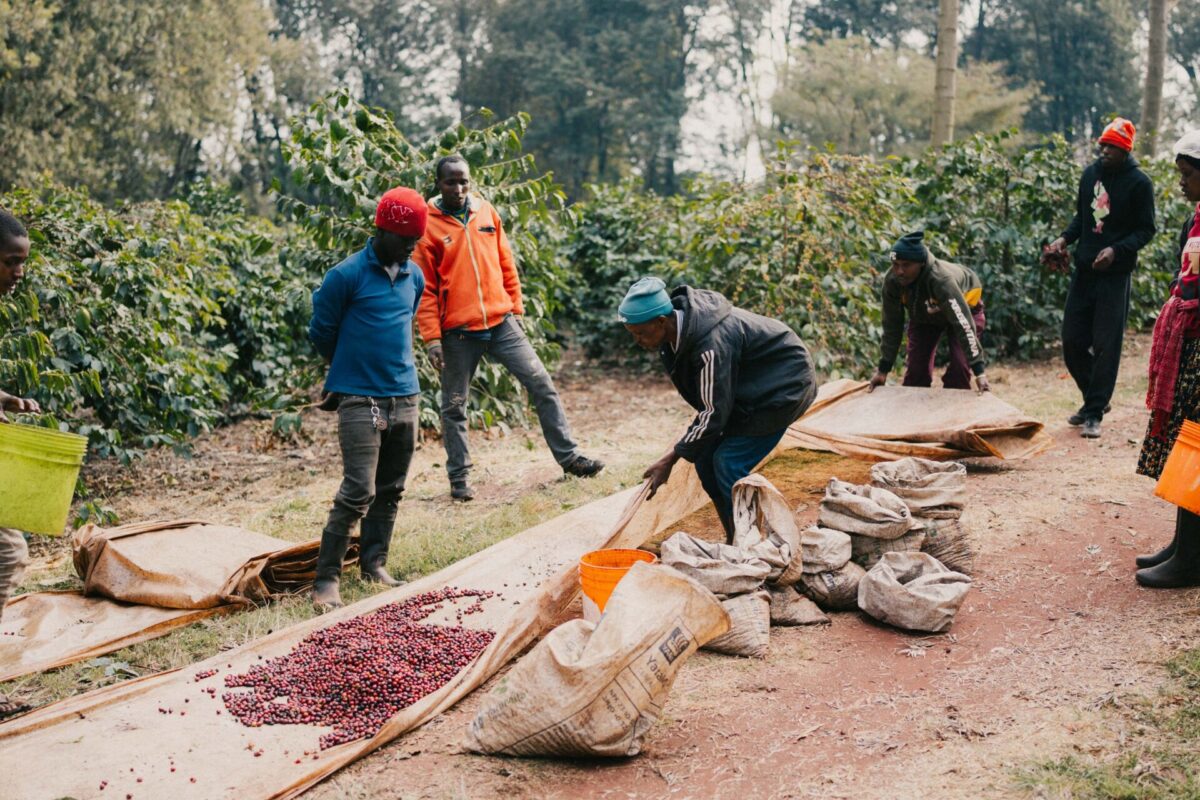
This year, our visit to Acacia Hills in the northern highlands coincided with the very peak of harvest, a contrast to last year’s timing. The farm was busy with activity, fueled by very heavy trees that seemed to energize the pickers as much as the coffee itself. The volume was visibly higher, with a shorter harvest window observed for key varieties such as Kent, Batian, Castillo, and SL28.
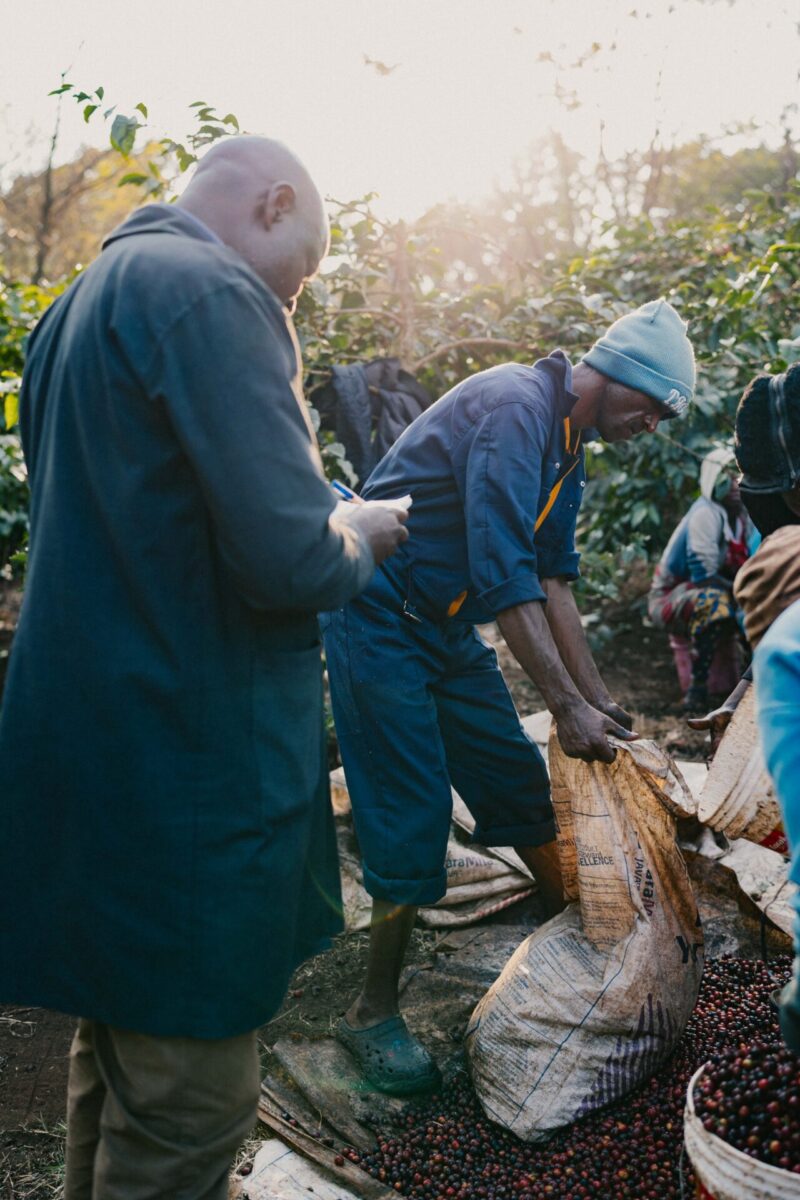
Flowering was well-distributed this season, about 20% early, 60% main, and 20% late, a result of alternating dry spells and rainfall patterns that dictated how each variety developed. At the time of our visit, the trees were heavy with fruit, and thanks to good labor availability, the team managed picking smoothly even during peak maturity.
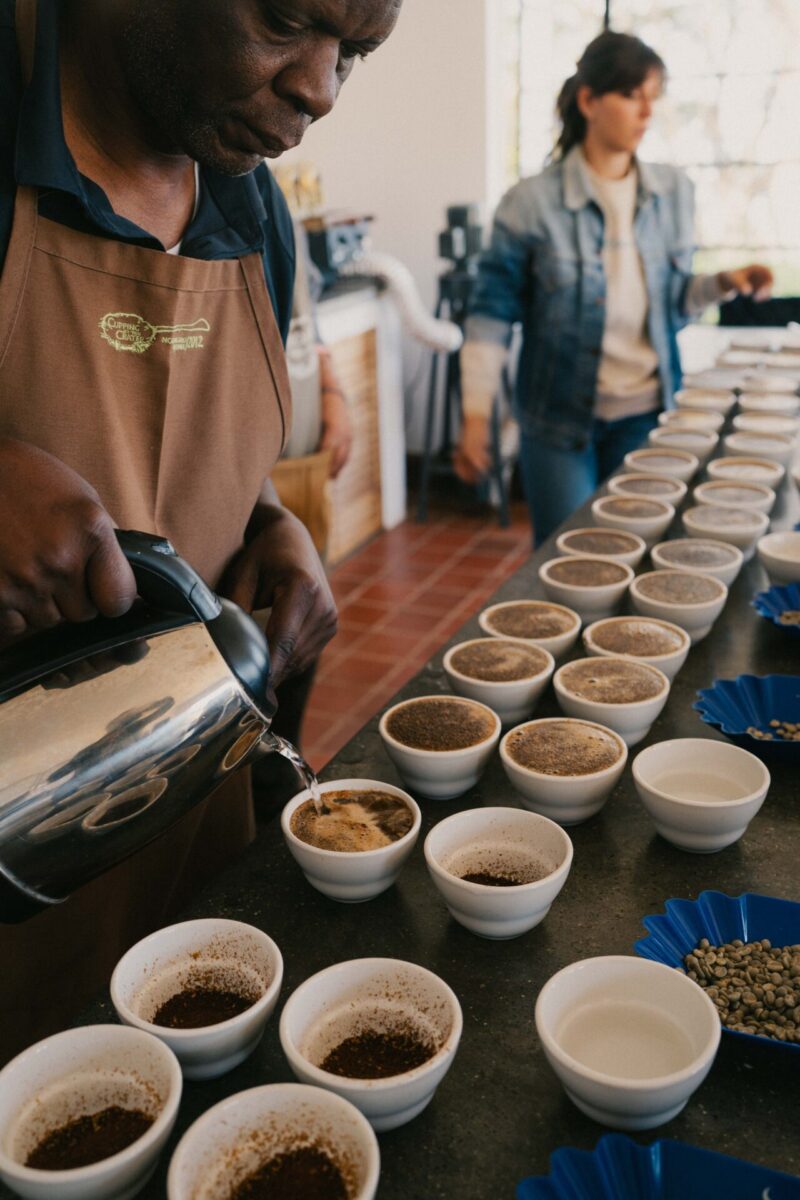
Processing Developments: Taking Naturals Seriously
Perhaps the most exciting shift this year comes from processing. Alongside the fully washed coffees, we’re introducing new natural and honey process lots, including some experimental Gesha and other varietals.
Traditionally, natural processing in Tanzania has been seen as risky, often avoided due to the humid climate, limited drying infrastructure, and logistical delays that can compromise quality. Poorly dried coffees can develop mold, phenolic taints, or fade quickly in cup character. Because of this, most dry mills and exporters have long preferred the reliability of fully washed preparations.
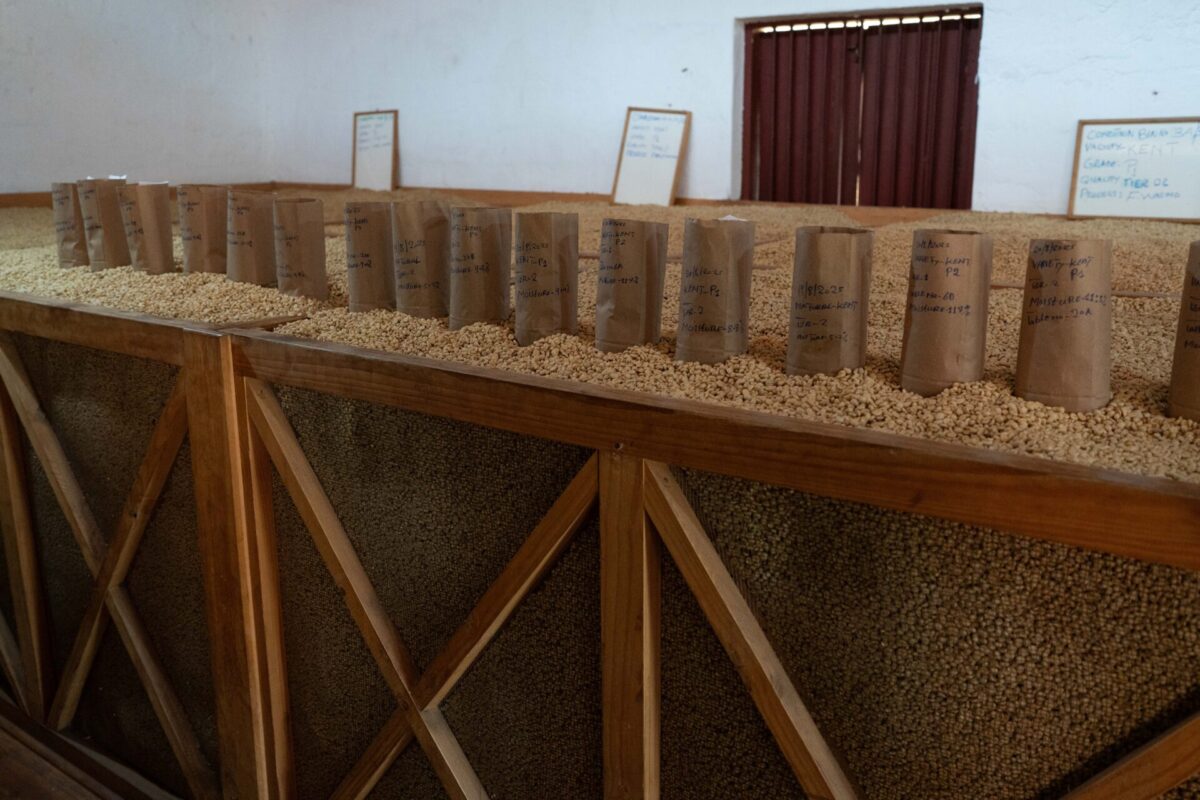
But this year marks a significant change. After two years of groundwork, controlled testing, and close monitoring of pre-shipment samples, we’re finally confident in offering naturals without the typical risks attached. The early cup results have been exceptional, full of clarity, depth, and fruit vibrancy, and already favorites among several roasters during sample sessions. We can’t wait to see them land on café menus soon.
A Note from the Field
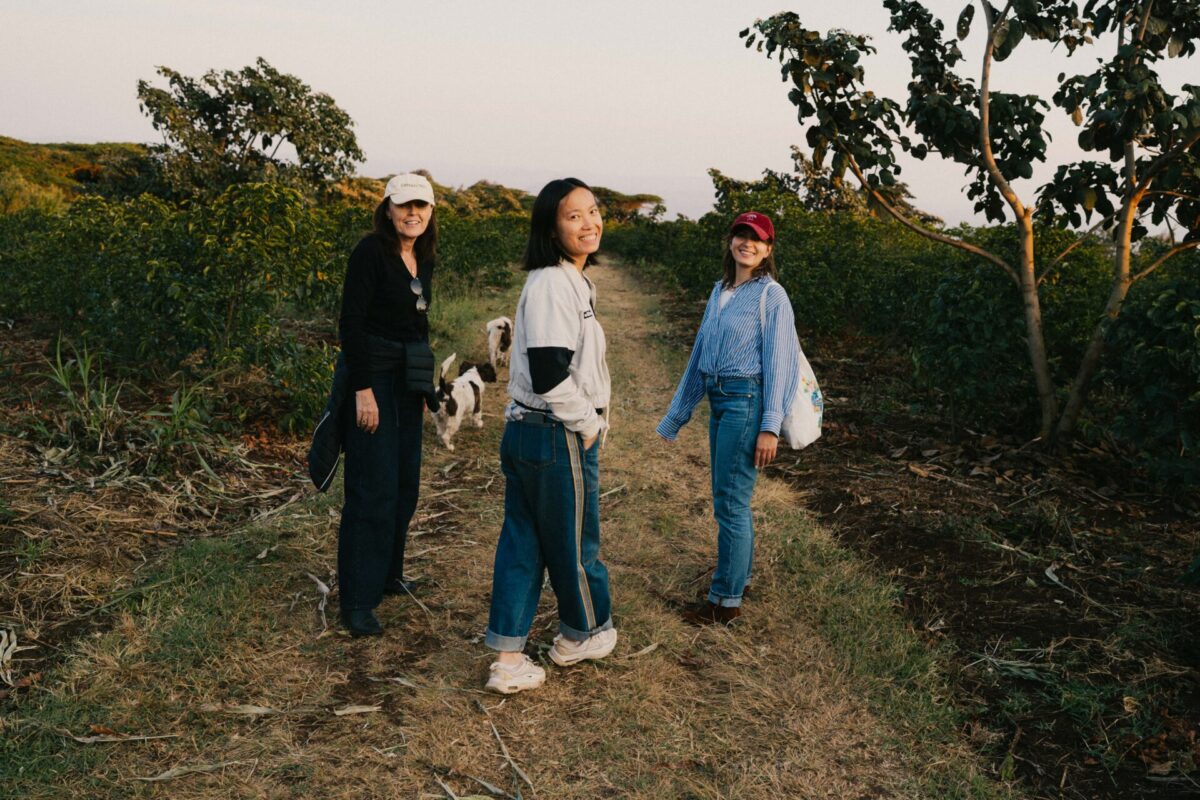
Spending time with Leon and Aideen at the estates is always a pleasure. This year, we found ourselves even more impressed by the sheer beauty of where the farm sits—surrounded by wild fauna, dramatic slopes, and a cool, high-altitude climate that together create a place like no other. Spending time here helped us better understand the dream side of Leon and the creative ideas he and Aideen are shaping for the future of the farm. Their vision reaches far beyond production numbers; it’s about harmony between nature, people, and craft. Acacia Hills remains a source of inspiration, proof that Tanzanian coffee can express both excellence and soul in every cup.