





OKAGESAMA COFFEE EXPO 2025: Growing an “Okagesama Forest” From One Cup
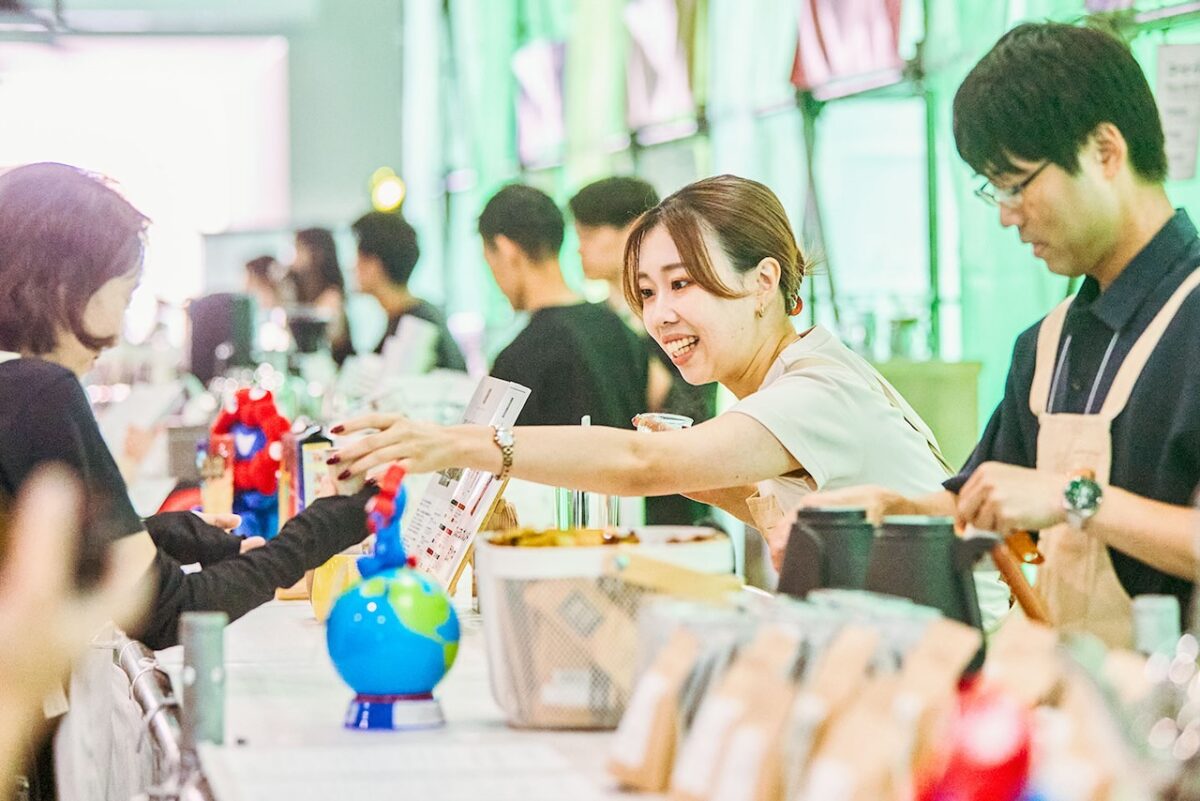
On September 28 and 29, 2025, TYPICA held OKAGESAMA COFFEE EXPO 2025 – Nurturing an ‘Okagesama Forest’ From a Single Cup of Coffee at WASSE, the venue of the Osaka–Kansai Expo.
Inside the venue, the Roaster Forest brought together about 40 roasters from across Asia—including Korea and Taiwan—each offering coffees that allowed visitors to feel the stories, contexts, and individuality behind every cup. Over the course of the two days, approximately 150 different coffees were served.

Meanwhile on the stage, a wide range of programs unfolded: the TYPICA GUIDE Final Round, the OKAGESAMA Forest Producers Presentation, the OKAGESAMA Forum, and more. Coffee producers, roasters, and coffee lovers came together as a truly global community, embodying a space where the future is nurtured collectively.
This EXPO is TYPICA’s flagship event, created as an international public initiative led by the private sector, rather than a conventional model of global business. It gives form to TYPICA’s vision: to move beyond the framework of financial capitalism and a money-driven economy—systems that, since modernity, often compelled obedience to the powerful and the wealthy. Instead, each individual stands as the founder of their own life and as a steward of human society, cultivating a free economy and an OKAGESAMA community that fosters shared well-being across the world.

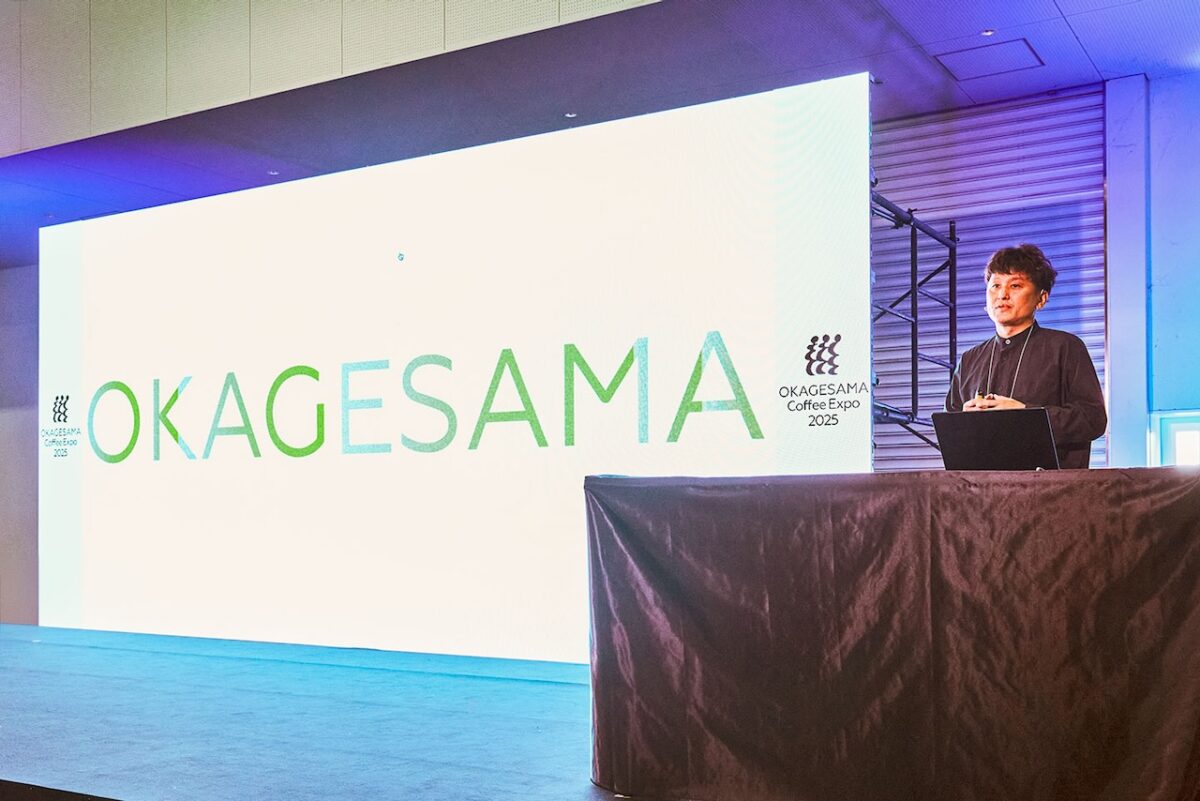
The Essence of Forest-Making Is Ecosystem-Making
At the heart of the two-day event themed “From Cup to OKAGESAMA Forest — How a Single Cup Can Nurture a Global Forest” was the global launch of the Okagesama Forest Initiative.
The core idea is this: coffee producers, roasters, and coffee lovers—people from all backgrounds, regardless of nationality, race, values, religion, generation, or culture—come together to grow a forest that encircles the planet. Through this collective effort, they aim to build a sustainable and evolving coffee culture, and to pass this symbolic forest on to future generations.
※ Planting shade trees that protect coffee trees from direct sunlight enables both sustainability and quality improvement in coffee production. With moderated sunlight, coffee cherries ripen more slowly, resulting in better sweetness–acidity balance, while increased organic matter and microbial diversity in the soil contribute unique flavor characteristics.
In other words, the Okagesama Forest Initiative is far more than a tree-planting project. Growing a forest means protecting the local ecosystem where diverse plants and living beings coexist, creating employment, and laying the foundation for regional development that lasts across generations. What we strive to build is an ecosystem—an environment where coffee, culture, and community flourish together. A true, living eco-system in every sense of the word.
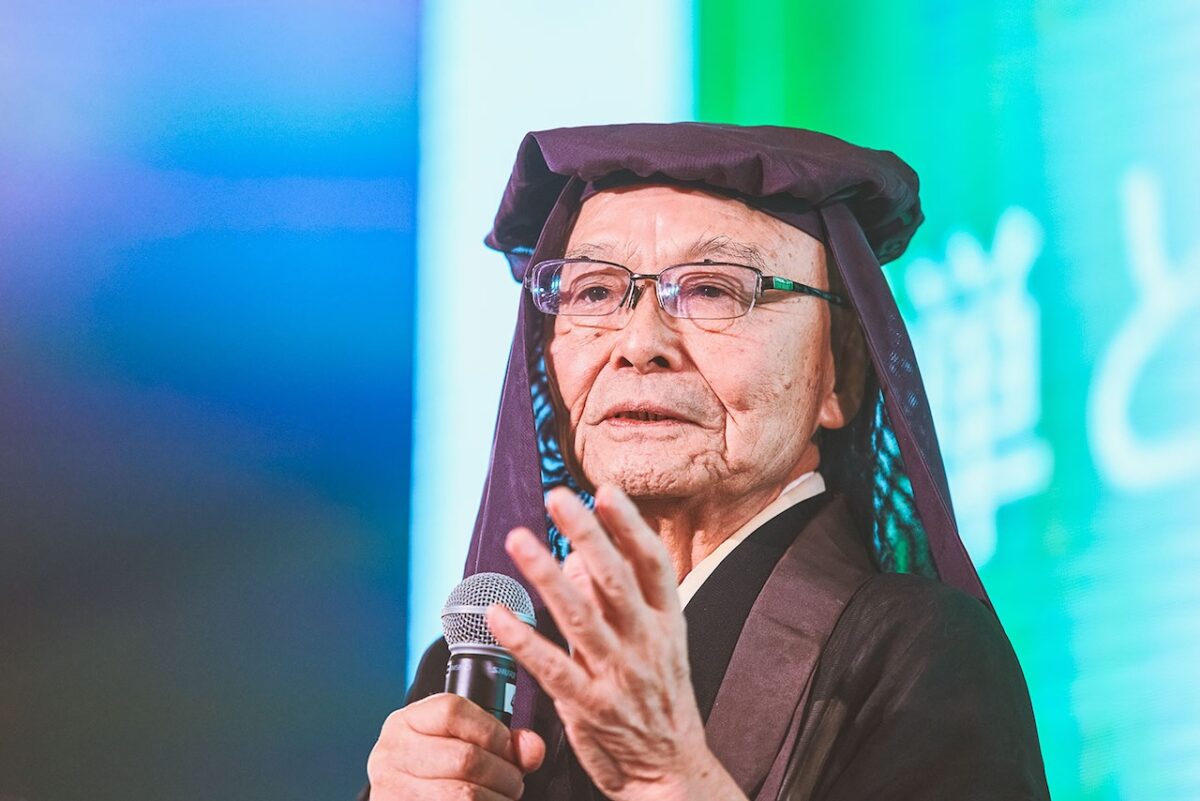
On the second day of the event, September 29, the atmosphere grew still and contemplative as Zen master Roshi Kidō Inoue, the fifth head of the Shōrinkutsu Dojo, delivered a Dharma talk titled “Zen and the Spirit of Okagesama.” In that quiet space, TYPICA CEO Masashi Goto took the stage to formally declare the global launch of the Okagesama Forest Initiative, speaking with powerful conviction.
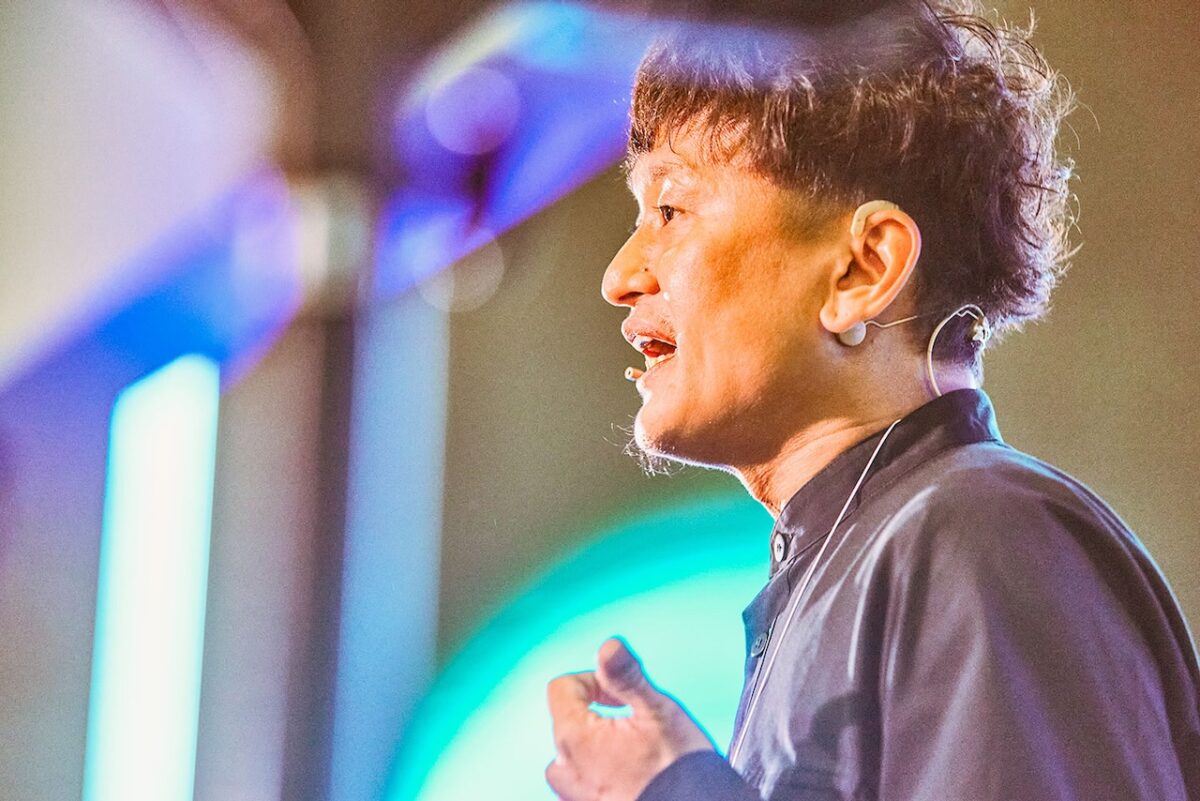
“As each producer’s farm is nurtured into a thriving coffee forest, by 2035 we envision the emergence of an Okagesama Forest—a living belt of gratitude encircling the entire coffee belt. A hundred years, a thousand years from now, we want this forest to carry forward the ‘spirit of harmony’ and ‘will of gratitude’—the understanding that everything we do is made possible by all beings beyond ourselves. We hope this forest becomes a perpetual, evolving symbol of shared empathy and collective action across generations.”
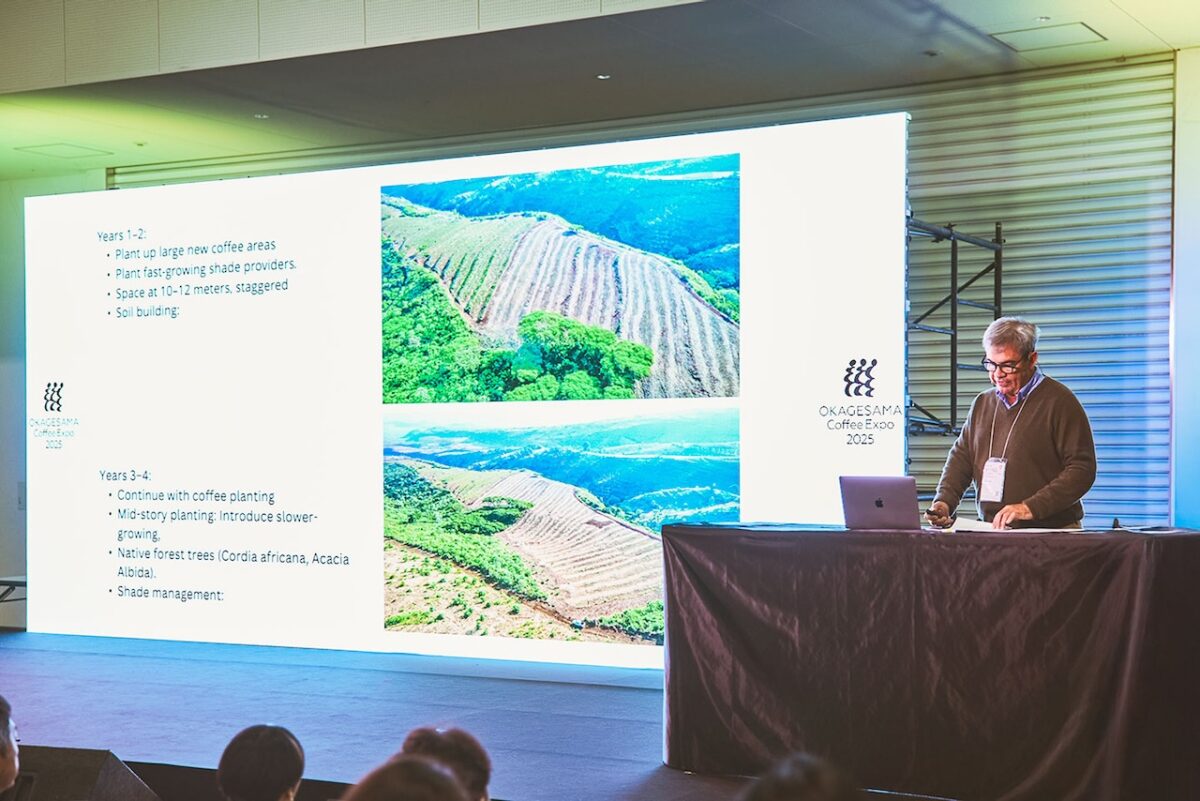
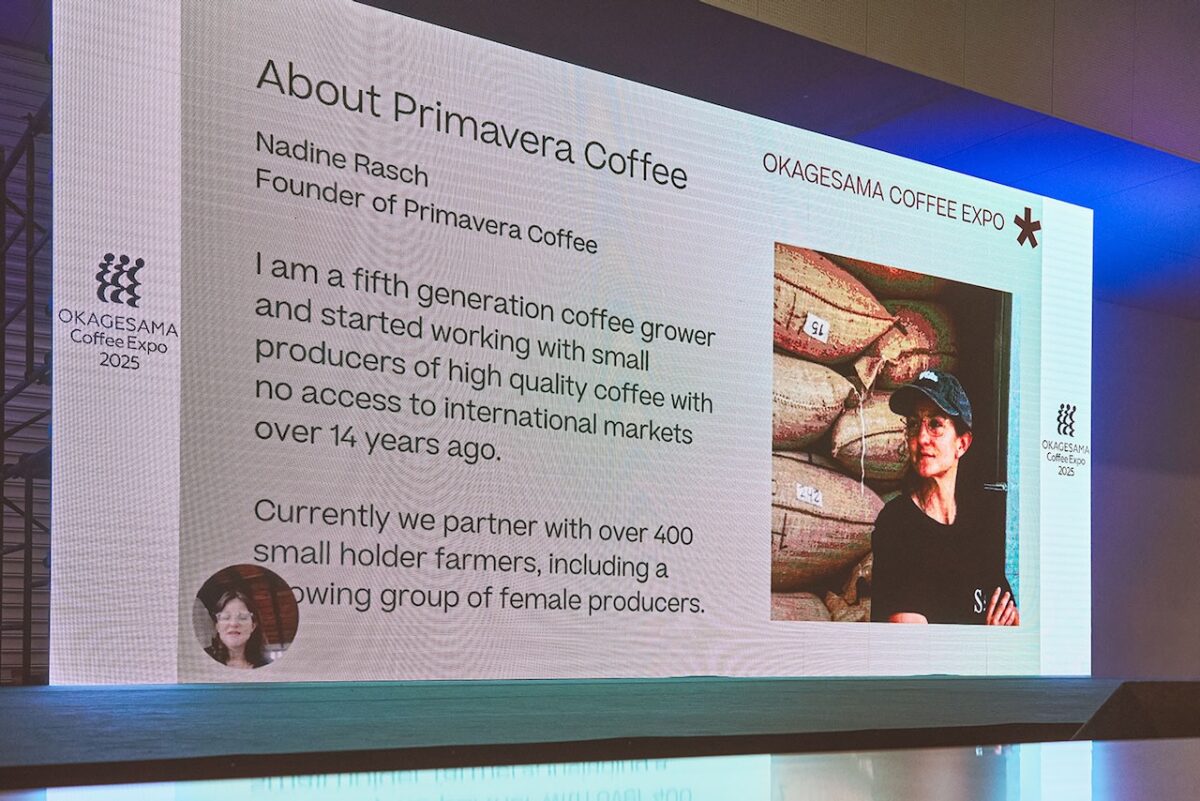
Following this declaration, five coffee producers and partner companies from Tanzania, Ethiopia, Indonesia, and Bolivia (one joining online) presented their visions and on-the-ground initiatives as part of the opening celebration. Over 200 messages of appreciation were sent to the producers, including:
“Thank you for bringing us such delicious coffee!”
“Please help ensure we can still drink coffee 50 years from now!”
“Your work with nature is truly admirable.”
“Coffee is essential to my life—my gratitude for producers is endless.”
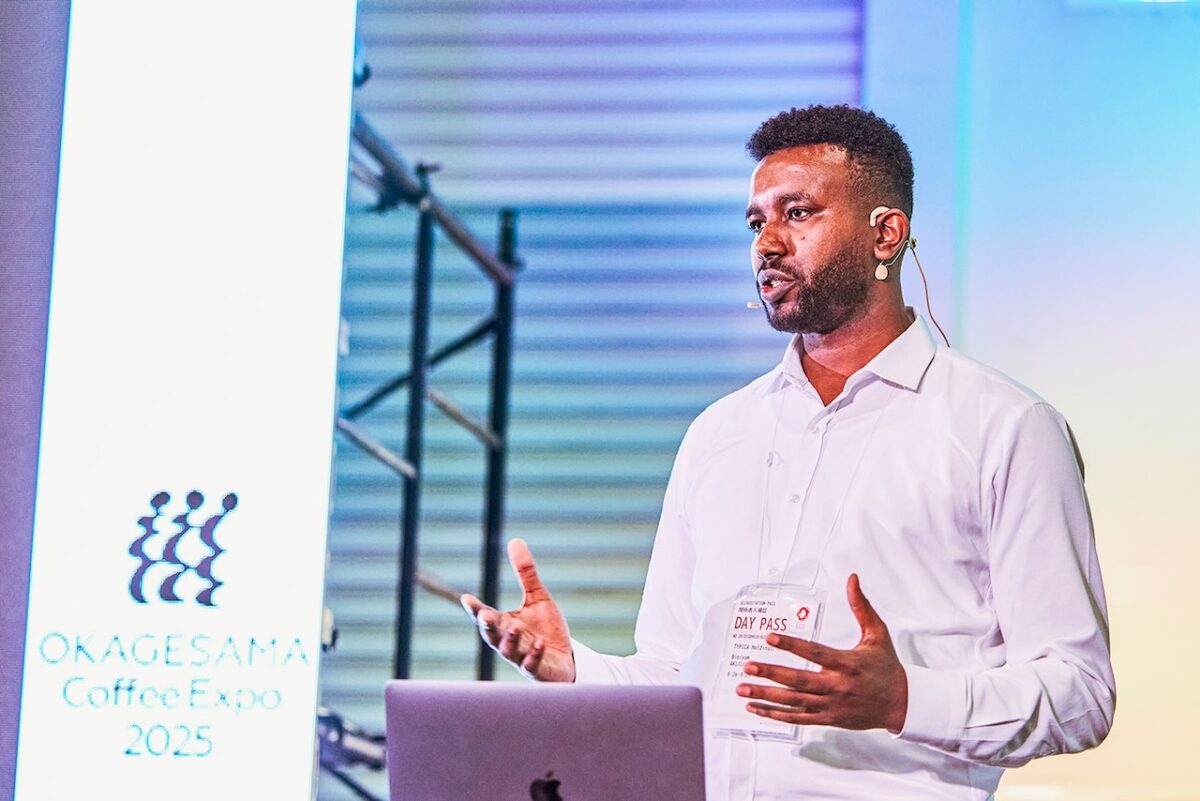
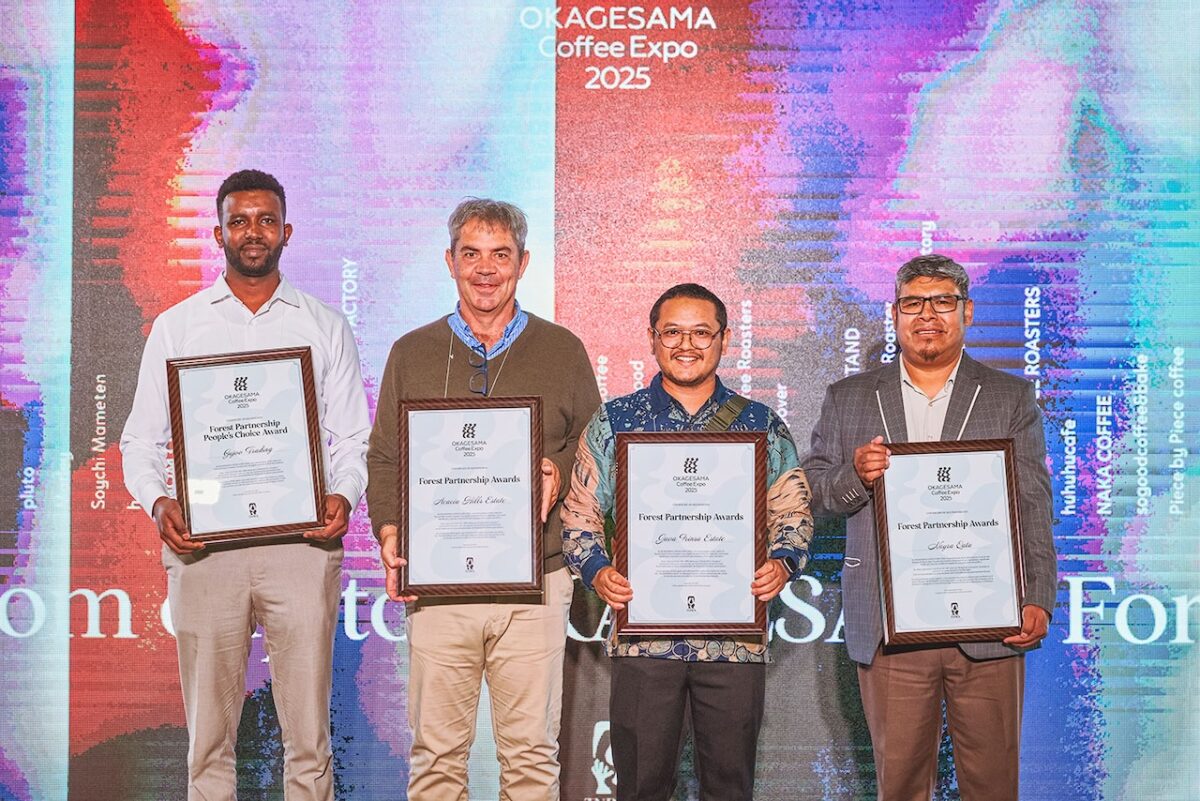
The 2025 Forest Partnership Award, presented to the producer who resonated most deeply with visitors, was awarded to Biniyam Akr of Gujoo Trading. He shared his vision of creating “The Forest of Gujoo,” where coffee farms and forests grow side by side to support both people and nature by 2035. Presenting a detailed roadmap toward that goal, he emphasized the essence of his mission: “We are planting gratitude and sustainability as an inheritance for future generations.”
The event also implemented a system in which visitors’ coffee purchases directly contribute to forest creation. As a result, an estimated 4,000 shade trees—equivalent to about 40 hectares—will be planted through this year’s EXPO alone.
This initiative not only accelerates the creation of an ecosystem in which coffee, culture, and community flourish together, but also generates multiple synergistic benefits:
1: New income sources, such as through planting bananas and cashew nuts
2: Improved working conditions created by natural shade
3: Advancement of carbon-neutral practices through reforestation
4: Transmission of a forest-protecting culture to future generations
Within the next decade, it is likely that across coffee origins, we will witness communities who embody the “Okagesama spirit” taking autonomous ownership of their forests—nurturing them, expanding them, and passing them on.
Social Issues Are Not Someone Else’s Problem
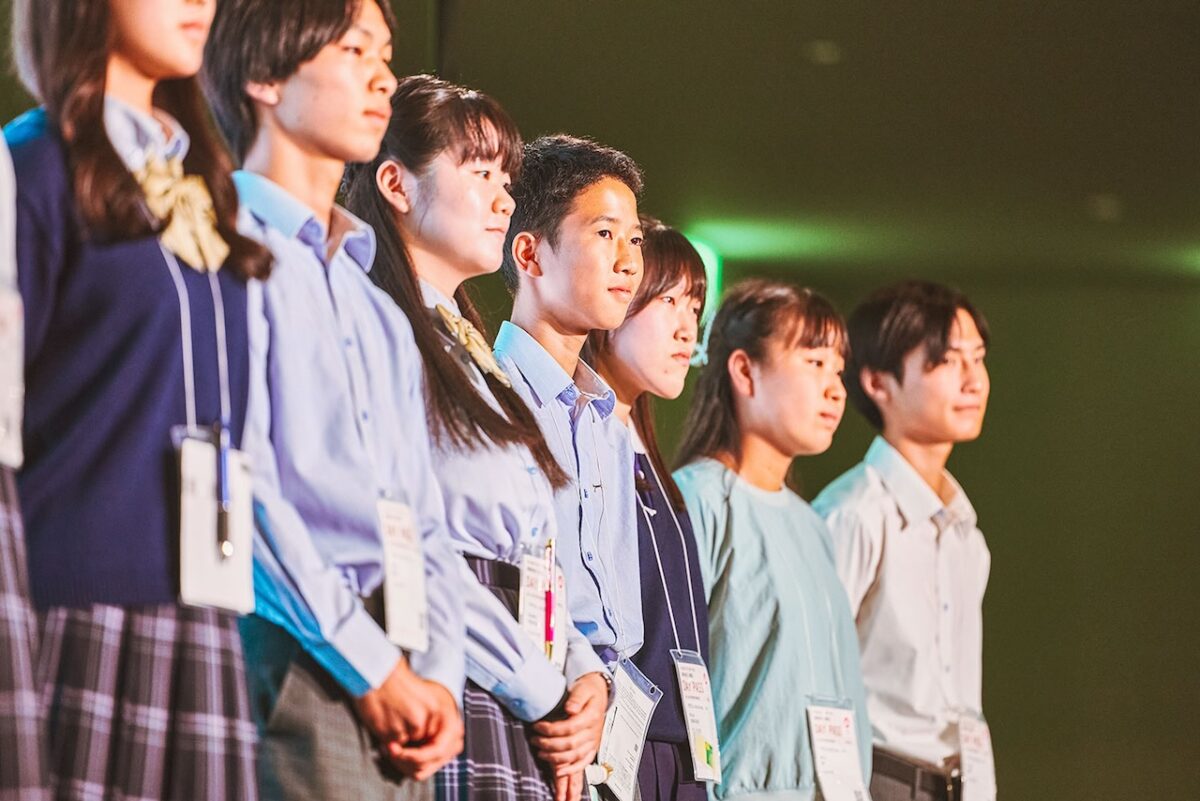
The Okagesama Forest initiative—an effort where empathy becomes the seed of grassroots change—also includes the participation of middle and high school students from across Japan. Fifteen students, selected for their interest and motivation toward sustainability, formed the OKAGESAMA Forest Shapers, a youth group dedicated to spreading empathy for forest-making and shaping the future of coffee.
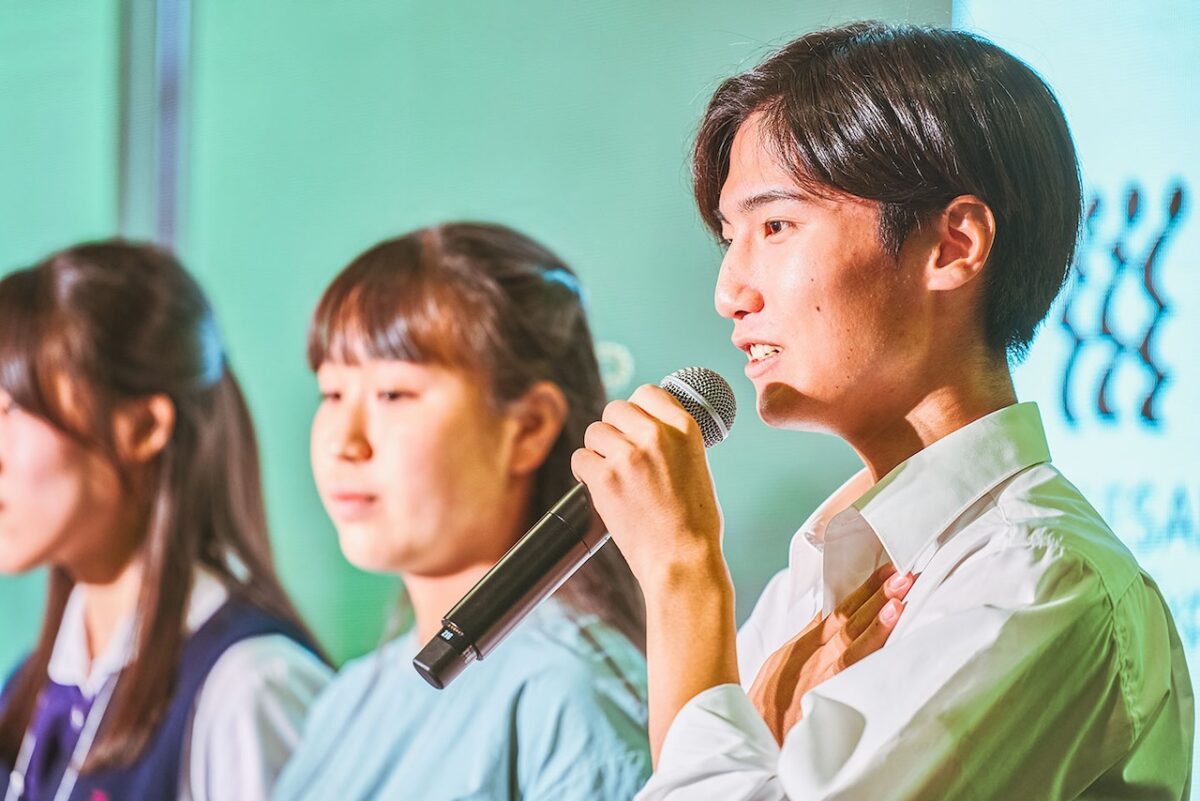
Hiroto Ando, a first-year high school student from Nara and a member of the Shapers, reflected: “Before joining, I assumed we’d only be discussing the challenges the industry faces. But when I heard producers and roasters speak passionately about the beauty of coffee, my perspective shifted. I actually felt that focusing on what makes coffee inspiring brings us closer to solving the problems.”

Another member, Kotone Minehara, a third-year high school student from Kanagawa, reached out to TYPICA through the website after developing her own interest in coffee. She shared:
“Ever since I was moved by the taste of the first specialty coffee I ever tried, I kept exploring the world of coffee—and that eventually led me to issues like the 2050 problem and environmental challenges. I started to realize that social issues aren’t someone else’s problem. When I heard a producer from Tanzania say, ‘We face many challenges, but because TYPICA and the roasters are serving delicious coffee, we can keep going,’ I learned how essential connection and trust really are.”
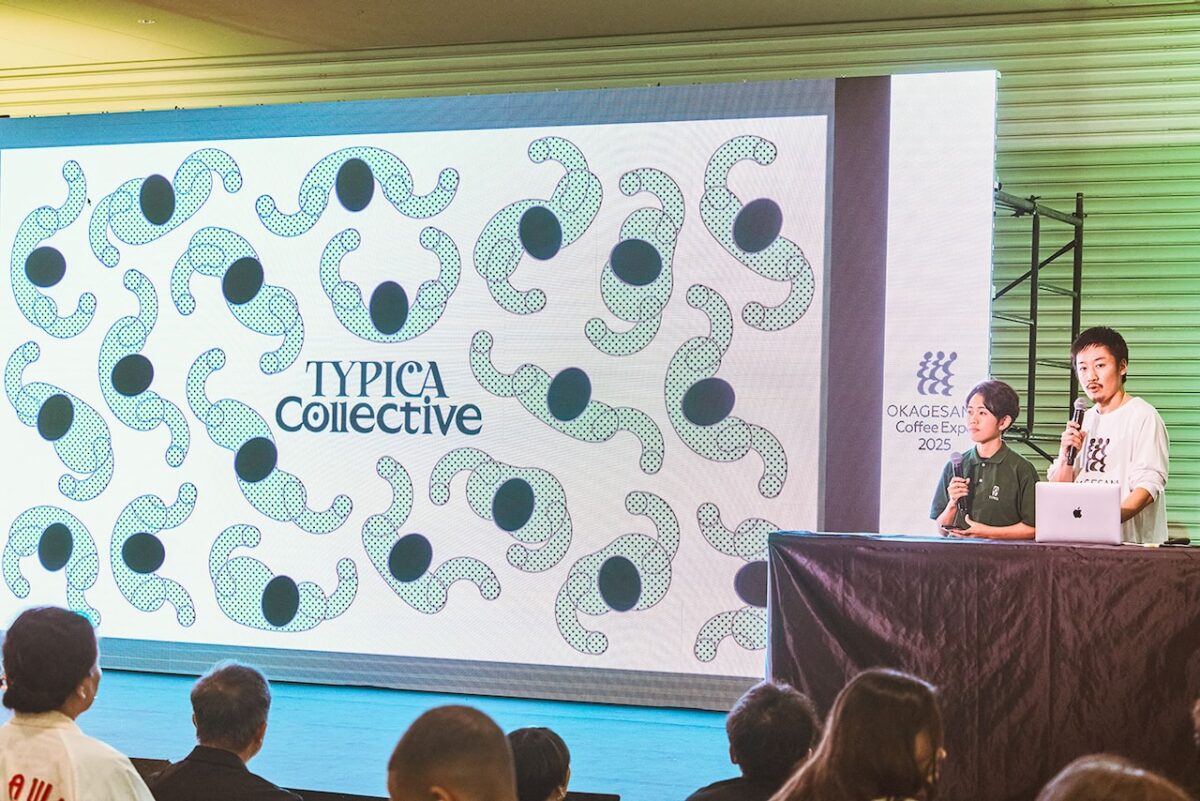
Cultivating a New Form of Collaborative Co-Creation
Since its founding, TYPICA has dedicated itself to enhancing the sustainability of great coffee by democratizing direct trade. TYPICA defines direct trade as “a continuous practice through which producers and roasters connect, meet, and resonate with one another—deepening the relationship between better coffee and better community year after year.”
To further advance this practice—and to turn shared empathy into shared action, and shared action into lasting, regenerative development—TYPICA has launched a new initiative: “Coffee Festival Culture Grown by Community — TYPICA Collective 2025 Brazil.”
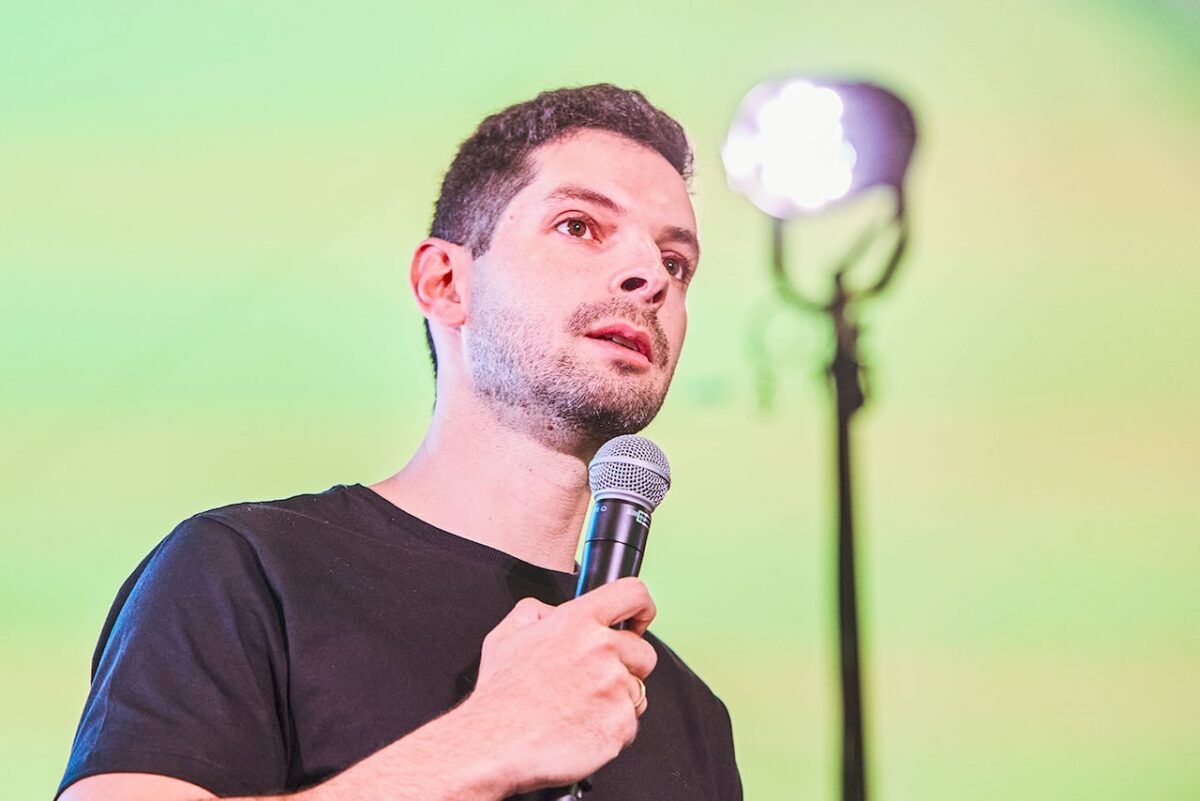
The inaugural TYPICA Collective took place in mid-September 2025 in Brazil, bringing together roasters from Asia and five European countries. Among the ten selected producers featured in the event, Rodrigo from Fazenda Chapadão traveled to Japan to join the EXPO. From the stage, he spoke about the history of his farm and the passion behind his work, expressing heartfelt gratitude:
“Being here feels like recognition of everything we’ve poured ourselves into. This is a memory I will cherish for the rest of my life.”
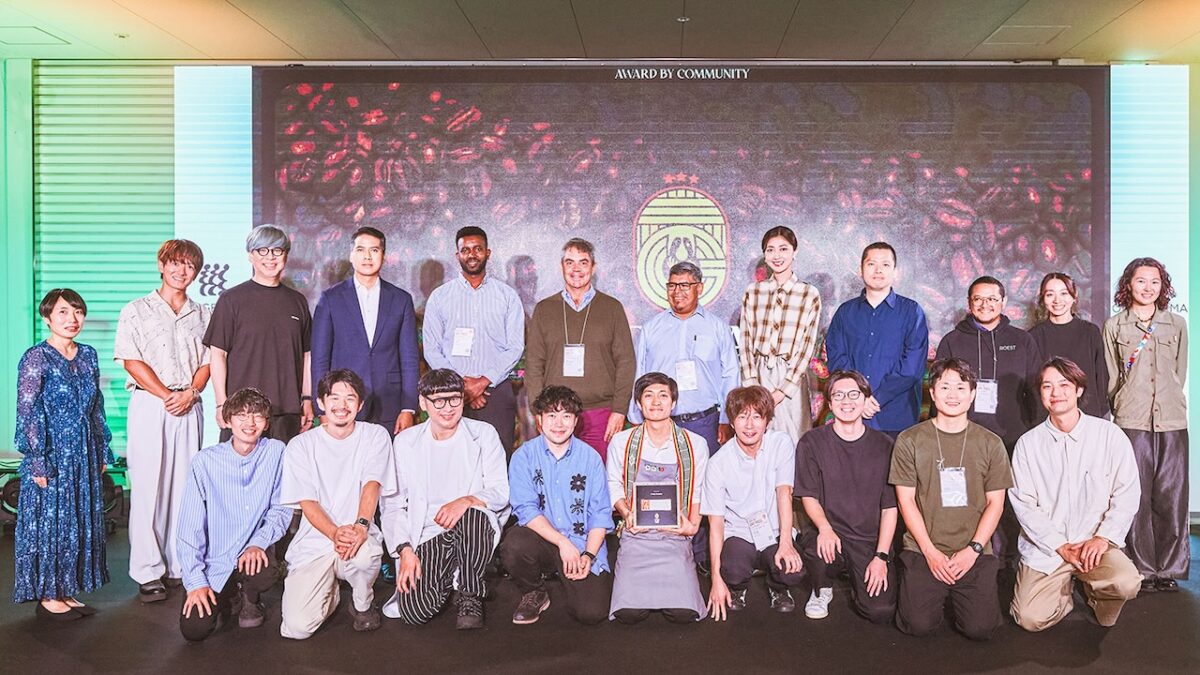
A Place Where Roasters Celebrate and Cultivate Each Other’s Craft
When people truly understand the effort and value poured into each cup of coffee, they become willing to pay a fair price—one that rightfully returns to the producers. One of the ways TYPICA works to realize such a world is through TYPICA GUIDE, now in its third year.
On the first day of the EXPO, the Final Round was held on site. From among 195 one-star roasters across Japan, nine two-star roasters—each recommended from their respective regions—took the stage. Through a seven-minute presentation and brewing session, the next 3-Star Roaster was chosen based on votes from both special nominators and general participants (on-site visitors and online viewers).
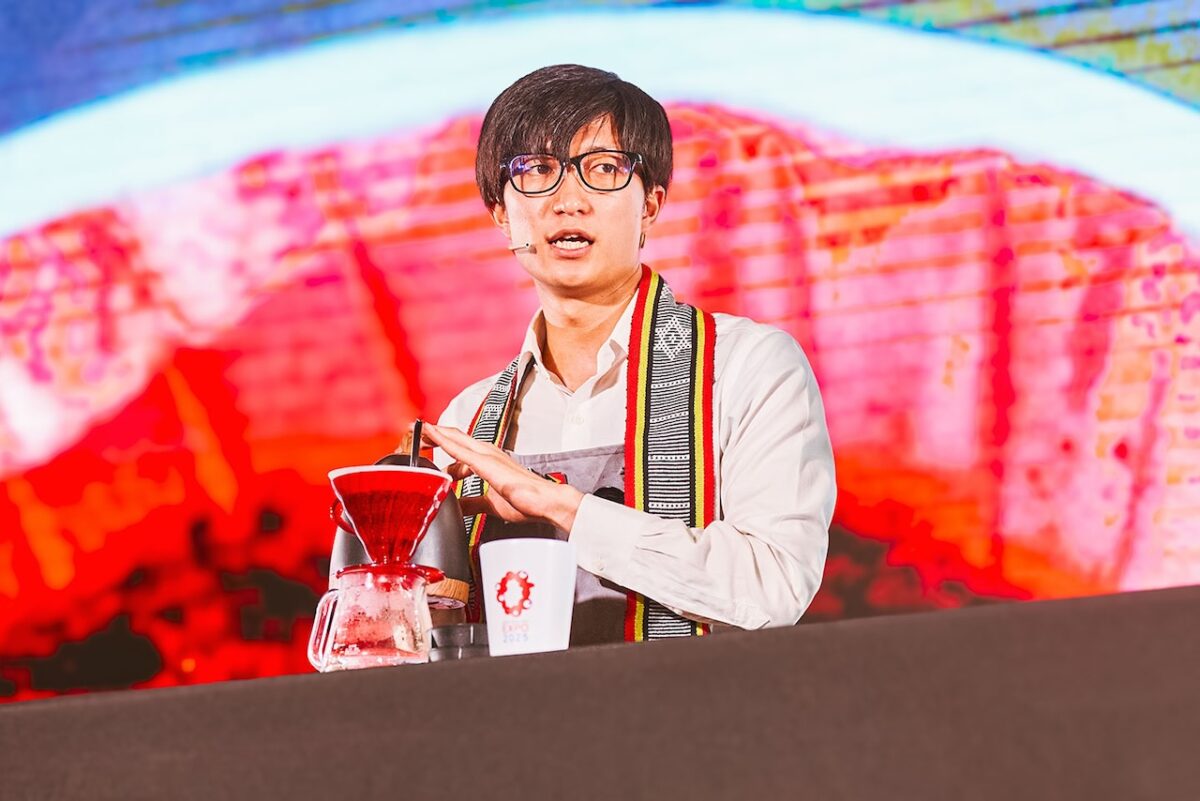
The title went to Kosuke Yoshida of LUSH-COFFEE Roaster & Laboratory, a roastery specializing in East Timor coffee. He shared his emotion and gratitude:
“During my presentation, there were moments when I couldn’t hold back my tears. If today’s presentation helped even a few more people understand the hopes and struggles of the people in East Timor, I’m truly happy. I’ll keep doing everything I can to enrich the lives of everyone involved.”
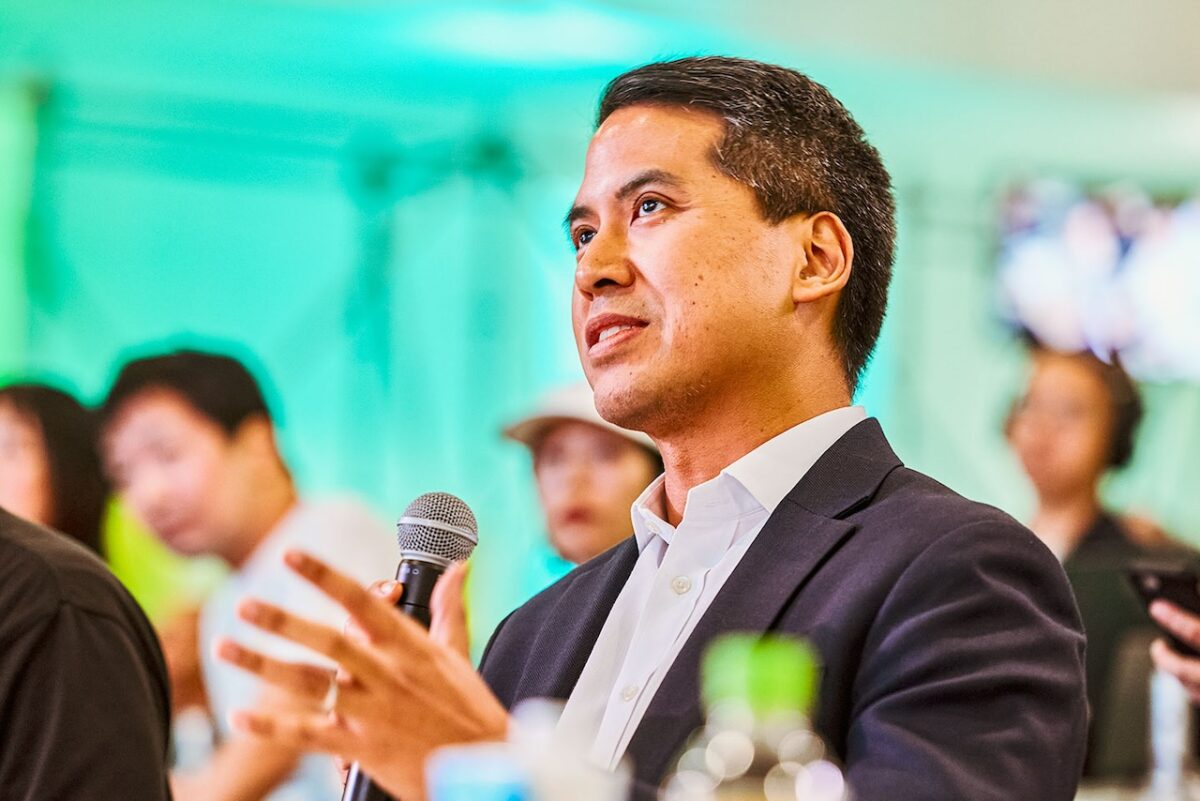
A male visitor who sat in the front row from beginning to end reflected on the experience:
“I’m a regular at Encore! Coffee(the second presenter), so I originally planned to watch just his presentation and leave. But it was so interesting that I ended up watching the entire program. In daily life, you rarely get the chance to think about the stories behind the things you consume—so this was a really meaningful experience.”
Comments from the special nominators underscored the emotional depth of the Final Round.
Bing Chomprasob, Chief Representative Officer for Japan at the World Economic Forum, remarked:
“I believe that what makes the coffee industry extraordinary is its people. You are remarkable ambassadors who carry the stories and passions of producers to Japan and to the world.”
Yoshinori Uda, President and CEO of Ogawa Coffee, shared:
“Seeing all of you—people for whom coffee is life itself—walking in the same direction was profoundly moving.”
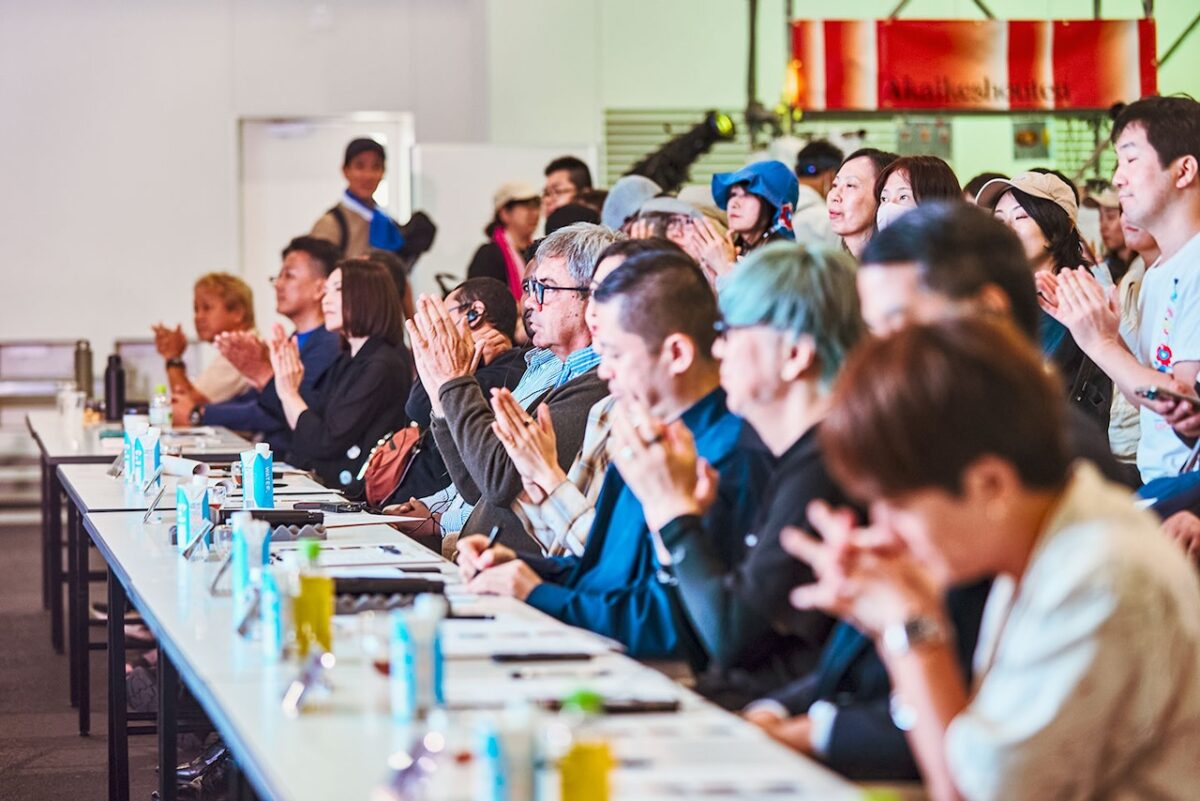
Another commentator added a message that captured the spirit of the day: “Roasters are not merely the voices of producers. I hope you continue to weave stories that allow hopes and feelings to flow not only from upstream to downstream, but from downstream back to upstream.”
Just as a forest thrives because each tree, plant, and flower contributes its unique qualities—growing dynamically precisely through its diversity—the coffee world grows when each roaster shines with their own irreplaceable brilliance. In that resonance between roasters, producers, and coffee lovers, the industry evolves. It was a moment that beautifully embodied TYPICA’s vision.

Okagesama — A Spirit of Harmony, Gratitude, and Intention
With the rise of specialty coffee, more people now understand that coffee holds remarkable individuality—and that its pure flavors and diversity can be appreciated as a cultural experience. The more than 30,000 visitors who attended this year’s EXPO were surely able to enjoy that vibrant spectrum of coffee.
One woman shared: “I love coffee, so I came to the Expo specifically for this event. I usually rotate between two or three coffees every week, but this time I tried fruity coffees I wouldn’t normally choose—and discovered flavors I never knew I liked. Comparing three different coffees side by side made each personality stand out clearly. It felt like my world expanded a little.”
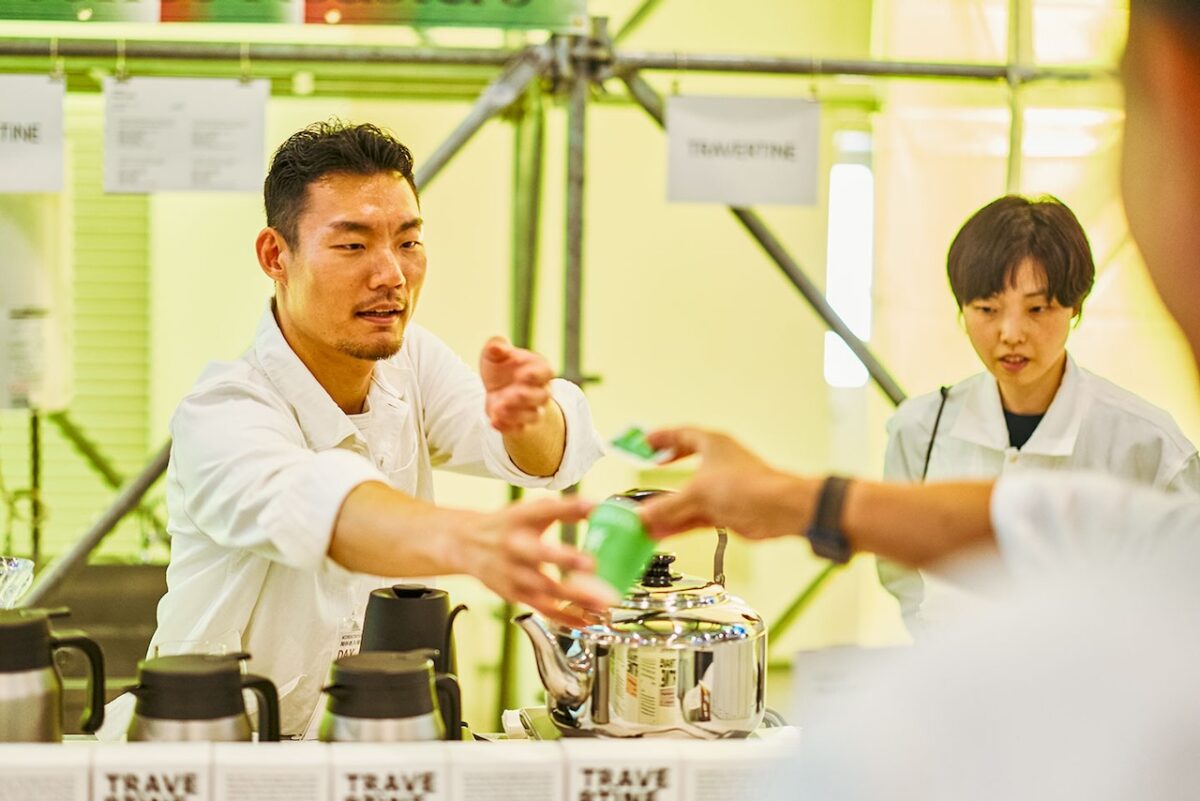
Meanwhile, the team from Travertine Coffee Roasters in Seoul—who traveled all the way from Korea to exhibit for two days—reflected on their experience:
“In Korea’s specialty coffee market, we sometimes feel there are limits to how deeply we can communicate with consumers. So we were excited about the possibility of meeting people in a new market and a new culture. We didn’t come for simple brand promotion—we wanted to experience a genuine cross-border exchange.
Many visitors gave us warm reactions and positive feedback, and sales far exceeded our expectations. But more meaningful than that was realizing that our coffee could be embraced and genuinely resonated with people overseas.
One moment in particular stayed with us: a middle-aged Japanese man used a translation app on his phone to tell us, with a big smile, ‘I drank so many coffees at this event, but your Geisha was the best.’ It warmed our hearts.”
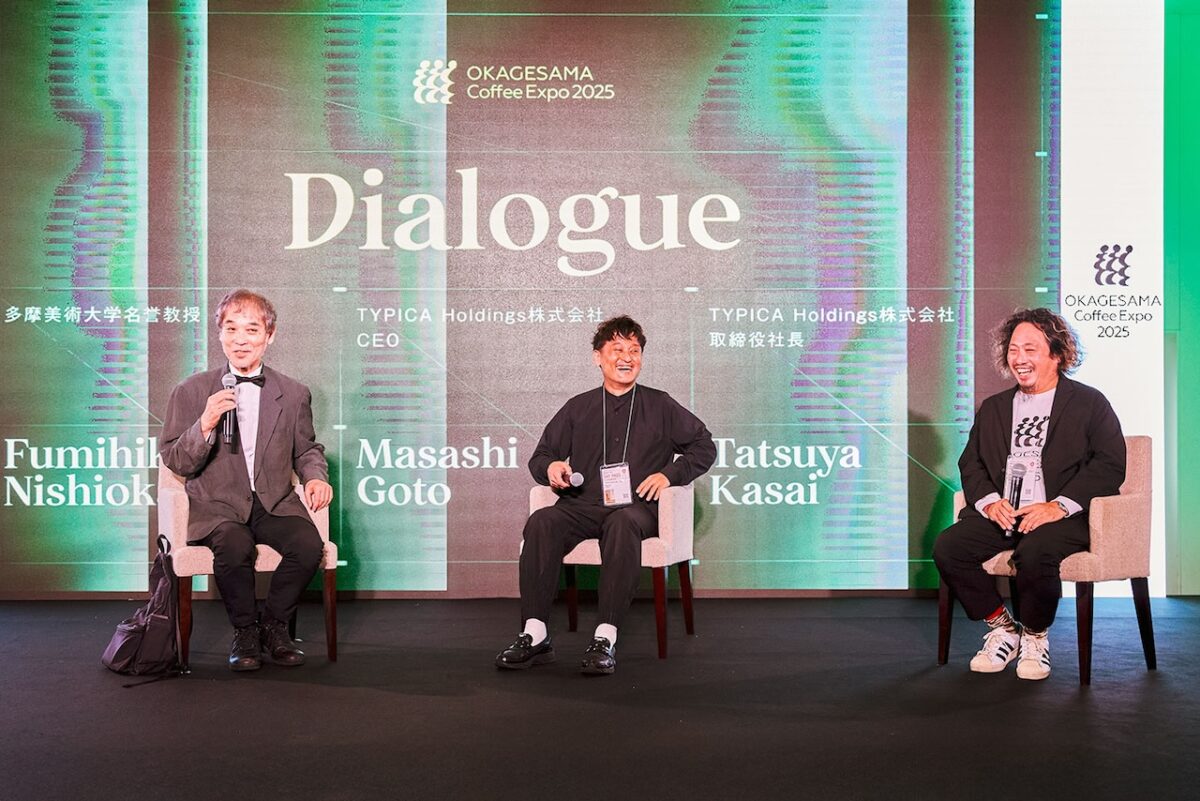
TYPICA envisions a world where the happiness of each individual naturally expands into the happiness of the whole. Why, then, has TYPICA designated 2025 as “The First Year of Co-Creating a Global Coffee Festival Culture”?
“Since ancient times, the harvest of agricultural crops—including coffee—has always been celebrated as a festival embraced by the entire community. People prayed for a good harvest, worked together, expressed gratitude, and celebrated side by side. These festivals were essential practices through which communities nurtured both daily life and a shared collective will.
But the moment societies became divided into those who rule and those who are ruled, priorities shifted toward efficiency, productivity, and profit. The human conscience—our most precious and irreplaceable quality—became harder to exercise. By recognizing this reality together, we want to re-create an authentic festival culture—one built by the whole community.”
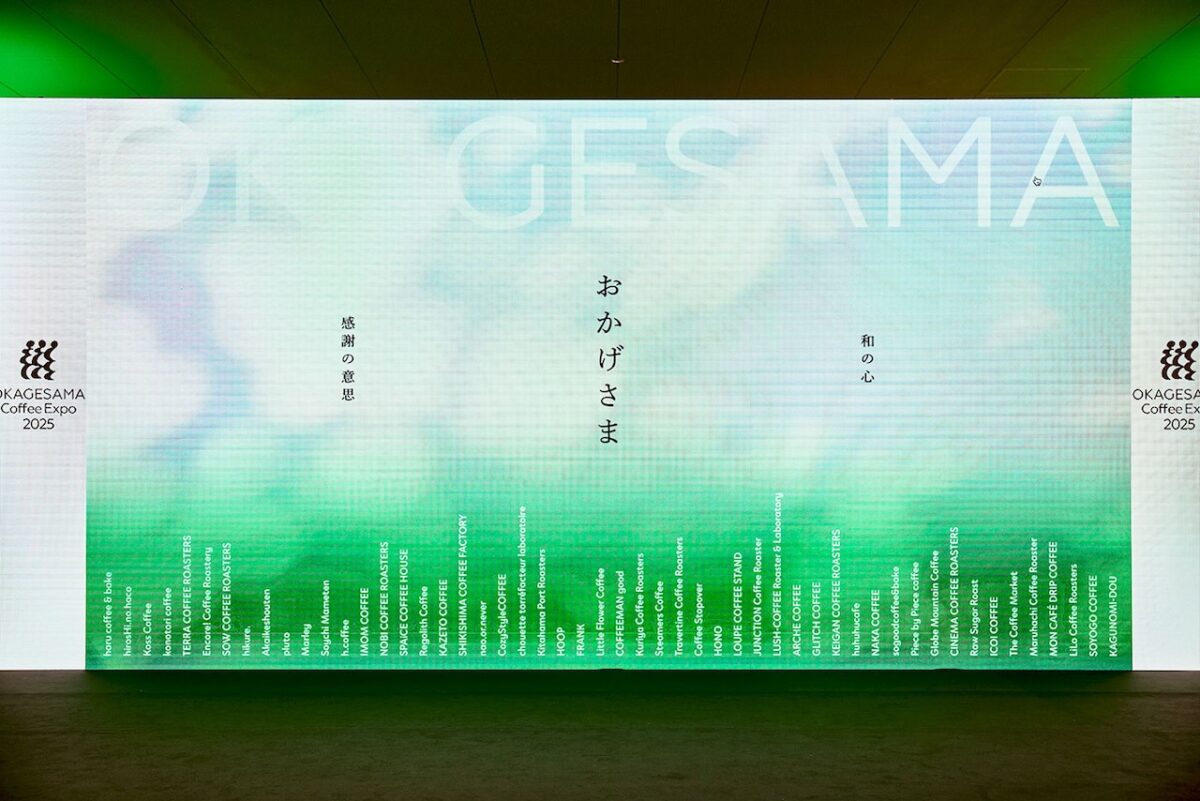
Underlying this festival culture—and the EXPO as one of its expressions—is the spirit of okagesama.
“Many coffee producers live in poverty, but we don’t see the world through a framework of ‘supporters’ and ‘the supported.’ When producers make delicious coffee, its market value rises, and their livelihoods improve as a result.
As the business grows, issues like poverty, human rights, and the environment are also addressed along the way. Our work has always been rooted in the value of ‘the happiness of becoming happy together.’” — Goto
Fumihiko Nishioka, Professor Emeritus at Tama Art University and moderator of the dialogue session “The Light and Shadow of Okagesama,” offered a striking reflection:
“Michelangelo’s sculptures are carved out of pure white stone—there are no lines drawn on them. And yet we clearly see the faces of Jesus and Mary because of the shadows formed in the grooves and hollows. It is the shadow that reveals the light, the shadow that gives form. Learning that shade-giving trees protect and nurture coffee moved me deeply. In the truest sense, the shadows created by trees allow the coffee to live.”
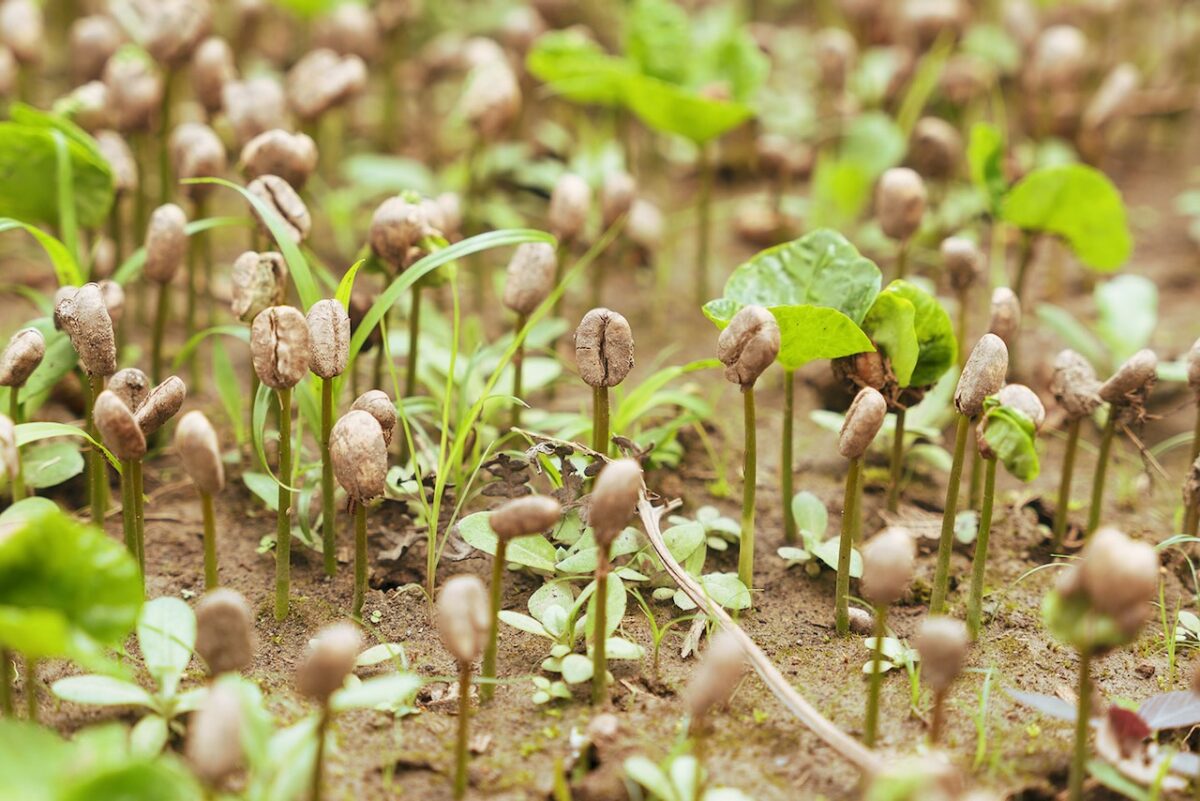
Seen from a wide-angle perspective, the Okagesama Forest Initiative resembles a modern-day Super Silk Road. The ancient Silk Road connected China to the Mediterranean, forming a vast trade network that carried not only goods but also ideas, religions, and arts—creating a pathway for civilizational dialogue and laying the groundwork for today’s global economy.
Similarly, creating a forest that circles the entire coffee belt is a generational endeavor that uses coffee as its medium. It aims to build and sustain a global Okagesama Forest—a living symbol of harmony and gratitude—while opening pathways for intergenerational dialogue and collaborative action.
In contrast to a globalism centered on money and material growth—where consumption is equated with happiness—the Okagesama community seeks to cultivate spiritual richness, guided by shared intention, gratitude, and conscience. It envisions a glocal world (Think Globally, Act Locally) in which human life and economic activity evolve toward public well-being grounded in goodwill.
This event at the Osaka–Kansai Expo—staged by TYPICA, whose work is rooted in the philosophy that “business is merely a means to build a world where economic growth, human happiness, and sustainability coexist, transforming how individuals see and live in the world”—quietly planted seeds of this paradigm shift in the hearts of all who attended.
Photos:Kenichi Aikawa