






Indonesia Harvest Update 2024/25
Although Indonesia is one of the world’s leading coffee-producing countries, this was TYPICA’s first visit to the origin. Known for its wide spectrum of quality and flavor, Indonesian coffee continues to captivate buyers and roasters worldwide, and has recently gained more recognition in international competitions. With its distinct terroirs from island to island, diverse production styles, and complex distribution landscape, Indonesia is a country often viewed through many different lenses. Seeing these realities firsthand gave us deep insights and renewed confidence. It was a visit that truly made us glad we made the journey.
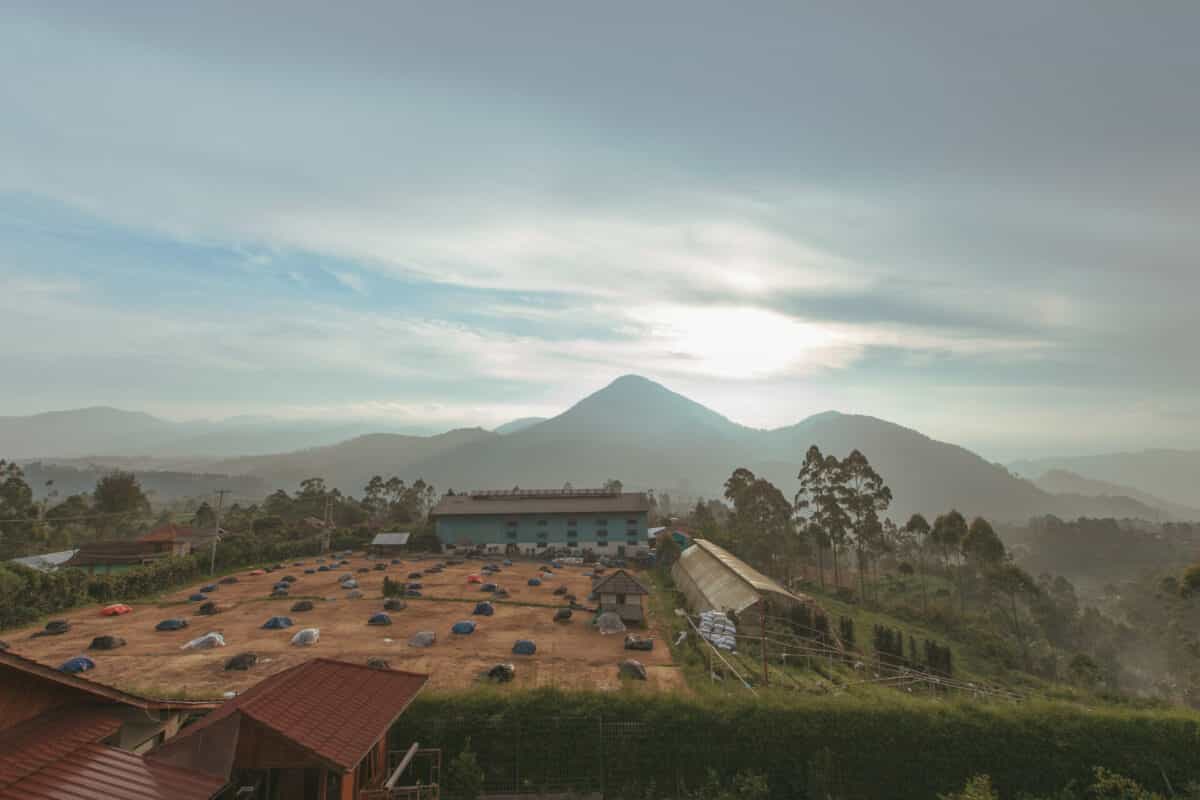
On this trip, we visited two curators: Java Frinsa Estate and CATUR. At Java Frinsa Estate, we toured a farm located near Bandung on the island of Java. As for CATUR, we visited their partner processor, Karana, based in Bali.
Indonesia as a Coffee-Producing Country
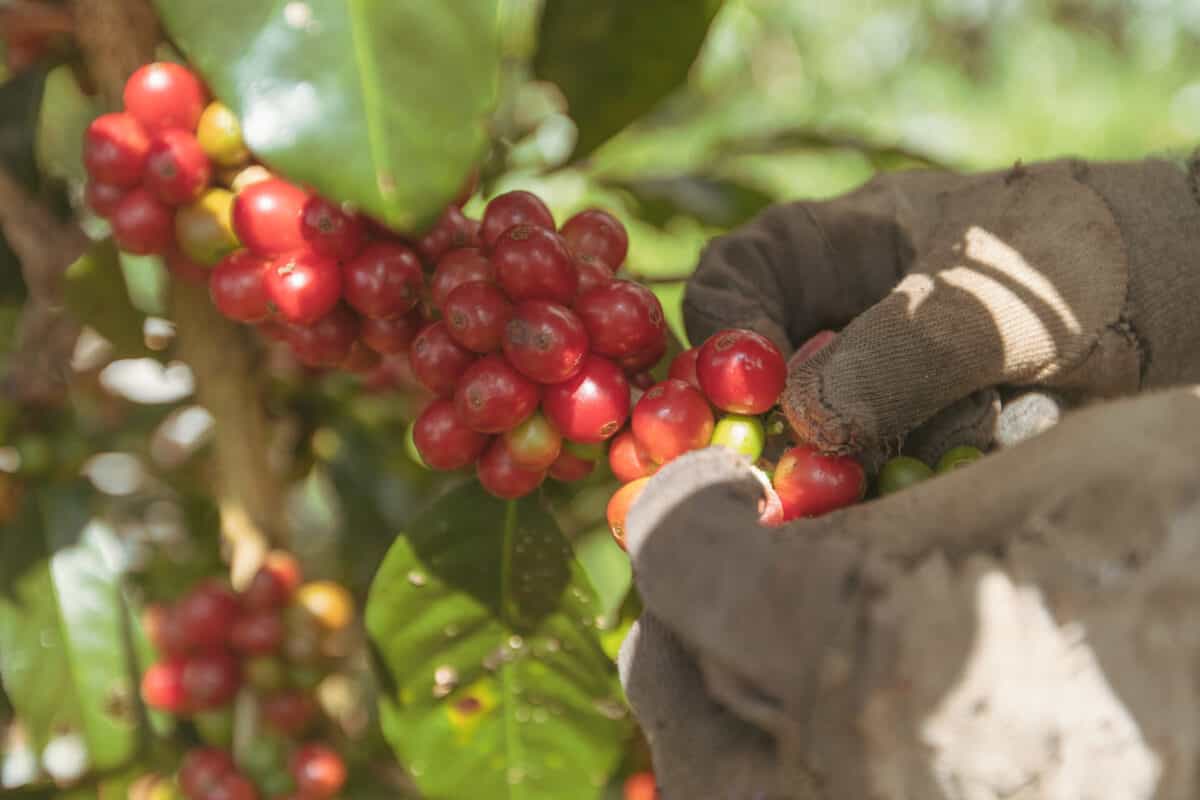
Indonesia is one of the world’s top coffee producers, with farms spread across a wide range of islands, including Sumatra, Java, Sulawesi, and Bali. Both Arabica and Robusta varieties are cultivated here, with each island’s unique climate and natural environment giving rise to distinct flavor profiles.
Around 90% of the country’s coffee farms are operated by smallholder families. These producers carry on traditional cultivation techniques and local processing methods like wet hulling. In recent years, there’s been a growing emphasis on quality, traceability, and sustainability. With this momentum, Indonesia’s specialty coffee sector holds strong potential for further development.
Harvest Status and Quality
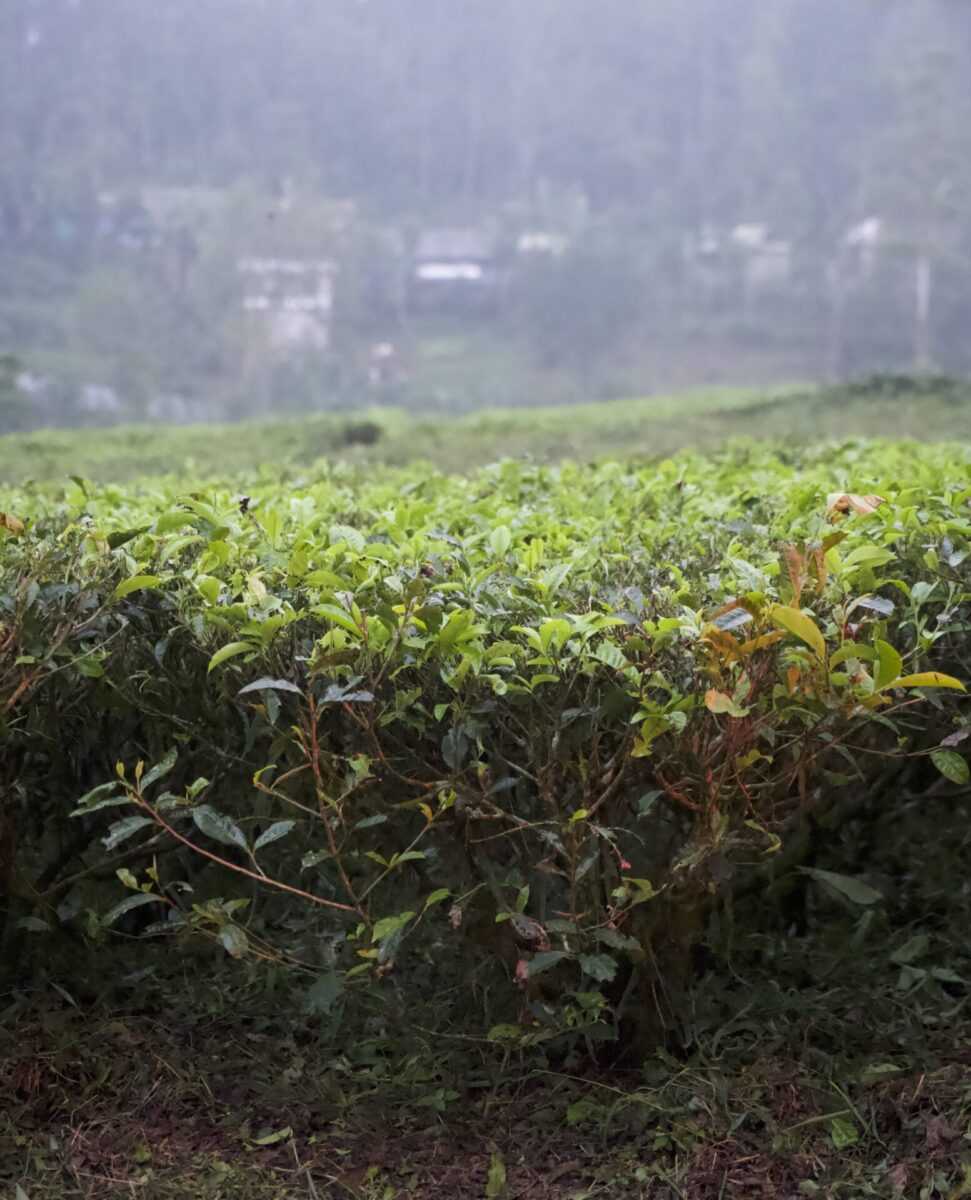
Indonesia’s total coffee production in 2025 is projected to decline by 10-20% compared to the previous year, mainly due to unfavorable weather conditions. Normally, the dry season from May to July brings steady sunshine ideal for drying, but this year has seen frequent cloud cover and rainfall, disrupting drying processes, especially for natural-processed coffees. It was clear on the ground just how much climate change is impacting production.
While reduced yields are a concern, many producers are turning their focus toward improving quality. One notable trend is the move away from mixed-variety lots in favor of single-varietal lots, a step aimed at ensuring greater quality consistency.
A common challenge reported across farms is damage from nematodes. These soil-borne pests create galls on plant roots, obstruct nutrient absorption, and ultimately prevent coffee trees from bearing cherries. As a result, more vulnerable varieties like Sigararutang are being phased out. In their place, more resilient ones, such as Lini S, which carries Liberica genes, are being adopted and promoted.
Pricing Structure
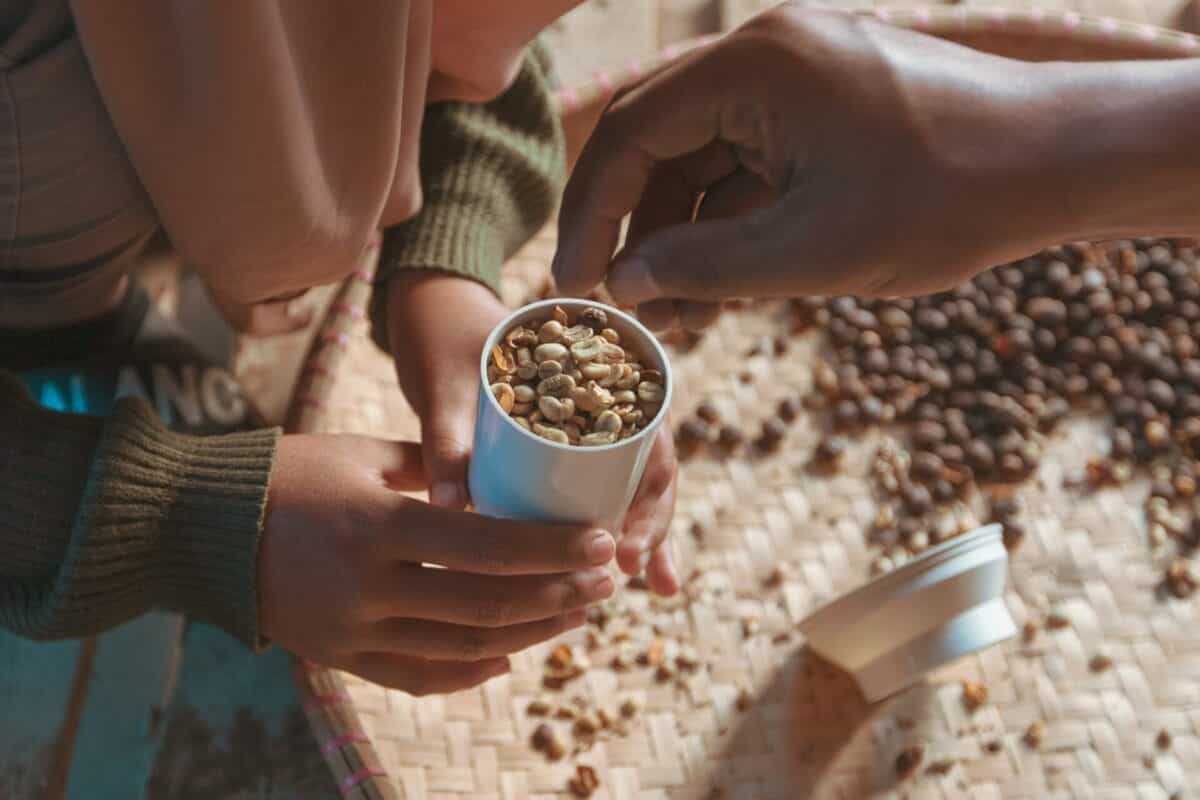
In Indonesia, coffee prices are not tied to the global C market but are instead determined by domestic market rates. These domestic prices are heavily influenced by futures contracts signed by large corporations. This year, amid rising global prices and concerns over supply shortages in other origins, many companies rushed to secure high volumes of popular coffees, such as Mandheling, at premium rates. This surge in forward contracting has pushed up market prices across the board. As a result, processors and exporters, regardless of size, are being forced to purchase cherries at significantly higher prices.
Giving Back to Society and Revitalizing Agriculture
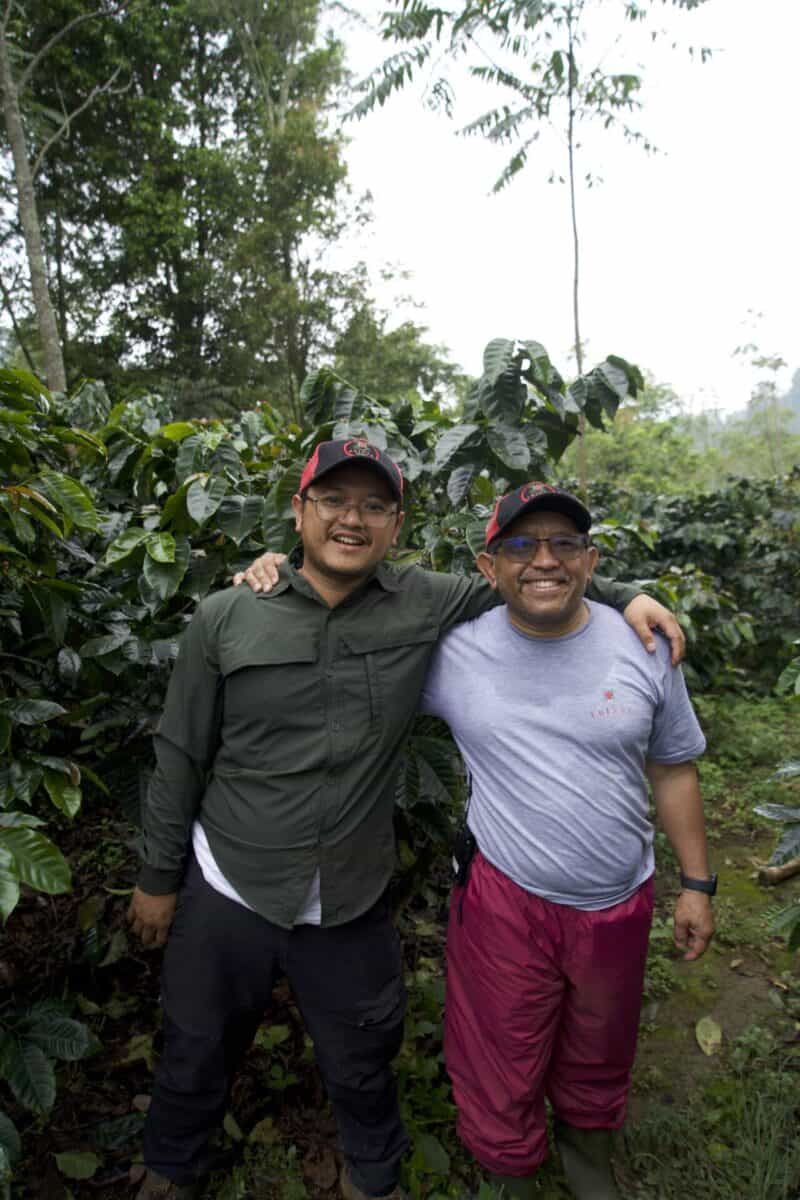
According to Fikri of Frinsa, an increasing number of young people have returned to their hometowns from the cities in recent years to take up farming. Many are seeking a lifestyle more in tune with nature and closer to family. Coffee farming, in turn, is beginning to play a central role in revitalizing rural communities.
In West Java, for instance, government land-use policies aimed at forest conservation are promoting a shift from illegal vegetable farming to legally approved coffee cultivation. Because coffee tree roots help stabilize the soil and reduce the risk of landslides, this transition is also seen as beneficial from an environmental perspective.
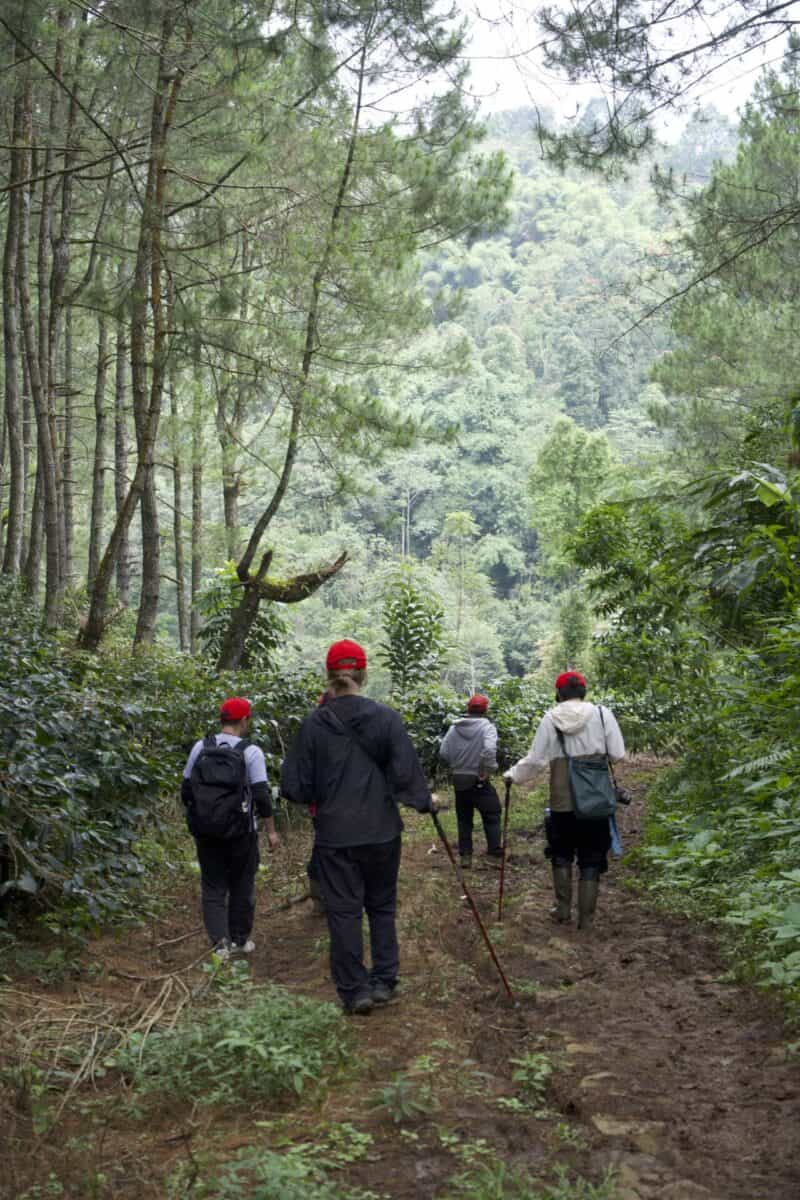
Frinsa’s own farm operates on land leased from the government under this policy and returns 30% of the farmgate price to the state. To protect the forest, felling trees is strictly prohibited, including the removal of fallen ones. Instead, they must be left to naturally decompose, a process that takes about four years to complete. The farm is also required to plant several thousand new trees each year.
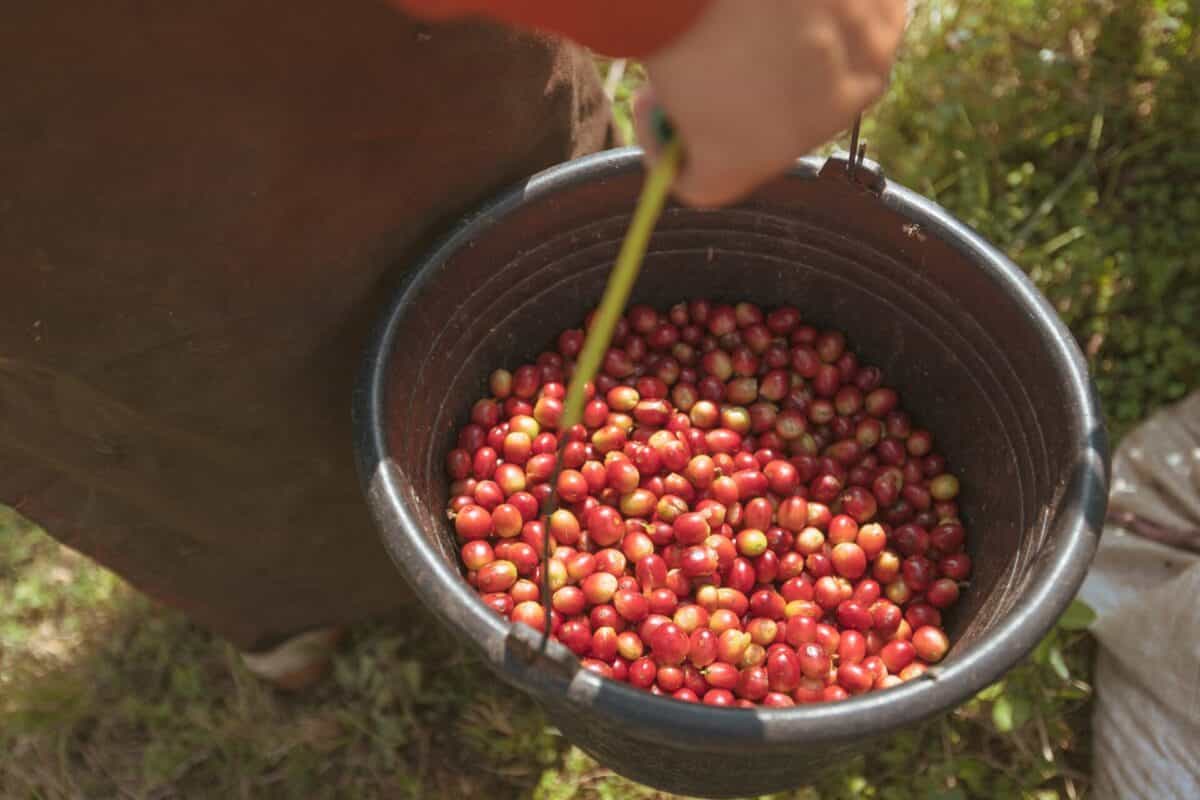
While such strict regulations are commendable, they pose unique challenges for coffee production. Not being able to freely manage shade trees makes it difficult to control sun exposure, resulting in uneven cherry ripening. This adds extra labor to the production process. Still, Frinsa embraces these constraints as part of its mission to pursue sustainability. In fact, they see these policies as aligned with their core purpose, and continue to deepen that mission through their daily practice.
Frinsa also sells seedlings grown at its own nursery to local farmers at cost and creates jobs through its farm and processing operations, helping to build a sustainable agricultural ecosystem. Other farms are similarly giving back. Some donate 10% of their revenue to local infrastructure and welfare efforts, and in some cases, these contributions have been recognized by institutions such as the central bank, which offers support in return.
Another uniquely Indonesian practice is zakat, an Islamic custom of charitable giving. Under this system, producers contribute 2.5% of their income to the community in the form of seedlings or fertilizer, not as handouts, but at symbolic prices designed to foster a sense of ownership and responsibility in the recipients.
All of this left a strong impression: in Indonesia, agriculture is more than a livelihood – it’s a foundation that sustains the entire community.
Conclusion
While in Indonesia, we had the opportunity to attend World of Coffee Jakarta, the first time this major event was held in a coffee-producing country. The venue was packed with producers and roasters, creating an electric atmosphere. What stood out most was how many of the Producer Village booths were hosted by Indonesian producers and how the majority of attendees were locals. The event’s vibrant energy reflected the growing momentum of Indonesia’s domestic coffee industry.
For TYPICA, this trip was more than just an origin visit – it was a journey that opened our eyes to the rich diversity of coffees and cultures across different islands and regions of Indonesia. It revealed the immense potential of the country as a coffee origin. But what we took away wasn’t just knowledge about coffee. The values we encountered among the people, their worldview shaped by balance, harmony, and care, felt like a vision of what an ideal future society could be. We hope to share this sensibility with roasters and coffee lovers around the world.
Behind the scenes; My non-coffee favorites
“Jakarta’s night cafés”
Many cafés in Indonesia stay open until around midnight, and even close to closing time, they’re often still full. Because alcohol consumption is limited due to religious customs, cafés have become the go-to social spaces at night. On humid evenings, people gather on outdoor benches, smoking and chatting endlessly over glasses of kopi susu (coffee with milk). The scene feels like a never-ending summer vacation, filled with a nostalgic warmth.
“Offerings in Bali”
Although Bali is just a two-hour flight from Jakarta, the cultural contrast is striking. At a washing station in Bali, our eyes were drawn to a small palm-leaf dish filled with flower petals and a few grains of rice. This was a canang sari, a daily offering in Balinese Hinduism. The Balinese worldview values the balance of opposites, embracing even what is considered impure or negative rather than rejecting it. These offerings are handmade each morning by women and placed in both sacred and “unclean” spots, like altars and water drains alike. At the washing station, one had been gently placed in the corner of a dehulling machine.
“Home cooking in Bandung”
We often get to try local food on origin trips, but the meals we had at Frinsa were easily among the best. After falling a bit ill midway through the Bali leg, my first taste of Bandung food was a bowl of rice porridge, fried tofu, and boiled eggs kindly prepared by Fikri’s wife. The gentle, comforting flavors nearly brought me to tears. In the following days, I had the chance to enjoy more of their home cooking – and fell completely in love with Bandung cuisine. A soup made from beef tendon, lemongrass, citrus leaves, and ginger warmed me after a rainy day. The fried tempeh was hearty and satisfying, and my personal favorite was crispy yuba (tofu skin) served with steamed vegetables. If you ever visit Bandung, don’t miss the chance to enjoy its home-style dishes.