





Is Screen Size a Quality Indicator? — Tips for Sourcing Kenyan Coffee
When choosing Kenyan coffee, many people first look at screen size as a key decision factor. You check the offer list, request samples, consider purchasing, and eventually put the name on your menu. In that process, many read the letters “AA” as meaning “top quality.” That instinct isn’t wrong. Yet, the more experience you gain in roasting and selling coffee, the more often you may find yourself facing the question: how much should we really rely on screen size as an indicator?
First, it’s important to clarify a basic premise. Kenyan grades (AA, AB, etc.) are classified not by sensory evaluation, but solely by screen size — physical bean size. AA refers to the largest category, screen size 17/18. In other words, what the AA label tells us is simply that “the beans are large.” It does not directly guarantee the completeness or excellence of flavor.

Rockbern founder Peter Muchiri
That said, there are solid reasons why AA has long been valued. Larger beans tend to have matured longer on the tree, accumulating more nutrients. Their greater mass also allows them to absorb heat more gradually during roasting, making it easier to cleanly express the bright acidity and fruit character typical of Kenyan coffees. As a result, cup satisfaction often trends higher. These physical factors explain why AA has functioned as a reliable “gateway” to good-quality coffee.
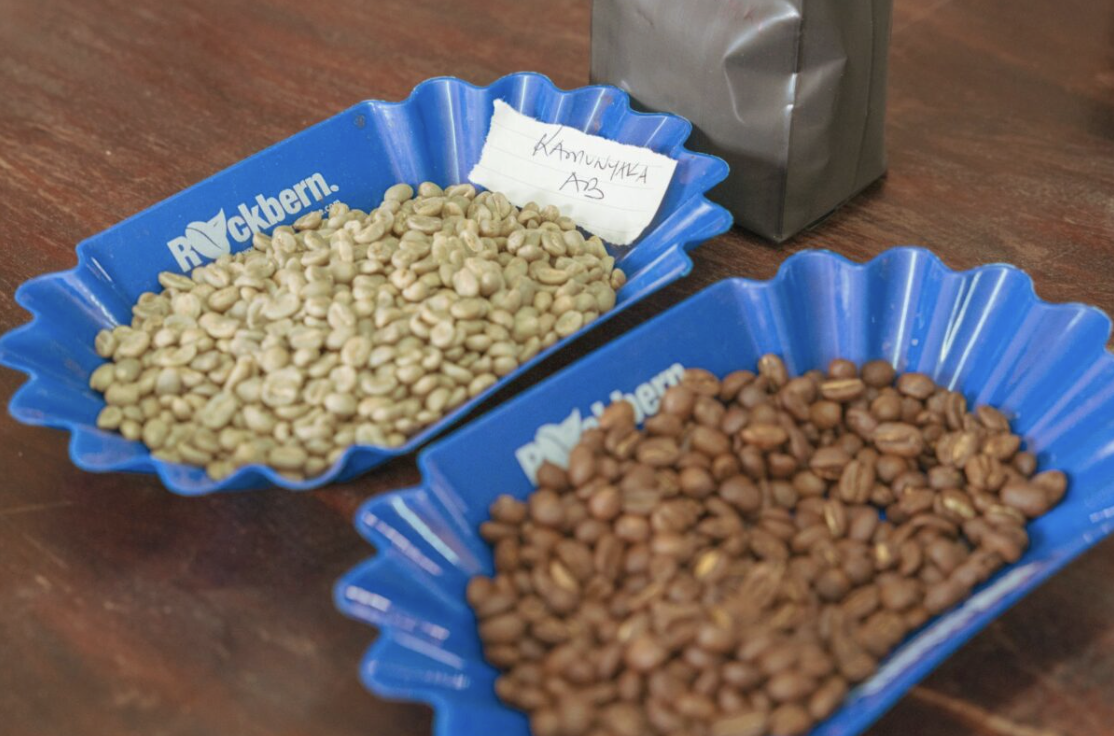
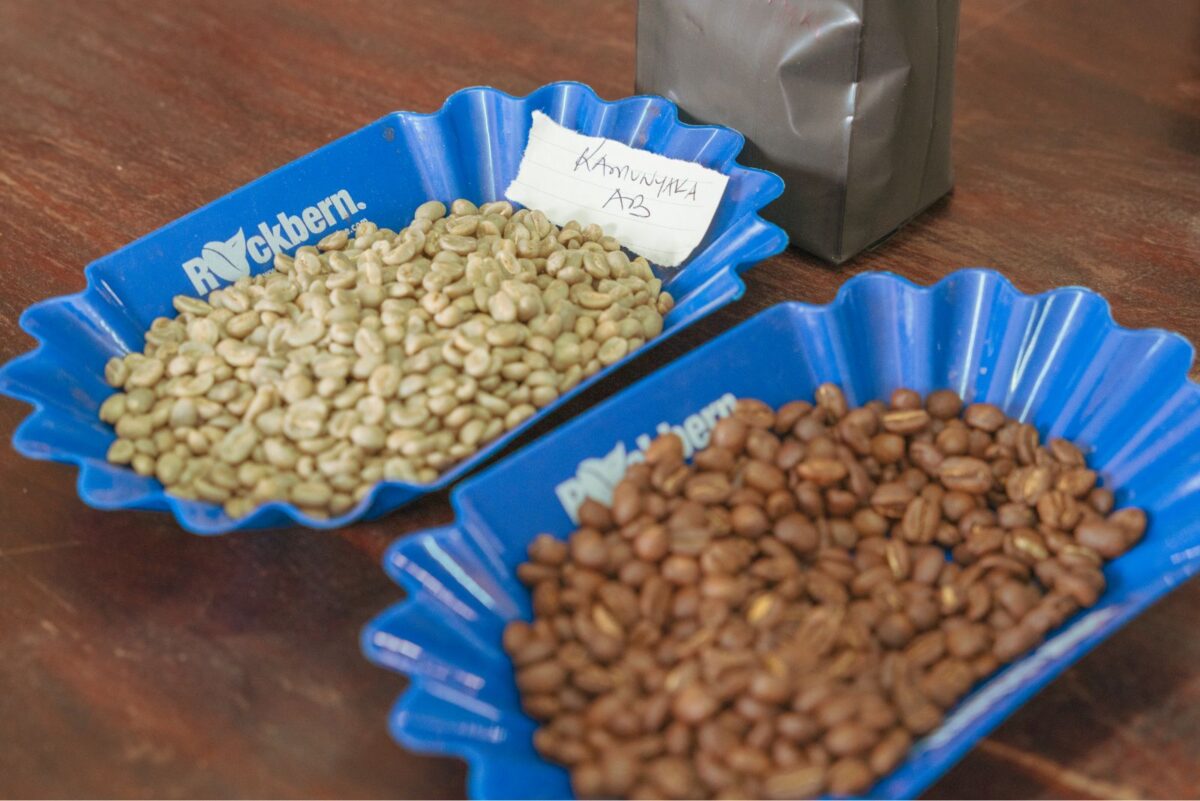
So what about AB? AB is treated as a lower grade simply because it is one size smaller than AA, at screen size 16/17. However, once you cup repeatedly, you begin to realize that the quality gap between AA and AB is far smaller than commonly assumed. In fact, looking at scores from TYPICA’s QC team, the difference between AA and AB from the same station is usually no more than about 0.25 points.
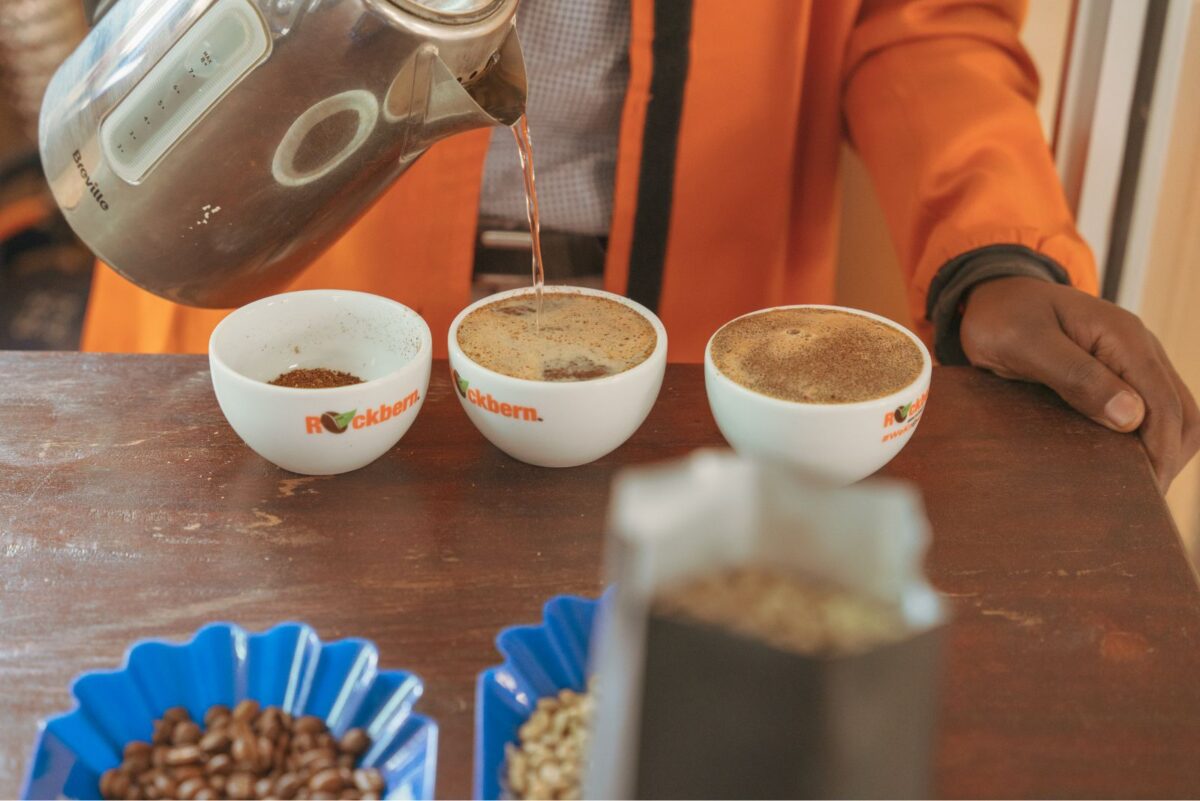
That is precisely why final decisions should be left to cupping. Whether a coffee is AA or AB is merely a piece of information — a starting condition for designing a roast. What truly matters is how the coffee behaves once heat is applied, how its flavors bloom in the cup, and what role it can play within your lineup. The answer to those questions exists only in the cup.
Excluding a coffee from cupping simply because it is “AB” would be a real loss. We’ve encountered countless outstanding AB lots. Generally, AB also tends to be about USD 0.50 lower in FOB price than AA. In today’s environment of rising coffee prices, if you find an AB that satisfies you in cupping, it can be an exceptionally cost-effective and wise choice.
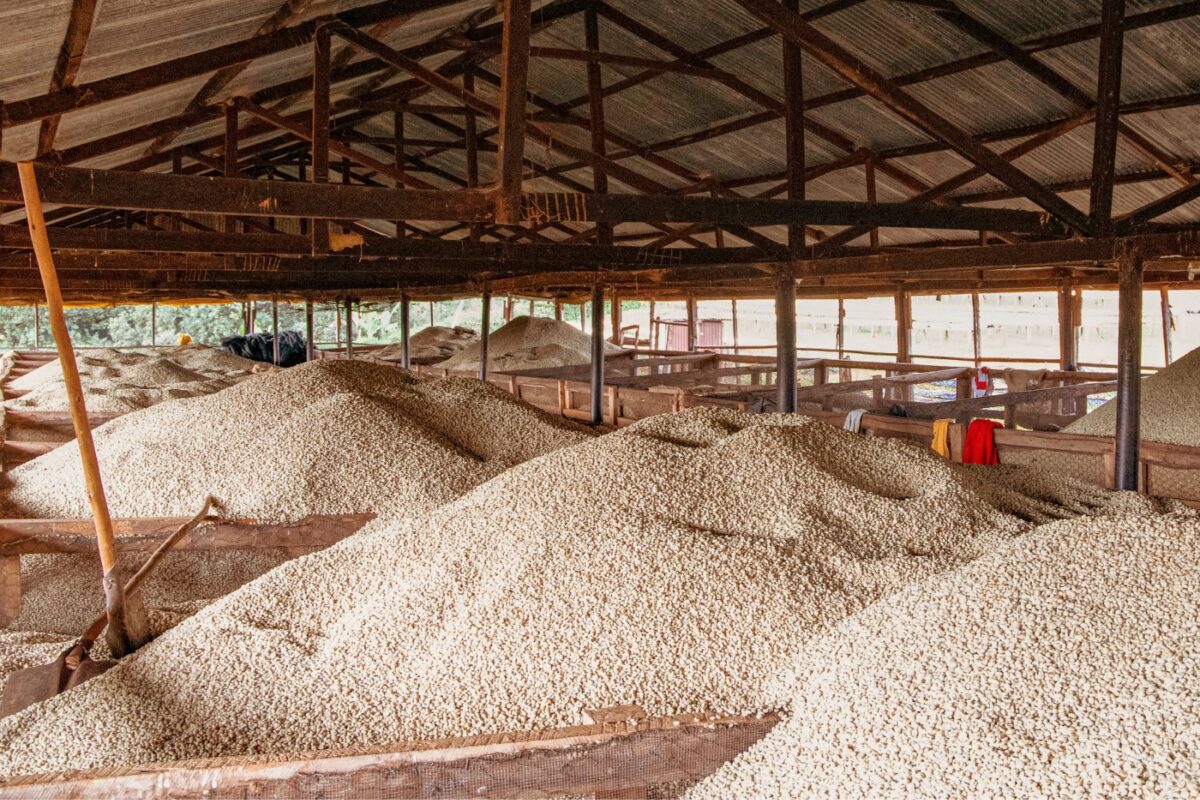
Screen size is a useful hint and a convenient label. But it is never the goal. Moving beyond assumptions tied to size and judging purely on cupping results — that process is what allows the hidden appeal of AB coffees to shine, and what can ultimately expand the reach of Kenyan coffee to more roasters.