








Ethiopia Harvest Update 2025/26
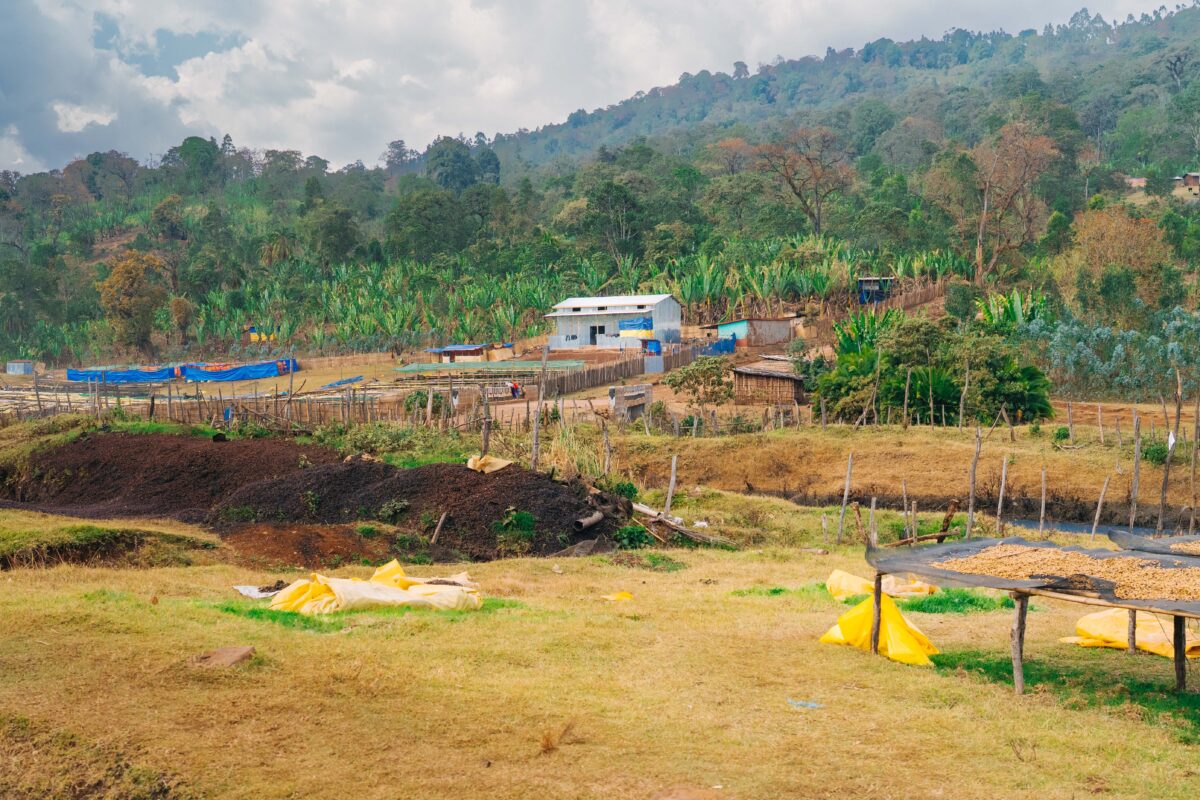
Our recent origin trip to Ethiopia and Kenya highlights a very fast national development alongside challenging coffee market dynamics and exceptional quality. Cherry prices surged dramatically while volumes remain constrained, creating unique sourcing challenges amid broader economic growth.
Ethiopia’s Rapid Development
Since our previous visit just one year ago, Ethiopia demonstrates remarkable progress. Roads in Addis Ababa glow with bright lighting everywhere, construction fills every corner, and hotel access roads undergo major upgrades. The country is building Africa’s largest airport while accelerating tourism initiatives to welcome more global visitors.
This evolution brings optimism and concerns. More tourists can discover Ethiopia, the only non-colonized African nation, and experience its unique culture. However, rapid growth risks diluting that distinctiveness. This mirrors coffee market trends: historically undervalued for specialty quality, strengthening economics now suggest structurally higher prices ahead, beneficial locally but will require market adaptation.
Market Overview
This year’s harvest faced significant headwinds. Government minimum prices began high alongside peak C-market values in October, but critically low volumes in Guji and Sidama intensified pricing pressures.
Cherry prices tripled from 80 Birr/kg (2025) to 240 Birr/kg (~$1.50 USD/kg). With a standard 7:1 cherry-to-green ratio, raw material costs alone can reach approximately $10.50/kg, potentially taking Ethiopia outside the competitive markets despite outstanding cupping scores across all stations.
Production Realities
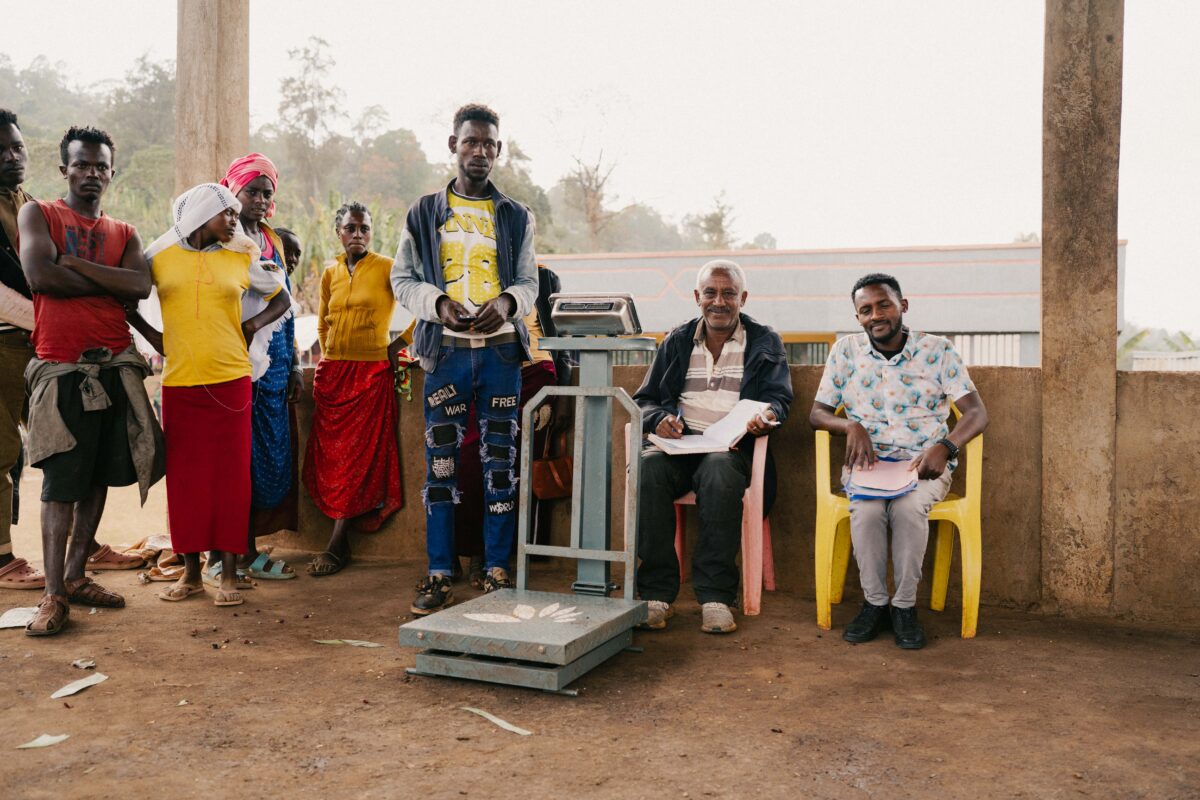
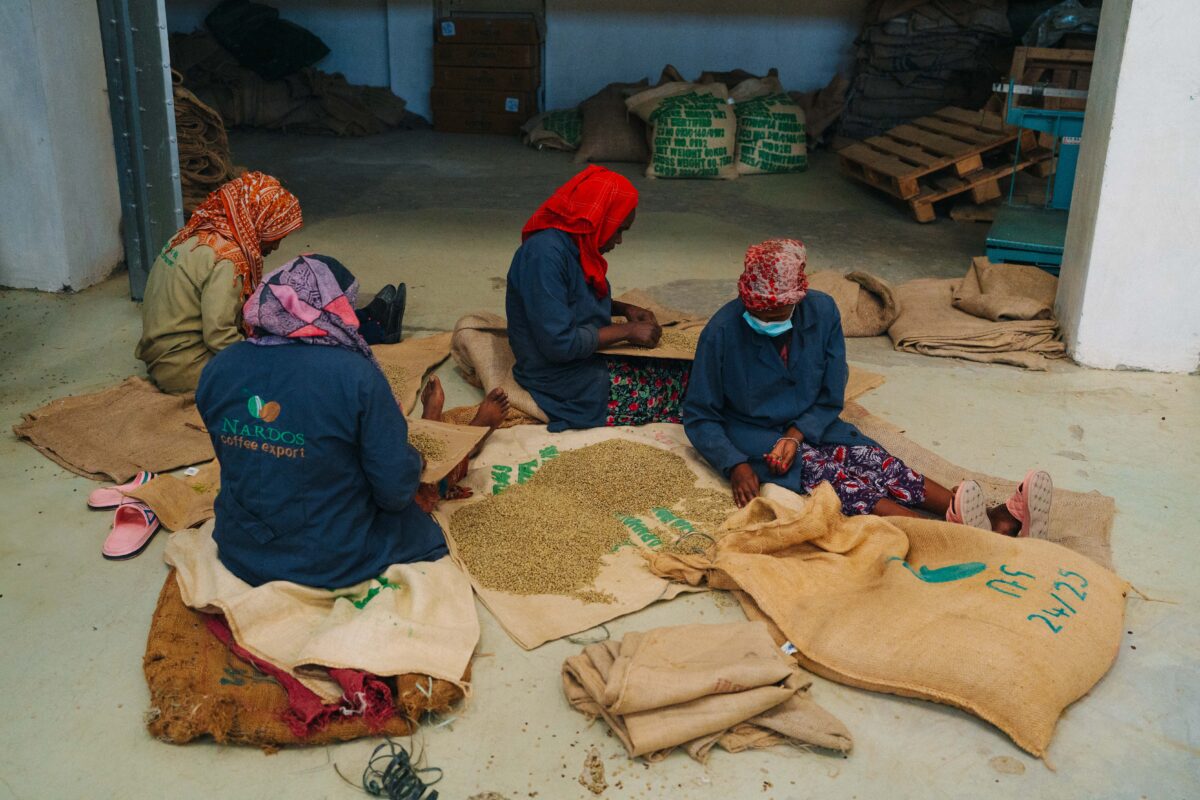
The trip documented the complete journey, from meticulous cherry sorting and community weighing sessions to raised-bed drying and controlled fermentation. Processing stations are busy with activity, showcasing all the Ethiopia varieties and labor-intensive quality focus. Cupping sessions revealed exceptional scores, justifying premium positioning even at elevated costs.

Strategic Implications
High cherry costs challenge FOB pricing, but traceability and quality support premiums prices. Ethiopia’s economic momentum points to sustained price growth, ending its “bargain” era. Expect March shipments as stations prioritize top lots. The selections position offerings strongly for roasters seeking high-scoring, documented East African coffees.